The economics of biogas production in sanitation sits at the intersection of public health, waste management, energy access, and circular resource use, making it one of the most practical areas within economic strategies in EcoSan. In this context, EcoSan refers to ecological sanitation systems that treat human waste and organic residues as recoverable resources rather than disposal problems. Biogas production is the anaerobic digestion of fecal sludge, sewage, food waste, manure, or mixed organics to produce a combustible gas rich in methane, along with a nutrient-bearing digestate. When sanitation projects integrate digesters, they can generate energy, reduce sludge hauling costs, lower greenhouse gas emissions, and create saleable by-products. I have worked with sanitation business cases where the technical design looked solid, yet the project failed because tariffs, feedstock logistics, maintenance budgets, and offtake agreements were treated as afterthoughts. That is why economics matters as much as engineering.
For cities, utilities, NGOs, and private operators, the key question is not simply whether biogas can be produced from sanitation waste, but whether the full system can pay for itself or justify subsidy through measurable public value. Costs appear across the chain: toilet interfaces, containment, emptying, transport, pretreatment, digestion, gas cleaning, storage, distribution, and digestate management. Revenues also come from several channels: cooking gas, electricity, heat, tipping fees, carbon finance, fertilizer products, and avoided expenditure on conventional treatment or fuel. The hub role of this article is to connect these economic strategies in EcoSan into one decision framework. A useful assessment asks five direct questions: what feedstock is available year-round, what technology matches it, who will buy the outputs, which institution will operate the system, and how will capital and operating risks be allocated. Projects that answer those questions early have a far better chance of moving beyond pilot status.
Biogas economics in sanitation also matters because it addresses multiple policy goals simultaneously. A fecal sludge treatment plant with anaerobic digestion can reduce pathogen loads, cut methane emissions from uncontrolled decomposition, and displace LPG, diesel, charcoal, or grid electricity. In dense low-income settlements, the business case may be driven less by gas sales and more by avoided dumping, lower desludging costs, and better service coverage. In peri-urban areas, co-digestion with market waste, dairy manure, or food processing residues often improves both gas yield and financial performance. In institutions such as schools, prisons, hospitals, and housing estates, the value of reliable on-site energy can be substantial. The financial model therefore depends on scale, feedstock mix, end-use market, and governance. Understanding those variables is essential for anyone building a serious EcoSan portfolio under the broader economic aspects category.
Cost structure and the true unit economics of sanitation biogas
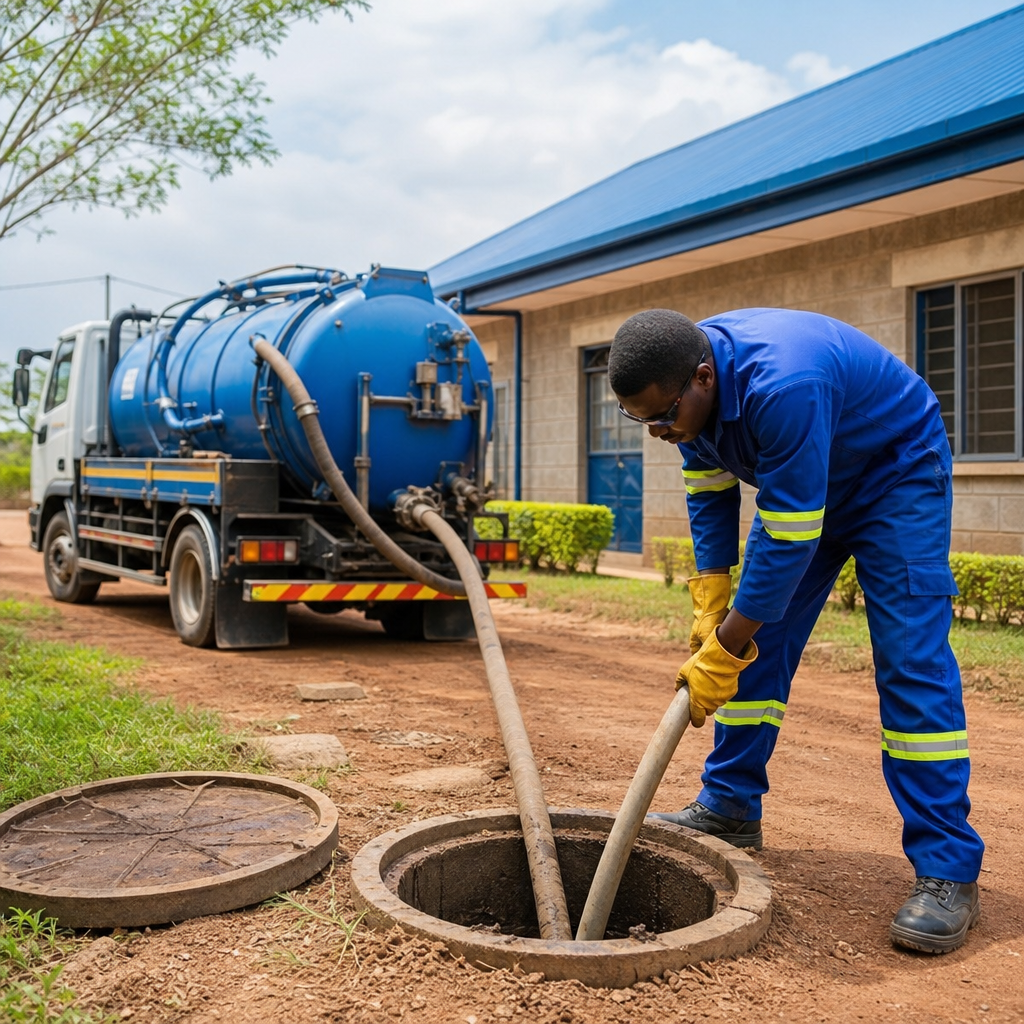
The starting point for any economic analysis is the unit cost of handling one ton of wet feedstock or one cubic meter of fecal sludge. Capital expenditure typically includes civil works, digesters, pumps, mixers, screens, grit removal, gas holders, piping, flare systems, dewatering units, and basic laboratory equipment. Where gas will be used for power generation, add scrubbers, dryers, compressors, generators, electrical interconnection, and safety systems. Operating expenditure covers labor, emptying and transport, electricity for pumps, chemicals, spare parts, routine desludging, monitoring, insurance, and compliance. In my experience, operators regularly underestimate the cost of feedstock collection and contamination control. Plastic, grit, textiles, and sand can quietly erode returns by increasing downtime and maintenance. A project that looks profitable on a spreadsheet can turn negative once actual collection routes, fuel use, and mechanical wear are included.
Biogas yield varies sharply by feedstock. Source-separated food waste and manure generally produce more methane than dilute sewage or aged fecal sludge because they contain more readily degradable volatile solids. Human excreta alone can support digestion, but the gas yield per unit volume of incoming sludge may be modest if the waste has been sitting in pits for long periods and much of the easily digestible material has already decomposed. That is why co-digestion is often the decisive economic strategy in EcoSan. Adding market waste, canteen waste, brewery effluent, or agro-industrial residues can raise methane production enough to justify gas cleanup and productive end use. However, those feedstocks introduce procurement risk. If a nearby food processor changes operations, the digester can become underfed. Strong contracts and diversified supply matter.
Investors and public agencies should track levelized cost, not just upfront cost. The relevant metrics include cost per cubic meter of biogas, cost per kilowatt-hour of usable energy, cost per household served, and cost per ton of pathogen-safe solids managed. Sensitivity analysis is essential because sanitation projects are exposed to inflation, currency risk for imported equipment, and variable sludge volumes. A ten percent drop in feedstock throughput can be more damaging than a ten percent increase in capital cost because it affects output every day. The practical lesson is simple: prioritize reliable throughput, robust preprocessing, and manageable maintenance over impressive nameplate capacity. Smaller systems with stable loading rates often outperform larger plants designed around unrealistic feedstock assumptions.
Revenue streams, avoided costs, and why sanitation biogas is rarely a single-product business
Sanitation biogas projects work best when developers treat them as multi-revenue platforms. The most visible revenue comes from selling gas, electricity, or heat. Biogas can fuel institutional kitchens, boilers, combined heat and power units, or upgraded biomethane applications where standards and scale allow. Yet in many EcoSan settings, direct energy sales alone do not cover full costs. The stronger business case often combines user fees, sludge treatment charges, municipal service payments, tipping fees for organic waste, compost or soil conditioner sales, and avoided expenditure on diesel, firewood, LPG, or grid power. I have seen decentralized systems become viable only after the operator quantified the savings from reduced septic tank emptying frequency and the municipality recognized avoided landfill and drainage cleanup costs.
Digestate economics deserve careful attention. Properly managed digestate can become a liquid fertilizer, compost blend ingredient, or dewatered soil amendment, but only if quality is consistent and pathogen control meets regulatory expectations. Farmers will not buy a product they distrust. That means testing for nutrients, moisture, pathogens, and contaminants, then packaging the product around actual user needs. In regions with expensive synthetic fertilizers, nutrient recovery can materially improve project economics. Where agricultural demand is weak, digestate handling becomes a cost center instead of a revenue source. This is one reason site selection matters: proximity to peri-urban agriculture, landscaping markets, or reforestation programs can transform digestate from disposal burden to product line.
Carbon value can also matter, although it should be treated conservatively. Methane capture from uncontrolled waste decomposition and displacement of fossil fuels can generate climate benefits, but monetizing those benefits through carbon markets requires credible baselines, monitoring, verification, and transaction management. Small projects may find the administrative burden too high unless bundled through a programmatic approach. Public health benefits are even harder to monetize directly, yet they are real and economically significant. Reduced pathogen exposure lowers medical costs, absenteeism, and environmental remediation expenses. For municipal decision-makers, these avoided costs justify viability gap funding or output-based subsidies when private revenue is insufficient.
| Economic element | Typical effect on project economics | Example in EcoSan practice |
|---|---|---|
| Biogas sales | Creates direct cash flow but depends on steady demand and gas quality | Supplying a school kitchen instead of purchasing LPG |
| Tipping fees | Stabilizes revenue even when energy prices fluctuate | Charging market traders for segregated organic waste delivery |
| Avoided fuel costs | Improves economics for captive users without retail gas infrastructure | Hospital boiler switching from diesel to biogas |
| Digestate products | Adds value if quality assurance and local demand exist | Co-compost sold to peri-urban vegetable growers |
| Municipal service payments | Recognizes sanitation as a public service, not just an energy project | Payment per cubic meter of fecal sludge safely treated |
| Carbon finance | Can improve returns but is uncertain and transaction-heavy | Bundled crediting for methane capture from treatment plants |
Business models and financing pathways for Economic Strategies in EcoSan
There is no single best ownership model for sanitation biogas. Municipal utilities often control feedstock access and land, making them suitable anchors for centralized plants. Private operators may bring stronger maintenance discipline, route optimization, and customer service, especially in fecal sludge emptying and organics aggregation. Community-based systems can work at small scale, particularly in housing compounds, markets, and institutions, but they usually need technical backstopping and reserve funds for repairs. The right model aligns incentives across collection, treatment, and product sales. One common failure occurs when one entity bears the treatment cost while another captures the energy benefit. For example, if a sanitation department pays to manage sludge but a separate agency uses the gas without compensation, the operating company has weak incentives to sustain performance.
Blended finance is often the most realistic capital strategy. Sanitation infrastructure has public-good characteristics, so grants, concessional debt, climate funds, or municipal capital budgets frequently cover part of the upfront cost. Commercial debt becomes more viable when repayment is supported by contracted service fees or long-term energy offtake. Development finance institutions and results-based programs can bridge the gap by paying for verified treatment volumes or emissions reductions. In practice, lenders want to see three forms of confidence: predictable feedstock supply, reliable operating capability, and enforceable cash flow. That is why bankable projects use service contracts, minimum offtake agreements, lifecycle maintenance plans, and contingency reserves rather than relying on optimistic assumptions.
Tariff design is another core economic strategy in EcoSan. User charges for emptying services, sanitation fees embedded in water bills, institutional energy tariffs, and tipping fees for organic waste should be set so the system can cover routine operations while remaining socially acceptable. Cross-subsidy may be necessary where low-income households cannot pay the full cost of safe service. The World Bank, WHO sanitation safety planning principles, and utility benchmarking practices all support the idea that sanitation should be evaluated as essential infrastructure with health externalities, not merely as a commodity business. In that framework, biogas revenue improves cost recovery, but public funding still has a legitimate role where wider societal benefits exceed private returns.
Operational decisions that determine profitability more than technology brochures do
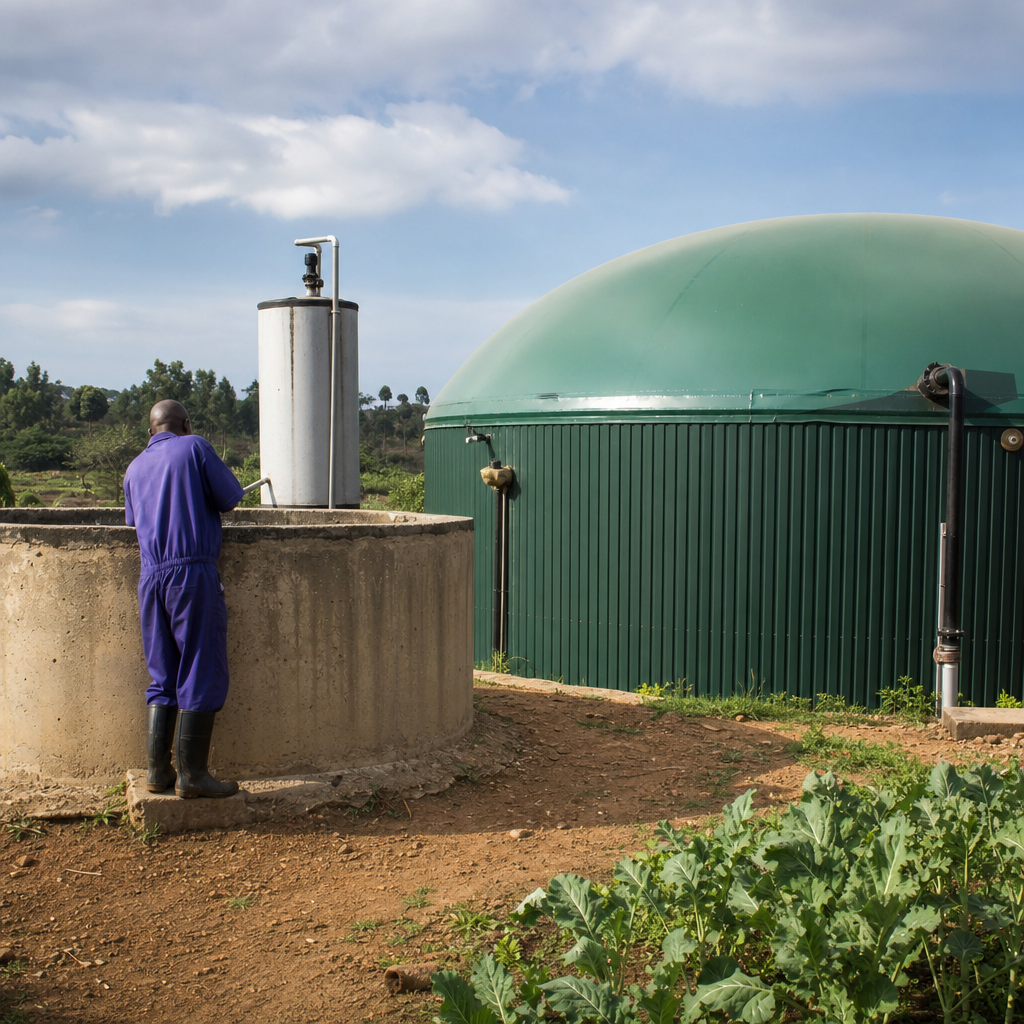
Operational execution usually determines whether a sanitation biogas plant breaks even. Feedstock characterization should include total solids, volatile solids, chemical oxygen demand, pH, grit content, and seasonal variation. Hydraulic retention time and organic loading rate must be matched to the actual waste, not a generic design manual. High-strength co-substrates can lift methane yield, but overloading causes acidification and gas collapse. Pretreatment is economically justified when it protects pumps, mixers, and digesters from damage and improves process stability. I have seen simple interventions such as inlet screening, sand traps, and standardized reception protocols save more money than expensive retrofits installed after repeated failures.
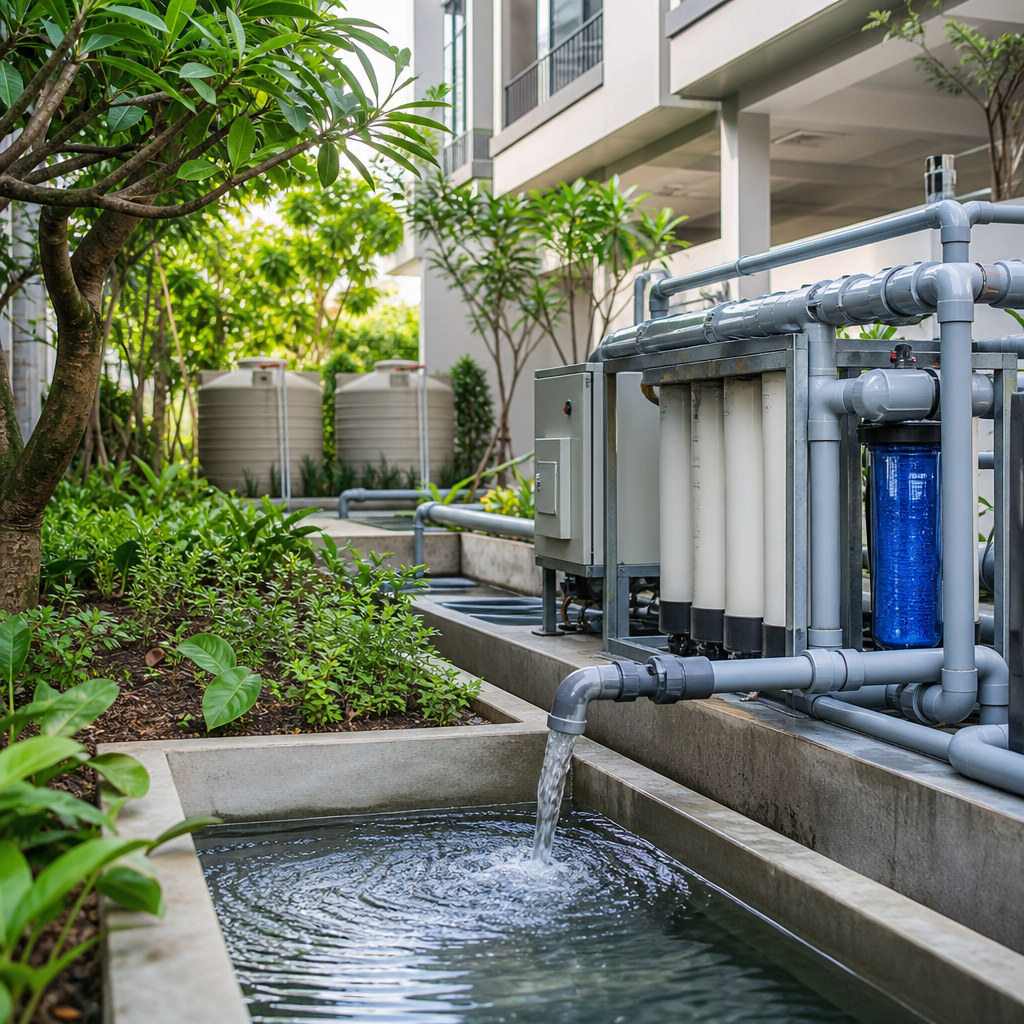
Energy use strategy matters as much as gas production. If the plant is small, converting biogas to electricity with a generator may be less efficient and more maintenance-intensive than direct thermal use for cooking or hot water. Combined heat and power can be attractive at larger scale where both electricity and heat have dependable loads. Upgrading to biomethane requires stringent gas cleaning and compression, which generally only makes sense with sufficient throughput and a premium offtake market. Flaring surplus gas is preferable to venting methane, but frequent flaring signals weak energy planning and lost value. Good projects design end use from the start, including storage, redundancy, appliance compatibility, and user training.
Data discipline is another overlooked profit driver. Operators should track daily feedstock intake, gas volume, methane concentration, downtime, parasitic electricity use, digestate output, and sales by product line. With that information, managers can calculate conversion efficiency, identify contamination sources, and schedule maintenance before breakdowns become costly. Recognized tools such as life-cycle costing, net present value analysis, internal rate of return, and scenario modeling are useful, but only when grounded in field data. Sanitation systems live or die on routine details: valve leaks, delayed emptier payments, inconsistent segregation at source, and unplanned pump failures. Economic resilience comes from operational discipline, not from ambitious slide decks.
Policy, scale, and market conditions shaping long-term viability
The wider policy environment strongly shapes biogas economics in sanitation. Clear rules for fecal sludge management, waste segregation, renewable energy interconnection, biosolids reuse, and public procurement reduce uncertainty and lower transaction costs. Where regulators permit untreated dumping or open burning, properly managed facilities struggle to compete because unsafe disposal appears cheaper. Enforcement therefore has direct economic value. Standards also matter for product quality. If digestate is to be sold, buyers need confidence grounded in testing protocols and labeling. National standards for compost, biosolids, and gas equipment create the trust required for market formation. Without them, projects depend on one-off relationships and remain fragile.
Scale is often misunderstood. Large plants benefit from economies of scale in equipment and staffing, but they also face longer collection distances, more complex logistics, and larger consequences when supply contracts fail. Small decentralized digesters reduce transport costs and can serve captive energy users directly, yet they may struggle with professional maintenance and consistent monitoring. The economically sound choice depends on settlement pattern, road access, land prices, and density of feedstock sources. A cluster approach often works well: neighborhood or institutional systems for high-strength local waste, linked to larger treatment hubs for residual sludge flows. That kind of portfolio thinking is central to a sub-pillar hub on economic strategies in EcoSan because it recognizes that different scales can complement rather than replace one another.
Market maturity also affects viability. In cities where LPG prices are subsidized, selling raw biogas can be difficult unless reliability and convenience are superior. In agricultural districts facing high fertilizer costs, digestate may have stronger demand than gas. During energy shortages, onsite generation becomes more valuable; during periods of low grid tariffs, electricity sales weaken. Sensible developers therefore build flexible business cases that can pivot among revenue sources. They also establish internal links across their EcoSan strategy: sanitation service planning, nutrient recovery, decentralized treatment, inclusive tariffs, and climate finance should be evaluated together, not as isolated interventions.
The economics of biogas production in sanitation is strongest when practitioners stop treating it as a narrow energy project and manage it as an integrated service business within economic strategies in EcoSan. The core lesson is that value comes from the whole chain: reliable feedstock supply, realistic technology selection, disciplined operations, diversified revenue, and policy support that rewards safe treatment. Gas output matters, but so do tipping fees, avoided fuel purchases, municipal payments, digestate markets, and public health gains. Projects succeed when they quantify these flows honestly and match them to the right ownership and financing model.
As a hub article for this subtopic, the practical takeaway is clear. Start every sanitation biogas assessment with unit economics, then test the business model against actual local conditions: waste volumes, transport distances, energy demand, agricultural markets, tariffs, and regulation. Favor designs that can handle contamination, secure multiple revenue streams, and prove service performance with data. Where private returns remain limited, structure public support around verified treatment and environmental outcomes rather than vague promises. That approach improves accountability and long-term viability.
If you are building an EcoSan program, use this page as the foundation for deeper work on tariffs, fecal sludge logistics, nutrient recovery, public-private partnerships, and climate-linked finance. Biogas can turn sanitation from a cost center into a productive asset, but only when the economics are designed as carefully as the digester. Review your current sanitation chain, identify where value is leaking, and build the business case from there today.
Frequently Asked Questions
1. Why is biogas production in sanitation considered economically important within EcoSan systems?
Biogas production in sanitation is economically important because it turns a costly public service challenge into a set of recoverable value streams. In conventional sanitation systems, fecal sludge, sewage, and organic waste are often treated primarily as liabilities that require collection, transport, treatment, and disposal. Each of those steps carries recurring costs, while the potential value in the waste is frequently lost. EcoSan approaches change that equation by recognizing that human waste and other biodegradable materials contain energy, nutrients, and organic matter that can be captured and reused. Through anaerobic digestion, these materials produce biogas, which can substitute for purchased fuels such as firewood, charcoal, LPG, diesel, or grid electricity, depending on the application and local infrastructure.
From an economic standpoint, this creates both direct and indirect benefits. Direct benefits include energy cost savings, revenue from the sale of biogas or electricity, and the possible sale or use of digestate as a soil amendment or fertilizer input if it is safely treated and regulated for reuse. Indirect benefits can be even more significant. Improved sanitation reduces disease transmission, lowers healthcare costs, and supports worker productivity. Better waste treatment also reduces environmental cleanup costs, lowers methane emissions from uncontrolled decomposition, and can reduce pressure on landfills and wastewater infrastructure. In dense urban areas, where disposal costs are high and energy demand is concentrated, the economic logic can be especially strong.
The broader appeal within EcoSan is that biogas systems support circular resource use. Instead of paying repeatedly to manage waste and then separately paying for fuel and fertilizers, communities and utilities can close loops by recovering value from the same material stream. That is why the economics of biogas production in sanitation are often evaluated not only in terms of plant-level profit, but also in terms of avoided public expenditure, resource efficiency, resilience, and long-term social returns.
2. What factors have the biggest effect on the financial viability of a sanitation-based biogas project?
The financial viability of a sanitation-based biogas project depends on a combination of technical performance, feedstock quality, scale, market access, and institutional reliability. One of the most important variables is feedstock consistency. Anaerobic digesters perform best when they receive relatively steady volumes of suitable organic material. In sanitation projects, the feedstock may include fecal sludge, sewage solids, food waste, manure, or mixed organic residues. If the supply is too irregular, too diluted, contaminated with non-biodegradable materials, or low in organic loading, gas yields can fall and operating costs can rise. This is why source segregation, reliable collection systems, and pretreatment processes are often critical to project economics.
Scale also matters. Small systems can work well in institutions, farms, or communities, but they may struggle to cover costs if they cannot use the gas efficiently or if maintenance support is weak. Larger systems can benefit from economies of scale in equipment, labor, and energy conversion, yet they also require higher upfront capital, stronger management, and dependable feedstock logistics. The best scale is not always the biggest one; it is the one that matches local waste supply, energy demand, and operational capacity.
Capital cost and financing terms are another major determinant. Digesters, gas handling systems, storage units, generators, upgrading equipment, sludge treatment components, and safety systems require substantial investment. A project with concessional finance, grants, public support, or blended finance may be viable where a fully commercial project is not. Similarly, long loan tenors and lower interest rates can dramatically improve payback periods. Operating costs are equally important and include labor, repairs, desludging logistics, odor control, monitoring, spare parts, and compliance with health and environmental regulations.
Finally, the value of outputs determines whether the project can generate sufficient returns. If biogas displaces expensive fuels or electricity, its economic value is higher. If digestate can be safely processed and sold or used productively, that adds another revenue stream. Carbon finance, tipping fees for accepting waste, and sanitation service payments can also improve viability. In practice, the strongest projects usually do not rely on a single income source. They are built around multiple benefits and multiple revenue or savings channels.
3. How do biogas projects in sanitation generate revenue or cost savings beyond just selling gas?
Many people assume the business case for biogas rests only on the sale of fuel, but in sanitation-based systems the economics are usually much broader. One of the most important revenue sources can be tipping fees or service fees. Municipalities, utilities, private haulers, institutions, or communities may pay to have fecal sludge, septage, food waste, or other organic waste received and treated. In that case, the digestion facility earns income for providing a sanitation and waste management service before the energy value is even counted. This is particularly relevant in areas where uncontrolled dumping is being replaced by regulated treatment systems.
Energy substitution is often more valuable than direct gas sales. A facility may use biogas on-site for cooking, heating, sludge drying, pumping, or electricity generation. By offsetting purchased LPG, diesel, firewood, charcoal, or grid power, the project reduces operating expenses and improves energy security. In some cases, electricity can be exported to the grid or sold to nearby users, although that depends on interconnection rules, tariffs, and system size. Upgraded biogas, often called biomethane, may also have value where gas purification and distribution are feasible, but that usually requires more advanced infrastructure and stronger commercial conditions.
Another economic contribution comes from digestate and nutrient recovery. If the residual material from digestion is further treated to meet safety standards, it may be used as a soil conditioner, compost ingredient, or fertilizer product. While this revenue stream can be modest in some markets, it can still improve overall economics, especially where chemical fertilizers are expensive or soils are degraded. Some projects also realize savings by reducing sludge volumes and lowering final disposal costs.
There are also public and environmental economic benefits that may not appear directly on a project’s balance sheet but are highly relevant in policy and investment decisions. These include lower disease burden, reduced groundwater contamination, avoided methane emissions from unmanaged waste, lower deforestation pressure where fuelwood use is displaced, and improved cleanliness in urban settlements. In some settings, carbon credits or climate-linked incentives can help monetize part of these environmental benefits. For this reason, sanitation biogas projects are often most accurately assessed through a blended economic lens that includes enterprise revenue, avoided costs, municipal savings, and social returns.
4. What are the main cost challenges and risks that can undermine the economics of biogas production in sanitation?
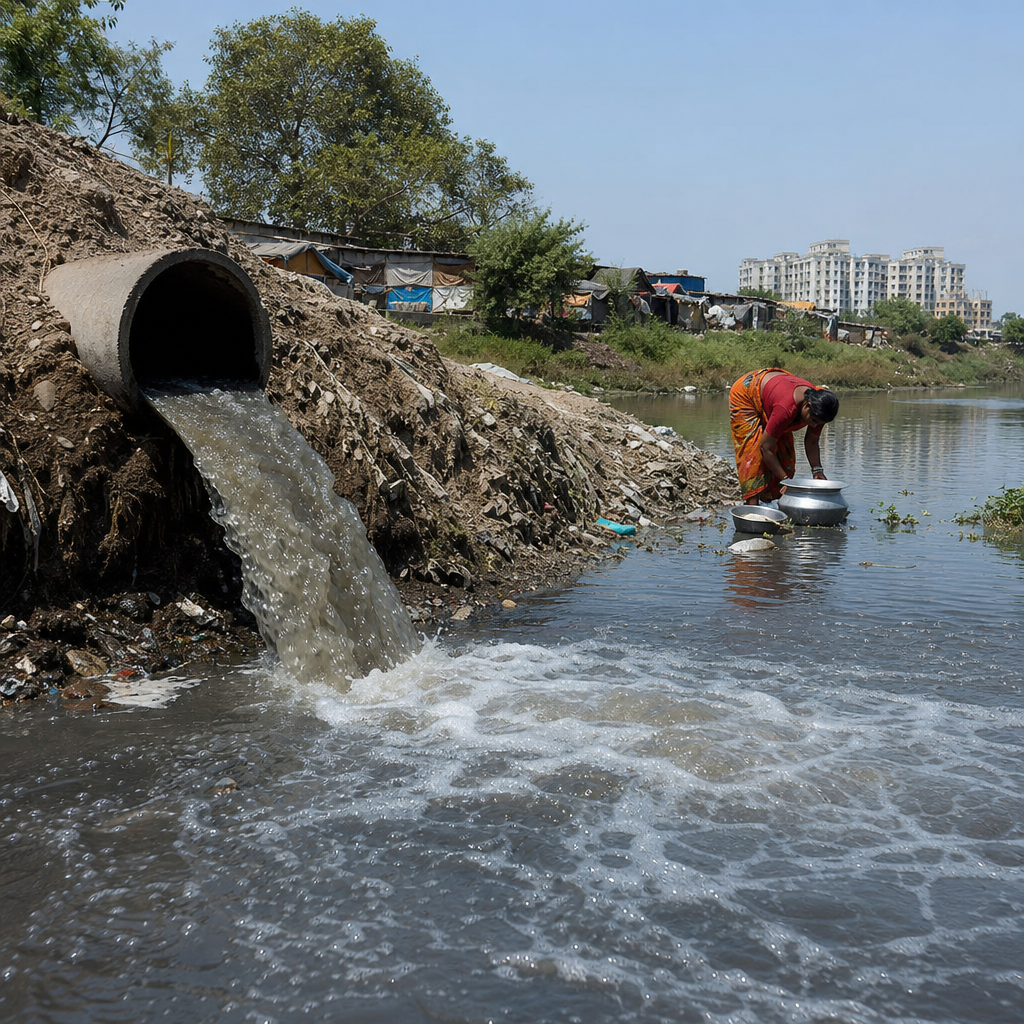
The main cost challenges usually begin with collection and logistics. Human waste and organic residues are not always available in a clean, centralized, and predictable form. Fecal sludge may come from dispersed septic tanks or pit latrines, requiring transport over long distances. Food waste may be mixed with plastics or other contaminants. Sewage solids may be too diluted without proper thickening. These realities increase costs for collection, transport, sorting, and preprocessing, and they can reduce digester efficiency if not managed well. In many projects, these upstream logistics are just as important economically as the digester itself.
Operational reliability is another major risk. Anaerobic digestion is proven technology, but it is not a plug-and-play solution that can be neglected. Gas production depends on stable biological conditions such as temperature, pH, retention time, and organic loading. Poor operation can lead to low yields, foaming, odors, equipment corrosion, gas leakage, or even prolonged system failure. If a project lacks trained operators, spare parts, laboratory monitoring, and maintenance budgets, performance can decline quickly. This creates a common problem in under-resourced settings: the plant is built, but the operating model is too weak to sustain output over time.
Market and policy risks also matter. A biogas project may struggle if the price of competing fuels falls, if there is no reliable buyer for electricity, if fertilizer regulations restrict digestate use, or if sanitation tariffs are too low to support cost recovery. Some projects are launched with optimistic assumptions about gas yields or product sales that do not hold under real conditions. Currency fluctuations, inflation, and rising equipment import costs can further weaken financial performance, especially where systems depend on imported components.
Health, safety, and regulatory compliance should not be overlooked either. Sanitation-based digestion requires careful handling of pathogens, odors, effluent quality, gas safety, and community acceptance. Investments in containment, post-treatment, occupational safety, and environmental monitoring are essential and should be included in economic planning from the start. A project that underestimates these costs may appear attractive on paper but become expensive or unsustainable in practice. Strong feasibility studies therefore examine not just capital expenditure, but the full life-cycle cost of safe and dependable operation.
5. How can cities, utilities, and investors improve the economics of sanitation-based biogas systems?
The most effective way to improve the economics is to design biogas systems as part of an integrated sanitation and resource recovery strategy rather than as stand-alone energy projects. That means aligning waste collection, treatment infrastructure, energy use, nutrient recovery, and financing mechanisms from the beginning. For cities and utilities, this often starts with improving feedstock security: organizing fecal sludge collection routes, licensing haulers, enforcing disposal at approved treatment sites, encouraging segregation of organic waste,