EcoSan as a driver for local economic development is no longer a niche idea in sanitation planning; it is a practical economic strategy that turns waste streams into local value chains. EcoSan, short for ecological sanitation, refers to sanitation systems designed to safely recover nutrients, organic matter, water, and energy from human waste rather than treating it only as something to dispose of. In economic terms, EcoSan changes sanitation from a recurring municipal cost center into a platform for jobs, enterprise creation, input substitution, and resource security. I have seen this shift most clearly in communities where fertilizer prices rose, sewer expansion stalled, and local authorities needed lower-cost service models that still protected health and the environment.
The concept matters because sanitation affects far more than toilets. It influences agricultural productivity, public spending, labor demand, public health costs, land values, and small business growth. When fecal sludge, urine, and organic residues are captured and processed safely, they can support compost production, soil amendment businesses, biogas generation, container collection services, treatment operations, and transport work. The World Health Organization sanitation safety planning framework and the International Organization for Standardization standards for non-sewered sanitation systems both reinforce the same underlying point: safe sanitation is a systems issue. Once that systems view is adopted, the economic case for EcoSan becomes easier to measure and explain.
For a sub-pillar hub focused on economic strategies in EcoSan, the central question is straightforward: how does a sanitation model create local income while remaining safe, affordable, and scalable? The answer lies in understanding the full sanitation value chain, from household containment to collection, treatment, product transformation, market development, and regulation. Every stage can produce economic activity, but only if planners align technology choice, business incentives, product standards, and buyer demand. This article maps that economic logic, highlights proven strategies, and shows where EcoSan delivers the strongest development gains and where its limits must be managed carefully.
How EcoSan Creates Local Economic Value
EcoSan creates local economic value by converting sanitation outputs into inputs for other sectors, especially agriculture, landscaping, energy, and environmental services. Conventional sewer-based models usually require high capital expenditure, skilled maintenance, and continuous public subsidy, especially in low-density or peri-urban areas. EcoSan systems, including urine-diverting dry toilets, container-based sanitation, composting toilets, and decentralized treatment units, can reduce infrastructure costs while supporting more labor-intensive local service chains. That matters in regions where unemployment is high and municipal budgets are constrained.
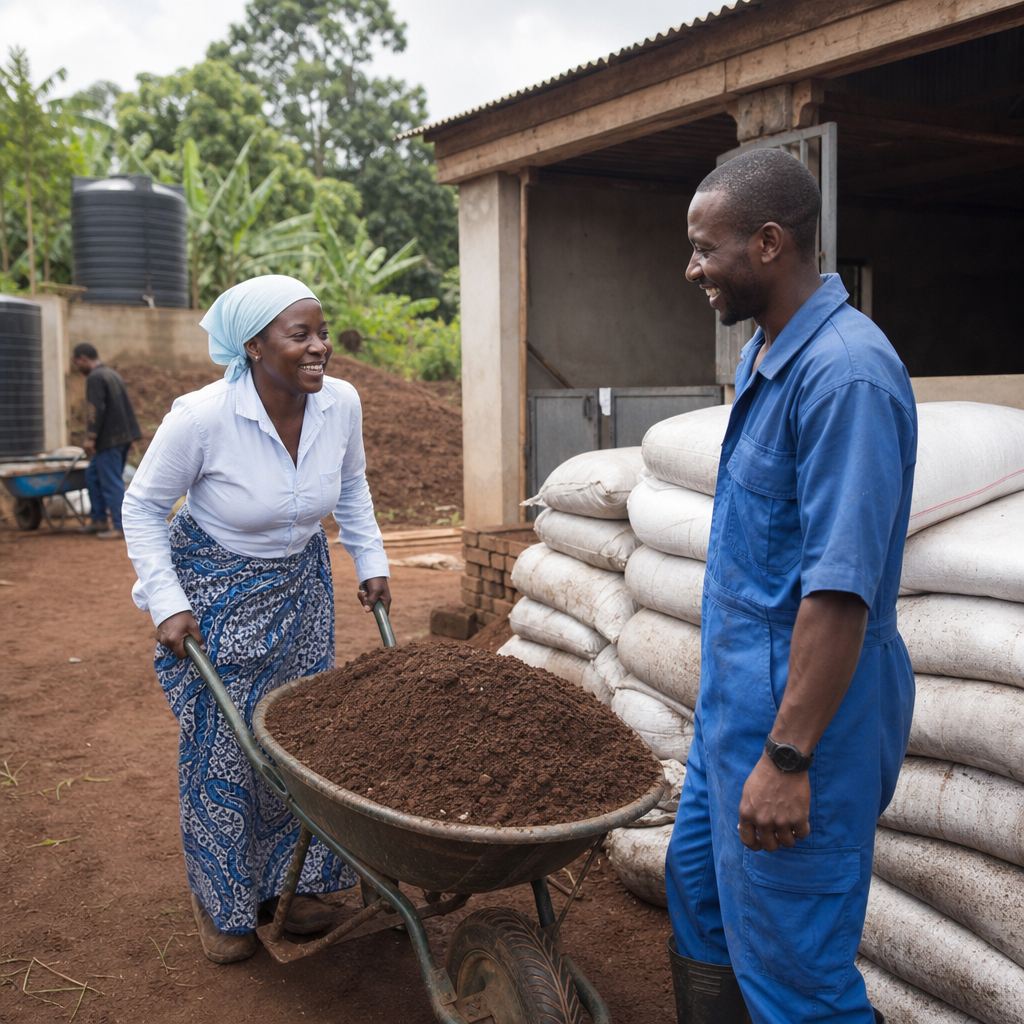
The strongest economic mechanism is resource recovery. Urine contains most of the nitrogen and a large share of the phosphorus and potassium excreted by households. Fecal matter, once treated to reduce pathogens, can contribute organic carbon that improves soil structure and water retention. In practice, this means farmers may buy locally produced compost, co-compost, struvite, dried biosolids, or sanitized urine-based fertilizer instead of relying only on imported chemical fertilizers. Where foreign exchange shortages or volatile fertilizer markets exist, replacing even part of those purchases with local nutrient products can have significant economic value.
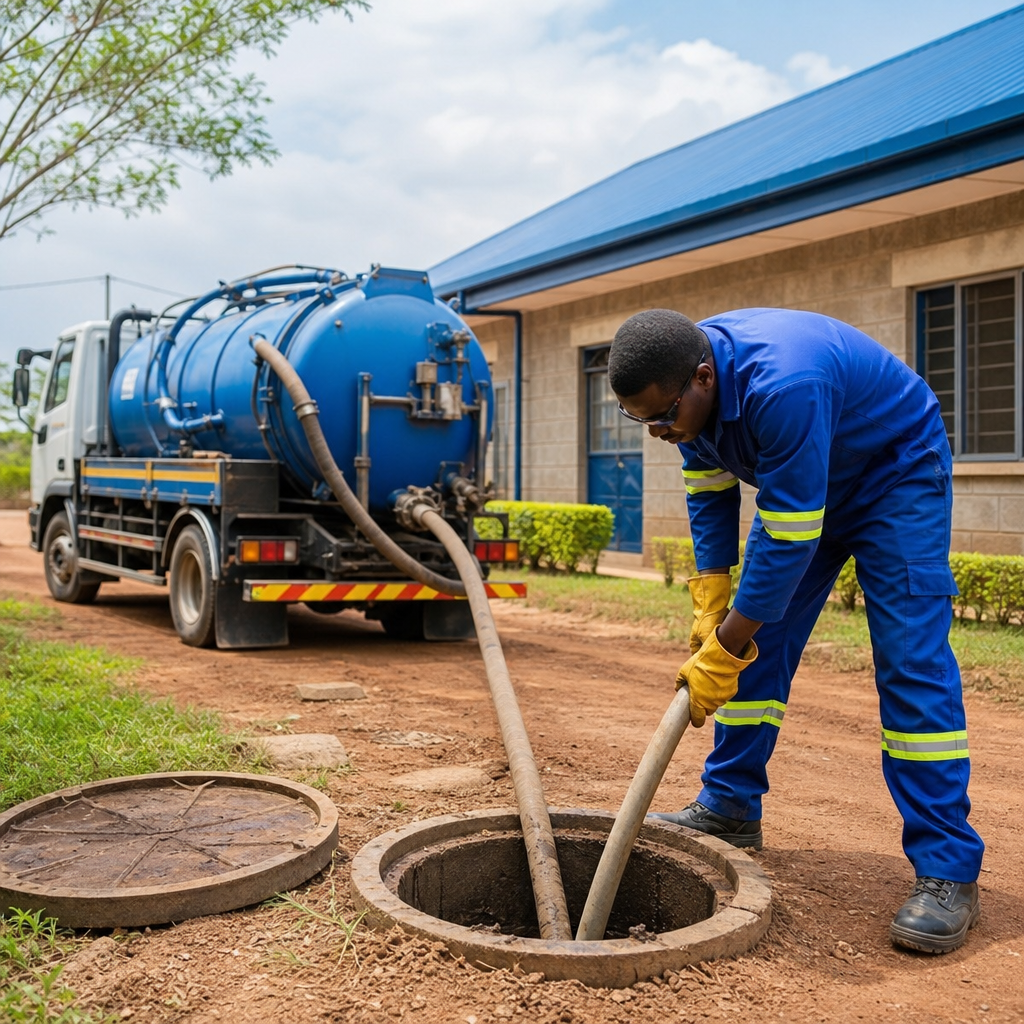
EcoSan also supports service-sector growth. Collection operators, toilet manufacturers, pit-emptying crews, treatment plant managers, quality testing laboratories, compost packagers, marketers, and extension agents all become part of a local sanitation economy. In my experience, the most resilient models are not built on product sales alone. They combine user fees, service contracts, municipal support, and product revenue. That blended model protects the business when compost demand is seasonal or when commodity prices temporarily reduce the competitiveness of recovered products.
Another important benefit is avoided cost. Poor sanitation contributes to disease, lost working days, school absence, and environmental degradation. Those losses are economic, even when they do not appear on a utility balance sheet. Fewer diarrheal diseases, lower groundwater contamination, and reduced drain blockages improve productivity and reduce household medical spending. A serious economic assessment of EcoSan should therefore count both generated income and avoided losses. That broader accounting often changes project decisions in favor of decentralized, recovery-oriented sanitation investments.
Economic Strategies Across the EcoSan Value Chain
Economic strategies in EcoSan work best when they are planned across the entire value chain rather than around a single technology. Too many sanitation projects fail because the toilet is installed without a collection model, or treatment is built without a market for outputs. The hub topic should therefore be organized around six linked strategies: affordable access, efficient service delivery, safe treatment, product development, market creation, and financing. Each strategy has distinct economic levers and risks.
Affordable access starts with matching technologies to settlement patterns, water availability, soil conditions, and household ability to pay. In dense informal areas, container-based sanitation may outperform household dry toilets because service reliability matters more than on-site processing. In rural farming zones, urine-diverting systems can make more economic sense because transport distances are shorter and nearby farms can use the outputs. Efficient service delivery depends on route density, labor productivity, transfer logistics, and digital payment systems. Basic operational data, such as cost per household served, collection frequency, contamination rate, and tonnage processed, should guide decisions instead of assumptions.
Safe treatment is the non-negotiable foundation of market credibility. Composting, dehydration, thermophilic processing, co-composting with organic solid waste, alkaline stabilization, and controlled storage can all contribute to pathogen reduction, but performance depends on process control. Moisture, temperature, retention time, pH, and contamination must be monitored. Product development then translates treated outputs into forms buyers trust, such as screened compost, bagged soil conditioner, pelletized fertilizer, or liquid nutrient concentrate. Market creation requires field trials, agronomic evidence, branding, demonstration plots, and procurement channels. Finally, financing aligns all of this through tariffs, public subsidies, carbon or climate-linked funding, agricultural partnerships, and impact investment.
| Value chain stage | Main economic opportunity | Common bottleneck | Practical strategy |
|---|---|---|---|
| Toilet access | Local manufacturing and installation jobs | High upfront household cost | Microfinance, rental, or pay-per-service models |
| Collection and transport | Recurring service revenue | Low route efficiency | Dense service zones and scheduled pickups |
| Treatment | Plant operations and quality control jobs | Weak process management | Standard operating procedures and testing |
| Product processing | Higher-value compost or fertilizer products | Inconsistent product quality | Blending, screening, and packaging standards |
| Market sales | Agricultural and landscaping demand | Buyer skepticism | Demonstration plots and extension support |
Jobs, Enterprises, and Local Supply Chains
One of the clearest development advantages of EcoSan is that it creates distributed employment rather than concentrating value in one large utility. A sewer network mainly channels spending into engineering, imported materials, electricity, and centralized treatment. EcoSan, by contrast, often spreads value across masons, carpenters, plastic fabricators, collection agents, motorcycle transporters, compost workers, lab technicians, and farm input retailers. This distributed structure is especially important in secondary towns and peri-urban markets where small enterprise growth drives local income.
There are several enterprise models. Some firms specialize in hardware: toilet slabs, urine-diverting pans, storage containers, ventilation parts, or prefabricated superstructures. Others run services, collecting full containers or emptying vaults for a subscription fee. A third group processes material into marketable products. In East African cities, sanitation businesses have combined container collection with compost production and sales to peri-urban farmers. In Southern Africa, urine diversion pilots have linked stored urine to local crop production, reducing dependence on purchased fertilizers. The exact model differs by geography, but the pattern is consistent: the more reliable the service and the stronger the product quality control, the more jobs the system sustains.
Supply-chain localization also matters. If a municipality can source treatment equipment, protective gear, packaging materials, and spare parts locally, more of the sanitation budget stays in the local economy. Training institutions can support this by certifying operators and technicians. I have found that programs become much more resilient when they treat sanitation workers as skilled service providers rather than informal labor. Clear job descriptions, health and safety protocols, vaccination, insurance, and performance tracking improve staff retention and public confidence, which in turn improves repayment and customer growth.
Agriculture, Resource Recovery, and Market Demand
The agricultural link is where EcoSan often delivers its most visible economic return. Recovered nutrient products can improve soil fertility, increase water-holding capacity, and reduce exposure to imported input price shocks. However, demand does not emerge automatically. Farmers compare products on nutrient concentration, consistency, transport cost, application convenience, and crop response. A compost with excellent organic matter content may still sell poorly if it is bulky, unbranded, or delivered at the wrong point in the planting calendar.
Successful market development starts with understanding the buyer. Vegetable growers may value fast nutrient release and reliable food safety assurance. Tree crop producers may prefer bulk soil conditioners. Municipal landscaping departments may purchase compost through procurement contracts that stabilize demand before retail farmer markets mature. Demonstration plots are crucial. When farmers can compare maize, tomatoes, or leafy vegetables grown with recovered products versus conventional fertilizer regimes, the sales conversation shifts from theory to observed yield and soil performance.
Quality assurance is decisive. Standards for pathogen reduction, heavy metal limits, moisture, maturity, and labeling determine whether recovered products are trusted. This is why co-composting with sorted organic waste, proper curing, screening, and basic lab analysis often have higher economic payoff than simply producing larger volumes. A smaller quantity of consistent, tested product usually outperforms a larger quantity of uncertain material. In practice, the best EcoSan agricultural strategies position recovered products not as cheap substitutes for everything, but as targeted inputs with clear use cases, such as restoring degraded soils, supporting horticulture, or improving compost blends sold through agro-dealers.
Finance, Governance, and the Conditions for Scale
Scaling EcoSan as a local development strategy depends on finance and governance as much as on technology. Most systems cannot rely solely on household payments or product sales, especially during early growth. Sanitation has public-good characteristics, so some level of subsidy is justified when services reduce disease, protect water resources, and deliver broader environmental benefits. The key is to subsidize smartly. In my work, the most effective structures support capital expenditure, quality monitoring, and service access for low-income users while pushing operators to recover operating costs through efficient service delivery and diversified revenue.
Municipal governments play a central role by clarifying permits, land access, health oversight, procurement rules, and service standards. Without that enabling environment, private operators face too much uncertainty to invest. Performance-based contracts can work well, especially when municipalities pay for verified service to underserved areas while operators earn additional income from premium customers or product sales. Development finance institutions and impact investors increasingly support non-sewered sanitation and circular economy ventures, but they still expect credible unit economics, data reporting, and risk management.
Governance must also address public acceptance. EcoSan products fail commercially when communities suspect unsafe handling or poor treatment. Transparent communication, visible process controls, and third-party testing help overcome this. So do simple policies that integrate sanitation with agriculture, solid waste management, and climate adaptation planning. When those sectors work in isolation, valuable synergies are lost. When they align, EcoSan can anchor a local circular economy strategy that creates jobs, improves soil health, and reduces the fiscal burden of unmanaged waste.
For policymakers and practitioners, the lesson is clear: treat EcoSan as an economic system, not just a sanitation intervention. Map the value chain, test demand early, enforce safety, support enterprise growth, and use public finance where markets alone will underinvest. Communities that do this well gain more than cleaner sanitation. They build local businesses, strengthen agricultural resilience, keep more spending in the local economy, and reduce avoidable health and environmental costs. That is why EcoSan deserves a central place in any serious discussion of economic strategies in sanitation. If you are building an Economic Aspects content plan, use this hub to evaluate technologies, business models, financing tools, and market pathways with local development outcomes as the standard.
Frequently Asked Questions
1. What does EcoSan mean, and why is it important for local economic development?
EcoSan, or ecological sanitation, is an approach to sanitation that treats human waste as a recoverable resource rather than as a disposal problem. Instead of relying only on systems that collect, transport, and discard waste at ongoing public expense, EcoSan is designed to safely recover nutrients, organic matter, water, and sometimes energy. That shift matters economically because it changes sanitation from a pure cost center into a productive local system with multiple revenue and employment opportunities.
For local economic development, the importance of EcoSan lies in its ability to create value chains around collection, treatment, processing, distribution, and end use. Nutrients recovered from sanitation systems can support local agriculture through compost, soil conditioners, and fertilizer products. Organic matter can contribute to soil restoration and landscaping activities. In some settings, recovered waste streams can also support biogas production, irrigation reuse, or fuel alternatives. Each step in that chain creates space for local entrepreneurs, small businesses, cooperatives, service providers, and municipal partnerships.
EcoSan also strengthens economic resilience. Communities that import costly fertilizers, struggle with poor soil quality, or spend heavily on centralized sanitation infrastructure may benefit from local recovery systems that reduce input costs and keep money circulating within the local economy. At the same time, improved sanitation supports productivity by reducing disease burdens, lowering healthcare costs, and improving quality of life. In practical terms, EcoSan is important because it links public health, environmental management, and enterprise development in one framework that can generate jobs, improve municipal efficiency, and support more circular local economies.
2. How can EcoSan create jobs and business opportunities within a community?
EcoSan can create jobs and business opportunities by building an entire service and product ecosystem around sanitation resource recovery. Traditional sanitation models often concentrate spending on infrastructure construction and long-term maintenance, with limited local enterprise participation beyond basic operations. EcoSan opens the door to a broader range of economic activities because recovered materials must be collected, handled, processed, certified where necessary, marketed, and distributed. That creates opportunities across both formal and informal sectors.
At the service level, jobs can emerge in toilet construction, installation, retrofitting, maintenance, waste collection logistics, equipment supply, and operator training. Local masons, fabricators, plumbers, transport providers, and sanitation technicians can all play a role. At the processing level, enterprises may focus on composting, drying, nutrient recovery, briquette production, biogas management, or treatment system operation. At the market level, businesses can package and sell agricultural inputs derived from recovered resources, including compost blends, organic fertilizers, and soil improvement products for farms, nurseries, and landscaping.
There are also indirect economic benefits. Farmers who use locally produced nutrient products may reduce spending on imported chemical fertilizers. Food producers may see productivity gains from improved soil health and moisture retention. Municipalities can lower waste management costs while supporting local enterprise development through licensing, procurement, and public-private partnerships. Women and youth, in particular, may benefit if EcoSan programs are designed with inclusive entrepreneurship models, microfinance access, and skills training. When well planned, EcoSan does not just create isolated sanitation jobs; it supports clusters of economic activity that connect sanitation, agriculture, energy, environmental services, and local manufacturing.
3. What types of products or resources can be recovered through EcoSan systems?
EcoSan systems can recover a wide range of valuable resources, depending on the technology used, the treatment process, and the local regulatory environment. The most common recoverable outputs are nutrients, especially nitrogen, phosphorus, and potassium, which are essential for plant growth. These nutrients can be returned to agricultural systems through treated urine, composted fecal matter, or processed fertilizer products. In areas with declining soil fertility or expensive agricultural inputs, this is often one of the strongest economic arguments for EcoSan.
Another major recoverable resource is organic matter. When safely treated, organic material from sanitation systems can improve soil structure, increase water retention, and support long-term soil regeneration. This makes EcoSan particularly relevant in places facing land degradation, low crop yields, or high irrigation costs. Some systems also recover water for non-potable reuse, such as irrigation, landscaping, or certain industrial applications, which can be especially valuable in water-stressed regions.
Energy recovery is another important possibility. Depending on the system design, human waste and other organic inputs can be used in anaerobic digestion to produce biogas for cooking, heating, or electricity generation. In some contexts, treated solids may also be converted into fuel products such as briquettes. Beyond the physical outputs themselves, EcoSan can generate value through services linked to testing, quality assurance, certification, packaging, transport, and retail distribution. The key point is that EcoSan is not limited to waste treatment. It creates a portfolio of usable outputs that can feed into agriculture, energy, landscaping, water management, and local enterprise development, provided that recovery is done safely and in line with public health standards.
4. Is EcoSan safe and practical to implement at scale?
Yes, EcoSan can be both safe and practical at scale, but success depends on good system design, proper treatment, clear regulations, and consistent management. Safety is the first priority. Human waste can contain pathogens, so EcoSan systems must be planned around containment, treatment, storage, handling protocols, and end-use standards that protect workers, users, farmers, and consumers. When these safeguards are built into the system and monitored correctly, resource recovery can be done responsibly and effectively.
From a practical standpoint, EcoSan is often especially useful where conventional sewer-based infrastructure is too expensive, water-intensive, or difficult to expand. Decentralized or semi-centralized systems can be more adaptable in peri-urban settlements, rural areas, informal neighborhoods, and rapidly growing towns. They can reduce the need for costly sewer extensions while providing local treatment and recovery options that match actual conditions on the ground. This flexibility is one reason EcoSan is increasingly seen as a serious planning tool rather than a niche alternative.
Scaling EcoSan requires more than technology alone. Communities need user education, operator training, maintenance systems, institutional support, and viable markets for recovered products. Municipal governments may need to update sanitation policies, create standards for reuse products, and support business development through procurement or incentives. Public acceptance also matters, so communication around health protection, product quality, and economic benefits is essential. In other words, EcoSan is practical at scale when it is treated as an integrated system that combines infrastructure, operations, regulation, market development, and community engagement. Where those elements come together, EcoSan can provide safe sanitation while also delivering measurable economic and environmental value.
5. What should local governments and development planners consider when using EcoSan to support economic growth?
Local governments and development planners should begin by viewing EcoSan as part of a broader local economic system, not only as a sanitation intervention. That means assessing where value can be created, who can participate, what products are viable, and which local sectors can use recovered resources. Agriculture is often the most obvious entry point, but planners should also examine links to landscaping, land restoration, energy, public works, and small-scale manufacturing. A strong EcoSan strategy starts with understanding local demand for recovered products and identifying business models that can survive beyond donor funding or pilot phases.
Policy and regulation are also critical. Authorities need clear standards for treatment, transport, storage, product quality, and reuse so that businesses and communities can operate with confidence. Without credible safety rules and enforcement, market trust will remain weak. Municipalities should also consider procurement strategies that create early demand, such as using certified compost products in parks, roadside planting, or soil rehabilitation programs. Financing mechanisms, including blended finance, public-private partnerships, subsidies for initial infrastructure, or microenterprise support, can help bridge the gap between pilot projects and scalable economic activity.
Equally important is capacity building. EcoSan systems need trained operators, informed users, quality control processes, and institutions that can coordinate sanitation, health, agriculture, and enterprise development. Planners should consider inclusive models that deliberately involve women, youth, cooperatives, and small local firms. Monitoring should track not only sanitation coverage but also job creation, product sales, farmer uptake, cost savings, and environmental outcomes. The most effective EcoSan programs are those that align public health goals with market realities. When local governments take that integrated approach, EcoSan can support cleaner neighborhoods, stronger local businesses, reduced municipal costs, and more resilient economic growth over the long term.