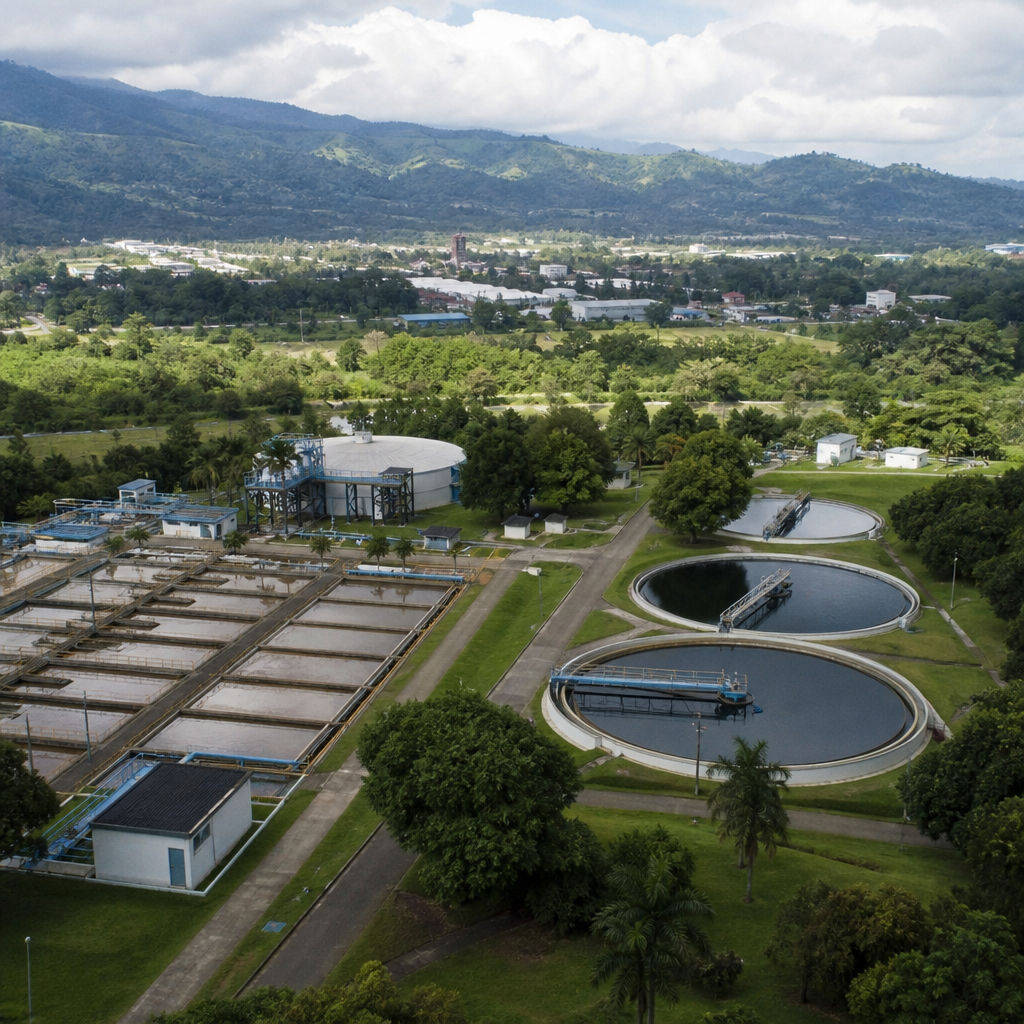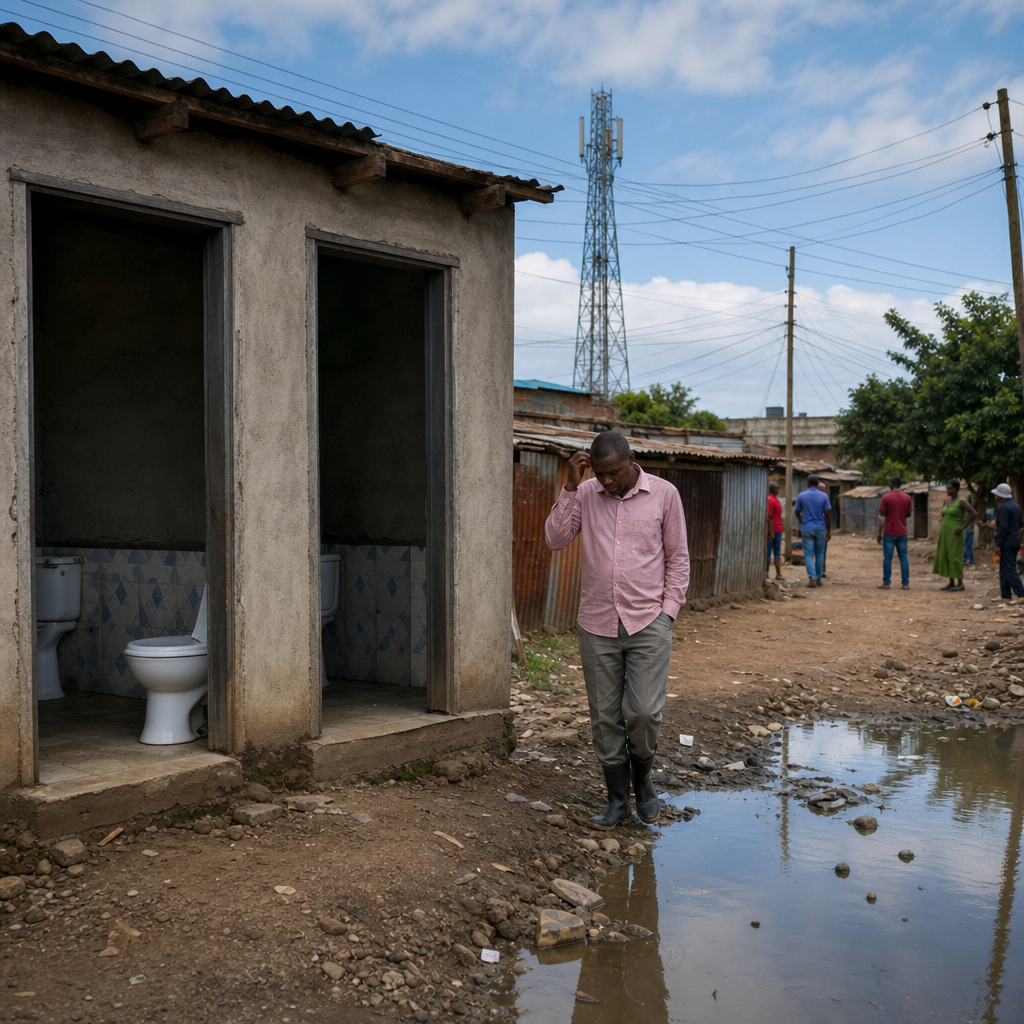
Building economic resilience through sanitation improvements starts with a simple truth: safe sanitation is not only a health service, but also an economic system that protects households, stabilizes businesses, and strengthens local markets. In EcoSan, short for ecological sanitation, human waste is treated as a resource stream rather than an unavoidable cost. That shift changes the financial logic of sanitation. Instead of paying only for containment and disposal, communities can recover value through compost, soil amendments, water savings, energy generation, and lower healthcare spending. I have worked on sanitation planning discussions where the turning point came when local leaders stopped asking, “How much will toilets cost?” and started asking, “What economic losses are poor sanitation already causing?” That is the right starting question because inadequate sanitation quietly drains income through medical bills, missed workdays, school absences, lower tourism appeal, contaminated water, and declining agricultural productivity.
Economic resilience means the ability of households, enterprises, farms, and municipalities to absorb shocks and keep functioning. Sanitation affects that resilience directly. During floods, droughts, disease outbreaks, and price spikes, communities with reliable, well-managed sanitation systems recover faster because they face fewer secondary losses. EcoSan matters especially in places where sewer expansion is unaffordable, water is scarce, fertilizer prices are volatile, and informal settlements are growing faster than infrastructure. This hub article covers the core economic strategies in EcoSan: cost recovery models, financing mechanisms, business opportunities across the sanitation value chain, affordability planning, agricultural reuse, climate and resource efficiency, governance, and practical metrics for decision-making. The central lesson is clear: sanitation improvements deliver the strongest economic returns when they are designed as circular, locally managed systems with realistic financing and measurable value creation.
Why sanitation is an economic asset, not just a public service
Sanitation creates economic value in four measurable ways. First, it reduces direct losses. The World Bank has repeatedly shown that poor sanitation imposes large national costs through health expenditure, premature mortality, lost productivity, and environmental damage. At household level, these losses appear as clinic fees, transport to treatment, unpaid care work, and wages forfeited during illness. Second, sanitation protects assets by reducing contamination of wells, farmland, and drainage systems. Third, it raises productivity because healthier workers and students are more consistent and effective. Fourth, well-designed EcoSan systems can generate saleable outputs such as composted biosolids, urine-based fertilizer, biogas feedstock, black soldier fly substrate, and maintenance services.
In practice, the economic case is strongest when decision-makers compare lifecycle costs rather than upfront construction prices. A low-cost pit latrine may appear affordable, but if it fills quickly, contaminates groundwater, requires expensive emptying, and cannot withstand flooding, its true cost is high. By contrast, a urine-diverting dry toilet or container-based sanitation service may cost more to organize initially, yet deliver lower long-run costs in water-scarce or dense urban settings. I have seen municipal budgets improve when officials moved from emergency spending on clogged drains and disease response toward scheduled fecal sludge management with user fees and reuse contracts. The budget did not simply shrink; it became more predictable, which is a form of resilience in itself.
Core economic strategies in EcoSan systems
Economic strategies in EcoSan begin with matching technology to local constraints and value opportunities. The main strategic options include source separation, decentralized treatment, service-based collection, and resource recovery linked to agriculture or energy markets. Source separation, especially urine diversion, preserves nutrient value and reduces treatment complexity. Decentralized systems cut transport distance and can be phased neighborhood by neighborhood. Service-based models, including container collection subscriptions, convert irregular capital burdens into manageable operating payments. Resource recovery creates income streams that can offset part of system costs, though not always all costs.
The best strategy depends on density, water availability, soil conditions, tenure security, and market demand for outputs. In peri-urban farming zones, composting and urine reuse may be commercially viable because end users are nearby. In dense informal settlements, the more robust model may be regular collection and treatment with revenues coming mainly from service fees and public support rather than product sales. In schools and public markets, the strategy often centers on avoided water bills, lower downtime, and cleaner facilities that increase attendance or customer traffic. EcoSan economics works when planners accept that no single revenue source is enough everywhere. Resilient systems stack benefits: user payments, municipal transfers, agricultural offtake, carbon-linked funding where eligible, and health savings that justify public investment.
Financing models, cost recovery, and affordability
Sanitation financing typically combines capital expenditure, operating expenditure, and periodic replacement costs. Strong EcoSan programs separate these clearly. Capital costs may be funded through public grants, development finance, climate adaptation funds, employer contributions, housing programs, or microfinance. Operating costs are usually covered through tariffs, subscriptions, service contracts, or institutional budgets. Replacement costs need sinking funds, because containers, slabs, valves, and treatment infrastructure all wear out. Where projects fail, it is often because only construction was financed while operations were treated as an afterthought.
Affordability should be judged against cash flow, not only annual income. Low-income households may afford a modest weekly sanitation payment more easily than a large one-time toilet build. That is why pay-as-you-go maintenance, toilet leasing, and sanitation loans can outperform traditional subsidy-only approaches. Smart subsidies target public benefits such as disease reduction and environmental protection while preserving incentives for good service. Cross-subsidies can also work: higher tariffs in commercial areas help support lower-income residential users, or municipal sanitation fees bundled with property tax support treatment operations. However, cost recovery from users alone is rare for full sanitation chains. Collection, transport, treatment, monitoring, and safe reuse all cost money. The financially realistic goal is partial cost recovery with reliable public co-financing for benefits that markets do not price well.
| Economic strategy | How it works | Best fit | Main limitation |
|---|---|---|---|
| User fee or subscription | Households or institutions pay regular service charges for collection, maintenance, or treatment | Dense settlements, schools, rental compounds | Requires strong billing and service reliability |
| Targeted capital subsidy | Public or donor funds reduce upfront construction costs for priority groups | Low-income households, flood-prone areas | Can distort markets if not paired with service standards |
| Microfinance or sanitation loans | Small loans spread toilet or upgrade costs over time | Households with uneven income but repayment capacity | Interest costs and lender risk screening |
| Resource recovery sales | Compost, nutrients, energy, or by-products generate revenue | Peri-urban agriculture, organized treatment hubs | Usually supplements rather than fully funds services |
| Municipal service contract | Local government pays operators to meet service and treatment targets | Cities seeking regulated scale | Needs procurement capacity and budget discipline |
Building sanitation enterprises across the value chain
EcoSan supports more than toilet construction. It creates an ecosystem of enterprises across manufacturing, installation, collection, transport, treatment, monitoring, and reuse. Masons can specialize in urine-diverting designs, local workshops can produce pedestals and diversion pans, and service operators can run scheduled collection routes. Treatment businesses can sell standardized compost or co-composted soil conditioners if they meet quality specifications. In several markets, entrepreneurs have built viable businesses around fecal sludge logistics, not because waste itself is highly valuable, but because reliable service is valuable.
For local economic development, the most important business principle is standardization. Investors and lenders respond better when toilet components, container sizes, emptying intervals, and treatment protocols are predictable. Quality assurance also matters. If compost quality varies or pathogen reduction cannot be demonstrated, agricultural buyers will discount the product or avoid it entirely. That is why recognized approaches such as hazard analysis, pathogen log reduction targets, and national biosolids standards matter economically, not just technically. A sanitation enterprise becomes bankable when it can show stable demand, documented treatment performance, route efficiency, and customer retention. Fragmented informal services may fill a gap, but they struggle to scale without contracts, data, and compliance pathways.
Resource recovery, agriculture, and circular market design
The circular promise of EcoSan is strongest in agriculture. Human excreta contains nitrogen, phosphorus, potassium, organic matter, and micronutrients. When treated correctly, these resources can replace part of imported fertilizer demand and improve soil structure. This matters economically because fertilizer markets are volatile. Recent price spikes have shown how vulnerable farmers are when they rely entirely on external inputs. Stabilizing part of nutrient supply through safe local recovery can improve farm margins and resilience.
Still, product-market fit is crucial. Farmers do not buy compost because it is ethically appealing; they buy when it improves yields, reduces input costs, or restores degraded soils. That means EcoSan outputs need consistent nutrient content, manageable moisture levels, acceptable odor, and clear application guidance. Urine-based fertilizer products may work best in horticulture and tree crops where transport distances are short and application can be controlled. Compost and co-compost can be more suitable for broad soil conditioning, especially where soils are sandy or depleted. In my experience, offtake agreements with farmer cooperatives are far more reliable than trying to sell product bag by bag with no extension support. Demonstration plots, side-by-side yield trials, and transparent lab testing convert skepticism into demand because they show outcomes in local conditions.
Risk management, public health, and regulatory economics
Economic resilience depends on managing risk, and sanitation risk is multidimensional. There are health risks from pathogens, environmental risks from nutrient runoff or groundwater contamination, business risks from weak demand, and political risks when communities reject unfamiliar systems. EcoSan succeeds when risk controls are built into both engineering and economics. The World Health Organization sanitation safety planning approach is useful because it identifies hazards along the full chain and links them to practical control measures. Those controls have costs, but they protect revenue and public trust.
Regulation should be clear enough to enable investment and strict enough to protect health. If treatment standards are absent, legitimate operators struggle because low-quality competitors undercut them. If standards are unrealistic or copied from high-income sewered contexts without adaptation, compliance becomes impossible and markets stay informal. Good regulatory economics uses achievable service benchmarks, licensing, product testing, and monitored disposal or reuse pathways. It also clarifies who pays for external benefits. For example, households may pay for convenient collection, while municipalities fund surveillance and environmental monitoring because those benefits extend to everyone. This division is economically sound and improves accountability.
Climate resilience, water security, and long-term savings
Sanitation improvements are increasingly judged by how they perform under climate stress. Water-flush systems can become expensive liabilities in drought-prone areas because they depend on continuous water supply and extensive pipe maintenance. Flood-prone settlements face another problem: pits and poorly sealed containment structures overflow, spreading contaminants and triggering cleanup costs. EcoSan offers strategic advantages where water conservation and modularity matter. Dry or low-water systems reduce demand on scarce supplies, and decentralized treatment can continue operating when centralized networks fail.
These climate benefits have direct economic implications. Lower water use means lower utility bills for schools, clinics, and households. Better containment reduces post-flood remediation expenses. Local nutrient recycling reduces exposure to global fertilizer price shocks. Some projects may also qualify for adaptation or resilience funding, especially when sanitation is tied to watershed protection, flood management, or drought planning. Yet climate resilience is not automatic. Dry systems require disciplined user behavior, regular collection where applicable, and storage or treatment designed for rainfall extremes. The economic lesson is straightforward: resilience comes from operations and maintenance as much as from technology choice. Systems that look cheap on paper but fail during seasonal stress are not economical.
How municipalities and institutions can make EcoSan work at scale
Scaling EcoSan requires institutions to act as market shapers, not just funders. Municipalities can zone for decentralized treatment, procure licensed operators, aggregate demand from schools and public toilets, and create reuse standards that give buyers confidence. They can also use data systems to track service coverage, emptying intervals, treatment volumes, and customer complaints. What gets measured gets managed, and sanitation is no exception. Digital route planning, mobile payments, and GIS-based service mapping have made non-sewered sanitation far more manageable than it was a decade ago.
Public institutions are often the best early adopters. Schools gain from cleaner toilets and reduced absenteeism, health facilities gain infection-control reliability, and markets gain customer confidence. Once these anchor clients establish regular payment and visible results, private operators have a stronger base to expand into nearby neighborhoods. The hub strategy for this subtopic is therefore practical: connect financing, enterprise development, regulation, agricultural reuse, and climate planning into one coordinated sanitation economy. Communities that do this well are not merely installing toilets. They are building local systems that reduce losses, create jobs, conserve resources, and make future shocks less damaging.
Building economic resilience through sanitation improvements is ultimately about treating sanitation as essential infrastructure for both public welfare and productive growth. EcoSan provides a strong framework because it links health protection with resource recovery, local enterprise, water efficiency, and better municipal budgeting. The most durable economic strategies in EcoSan are not based on a single miracle technology or a single revenue source. They rely on realistic lifecycle costing, targeted subsidies, affordable user payments, competent operators, verified treatment, and markets for recovered resources where those markets truly exist. When these pieces align, sanitation moves from being a recurring fiscal burden to being a stabilizing local asset.
For readers using this article as a hub within the Economic Aspects topic, the next step is to evaluate your own sanitation context through an economic lens. Identify the biggest losses poor sanitation is causing, map the local value chain, test which financing mix is viable, and assess whether reuse products have real buyers. Start with measurable outcomes: reduced illness costs, lower water use, reliable service coverage, and documented resource recovery. Economic resilience grows when sanitation systems are designed to keep delivering value under pressure. That is the practical promise of EcoSan, and it is worth turning into policy, investment, and daily operations now.
Frequently Asked Questions
How do sanitation improvements contribute to economic resilience?
Sanitation improvements strengthen economic resilience by reducing the hidden costs that poor sanitation creates for households, employers, and local governments. When communities lack safe and reliable sanitation, they often face repeated medical expenses, lost workdays, lower school attendance, environmental contamination, and declining productivity. These losses add up quickly and make families and businesses more vulnerable to financial shocks. By contrast, improved sanitation helps prevent disease, reduces emergency spending, protects water sources, and creates a more stable foundation for daily economic activity.
At the household level, better sanitation means fewer illness-related interruptions and more predictable expenses. Families are less likely to spend scarce income on treatment for preventable infections, and caregivers lose fewer working hours tending to sick relatives. At the community level, sanitation systems support cleaner markets, safer public spaces, and more reliable labor productivity. For local economies, that translates into stronger business continuity, reduced pressure on health systems, and improved investor confidence. In short, sanitation is not just a public health intervention; it is a practical economic asset that helps communities absorb shocks, recover faster, and build long-term stability.
What makes EcoSan different from conventional sanitation systems?
EcoSan, or ecological sanitation, differs from conventional sanitation because it treats human waste as a recoverable resource rather than as something that only needs to be transported away and discarded. Traditional sanitation models often focus on containment, sewerage, and disposal, which can be expensive to build, energy-intensive to maintain, and financially difficult to expand in low-resource or rapidly growing areas. EcoSan changes that equation by emphasizing safe treatment, separation where appropriate, and the productive reuse of nutrients and organic matter.
That shift matters economically because it can turn sanitation from a recurring cost center into part of a local resource system. Properly managed EcoSan approaches may support the recovery of compost, soil conditioners, biogas, or treated water, depending on the technology used and the local regulatory environment. This creates opportunities to reduce fertilizer costs, improve soil health, support agriculture, and generate small-scale enterprises around collection, treatment, and reuse. EcoSan does not eliminate the need for investment, oversight, or behavior change, but it offers a more circular model in which sanitation protects health while also delivering measurable economic value back to the community.
Can sanitation systems really create financial value for households and communities?
Yes, sanitation systems can create financial value when they are designed to reduce losses and recover usable resources. The first layer of value is cost avoidance. Safe sanitation lowers the frequency of sanitation-related illnesses, which means households spend less on medicine, transport to clinics, and lost wages. Children also miss fewer school days, which supports long-term human capital development. These benefits may not always appear as direct cash income, but they improve financial resilience by preserving household resources and reducing vulnerability.
The second layer of value comes from resource recovery and local enterprise. In EcoSan systems, treated outputs can sometimes be used in agriculture, landscaping, energy generation, or soil restoration, provided treatment standards and public health safeguards are met. This can lower input costs for farmers, create jobs in waste collection and processing, and stimulate service markets around maintenance, transport, and reuse. Even where direct reuse is limited, improved sanitation can raise land values, increase the attractiveness of commercial areas, and support tourism, food markets, and small businesses that depend on clean surroundings. The most successful systems are those that combine health protection, operational reliability, and a clear plan for turning sanitation outputs into safe and useful products or services.
What are the main challenges to building economic resilience through sanitation improvements?
One of the biggest challenges is financing. Sanitation is essential, but it is often underfunded because its benefits are spread across health, education, environment, and economic development rather than captured in a single budget line. Upfront costs for toilets, treatment systems, collection networks, and maintenance can be significant, especially in underserved areas. Without affordable financing, smart subsidies, or strong public-private coordination, communities may end up with incomplete systems that fail to deliver the expected benefits.
Other major challenges include governance, maintenance, public acceptance, and technical fit. A sanitation solution that works well in one region may fail in another if water availability, soil conditions, urban density, or cultural practices are different. EcoSan in particular requires careful management, clear safety protocols, and community trust in reuse practices. Poor maintenance can quickly undermine both health outcomes and economic returns. That is why resilience-focused sanitation planning must go beyond infrastructure alone. It needs training, regulation, behavior change communication, service delivery systems, monitoring, and a realistic business model. When these elements are aligned, sanitation improvements are far more likely to remain functional, trusted, and economically productive over time.
What should policymakers, businesses, and communities prioritize when investing in sanitation for long-term resilience?
They should prioritize sanitation systems that are safe, financially sustainable, locally appropriate, and designed for full-service performance over time. That means looking beyond toilet construction alone and investing in the entire sanitation chain: user access, containment, collection, transport, treatment, reuse, and maintenance. Long-term resilience depends on whether the system continues to function during population growth, climate stress, market disruptions, and budget constraints. Durable results come from planning sanitation as core economic infrastructure, not as a one-time social project.
Policymakers should create supportive regulations, quality standards, and financing mechanisms that encourage inclusive access and safe resource recovery. Businesses can contribute through service delivery, innovation, maintenance contracts, and market development for recovered products. Communities should be involved from the beginning so that systems reflect local needs, are used correctly, and earn public trust. It is also important to measure outcomes broadly, including health savings, productivity gains, environmental protection, job creation, and agricultural benefits. When investments are structured this way, sanitation becomes more than a basic service. It becomes a strategic tool for protecting livelihoods, strengthening local markets, and building an economy that can better withstand future shocks.