Gender and sanitation are inseparable when the discussion moves from public health into livelihoods, safety, and long-term economic growth. In practice, improved facilities determine whether women can work consistent hours, whether girls stay in school during menstruation, and whether households can convert waste into value through ecological sanitation systems. Ecological sanitation, often shortened to EcoSan, refers to sanitation approaches that safely separate, treat, and reuse nutrients, water, or organic matter from human waste. Instead of treating sanitation as a pure cost center, EcoSan frames toilets, collection systems, composting, urine diversion, and resource recovery as productive infrastructure. That distinction matters because financing decisions change when a facility is understood not only as a hygiene asset but also as an income-supporting asset.
I have worked on sanitation business cases where the turning point was not construction cost but the realization that poor toilet access was quietly reducing earnings. Market vendors losing selling hours, factory workers avoiding fluids, women paying informal fees for unsafe public toilets, and female farmers buying fertilizer while nutrients were discarded as waste all point to the same conclusion: sanitation shapes economic participation. When facilities are private, safe, reliable, and designed for women’s needs, labor productivity rises, health expenses fall, and time previously lost to care burdens can shift into paid work or education.
This article serves as a hub for financing and investing in EcoSan within the wider economic aspects of sanitation. It explains how gender-responsive sanitation creates economic empowerment, what investors and governments actually fund, which business models work, and where the risks sit. It also connects household decision-making to municipal finance and impact investment. For readers comparing public grants, microfinance, blended finance, carbon-linked projects, or sanitation enterprises, the goal is straightforward: understand how improved facilities can generate measurable economic returns while advancing dignity, inclusion, and resilience.
Why sanitation finance must be gender-responsive
Gender-responsive sanitation finance means capital is allocated with a clear understanding of how women, men, girls, and caregivers use facilities differently and face different barriers. The core issue is not symbolic inclusion. It is economic accuracy. If a financing model ignores menstrual hygiene management, privacy, lighting, disposal systems, water access, distance, accessibility for pregnancy or disability, and safety at night, it underestimates both demand and returns. Facilities then go unused, payment rates decline, and expected social outcomes fail to materialize.
The economic case is concrete. The World Bank has repeatedly linked inadequate sanitation to losses in productivity, healthcare spending, and educational attainment. At household level, those losses land unevenly. Women often absorb the hidden costs through unpaid care, reduced mobility, and foregone income. In urban informal settlements, I have seen women choose jobs based on toilet access rather than wages because the absence of safe facilities makes long shifts impractical. In rural settings, girls may miss school during menstruation, reducing future earning potential. A toilet that is lockable, close, well lit, washable, and supported by regular service is therefore an economic enabler, not just a welfare intervention.
Gender-responsive financing also improves lender confidence because it aligns design with actual use. For example, schools with separate girls’ toilets, washing points, and disposal options usually report better attendance and more consistent facility maintenance. In workplaces, sanitation standards aligned with the International Labour Organization’s principles and national occupational health rules reduce absenteeism and staff turnover. Investors should treat these as operational performance indicators tied to repayment capacity and asset longevity.
What investors are financing in EcoSan systems
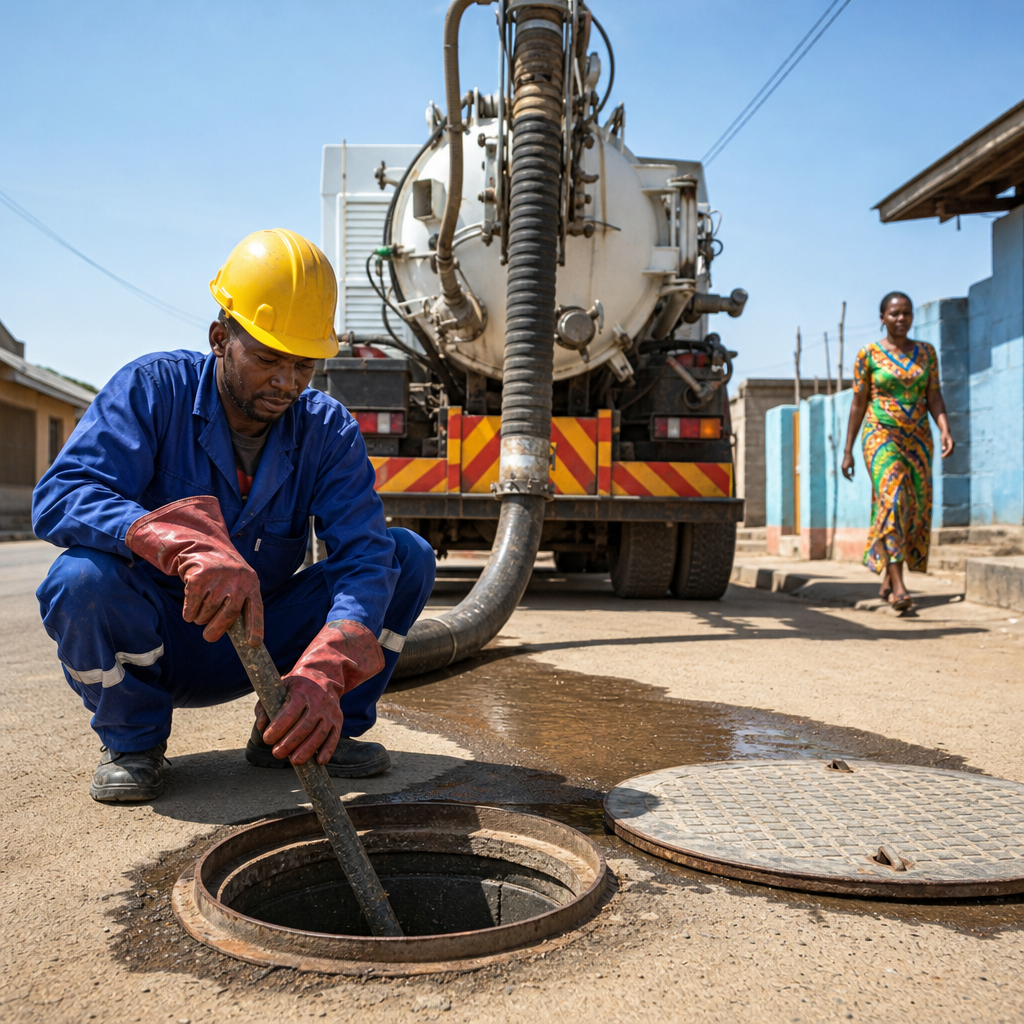
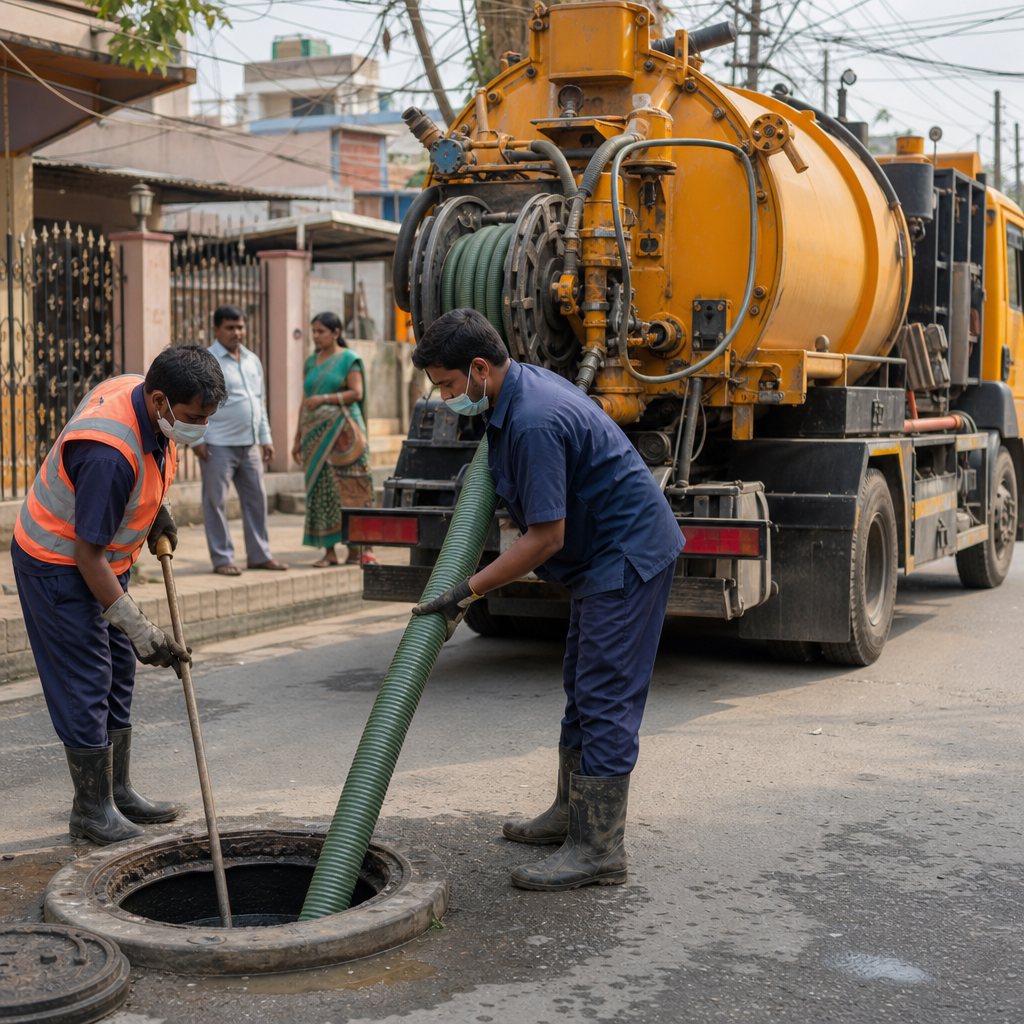
EcoSan investment spans much more than toilet construction. The value chain includes user interface, containment, collection, transport, treatment, reuse, maintenance, behavior change, and digital monitoring. Financing can support urine-diverting dry toilets, container-based sanitation, decentralized wastewater treatment, fecal sludge treatment plants, composting units, biogas digesters, and processing lines that turn sanitized waste into compost, soil conditioner, fuel briquettes, or nutrient products. Each asset class has a different risk profile and revenue logic.
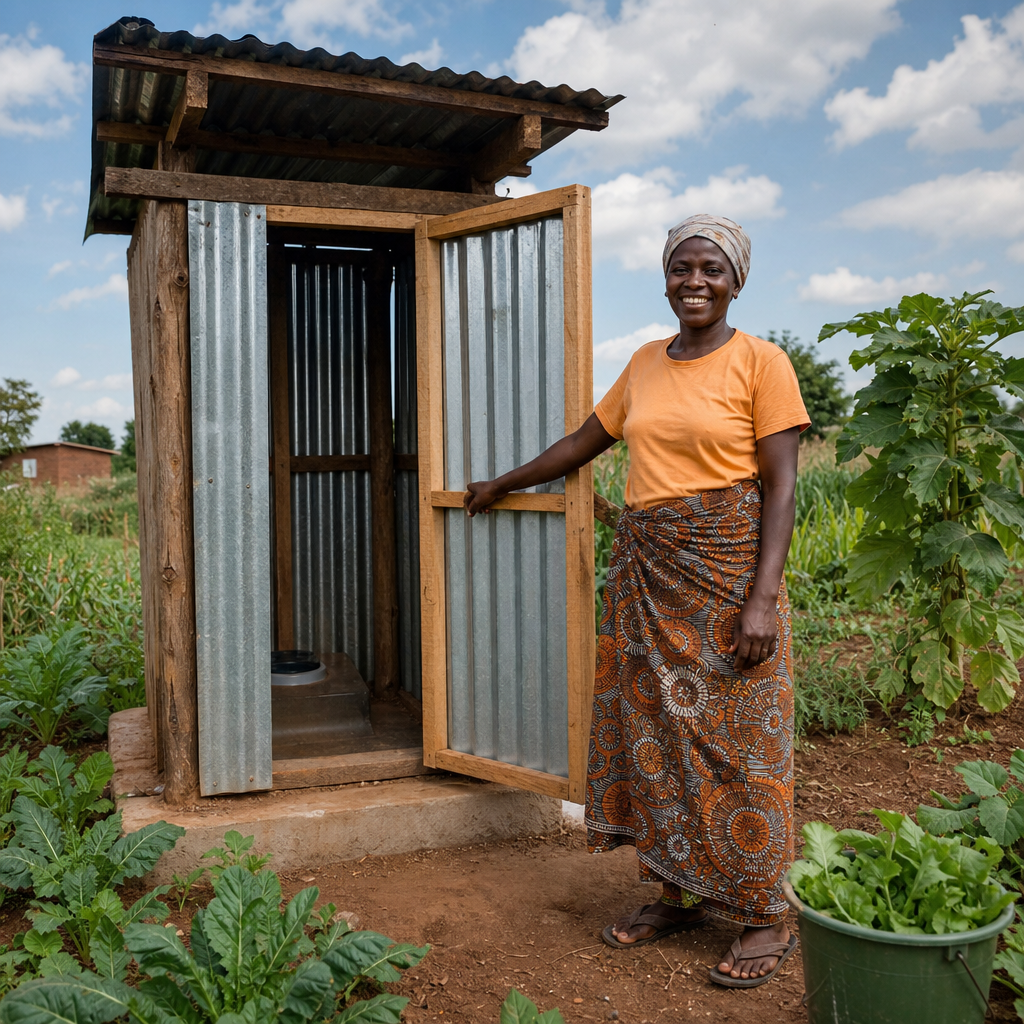
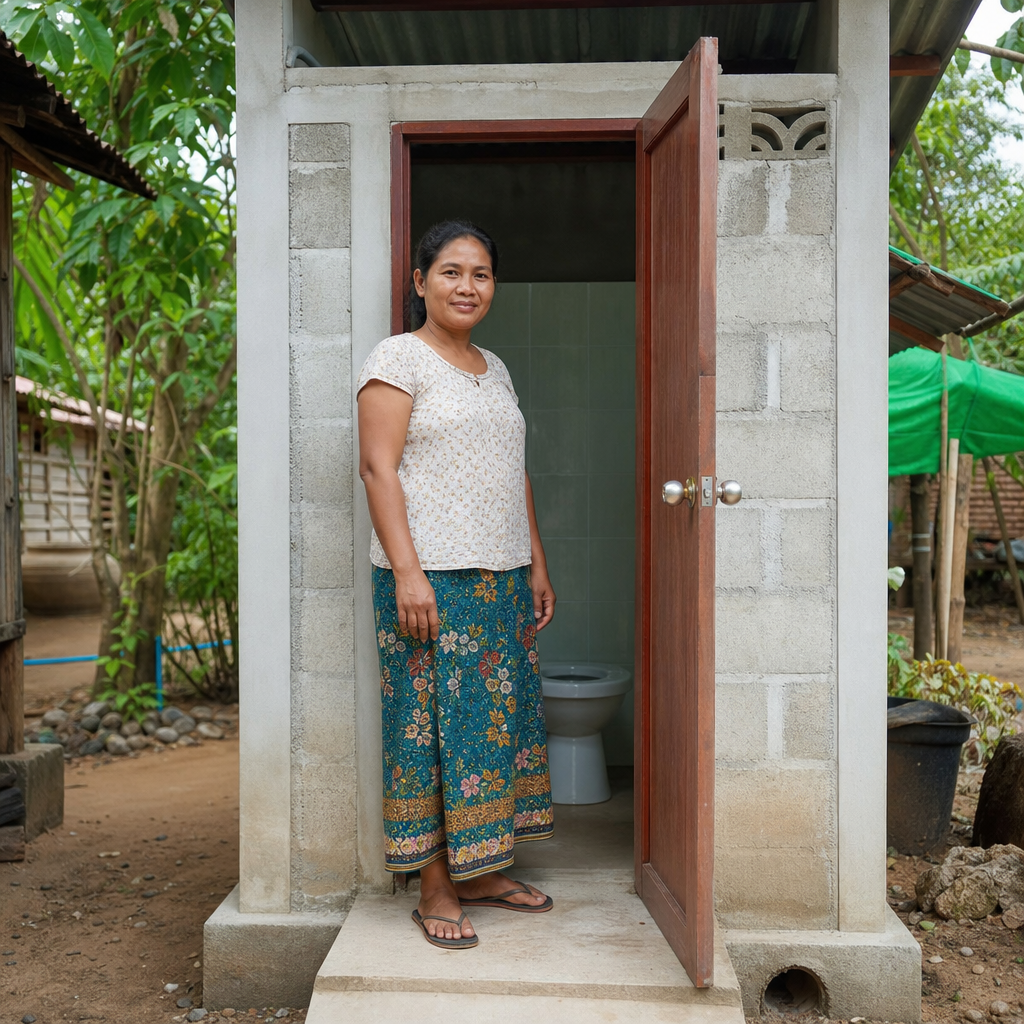
For households, the most financeable components are often toilets, slabs, superstructures, handwashing stations, and upgrades that improve privacy and menstrual hygiene. For service providers, finance often targets carts, transfer stations, collection containers, vacuum equipment, treatment modules, and routing software. For municipalities, larger capital needs include transfer infrastructure, treatment sites, drainage links, land acquisition, and monitoring systems. In agricultural reuse models, working capital is needed for curing, packaging, certification, and distribution of compost or biosolids products.
From an investor perspective, projects become stronger when the full chain is mapped. A donor may fund toilets, but without funded emptying and treatment, facilities degrade and women revert to unsafe alternatives. A city may build treatment capacity, but if household access is weak, feedstock volumes stay too low. The best EcoSan investments define who pays at each stage, what service level is guaranteed, and how gender-specific design features affect uptake, willingness to pay, and ongoing maintenance.
Funding sources and financing structures that work
Most successful EcoSan programs use layered capital rather than a single funding source. Public finance remains essential because sanitation has large positive externalities, including disease prevention and environmental protection. Governments can fund trunk infrastructure, schools, health facilities, subsidies for low-income households, and performance-based contracts. Development finance institutions and philanthropic funds often provide concessional debt, guarantees, technical assistance, or first-loss capital to reduce risk for commercial investors. Microfinance institutions can support household toilet loans, especially when repayment schedules match income patterns. Savings groups and rotating credit associations remain effective where formal banking access is weak.
Commercial capital works best where cash flows are visible and service delivery is disciplined. Container-based sanitation firms, scheduled desludging operators, and compost businesses can attract debt or equity if they demonstrate customer retention, unit economics, and regulatory compliance. Blended finance is often the bridge. In one model I have seen perform well, grants covered early demand creation and product design, a local bank financed toilet construction portfolios, and a municipality underwrote treatment capacity. That combination allowed women-led enterprises to enter collection and maintenance services without carrying impossible upfront costs.
| Financing source | Best use in EcoSan | Gender-related advantage | Main limitation |
|---|---|---|---|
| Public budgets | Schools, clinics, treatment plants, targeted subsidies | Can mandate inclusive design and reach poorest users | Budget cycles and political delays |
| Microfinance | Household toilets, small upgrades, women-led sanitation businesses | Supports assets that directly improve time, safety, and earnings | Interest rates may be high for very low-income borrowers |
| Blended finance | Scale-up of service chains and reuse enterprises | Reduces investor risk while preserving inclusion targets | Structuring can be complex and slow |
| Impact investment | Collection services, treatment, circular economy products | Values measurable social outcomes alongside returns | Needs strong data and management capacity |
| Carbon or climate-linked funding | Biogas, emissions avoidance, resilient decentralized systems | Can expand projects benefiting women in climate-vulnerable areas | Verification standards are demanding |
Business models that turn sanitation into economic opportunity
Several EcoSan business models can strengthen women’s economic position directly. The first is the household asset model, where a family finances or co-finances a toilet that reduces medical costs, saves time, and supports home-based work. For example, a woman running a tailoring shop or food stall from home benefits immediately from nearby sanitation and handwashing because she can serve customers without leaving the premises or relying on unsafe public facilities.
The second is the service model. Here, enterprises earn revenue from subscription sanitation, toilet maintenance, pit emptying, transport, cleaning, or menstrual waste management. Women-owned service enterprises are increasingly viable when training, protective equipment, and working capital are available. In my experience, repayment improves when loans are tied to contracted service routes rather than speculative expansion.
The third is the resource recovery model, where treated outputs become sellable products. Urine-diverting systems can supply nutrients for agriculture when treatment protocols are followed. Compost from fecal sludge, co-composted with organic waste under regulated conditions, can improve soil structure and reduce dependence on chemical fertilizers. Biogas digesters can provide cooking fuel for institutions or small businesses. These models require disciplined quality control, but when they work, they create local jobs in collection, processing, packaging, and sales.
A fourth model links sanitation to workplaces and markets. Employers, landlords, and market authorities invest because improved facilities raise retention, customer dwell time, and compliance with health regulations. A wholesale market with clean, secure women’s toilets can keep traders onsite longer and reduce revenue leakage from offsite breaks. That is a direct commercial return, not an abstract social benefit.
How to evaluate returns, risks, and bankability
Financing and investing in EcoSan should start with a disciplined appraisal framework. First, separate financial returns from economic returns. Financial returns include user fees, service subscriptions, tipping fees, fertilizer sales, energy sales, or lease payments. Economic returns include avoided illness, time savings, improved attendance, worker productivity, and reduced environmental damage. Many sanitation projects are highly valuable economically even when direct financial returns alone are modest. That is why public co-financing is often justified.
Second, test demand honestly. Will users pay for privacy, convenience, and safety? Usually yes, but only if service quality is consistent. Stated willingness to pay in surveys is less useful than actual payment behavior in pilots. Third, assess regulation. Reuse products need standards, permits, and monitoring. The World Health Organization guidelines on sanitation safety planning and national biosolids rules are not optional details; they determine whether outputs can legally reach farms or markets.
Key risks include weak maintenance, poor sludge logistics, seasonal cash flow, stigma around reuse, land tenure insecurity, and underpriced tariffs. Gender-specific risks should be scored separately: inadequate privacy, poor lighting, harassment around facilities, lack of disposal options, and inaccessible design can destroy usage rates. The most bankable projects combine strong operators, verified demand, realistic tariffs, maintenance budgets, and measurable outcomes. Smart sponsors also build dashboards with indicators such as school attendance, user retention, collection efficiency, compost off-take, and women’s enterprise participation.
Policy, procurement, and the role of public institutions
Public institutions shape EcoSan markets more than many investors expect. Standards, procurement rules, land access, utility mandates, and subsidy design can either unlock private participation or suppress it. Governments should define service levels clearly, approve safe reuse pathways, and allow performance-based contracts that reward actual outcomes rather than one-time construction. Output-based aid can work well where providers are paid after verified installation, usage, or treatment volumes.
Procurement should also require inclusive design from the start. In practical terms, that means sex-separate facilities where appropriate, internal locks, lighting, handwashing, menstrual hygiene features, accessibility, and maintenance plans. These are not premium extras. They are determinants of asset performance. Schools, transport hubs, clinics, factories, and markets should include these requirements in technical specifications and contract monitoring.
Municipalities can strengthen investment pipelines by aggregating projects. A single neighborhood toilet block may be too small for formal finance, but a citywide portfolio of school upgrades, public toilets, fecal sludge routes, and composting units can support blended capital and professional management. Public data matters as well. When cities publish service gaps, emptying frequencies, tariffs, and land availability, investors can model risk more accurately. The result is better pricing and more durable sanitation infrastructure.
Building a practical investment roadmap for this subtopic
For readers using this page as a hub for financing and investing in EcoSan, the practical roadmap is clear. Start by identifying the user group: households, schools, workplaces, markets, tenants, or farmers. Next, map the full service chain and isolate who pays for each stage. Then choose the financing mix: subsidy for public-good components, affordable credit for household or enterprise assets, and results-based incentives for operators. After that, design for women’s actual needs, not generic user assumptions. Finally, measure outcomes with operational and economic indicators from day one.
The strongest projects treat sanitation facilities as productive infrastructure that expands human capability. Better toilets and service chains reduce time poverty, improve attendance, lower healthcare costs, and open business opportunities in construction, maintenance, collection, treatment, and reuse. When capital is structured well, EcoSan can support both inclusion and durable returns. The main lesson is simple: sanitation finance works better when gender realities are built into design, underwriting, procurement, and performance tracking. If you are planning the next step in this subtopic, use this hub to evaluate business models, compare funding tools, and prioritize investments that deliver safety, dignity, and measurable economic empowerment.
Frequently Asked Questions
1. How does improved sanitation contribute to women’s economic empowerment?
Improved sanitation supports women’s economic empowerment in direct, measurable ways. When safe, private, and reliable toilet facilities are available at home, in workplaces, in markets, and in public spaces, women spend less time managing the daily consequences of inadequate sanitation. That means fewer hours lost searching for facilities, waiting until dark for privacy, coping with illness, or staying home due to safety concerns. Over time, those recovered hours translate into more consistent attendance at work, better productivity, and greater ability to participate in income-generating activities.
There is also a strong health and safety dimension. Poor sanitation increases exposure to infections, stress, and gender-based risks, all of which affect a woman’s ability to earn and save. If a worker misses shifts because of sanitation-related illness, or avoids certain jobs because toilets are unavailable or unsafe, her economic opportunities shrink. By contrast, improved facilities make it easier to maintain dignity, menstrual hygiene, and personal security throughout the day, which is especially important in sectors such as agriculture, manufacturing, informal trade, and service work.
At the household and community level, sanitation improvements can also create new livelihoods. Women may be involved in toilet management, maintenance services, hygiene product distribution, compost processing, or small enterprises linked to ecological sanitation systems. In this sense, sanitation is not only a social service; it is part of the infrastructure that enables labor force participation, entrepreneurship, and long-term financial resilience.
2. Why is sanitation especially important for girls’ education and future earning potential?
Sanitation is closely tied to whether girls can stay in school consistently, particularly during adolescence. Schools that lack separate, functional, and private toilets often create barriers that boys and girls do not experience equally. For girls, the challenge becomes even more serious during menstruation. Without access to safe facilities, water, disposal options, and privacy, many girls miss school days each month, participate less confidently, or leave school altogether.
Those disruptions matter economically because education is one of the strongest predictors of future earning potential. Missing lessons repeatedly affects academic performance, confidence, and progression through school. In the long term, lower educational attainment can reduce access to skilled employment, leadership roles, and higher wages. What appears to be a basic infrastructure gap can therefore have lifelong economic consequences.
Improved school sanitation changes that trajectory. When girls have access to clean toilets, menstrual hygiene support, and a learning environment that respects dignity, attendance improves and dropout risk decreases. It also sends a broader social message that girls’ presence in school is expected and supported. That matters for households making decisions about investment in education. In practical terms, sanitation helps protect instructional time today while strengthening income opportunities, agency, and economic independence in the future.
3. What is ecological sanitation, or EcoSan, and how can it create economic value?
Ecological sanitation, often called EcoSan, is an approach to sanitation that treats human waste not simply as something to dispose of, but as a resource that can be safely managed and reused. EcoSan systems are designed to separate, treat, and recover valuable components such as nutrients, water, and organic matter. Depending on the system, this can include composting toilet outputs, recovering nutrients for agriculture, or reusing treated water in ways that reduce waste and support local productivity.
The economic value comes from turning sanitation into a circular system rather than a linear cost center. In agricultural communities, treated waste products can be used as soil amendments or fertilizer substitutes, helping households reduce input costs and improve soil health. In water-scarce areas, approaches that conserve or safely reuse water can lower pressure on limited resources. At the enterprise level, there may be business opportunities in collection, treatment, compost production, equipment supply, facility maintenance, and training.
For women in particular, EcoSan can open doors to participation in local green economies if programs are designed inclusively. Women’s groups, cooperatives, and small businesses may engage in managing facilities, marketing agricultural outputs, or operating sanitation-related services. The key is safety and proper treatment: EcoSan only creates real value when systems are technically sound, culturally accepted, and supported by training, regulation, and monitoring. When implemented well, it links public health, environmental sustainability, and income generation in a very practical way.
4. In what ways does poor sanitation affect safety, dignity, and women’s ability to work?
Poor sanitation affects much more than comfort. It can shape whether women feel safe leaving home, traveling to work, staying at work for full shifts, or using public spaces confidently. Where toilets are distant, poorly lit, unlocked, overcrowded, or nonexistent, women and girls may face harassment, intimidation, or violence. Even the fear of these risks can limit mobility and reduce participation in education, employment, and community life.
Dignity is another critical factor. If facilities do not provide privacy, doors that lock, adequate lighting, water for washing, or disposal options for menstrual materials, women may avoid using them altogether. That can lead to dehydration, discomfort, urinary and digestive problems, and difficulty concentrating. In a workplace, these conditions can reduce productivity and force women into irregular attendance patterns. In informal economies, where earnings often depend on daily presence, missing even a few hours can directly affect income.
Reliable sanitation removes many of these hidden barriers. A worker who knows there is a safe and clean toilet nearby is better able to stay on task, travel farther for opportunities, and participate in longer shifts or training sessions. A market vendor, factory worker, student, or farmer all benefit from facilities that protect privacy and health. In this way, sanitation is foundational to dignity and safety, but it is also foundational to economic participation. It helps convert potential labor into actual, sustained work.
5. What should policymakers, employers, and communities do to make sanitation more gender-responsive and economically impactful?
To make sanitation truly gender-responsive, decision-makers need to move beyond counting toilets and focus on whether facilities meet the real needs of women and girls. That starts with design: toilets should be safe, private, well lit, accessible, easy to clean, and equipped with handwashing stations, water access where possible, and menstrual hygiene support. Separate facilities for women and girls are often essential in schools, workplaces, transport hubs, and public markets. Accessibility for people with disabilities should also be built in from the beginning.
Policy and investment matter just as much as infrastructure. Governments should integrate sanitation into education policy, labor standards, urban planning, public health strategy, and climate resilience efforts. Employers should treat sanitation as a workforce issue, not a minor amenity. Adequate workplace facilities can improve retention, morale, and productivity, especially in sectors that rely heavily on female labor. Schools and public institutions should have maintenance budgets, clear accountability, and systems for regular monitoring so that facilities remain functional over time.
Communities also play a major role. Women should be included in planning, decision-making, operation, and oversight, because they are often the people most affected by sanitation failures and best positioned to identify practical solutions. Where ecological sanitation is appropriate, communities can support local enterprises and resource recovery models that create jobs and reduce waste. The most effective sanitation strategies combine infrastructure, behavior change, safety planning, financing, and inclusive governance. When that happens, sanitation becomes more than a public health intervention; it becomes a platform for education, productivity, entrepreneurship, and broader economic empowerment.