School sanitation is often discussed as a health or education issue, yet its economic value is just as important. When schools invest in safe toilets, handwashing stations, menstrual hygiene facilities, and reliable waste management, they are not simply improving comfort. They are protecting attendance, preserving learning time, reducing health costs, and strengthening the return on every dollar spent on education. In practical terms, enhancing sanitation in schools means creating systems that keep children in class, teachers at work, and public resources from being wasted on preventable illness and infrastructure failure.
Within this broader topic, financing and investing in EcoSan deserves special attention. EcoSan, short for ecological sanitation, refers to sanitation systems designed to safely manage human waste while recovering value through nutrient reuse, water conservation, composting, urine diversion, and locally appropriate treatment methods. In schools, EcoSan may include urine-diverting dry toilets, composting toilets, greywater reuse for gardens, rainwater-linked handwashing systems, and sludge treatment arrangements that reduce environmental damage. I have worked on school WASH planning discussions where decision makers focused only on upfront construction costs. That is the most common mistake. The real economic question is lifecycle value: what the system costs to build, operate, maintain, empty, repair, and eventually replace, and what benefits it generates across health, attendance, agriculture, and local enterprise.
This matters because school sanitation failures are expensive in ways budgets rarely capture. A broken toilet block can trigger absenteeism, especially for adolescent girls. Poor hand hygiene raises diarrheal disease risk and increases family medical spending. Unsafe pits can require emergency repairs that cost more than routine maintenance would have. At the policy level, weak sanitation undermines investments in classrooms, teachers, textbooks, and school feeding because students cannot learn effectively in unhealthy conditions. Financing and investing in EcoSan offers a route to better outcomes if planners match technology choice, service model, and funding structure to local realities. The economic benefits are strongest when sanitation is treated as a service that needs sustained financing, not a one-time construction project.
Why school sanitation delivers measurable economic returns
The economic benefits of enhancing sanitation in schools begin with avoided losses. Children miss fewer days when toilets are usable, handwashing facilities are stocked, and wastewater is managed safely. Teachers lose less instructional time supervising children who leave campus to find a toilet or water source. Schools face fewer emergency repairs when facilities are designed for maintainability. Families spend less on treatment for sanitation-related illnesses. These effects compound over time. If a school reduces absenteeism by even a small percentage across hundreds of students, the gain in recovered learning days is substantial, and better attendance is closely associated with grade progression and long-term earnings.
There is also a capital efficiency argument. Governments and donors spend heavily on education inputs, but those inputs produce weaker results when sanitation is poor. A classroom is less productive if students are dehydrated because water access is unreliable or if they avoid school during menstruation. In cost-benefit terms, sanitation raises the effectiveness of existing education spending. This is why ministries and development banks increasingly treat school WASH as foundational infrastructure rather than a peripheral add-on. The value is not theoretical. UNICEF, WHO, and World Bank analyses have consistently linked improved WASH with lower disease burden, stronger school participation, and broader social returns, particularly in low-resource settings.
EcoSan can improve those returns further when water scarcity, pit emptying costs, soil nutrient needs, or sewer access constraints make conventional systems inefficient. In peri-urban areas where desludging is irregular and expensive, urine-diverting systems can lower wastewater volumes and simplify handling. In rural schools with gardens or agricultural training plots, treated compost or diluted urine, where regulations and safe practices allow, can offset fertilizer purchases. That does not make every EcoSan model appropriate for every school. It does mean the economic case should include resource recovery, resilience, and local service-chain costs rather than comparing systems on construction price alone.
What financing and investing in EcoSan actually includes
Financing and investing in EcoSan in schools involves more than finding money for toilets. It includes capital expenditure for design and construction, operating expenditure for cleaning materials and attendants, minor maintenance, periodic major repairs, emptying or treatment, user behavior support, and monitoring. It also includes the institutional arrangements that determine who pays, who owns the asset, who delivers service, and who is accountable when systems fail. In my experience, school sanitation projects succeed when these responsibilities are explicit from day one. They fail when infrastructure is handed over without a funded maintenance plan.
EcoSan financing commonly blends public budgets, development partner grants, community contributions, and in some cases private participation. Public funding remains essential because school sanitation generates public goods: disease control, gender equity, education continuity, and environmental protection. Grants are often needed for initial capital costs, especially in lower-income districts. However, recurring costs should not depend on irregular donor support. Schools need predictable annual allocations for consumables, caretaker time, repairs, and fecal sludge or compost management. Where resource recovery is feasible, income from compost sales or reduced fertilizer purchases can support operations, but it should be treated as a supplementary revenue stream, not the sole basis of financial viability.
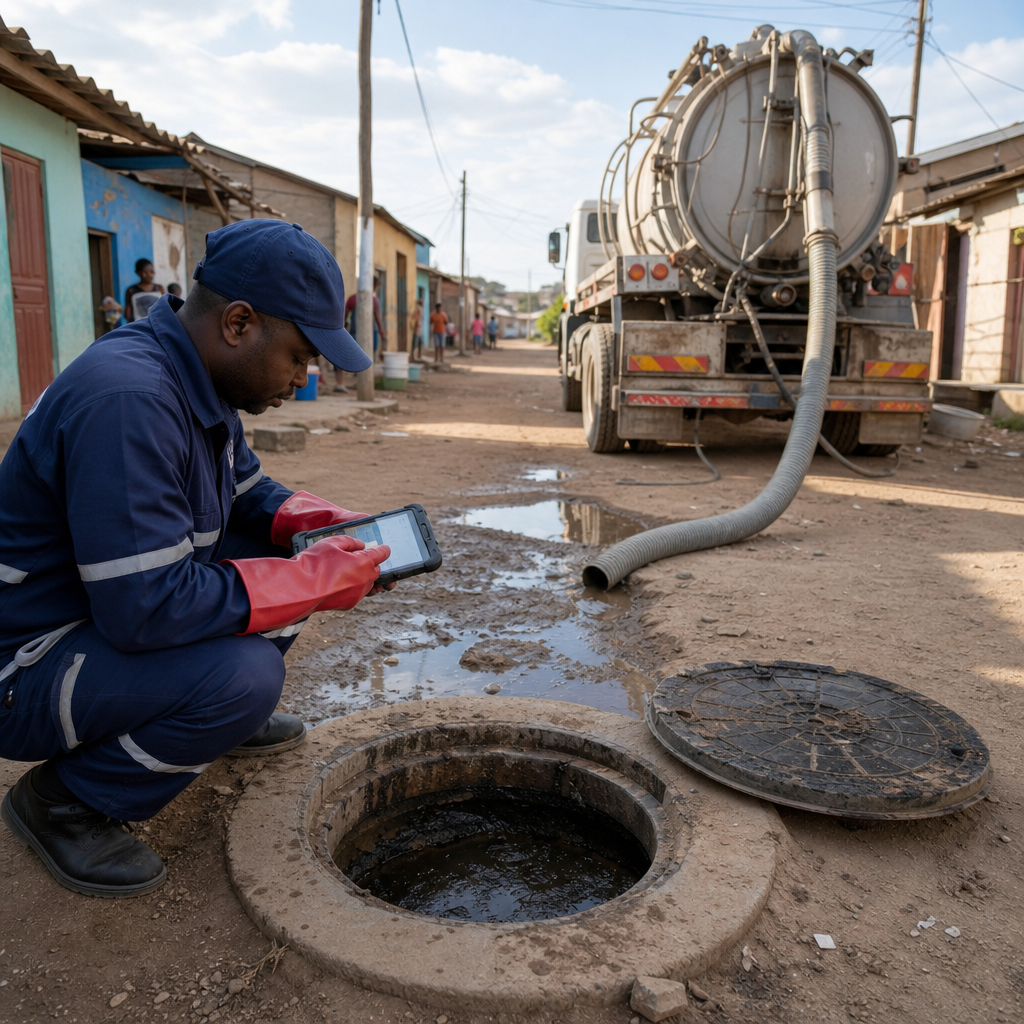
Investing in EcoSan also means investing in the sanitation value chain. A urine-diverting dry toilet is only economical if users understand separation, if storage and treatment are safe, and if there is a realistic use pathway for outputs. A composting system only works if temperature, moisture, retention time, and pathogen reduction are managed properly. Standards, training, supply chains for spare parts, and local maintenance capacity are therefore part of the investment case. School leaders and funders should evaluate the full service model, not just the hardware.
Choosing the right funding model for school EcoSan
The best funding model depends on context, but several patterns are reliable. Tax-based public financing is the backbone for equitable access because it spreads cost across society and supports schools in poor communities that cannot raise enough local funds. Results-based grants can improve accountability when disbursement is tied to verified functionality, cleanliness, accessibility, and handwashing availability rather than construction completion. Blended finance can help where municipalities or nonprofit operators need catalytic funds to pilot innovations, but lenders usually require repayment certainty, so pure debt is rarely suitable for school toilets unless backed by public revenue.
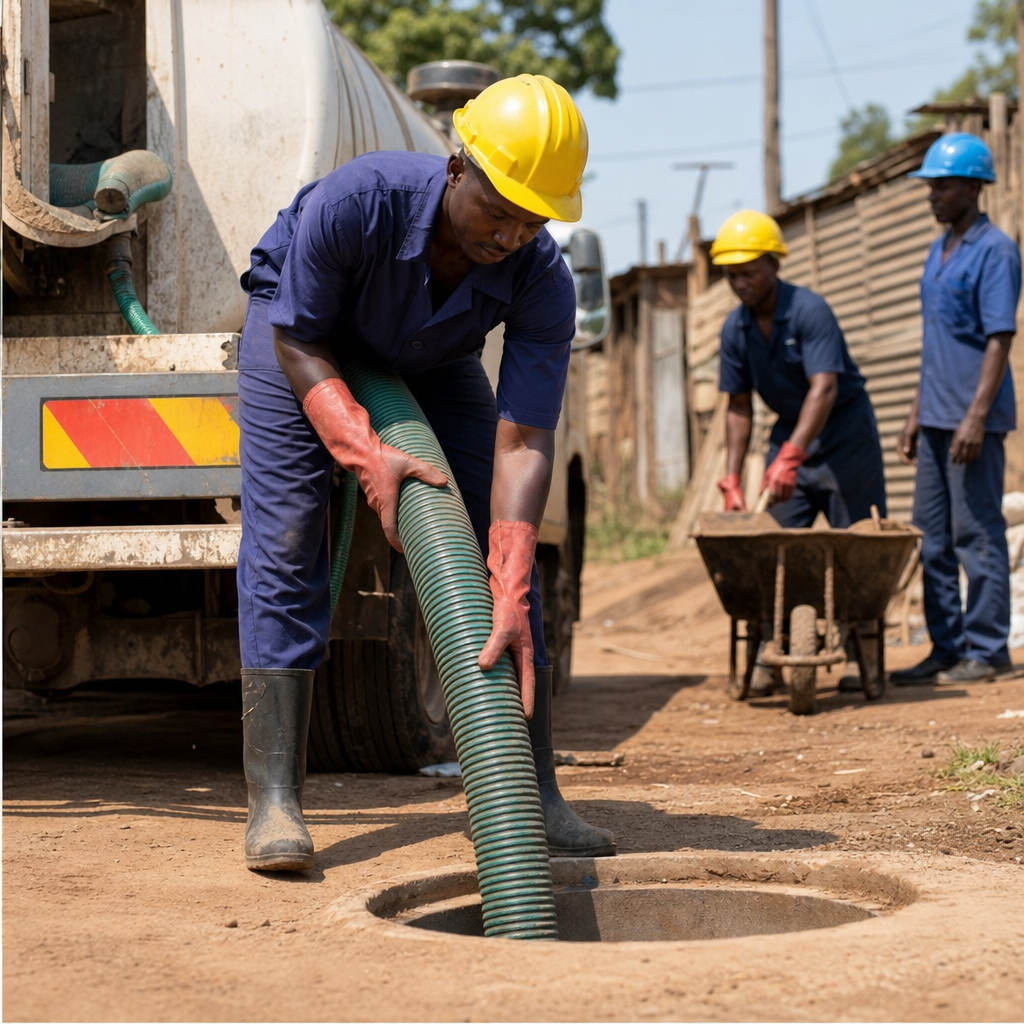
Lifecycle costing should drive those choices. A low-cost pit latrine may appear affordable but become expensive if pits fill rapidly, groundwater contamination requires mitigation, or emptying access is poor. An EcoSan system may cost more upfront yet reduce water demand, sludge transport, and fertilizer expenditure over time. The correct comparison is net present cost plus quantified benefits over the asset life. Tools such as lifecycle cost analysis, sensitivity testing, and multi-criteria appraisal are useful because they reveal how assumptions about water tariffs, maintenance discipline, user numbers, and transport distance change the economics.
| Funding approach | Main advantage | Main limitation | Best use in school EcoSan |
|---|---|---|---|
| Public budget allocation | Most equitable and predictable at scale | Can be vulnerable to annual budget cuts | Core capital and recurring operations |
| Donor or NGO grant | Useful for pilots and underserved districts | Often weak on long-term maintenance funding | Innovation, initial rollout, technical assistance |
| Community contribution | Builds ownership and local oversight | Limited revenue in low-income areas | Minor works, labor, local monitoring |
| Blended finance | Can unlock larger investment packages | Requires strong governance and repayment logic | Municipal programs with public backing |
| Resource recovery revenue | Offsets some operating costs | Usually too small or uncertain to stand alone | Supplementary support for maintenance |
For a sub-pillar hub on economic aspects, the key point is that no single financing model solves everything. Strong programs layer sources deliberately: public money for universal service obligations, grants for innovation and capacity building, local contributions for ownership, and carefully assessed recovery value where safe reuse is practical. That structure makes EcoSan bankable in the broad public-finance sense, even when it is not attractive to commercial lenders on a stand-alone basis.
How EcoSan creates value beyond the school boundary
School EcoSan generates economic benefits that extend into households, farms, and local markets. First, it reduces disease transmission by improving hygiene habits among children who carry those practices home. Better handwashing and toilet use can lower household healthcare spending and reduce caregiver time lost to illness. Second, resource recovery can create value in school gardens, demonstration farms, or community agriculture. Properly treated compost improves soil organic matter, water retention, and nutrient availability, while safely managed urine can provide nitrogen and potassium. In areas where fertilizer prices are volatile, that offset matters.
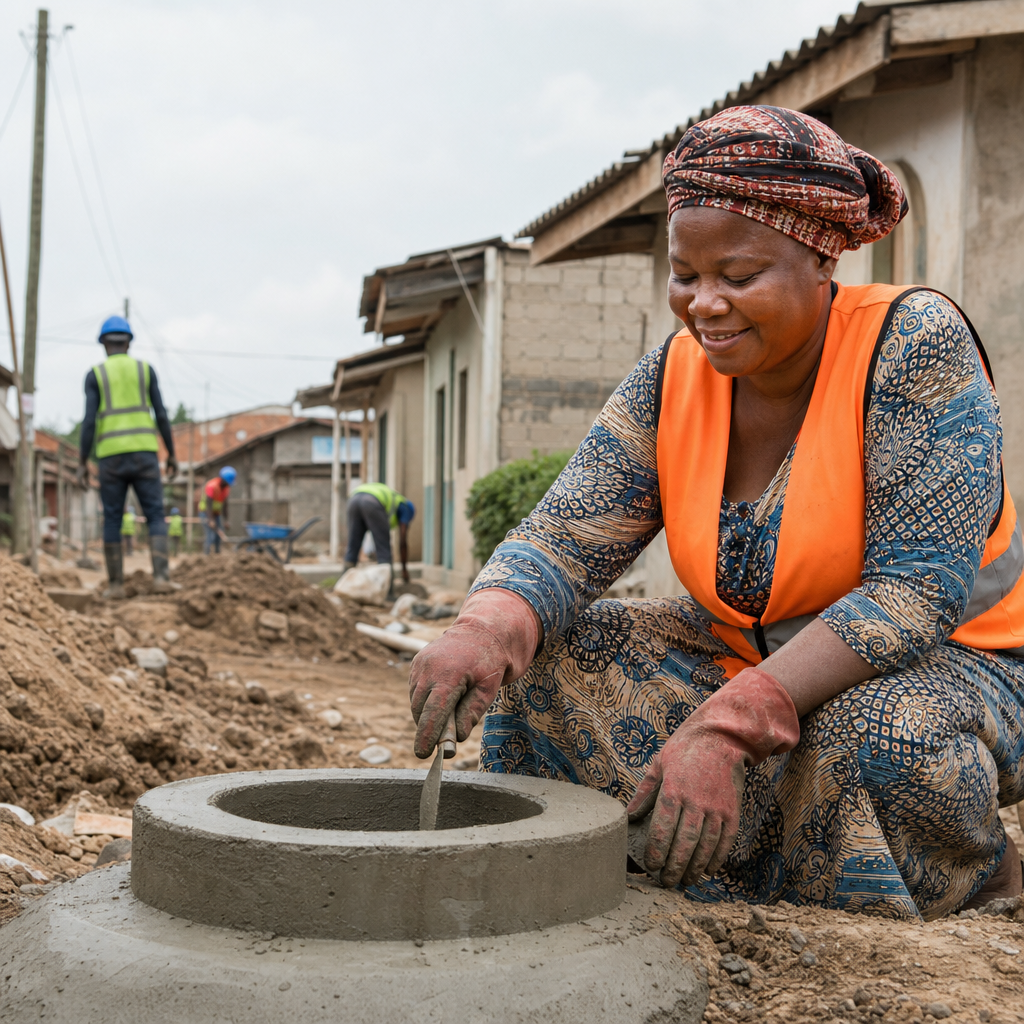
Third, EcoSan can stimulate local enterprise. Schools need masons familiar with urine-diversion designs, suppliers of containers and vent pipes, operators who understand treatment protocols, and service providers who can monitor functionality. A district-scale rollout can create demand for training, fabrication, and maintenance businesses. I have seen the difference between projects that import specialized components and those that adapt designs to materials local workshops can repair. The second model is almost always stronger economically because spare parts, labor, and knowledge remain in the community.
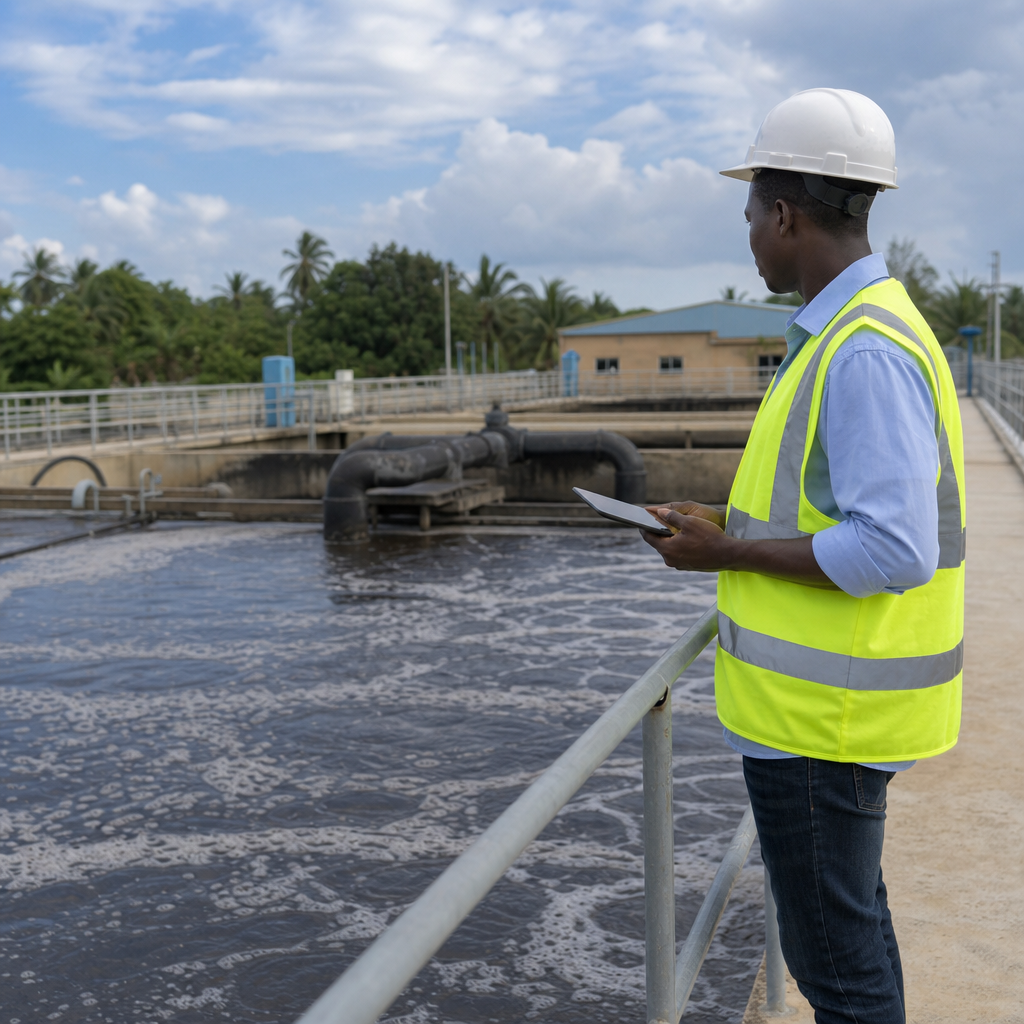
Environmental resilience is another economic benefit. Water-efficient sanitation matters where drought raises the cost of tanker supply or where piped water is intermittent. Systems that reduce wastewater discharge also lower risks to nearby water bodies and can prevent cleanup or public health costs later. These savings are often externalized in budgeting, but they are real. A school that avoids contaminating a shallow aquifer protects not just its own students but surrounding households that depend on the same water source.
Risks, constraints, and what makes investment fail
Not every school EcoSan project succeeds, and credible investment planning must explain why. The first risk is technology mismatch. A design that works in a rural demonstration site may fail in a dense urban school with heavy daily use, limited caretaker capacity, and no secure area for compost maturation. The second risk is weak behavior support. Urine diversion, dry cover material use, menstrual hygiene disposal, and handwashing all depend on clear routines and supervision. Without that, systems clog, smell, or become unacceptable to users.
Third, regulations and public perception matter. Reuse of sanitation by-products must follow national guidelines, pathogen reduction requirements, and occupational safety procedures. If local education authorities or parents do not trust the system, outputs may never be used, undermining part of the economic rationale. Fourth, maintenance is commonly underfunded. Cleaning supplies, spare seats, doors, vent repairs, and emptying logistics are recurring costs. When budgets ignore them, assets deteriorate quickly, and the apparent savings of cheaper construction vanish.
There are also inclusion risks. Sanitation that is not accessible for children with disabilities, not private enough for girls, or not safe after dark will not deliver full attendance and dignity benefits. Investors should require designs that meet accessibility and safeguarding expectations. Finally, measuring benefits can be difficult. Attendance gains may reflect several interventions at once, and fertilizer offsets depend on consistent output quality. That is why robust monitoring should track functionality, usage, costs, cleaning frequency, consumables, absenteeism patterns, and where relevant, reuse volumes and garden yields.
How decision makers should evaluate school EcoSan investments
The most reliable way to evaluate school EcoSan is to treat it as essential public infrastructure with measurable service outcomes. Start with demand: number of students, age profile, sex distribution, disability inclusion needs, water access, soil conditions, climate, and school calendar. Then compare technology options using lifecycle cost, service reliability, water demand, maintenance complexity, cultural acceptability, and compliance requirements. Financial analysis should distinguish between capital costs and annual recurrent obligations because many school systems can mobilize one-time grants more easily than they can sustain cleaning and repair budgets.
Decision makers should also map the full chain of responsibility. Who inspects facilities weekly? Who funds major rehabilitation after five or ten years? Who trains new staff when headteachers or caretakers change? Who verifies safe reuse or disposal? In strong programs, these answers are embedded in district education plans, procurement rules, and maintenance contracts. In weak programs, they are left informal and systems decay. Using established frameworks from school WASH monitoring, public financial management, and asset management improves discipline and helps sanitation compete fairly for budget space.
For readers exploring financing and investing in EcoSan across the wider economic aspects topic, the central lesson is clear. The highest returns come from matching technology to context, funding the full lifecycle, and valuing benefits beyond construction counts. Enhanced sanitation in schools pays back through healthier students, stronger attendance, more effective education spending, and in the right settings, useful resource recovery. Treat sanitation as a continuing service, not a ribbon-cutting event. If you are planning policy, funding a program, or advising a school network, review your current sanitation budgets, identify lifecycle gaps, and build an EcoSan investment strategy that is practical, funded, and accountable.
Frequently Asked Questions
1. Why is improving sanitation in schools considered an economic investment rather than just a health measure?
Improving sanitation in schools is an economic investment because it protects and increases the value of educational spending already being made. Governments, communities, and families invest significant resources in school buildings, teachers, textbooks, transportation, and student support. When sanitation is poor, those investments do not produce their full return. Students miss class because of diarrheal illness, infections, dehydration caused by avoiding toilets, or menstrual health challenges. Teachers also lose productive time when schools lack clean, functioning facilities. In that sense, weak sanitation creates inefficiency across the entire education system.
Better toilets, handwashing stations, menstrual hygiene facilities, and reliable waste management reduce preventable disruptions that interfere with learning. When attendance improves and students remain engaged in school, the long-term economic benefits expand. Students who stay in school consistently are more likely to build stronger literacy, numeracy, and life skills, which contribute to future earnings and workforce productivity. At the school level, fewer sanitation-related illnesses can also lower the costs associated with emergency maintenance, crisis response, and repeated absenteeism interventions. So while sanitation is often framed as a public health issue, it is also a practical strategy for protecting human capital, improving the efficiency of education budgets, and strengthening long-term economic development.
2. How does better school sanitation help reduce absenteeism and protect learning time?
School sanitation directly affects whether students can attend regularly and participate fully during the school day. If toilets are unsafe, dirty, overcrowded, or nonfunctional, many students will avoid using them entirely. That can lead to discomfort, distraction, and even health problems such as urinary tract infections, constipation, and dehydration. In environments where handwashing facilities are limited, infectious diseases spread more easily, increasing student absences and reducing instructional continuity. Every missed day of school represents lost learning time, and over time, those losses can compound into poorer educational outcomes.
The effect is especially important for girls. When schools provide private, safe, and usable menstrual hygiene facilities, girls are better able to attend consistently during menstruation. Without those facilities, some students may miss several days of school each month, which can add up significantly over the academic year. Better sanitation also supports dignity and concentration. Students are more likely to remain in class, participate confidently, and focus on learning when they are not worried about where to wash their hands, manage menstruation, or access a safe toilet.
From an economic perspective, preserving learning time matters because education systems generate value through consistent instruction and student progression. Reduced absenteeism means better use of teacher time, classroom resources, and public spending on education. It also lowers the risk of grade repetition and dropout, both of which increase the cost of delivering education. In simple terms, sanitation helps schools convert time in the classroom into stronger educational outcomes, making the entire system more productive.
3. What are the financial benefits for families and communities when schools improve sanitation?
Families and communities benefit financially when school sanitation improves because better facilities reduce both direct and indirect costs associated with poor health and interrupted education. Direct costs can include medical expenses for treating preventable illnesses linked to poor hygiene and unsafe sanitation. If children become sick less often, families may spend less on clinic visits, medicine, transport to health centers, and lost workdays caring for ill children. Those savings can be especially meaningful for low-income households where even small health-related expenses place pressure on the family budget.
Indirect benefits are also substantial. When children attend school more consistently, parents are less likely to miss work because of caregiving needs or school-related emergencies. Strong attendance can also reduce the likelihood that students fall behind, repeat grades, or leave school early. Grade repetition and dropout carry major economic consequences for families and communities because they weaken the return on the time and money already invested in a child’s education. By helping students stay on track academically, sanitation supports a more efficient path through school and a stronger foundation for future employment.
At the community level, better school sanitation contributes to healthier local environments and stronger social confidence in the school system. Schools with clean, safe facilities are often viewed as more trustworthy and welcoming, which can support enrollment and community engagement. Over the long term, communities benefit when more students complete school with fewer disruptions, because educational attainment is closely tied to higher earnings, better employment opportunities, and greater economic resilience. In that way, school sanitation does not just improve daily conditions on campus; it helps reduce household vulnerability and strengthen local development.
4. Do sanitation upgrades in schools deliver a strong return on investment?
Yes, sanitation upgrades in schools can deliver a strong return on investment because they improve multiple outcomes at the same time. A single sanitation improvement can contribute to better attendance, lower illness rates, safer school environments, greater dignity for students, and more effective use of educational resources. Unlike narrowly targeted interventions that affect only one part of school performance, sanitation improvements support health, learning, gender equity, and operational efficiency all at once. That makes them highly valuable from a cost-benefit perspective.
The return on investment comes from preventing avoidable losses. When students miss fewer days, schools make better use of teacher salaries, classroom time, meals programs, books, and infrastructure that are already being funded. When girls have appropriate menstrual hygiene facilities, retention can improve, protecting years of educational investment that might otherwise be weakened by repeated absence or dropout. When handwashing and waste management systems reduce disease transmission, the benefits extend beyond the classroom into households and surrounding communities.
Importantly, a strong return depends on quality and sustainability, not just initial construction. A toilet block that is poorly designed, lacks water, or is not maintained will not deliver lasting economic value. The most effective investments include maintenance plans, supplies such as soap and cleaning materials, user-friendly designs, privacy and accessibility features, and clear accountability for upkeep. In economic terms, durable and well-managed sanitation systems preserve asset value and ensure that schools keep receiving benefits over time. So the best sanitation investments are not one-time purchases; they are systems that continue generating educational and social returns year after year.
5. What kinds of school sanitation improvements create the greatest long-term economic impact?
The greatest long-term economic impact usually comes from sanitation improvements that are comprehensive, inclusive, and sustainable. This means going beyond simply installing toilets. High-impact school sanitation includes safe and private toilets for girls and boys, handwashing stations with dependable water and soap, menstrual hygiene management facilities, disability-accessible infrastructure, and effective waste management systems. When these elements work together, schools are better able to support attendance, reduce health risks, and maintain an environment where students can learn consistently.
Reliability is one of the most important factors. A school may have facilities on paper, but if there is no running water, no cleaning schedule, broken locks, poor lighting, or overflowing waste, the economic value drops quickly. Students will not use facilities they consider unsafe, unclean, or undignified. That is why long-term impact depends on operations and maintenance just as much as construction. Budgeting for repairs, custodial support, hygiene supplies, and monitoring is essential to protect the original investment.
Inclusive design also produces stronger economic results. Facilities that support menstrual hygiene and accessibility help ensure that more students can attend regularly and participate fully. This broadens the benefit across the student population and reduces exclusion-related educational losses. In addition, sanitation education and hygiene behavior support can amplify the impact of infrastructure by helping students use facilities correctly and consistently. The strongest economic outcomes usually come from systems that combine infrastructure, maintenance, user education, and school-level accountability. When schools build sanitation that lasts and works for everyone, they create conditions that protect learning, reduce avoidable costs, and improve the long-term return on education spending.