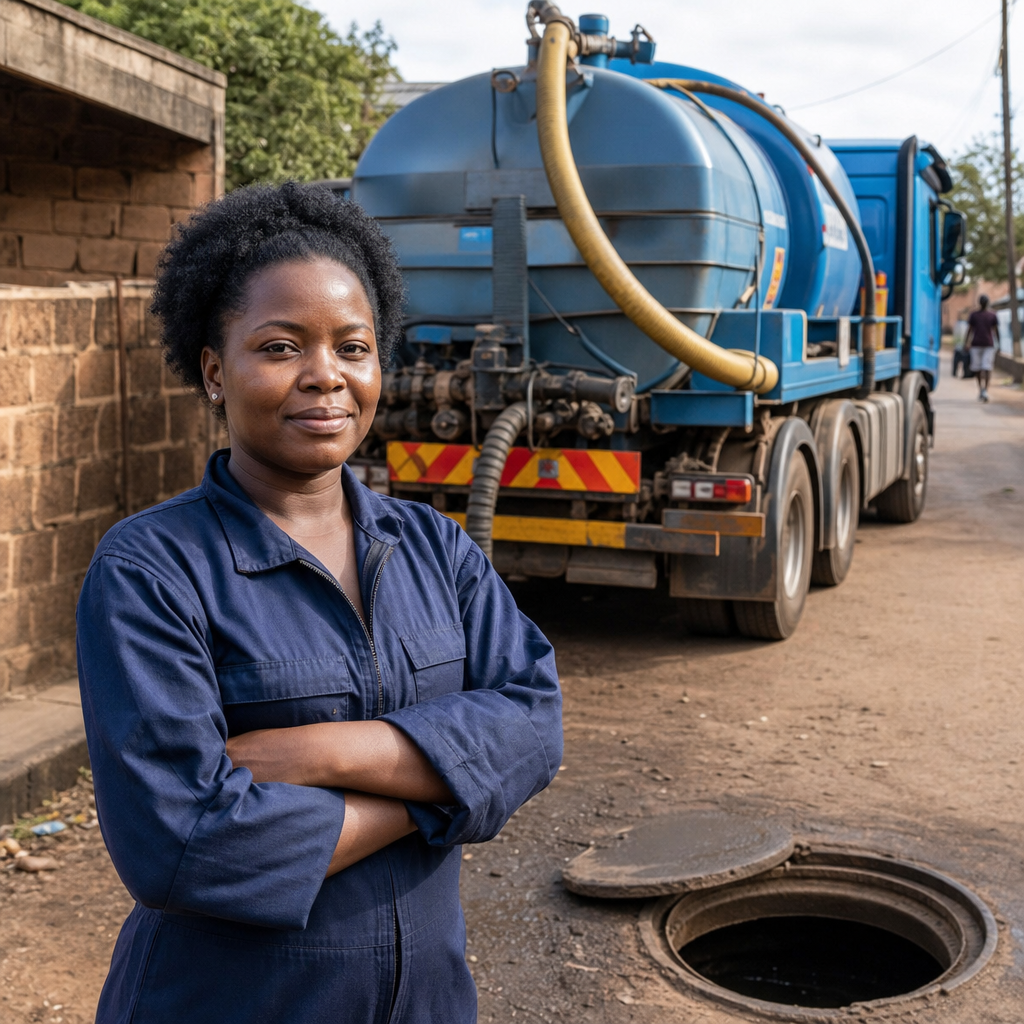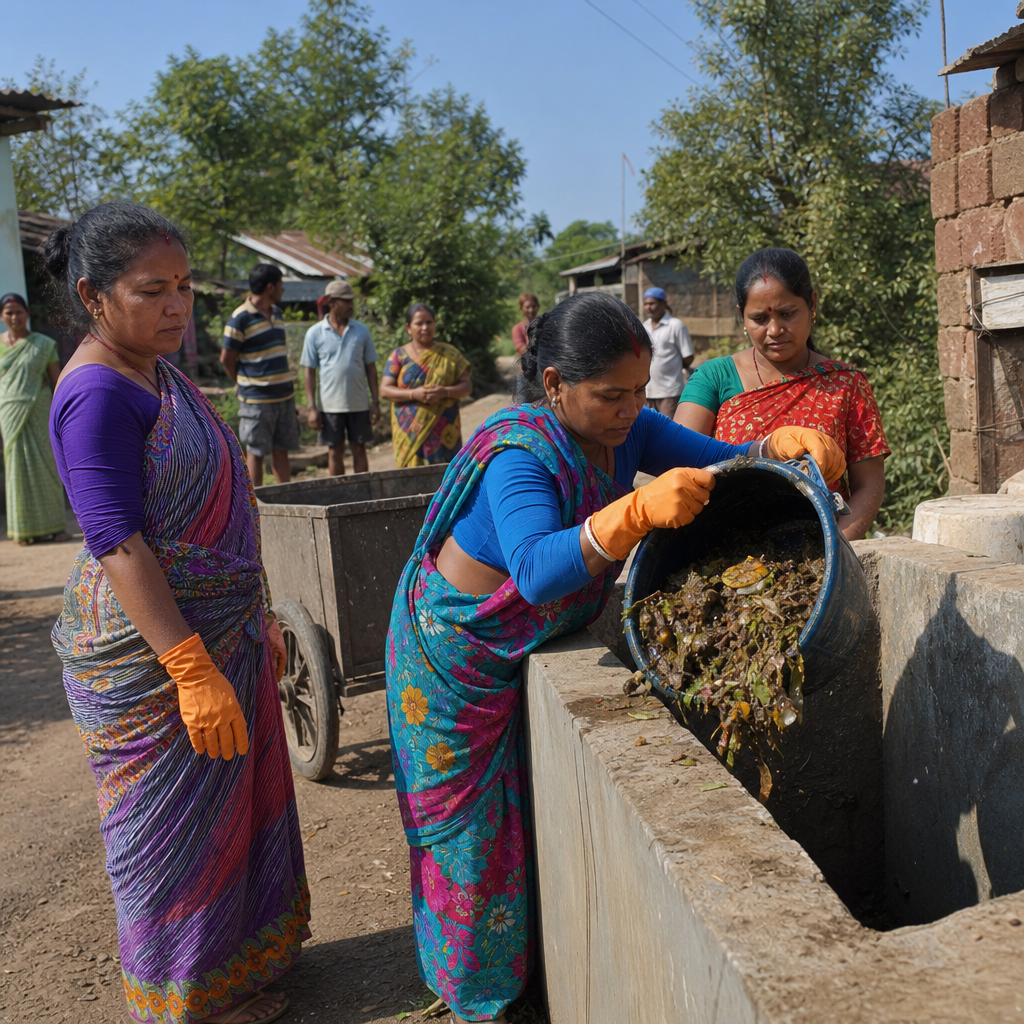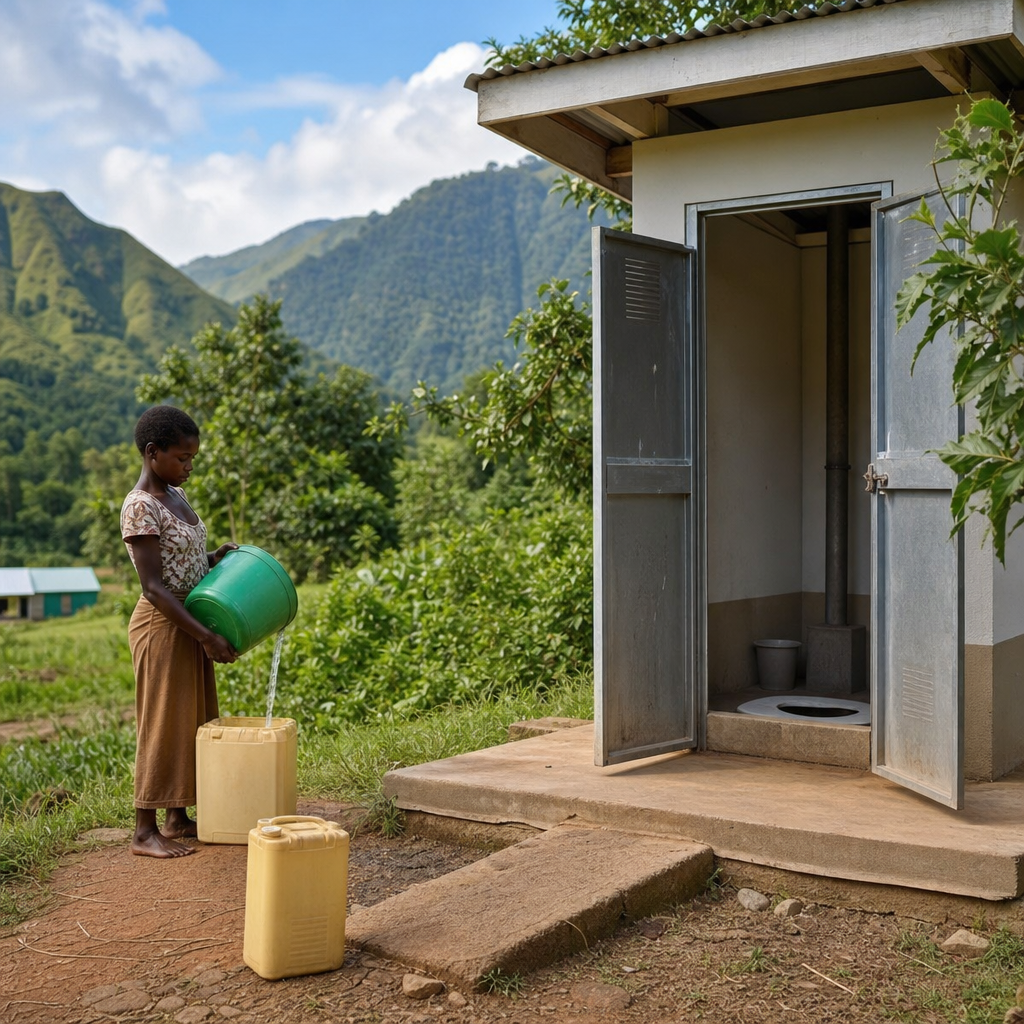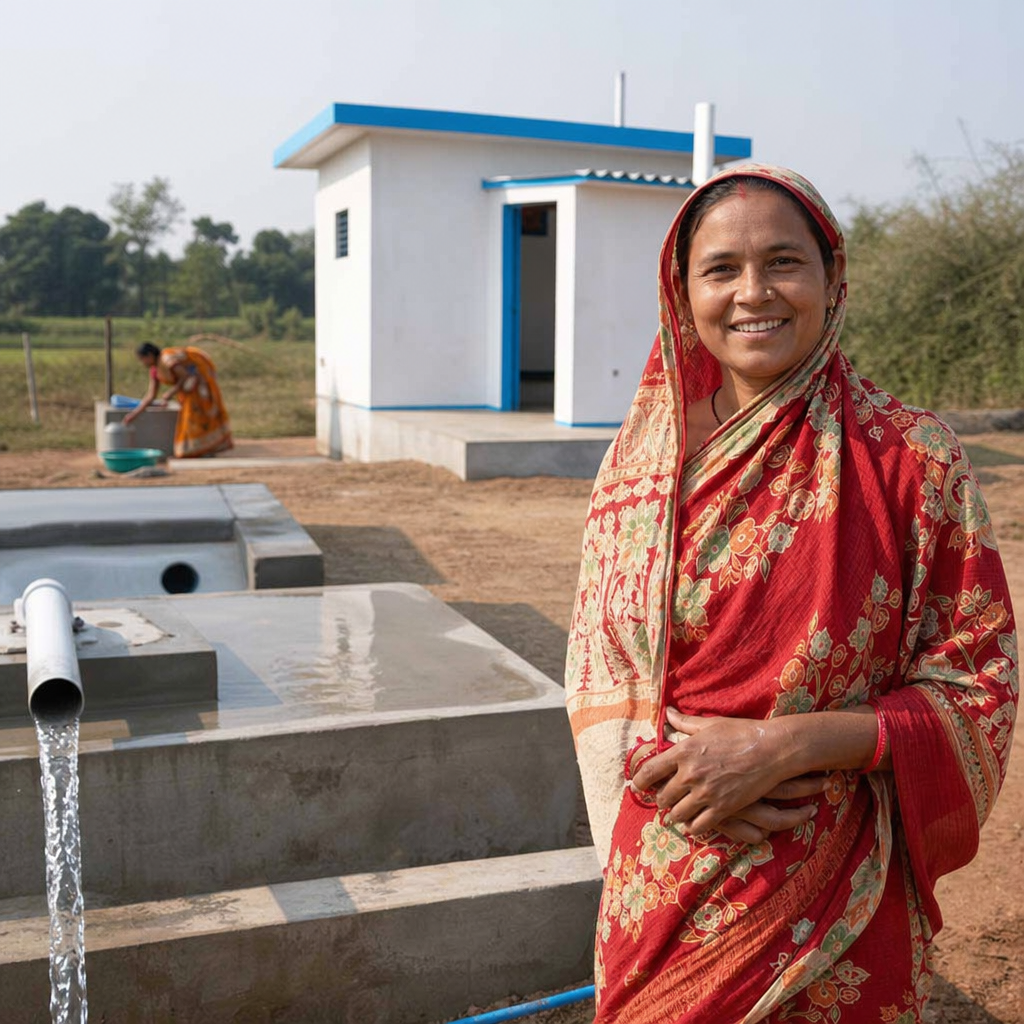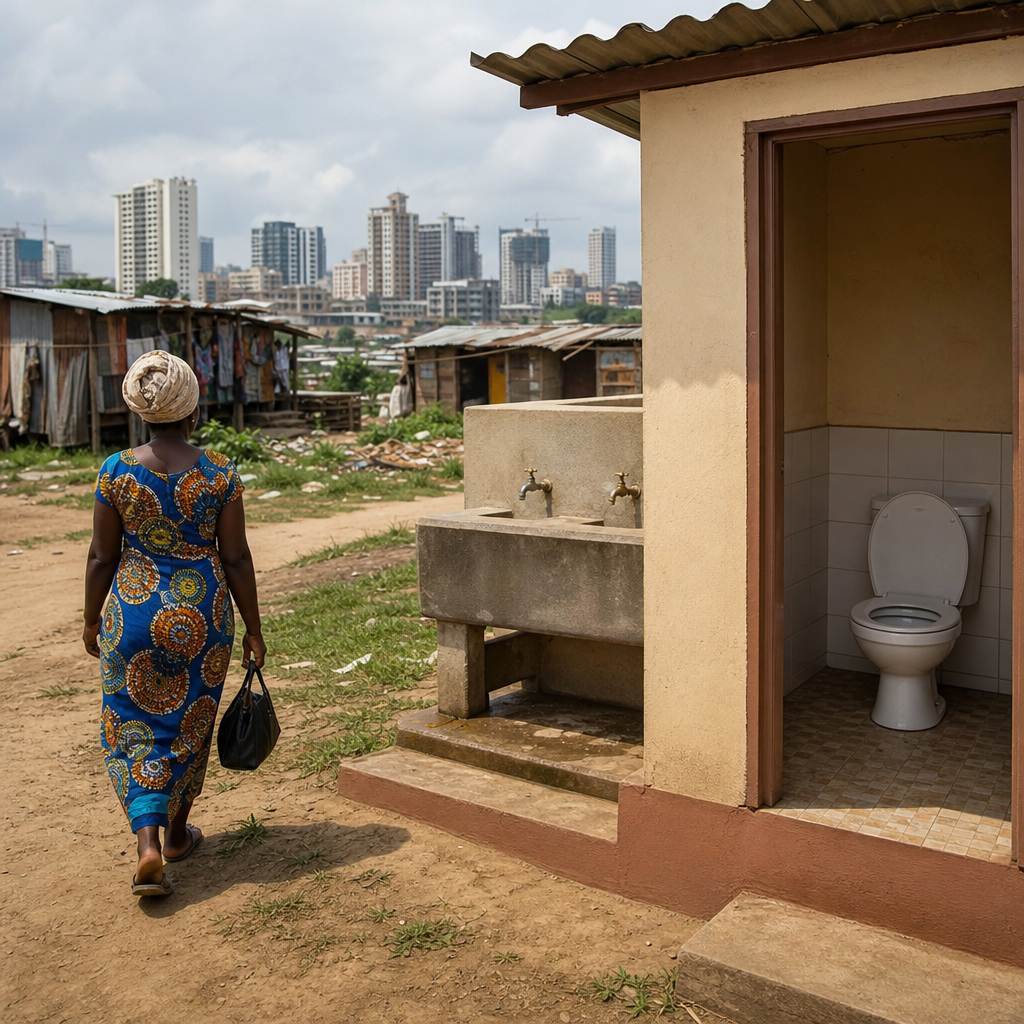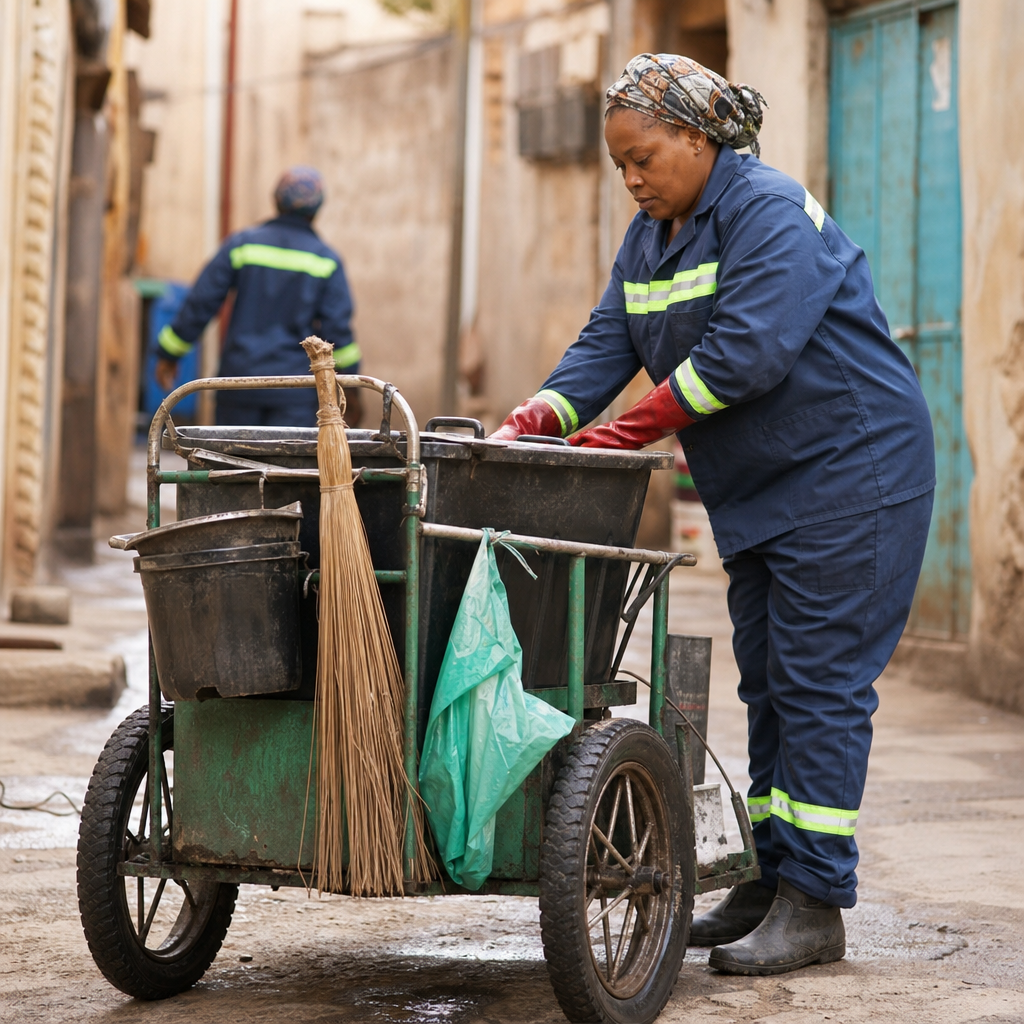
Micro-entrepreneurship in the sanitation sector is one of the most practical ways to expand safe services, create local income, and finance ecological sanitation systems at the community level. In this context, micro-entrepreneurship means very small businesses run by individuals, families, cooperatives, or neighborhood enterprises that earn revenue from products and services such as toilet construction, fecal sludge emptying, urine diversion system maintenance, compost processing, container collection, soap sales, handwashing station installation, and reuse of treated nutrients in agriculture. EcoSan, short for ecological sanitation, refers to sanitation approaches that safely recover resources from human waste, usually through composting, dehydration, urine diversion, or treatment processes that convert waste into fertilizer, soil conditioner, biogas inputs, or irrigation support. Financing and investing in EcoSan matters because sanitation systems often fail not from poor technology, but from weak business models, irregular cash flow, inadequate maintenance budgets, and limited access to affordable capital. I have seen promising sanitation pilots stall once donor funding ended, while modest local enterprises with disciplined pricing, customer trust, and simple financing kept services running for years. This article explains how micro-entrepreneurship turns sanitation from a one-time construction project into an investable local economy.
Why Micro-Entrepreneurship Fits EcoSan
Micro-enterprises are particularly well suited to EcoSan because ecological sanitation is service-intensive, decentralized, and dependent on regular user engagement. Unlike a large sewer network, an EcoSan ecosystem relies on many small but essential tasks: toilet installation, user training, routine collection, treatment monitoring, parts replacement, safe storage, and reuse-market development. Those tasks can be unbundled and assigned to small businesses that operate close to customers. In dense settlements, I have watched one entrepreneur specialize only in urine-diverting toilet retrofits while another handled compost bagging for peri-urban farmers. Each business remained small, but together they formed a functioning sanitation value chain.
This structure lowers entry barriers. A mason can begin with toilet slab production, a youth group can provide container transport using tricycles, and a women’s cooperative can package sanitized compost. Start-up costs are often much lower than for centralized sanitation infrastructure. A hand tool kit, curing area, protective equipment, training, and a small working capital reserve may be enough to start. Because services are local, entrepreneurs can adapt payment schedules to household cash patterns, including weekly collection fees, harvest-season payments, or group purchasing arrangements. That flexibility is often what makes safe sanitation affordable in practice.
EcoSan also creates multiple revenue streams. Customers may pay for access, maintenance, emptying, repairs, and consumables. On the back end, treated outputs may generate additional income if quality standards, logistics, and market demand are managed properly. This matters for financing because lenders and investors prefer businesses that are not dependent on a single unstable cash source. A sanitation micro-enterprise that earns from subscriptions, pit or vault servicing, and compost sales usually has a stronger risk profile than one that depends only on one-time toilet construction contracts.
How the EcoSan Value Chain Generates Revenue
Financing and investing in EcoSan starts with understanding where money can be earned and where costs accumulate. The value chain usually includes product manufacture, installation, operation, collection or emptying, transport, treatment, storage, packaging, and reuse. Every stage has different economics. Toilet construction can generate upfront cash but is often cyclical. Collection services create recurring revenue but require reliable scheduling and customer retention. Treatment and reuse may offer higher margins, yet they demand quality control and market development.
A common mistake is assuming that resource recovery alone will pay for the entire system. In most markets, it does not. Treated compost or urine-based fertilizer can improve economics, but household sanitation users usually remain the primary paying customers. Recovered products are better treated as margin enhancers rather than the sole foundation of the enterprise. I have seen composting toilet businesses overestimate demand from farmers, only to find that transport costs erased profit. The more durable businesses priced sanitation services realistically first, then treated reuse income as a secondary line.
Investors should map unit economics carefully: customer acquisition cost, average revenue per user, gross margin per collection route, treatment loss rates, compost curing time, and seasonal demand. They should also measure utilization. An EcoSan asset that sits idle half the month will struggle regardless of technical soundness. The strongest operators know exactly how many households one worker can serve, how many liters one vehicle can move per day, and how many days output must remain in treatment to meet safety requirements.
| Value chain activity | Main revenue source | Typical cost drivers | Investment note |
|---|---|---|---|
| Toilet production and installation | One-time sales, upgrade packages | Materials, labor, transport | Good for early cash flow but often not recurring |
| Collection or emptying services | Subscriptions, service fees | Labor, fuel, route inefficiency, PPE | Most bankable when routes are dense and predictable |
| Treatment and storage | Tipping fees, bundled service charges | Land, compliance, monitoring, handling losses | Needs strong operational discipline and permits |
| Resource recovery sales | Compost, soil conditioner, nutrient products | Packaging, testing, transport, market education | Best viewed as supplemental revenue, not guaranteed core income |
Financing Options for Sanitation Micro-Enterprises
Most sanitation micro-businesses begin with blended finance, not a single source of capital. Founder savings are common because lenders often hesitate until there is proof of demand. Informal family loans can cover initial tools or inventory. Microfinance institutions may finance working capital, especially where cash turnover is frequent and loan sizes are small. Savings and credit cooperatives can be effective for groups that already have social cohesion and repayment discipline. Supplier credit is another underused tool. Cement suppliers, plastic fabricators, or equipment dealers sometimes extend short payment terms to trusted operators, reducing the need for immediate cash.
For growth capital, several instruments can work. Small asset loans can fund handcarts, motorcycles, vacuum units, storage tanks, shredders, or protective gear. Revenue-based financing is useful when income is recurring but margins are still maturing. Results-based grants can de-risk expansion into low-income areas where affordability is constrained. Municipal output-based subsidies can also improve viability by paying providers per verified toilet installed, container collected, or household served. In practice, the most scalable EcoSan businesses often combine commercial discipline with targeted public support for the public health benefits they deliver.
Impact investors increasingly look at sanitation, but they usually want more than a compelling mission. They look for route density, repeat purchase behavior, customer retention, gross margin visibility, and management data quality. Development finance institutions and challenge funds may support demonstration or replication, especially when businesses serve women, informal settlements, or climate-vulnerable regions. Carbon finance is emerging for some waste treatment models, but small enterprises should treat it cautiously; verification costs and methodology complexity can outweigh the benefit unless projects aggregate at scale.
Household financing also matters because many EcoSan enterprises depend on customer ability to pay for installation. Pay-as-you-go plans, layaway models, rotating savings groups, and sanitation loans can unlock demand. I have seen uptake rise sharply when a toilet upgrade was split into modest monthly payments rather than a large upfront invoice. For entrepreneurs, that can create working capital stress, so receivables management and bridge financing become essential.
What Makes an EcoSan Venture Investable
An investable sanitation micro-enterprise is not defined by enthusiasm or social benefit alone. It is defined by reliable demand, disciplined operations, transparent records, and credible risk management. Investors want evidence that customers will pay repeatedly for a sanitation solution that solves a daily problem. That evidence can come from paid pilots, retention data, waiting lists, and low complaint rates. Enterprises should track churn, missed collections, repair frequency, and referral rates. In my experience, referrals are especially important in sanitation because trust drives adoption more than advertising does.
Operational systems matter just as much as market demand. An entrepreneur must show standard operating procedures for collection, cleaning, treatment, worker safety, and customer communication. Bookkeeping should separate capital expenditure from operating costs and distinguish household revenue from resource recovery sales. Too many sanitation enterprises fail to calculate full costs, especially protective equipment replacement, downtime, spoilage, and supervisory labor. Investors notice that quickly.
Compliance is another major factor. EcoSan businesses operate in a public health space, so occupational safety rules, transport permissions, land use approvals, and product quality requirements can affect valuation and scale. Recognized frameworks from the World Health Organization for sanitation safety planning, along with local standards for sludge handling and compost use, help reduce health and regulatory risk. Enterprises that test outputs, document treatment times, and train workers systematically are more bankable because they can defend their safety claims.
Finally, investability improves when the business is designed for replication. Can one neighborhood route be copied into ten more? Can training be standardized? Can customer onboarding be simplified? A tiny sanitation venture may remain viable as a livelihood business without ever becoming attractive to outside investors. That is acceptable. The goal is not to force every enterprise into venture-style growth, but to match financing type to business ambition and operational reality.
Risk, Returns, and Practical Due Diligence
Sanitation investors should underwrite with realism. The key risks include payment default, low utilization, transport disruption, contamination, weak treatment performance, theft of movable equipment, and sudden regulatory changes. Seasonal weather can also affect demand and operations. Heavy rains may reduce access for collection vehicles, while drought can alter farmer demand for nutrient products. These are manageable risks, but only when identified early.
Due diligence should start with site visits and route observation, not spreadsheets alone. Watch a collection cycle. Time the loading process. Ask workers how often customers are absent or containers are contaminated with trash. Review maintenance logs. Inspect protective gear use. Compare stated treatment capacity with actual throughput. Talk to farmers or buyers of recovered products about repeat purchases, not just trial orders. These field details often reveal whether the business model is robust or merely persuasive on paper.
Returns in sanitation are usually moderate rather than spectacular. That should not discourage investors; steady cash-generating services can be valuable, particularly when public co-financing lowers risk. A realistic target for many micro-enterprises is durable profitability, local employment, and gradual expansion, not exponential growth. Patient capital often fits better than aggressive short-term return expectations. Where sanitation enterprises promise unusually high margins, investors should test assumptions carefully, especially around reuse-product pricing and labor productivity.
Building a Financing Strategy for Long-Term Scale
The most effective financing strategy for EcoSan uses the right capital for the right task. Grants are best used for early market education, safety validation, prototype testing, and expansion into underserved areas where public health gains exceed private returns. Debt fits assets and working capital when revenue is predictable. Equity or quasi-equity may suit businesses building branded service networks or treatment hubs with regional growth plans. Municipal contracts can anchor demand, while farmer off-take agreements can stabilize resource recovery revenue.
Entrepreneurs should prepare a financing roadmap before approaching lenders or investors. That roadmap should specify capital needs by phase: pilot, stabilization, route densification, treatment expansion, and replication. It should include pricing logic, repayment capacity, customer acquisition channels, and contingency plans for delayed collections or slower sales. I advise sanitation founders to build conservative models first, with stress tests for fuel cost increases, default rates, and output sales shortfalls. A business that still works under pressure is the one most likely to secure funding.
For readers exploring financing and investing in EcoSan, the central lesson is simple: back sanitation businesses that solve a real service problem, price honestly, manage risk visibly, and treat resource recovery as a disciplined market activity rather than a hopeful afterthought. Micro-entrepreneurship can turn sanitation into a local economic engine when finance matches the enterprise stage and public health realities. Review your current sanitation value chain, identify one revenue stream and one cost weakness, and use that analysis to shape your next investment or business decision today.
Frequently Asked Questions
What is micro-entrepreneurship in the sanitation sector, and why does it matter?
Micro-entrepreneurship in the sanitation sector refers to very small, locally operated businesses that provide sanitation-related products and services while earning income from that work. These enterprises may be run by individuals, families, cooperatives, youth groups, women’s associations, or neighborhood-based service providers. Their activities can include toilet construction, pit emptying, fecal sludge transport, urine diversion toilet maintenance, compost processing, handwashing station installation, container collection, repair services, and the sale of sanitation inputs such as cleaning supplies or toilet components.
Its importance lies in the fact that sanitation challenges are often highly local. Communities need practical, affordable, ongoing services rather than one-time infrastructure projects. Micro-enterprises can respond quickly to local demand because they understand the neighborhood, the terrain, the payment capacity of households, and the cultural preferences around sanitation. They can also fill gaps that large utilities, municipal agencies, or major contractors are often unable to serve efficiently, especially in peri-urban areas, informal settlements, and rural communities.
Micro-entrepreneurship also matters because it connects public health goals with economic opportunity. Instead of treating sanitation only as a cost center, it creates viable livelihoods around safe service delivery. That means jobs for masons, emptiers, transporters, maintenance technicians, compost processors, and sales agents. In many settings, this local business activity helps finance ecological sanitation systems by turning waste streams into useful products or by spreading service costs through regular payments. When properly supported with training, regulation, and market development, micro-enterprises can improve service coverage, reduce environmental contamination, and strengthen community ownership of sanitation systems.
What types of sanitation businesses can micro-entrepreneurs start?
There is a wide range of sanitation businesses suitable for micro-entrepreneurs, and the best option usually depends on local demand, regulations, skill levels, and access to tools or equipment. One common area is toilet construction and upgrading. Small contractors and trained masons can build household toilets, shared sanitation units, urine diversion systems, handwashing stations, or low-cost improvements such as slabs, superstructures, ventilation, and child-friendly features. These businesses often succeed because they provide clear, visible value to households and institutions like schools or small shops.
Another major category is service-based sanitation entrepreneurship. This includes pit emptying, septic tank emptying, manual or mechanized sludge removal, toilet cleaning services, routine inspection, unclogging, and maintenance of container-based or ecological sanitation systems. In places where households struggle to manage sanitation over time, service providers can offer subscription plans or scheduled visits, which creates recurring revenue rather than relying only on one-time sales.
Micro-entrepreneurs can also work in resource recovery and reuse. Depending on the system and legal environment, they may process composted fecal matter, package soil amendments, manage urine collection for agricultural use, or convert organic waste streams into products for farming or landscaping. These business models can help offset sanitation costs, but they require strong quality control, safe handling practices, and confidence from end users.
In addition, there are businesses focused on distribution and retail. Entrepreneurs may sell toilet pans, pipes, diversion components, cleaning products, protective equipment, deodorizing materials, sealants, storage containers, and spare parts. Others can specialize in collection logistics, customer mobilization, payment systems, or behavior change outreach linked to sanitation uptake. The most resilient businesses are often those that combine products and services, such as construction plus maintenance, or collection plus treatment support, because they diversify income and build longer-term customer relationships.
How can micro-entrepreneurship help expand safe and ecological sanitation services at the community level?
Micro-entrepreneurship helps expand safe sanitation by making services more continuous, more accessible, and more responsive to actual household needs. Community sanitation systems often fail not because the technology is impossible, but because no one is clearly responsible for routine maintenance, waste collection, repairs, customer follow-up, or payment collection. Micro-enterprises address that gap. They create a local service layer that keeps sanitation functioning beyond initial installation.
For ecological sanitation systems in particular, micro-entrepreneurs can play several essential roles. They can maintain urine diversion toilets correctly, educate users on proper separation practices, organize collection schedules, transport materials safely, support composting processes, and monitor whether end products meet acceptable standards for reuse. Without these day-to-day functions, ecological systems may be poorly used or abandoned. With a local enterprise model, however, there is a financial incentive to keep the system reliable and trusted.
These businesses also improve reach because they can adapt pricing and delivery methods to community realities. Some households may afford a one-time toilet installation, while others need installment payments, pay-per-emptying, or low-cost modular upgrades. Small enterprises are often more flexible than centralized providers in offering these options. They can bundle services, provide neighborhood collection routes, or work through community savings groups and cooperatives.
Just as importantly, local enterprises can help normalize safe sanitation practices. When sanitation is visible as a real profession with trained providers, predictable pricing, and recognized standards, households are more likely to view it as a manageable service rather than an irregular emergency expense. Over time, this can increase demand, improve environmental health outcomes, and create a more sustainable local sanitation economy built on routine service delivery rather than temporary external funding alone.
What challenges do sanitation micro-enterprises face, and how can they overcome them?
Sanitation micro-enterprises often operate in difficult conditions. One of the biggest challenges is low or inconsistent demand. Even when sanitation needs are urgent, households may delay spending because they do not see immediate economic returns, or because sanitation has historically been treated as a personal rather than service-based responsibility. Businesses can respond by offering flexible payment plans, smaller entry-level products, subscriptions, or bundled services that make sanitation more affordable and easier to purchase.
Access to finance is another major barrier. Many entrepreneurs need capital for tools, protective gear, carts, pumps, storage space, or transportation equipment, but they may lack collateral or formal business records. Targeted microfinance, revolving funds, equipment leasing, results-based incentives, and partnerships with savings groups can help close this gap. Business development support is equally important, since many technically capable operators still need help with bookkeeping, pricing, customer service, marketing, and regulatory compliance.
Health and safety risks are especially significant in sanitation. Workers involved in sludge handling, toilet emptying, or compost processing need training, protective equipment, vaccination access where appropriate, and clear operating procedures. Without these, the business model may expose workers and customers to serious hazards. Strong local rules, licensing, and monitoring can improve safety while also increasing customer confidence in the service.
Another challenge is stigma. Sanitation work is often undervalued socially, even though it is essential for public health. Overcoming stigma requires professionalization: uniforms, branding, certification, visible safety practices, reliable service, and public recognition of sanitation workers as skilled providers. Finally, disposal and treatment infrastructure can be a bottleneck. Emptying services cannot function safely if there is nowhere legal or practical to take collected waste. For that reason, sanitation micro-enterprises tend to perform best when municipalities, NGOs, and communities help create an enabling environment that includes regulation, treatment links, market development, and demand generation alongside entrepreneurship support.
What makes a sanitation micro-enterprise successful and sustainable over the long term?
A successful sanitation micro-enterprise usually combines technical reliability, customer trust, and a business model that matches local conditions. First, the service has to solve a real problem consistently. Whether the enterprise builds toilets, empties pits, maintains urine diversion systems, or processes compost, customers need to see that the work is safe, timely, and worth paying for. Poor quality quickly damages trust in sanitation markets, so training, supervision, and standard operating procedures are critical from the beginning.
Second, sustainable businesses understand their revenue streams clearly. Some sanitation activities generate one-time income, such as toilet installation, while others are better suited to recurring payments, such as monthly collection, scheduled maintenance, or periodic emptying. Enterprises that plan for repeat business often have more stable cash flow. They may also cross-subsidize services by combining hardware sales, labor, transport, maintenance, and reuse products rather than relying on only one source of income.
Third, customer relationships matter enormously. Sanitation is personal, and households are more likely to pay for services from providers they trust. Clear pricing, respectful communication, dependable scheduling, and visible hygiene standards all contribute to repeat business and word-of-mouth referrals. In many communities, success also depends on social embeddedness: local entrepreneurs who are known in the area often have an advantage because they understand the constraints and values of their customers.
Finally, long-term sustainability depends on being part of a wider sanitation ecosystem. Even the best entrepreneur needs supportive policies, access to treatment or disposal sites, practical health and safety standards, and demand creation efforts that encourage households to invest in safe sanitation. Partnerships with local government, farmer groups, health programs, cooperatives, and financial institutions can make the difference between a fragile informal activity and a durable community business. When these conditions are in place, sanitation micro-enterprises can do far more than survive—they can become a cornerstone of local public health, environmental protection, and inclusive economic development.