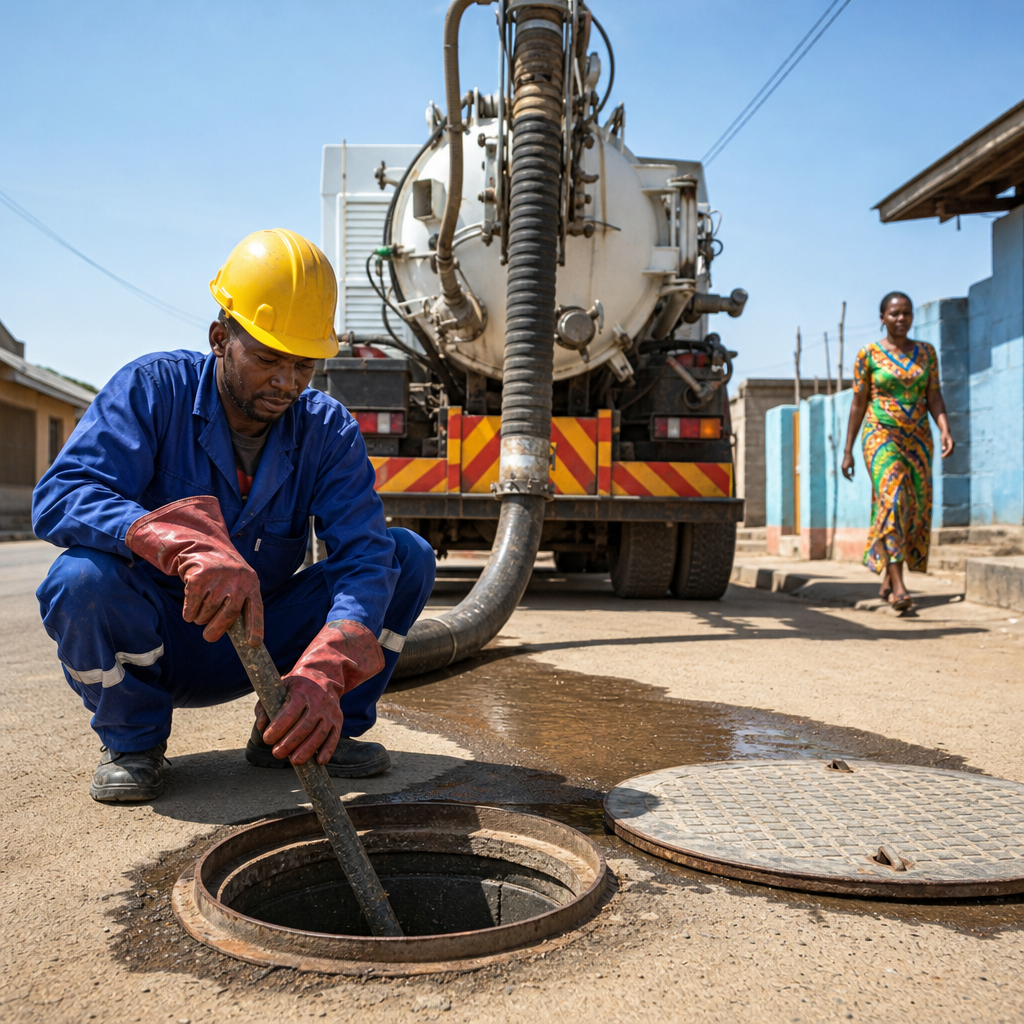
Investing in sanitation is one of the clearest ways to turn public health spending into long term economic prosperity, especially when the focus includes Economic Sustainability in EcoSan. EcoSan, short for ecological sanitation, refers to sanitation systems that safely recover nutrients, water, and organic matter from human waste instead of treating those materials only as disposal problems. In practice, that includes urine diversion toilets, composting toilets, dehydrating vaults, fecal sludge treatment linked to reuse, and service models that convert waste into fertilizer, soil conditioner, irrigation water, biogas, or solid fuel. I have worked on sanitation business cases where the conversation shifted dramatically once decision makers saw sanitation not as a permanent subsidy line, but as infrastructure that can reduce health costs, improve agricultural productivity, create jobs, and protect scarce water resources.
The economic argument matters because inadequate sanitation imposes visible and hidden costs across households, farms, schools, clinics, and local governments. The World Bank has repeatedly shown that poor sanitation reduces productivity through illness, undernutrition, time losses, environmental contamination, and tourism impacts. The World Health Organization has also found that sanitation investments deliver strong returns when disease reduction, saved time, and avoided medical spending are counted together. EcoSan adds another layer to that return by aiming to recover value from waste streams. Instead of paying only for collection, transport, and disposal, communities can design systems that generate useful outputs and reduce dependence on imported fertilizer, freshwater, and energy. For countries facing climate stress, urban growth, and fertilizer price volatility, that shift has practical economic significance.
Economic Sustainability in EcoSan means more than whether a toilet can be built cheaply. It asks whether the full sanitation chain can keep functioning financially, institutionally, socially, and environmentally over time. A system is economically sustainable when capital costs are realistic, operations and maintenance are affordable, users accept the service, recovered products have reliable markets, and public benefits justify any ongoing support. This hub article explains how those pieces fit together, why EcoSan can outperform conventional models in the right context, where its limits appear, and which business, policy, and financing choices make success more likely.
Why sanitation investment drives economic prosperity
Sanitation supports economic prosperity by protecting human capital first. When people are exposed to fecal contamination, diarrheal disease, intestinal parasites, environmental enteric dysfunction, and repeated infections reduce school attendance, labor capacity, and cognitive development. Those effects lower income today and productivity tomorrow. I have seen municipalities underestimate this because sanitation budgets sit in one department while the benefits appear elsewhere, such as lower clinic demand, better school participation, and fewer workdays lost. A sound economic assessment therefore treats sanitation as a cross sector investment rather than a narrow utility expense.
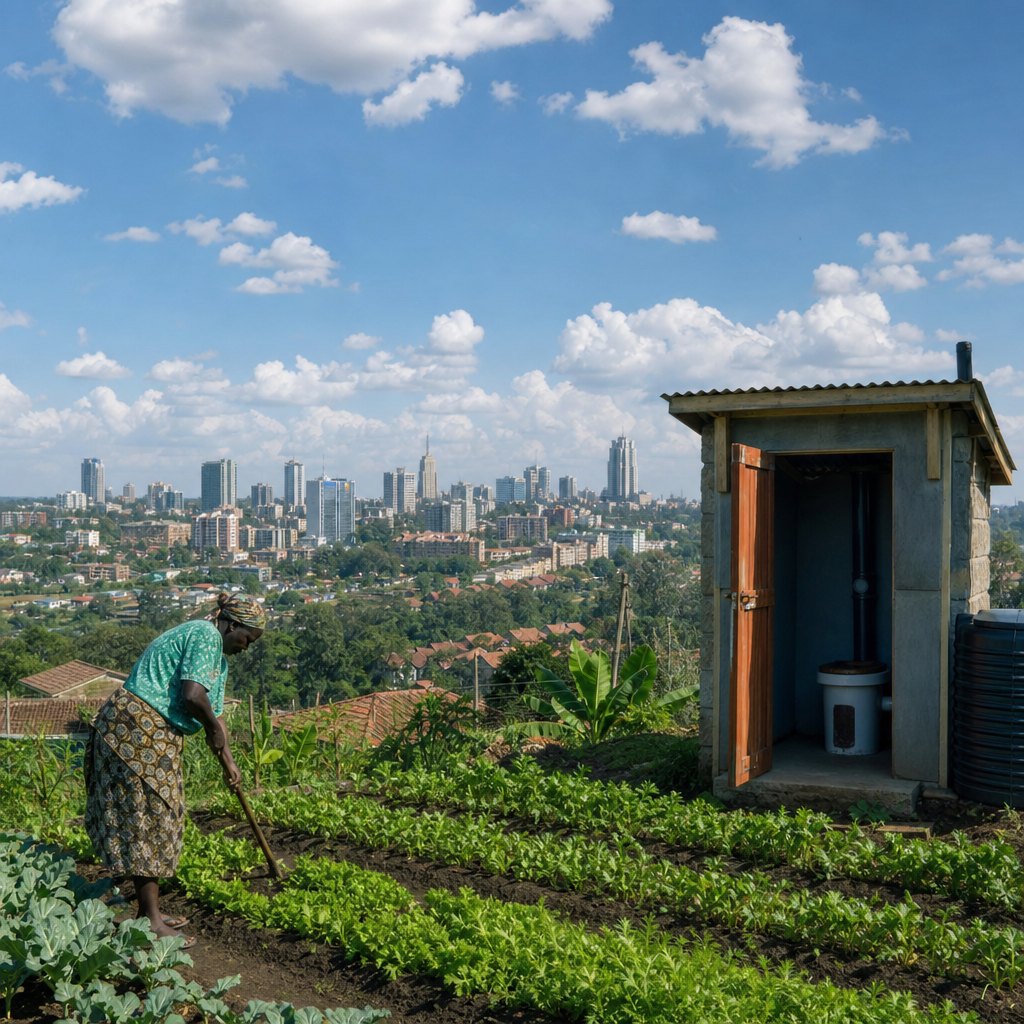
The benefits extend beyond disease prevention. Safe, reliable sanitation increases land values, helps markets and transport hubs function, reduces flood related contamination, and strengthens business continuity in dense urban areas. For women and girls, accessible sanitation reduces time spent seeking private places, lowers safety risks, and improves school and workplace participation. For farmers, treated urine and compost can partially substitute synthetic fertilizer when quality is controlled. For utilities and local governments, resource recovery can offset part of lifecycle costs. None of these gains happen automatically, but each is measurable, and together they explain why sanitation investment consistently produces broad economic returns.
Understanding Economic Sustainability in EcoSan
Economic Sustainability in EcoSan rests on lifecycle thinking. Many sanitation projects look affordable during construction and then fail because emptying, transport, treatment, repairs, user education, and monitoring were never costed properly. In EcoSan, lifecycle analysis must include the containment technology, behavior support, collection logistics where relevant, pathogen reduction processes, storage requirements, market development for recovered products, and compliance with health regulations. The key question is not whether a toilet is cheap to install. It is whether the service chain remains safe, accepted, and financially workable for ten to twenty years.
Three economic principles matter most. First, the sanitation value chain must be analyzed end to end: capture, storage, collection, transport, treatment, reuse, and final distribution. Weakness in one link can destroy value in the rest. Second, public and private benefits must be separated clearly. Households may pay for convenience and dignity, farmers may pay for nutrient value, but disease reduction and environmental protection still justify public funding. Third, revenue from reuse rarely covers all costs on its own. In my experience, the strongest EcoSan models are blended models, combining user payments, municipal support, and product sales rather than relying on fertilizer revenue alone.
Context determines viability. Water scarce regions, fertilizer import dependent countries, peri urban farming zones, institutions with high water bills, and settlements with difficult sewer expansion often have stronger EcoSan economics than high income neighborhoods already connected to reliable sewers. Soil conditions, cultural acceptance, space for storage, and local crop demand all affect outcomes. This is why hub level planning is important: one district may need container based sanitation with centralized composting, another may benefit from urine diversion dry toilets, and another may need conventional sewers with nutrient recovery at treatment plants.
Cost structures, financing models, and return on investment
EcoSan economics become clearer when costs are separated into capital expenditure, operating expenditure, and replacement expenditure. Capital costs include toilet units, vaults, urine tanks, slabs, ventilation, treatment pads, transfer equipment, and training. Operating costs include collection, labor, cover material, quality testing, customer support, and treatment management. Replacement costs include worn components, seals, containers, pumps, and periodic rehabilitation. Conventional systems often hide parts of these costs through deferred maintenance or environmental externalities. EcoSan tends to surface them earlier, which can make it appear expensive at first glance even when lifetime cost is competitive.
Return on investment should be measured through avoided losses and created value. Avoided losses include lower healthcare spending, reduced water contamination, avoided sewer expansion in difficult terrain, lower fertilizer purchases, and fewer workdays lost to illness. Created value includes recovered nutrients, compost, biogas, reclaimed water, jobs in service delivery, and increased farm yields where products are used correctly. WHO cost benefit approaches, World Bank diagnostics, and citywide inclusive sanitation frameworks all support counting both financial and economic returns, not merely cash income from product sales.
| EcoSan component | Main cost drivers | Potential revenue or savings | Economic risk to manage |
|---|---|---|---|
| Urine diversion toilet | Installation, user training, storage containers | Lower water use, nutrient recovery, reduced pit emptying | Misuse causing odor or cross contamination |
| Composting or dehydration unit | Labor, bulking material, pathogen reduction time | Soil conditioner sales, lower disposal costs | Weak product quality control and low market trust |
| Container based sanitation service | Collection fleet, route density, labor, transfer stations | Subscription fees, compost or fuel products | High logistics cost if customer density is low |
| Fecal sludge treatment with reuse | Land, drying beds, equipment, testing, operators | Co compost sales, fuel briquettes, avoided dumping damage | Irregular sludge volumes and weak enforcement |
| Institutional EcoSan system | Facility retrofits, caretaker training, maintenance contracts | Reduced water bills, cleaner facilities, educational value | Poor management after donor funded installation |
Financing usually works best when matched to benefit type. Households can often finance part of the toilet hardware through microloans or installment payments. Municipalities should finance public health externalities, treatment infrastructure, and service coverage for low income areas. Development banks and climate funds can support resilient sanitation infrastructure, especially where water savings and nutrient recovery reduce environmental stress. Private operators can invest in collection and processing where customer density and regulatory stability are adequate. The important discipline is tariff design. If user fees are too low, service quality collapses. If they are too high, adoption stalls. A balanced model ties payments to service reliability, targets subsidies carefully, and avoids assuming that compost sales will rescue a weak operating plan.
Resource recovery and circular economy value
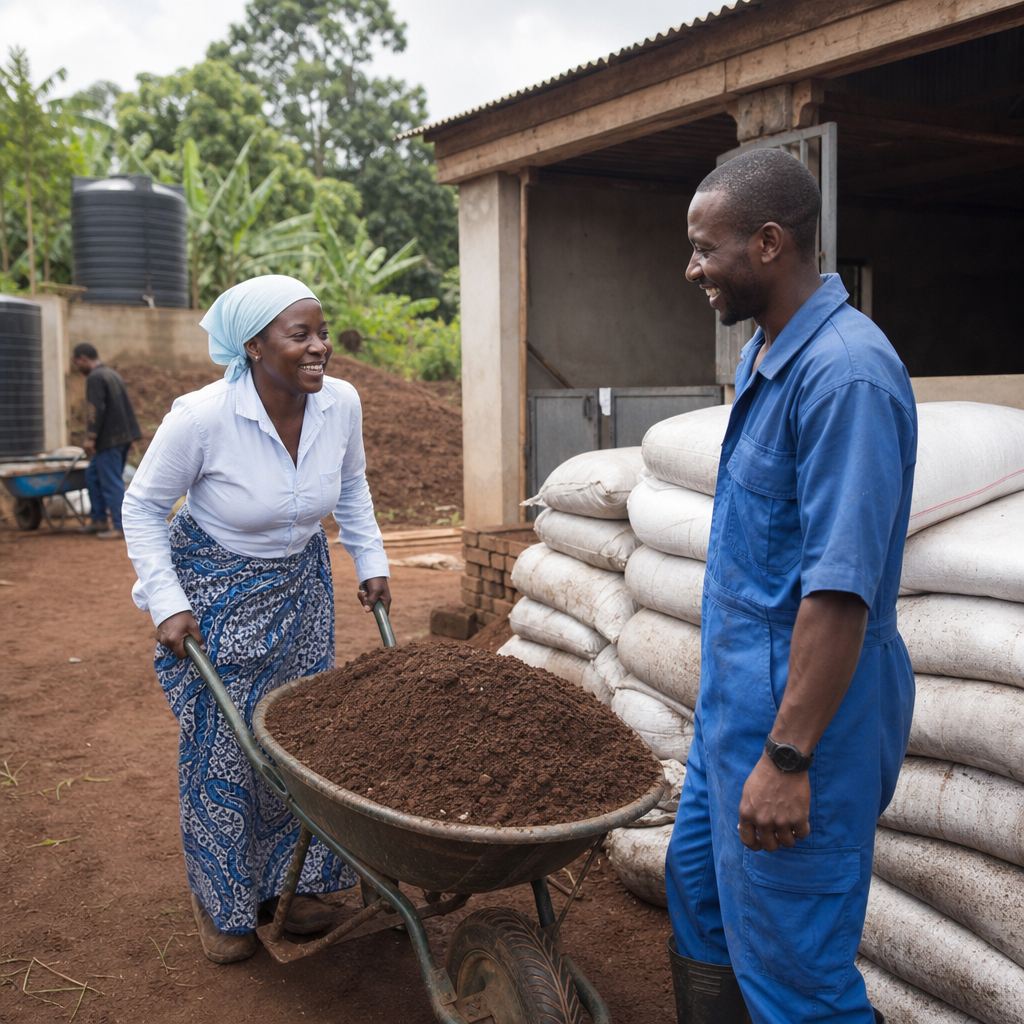
The strongest economic case for EcoSan is not that waste magically becomes profit. It is that managed resource recovery can improve system efficiency and create additional value streams. Human urine contains most of the nitrogen and a substantial share of the phosphorus and potassium excreted by households. Feces contain organic matter that can improve soil structure when treated safely. In regions where farmers face high fertilizer prices, foreign exchange constraints, or declining soil health, these outputs matter. I have seen interest rise sharply during fertilizer price spikes, because municipalities suddenly recognize that nutrient recovery has macroeconomic value as well as local agricultural value.
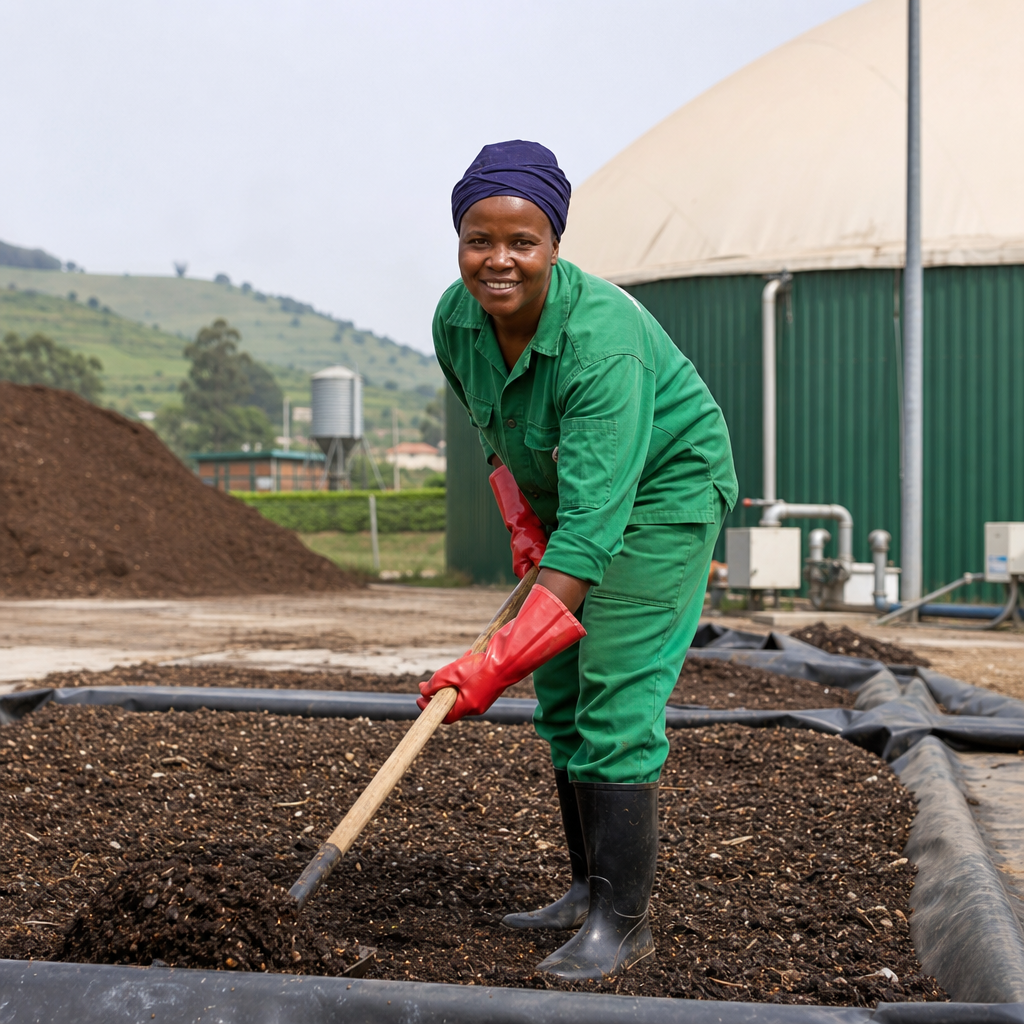
Real world performance depends on treatment quality and market fit. Urine can be stored and applied under regulated conditions, but acceptance depends on crop type, extension support, and clear handling guidance. Compost derived from treated fecal matter often competes better as a soil conditioner than as a direct fertilizer substitute because its nutrient concentration is lower than synthetic products. Co composting with organic market waste can improve volume and carbon balance. Some enterprises pelletize or blend products to improve handling and consistency. Others focus on non food crops, landscaping, tree plantations, or rehabilitation of degraded land to build market confidence before moving into higher value uses.
Biogas and fuel products can strengthen economics in some settings, but they require sober analysis. Small digesters often underperform if feedstock supply is inconsistent or maintenance is weak. Briquettes from treated sludge can work where industrial or institutional buyers need low cost fuel, yet drying, odor control, and emissions standards must be addressed. The lesson from successful projects is simple: choose recovery products that match local demand, distribution capacity, and regulatory conditions. Circular economy logic is powerful only when the recovered product solves a real purchasing problem for a real buyer.
Business models, jobs, and local market development
EcoSan can support multiple business models across the sanitation chain. Enterprises may sell toilets, lease units, offer container exchange subscriptions, manage pit or vault emptying, operate treatment sites, or market recovered products. The job creation effect can be significant because decentralized and service based systems use local labor for manufacturing, maintenance, collection, processing, agronomy support, and retail. Compared with capital intensive sewer expansion, this can create more employment per dollar invested, particularly in secondary cities and peri urban areas.
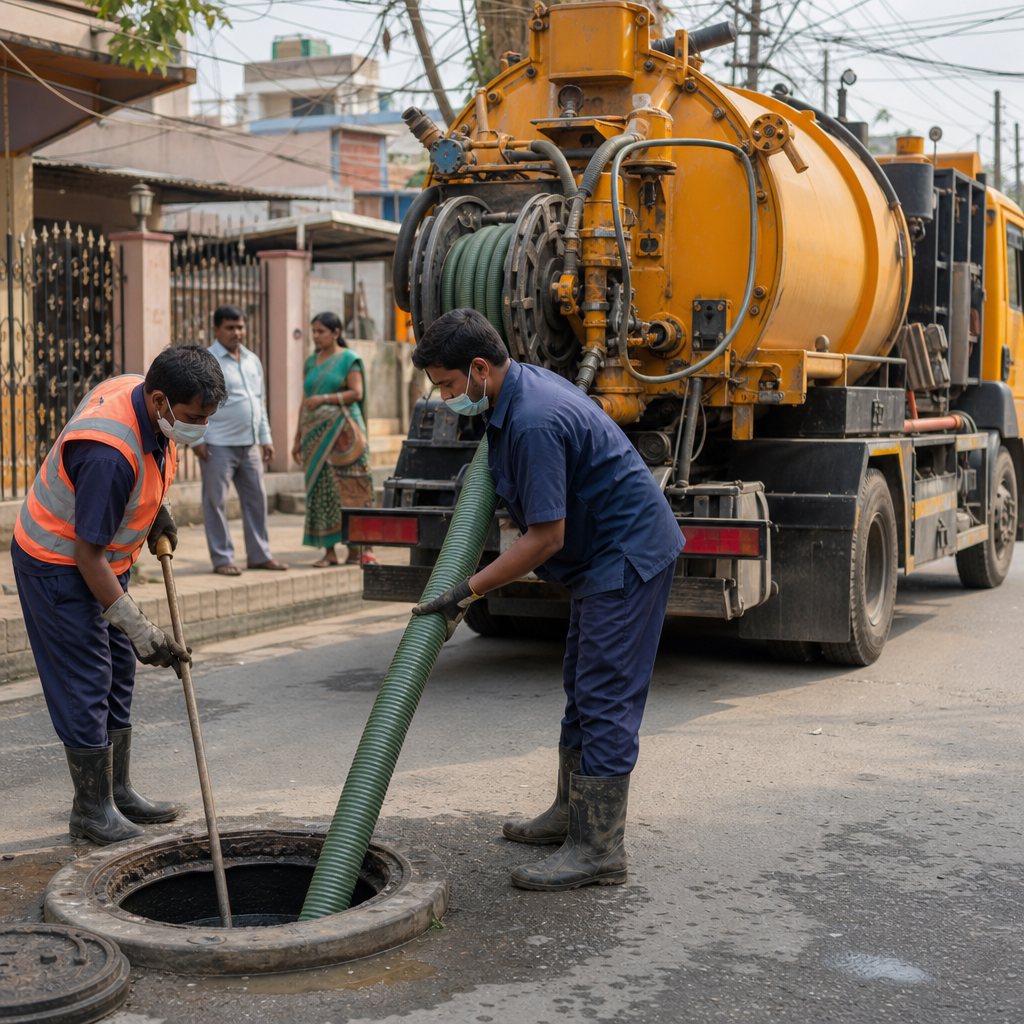
Container based sanitation illustrates the point. Providers collect sealed containers regularly, transport them to treatment sites, and convert outputs into compost or fuel. The customer value proposition is not nutrient recovery alone; it is a clean, convenient toilet without the need for sewers or unsafe manual emptying. Revenue comes first from the service fee, with resource recovery as a supporting income stream. That ordering matters. When businesses start with a product market instead of a sanitation service market, they often struggle because feedstock quality, collection consistency, and customer retention have not been solved.
Local market development also needs institutions that buyers trust. Certification, quality testing, labeling, extension services, and procurement standards can turn recovered products from informal goods into recognized inputs. Agriculture ministries, sanitation regulators, and standards bodies all play a role. Without those signals, even technically sound products face slow uptake because farmers are understandably cautious about contamination risk and performance uncertainty.
Policy, governance, and the conditions for scale
EcoSan scales when policy frameworks recognize sanitation as a service chain and resource sector, not merely a construction target. Building codes should allow appropriate non sewered systems. Health regulations should define treatment and reuse requirements clearly. Municipal contracts should specify emptying frequency, operator standards, and monitoring. Land use planning should reserve sites for treatment and transfer. Agricultural rules should cover safe reuse without making compliance impossible for small operators. In cities where these basics are missing, promising pilots often remain pilots.
Governance determines bankability. Investors and service providers need predictable tariffs, enforcement against illegal dumping, and realistic performance metrics. Results based financing can help if indicators measure sustained service rather than just toilets installed. Public procurement should favor lifecycle value, not lowest upfront cost. I have seen the difference this makes: when a city tenders for sanitation outcomes, operators propose maintainable systems; when it tenders only for units built, maintenance disappears after commissioning.
Data systems are equally important. Municipalities should track containment type, emptying frequency, treatment volumes, product quality, customer payments, and health compliance. Tools such as shit flow diagrams, service chain mapping, and costed sanitation plans help leaders identify where losses occur and where EcoSan options can add value. Good policy does not force one technology everywhere. It creates a framework in which the right sanitation model can be chosen block by block and institution by institution.
Common challenges and how to evaluate EcoSan realistically
EcoSan is not automatically the best option in every setting. User behavior requirements can be higher than with flush systems. Some designs need careful separation of urine and feces, regular addition of cover material, or disciplined emptying schedules. Product markets may take years to mature. In dense settlements, storage space can be limited. Poorly managed systems can create odor, insect problems, or unsafe handling, which damages public confidence quickly. These are not reasons to dismiss EcoSan. They are reasons to evaluate it with operational honesty.
A realistic assessment asks six questions. Is there a clear service operator? Are households willing and able to use the system correctly? Can treatment achieve required pathogen reduction? Is there reliable demand for recovered outputs or at least measurable disposal savings? Are regulations workable and enforced? Does the financing plan cover the gap between service cost and market revenue? When the answer to most of these is yes, EcoSan can deliver durable economic benefits. When the answer is no, it should be redesigned, targeted to a better niche, or combined with other sanitation approaches.
Investing in sanitation is a pathway to economic prosperity because it protects health, saves time, supports education, strengthens cities, and enables productive resource use. Economic Sustainability in EcoSan makes that case even stronger by showing how sanitation systems can recover nutrients, conserve water, create jobs, and reduce lifetime costs when they are designed around full service chains instead of isolated hardware. The core lesson is practical: prosperity comes not from toilets alone, but from reliable sanitation services linked to safe treatment, workable financing, and markets that value recovered resources.
For governments, the priority is to fund public benefits and create stable rules. For businesses, the priority is to build service models before chasing byproduct revenue. For farmers and institutions, the opportunity is to use proven recovered products where standards and agronomic guidance are clear. For planners, this hub topic should guide decisions across related articles on tariffs, business models, lifecycle costing, nutrient markets, climate resilience, and citywide sanitation strategy. Review your current sanitation plans through a lifecycle lens, identify where value is being lost, and invest in systems that turn sanitation from a recurring burden into a durable economic asset.
Frequently Asked Questions
Why is investing in sanitation considered a driver of economic prosperity?
Investing in sanitation creates economic value far beyond the immediate goal of waste management. At the most basic level, effective sanitation reduces exposure to pathogens that cause diarrheal disease, parasitic infections, malnutrition, and other preventable illnesses. When fewer people get sick, households spend less on medical treatment, workers miss fewer days on the job, children attend school more consistently, and communities become more productive overall. These gains accumulate over time, making sanitation one of the most practical forms of long-term public investment.
Sanitation also protects the broader economy by preserving water quality, supporting tourism, strengthening urban development, and reducing environmental cleanup costs. Poor sanitation can contaminate groundwater, rivers, and agricultural land, creating expensive consequences for municipalities, health systems, and local industries. By contrast, well-designed systems improve public confidence, attract business activity, and support more resilient infrastructure planning. In this way, sanitation is not simply a social service; it is a foundation for human capital, environmental stability, and sustained economic growth.
What is EcoSan, and how does Economic Sustainability in EcoSan improve the return on sanitation investments?
EcoSan, or ecological sanitation, is an approach that treats human waste as a resource that can be safely recovered and reused rather than as a problem that must only be transported away and disposed of. Depending on the context, EcoSan systems may include urine diversion toilets, composting toilets, dehydrating vaults, fecal sludge treatment systems, and other models that separate, sanitize, and recover nutrients, water, and organic matter. The core idea is to close resource loops while protecting public health.
Economic Sustainability in EcoSan matters because it shifts sanitation from a purely cost-centered model to one that can generate measurable value. Recovered nutrients can reduce dependence on synthetic fertilizers, treated organic matter can improve soil quality, and reclaimed water may support agriculture or landscaping where appropriate and safe. These outputs can lower operating costs, create local enterprises, and improve the financial viability of sanitation programs, especially in areas where centralized sewer systems are too expensive or impractical. When systems are designed for maintenance, user acceptance, safe reuse, and local market conditions, EcoSan can improve affordability while creating durable economic and environmental benefits.
How can sanitation investments reduce healthcare costs and improve workforce productivity?
Sanitation investments reduce healthcare costs primarily by preventing disease before it begins. Unsafe sanitation spreads bacteria, viruses, and parasites through water, soil, food, and direct contact. This leads to repeated illness, especially among children, older adults, and low-income populations who often face the highest exposure and the fewest treatment options. Preventing those illnesses lowers the burden on clinics and hospitals, reduces medicine and emergency care costs, and helps families avoid lost income tied to treatment, caregiving, and recovery.
The productivity impact is equally important. A healthy workforce is more reliable, more efficient, and better able to participate in education and employment over the long term. Workers who are not regularly sidelined by sanitation-related illness can maintain steadier incomes, and employers benefit from less absenteeism and stronger performance. In schools, improved sanitation supports attendance, concentration, and dignity, especially for girls and adolescents who may otherwise miss classes due to inadequate toilet facilities. Over time, these public health improvements strengthen labor participation, educational outcomes, and the quality of the future workforce, all of which contribute directly to economic prosperity.
What types of sanitation systems can support both environmental protection and economic growth?
A wide range of sanitation systems can support both goals, but the most effective choice depends on geography, population density, water availability, institutional capacity, and long-term maintenance planning. In some settings, decentralized systems such as composting toilets, urine diversion toilets, and dehydrating vaults can offer strong environmental and financial advantages because they use little or no water, reduce pressure on sewer networks, and enable nutrient recovery. In other areas, container-based sanitation, scheduled fecal sludge collection, and local treatment hubs can provide safe, scalable service where conventional sewers are too costly or physically difficult to install.
Economic growth becomes more likely when these systems are integrated into complete service chains rather than treated as isolated hardware projects. That means planning for collection, transport, treatment, safe reuse or disposal, financing, operator training, regulatory oversight, and community engagement. For example, treated sludge or compost may support agriculture, landscaping, or soil restoration if quality standards and market demand are in place. Similarly, local sanitation service businesses can create jobs in construction, maintenance, logistics, treatment, and resource recovery. The strongest results usually come from systems designed not only to contain waste safely, but also to operate reliably and deliver measurable value over time.
What should governments, investors, and communities prioritize to make sanitation investments successful in the long term?
Long-term success depends on moving beyond one-time construction and focusing instead on sustainability, governance, and user-centered design. Governments and investors should prioritize full lifecycle planning, including operation and maintenance costs, service delivery responsibilities, monitoring systems, and financing models that remain workable after initial funding ends. Too many sanitation projects underperform because the infrastructure is installed without enough attention to maintenance, supply chains, local skills, or institutional accountability. Strong regulation, realistic budgets, and clear management structures are essential.
Communities should also be involved from the beginning, because sanitation systems work best when they align with cultural practices, household needs, and local economic realities. Public education, behavior change support, and trust in the safety of reuse products are especially important in EcoSan models. Investors should look for projects that combine health outcomes with resource efficiency, climate resilience, and local job creation. In practical terms, the most successful sanitation investments are those that protect public health, are affordable to operate, can be maintained locally, and produce benefits that households, farmers, businesses, and municipalities can all recognize. That is what turns sanitation from a necessary expense into a pathway to economic prosperity.