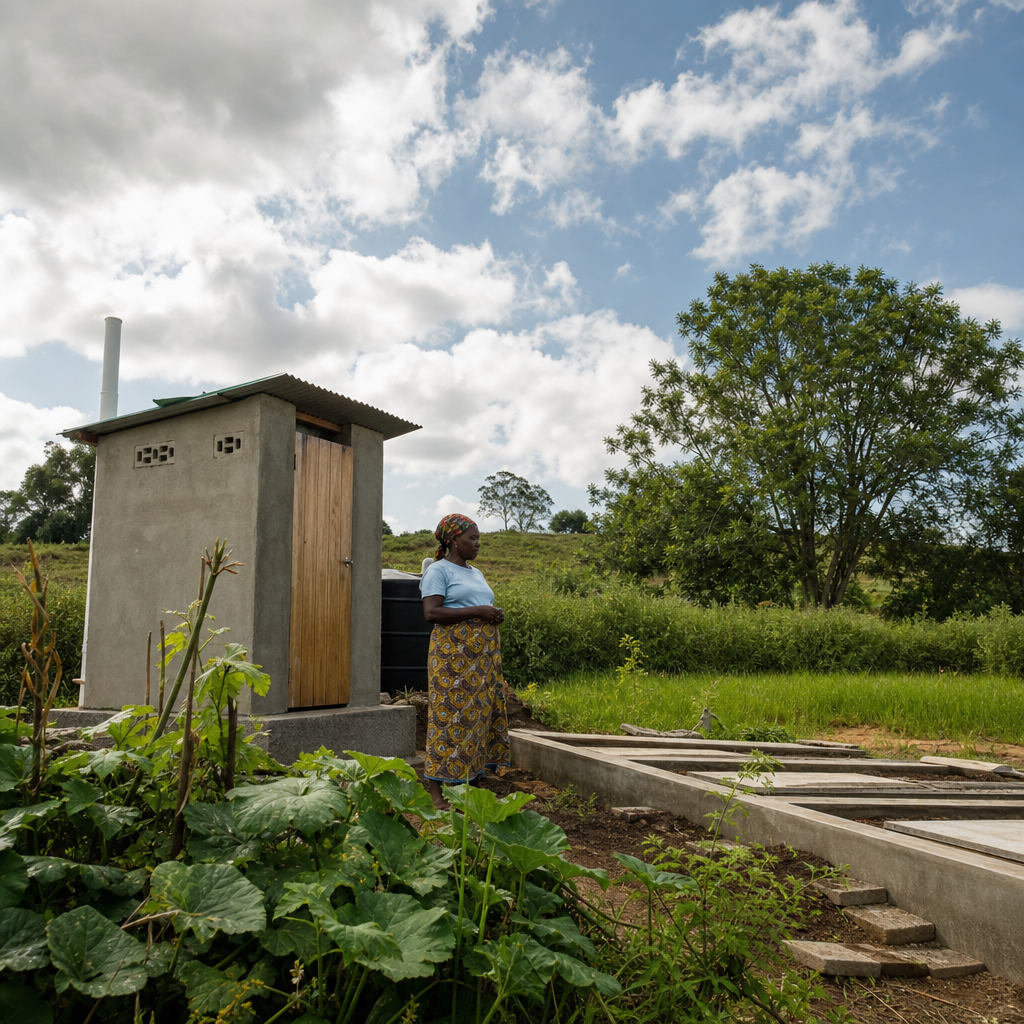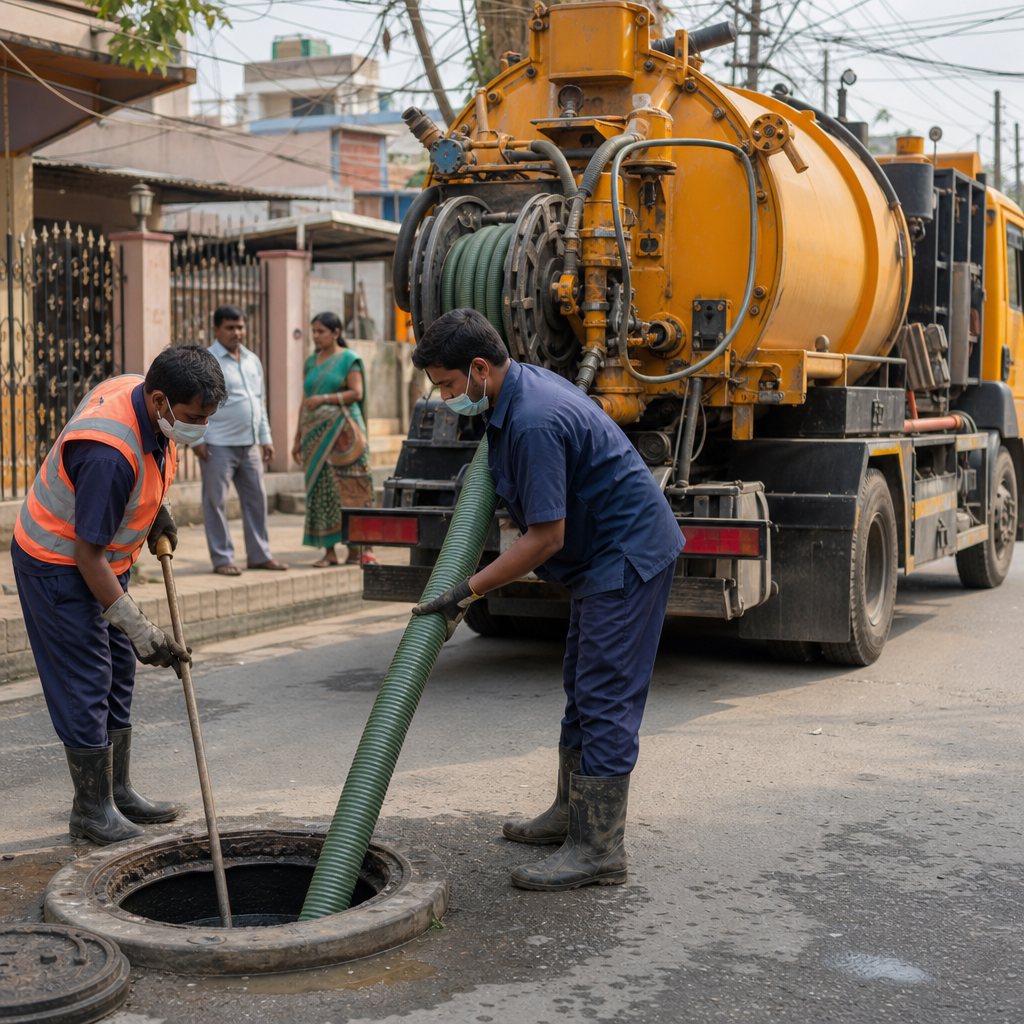
Innovative business models for sanitation services are reshaping how cities, utilities, social enterprises, and investors finance and scale EcoSan systems. EcoSan, short for ecological sanitation, refers to sanitation approaches that safely contain, treat, and recover resources from human waste, often turning nutrients, water, energy, and organic matter into useful products. In practice, that includes urine diversion, container-based sanitation, fecal sludge treatment, composting, biogas generation, and marketable byproducts such as soil amendments or solid fuel. I have worked with sanitation operators and project developers who learned the same lesson repeatedly: technical performance matters, but long-term success depends on a business model that aligns cash flow, customer value, regulation, and risk.
That is why financing and investing in EcoSan deserves a hub article. Conventional sanitation finance often assumes centralized sewer networks, large public budgets, and cost recovery through taxes or tariffs. EcoSan rarely fits that template. Many solutions are decentralized, modular, and service-based. Revenue may come from households, municipalities, carbon programs, agriculture, or industrial buyers purchasing recovered products. Capital needs also differ. Instead of one massive treatment plant, an EcoSan venture may require spending across toilets, containers, transport fleets, transfer stations, treatment units, and sales channels for outputs. Investors therefore need a clearer view of the full value chain, not just the hardware installed at the user interface.
For decision-makers, the key terms are straightforward. A business model explains who pays, for what, through which channel, and with what margins. Financing describes how a project or company secures money upfront and over time through equity, debt, grants, subsidies, guarantees, or blended structures. Investment analysis tests whether expected returns justify the risks. In EcoSan, risk is multidimensional: collection logistics can fail, reuse markets can fluctuate, permits can stall, and customers may resist unfamiliar toilet systems. At the same time, well-designed models can outperform traditional assumptions because they create recurring service revenue, reduce infrastructure costs, and monetize resource recovery that conventional sanitation treats as waste.
This matters economically and socially. The World Bank has repeatedly estimated that inadequate sanitation imposes large public health and productivity costs, while the WHO has shown that sanitation investments deliver strong returns through avoided disease, time savings, and improved dignity. EcoSan extends that logic by adding circular economy benefits. Nutrients recovered from excreta can partially substitute synthetic fertilizers, whose prices are volatile and energy intensive. Anaerobic digestion can support biogas production. Dried sludge can become fuel under controlled conditions. For municipalities facing budget stress, these models can reduce disposal costs and improve service coverage in informal settlements or water-scarce regions where sewer expansion is impractical.
Why EcoSan needs different financing logic
EcoSan projects succeed when financiers understand that they are not simply infrastructure plays; they are operating businesses with distributed assets and measurable service obligations. In my experience, the biggest mistake is funding the toilet or treatment unit while underfunding collection, maintenance, customer support, and market development for outputs. A urine-diverting toilet installed without a reliable emptying schedule becomes a liability. A composting system built without testing pathogen reduction and local demand for compost will not generate expected income. This is why cash flow modeling must follow the sanitation chain end to end: containment, collection, transport, treatment, reuse, compliance, and customer retention.
Traditional capital expenditure metrics also need adjustment. A sewer line may have a forty-year asset life, but container-based sanitation operators manage shorter replacement cycles for bins, vehicles, and handling equipment. Working capital is more important than many municipal planners expect because subscription revenue arrives monthly while labor, fuel, consumables, and route optimization costs hit immediately. For that reason, the best EcoSan finance structures often mix patient capital for asset buildout with flexible operating capital for scaling service density. When route density rises, unit economics improve quickly; when it stays low, even technically sound services struggle.
Policy design affects bankability. Where regulators recognize non-sewered sanitation within citywide inclusive sanitation frameworks, operators can contract with municipalities, access performance payments, and secure longer tenors from lenders. Where regulation is silent, projects rely heavily on grants because lenders cannot price legal and offtake risk. Standards matter as well. ISO 30500 for non-sewered sanitation systems and WHO sanitation safety planning principles help investors evaluate whether a technology pathway is robust enough for scale. Strong monitoring, documented treatment efficacy, and auditable service records reduce perceived risk far more than promotional claims.
Core revenue models that make sanitation services investable
The most durable EcoSan businesses stack revenue rather than depending on a single payer. Household subscription is the clearest starting point. Customers pay weekly or monthly for toilet access, container exchange, or scheduled emptying. This model works best when pricing is simple and reliability is visible. Sanergy’s work in Kenya and container-based sanitation providers in several African cities demonstrated that low-income customers will pay for cleaner, safer, more convenient service when the alternative is costly in time, dignity, or health. However, household fees alone rarely cover full costs at early scale, especially in low-density settlements.
Municipal service contracts are often the second revenue layer. A city may pay operators per household served, per ton collected, per cubic meter treated, or against verified outcomes such as safe disposal compliance. This approach recognizes sanitation as a public good with positive externalities. It also mirrors solid waste contracting, which many cities already understand. I have seen this model work best when contracts include clear service-level indicators, route reporting, independent verification, and payment triggers tied to actual service delivery instead of equipment ownership. Investors prefer these contracts because they create predictable receivables.
Resource recovery adds a third layer, but it must be priced conservatively. Compost, black soldier fly larvae feed inputs, fuel briquettes, biogas, and recovered nutrients can improve margins, yet these markets are rarely mature on day one. Product standards, buyer education, and logistics all matter. In one project review, expected compost revenue looked attractive until transport costs to farms were included; the business only became viable after targeting peri-urban horticulture buyers closer to the treatment site. Carbon finance is becoming more relevant too. Methane avoidance and reduced fertilizer displacement can create crediting opportunities, but project developers should treat carbon as upside unless monitoring methodologies and issuance timelines are already established.
| Revenue model | Primary payer | Main advantage | Main limitation |
|---|---|---|---|
| Household subscription | Residents or landlords | Recurring revenue and direct customer feedback | Affordability constraints at low income levels |
| Municipal contract | City or utility | Predictable payments at larger scale | Procurement delays and political risk |
| Emptying fee on demand | Households and institutions | Simple to launch in existing markets | Irregular cash flow and seasonality |
| Reuse product sales | Farmers, industry, distributors | Captures circular economy value | Market development and quality assurance needs |
| Carbon or results-based payments | Donors, climate funds, credit buyers | Rewards verified impact | Complex measurement and delayed monetization |
Capital sources: grants, debt, equity, and blended finance
EcoSan financing usually begins with grant capital, but strong ventures do not stop there. Grants are most useful for piloting unfamiliar technologies, proving customer demand, funding behavior change, and building evidence on health and environmental outcomes. They are the right tool for early-stage uncertainty. The problem starts when organizations try to operate permanently as grant recipients rather than transitioning toward investable structures. A grant can validate a route, a treatment process, or a product line; it should not hide chronic unit losses that no future investor will accept.
Equity is appropriate when a sanitation company needs time to refine operations and grow. Impact investors often provide seed or Series A equity to businesses with recurring revenue, disciplined data collection, and a credible path to city-level density. Equity investors in this sector expect slower exits than in software, so governance quality matters. They want realistic assumptions about customer acquisition cost, churn, fleet utilization, treatment throughput, and regulatory approvals. In my experience, founders who can explain contribution margin by service zone earn more confidence than founders who only emphasize social mission.
Debt becomes viable after operating data stabilizes. Local bank loans can finance vehicles, treatment equipment, or receivables, but only if repayment aligns with actual cash generation. Development finance institutions and specialized lenders may offer concessional debt, guarantees, or subordinated instruments to absorb perceived risk. Blended finance combines these sources so that public or philanthropic capital takes first loss or funds technical assistance, allowing commercial investors to participate on more acceptable terms. This structure is common in water and sanitation because the societal benefits are larger than what household tariffs alone can repay. Results-based financing is especially valuable for EcoSan because it pays after verified outputs, encouraging operators to focus on service quality and sustained use rather than installation counts.
What investors should measure before backing an EcoSan venture
Investors should evaluate EcoSan ventures with the discipline used in logistics, utilities, and environmental services. Start with unit economics. What is the full cost to serve one household or one institution per month, including depreciation, compliance, and supervisory overhead? How does that compare with blended revenue from subscriptions, contracts, and product sales? The answer should be tracked by zone, not just across the whole company, because density and travel distance change margins dramatically. A sanitation operator with profitable high-density routes can justify expansion; one with persistent negative margins everywhere is not investment ready.
Next, test operational indicators. Missed collections, contamination rates, equipment downtime, treatment yield, and customer churn all predict financial performance. So does route adherence. I have seen companies improve margins simply by restructuring collection days and container turnaround times using basic GIS tools rather than buying more trucks. Compliance is equally important. Investors should ask for pathogen reduction data, environmental permits, worker safety protocols, and documented end-use standards for recovered products. If reuse claims are not backed by laboratory testing and traceable quality control, the revenue should be discounted heavily.
Finally, assess management depth and stakeholder alignment. EcoSan companies operate at the intersection of public health, logistics, engineering, and community behavior. They need leaders who can negotiate with regulators, manage field teams, maintain treatment performance, and sell to customers or offtakers. Partnerships with municipalities, farmer groups, fertilizer distributors, or carbon project developers can materially reduce risk. A strong investment case is rarely just a good toilet design; it is a well-governed service platform with evidence that customers stay, regulators cooperate, and outputs are safely monetized.
Practical strategies for scaling and de-risking EcoSan finance
The most effective scaling strategy is phased expansion linked to verified milestones. Start with a defined catchment, prove route density, confirm treatment compliance, and lock in at least one dependable offtake channel. Then add adjacent zones where logistics remain efficient. Standardization helps at every stage. Common container sizes, repeatable maintenance procedures, digital ticketing for collections, and uniform laboratory protocols reduce training time and simplify lender due diligence. Where possible, separate technology risk from service risk. If treatment hardware is novel, pilot it before layering on ambitious financial targets.
Aggregation is another underused tactic. Small sanitation operators often struggle to access capital individually, but pooled procurement, shared treatment infrastructure, and portfolio guarantees can create scale for lenders. Utilities and city authorities can support this by bundling service areas and publishing transparent performance data. Development partners can help by funding market studies for reuse products and underwriting early verification systems. For founders and public officials alike, the takeaway is simple: design financing around the entire sanitation value chain, price risk honestly, and build business models with more than one dependable revenue source. That is how innovative business models for sanitation services move from pilot success to resilient, investable EcoSan markets.
Financing and investing in EcoSan is ultimately about matching the right money to the right stage, then building proof that safe sanitation can function as a reliable service business. The strongest models combine customer payments, public support, and carefully validated resource recovery rather than betting everything on one income stream. They also treat operations, compliance, and market development as core assets, not afterthoughts. For readers working across the economic aspects of sanitation, this hub should guide how you assess capital needs, revenue design, investor expectations, and the tradeoffs between social value and commercial return.
The central benefit is clear: when EcoSan is financed well, more people receive safe, dignified sanitation while cities capture economic value from resources that were previously discarded. That creates healthier communities, stronger local enterprises, and more efficient use of public funds. Use this article as your starting point for deeper work on tariffs, subsidies, blended finance, carbon revenue, reuse markets, and investment readiness. Review your current sanitation model against the principles here, identify the weakest link in the value chain, and make that the first improvement you fund.
Frequently Asked Questions
1. What are innovative business models for sanitation services, and why do they matter for EcoSan?
Innovative business models for sanitation services are new ways of designing, financing, delivering, and sustaining sanitation systems so they can reach more people, operate more reliably, and recover more value from waste streams. In the context of EcoSan, these models move beyond the traditional idea that sanitation is only a public expense or a one-time infrastructure project. Instead, they treat sanitation as an integrated service chain that includes user access, collection, transport, treatment, resource recovery, product sales, data management, and long-term maintenance.
This matters because ecological sanitation systems often create benefits that conventional sanitation models do not fully capture. EcoSan approaches can recover nutrients for agriculture, generate compost or soil amendments, produce biogas or other forms of energy, reduce freshwater demand, and lower pollution entering waterways. However, even when these benefits are technically proven, they do not automatically translate into financially sustainable services. Innovative business models help connect those environmental and social benefits to actual revenue streams, cost-sharing arrangements, and investment structures.
Examples include container-based sanitation with subscription payments, pay-per-service collection models, franchise systems for toilet operators, public-private partnerships for fecal sludge treatment, and circular economy models that generate income from compost, biochar, briquettes, biogas, or recovered nutrients. Some enterprises bundle sanitation with other services such as hygiene products, water delivery, waste collection, or digital payment systems. Others rely on blended finance, combining tariffs, public subsidies, carbon finance, impact investment, and product sales to create a viable operating model.
In practical terms, these business models matter because they make sanitation services more scalable and resilient. They allow cities and providers to serve low-income and dense urban communities where sewer expansion may be too costly or too slow. They also create incentives for better service quality, routine collection, safer treatment, and measurable outcomes. For EcoSan specifically, innovative business models are what make the shift from pilot projects to citywide systems possible.
2. How do EcoSan business models generate revenue if sanitation is often seen as a public service?
EcoSan business models usually generate revenue through a mix of sources rather than relying on a single payment stream. That is one of the most important differences between older sanitation approaches and newer service-based models. Because sanitation produces public health, environmental, and social benefits that extend beyond the household, full cost recovery from users alone is often unrealistic, especially in low-income markets. Successful models recognize this and build layered revenue structures.
The first source is often direct user payments. These may include monthly subscriptions for container-based sanitation, user fees at public or shared toilets, service charges for fecal sludge emptying, or maintenance fees for decentralized systems. Predictable subscription billing can improve cash flow and make services more affordable for households by spreading payments over time. Digital payments, mobile money, and prepaid systems have made this approach easier to manage and monitor.
The second source is resource recovery. EcoSan systems can convert waste into compost, liquid fertilizer, soil conditioners, insect protein inputs, solid fuel products, or biogas. In some cases, recovered water can also be reused for irrigation or industrial processes, depending on local regulations and treatment quality. While by-product sales rarely cover the entire sanitation chain on their own, they can meaningfully offset treatment costs and improve overall unit economics when there is stable market demand.
A third source is public funding or performance-based support. Governments, municipalities, and utilities often subsidize sanitation because of its importance for public health, environmental compliance, and urban development. In innovative models, these subsidies may be linked to outputs such as households served, safely collected waste volumes, verified treatment, or pollution reduction targets. This can make public spending more accountable and more attractive to service operators and investors.
Additional revenue can come from carbon credits, climate finance, development grants, employer or landlord contributions, institutional contracts, and cross-subsidies from commercial customers. For example, a sanitation enterprise might serve businesses, schools, or higher-income customers at one price point while maintaining affordability for low-income households through targeted support. The most durable EcoSan business models are usually those that align who benefits with who pays, combining household affordability with public and market-based financing.
3. Which organizations are best positioned to scale innovative sanitation business models?
Scaling innovative sanitation business models usually requires collaboration across multiple types of organizations, because sanitation is both a service business and a public health system. No single actor typically controls all the necessary functions, from regulation and land access to treatment, customer service, finance, and market development for recovered products. The organizations best positioned to scale these models are those that understand their role in the full sanitation value chain and can form effective partnerships.
Municipal governments are central because they establish policy direction, service mandates, zoning rules, environmental standards, and procurement frameworks. Cities can make innovation possible by recognizing non-sewered and decentralized sanitation as legitimate parts of urban infrastructure rather than temporary stopgaps. They can also contract operators, provide viability gap funding, allocate treatment sites, and use data to plan citywide inclusive sanitation systems.
Utilities are also increasingly important, especially where they expand from water or sewer management into broader sanitation service oversight. Utilities can bring billing systems, technical staff, customer databases, and operational discipline. Even when they do not directly operate EcoSan services, they may serve as coordinators, regulators, or anchor institutions that help integrate decentralized solutions into formal service delivery.
Social enterprises often lead innovation because they are willing to test service models tailored to informal settlements, dense neighborhoods, and underserved populations. They may pioneer container-based sanitation, decentralized treatment, franchise operations, or new recovery products. Their strength is often customer-centered design, flexibility, and the ability to adapt quickly to local conditions. However, to scale beyond pilot level, they usually need stronger links to public planning and long-term finance.
Private operators and investors play a major role when there is a clear route to contracted revenues, recurring demand, and manageable risk. They are especially effective in logistics, treatment operations, digital platforms, manufacturing sanitation hardware, and commercializing recovered outputs. Impact investors, development finance institutions, and blended finance vehicles can help enterprises bridge the gap between early-stage innovation and commercial readiness.
Finally, farmers, distributors, off-takers, community groups, and NGOs can be essential scaling partners. Resource recovery only works if there are buyers and trusted supply chains for end products. Community organizations help build user acceptance and improve adoption. NGOs and technical assistance providers often support training, monitoring, and market education. In other words, the organizations best positioned to scale innovative sanitation models are not just those with money or technology, but those that can align public goals, operational capabilities, and market demand.
4. What are the biggest challenges in making EcoSan business models financially sustainable?
The biggest challenge is that sanitation creates high societal value but often limited direct willingness or ability to pay at household level. Users benefit from convenience, dignity, and health protection, but many of the largest gains, such as cleaner neighborhoods, lower disease burden, reduced groundwater contamination, and climate benefits, are public goods. That means the market alone may underpay for the full value of the service, making pure commercial models difficult without some form of subsidy or public support.
Another major challenge is the complexity of the sanitation service chain. A financially sustainable model must work from containment to collection, transport, treatment, and end-use or disposal. Weakness in any one stage can undermine the whole system. For example, a provider may have strong household demand for toilet services but still struggle if transport costs are high, treatment sites are far away, or there is no reliable market for compost or biogas. Unit economics can quickly deteriorate when logistics are inefficient or volumes remain too low.
Regulatory uncertainty is also a common obstacle. In many places, standards for non-sewered sanitation, compost from human waste, recovered nutrient products, or fecal sludge treatment are unclear, outdated, or inconsistently enforced. That uncertainty increases investor risk and can block sales of recovered products even when treatment quality is safe. Land access for treatment facilities and permitting delays are additional barriers that affect scale and cost.
Customer behavior and trust matter as well. Sanitation is an essential service, but people may be unfamiliar with urine diversion, container collection, source separation, or products made from treated waste. Building acceptance takes time, education, and reliable service. If collections are missed or toilets are poorly maintained, confidence can fall quickly, leading to churn and lower revenues. This is why operational consistency and customer support are just as important as technical design.
There are also financing challenges. Many sanitation businesses need upfront capital for toilets, containers, transfer stations, vehicles, treatment units, and monitoring systems before they have achieved enough scale for predictable cash flow. Traditional lenders may see the sector as too risky, too fragmented, or too dependent on public policy. As a result, many promising models need grants, concessional capital, guarantees, or results-based financing during early growth phases.
Financial sustainability becomes more achievable when providers optimize routes, standardize equipment, secure long-term service contracts, diversify revenue, and build credible off-take agreements for recovered resources. The key lesson is that sustainability usually comes from system design, not just product sales. EcoSan works best financially when it is treated as a managed urban service with both commercial discipline and public backing.</