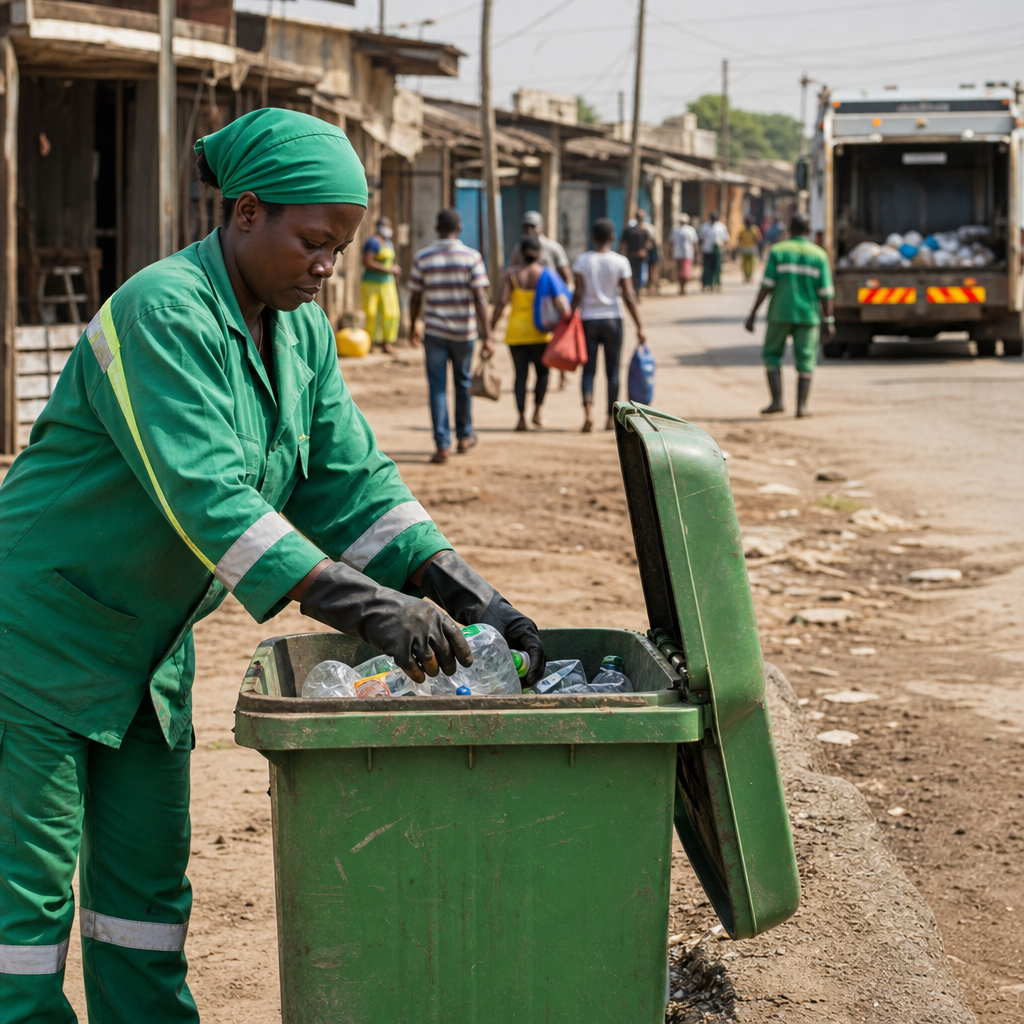
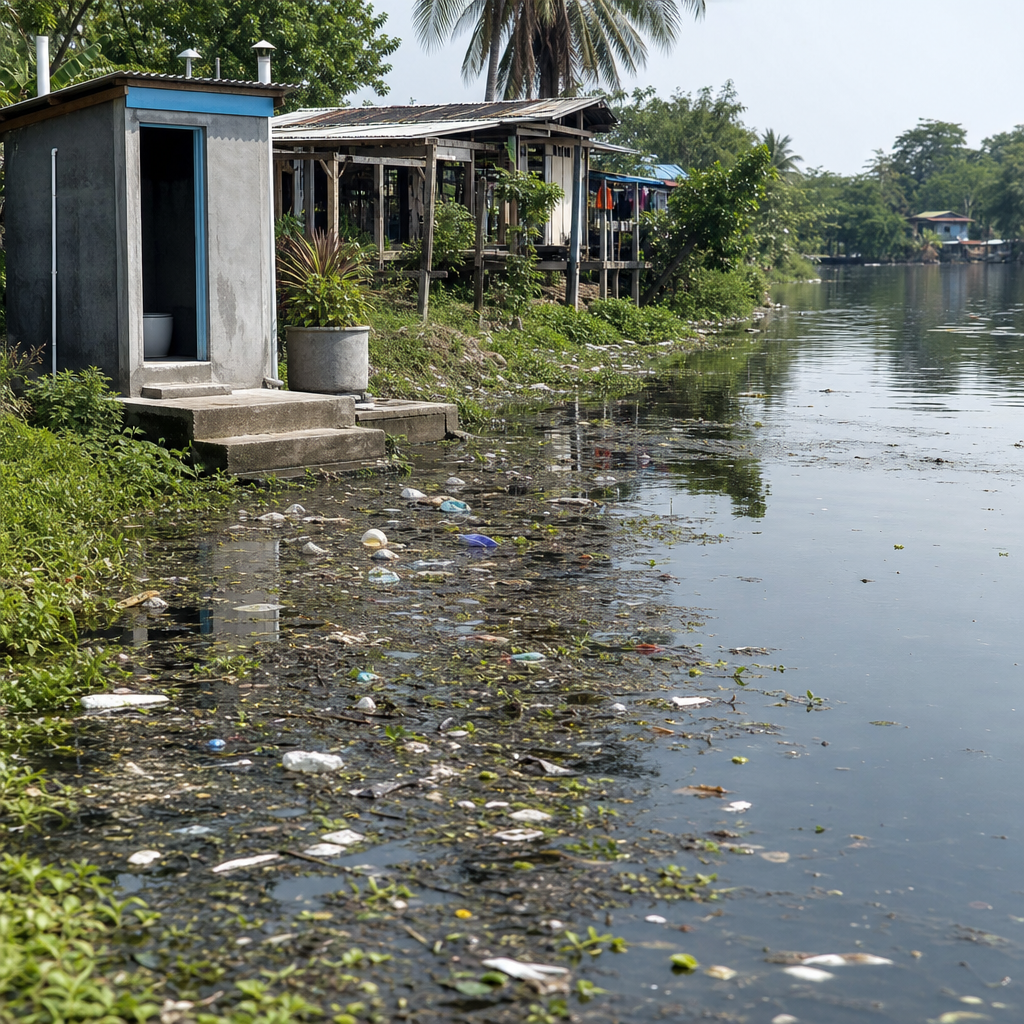
Managing ecosystem services through improved sanitation starts with recognizing that toilets, drains, treatment plants, and sludge systems are not only public health infrastructure; they are environmental management tools. Ecosystem services are the benefits people receive from nature, including clean water, fertile soils, flood regulation, nutrient cycling, biodiversity support, and climate regulation. Sanitation includes the full chain of containment, emptying, transport, treatment, reuse, and safe disposal of human waste and wastewater. When that chain fails, pathogens, nitrogen, phosphorus, microplastics, pharmaceuticals, and organic pollution move into rivers, aquifers, wetlands, cropland, and coastal waters. When it works well, sanitation protects watersheds, recovers resources, and reduces pressure on ecosystems already strained by urbanization and climate change.
I have worked on sanitation planning discussions where the initial brief focused narrowly on toilet access, yet the most important environmental questions appeared downstream: where effluent entered canals, how sludge was dumped, whether wetlands could absorb seasonal flows, and who monitored groundwater nitrate. That pattern is common. Basic access matters enormously, but sustainable practices in sanitation require a systems view. A household toilet connected to a leaking pit in a floodplain can still contaminate drinking water. A sewer network without effective treatment can simply move pollution from neighborhoods to rivers. Conversely, decentralized treatment, fecal sludge management, nutrient recovery, and water-efficient design can improve both public health and ecosystem performance.
This hub article explains how improved sanitation manages ecosystem services in practical terms. It covers the sanitation value chain, pollution pathways, nature-based and engineered solutions, resource recovery, urban and rural planning, governance, finance, and metrics. It also frames the tradeoffs. Some options save water but increase sludge handling needs. Some reuse systems reduce fertilizer demand but require strict pathogen control. Some centralized plants achieve high treatment standards but consume energy and capital. The core point is straightforward: sustainable sanitation protects human health while maintaining the ecological functions that communities depend on every day. That is why sanitation belongs at the center of environmental impact planning rather than at the edge of infrastructure policy.
How sanitation affects ecosystem services across the full chain
Sanitation shapes ecosystem services through every step of the service chain. Containment determines whether pathogens and nutrients stay isolated from soil and groundwater. Emptying and transport determine whether fecal sludge is spilled into drains or moved safely to treatment. Treatment determines how much biochemical oxygen demand, suspended solids, nitrogen, phosphorus, and microbial contamination remain before discharge or reuse. Final use or disposal determines whether recovered water, biosolids, or compost improve soils and reduce extraction, or whether poorly managed residues create new contamination.
The most immediate ecosystem service protected by sanitation is water purification. Healthy rivers, wetlands, and aquifers can attenuate some pollution, but they have limits. Untreated sewage raises nutrient loads and depletes dissolved oxygen, which harms fish and benthic organisms. Excess nitrogen and phosphorus contribute to eutrophication, algal blooms, and dead zones in lakes and estuaries. The second major service is soil fertility. Safely treated organic waste can return carbon and nutrients to land, improving structure and water retention. The third is habitat quality. Reduced sewage discharge protects wetlands, riparian zones, coral reefs, mangroves, and urban waterways that support biodiversity and tourism.
Sanitation also influences regulating services such as flood mitigation and climate stability. Blocked drains loaded with solid waste and sewage worsen urban flooding. Poorly designed pit latrines in high water table areas fail during storms, spreading contamination. Wastewater treatment can reduce methane emissions when anaerobic processes are controlled and biogas is captured. At the same time, energy-intensive treatment can increase emissions if plants rely on fossil power. The best sanitation strategies therefore match technology to local hydrology, settlement density, institutional capacity, and climate risk rather than assuming one universal model.
Key pollution pathways and why conventional approaches often fall short
The main pollution pathways from inadequate sanitation are direct discharge, seepage, overflow, runoff, and unsafe reuse. Direct discharge occurs when toilets drain to open channels, rivers, or shorelines with little or no treatment. Seepage occurs when pits or tanks are unlined or damaged, especially in sandy soils or karst geology. Overflow occurs during heavy rain when combined sewers exceed capacity or treatment plants are bypassed. Runoff carries fecal matter from informal settlements, open defecation areas, or sludge dumping sites into surface water. Unsafe reuse happens when untreated wastewater irrigates crops or when inadequately treated sludge is applied to land.
Conventional sanitation approaches often underperform because they address only one link in the chain. In many cities, sewer expansion receives political attention, but treatment lags behind connections. In many towns, septic tanks are installed without a regulated emptying market or treatment facility. In many rural programs, toilet construction targets are met while pit siting, groundwater protection, and long-term maintenance are ignored. I have seen plans classify septic tanks as improved sanitation even where tanks discharged directly to storm drains. The label looked good on paper, but the watershed still absorbed raw pollution.
Another common limitation is weak alignment with local environmental conditions. Dense settlements with narrow lanes may need container-based services or scheduled desludging instead of large septic systems. Flood-prone deltas need elevated or sealed containment and resilient pumping arrangements. Water-scarce regions benefit from low-flush, urine-diverting, or reuse-oriented systems, but only if operations are dependable and users are trained. Sustainable sanitation begins with understanding the receiving environment: soil permeability, groundwater depth, seasonal flooding, river dilution capacity, agricultural demand for reclaimed products, and the legal standards governing discharge and reuse.
Sustainable practices in sanitation: technologies and operating models that work
Sustainable practices in sanitation combine appropriate technology with reliable service delivery. The goal is not simply to install assets; it is to manage risks over time. In dense urban areas, simplified sewers, settled sewers, and decentralized wastewater treatment systems can reduce costs while maintaining performance. Decentralized plants using anaerobic baffled reactors, constructed wetlands, membrane bioreactors, or sequencing batch reactors are useful where topography, land availability, or phased growth make centralized expansion difficult. In peri-urban and small-town contexts, well-designed septic systems paired with scheduled desludging and licensed fecal sludge treatment can outperform poorly run sewers.
For on-site sanitation, design details matter. Septic tanks require adequate retention time, baffling, watertight construction, and access for desludging. Twin pits can work well in rural settings when soils are suitable and users understand alternating cycles and resting periods. Urine-diverting dry toilets can reduce water use and support nutrient recovery, but they demand disciplined operation, product handling protocols, and social acceptance. Container-based sanitation has shown strong results in hard-to-serve informal settlements by separating collection logistics from fixed underground infrastructure. The environmental benefit comes from professionalized collection and verified treatment, not from the container itself.
Treatment choices should be evaluated against pathogen reduction, nutrient removal, energy use, operator skill needs, sludge production, land footprint, and resilience. Constructed wetlands can polish effluent and support habitat, but they need land and careful hydraulic design. Waste stabilization ponds are robust and cost-effective in warm climates, but they require proper loading control and desludging. Activated sludge achieves high-quality effluent, though energy demand and operator competence are significant. Anaerobic digestion is valuable where organic loads are high and biogas can be used. In practice, the most durable systems are those that municipalities can actually operate, monitor, and pay for over decades.
| Sanitation approach | Best-fit context | Main ecosystem benefit | Key limitation |
|---|---|---|---|
| Septic tank plus scheduled desludging | Peri-urban areas and small towns | Reduces uncontrolled groundwater and surface water contamination | Needs strong service regulation and treatment capacity |
| Decentralized wastewater treatment | Growing districts, campuses, clustered housing | Improves local effluent quality and enables reuse | Requires skilled operation and consistent monitoring |
| Constructed wetlands | Sites with available land and moderate flows | Polishes water, supports habitat, lowers energy demand | Land intensive and sensitive to poor hydraulic design |
| Urine-diverting dry toilets | Water-scarce or off-grid settings | Saves water and supports nutrient recovery | User behavior and product safety controls are critical |
| Fecal sludge treatment with composting | On-site sanitation markets | Recovers organic matter for soils and reduces dumping | Feedstock quality and pathogen reduction must be verified |
Resource recovery, circularity, and the protection of soils and water
One of the strongest environmental arguments for improved sanitation is resource recovery. Human waste contains nutrients, organic matter, water, and energy value. If managed safely, these outputs can substitute for synthetic fertilizers, reduce freshwater withdrawals, support soil restoration, and offset treatment costs. The circular approach is not experimental; cities and utilities already recover biogas from anaerobic digesters, produce biosolids for land application under controlled standards, and reuse treated wastewater for irrigation, industry, or aquifer recharge.
Safe reuse depends on treatment performance and risk management. The World Health Organization provides risk-based guidance for wastewater and excreta use in agriculture, emphasizing multiple barriers such as treatment, crop restriction, safer irrigation methods, withholding periods, and worker protection. Biosolids use is governed in many countries by pathogen and metal limits. These safeguards matter because circularity without controls can transfer contamination from water bodies to soils, crops, and food chains. Pharmaceutical residues, PFAS concerns in some contexts, salinity, and heavy metals from mixed industrial wastewater all require careful monitoring before reuse is expanded.
Where agricultural soils are degraded, treated organic outputs from sanitation can be especially valuable. Compost derived from fecal sludge blended with market waste can improve soil structure and moisture retention. Reclaimed water can stabilize dry-season production where freshwater is scarce. In Jordan, Israel, and parts of Spain, treated wastewater has become a strategic water resource for agriculture. In East and West African cities, utilities and social enterprises have piloted sludge-to-compost and sludge-to-fuel models that reduce dumping while creating marketable products. The lesson is consistent: sanitation systems deliver stronger ecosystem outcomes when waste is viewed as a managed resource stream, not merely something to hide underground.
Planning, governance, and measurement for long-term environmental impact
Environmental gains from sanitation are sustained by institutions, not technology alone. Effective governance starts with clear assignment of responsibility for containment standards, emptying licenses, discharge permits, treatment operations, and environmental monitoring. Utilities, municipalities, health agencies, and environmental regulators often share these roles, and gaps between them are where pollution persists. Citywide inclusive sanitation frameworks have gained traction because they force planners to consider all residents, all technologies, and the full service chain rather than defaulting to sewer-only strategies.
Measurement should track service outcomes and ecosystem outcomes together. Useful indicators include safely managed sanitation coverage, desludging frequency, treatment compliance, effluent BOD and nutrient concentrations, groundwater nitrate, fecal indicator bacteria in receiving waters, sludge disposal records, energy intensity, and greenhouse gas emissions. GIS mapping helps identify hotspots where pit density overlaps with shallow aquifers or flood exposure. Remote sensing can support watershed analysis and wetland change detection. Tools such as the Sanitation Safety Planning approach from WHO help teams identify hazards systematically and define control measures from toilet to end use.
Financing must also reflect environmental reality. User tariffs rarely cover full sanitation costs, especially for fecal sludge management and treatment. Blended finance, pollution charges, public subsidies for environmental protection, and performance-based contracts are often necessary. The economic case is strong: reduced health costs, lower water treatment burdens, fewer fishery losses, less flood damage from blocked drainage, and improved land productivity through safe reuse. For organizations building out this environmental impact hub, the practical next step is to connect this overview with deeper guidance on fecal sludge management, wastewater reuse, climate-resilient sanitation, and sanitation monitoring so decision-makers can move from principles to implementation.
Improved sanitation manages ecosystem services by interrupting pollution pathways and turning waste streams into protected resources. The most reliable systems are those designed around local hydrology, settlement patterns, treatment capacity, and reuse demand. Across urban and rural settings, the same rule applies: sanitation is only sustainable when containment, collection, treatment, and final use or disposal all function together. That integrated approach protects rivers from nutrient overload, aquifers from pathogen infiltration, soils from depletion, and communities from repeated environmental exposure.
The central benefit of sustainable practices in sanitation is not a single technology. It is the ability to preserve clean water, productive land, biodiversity, and climate resilience while delivering essential public health services. Whether the solution is a decentralized plant, a scheduled desludging program, a wetland polishing stage, or a reuse scheme, success depends on standards, monitoring, operator competence, and realistic financing. Shortcuts usually shift pollution rather than solve it. Sound sanitation planning prevents that transfer.
Use this hub as the starting point for environmental sanitation strategy. Review your sanitation chain, map where pollutants escape, compare technology and service models against local conditions, and set measurable ecosystem indicators alongside access targets. The communities that manage sanitation well do more than reduce disease. They protect the natural systems that support drinking water, food production, livelihoods, and long-term resilience.
Frequently Asked Questions
1. What does it mean to manage ecosystem services through improved sanitation?
Managing ecosystem services through improved sanitation means designing and operating sanitation systems so they protect and strengthen the natural processes that communities depend on every day. Sanitation is often discussed mainly in terms of toilets and disease prevention, but its influence is much broader. When human waste is safely contained, collected, transported, treated, and either reused or disposed of properly, it reduces contamination of rivers, lakes, groundwater, wetlands, and soils. That directly supports ecosystem services such as clean water supply, nutrient cycling, soil productivity, flood regulation, and biodiversity protection.
In practical terms, this means viewing sanitation as an environmental management system rather than a single piece of infrastructure. A well-managed sanitation chain can prevent excess nutrients from entering waterways, reduce pathogen loads in the environment, lower methane emissions from unmanaged waste, and even recover valuable resources such as compost, water, and energy. For example, fecal sludge treatment can produce soil amendments that help restore degraded land, while wastewater treatment can reduce pollution that would otherwise damage aquatic habitats. The main idea is that improved sanitation does not just remove waste from sight; it helps maintain the ecological functions that support health, agriculture, livelihoods, and climate resilience.
2. How does poor sanitation harm ecosystem services?
Poor sanitation can damage ecosystem services at nearly every stage of the sanitation chain. When waste is not safely contained, it can leak into soil and groundwater. When drains carry untreated sewage into rivers or coastal waters, nutrient pollution and pathogens can spread quickly through entire ecosystems. This contamination can reduce water quality for drinking, irrigation, fishing, and recreation. It can also trigger algal blooms, oxygen depletion, fish deaths, and long-term degradation of wetlands and freshwater habitats.
The effects go beyond water pollution. Soils can become overloaded with contaminants, reducing their ability to support crops safely. Flood-prone areas can suffer even more when drains are blocked or sewage mixes with stormwater, increasing both flood risks and environmental contamination. Biodiversity also suffers when habitats are exposed to untreated waste, chemicals, and excessive nutrient loads. In addition, unmanaged sludge and wastewater can release greenhouse gases, especially methane and nitrous oxide, which undermines climate regulation as an ecosystem service. In short, poor sanitation weakens the natural systems that provide clean water, productive land, resilient landscapes, and healthy ecosystems, making communities more vulnerable both environmentally and economically.
3. What parts of the sanitation chain matter most for protecting water, soil, and biodiversity?
All parts of the sanitation chain matter, because failures at any point can undo the benefits of the rest. Safe containment is the first step. Toilets, pits, septic tanks, and sewer connections must prevent leaks and direct exposure. If waste escapes at the household or neighborhood level, contamination can begin long before treatment is even considered. Regular emptying and safe transport are equally important, especially in areas that rely on on-site sanitation. Many environmental problems occur not because toilets are absent, but because fecal sludge is dumped illegally into open land, drains, or waterways during collection and transport.
Treatment is the stage where sanitation most directly intersects with ecosystem protection. Effective treatment reduces pathogens, nutrients, organic pollution, and other contaminants before waste is released or reused. The right technology depends on local conditions, including population density, land availability, water access, and financial capacity. Decentralized systems, wastewater treatment plants, constructed wetlands, sludge drying beds, and co-treatment systems can all play important roles when properly managed. Reuse and final disposal also matter greatly. Treated biosolids can improve soil fertility, and treated wastewater can support irrigation or landscaping, but only when quality standards and monitoring are in place. Protecting biodiversity, water resources, and soils requires a full-chain approach in which every step is planned, funded, regulated, and maintained over time.
4. Can improved sanitation actually restore or enhance ecosystem services, not just reduce harm?
Yes, improved sanitation can do more than prevent environmental damage; it can actively enhance ecosystem services when it is planned with resource recovery and ecological performance in mind. One of the clearest examples is nutrient recovery. Human waste contains nitrogen, phosphorus, and organic matter that can be treated and returned to agriculture in safe forms, helping rebuild soil fertility and reduce dependence on synthetic fertilizers. This supports food production, soil health, and circular economy goals at the same time. Similarly, treated wastewater can supplement water supplies for irrigation, industry, or landscape restoration, reducing pressure on freshwater ecosystems.
Sanitation systems can also contribute to flood regulation and habitat protection. Green infrastructure approaches, such as treatment wetlands and nature-based drainage systems, can help filter pollutants, store water, and support urban biodiversity. Better sludge management can reduce uncontrolled dumping and protect wetlands, mangroves, and riverbanks from degradation. In climate terms, improved treatment and reuse systems can reduce methane emissions from unmanaged decomposition and, in some cases, generate biogas for energy. The strongest results usually come when sanitation planning is integrated with watershed management, land use planning, and agricultural policy. In that context, sanitation becomes a tool for environmental restoration, resilience building, and long-term stewardship of natural resources.
5. What should cities, utilities, and communities prioritize to manage ecosystem services through sanitation effectively?
Cities, utilities, and communities should start by adopting a full sanitation chain perspective and linking it directly to environmental outcomes. That means moving beyond toilet access alone and asking whether waste is safely contained, emptied, transported, treated, reused, or disposed of without damaging ecosystems. Mapping pollution pathways is especially important: decision-makers need to know where wastewater and fecal sludge are going, which water bodies are at risk, and how sanitation failures affect soils, drainage systems, agriculture, and biodiversity. Strong data and monitoring make it easier to target investments where they will have the greatest environmental and public health benefits.
From there, priorities usually include strengthening regulation, financing operations and maintenance, improving treatment capacity, and supporting professional service delivery across both sewered and non-sewered areas. Local conditions matter, so there is no single model that works everywhere. Dense urban areas may need a mix of sewers, decentralized treatment, and fecal sludge management, while smaller towns may benefit from simpler, lower-cost systems with strong reuse potential. Community engagement is also essential, because user behavior, willingness to pay, source separation practices, and local oversight all affect system performance. Finally, institutions should measure success not only by the number of toilets built, but by reductions in pollution, improvements in water quality, safer reuse, healthier soils, lower emissions, and better ecosystem resilience. That is how sanitation becomes a practical strategy for managing ecosystem services in a lasting and measurable way.