Protecting wildlife habitats with sustainable sanitation starts with a simple reality: when human waste is poorly managed, rivers, wetlands, forests, coasts, and the species that depend on them absorb the damage first. Sustainable sanitation means collecting, treating, and reusing or safely disposing of human waste in ways that protect public health, conserve water, recover nutrients, and prevent pollution. EcoSan, short for ecological sanitation, is a practical approach within that broader field. It treats sanitation not as a linear system of flush, pipe, and discharge, but as a circular system that keeps pathogens away from people while returning nutrients and organic matter to productive use. For communities near sensitive habitats, that shift matters enormously.
I have seen this dynamic repeatedly in environmental planning work: a settlement can sit beside a protected wetland, yet its real impact is determined less by its footprint than by where its wastewater goes. A leaking pit latrine uphill from a stream can introduce fecal bacteria, nitrogen, and phosphorus into spawning grounds. An overloaded septic system near a mangrove fringe can fuel algal growth, lower dissolved oxygen, and weaken nursery habitat for fish. Open defecation around conservation areas does even more direct harm, spreading pathogens through soil and runoff while degrading visitor experience and community health. Sustainable sanitation reduces these risks by interrupting contamination pathways at the source.
This article serves as a hub for advancing environmental sustainability with EcoSan. It explains how sanitation choices influence wildlife habitats, what EcoSan systems include, where they work best, and how to evaluate tradeoffs. It also connects the topic to watershed management, climate resilience, circular economy principles, and biodiversity protection. For planners, NGOs, utilities, conservation managers, and local governments, the central question is straightforward: how can sanitation infrastructure meet human needs without exporting pollution into ecosystems? The strongest answers combine technical fit, long term operation, and ecological literacy.
Why sanitation is a habitat protection issue
Wildlife habitats are affected by sanitation through three main pathways: nutrient loading, pathogen spread, and hydrological disruption. Nutrient loading occurs when nitrogen and phosphorus from urine and feces enter water bodies. In excess, these nutrients trigger eutrophication, the process in which algae and aquatic plants grow rapidly, then decompose and strip oxygen from the water. Fish kills, loss of submerged vegetation, and declines in amphibian breeding success often follow. Pathogens create a different but related problem. Fecal contamination can spread bacteria, viruses, protozoa, and helminths into waterways used by wildlife and people, undermining ecosystem health and increasing disease risk at the human animal interface.
Hydrological disruption is less discussed but equally important. Conventional sewer systems often depend on large volumes of water, centralized treatment, and long conveyance lines. In water stressed regions or dispersed rural landscapes, these systems can be environmentally and financially inefficient. Poorly designed drains may channel contaminated runoff directly into streams or marshes. By contrast, sustainable sanitation aims to manage waste closer to the source, reduce freshwater demand, and match technology to landscape conditions. In habitat protection terms, that means fewer pollutants crossing into ecologically sensitive areas and less pressure on limited water resources.
Protected areas frequently contain surrounding villages, tourism facilities, ranger stations, farms, or informal settlements in their buffer zones. That makes sanitation a core conservation issue, not a side service. Around lakes, coral reefs, peatlands, and floodplain forests, even low density populations can create chronic contamination if systems are not maintained. I have worked on sites where the visible habitat looked intact, yet water quality testing showed repeated fecal coliform spikes after rain because pits were too close to shallow groundwater. Habitat protection requires looking below the surface and upstream.
How EcoSan works in practice
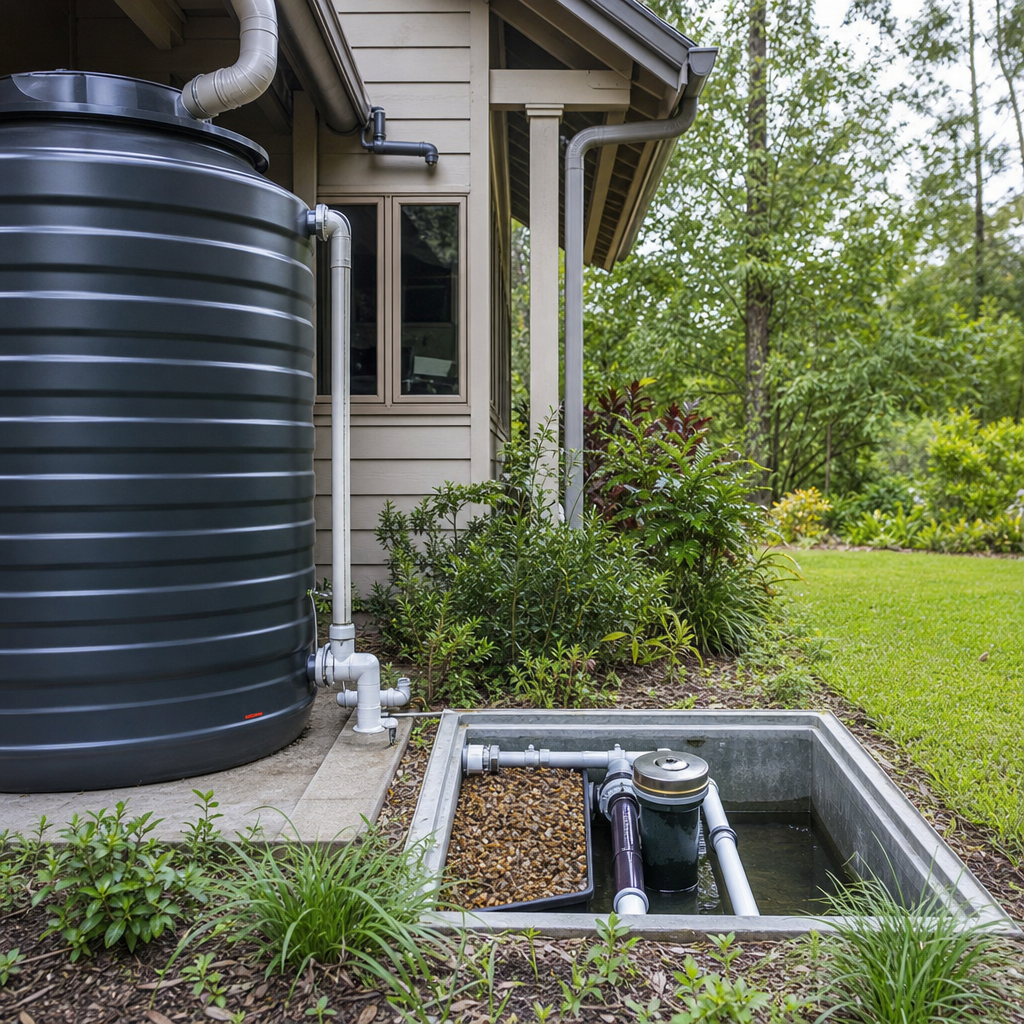
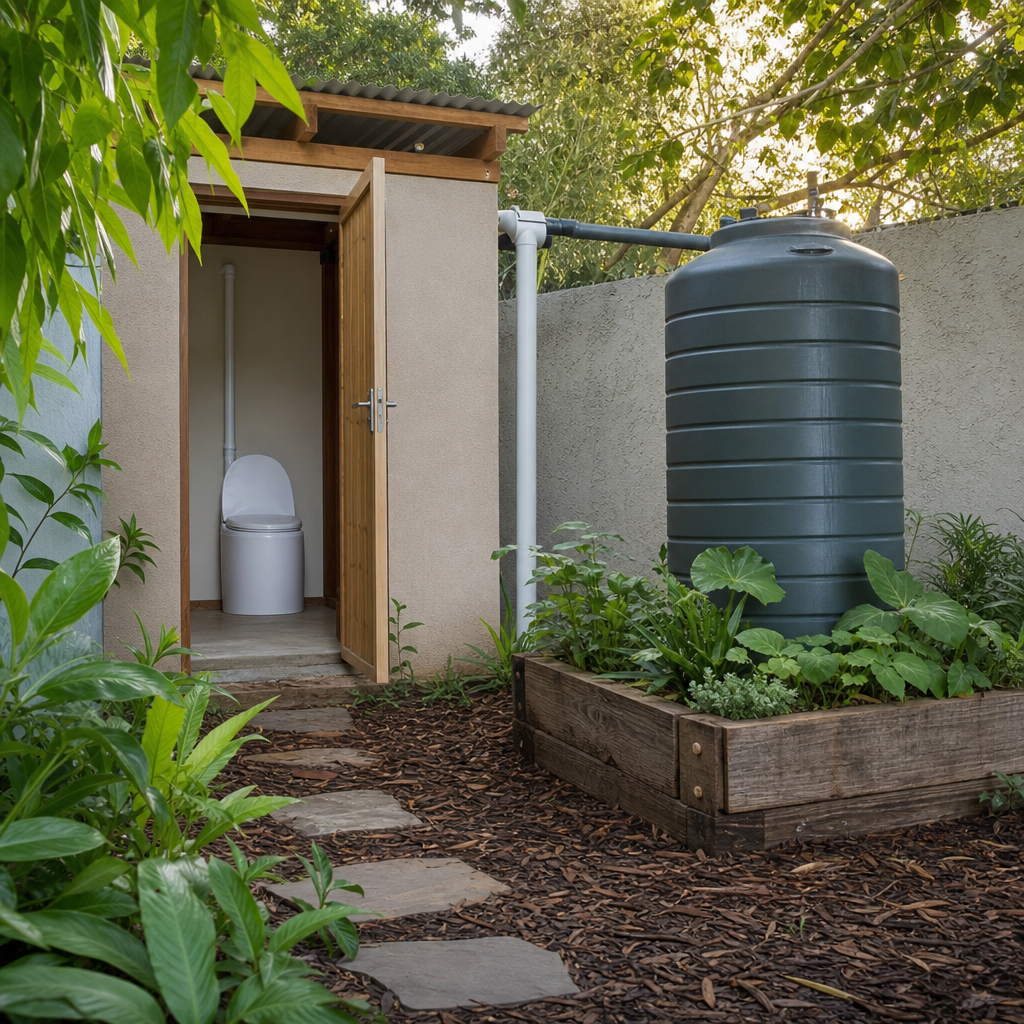
EcoSan systems are designed around source control, safe treatment, and resource recovery. The most recognized examples include urine diverting dry toilets, composting toilets, dehydrating toilets, container based sanitation, and decentralized treatment units that separate solids and liquids for different handling routes. The exact design varies, but the governing principle is consistent: keep excreta contained, reduce pathogen survival through drying, composting, storage, or treatment, and transform waste streams into materials that can be reused safely where regulations and local acceptance allow.
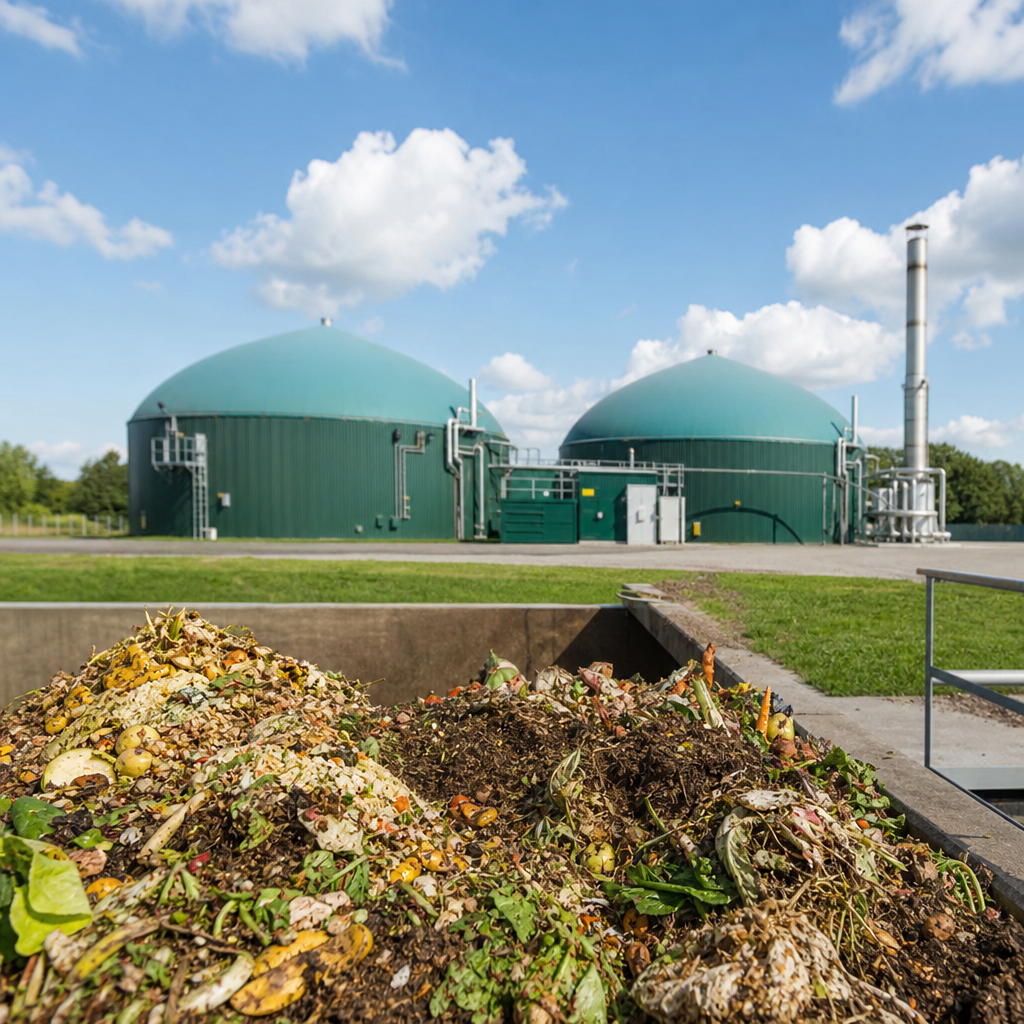
Urine diversion is especially important because urine typically contains most of the nitrogen and a substantial share of phosphorus and potassium in household excreta, while carrying relatively low pathogen loads compared with feces. Separating urine at the toilet reduces odor, improves dehydration of feces, and creates a nutrient stream that can be stored and later used as fertilizer under controlled conditions. Fecal matter, meanwhile, can be composted or otherwise treated to reduce pathogens and stabilize organic material. In practice, this reduces the chance that nutrients leach into wetlands or streams untreated.
EcoSan does not mean every site should install dry toilets. In dense urban areas, a well operated sewer and treatment plant can outperform decentralized options. The point is fit for purpose. In areas with rocky soils, high groundwater, seasonal flooding, water scarcity, or difficult terrain, conventional pits and septic systems often fail environmentally. EcoSan approaches can be more resilient because they do not depend on infiltration into saturated ground and can function with minimal water. That makes them highly relevant for wildlife corridors, island communities, mountain reserves, and peri urban edges beside sensitive ecosystems.
Matching sanitation systems to habitat risks
The best sanitation choice depends on the habitat you are trying to protect. Wetlands are vulnerable to nutrient enrichment and pathogen inflows, so systems should minimize leakage and avoid discharge during high water periods. Karst landscapes and shallow aquifers require sealed containment because pollutants can travel quickly through fractured rock. Coastal zones and coral reef catchments need strong nitrogen control because land based nutrient inputs can accelerate reef degradation. Forest reserves with scattered tourism lodges may benefit from container based or composting systems that avoid trenching and extensive pipe networks.
Flood risk is often decisive. Pit latrines and poorly anchored septic tanks can overflow during storms, releasing waste directly into habitat. Elevated, sealed, or waterless systems perform better in floodplains and delta settlements. Wildlife conflict also matters. In some rural areas, open pits attract insects and scavengers, while poorly secured facilities can be damaged by large animals. Durable superstructures, tight lids, screened vents, and managed collection schedules reduce those risks. These details sound operational, but they directly affect whether a sanitation system protects habitat consistently over time.
| Habitat context | Main sanitation risk | Suitable EcoSan approach | Key design priority |
|---|---|---|---|
| Wetlands and floodplains | Overflow and nutrient runoff | Elevated urine diverting or container based systems | Sealed storage above flood level |
| Coastal villages and reef catchments | Nitrogen discharge to nearshore waters | Urine diversion with controlled reuse | Nutrient capture and no direct seepage |
| Rocky or high groundwater areas | Rapid groundwater contamination | Dry or vault based systems | Zero infiltration |
| Protected area tourism sites | Intermittent peak loads and maintenance gaps | Composting or container based sanitation | Reliable servicing and user guidance |
Water quality, nutrient recovery, and biodiversity outcomes
The environmental value of EcoSan is not only that it avoids harm; it can also create measurable ecological gains. By diverting or capturing nutrients before they enter waterways, EcoSan reduces eutrophication pressure. By limiting untreated discharge, it lowers fecal indicator bacteria levels and protects downstream uses, including fisheries, recreation, and drinking water sources. In agricultural buffer zones around protected habitats, sanitized urine and composted biosolids can offset some synthetic fertilizer demand, which matters because fertilizer runoff is a major driver of freshwater and coastal degradation globally.
Resource recovery has to be managed carefully. Reuse is beneficial only when treatment standards, storage times, crop restrictions, and application rates are followed. World Health Organization sanitation safety planning principles are useful here, as are hazard analysis methods that identify where pathogens could survive or exposure could occur. When programs skip these controls, they undermine trust and environmental performance. When they apply them consistently, EcoSan becomes part of a broader nutrient stewardship strategy that keeps fertility in soils rather than allowing it to become pollution in rivers.
Biodiversity benefits follow from better water and soil conditions. Amphibians are especially sensitive to polluted breeding sites. Seagrass beds decline when water clarity drops from nutrient fueled algal growth. Pollinators and soil biota benefit indirectly when organic amendments improve soil structure and reduce dependence on aggressive chemical inputs. In one dryland setting I evaluated, replacing failing pits with urine diverting units reduced standing wastewater around homes, which cut fly breeding, improved household hygiene, and decreased contamination of a seasonal stream used by livestock and wildlife. The habitat did not recover because of sanitation alone, but sanitation removed a chronic source of stress.
Implementation challenges and what successful programs do differently
The most common reason sanitation projects fail is not technology but operations. EcoSan systems require user understanding, regular emptying or transfer, safe treatment, and clear institutional responsibility. If households are not trained on ash or cover material use, moisture control can fail. If collection services are irregular, storage overfills. If farmers are promised inputs without quality assurance, reuse markets collapse. I have found that the strongest programs treat sanitation as a service chain, not a toilet installation campaign. They budget for maintenance, monitor outputs, and define who is accountable at each step.
Social acceptance matters as much as engineering. Some users prefer flush systems because they associate water with cleanliness and status. Others resist handling treated excreta even when safety measures are strong. These concerns are legitimate and should be addressed directly through co design, demonstration sites, and transparent risk communication. Gender, disability access, menstrual hygiene, and school usability must also be designed in from the start. A habitat friendly sanitation system that people avoid will not deliver environmental protection. Convenience, dignity, and privacy are environmental variables because they determine actual use.
Policy support is another differentiator. Building codes, public health regulations, and fertilizer rules often lag behind ecological sanitation practice. Local governments can accelerate adoption by approving fit for purpose designs, licensing service providers, and integrating sanitation with watershed plans and protected area management. Monitoring should include both public health and ecological indicators: E. coli, nitrate, phosphorus, groundwater depth, desludging compliance, and proximity to sensitive habitats. Programs that measure outcomes improve faster than those that count units installed.
Building an EcoSan hub strategy for environmental sustainability
As a sub pillar within environmental impact, EcoSan works best when it links to adjacent topics rather than standing alone. The hub should connect sanitation to water conservation, climate adaptation, solid waste management, regenerative agriculture, environmental justice, and nature based planning. That is because the same intervention can deliver multiple gains: a urine diverting system can save water, reduce nutrient discharge, create fertilizer value, and improve resilience where drought and flooding occur in the same annual cycle. Framing these co benefits helps decision makers compare EcoSan fairly against conventional alternatives.
For organizations building a content or program strategy around advancing environmental sustainability with EcoSan, the priority themes are clear. First, explain the pollution pathways from toilets to habitats in plain language. Second, show the main system types and where each fits. Third, address safety, maintenance, and regulation with precision, not slogans. Fourth, use place based examples such as wetlands, coastal communities, protected tourism sites, and high groundwater settlements. Fifth, emphasize that sanitation planning should happen at catchment scale, because what matters ecologically is not a single toilet but the cumulative load entering an ecosystem.
The practical next step is to assess local conditions before choosing technology. Map groundwater, flood exposure, soil permeability, settlement density, service capacity, and nearby habitats. Review existing failures, especially after storms. Test water quality upstream and downstream. Then compare options based on lifecycle cost, user acceptance, maintenance complexity, and environmental risk reduction. Protecting wildlife habitats with sustainable sanitation is achievable, but only when infrastructure decisions are grounded in ecology as well as engineering. Start with the waste pathway, design for the landscape, and build systems people will use and maintain.
Frequently Asked Questions
How does poor sanitation harm wildlife habitats?
Poor sanitation harms wildlife habitats by allowing untreated or poorly contained human waste to enter the environment, where it contaminates soil, groundwater, streams, wetlands, estuaries, and coastal waters. Once that waste reaches natural systems, it introduces excess nutrients such as nitrogen and phosphorus, along with pathogens, pharmaceuticals, and other pollutants. In rivers and lakes, nutrient overload can trigger algal blooms that reduce oxygen levels in the water, creating conditions that kill fish, stress amphibians, and weaken aquatic food webs. In wetlands and coastal zones, contamination can alter plant communities, disrupt breeding grounds, and make habitats less suitable for birds, reptiles, and aquatic mammals.
The effects are not limited to water. When sanitation systems leak or waste is openly dumped, nearby forests, grasslands, and fragile ecosystems can also be affected through soil degradation and disease transmission. Wildlife may ingest contaminated water or feed in polluted areas, increasing the risk of illness and reproductive problems. Sustainable sanitation helps prevent these impacts by safely collecting and treating waste before it reaches sensitive habitats. In practical terms, that means protecting biodiversity at the source instead of trying to restore damaged ecosystems later, which is usually more expensive and less effective.
What is sustainable sanitation, and why is it important for protecting biodiversity?
Sustainable sanitation is the management of human waste in ways that protect human health while also minimizing environmental damage and conserving natural resources. Rather than treating sanitation as a simple disposal problem, sustainable sanitation looks at the full system: containment, collection, treatment, reuse, and safe final disposal. A well-designed system reduces pollution, limits disease exposure, uses water efficiently, and can even recover useful resources such as nutrients, organic matter, and energy. That broader approach matters greatly for biodiversity because it reduces the pressure that human settlements place on surrounding habitats.
Its importance for wildlife protection comes from the fact that habitats are often the first places to absorb sanitation failures. Rivers receive sewage runoff, wetlands act as unintended filters, and coastal ecosystems are burdened by nutrient loading and contamination. Sustainable sanitation interrupts that cycle. By preventing untreated waste from entering nature, it helps preserve water quality, stabilize ecosystems, and protect species that rely on clean habitat conditions for feeding, breeding, and migration. It also supports long-term conservation because healthier sanitation systems reduce the need to overexploit water resources and make communities more resilient in the face of climate stress, flooding, and population growth.
How does EcoSan support both sanitation goals and habitat conservation?
EcoSan, or ecological sanitation, is a practical approach that treats human waste not just as something to discard, but as a resource that can be managed safely and productively. The core idea is to close the loop by capturing nutrients and organic matter, reducing contamination, and returning valuable materials to productive use when appropriate. Depending on the system, EcoSan may involve urine diversion, composting toilets, dehydrating toilets, or other designs that separate waste streams and enable safer treatment. By reducing reliance on water-intensive flushing and centralized disposal where those systems are not feasible, EcoSan can lower the risk of leaks, overflows, and direct discharge into nearby ecosystems.
From a habitat conservation perspective, EcoSan offers several advantages. First, it helps prevent raw sewage from reaching wildlife areas, especially in rural communities, protected landscapes, flood-prone zones, and areas with weak sewer infrastructure. Second, it can reduce freshwater demand, which is important where rivers, wetlands, and aquifers already face ecological stress. Third, nutrient recovery can reduce dependence on synthetic fertilizers, which themselves can contribute to runoff and habitat degradation if overused. The result is a sanitation model that aligns human health needs with ecological protection, making it especially valuable in places where communities live close to sensitive natural environments.
Can sustainable sanitation work in rural communities or near sensitive ecosystems?
Yes, sustainable sanitation can be highly effective in rural communities and in places located near forests, wetlands, riverbanks, coastal zones, and other sensitive ecosystems. In fact, these are often the areas where it is most urgently needed. Conventional sewer systems may be too expensive, too water-intensive, or too difficult to maintain in low-density or environmentally delicate settings. Sustainable sanitation offers flexible alternatives that can be adapted to local conditions, including on-site and decentralized systems that reduce the risk of untreated waste traveling into nearby habitats. Options may include properly designed composting toilets, urine-diverting dry toilets, small-scale treatment units, constructed wetlands, or safely managed septic systems with strong maintenance plans.
The key to success is choosing systems based on soil type, groundwater depth, flooding risk, climate, population patterns, and local management capacity. A poorly chosen system can still fail, even if it is marketed as green. But when planning is done carefully, sustainable sanitation can protect both communities and ecosystems by containing waste, reducing water pollution, and lowering infrastructure strain. It also works best when paired with education, monitoring, and local ownership, so systems are used correctly and maintained over time. For areas near high-value wildlife habitat, that combination of appropriate technology and long-term stewardship is what makes sanitation truly protective rather than merely convenient.
What should communities and planners consider when choosing sanitation systems to protect wildlife habitats?
Communities and planners should begin by understanding the environmental setting before selecting any sanitation solution. Important questions include how close homes and facilities are to rivers, wetlands, shorelines, or protected lands; whether the area floods seasonally; how high the groundwater table is; and what kinds of species or habitats could be affected by contamination. They should also assess current sanitation gaps, local water availability, maintenance capacity, and how waste will be treated or reused safely over time. Systems that perform well in one setting may create risks in another, so habitat protection requires context-specific planning rather than one-size-fits-all design.
Beyond technical fit, decision-makers should consider durability, affordability, user acceptance, and oversight. A system that communities cannot maintain will eventually fail, and sanitation failures often become ecological failures as well. Strong planning includes safe containment, reliable treatment, routine inspection, sludge or byproduct management, and clear responsibilities for operation. Where possible, planners should favor approaches that reduce water consumption, prevent nutrient leakage, and support resource recovery without creating public health risks. Bringing public health officials, environmental agencies, engineers, conservation groups, and local residents into the planning process can lead to better outcomes. When sanitation is treated as part of watershed and habitat management, not just household infrastructure, the result is far more effective protection for wildlife and ecosystems.