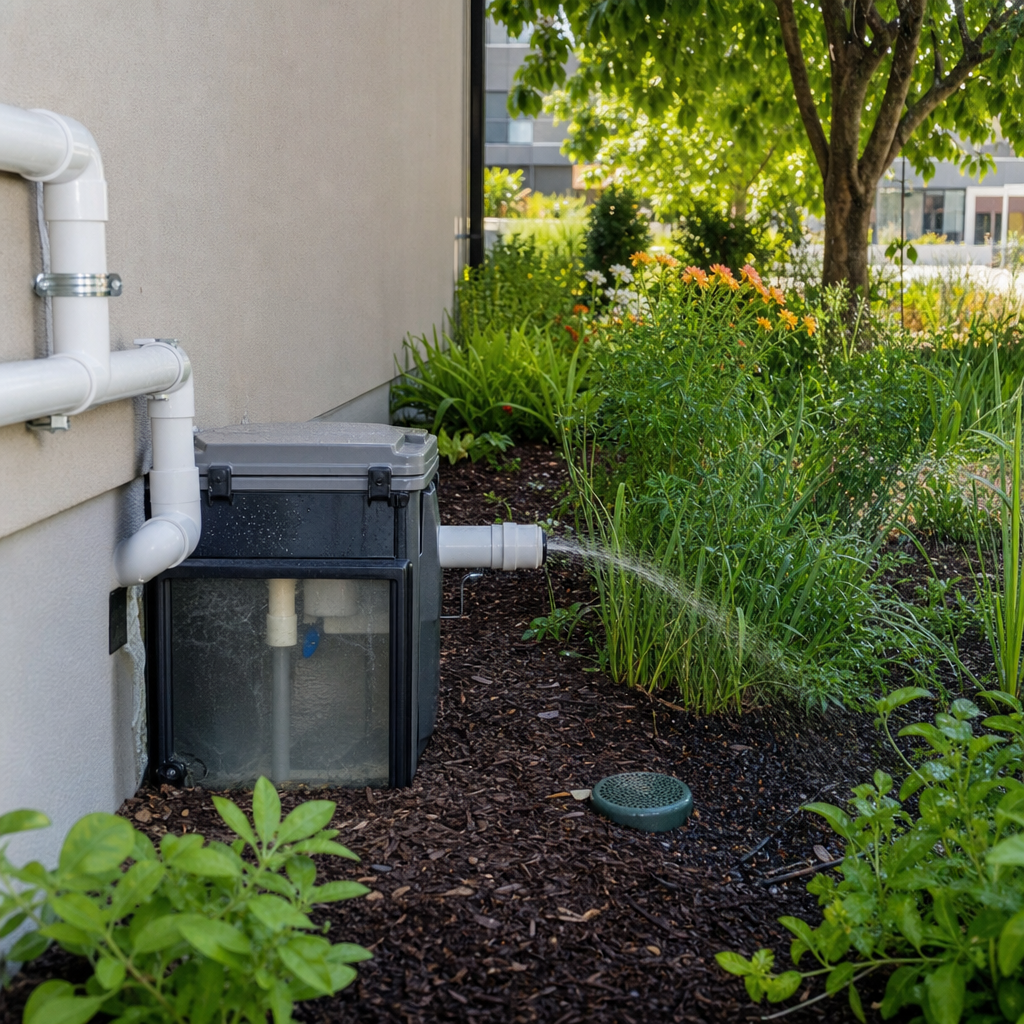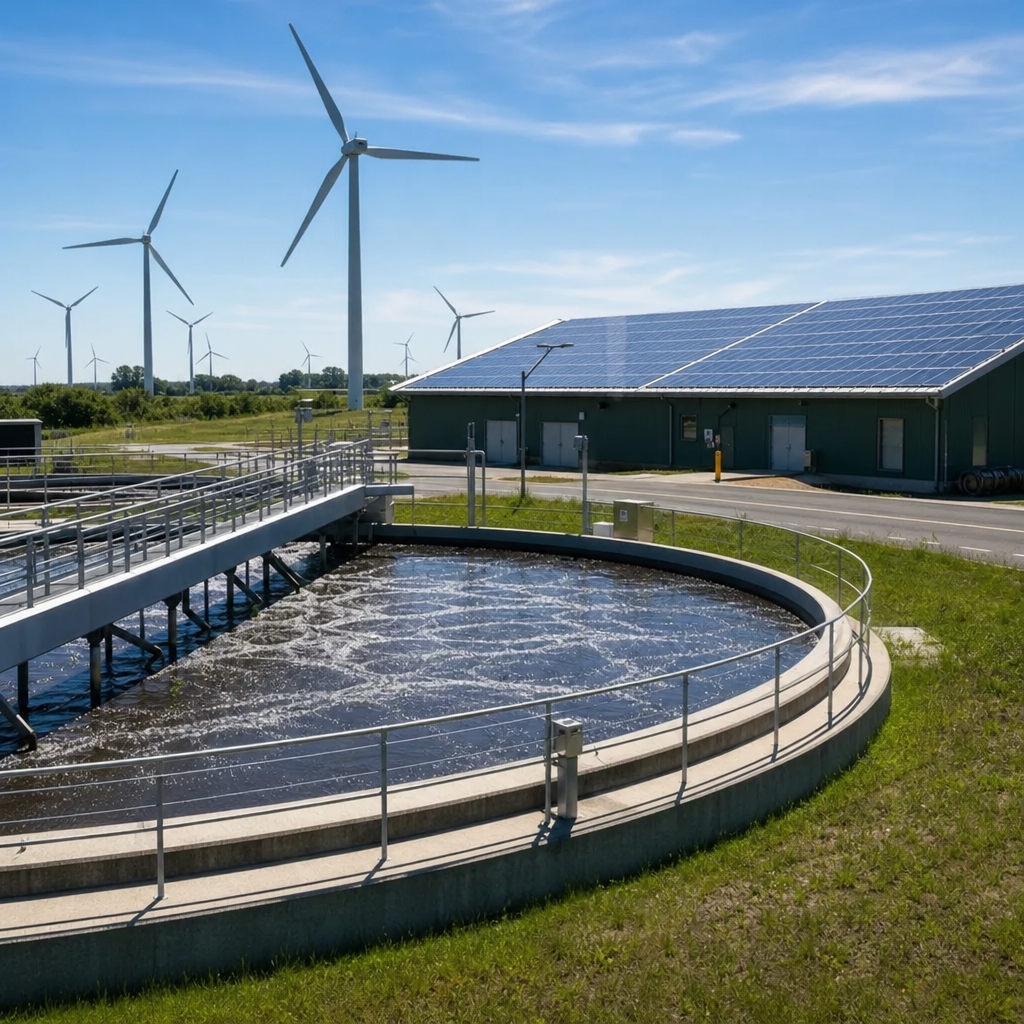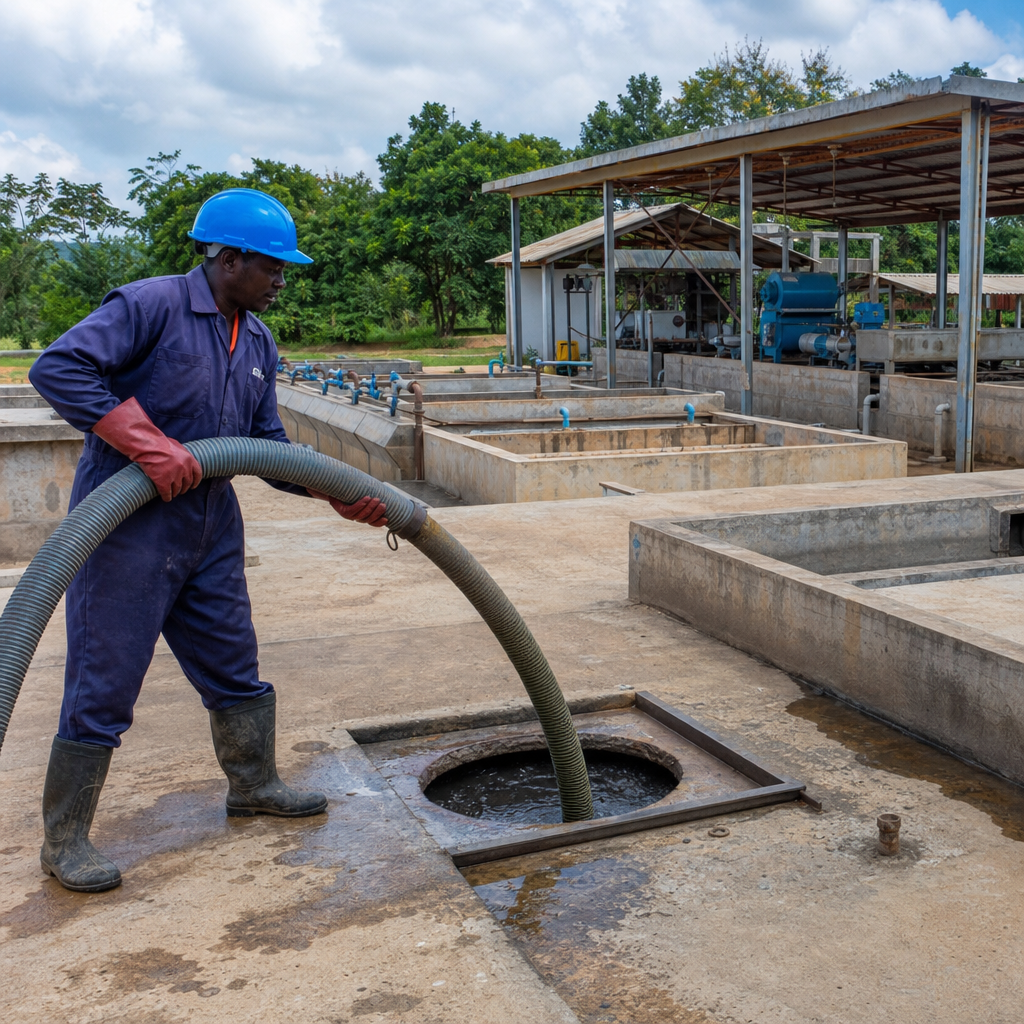

EcoSan plays a central role in reducing industrial pollution because it combines sanitation, resource recovery, and pollution prevention into one practical environmental strategy. In industrial settings, EcoSan refers to systems and operating practices that treat waste as a manageable resource stream rather than something to dilute, discharge, or hide. That shift matters. Manufacturing, food processing, mining, textiles, pharmaceuticals, and chemical production all generate wastewater, sludge, nutrients, organic loads, pathogens, heavy metals, and process byproducts that can damage rivers, soils, air quality, and public health when handled poorly. I have seen facilities improve compliance and cut disposal costs simply by redesigning sanitation and waste handling around separation, treatment, reuse, and monitoring. EcoSan is not a single device. It is an approach built on source separation, controlled treatment, safe reuse, and circular material management. For companies under pressure from regulators, investors, communities, and supply chain buyers, EcoSan supports cleaner production while helping operations become more resilient and efficient.
The term matters because industrial pollution is no longer judged only at the end of the pipe. Environmental performance is now measured across water withdrawals, nutrient losses, sludge handling, greenhouse gas emissions, hazardous discharge risk, worker exposure, and the credibility of environmental reporting. Standards such as ISO 14001, wastewater discharge permits, World Bank Environmental, Health, and Safety Guidelines, and sector-specific benchmarks increasingly reward prevention over remediation. EcoSan aligns with that direction by asking direct questions: What waste streams are being generated, where can contamination be prevented at the source, what can be recovered safely, and what must be treated before release? For an Environmental Impact hub, EcoSan is especially important because it links sanitation engineering with broader sustainability goals: water conservation, pollution reduction, resource efficiency, climate benefits, and community protection. Understanding how EcoSan works gives decision-makers a framework for evaluating technologies, setting priorities, and connecting on-site sanitation improvements to measurable environmental outcomes across the industrial value chain.
What EcoSan Means in an Industrial Context
In industrial operations, EcoSan extends beyond toilets or municipal sanitation concepts. It includes any sanitation and waste management system designed to minimize pollution by separating waste streams, reducing contamination, and recovering value where technically and legally appropriate. The core principle is simple: mixed waste is expensive and dangerous, while separated waste is easier to treat, reuse, and control. In practice, that means distinguishing high-strength wastewater from relatively clean cooling water, keeping stormwater away from process areas, isolating nutrient-rich organic waste from hazardous streams, and designing sludge management so contaminants do not spread across the site. Industries that ignore this principle often create large volumes of difficult wastewater that require more chemicals, more energy, and more disposal capacity.
A food processing plant is a useful example. When wash water, fats, oils, grease, product losses, cleaning chemicals, and sanitary wastewater are all mixed together, the resulting effluent has higher biochemical oxygen demand, more suspended solids, and greater treatment instability. When the same facility adopts EcoSan principles, it may install dry cleanup before washdown, segregate high-organic streams for anaerobic digestion, capture grease separately, and route lightly contaminated water to appropriate pretreatment. Pollution loads drop before the main treatment plant even starts working. Similar logic applies in textile mills separating dye baths, in metal finishing plants isolating rinse waters from plating solutions, and in breweries capturing spent yeast and organics for recovery. EcoSan is effective because it changes system design at the source, where the largest pollution reductions are usually cheapest to achieve.
How EcoSan Reduces Industrial Pollution
EcoSan reduces industrial pollution through four main mechanisms: source control, load reduction, resource recovery, and safer final disposal. Source control prevents unnecessary contamination from entering shared waste streams. Load reduction lowers concentrations of organics, nutrients, solids, pathogens, or toxic substances before treatment. Resource recovery turns selected waste fractions into usable water, energy, compostable material, or industrial inputs. Safer disposal ensures the remaining residuals are stabilized and managed under controlled conditions. Together, these mechanisms reduce the amount of untreated or poorly treated pollution reaching waterways, groundwater, soil, or the atmosphere.
From an engineering perspective, the most immediate gains usually come from load reduction. Lower chemical oxygen demand means lower aeration demand and lower energy use in biological treatment. Better solids capture means less sludge carryover and better effluent clarity. Source-separated nutrient streams can be treated with targeted processes such as struvite precipitation or ammonia stripping instead of burdening the full wastewater system. In facilities with sanitation-related pathogen risks, controlled treatment and hygienic containment reduce worker exposure and environmental release. I have seen plants that struggled with permit exceedances solve chronic compliance problems only after they stopped treating all wastewater as one mixed stream. EcoSan works because it pairs process discipline with treatment specificity.
| EcoSan practice | Pollution problem addressed | Typical industrial example | Environmental result |
|---|---|---|---|
| Source separation | Mixed high-strength effluent | Segregating sanitary, process, and stormwater flows | Lower treatment burden and fewer discharge violations |
| Dry cleanup before washdown | Excess organic and solids loading | Food and beverage plants sweeping product residues first | Reduced BOD, TSS, and sludge generation |
| Nutrient recovery | Nitrogen and phosphorus release | Recovering ammonium or struvite from concentrated streams | Less eutrophication risk and possible fertilizer reuse |
| Anaerobic digestion | Organic waste disposal | Treating sludge or food waste for biogas | Lower methane leakage from unmanaged waste and energy recovery |
| Controlled sludge stabilization | Pathogens and contaminant spread | Composting or digestion with testing protocols | Safer residual handling and reduced soil contamination risk |
Key Technologies and System Designs
Effective EcoSan systems rely on matching the right technology to the right waste stream. Common building blocks include screening, grit removal, equalization tanks, dissolved air flotation, anaerobic reactors, activated sludge, membrane bioreactors, constructed wetlands, sludge dewatering, composting, urine or nutrient separation in specialized facilities, and water reuse systems such as ultrafiltration and reverse osmosis. The best design is rarely the most complex. It is the one that controls risk, meets permit requirements, and makes operational sense for the site’s waste profile, labor skills, climate, and budget.
Anaerobic treatment is often central where organic loads are high. Breweries, distilleries, dairies, pulp and paper mills, and starch processors can use upflow anaerobic sludge blanket reactors or covered lagoons to reduce organic pollution while generating biogas. That gas can offset boiler fuel or power onsite generation. Where effluent quality needs to be very high, anaerobic treatment is followed by aerobic polishing, nutrient removal, filtration, or disinfection. In water-stressed regions, reuse systems can reclaim treated effluent for cooling towers, cleaning, or irrigation of nonfood landscapes, reducing freshwater withdrawals along with pollution discharge.
Not every industry can recover every waste stream safely. Heavy metals, persistent organic pollutants, and toxic solvents limit reuse options and require strict segregation and specialized treatment. That is why EcoSan must be grounded in waste characterization. Facilities should test pH, COD, BOD, TSS, oil and grease, ammonia, total nitrogen, phosphorus, conductivity, metals, and microbiological indicators as relevant. Hazardous and nonhazardous streams cannot be managed interchangeably. Good EcoSan design is conservative where risk is high and ambitious where recovery is demonstrably safe.
Industry Applications and Real-World Examples
EcoSan delivers different benefits depending on the sector. In food and beverage manufacturing, the biggest pollution gains often come from preventing product loss and managing organic waste streams separately. A poultry processor, for example, can reduce wastewater loading by capturing blood, offal, and fat before washdown, then sending suitable organics to rendering or digestion. That cuts oxygen-depleting pollution and reduces odor problems. In breweries, spent grain and yeast are easier to valorize when separated early, while high-strength wastewater can support biogas recovery.
In textile and dyeing facilities, EcoSan principles focus on bath segregation, chemical dosing control, and water reuse. Color, salts, surfactants, and variable pH make mixed textile effluent difficult to treat. Segregating concentrated dye streams from rinse water allows more targeted treatment and can improve membrane performance in reuse systems. In metal finishing, the stakes are different. Cyanide-bearing streams, acidic rinses, chromium waste, and oily wastewater demand tight separation and pretreatment. Here, EcoSan reduces industrial pollution by preventing hazardous cross-contamination and minimizing sludge volumes that require regulated disposal.
Mining, agro-processing, and decentralized industrial parks also benefit. Mine camps and remote processing sites often face weak sanitation infrastructure and high environmental sensitivity. EcoSan approaches that combine contained sanitation, sludge stabilization, and water reuse reduce pressure on local waterways and groundwater. In clustered industrial estates, shared treatment works better when tenants pre-separate and pre-treat their own waste streams. Without that discipline, one poorly managed discharge can upset biological treatment for the entire park. That lesson repeats across sectors: EcoSan succeeds when sanitation is treated as an operational system, not an afterthought.
Environmental and Business Benefits
The environmental benefits of EcoSan are measurable. Facilities that reduce organic loading decrease the risk of dissolved oxygen depletion in receiving waters. Better nutrient control lowers eutrophication pressure, which is a major cause of algal blooms and aquatic ecosystem decline. Improved solids and sludge handling reduces sediment contamination, odor, vectors, and pathogen transport. Water reuse lowers abstraction from stressed basins. Biogas recovery can reduce fossil fuel consumption and improve greenhouse gas performance when methane is captured and used productively rather than emitted from unmanaged waste.
The business case is equally important. Lower pollutant loads often mean lower treatment chemical use, less aeration energy, smaller surcharge payments, fewer compliance failures, and reduced hauling costs. Many companies also gain resilience. During drought restrictions, sites with reuse capacity are less exposed to production interruptions. During tighter enforcement cycles, sites with strong source control are less likely to face surprise violations. Buyers and lenders increasingly review wastewater risk, especially in water-intensive sectors. A credible EcoSan program can therefore support permitting, customer audits, and environmental reporting. The savings are not always immediate, but over a facility lifecycle, pollution prevention is usually cheaper than repeated corrective action.
Implementation Challenges and Best Practices
EcoSan is not effortless. The main barriers are usually operational, not conceptual. Facilities may lack accurate flow data, current drainage maps, waste characterization, operator training, or capital for retrofits. In older plants, underground piping is often poorly documented, making source separation harder than expected. Another challenge is governance. Environmental teams may understand the problem, but production, maintenance, sanitation crews, and finance must all support process changes for EcoSan to work consistently.
Best practice starts with a site-wide material and water balance. Map every inflow, every drain, every cleaning routine, and every waste destination. Then identify high-strength, hazardous, sanitary, and relatively clean streams. Install submetering and sampling points before investing in major equipment. In my experience, plants often discover that simple measures deliver fast results: fixing leaks, isolating stormwater, standardizing dry cleanup, controlling hose use, and scheduling sanitation more precisely. After that, treatment upgrades and recovery systems can be sized using real data rather than assumptions.
Management systems matter as much as hardware. Set discharge limits internally that are tighter than permit ceilings. Use standard operating procedures, preventive maintenance, sludge testing, spill response plans, and operator competency checks. Verify performance with trend data, not occasional snapshots. Where reuse is planned, establish clear quality criteria based on end use and local regulation. EcoSan reduces industrial pollution most reliably when it is integrated into environmental management, production planning, and capital budgeting instead of being treated as a side project.
Advancing Environmental Sustainability with EcoSan
Advancing environmental sustainability with EcoSan means connecting sanitation decisions to the full industrial footprint. The goal is not only compliant wastewater. It is lower pollution intensity per unit of production, safer handling of residuals, smarter water use, and more responsible resource recovery. As this Environmental Impact hub makes clear, EcoSan sits at the intersection of cleaner production, circular economy practice, and risk management. It helps companies move from reactive end-of-pipe treatment toward preventive design and measurable environmental improvement.
The most effective next step is practical: assess your current waste streams, identify where separation and recovery are feasible, and build an EcoSan roadmap grounded in data. Start with the highest-risk and highest-load sources, verify results, then scale improvements across the site. Industrial pollution falls when sanitation is designed intentionally. EcoSan provides that design logic, and when applied well, it delivers cleaner water, lower waste, stronger compliance, and a more sustainable operation.
Frequently Asked Questions
1. What does EcoSan mean in an industrial context, and how does it help reduce pollution?
In industrial settings, EcoSan refers to ecological sanitation approaches that manage wastewater, sludge, organic residues, and process byproducts as controllable resource streams rather than as waste to be diluted or discharged. That distinction is important because many pollution problems begin when facilities treat waste as something to move off-site quickly instead of something to understand, separate, treat, and potentially reuse. EcoSan helps reduce industrial pollution by integrating sanitation, treatment, recovery, and prevention into daily operations. Instead of allowing contaminated water, nutrient-rich sludge, chemicals, or solids to enter drains, sewers, landfills, or nearby ecosystems, EcoSan systems are designed to capture pollutants at the source, reduce contamination loads, and recover usable materials wherever possible.
Practically, this can include segregating waste streams, improving on-site treatment, recovering water for reuse, stabilizing sludge, capturing nutrients, and reducing the volume of hazardous discharge. In sectors such as manufacturing, mining, textiles, food processing, pharmaceuticals, and chemicals, this approach can significantly lower releases of organic pollutants, suspended solids, heavy metals, pathogens, salts, and process chemicals. EcoSan also supports better housekeeping and process control, which helps prevent accidental leaks, overflows, and illegal discharge events. The result is not just cleaner effluent, but a broader reduction in environmental risk across water, soil, and sometimes even air. In short, EcoSan reduces pollution because it changes the operating mindset from disposal to controlled management and resource recovery.
2. How is EcoSan different from traditional industrial wastewater treatment?
Traditional industrial wastewater treatment often focuses on compliance at the end of the pipe. In other words, a facility generates waste throughout production and then relies on a downstream treatment system to reduce contamination before discharge. While that model can be effective to a degree, it is often reactive rather than preventive. EcoSan differs because it starts much earlier in the process. It emphasizes source separation, waste minimization, targeted treatment, and resource recovery before pollutants become mixed, diluted, or harder to manage. That upstream focus often makes treatment more efficient and environmental outcomes much stronger.
For example, under a conventional approach, multiple wastewater streams may be combined into one large flow, which can increase treatment complexity and lower recovery potential. An EcoSan-based strategy would instead identify which streams contain reusable water, which contain recoverable nutrients or organics, which require specialized treatment, and which can be kept out of the wastewater system entirely. This allows industries to reduce overall pollutant loads, cut treatment costs over time, and create opportunities for reuse of water, energy, and materials. EcoSan is therefore not just a treatment technology; it is an operating framework that connects sanitation, process efficiency, circular resource use, and pollution prevention. That broader systems perspective is what makes it especially valuable for industries under pressure to improve environmental performance and sustainability.
3. Which industries benefit most from EcoSan, and what types of pollution can it address?
EcoSan can benefit a wide range of industries, especially those that generate substantial wastewater, sludge, organic waste, or chemically complex residuals. Food and beverage processing is a strong example because it often produces high-strength organic wastewater, fats, oils, grease, and nutrient-rich residues that can be treated and in some cases recovered for useful applications. Textile operations can benefit through better management of dye-contaminated water, salts, and chemical additives. Mining and mineral processing facilities can apply EcoSan principles to improve handling of tailings water, sediment loads, and contamination risks associated with metals and suspended solids. Pharmaceutical and chemical manufacturers can use EcoSan frameworks to better separate high-risk waste streams, improve containment, and reduce toxic releases. Even general manufacturing plants can gain from more efficient water reuse, sludge handling, and pollution control.
In terms of pollution types, EcoSan can help address organic loading, nutrient discharge, pathogens, suspended solids, color, salinity, sludge accumulation, chemical residues, and in some cases heavy metals depending on the treatment design. It is especially useful where pollution comes from poor separation, inefficient sanitation systems, preventable product loss, or unmanaged byproducts. Because EcoSan encourages facilities to map flows and understand what is entering each waste stream, it often reveals preventable pollution that standard treatment programs overlook. That makes it useful not only for heavily regulated sectors, but also for facilities trying to improve environmental management, reduce water demand, and strengthen long-term compliance. Its flexibility is one of its greatest strengths, since it can be adapted to different industrial scales, waste characteristics, and regulatory environments.
4. Can EcoSan support resource recovery as well as pollution prevention?
Yes, and that dual benefit is one of the main reasons EcoSan is increasingly relevant in industrial environmental management. Pollution prevention and resource recovery are often treated as separate goals, but EcoSan connects them directly. When industries segregate and treat waste streams properly, they often discover that what was once classified purely as waste may contain reusable water, recoverable nutrients, organic matter suitable for energy generation, or solids that can be stabilized for safer downstream use. By preventing uncontrolled discharge and creating recovery opportunities, EcoSan improves both environmental performance and operational efficiency.
For example, treated process water may be reused for washing, cooling, or non-potable operations, reducing freshwater withdrawals. Organic-rich residues may be suitable for anaerobic digestion or other conversion processes, helping facilities lower waste volumes while recovering energy. Nutrient-bearing sludge or biosolids, when appropriately treated and regulated, may offer recovery potential instead of requiring simple disposal. Even when direct reuse is not possible, EcoSan can still reduce disposal costs by concentrating, stabilizing, or dewatering waste more effectively. This matters because industrial pollution reduction is not only about meeting discharge limits; it is also about reducing the total environmental footprint of production systems. EcoSan supports that broader goal by helping facilities conserve resources, reduce treatment burdens, and move toward a more circular operating model.
5. What are the main challenges of implementing EcoSan in industrial facilities?
The biggest challenge is usually not the concept itself, but the operational shift it requires. EcoSan asks facilities to look closely at how waste is generated, where pollution enters the system, which streams should be separated, and what treatment or recovery options make sense for each one. That often requires process mapping, staff training, internal coordination, and in some cases capital investment. Older facilities may face infrastructure limitations, such as combined drainage networks, inadequate monitoring, or treatment systems that were built only for basic compliance. There can also be regulatory complexity if a facility wants to reuse treated water or recover materials in ways that require permits, validation, or product safety review.
That said, these challenges are manageable when implementation is phased and data-driven. Many facilities begin with audits, pilot systems, housekeeping improvements, and stream segregation before moving into larger treatment upgrades. Another common challenge is organizational: environmental teams may understand the value of EcoSan, but success depends on cooperation from operations, maintenance, engineering, and management. The most effective implementations treat EcoSan as part of core production strategy rather than as a narrow environmental add-on. When leadership supports clear targets for waste reduction, water reuse, contamination control, and recovery performance, EcoSan becomes much easier to scale. Over time, the benefits can be substantial, including lower discharge volumes, reduced pollution risk, improved compliance, better resource efficiency, and stronger environmental credibility with regulators, communities, and customers.