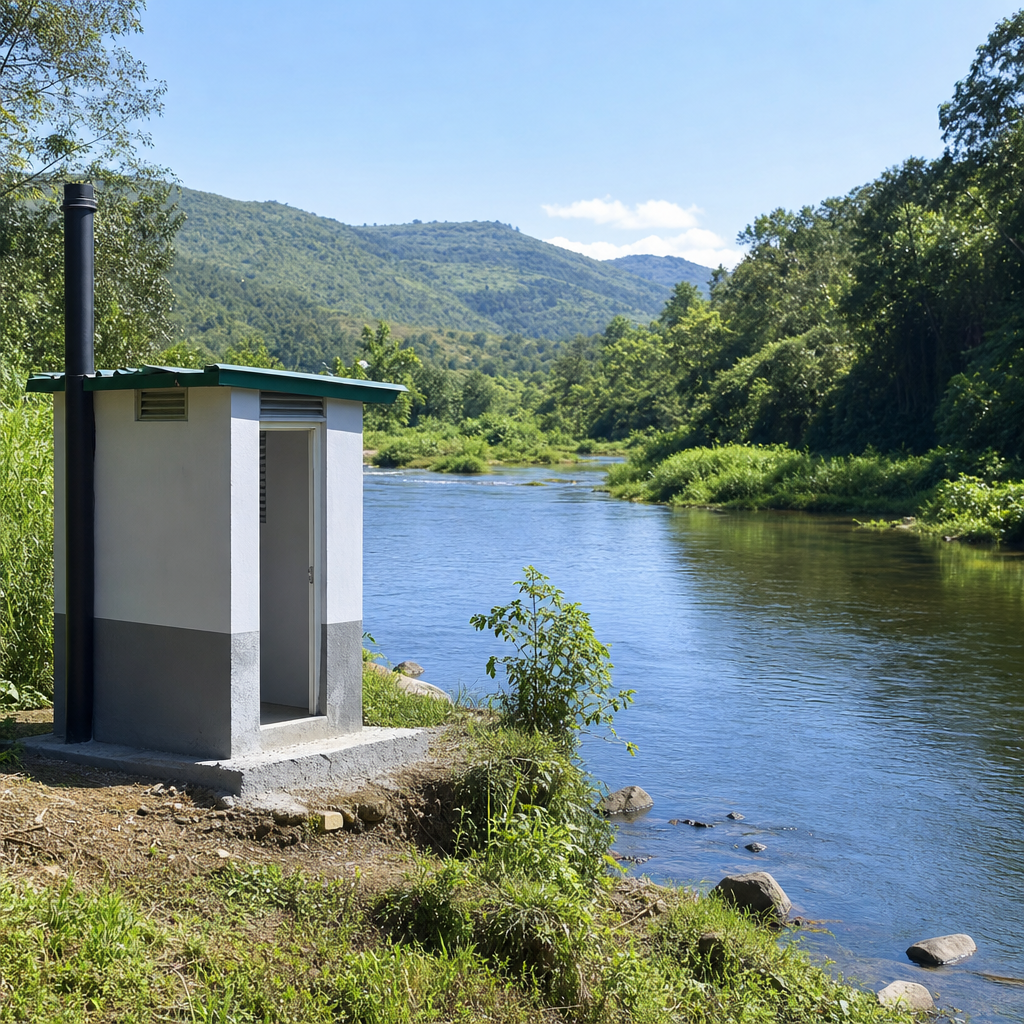
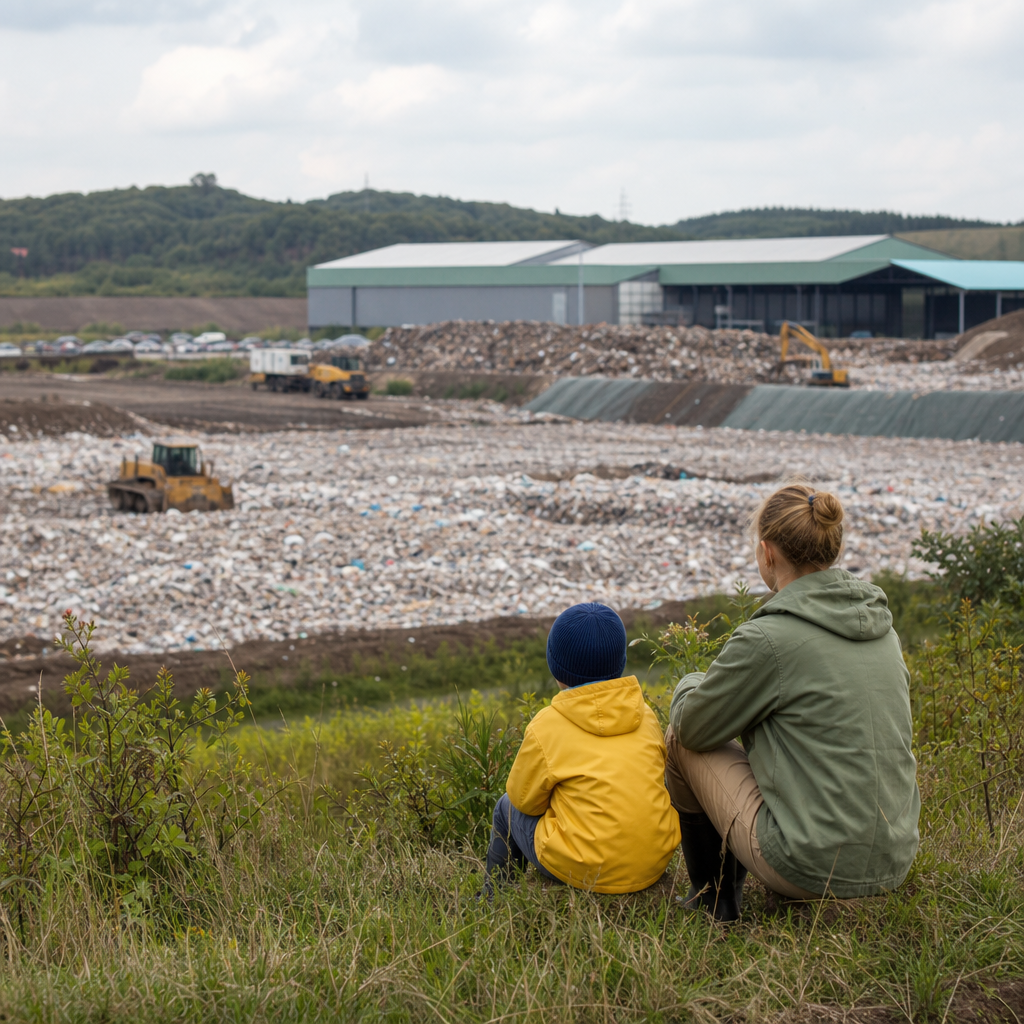
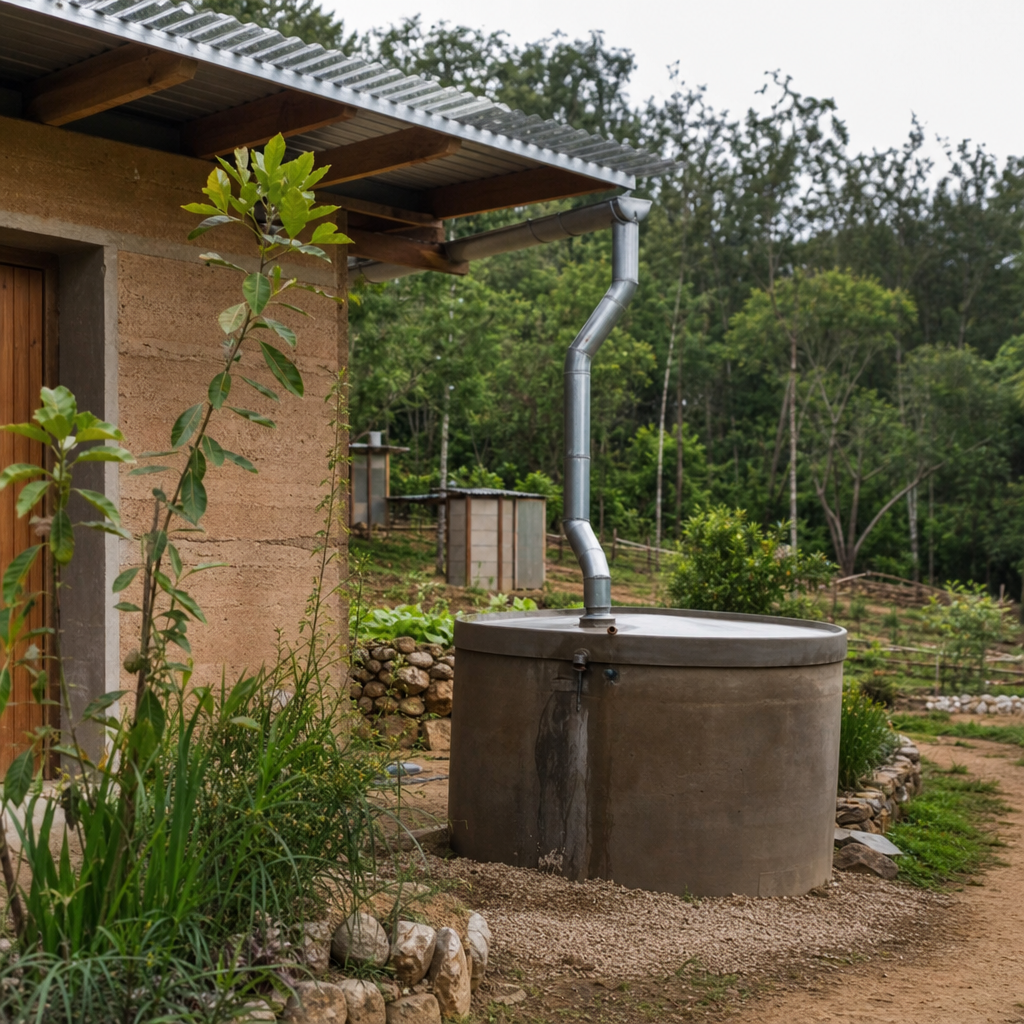
Reducing chemical fertilizer use with EcoSan starts with a practical idea: nutrients leaving farms and households as waste can be safely recovered, processed, and returned to soil instead of being replaced with synthetic inputs. EcoSan, short for ecological sanitation, is a sanitation approach that treats human excreta and related organic waste as resources rather than disposal problems. In environmental terms, it connects sanitation, water protection, nutrient cycling, soil management, and climate resilience in one system. I have worked on agricultural and sanitation content where this topic repeatedly sits at the center of environmental planning, because fertilizer prices, groundwater pollution, and waste treatment costs are all tied to the same nutrient loop. When that loop is broken, communities buy more chemical fertilizer while also paying to manage contaminated wastewater and degraded land.
The key nutrients involved are nitrogen, phosphorus, and potassium, the same NPK listed on commercial fertilizer bags. Crops remove these nutrients from fields, people consume the food, and nutrients then enter toilets, septic systems, sewers, or open environments. Conventional sanitation usually aims to dilute and dispose of them. EcoSan aims to capture them through source separation, composting, dehydration, urine diversion, biogas digestion, or other controlled treatment methods so they can be reused. This matters because synthetic fertilizer production is energy intensive, phosphate rock is finite and geopolitically concentrated, and nutrient leakage causes algal blooms, eutrophication, and emissions of nitrous oxide, a potent greenhouse gas. A well-run EcoSan system does not eliminate all need for manufactured fertilizer in every context, but it can reduce dependence substantially while delivering measurable environmental gains.
As a hub topic within environmental impact, EcoSan and the environment includes several linked questions that farmers, municipalities, researchers, and development planners ask. Can treated urine replace part of nitrogen fertilizer demand? Can composted fecal matter improve soil organic carbon? Does nutrient recovery lower water pollution compared with septic discharge or untreated sewage? What are the health safeguards, regulatory issues, and adoption barriers? The answers are nuanced, but the direction is clear. Where treatment is controlled and reuse is matched to crop needs, EcoSan reduces nutrient loss, cuts chemical fertilizer demand, lowers wastewater burdens, and supports more circular local economies. Understanding those links is essential for anyone comparing sustainable sanitation strategies, regenerative agriculture inputs, or environmental infrastructure investments.
How EcoSan reduces dependence on chemical fertilizer
The environmental logic of EcoSan is straightforward: recover nutrients near the source, sanitize them, and apply them where plants can use them. Urine typically contains most of the nitrogen and a substantial share of the phosphorus and potassium excreted by humans. Feces contain more organic matter and also contribute phosphorus, micronutrients, and carbon that improve soil structure. In practice, urine-diverting dry toilets, container-based sanitation systems, composting toilets, and decentralized treatment units make that separation possible. Once recovered, these nutrient streams can substitute for part of the nitrogen, phosphorus, and potassium that would otherwise come from urea, diammonium phosphate, ammonium nitrate, or blended NPK products.
From field experience and published trials, the strongest substitution effect usually comes from urine as a nitrogen source. Crops can respond quickly because nitrogen in stored urine is largely present in plant-available forms. Farmers using it on maize, vegetables, and fodder crops often report visibly faster greening comparable to mineral nitrogen, provided application rates are calculated carefully and timed to crop demand. Fecal compost or dried biosolids behave differently. They release nutrients more slowly, but they improve tilth, moisture retention, cation exchange, and microbial activity. That means EcoSan does two jobs at once: it supplies nutrients and rebuilds soil function, which can reduce fertilizer requirements over multiple seasons rather than only during one application cycle.
The reduction in chemical fertilizer use is rarely absolute. High-yield commercial farming may still need supplementary inputs, especially where soils are deficient in specific nutrients or where logistics limit the volume of recovered material that can be transported economically. However, partial replacement is environmentally significant. Cutting even one-third of synthetic nitrogen demand in a community-scale farming area reduces upstream energy use from fertilizer manufacture and lowers exposure to volatile fertilizer prices. In regions where farmers already under-apply nutrients because inputs are expensive, EcoSan can also close fertility gaps by making locally available nutrient sources more affordable and reliable.
Environmental benefits beyond nutrient recovery
Reducing chemical fertilizer use is only one environmental outcome. EcoSan also lowers the risk that nutrients enter rivers, lakes, wetlands, and coastal waters untreated. Conventional pit latrines can leach nitrates into groundwater, especially in sandy soils and densely populated settlements. Septic systems fail when poorly maintained. Central sewerage can move pollution away from households but still discharge inadequately treated effluent if treatment plants are overloaded or absent. EcoSan systems are designed to intercept these nutrient flows before they become diffuse contamination. When urine is stored, fecal matter is composted or dehydrated, and application follows agronomic guidance, the same nutrients that would drive eutrophication instead support crop growth.
There is also a strong soil-health argument. Many agricultural soils have lost organic matter from repeated tillage, erosion, and reliance on mineral fertilizers without enough carbon return. Organic fractions recovered through ecological sanitation can help reverse that trend. Better soil structure improves infiltration and water holding capacity, which matters during droughts and intense rainfall. I have seen this point resonate most with growers who are less persuaded by sanitation language than by practical field performance. When composted material helps a sandy soil hold moisture longer or a degraded clay soil become easier to work, the environmental value becomes tangible.
Climate impacts deserve attention as well. Synthetic nitrogen fertilizer production depends heavily on natural gas and industrial energy. Every kilogram of nitrogen not manufactured represents avoided emissions upstream. At the same time, unmanaged waste can generate methane and nitrous oxide, both potent greenhouse gases. EcoSan systems are not automatically climate positive, because emissions depend on design, storage, transport, and treatment conditions. Yet well-managed nutrient recovery generally compares favorably with systems that flush nutrients into water bodies or allow uncontrolled decomposition. The environmental case becomes strongest when sanitation, composting, and agricultural reuse are planned together rather than as separate sectors.
EcoSan technologies and which environmental problems they solve
Not all EcoSan systems work the same way, and choosing the right option depends on climate, density, farming demand, cultural acceptance, and regulatory context. Urine-diverting dry toilets are often the clearest route to fertilizer substitution because they keep urine relatively uncontaminated and easy to store. Composting toilets focus more on stabilization of fecal matter and carbon-rich amendment production. Container-based sanitation can work in dense urban settlements where fixed infrastructure is difficult. Anaerobic digesters add value where organic waste streams are plentiful and biogas is useful, though digestate still requires safe nutrient management. Constructed wetlands and decentralized wastewater treatment can recover some nutrients too, but they often recover them less directly than source-separating systems.
Environmental performance depends on matching technology to local failure risks. In flood-prone areas, raised or sealed systems are critical to avoid overflow and contamination. In arid regions, dry sanitation can save significant water compared with flush systems. In peri-urban farming belts, short transport distances make nutrient reuse more economical and lower the carbon footprint of moving treated materials. In dense apartment settings, source separation may be technically possible but operationally demanding unless collection and processing are professionally organized. These details matter because poor system fit can undermine both sanitation outcomes and fertilizer replacement potential.
| EcoSan option | Main recovered resource | Primary environmental benefit | Typical limitation |
|---|---|---|---|
| Urine-diverting dry toilet | Nitrogen-rich urine, some fecal solids | Direct nutrient recovery with low water use | Needs user training and separate storage |
| Composting toilet | Stabilized organic amendment | Builds soil organic matter and reduces waste volume | Nutrient release is slower and process control matters |
| Container-based sanitation | Collected solids and liquids for centralized treatment | Works in dense settlements without sewers | Requires reliable service logistics |
| Anaerobic digestion | Biogas and nutrient-containing digestate | Energy recovery plus nutrient recycling | Higher capital and operational complexity |
For environmental planning, the best system is the one that people will use correctly, operators can maintain consistently, and nearby land can absorb safely at agronomic rates. That principle is more important than chasing a single ideal technology. EcoSan succeeds when sanitation design and land application planning are integrated from the beginning.
Evidence from agriculture and sanitation practice
Research across Africa, Asia, Europe, and Latin America has shown that sanitized urine can perform similarly to mineral nitrogen fertilizers in many cropping systems when application rates are equivalent. Swedish source-separation programs helped establish early modern evidence on urine reuse, including nutrient content, storage protocols, and crop response. In East Africa, field demonstrations with maize and vegetables have shown yield gains over unfertilized controls and practical savings for smallholders facing high fertilizer costs. In parts of West Africa, EcoSan projects linked household sanitation to agroforestry and market gardening, turning a sanitation expense into a soil fertility asset. These examples do not mean every project succeeds, but they show that the core agronomic premise is proven.
What separates durable programs from short pilot projects is management discipline. Collection must be reliable, treatment must reach defined safety targets, and farmers need clear guidance on dilution, timing, and withholding periods before harvest. Standards from the World Health Organization on safe wastewater, excreta, and greywater use provide the essential risk-management framework. The Food and Agriculture Organization also supports integrated soil fertility management approaches that align well with EcoSan reuse, especially where organic and mineral inputs are combined strategically. In other words, the environmental value of EcoSan is not speculative. It is already supported by established public-health and agricultural practice when the system is run properly.
Risks, safeguards, and limits of fertilizer substitution
Any serious discussion of EcoSan and the environment must address risks. Human waste can carry pathogens, pharmaceuticals, and in some settings industrial contaminants. That is why untreated application is not acceptable. Storage time, pH, temperature, dehydration, composting quality, and post-treatment handling all influence safety. Urine is usually lower risk than fecal matter, but it still requires proper storage and controlled use. Fecal compost must reach treatment conditions that reduce helminths, bacteria, and viruses to safe levels. Monitoring is especially important where reuse is scaled commercially or where crops are eaten raw.
Another limit is nutrient balance. Human-derived fertilizers often contain proportionally more nitrogen relative to phosphorus than some soils and crops require, or the opposite depending on the recovered stream and treatment method. Overapplication can cause ammonia volatilization, nitrate leaching, salt stress, or phosphorus buildup. Best practice is to calculate rates based on crop demand, soil tests, and nutrient analysis, then use EcoSan inputs as part of a broader fertility plan. I advise readers to think of ecological sanitation as a targeted input source, not a license to spread waste because it appears sustainable. Environmental success depends on precision.
Social acceptance is a final constraint with real environmental consequences. If users dislike toilets, avoid separation rules, or mistrust reuse, systems break down and materials may be dumped. Education, product quality, odor control, and transparent safety procedures matter as much as engineering. Communities are more likely to support nutrient reuse when benefits are visible, such as lower fertilizer bills, better crop performance, and cleaner local water bodies.
Building an environmental hub around EcoSan
As a hub topic, EcoSan and the environment should connect several related themes: water conservation, nutrient cycling, soil restoration, climate mitigation, decentralized sanitation, wastewater alternatives, sustainable agriculture, and circular economy design. The central message is that sanitation infrastructure should be judged not only by disposal efficiency but by resource recovery and environmental outcomes. Chemical fertilizer reduction is one of the most measurable benefits because farmers can compare input purchases before and after adoption. Yet the broader environmental advantage is systemic: less nutrient pollution, less pressure on mined and industrial fertilizer sources, more resilient soils, and stronger local reuse loops.
For planners and land managers, the next step is practical assessment. Map nutrient flows, identify existing sanitation failures, test local soils, estimate crop demand, review health regulations, and choose technologies that fit settlement patterns and operator capacity. For farmers, start with small, monitored plots and compare EcoSan-derived inputs with standard fertilizer practice. For policymakers, create standards that enable safe reuse instead of forcing all recovered nutrients into the waste category. Reducing chemical fertilizer use with EcoSan is not a fringe concept. It is a workable environmental strategy when treatment, logistics, and agronomy are aligned. Explore the connected topics in this environmental impact cluster, and use this hub as the starting point for a more circular sanitation system.
Frequently Asked Questions
What is EcoSan, and how does it help reduce chemical fertilizer use?
EcoSan, or ecological sanitation, is an approach that views human excreta and related organic waste as valuable resources rather than materials to be discarded. Instead of allowing nutrients such as nitrogen, phosphorus, and potassium to leave farms, homes, and communities as waste, EcoSan systems are designed to recover, treat, and reuse them safely. This directly supports lower dependence on chemical fertilizers because many of the same nutrients crops need can be returned to the soil through properly processed organic materials.
In practical terms, EcoSan closes the nutrient loop. Conventional sanitation often sends nutrients into sewage systems, pit latrines, or waterways, where they may contribute to pollution and no longer benefit food production. By contrast, EcoSan keeps those nutrients in circulation. When treated correctly, products from EcoSan systems can improve soil fertility, add organic matter, and support healthier crop growth. This makes EcoSan especially relevant in areas where synthetic fertilizer prices are high, access is limited, or long-term soil health is a concern.
Another important advantage is that EcoSan does more than replace inputs. It also improves the efficiency of farming systems by linking sanitation, water protection, and soil management. So while EcoSan may not always eliminate the need for all external fertilizers in every context, it can significantly reduce the amount required and help farmers build more resilient, cost-effective, and sustainable nutrient strategies.
Can nutrients recovered through EcoSan really replace synthetic fertilizers effectively?
Yes, in many situations they can replace a meaningful share of synthetic fertilizers, especially when the recovered materials are properly treated, well managed, and applied according to crop and soil needs. Human excreta contain essential plant nutrients, particularly nitrogen, phosphorus, and potassium, which are the same core nutrients found in commercial fertilizers. Urine is typically rich in readily available nitrogen and potassium, while treated fecal matter and composted organic waste contribute phosphorus, organic matter, and a broader range of nutrients that support long-term soil function.
That said, effective replacement depends on several factors, including the type of EcoSan system, treatment quality, crop demand, soil conditions, and how nutrients are stored and applied. Synthetic fertilizers offer standardized nutrient concentrations, while recovered nutrients can vary more and may release nutrients over time rather than all at once. For this reason, EcoSan works best when farmers understand local nutrient balances and use recovered resources as part of a planned fertility program. In some cases, EcoSan products can serve as a primary nutrient source; in others, they are most valuable for reducing overall chemical fertilizer demand rather than replacing it completely.
It is also important to recognize the soil health benefits that synthetic fertilizers alone often do not provide. Recovered organic materials can improve soil structure, moisture retention, microbial activity, and carbon content. These benefits help crops use nutrients more efficiently over time, which can further lower the need for chemical inputs. So the value of EcoSan is not only in nutrient replacement, but in strengthening the entire soil system that supports crop productivity.
Is it safe to use EcoSan products in agriculture?
EcoSan can be safe for agricultural use when systems are properly designed, treatment standards are followed, and handling practices are carefully managed. Safety is the central requirement of any ecological sanitation program. Raw excreta should not be applied directly to crops because it can contain pathogens. The purpose of EcoSan treatment is to reduce or eliminate those health risks through methods such as dehydration, composting, storage, alkaline treatment, thermal treatment, or other approved sanitation processes appropriate to the local environment and technology level.
Once treatment is complete, the resulting materials can be used more safely in agriculture, particularly when guidelines are followed regarding crop type, application timing, protective equipment, and post-application handling. For example, some systems are better suited for fruit trees, forestry, biofuel crops, or soil rehabilitation, while others may be appropriate for staple crops if treatment quality is verified. Local regulations, public health guidance, and agricultural extension recommendations should always be part of the decision-making process.
Safe use also depends on education and monitoring. Farmers, households, and communities need clear instructions on storage duration, moisture control, contamination prevention, transport, and application methods. When these safeguards are in place, EcoSan can support both environmental protection and agricultural productivity. The key message is simple: EcoSan is not about using waste casually; it is about converting waste into safe, useful resources through controlled processes and responsible management.
What are the environmental benefits of reducing chemical fertilizer use with EcoSan?
Reducing chemical fertilizer use with EcoSan offers several important environmental benefits because it addresses both ends of the nutrient cycle: it reduces the need for externally manufactured inputs and prevents nutrient-rich waste from becoming a pollution source. Chemical fertilizer production can be energy-intensive, and excessive fertilizer use can contribute to greenhouse gas emissions, soil degradation, and nutrient runoff into rivers, lakes, and coastal waters. By recovering nutrients that already exist in human and organic waste streams, EcoSan helps lower the pressure to produce, transport, and overapply synthetic fertilizers.
EcoSan also plays a major role in water protection. In conventional systems, nutrients from untreated or poorly managed waste can contaminate groundwater and surface water, leading to public health risks and ecological damage such as algal blooms and eutrophication. Ecological sanitation aims to capture those nutrients before they enter the environment and redirect them into productive agricultural use. This creates a more balanced system in which sanitation supports farming instead of undermining water quality.
There are also long-term soil and climate advantages. Recovered organic materials can increase soil organic matter, improve water-holding capacity, and support beneficial microbial life. Healthier soils are typically more resilient to drought, erosion, and nutrient loss. In climate terms, integrated nutrient cycling can reduce emissions associated with fertilizer manufacturing and contribute to more regenerative land management. Taken together, these outcomes make EcoSan a practical strategy not only for reducing chemical inputs, but for building more circular and environmentally responsible food systems.
What does it take to implement EcoSan successfully on farms or in rural communities?
Successful EcoSan implementation requires more than installing a toilet or composting unit. It depends on a complete system that includes user acceptance, safe collection, reliable treatment, proper storage, transport where necessary, and informed agricultural reuse. The most effective programs begin with local conditions: water availability, climate, crop patterns, land access, sanitation habits, cultural attitudes, and existing waste management practices all influence which EcoSan model is appropriate. Systems need to be practical for everyday users, affordable to maintain, and aligned with local public health requirements.
Training is one of the biggest success factors. Households, operators, and farmers need to understand how to separate waste streams if required, maintain equipment, monitor treatment conditions, and apply recovered nutrients at suitable rates and times. Without this operational knowledge, systems may fail to deliver either sanitation benefits or agricultural value. Community engagement is equally important because public trust strongly affects adoption. People are more likely to participate when they understand how treatment works, why nutrient recovery matters, and what safeguards are in place.
Institutional support also makes a major difference. Agricultural extension services, health authorities, local governments, NGOs, and cooperatives can help with technical standards, demonstrations, financing, and monitoring. In many cases, the strongest results come from pilot projects that generate local evidence on crop response, cost savings, and safe handling. Over time, these examples can help normalize EcoSan as part of a broader circular economy approach. When implemented thoughtfully, EcoSan can become a practical bridge between sanitation improvement, fertilizer reduction, soil restoration, and community resilience.