Climate change adaptation through sustainable sanitation is no longer a niche environmental idea; it is a practical public health, water security, and resilience strategy. Sustainable sanitation refers to sanitation systems designed to protect human health, conserve water, recover nutrients and energy, and reduce pollution across the full service chain, from toilet use to treatment and safe reuse. In work on sanitation planning, I have seen one pattern repeatedly: communities facing floods, droughts, heat, and failing infrastructure benefit most from systems that treat waste as a resource instead of an expensive disposal problem. That is why EcoSan and the environment belong in the same conversation. Ecological sanitation, often shortened to EcoSan, includes approaches such as urine diversion, composting toilets, source separation, decentralized wastewater treatment, and resource recovery for agriculture or energy. These systems matter because climate change is intensifying exactly the vulnerabilities conventional sanitation often ignores: unstable water supply, overloaded sewers, flood-driven contamination, high energy costs, and degraded soils. When sanitation fails, disease risk rises, drinking water sources are polluted, methane and nitrous oxide emissions increase, and households lose dignity and safety. When sanitation is designed sustainably, it strengthens adaptation capacity while lowering environmental harm.
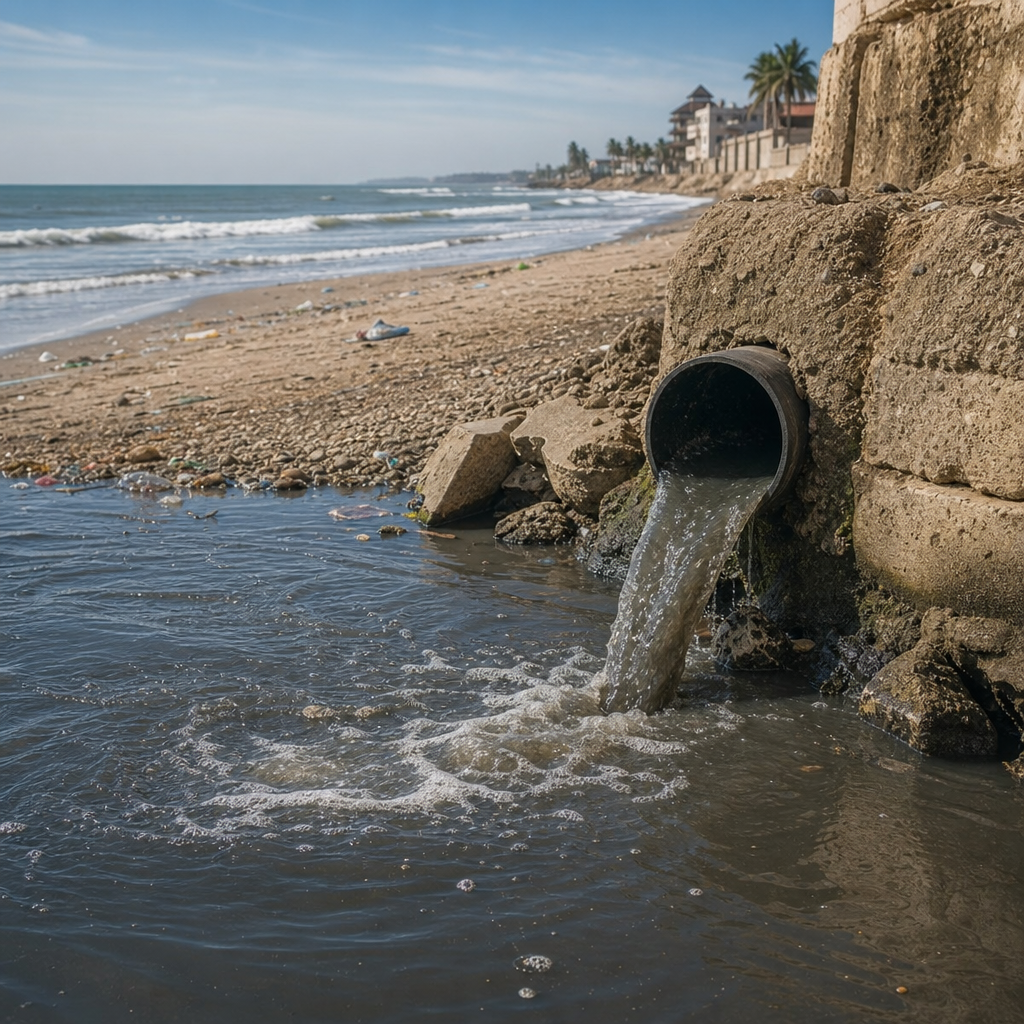
The environmental impact of sanitation is broader than many policy discussions admit. Conventional flush toilets linked to centralized sewers can work well in dense urban areas with strong governance and reliable budgets, but they require large volumes of water, continuous electricity for pumping and treatment, and costly pipe networks. Poorly managed septic tanks and pit latrines can contaminate groundwater, especially where water tables are high or flooding is frequent. Untreated wastewater discharges drive eutrophication, damage aquatic ecosystems, and expose downstream users to pathogens and chemicals. Sustainable sanitation addresses these pressures by matching technology to local conditions and by following circular economy principles. Instead of simply transporting nutrients away, EcoSan seeks to capture nitrogen, phosphorus, potassium, and organic matter for beneficial reuse. Instead of expanding vulnerable sewer systems into every setting, it often relies on modular, decentralized designs that can be repaired locally. As a hub topic under environmental impact, EcoSan and the environment includes water conservation, greenhouse gas mitigation, nutrient cycling, soil restoration, biodiversity protection, and climate resilience at household, community, and watershed scales.
Climate adaptation is the process of adjusting systems and infrastructure to actual or expected climate impacts. In sanitation, adaptation means choosing technologies and service models that continue functioning during droughts, floods, heat waves, storms, and shifting disease patterns. It also means reducing dependency on scarce water, protecting treatment assets from inundation, and preventing sanitation breakdowns after disasters. Sustainable sanitation supports all of those goals. It is not one device or one ideology; it is a planning framework grounded in risk management, lifecycle thinking, and public health protection. The most effective projects combine engineering, behavior change, financing, fecal sludge management, and safe end-use standards such as the World Health Organization guidelines for sanitation and reuse. For readers exploring EcoSan and the environment, this article maps the essential issues, the main technology pathways, the environmental tradeoffs, and the practical criteria that determine whether sustainable sanitation can deliver real adaptation benefits.
Why climate-resilient sanitation is now an environmental priority
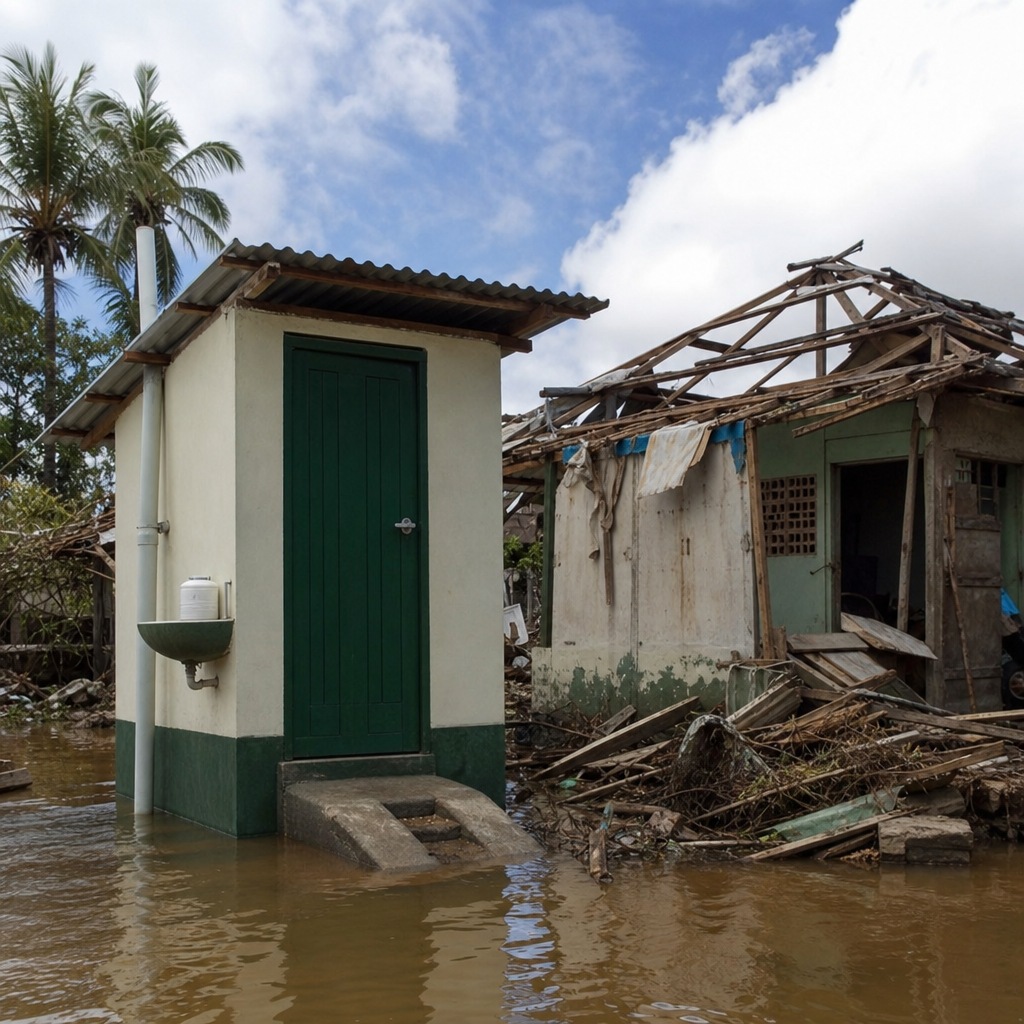
Sanitation systems are on the front line of climate stress. Floods can submerge pit latrines, overflow septic tanks, and force untreated sewage into homes, streets, rivers, and coastal waters. Droughts reduce water available for flushing, make sewer solids more concentrated, and push households toward unsafe coping strategies. Heat accelerates odor generation and can increase pathogen survival risks when storage and treatment are poorly managed. Sea level rise causes saltwater intrusion and raises groundwater tables, making on-site containment less effective in low-lying areas. These are not future-only risks. Utilities in cities from Durban to Jakarta have dealt with stormwater infiltration and sewer overload; rural communities in sub-Saharan Africa and South Asia have long faced pit collapse and groundwater contamination during heavy rains. Climate-resilient sanitation is therefore an environmental priority because failure creates cascading harm: disease outbreaks, aquatic pollution, higher treatment costs, school absenteeism, and habitat degradation.
Adaptation planning must begin with service chains, not just toilets. A toilet that survives a flood still fails environmentally if collection, transport, treatment, or reuse collapses. In my experience reviewing sanitation programs, the strongest outcomes come from asking four direct questions. How much water does the system require? What happens during flooding or prolonged rainfall? Can waste be safely emptied and treated with local capacity? Does the design recover value instead of generating a disposal burden? Those questions reveal why sustainable sanitation often outperforms conventional approaches in climate-stressed settings. A urine-diverting dry toilet, for example, uses little or no flush water, keeps nutrients concentrated, and avoids the hydraulic vulnerability of sewers. A decentralized treatment unit can keep functioning when one neighborhood is cut off, while one damaged trunk sewer can disable service for hundreds of thousands of residents. Resilience improves when infrastructure is distributed, water-efficient, and easier to maintain with local materials and skills.
How EcoSan reduces water stress, pollution, and emissions
EcoSan reduces environmental pressure by separating waste streams and managing each one appropriately. Urine contains most of the nitrogen and a large share of the phosphorus excreted by humans, while feces contain most pathogens and much of the organic matter. Source separation allows lower-cost treatment and more targeted reuse. Urine can be sanitized through storage and used as fertilizer under controlled conditions. Fecal matter can be composted, dehydrated, treated in biodigesters, or co-processed, depending on temperature, moisture, pathogen reduction targets, and local regulations. Greywater can be treated separately for infiltration or irrigation. This stream management lowers overall wastewater volume, making treatment easier and reducing contamination loads discharged to waterways. It also aligns with water-sensitive urban design and integrated water resources management, both of which emphasize reducing pollution at source.
Water savings are among the clearest adaptation benefits. A conventional flush toilet may use several liters per flush, and in aggregate that becomes a major burden in water-scarce regions. Even dual-flush fixtures, while more efficient, still depend on reliable supply and sewer conveyance. Dry sanitation options remove that dependency almost entirely. In peri-urban settlements where piped water is intermittent, households often understand this advantage immediately because they already ration water. Less water in the sanitation system also means less energy for pumping and lower hydraulic loading at treatment plants. Emissions benefits are more nuanced but significant. Poorly managed anaerobic decomposition in pits and lagoons can release methane, a potent greenhouse gas. Nitrogen losses can produce nitrous oxide. Sustainable sanitation can lower lifecycle emissions through improved treatment, shorter transport distances, nutrient recovery that displaces synthetic fertilizer production, and biogas capture where digesters are used. The climate gain depends on operation quality, but the direction is clear: resource recovery beats uncontrolled pollution.
Technology options for EcoSan and the environment
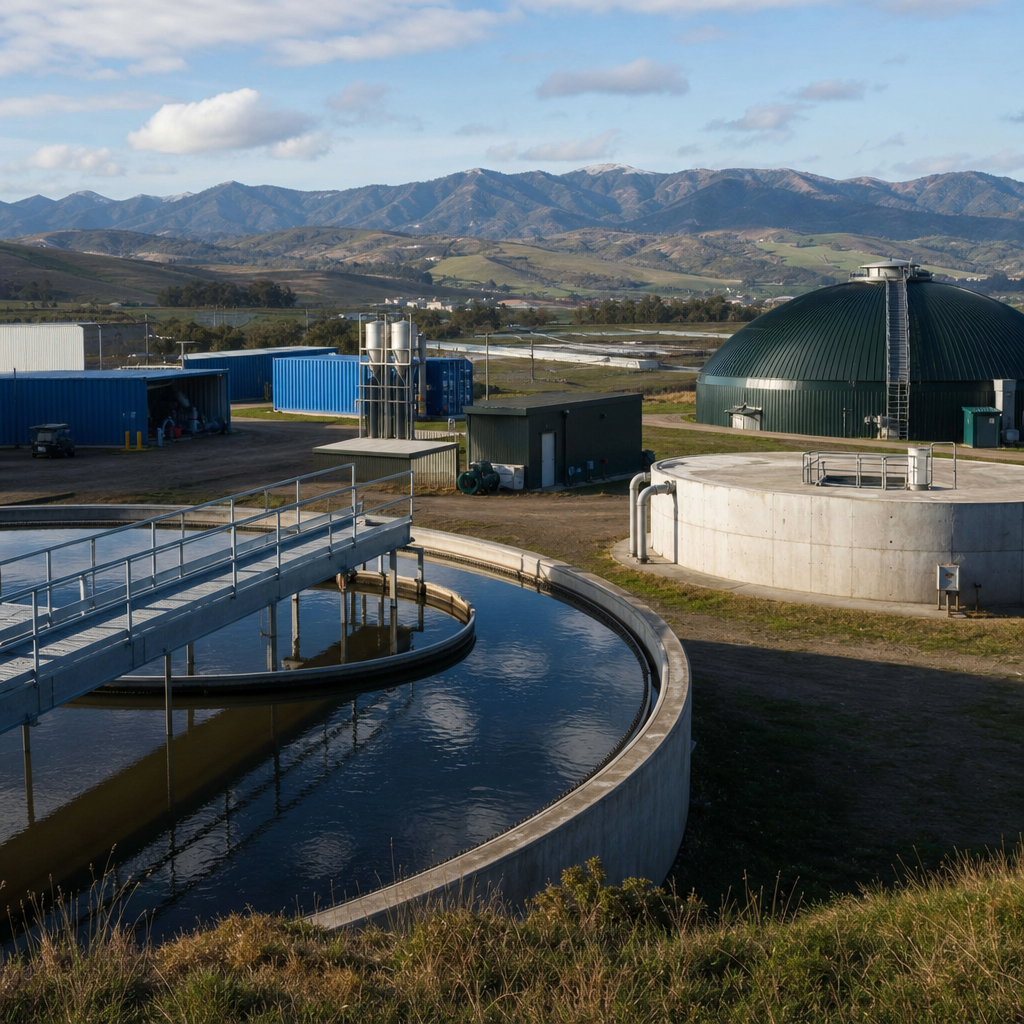
No single system fits every climate or settlement pattern. The best option depends on density, soil conditions, groundwater depth, flood risk, cultural acceptance, local supply chains, and the ability to manage treatment over time. Urine-diverting dry toilets are effective where water is scarce and where users can be trained on correct separation and cover material use. Composting toilets can work well in institutions, parks, and off-grid homes if temperature, aeration, and moisture are managed properly. Container-based sanitation offers a sealed, service-oriented model that can be especially useful in dense informal settlements or flood-prone areas where pits are unsafe. Decentralized wastewater treatment systems, including anaerobic baffled reactors, constructed wetlands, and small package plants, can serve clusters of homes while reducing the need for extensive sewers. Fecal sludge treatment plants remain essential wherever pits and septic systems continue to operate, because adaptation requires improving existing realities, not only promoting ideal alternatives.
| Option | Main adaptation benefit | Environmental advantage | Key limitation |
|---|---|---|---|
| Urine-diverting dry toilet | Works during drought and weak water supply | High nutrient recovery, low water use | Needs user compliance and reuse logistics |
| Composting toilet | Low dependence on sewer infrastructure | Organic matter recovery, reduced discharge | Requires careful operation for pathogen control |
| Container-based sanitation | Performs in flood-prone dense settlements | Sealed containment reduces local pollution | Needs reliable collection service and financing |
| Decentralized treatment | Modular resilience when central systems fail | Lower conveyance energy, local reuse potential | Operations capacity must be sustained |
| Fecal sludge treatment plant | Improves current on-site systems under climate stress | Safer disposal and possible compost or fuel recovery | Depends on regulated emptying and transport |
In practice, hybrid systems are often best. A flood-prone coastal town might combine raised toilets, sealed storage, scheduled desludging, and decentralized treatment on higher ground. A drought-affected farming district might prioritize urine diversion and compost reuse to improve soils. Urban fringes may start with container-based sanitation, then expand treatment and reuse markets as service demand stabilizes. The environmental performance of any option depends less on branding than on whether the full chain is designed, financed, monitored, and accepted by users.
Nutrient recovery, soil health, and circular sanitation
One of EcoSan’s strongest environmental arguments is nutrient recovery. Modern agriculture depends heavily on synthetic nitrogen fertilizer made through the Haber-Bosch process, which is energy intensive, and on mined phosphate, a finite resource with concentrated global reserves. Human excreta contains nutrients that crops need, yet conventional sanitation often dilutes and discards them into water bodies. Sustainable sanitation interrupts that linear waste pathway. Properly treated urine can provide rapidly available nitrogen and phosphorus. Treated composted solids can contribute organic matter, improve soil structure, and increase water retention. In climate adaptation terms, that matters because healthier soils resist erosion, hold moisture longer during dry periods, and support more stable yields.
Reuse must be safe and evidence-based. The WHO guidelines and national biosolids or reuse regulations exist for good reason: pathogens, pharmaceuticals, heavy metals, and social acceptance cannot be ignored. In projects I have evaluated, the most successful reuse programs are specific about treatment barriers, storage times, crop restrictions, application methods, and worker protection. Farmers adopt recovered products when they are reliable, affordable, and clearly beneficial, not merely because they are labeled ecological. Sweden, Germany, South Africa, and parts of East Africa have all contributed practical lessons on source separation, compost quality, and institutional acceptance. The core environmental insight is simple: when sanitation returns nutrients and organic matter safely to land, it supports regenerative cycles instead of exporting pollution to rivers and coasts.
Implementation challenges, governance, and what success looks like
Sustainable sanitation is not automatically sustainable just because it is decentralized or waterless. Projects fail when planners underestimate maintenance, behavior change, supply chains, land tenure issues, or the economics of collection and treatment. User interface matters enormously. If toilets are inconvenient, odor-prone, difficult to clean, or unclear to use, environmental goals collapse quickly. Governance is equally decisive. Municipalities need service standards, monitoring protocols, sludge tracking, occupational safety rules, and realistic tariffs or subsidies. Utilities and local governments must decide who is responsible for containment, emptying, transport, treatment, and reuse. Without that clarity, climate adaptation language remains aspirational.
Success looks measurable. It means fewer sewage overflows during storms, less groundwater contamination, lower freshwater demand, safer schools and clinics, compliant treatment outputs, and reuse products with genuine market demand. It also means integrating sanitation into climate adaptation plans, watershed management, housing policy, and disaster risk reduction instead of treating it as a separate hygiene issue. The best next step for readers building an environmental impact strategy is to audit current sanitation risks, identify where water, flooding, and pollution pressures are highest, and evaluate which EcoSan pathways can work locally. Climate change adaptation through sustainable sanitation delivers its greatest benefit when communities design systems that protect health, conserve resources, and keep functioning under stress. Use this hub as the starting point for deeper work on EcoSan and the environment, then translate the principles into site-specific action, investment, and long-term service delivery.
Frequently Asked Questions
What does climate change adaptation through sustainable sanitation actually mean?
Climate change adaptation through sustainable sanitation means designing and managing sanitation systems so they continue to protect health and the environment even as climate risks become more severe. In practice, that includes toilets, containment, emptying, transport, treatment, and reuse systems that can function during floods, droughts, heat waves, water shortages, and service disruptions. Rather than treating sanitation as a narrow issue of waste disposal, this approach looks at the full service chain and asks whether it is resilient, safe, resource-efficient, and appropriate for local conditions.
Sustainable sanitation is especially important because climate change intensifies the very conditions that make sanitation failures dangerous. Flooding can spread fecal contamination into homes, streets, wells, and surface water. Drought can make conventional water-based systems unreliable or unaffordable. High temperatures can accelerate pathogen risks and odors if waste is poorly managed. Stronger storms can damage infrastructure and interrupt utility services. A sustainable sanitation strategy anticipates these pressures and builds systems that reduce vulnerability instead of increasing it.
It also goes beyond risk reduction. Well-planned sanitation can conserve scarce water, recover nutrients for agriculture, produce biogas or compost, reduce pollution, and support healthier ecosystems. That makes it a practical adaptation measure with multiple co-benefits: stronger public health protection, better water security, more reliable service delivery, and greater community resilience. In short, climate adaptation through sustainable sanitation means moving from fragile, one-dimensional systems to sanitation services that are safe, flexible, efficient, and able to perform under changing environmental conditions.
Why is sustainable sanitation so important for communities facing floods and droughts?
Communities facing floods and droughts are often the first to experience how sanitation and climate resilience are deeply connected. During floods, poorly located pits, damaged septic systems, overflowing drains, and underdesigned treatment facilities can release untreated waste into the environment. That contamination can quickly reach drinking water sources, schools, health facilities, markets, and homes, increasing the risk of diarrheal disease, cholera, typhoid, intestinal parasites, and other public health emergencies. In these settings, sanitation is not a secondary infrastructure issue; it is a frontline defense against disease outbreaks.
Drought creates a different but equally serious challenge. Conventional flush systems can become difficult to operate when water is scarce, expensive, or unreliable. Households may reduce water use for hygiene and toilet flushing, causing blockages, poor cleanliness, and unsafe coping strategies. Wastewater treatment processes may also be stressed by lower flows and higher pollutant concentrations. Sustainable sanitation offers alternatives that can work with limited water, including systems designed for water efficiency, safe containment, and reuse of treated outputs where appropriate. This helps communities maintain service levels even when freshwater resources are under pressure.
There is also an economic resilience dimension. Rebuilding damaged sanitation infrastructure after repeated flood events is costly, and relying on systems unsuited to dry conditions can create chronic operating problems. Sustainable sanitation planning encourages climate-informed siting, durable design, decentralized options where useful, and service models that are realistic for local budgets and maintenance capacity. When communities invest in systems that fit their climate risks, they reduce long-term costs, protect health more effectively, and avoid the cycle of breakdown and emergency response that often follows climate shocks.
What are some examples of sustainable sanitation systems that support climate adaptation?
There is no single best system for every setting, which is why climate-adaptive sanitation starts with context. In flood-prone areas, elevated toilets, sealed containment systems, flood-resistant septic or holding tanks, and carefully located treatment units can reduce contamination during heavy rains and inundation. In high-water-table environments, designs that prevent leakage into groundwater are especially important. Decentralized treatment solutions can also improve resilience by reducing dependence on a single vulnerable network or plant, especially where road access, electricity, or drainage may be disrupted during extreme weather.
In drought-prone regions, water-efficient or dry sanitation options can be highly valuable. These may include urine-diverting dry toilets, composting systems, low-flush technologies, or other designs that sharply reduce water demand while maintaining hygienic separation and safe management of waste. Where treated outputs can be safely reused, nutrient recovery can support agriculture and reduce dependence on synthetic fertilizers, which may become more costly or less accessible. In some settings, wastewater reuse for irrigation or landscape applications can also help conserve freshwater, provided treatment standards, monitoring, and public health safeguards are strong.
Climate adaptation is not only about the toilet technology itself. Fecal sludge management systems, reliable emptying services, transfer stations, treatment facilities, and reuse markets all matter. A household toilet is only climate-resilient if the waste can continue to be safely collected, transported, treated, and managed during shocks. That is why the most effective examples usually combine appropriate infrastructure with service planning, operator training, financing, maintenance systems, and risk-based regulation. The strongest solutions are those that match local climate threats, settlement patterns, institutional capacity, and user preferences rather than copying a model from somewhere else.
How does sustainable sanitation improve public health, water security, and environmental resilience?
Sustainable sanitation improves public health first by reducing human exposure to pathogens across the entire sanitation chain. Safe containment keeps waste out of living environments. Reliable emptying and transport prevent uncontrolled dumping. Effective treatment reduces the microbial and chemical risks associated with wastewater and fecal sludge. Safe reuse or disposal prevents contamination from simply being shifted from one place to another. When these steps function together, communities see fewer sanitation-related disease risks, safer neighborhoods, and more resilient health protection during climate-related disruptions.
Water security benefits are equally significant. Many sanitation systems are heavily dependent on clean water, which becomes a vulnerability in droughts or in areas where water access is already limited. Sustainable sanitation can lower water demand through efficient design, support reuse of treated wastewater, and reduce pollution of rivers, aquifers, and reservoirs. Preventing contamination is essential because polluted water sources are effectively lost water sources: they become more expensive to treat, less reliable for domestic use, and more harmful for agriculture and ecosystems. Protecting water quality is therefore a central adaptation strategy, not an optional environmental add-on.
Environmental resilience improves because sustainable sanitation reduces nutrient loading, unmanaged sludge disposal, and ecosystem degradation. It can also help close resource loops by recovering nutrients, organic matter, and energy from waste streams. This matters under climate stress because healthier soils, cleaner waterways, and more efficient resource use make communities less vulnerable to shocks. For example, nutrient recovery can support local food systems, while biogas production can provide a supplemental energy source. The broader point is that sanitation systems can either deepen environmental fragility or strengthen resilience. Sustainable sanitation is the pathway that aligns sanitation services with long-term ecological stability and climate adaptation goals.
What should policymakers, planners, and communities prioritize when implementing climate-resilient sustainable sanitation?
The first priority is climate-informed planning. Decision-makers need to understand local hazards such as flooding depth, seasonal rainfall shifts, drought frequency, groundwater conditions, heat stress, and storm damage risks before choosing sanitation approaches. Too many systems fail because they were designed for average conditions rather than the extremes communities now face. Risk mapping, vulnerability assessments, and service chain analysis should be built into sanitation planning from the beginning. This helps identify where infrastructure should be located, what level of containment is needed, how treatment should be designed, and which service models are most likely to remain functional during disruptions.
The second priority is choosing solutions that are manageable over time, not just attractive on paper. Sustainable sanitation requires realistic financing, clear institutional roles, routine operation and maintenance, trained service providers, and monitoring that goes beyond construction numbers. Communities need systems they can use, maintain, and trust. That often means involving users early, understanding household preferences and constraints, and making sure services are inclusive for low-income households, renters, women, children, older adults, and people with disabilities. A technically advanced system that no one can afford to maintain is not resilient.
The third priority is integration. Sanitation should be connected to public health, water resource management, drainage, housing, agriculture, and disaster risk reduction rather than planned in isolation. Policymakers should also create enabling regulations for safe reuse, fecal sludge management, and performance-based service delivery. Communities and local governments that succeed in this area usually combine infrastructure investment with governance reform, behavior change support, emergency preparedness, and long-term maintenance planning. The goal is not simply to install toilets, but to build a sanitation system that continues protecting people and resources under climate pressure. That is what turns sustainable sanitation from an environmental concept into a practical adaptation strategy.