Conserving water resources through innovative sanitation is no longer a niche environmental discussion; it is a practical necessity for cities, farms, institutions, and households facing tightening water supplies, aging infrastructure, and stricter pollution controls. Innovative sanitation refers to systems and practices that safely manage human waste while using far less freshwater, recovering nutrients, reducing contamination, and supporting circular resource use. Within this field, EcoSan, short for ecological sanitation, is the organizing concept that links sanitation design with environmental sustainability. Instead of treating wastewater and excreta as useless waste streams to be flushed away, EcoSan treats them as manageable resource flows that can be separated, stabilized, reused, or returned to productive ecosystems under controlled conditions.
The importance of this approach is easy to see when basic numbers are considered. Conventional toilets can use several liters per flush, and in many buildings toilet flushing represents a major share of indoor potable water demand. At the same time, centralized sewer systems require expensive pipes, pumps, treatment plants, chemicals, and energy to move and process diluted waste. That model can work well in dense urban areas with strong public utilities, but it often performs poorly where water is scarce, power is unreliable, maintenance budgets are thin, or sewer expansion is financially unrealistic. I have worked on sanitation planning discussions where the real constraint was not the toilet itself, but the hidden system behind it: water pressure, sludge management, user behavior, treatment compliance, and the long-term cost of operation.
This article serves as a hub for advancing environmental sustainability with EcoSan by explaining the main ideas, technologies, benefits, tradeoffs, and implementation priorities that connect this subtopic. It answers the questions most readers have at the start: how does innovative sanitation save water, what systems are included, where do they work best, and what environmental results are realistic? The short answer is that water-saving sanitation succeeds when it reduces unnecessary flushing, prevents nutrient and pathogen pollution, enables treatment at the appropriate scale, and fits the local context. EcoSan is not one product. It is a design philosophy supported by proven options such as urine-diverting dry toilets, composting toilets, low-flush and vacuum systems, decentralized wastewater treatment, greywater reuse, fecal sludge management, and nutrient recovery. When these elements are planned together, sanitation stops being a linear disposal system and becomes part of a resilient water strategy.
Why sanitation is central to water conservation
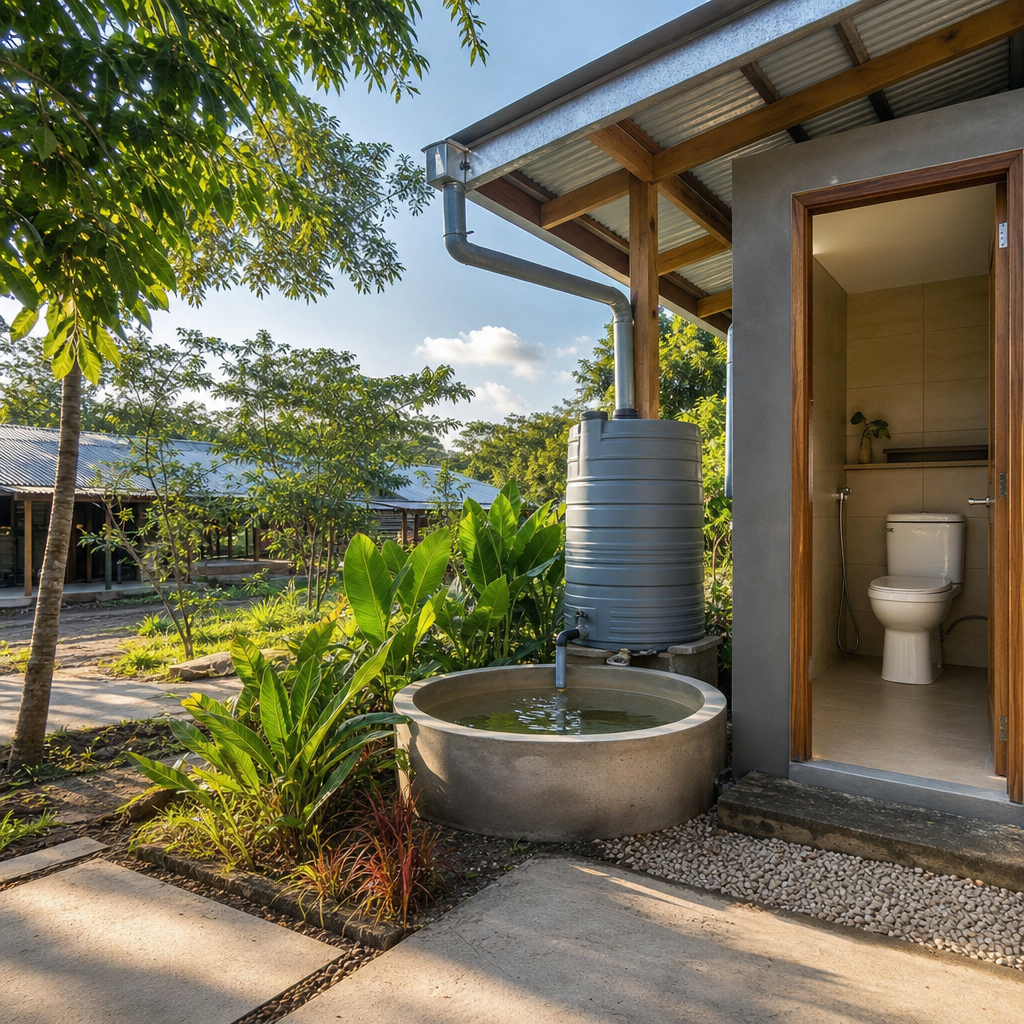
Sanitation and water conservation are tightly connected because conventional waste transport depends on dilution. Clean drinking water is used to move excreta through plumbing, even though the transport function does not require potable quality at all. In water-stressed regions, that mismatch is increasingly hard to justify. A sanitation system should protect public health first, but it should also minimize the use of high-quality water for low-value tasks. This is one reason dual-flush toilets, low-flush fixtures, pressure-assisted systems, and vacuum toilets have gained attention. They reduce water use at the point of generation, often without changing user expectations dramatically.
The environmental case is broader than volume reduction. Every liter not sent into a sewer avoids part of the downstream burden on pumping, treatment, and discharge. Reduced flows can lower energy demand, cut overflow risks during storms, and improve treatment stability in decentralized systems. In buildings pursuing green certifications such as LEED or BREEAM, water-efficient sanitation contributes to overall performance targets. At a municipal scale, the same principle supports drought resilience. Utilities that can defer water supply expansion or wastewater capacity upgrades gain a real financial benefit in addition to environmental gains.
Another reason sanitation matters is pollution prevention. Poorly managed waste contaminates groundwater, rivers, and coastal zones with pathogens, nitrogen, phosphorus, pharmaceuticals, and organic matter. Excess nutrients drive eutrophication, algal blooms, and oxygen depletion. Innovative sanitation addresses this by capturing waste close to the source, separating streams when useful, and treating them before reuse or release. The result is a more precise system. Instead of mixing everything together and paying heavily to clean it later, EcoSan aims to prevent contamination by design.
Core EcoSan systems and how they work
EcoSan systems are built around the principle that different waste streams have different management needs and resource values. Urine contains most of the nutrients excreted by humans, especially nitrogen and potassium, while feces contain most pathogens and a significant share of phosphorus and organic matter. Greywater from handwashing, showers, and laundry has lower pathogen loads than blackwater from toilets. When these streams are separated, treatment can be simpler and water demand can fall sharply.
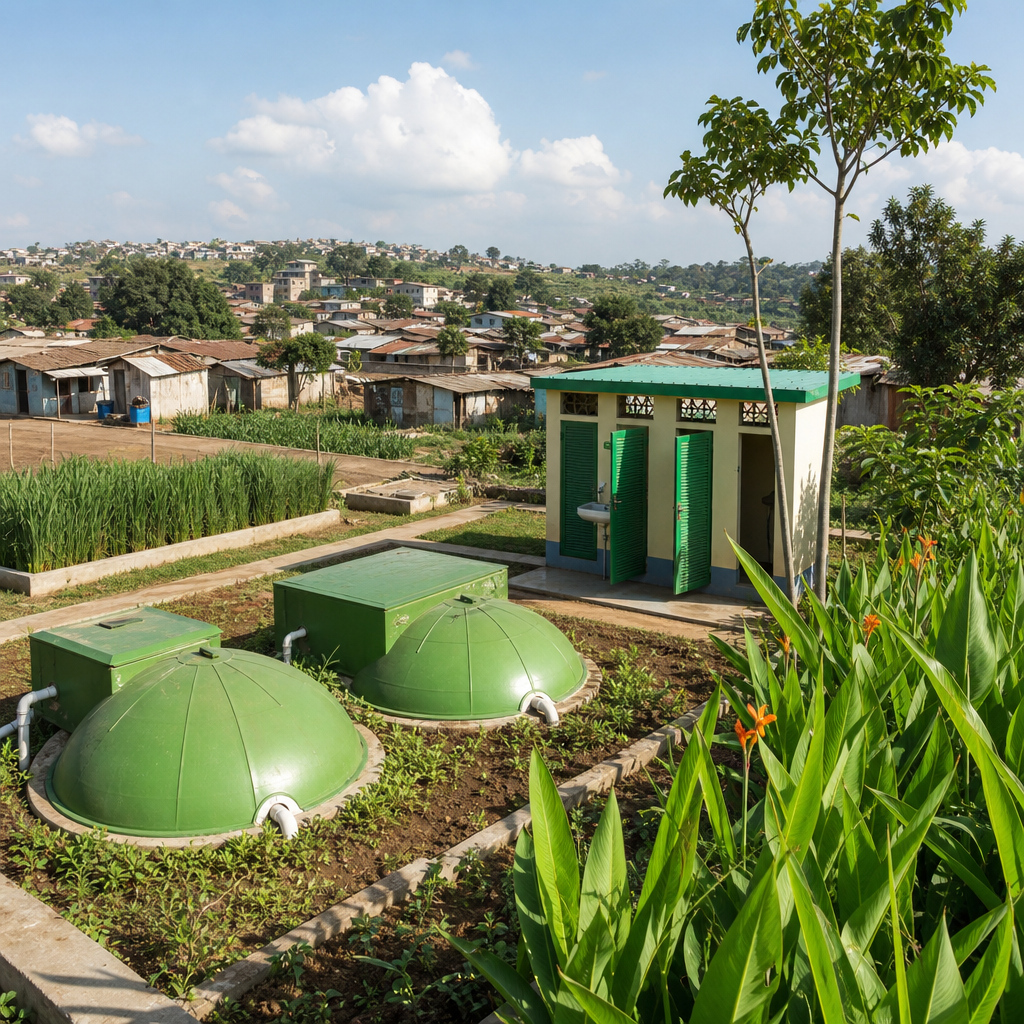
Urine-diverting dry toilets are a leading example. They collect urine and feces separately without using flush water, making them especially useful in arid regions, off-grid sites, and areas with fragile groundwater conditions. Stored urine can be sanitized through time and pH-related processes and then applied as fertilizer under local regulations. Fecal matter is dehydrated, composted, or otherwise treated to reduce pathogens before final use or disposal. In practice, these systems work best where users are trained, collection logistics are organized, and agricultural reuse is accepted.
Composting toilets are another widely discussed option. They promote aerobic decomposition of fecal matter and bulking material under controlled moisture and temperature conditions. Well-designed units reduce volume, stabilize organic matter, and limit odors when ventilation is adequate. They are common in parks, remote cabins, eco-resorts, and institutions wanting to cut water use. However, composting toilets are not maintenance-free. Carbon balance, moisture control, emptying schedules, and end-product handling all matter. Claims that they simply eliminate waste are misleading; treatment quality depends on operation.
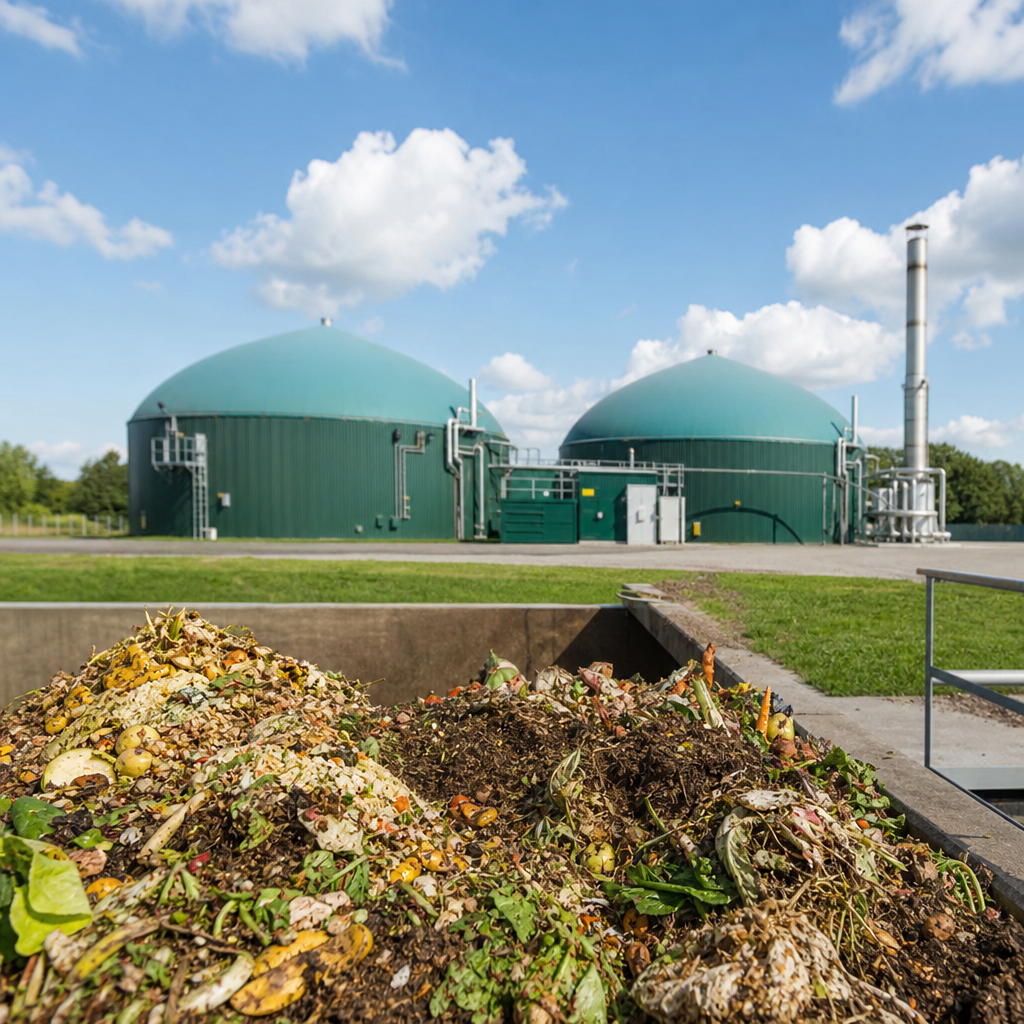
Low-flush and vacuum toilets preserve a more familiar user experience while reducing demand substantially. Vacuum systems, used on aircraft and increasingly in water-efficient buildings, move waste with very small amounts of water and pressure differentials rather than gravity alone. Blackwater can then be sent to anaerobic digesters or decentralized treatment units. This approach has been used in airports, office campuses, and dense developments where owners want both water savings and compatibility with modern building standards.
| System | Typical Water Use | Best Fit | Main Environmental Benefit |
|---|---|---|---|
| Urine-diverting dry toilet | Near zero for flushing | Water-scarce, off-grid, rural, peri-urban | Major water savings and nutrient recovery |
| Composting toilet | Near zero for flushing | Parks, cabins, institutions, low-density sites | Reduced wastewater generation and organic matter stabilization |
| Low-flush toilet | Reduced but continuous | Homes, schools, commercial buildings | Simple retrofit path with lower potable water demand |
| Vacuum toilet | Very low per use | High-performance buildings, transport hubs | Strong water efficiency and concentrated waste stream |
| Decentralized wastewater treatment | Depends on upstream fixtures | Campuses, villages, clustered developments | Local reuse, lower transport burden, modular expansion |
Environmental sustainability gains beyond water savings
The strongest EcoSan projects deliver more than reduced flushing volumes. They improve environmental sustainability by lowering nutrient pollution, cutting energy use, enabling local reuse, and recovering valuable materials. In conventional systems, nutrients are diluted into wastewater and then removed through treatment processes that can be energy-intensive or chemically demanding. EcoSan can intercept those nutrients earlier. Urine diversion, struvite precipitation, and source-separated treatment are examples of approaches that reduce losses and support fertilizer substitution.
This matters because nitrogen and phosphorus are not abstract pollutants; they are also essential agricultural inputs. Phosphorus, in particular, is mined from finite phosphate rock reserves. Recovering nutrients from sanitation does not replace conventional fertilizer markets overnight, but it improves resource efficiency and regional resilience. I have seen agricultural stakeholders become far more interested in sanitation once the discussion shifts from waste disposal to nutrient management and soil health. That reframing makes circularity tangible.
Energy and climate impacts also deserve attention. Centralized wastewater systems consume power for pumping, aeration, and sludge handling. Decentralized or source-separated systems can reduce some of that load, especially where gravity networks are difficult or where anaerobic digestion can produce biogas. The climate benefit varies by technology and operating conditions, but the direction is clear: concentrated waste streams are often easier to treat efficiently than highly diluted ones. Better containment also lowers methane and nitrous oxide risks associated with unmanaged decomposition.
Biodiversity and watershed protection are another important benefit. Where sanitation failures contaminate streams or aquifers, local ecosystems suffer quickly. Wetlands can become overloaded with nutrients, fisheries can decline, and downstream drinking water treatment costs can rise. EcoSan reduces these pressures by interrupting direct discharge and promoting managed treatment. In that sense, water conservation through innovative sanitation is not only about using less water inside a building; it is about protecting the water bodies and ecological systems that communities depend on.
Implementation challenges and what successful projects do differently
EcoSan is effective, but it is not plug-and-play. The most common failure point is assuming that a toilet choice alone determines project success. In reality, collection, storage, treatment, maintenance, regulation, financing, and user acceptance are equally important. A urine-diverting system fails if containers are not emptied safely. A composting toilet fails if moisture is unmanaged. A decentralized treatment plant fails if no one funds operator training or spare parts. Successful projects begin with service design, not just equipment selection.
User behavior is especially important. Systems that require separation, bulking material, or different cleaning routines need clear instructions and responsive maintenance. In schools and public facilities, signage and caretaker training make a measurable difference. Social acceptance also varies across cultures and income groups. Some communities welcome resource recovery; others are uneasy about reuse linked to human waste. Programs that engage users early, explain health safeguards, and demonstrate visible cleanliness consistently perform better than projects driven only by engineering decisions.
Policy alignment matters as well. Building codes, public health rules, fertilizer regulations, and utility standards can either enable or block innovative sanitation. For example, reuse of treated urine or composted biosolids may be technically sound but still constrained by outdated regulatory categories. Standards from organizations such as the World Health Organization, ISO, and national sanitation authorities provide important guidance, yet local adaptation is still necessary. The best implementation teams involve regulators from the start rather than asking for approval after design decisions are locked in.
Economics should be assessed over the full life cycle. Conventional sewer expansion can appear straightforward until capital costs, pumping energy, inflow and infiltration, and treatment plant upgrades are included. EcoSan systems may have higher upfront complexity in training or collection logistics, but they can avoid major infrastructure costs and create value through water savings and nutrient recovery. A fair comparison looks at total service cost, resilience under drought, and environmental externalities, not just purchase price.
Where this hub connects next in the Environmental Impact topic
As the hub for advancing environmental sustainability with EcoSan, this page connects several related article paths within the broader Environmental Impact topic. Readers exploring household solutions should continue into detailed comparisons of composting toilets, urine-diverting systems, and low-flush retrofits. Those working at institutional or campus scale should examine decentralized wastewater treatment, greywater reuse design, and vacuum sanitation in commercial buildings. For municipal and development practitioners, the next logical articles cover fecal sludge management, nutrient recovery markets, sanitation planning in informal settlements, and climate-resilient water infrastructure.
These connected topics matter because no single technology solves every sanitation challenge. A drought-prone suburb may benefit most from low-flush fixtures, onsite reuse, and leak reduction. A peri-urban settlement without sewer access may need container-based sanitation paired with professional collection and treatment. A resort or park may find composting toilets and constructed wetlands most practical. The hub perspective helps readers compare these pathways using the same criteria: water demand, health protection, maintenance capacity, regulatory fit, cost, and environmental return.
The key lesson is straightforward: conserving water resources through innovative sanitation works when systems are designed as complete services, not isolated products. EcoSan provides the framework for that shift by aligning sanitation with water stewardship, pollution prevention, and circular resource management. Whether the goal is cutting potable water use, protecting a watershed, reducing wastewater loads, or recovering nutrients, the strongest results come from matching technology to context and planning for operation from day one. Use this hub to identify the most relevant EcoSan pathway for your site, then move into the linked subtopics to build a sanitation strategy that is efficient, safe, and environmentally durable.
Frequently Asked Questions
What does “innovative sanitation” mean, and how does it help conserve water resources?
Innovative sanitation refers to waste management systems and hygiene practices designed to protect public health while dramatically reducing dependence on freshwater. Unlike conventional sanitation, which often relies on large volumes of clean water to flush waste through centralized sewer networks, innovative approaches aim to minimize water use, prevent pollution, and recover valuable resources such as nutrients, energy, and reusable water. This includes solutions such as ecological sanitation systems, source-separating toilets, low-flow and vacuum toilets, urine diversion technologies, decentralized wastewater treatment, and greywater reuse systems.
The water-saving benefit is significant because traditional toilets and sewer systems can account for a major share of indoor water consumption. When those systems are replaced or supplemented with technologies that use little or no flushing water, households, schools, hospitals, commercial buildings, and municipalities can reduce total water demand substantially. At the same time, these systems help limit the contamination of rivers, lakes, and groundwater by ensuring that waste is treated more effectively and often closer to where it is generated. In practical terms, innovative sanitation supports water conservation in two ways: it lowers the amount of freshwater needed for sanitation and reduces the amount of polluted water entering the environment.
Another important advantage is resilience. In regions affected by drought, groundwater depletion, unreliable water supply, or overloaded sewer infrastructure, innovative sanitation can offer a more stable and adaptable alternative. Instead of treating waste purely as something to dispose of, these systems support a circular model in which nutrients can be recovered for agriculture, treated water can be reused where appropriate, and communities become less vulnerable to water scarcity. That is why innovative sanitation is increasingly seen not just as an environmental upgrade, but as a practical strategy for long-term water security.
How do EcoSan and source-separating sanitation systems work in practice?
Ecological sanitation, often called EcoSan, is based on the principle that human waste can be managed safely and transformed from a disposal problem into a resource. In many EcoSan systems, urine and feces are kept separate at the source, usually through specially designed toilets. This is important because urine contains most of the nutrients, especially nitrogen and phosphorus, while feces contain most of the pathogens. Separating these streams makes treatment easier, reduces contamination risks, and improves opportunities for safe reuse.
In practice, a urine-diverting toilet channels urine into one container or treatment line and feces into another. Urine can be stored, sanitized as required, and used as a fertilizer under regulated conditions because of its high nutrient value. Fecal matter may be collected in sealed chambers, composted, dehydrated, or otherwise treated to reduce pathogens and stabilize the material before any reuse or final disposal. Some systems also integrate dry sanitation methods, which eliminate or sharply reduce flushing water. Others are paired with handwashing stations, greywater treatment units, or small-scale reuse loops to create a broader water-efficient sanitation setup.
These systems are already being applied in homes, apartment developments, schools, refugee settings, peri-urban settlements, and agricultural projects. Their exact design depends on climate, user behavior, local regulations, maintenance capacity, and whether resource recovery is a goal. While source separation may require more user education and a different maintenance routine than a standard flush toilet, the long-term benefits can be substantial. These include reduced water demand, lower wastewater volumes, improved nutrient recovery, reduced stress on sewers and treatment plants, and better environmental protection. When designed and managed correctly, EcoSan systems can be highly effective, safe, and appropriate for both water-scarce and infrastructure-constrained areas.
Are water-saving sanitation systems safe and hygienic?
Yes, water-saving sanitation systems can be very safe and hygienic when they are properly designed, installed, operated, and maintained. Safety in sanitation is not determined by how much water a system uses; it is determined by whether the system effectively contains waste, prevents human contact with pathogens, controls odors and vectors, and ensures appropriate treatment before discharge or reuse. In fact, some innovative sanitation models can improve environmental hygiene because they reduce leaks, overflows, and untreated wastewater releases that are common problems in failing conventional sewer systems.
Modern low-water and dry sanitation technologies are developed with public health protection as a core requirement. Sealed storage chambers, ventilated vaults, urine diversion mechanisms, composting units, decentralized treatment modules, and disinfection steps are all intended to break transmission pathways for disease. In decentralized and reuse-oriented systems, treatment standards and monitoring are especially important. Pathogen reduction must be verified, handling procedures must be clear, and end uses for recovered materials must comply with local health and environmental regulations. Where these controls are followed, innovative sanitation can meet high hygiene standards and support safer waste management than informal or poorly functioning traditional systems.
User acceptance also improves when hygiene is prioritized in visible, practical ways. Clean interfaces, easy-to-understand toilet design, odor control, routine maintenance schedules, and reliable service support all matter. Communities are more likely to trust and consistently use these systems when they perform well day to day. For institutions such as schools and healthcare facilities, the bar is even higher, but innovative sanitation can still be suitable if selected carefully and backed by trained operators. The key message is simple: water efficiency does not require compromising health. Safe sanitation depends on engineering quality, operations, and accountability, not on heavy water use alone.
What are the biggest benefits of innovative sanitation for cities, farms, and households?
The most immediate benefit is reduced freshwater consumption. In homes and buildings, toilets are often one of the largest uses of potable water, so switching to low-flush, vacuum, urine-diverting, composting, or other advanced sanitation systems can deliver meaningful savings. For cities, this lower demand can help stretch limited water supplies, defer expensive infrastructure expansion, and reduce the burden on aging sewer and treatment systems. For regions facing drought or population growth, that efficiency can become a critical part of water security planning.
A second major benefit is pollution prevention. Conventional sanitation systems can fail through sewer leaks, storm overflows, septic malfunction, or inadequate treatment capacity. Innovative sanitation approaches, especially decentralized and source-separating systems, can reduce the volume of wastewater generated and improve how waste streams are handled. This helps protect surface water, groundwater, and soils from nutrient loading, pathogen contamination, and chemical pollution. In practical terms, cleaner water bodies mean lower treatment costs downstream, healthier ecosystems, and fewer public health risks.
There is also a strong resource recovery advantage. Human waste contains nutrients that agriculture needs, particularly nitrogen, phosphorus, and potassium. With proper treatment and regulation, innovative sanitation can recover these materials and return them to productive use, reducing dependence on synthetic fertilizers. Some systems can also recover energy through biogas production or support safe non-potable water reuse. For farms, institutions, and circular economy projects, this turns sanitation from a cost center into part of a broader resource strategy.
Finally, innovative sanitation can improve resilience and access. In areas without reliable sewer connections, in remote communities, in water-stressed developments, and in rapidly growing urban edges, decentralized or low-water systems may be more realistic and affordable than extending conventional infrastructure. Households and communities can gain safer sanitation with lower operating water needs, while governments can build more flexible service models. Taken together, the benefits are environmental, economic, and operational: less water used, less pollution created, more value recovered, and greater adaptability in a changing climate.
What challenges can organizations or homeowners expect when adopting innovative sanitation, and how can they overcome them?
The first challenge is usually not technical but institutional and behavioral. Many people are familiar only with conventional flush-and-forget sanitation, so systems that separate waste streams, use little water, or require different maintenance routines can initially seem unfamiliar. Concerns about odor, convenience, aesthetics, or hygiene are common, especially when users have limited exposure to modern high-performing alternatives. The best way to overcome this is through good design, clear communication, demonstrations, and user training. When systems are attractive, intuitive, and well maintained, acceptance increases quickly.
A second challenge involves regulation, permitting, and standards. In some regions, building codes and public health frameworks were written around centralized sewer assumptions and may not fully accommodate decentralized, dry, or reuse-oriented sanitation technologies. This can slow implementation even when the technology itself is sound. Organizations can address this by working early with regulators, engineers, and public health authorities, choosing proven systems with documented performance, and aligning projects with recognized treatment and reuse standards. Pilot programs are often useful for building confidence and creating local evidence.
Maintenance and service logistics are another important consideration. Innovative sanitation is not maintenance-free; it simply shifts what maintenance looks like. Source-separating systems may need periodic collection, composting units need monitoring, decentralized treatment systems require inspection, and filters or pumps may need servicing. Successful adoption depends on having a realistic operations plan, trained personnel where necessary, and a clear understanding of lifecycle costs rather than just upfront price. In many cases, these systems are cost-effective over time, particularly where water prices are rising or sewer expansion is expensive, but they perform best when maintenance responsibilities are defined from the start.
For homeowners, institutions, and municipalities alike, the most effective approach is to match the sanitation solution to the local context. Factors such as water availability, site conditions, climate, number of users, maintenance capacity, and reuse goals all matter. A rural