Reducing ocean pollution through sustainable sanitation starts far upstream, in toilets, drains, septic systems, treatment plants, farms, and informal settlements where human waste, greywater, nutrients, and pathogens either stay contained or move into rivers that eventually reach the sea. Sustainable sanitation means managing human excreta, wastewater, and related resources in ways that protect health, conserve water, recover nutrients, lower emissions, and prevent contamination across the full service chain from capture and storage to treatment, reuse, and safe disposal. In practice, that includes sewered and non-sewered systems, source separation, fecal sludge management, urine diversion, composting toilets, constructed wetlands, decentralized treatment, and water-efficient fixtures designed for local conditions. I have worked on sanitation planning discussions where ocean health was treated as a coastal issue only, yet the strongest interventions were inland: stopping leaks from pits, preventing sewage overflows, and recovering nutrients before they entered estuaries. That wider lens matters because the ocean receives the cumulative impact of broken sanitation on land.
The connection is direct and measurable. According to UN and WHO monitoring, billions of people still lack safely managed sanitation, which means waste is often discharged untreated into the environment. Once that happens, nitrogen and phosphorus fuel eutrophication, pathogens close beaches and shellfish beds, pharmaceuticals and household chemicals persist in waterways, and plastic-rich hygiene waste clogs drainage channels before fragmenting downstream. Sustainable sanitation reduces ocean pollution by interrupting those pathways. It limits sewage releases, captures nutrients, supports wastewater reuse, and creates stronger accountability for what enters water bodies. For a company focused on ecological sanitation, this is not a side benefit; it is a core environmental protection function. EcoSan’s role in environmental protection sits at the intersection of public health, watershed management, climate resilience, and circular resource use. As the hub for this topic, this article explains how pollution moves from sanitation systems to the ocean, which sustainable sanitation approaches work best, where EcoSan solutions fit, and how organizations can prioritize investments that deliver the greatest environmental return.
How Poor Sanitation Pollutes Rivers, Coasts, and Oceans
Ocean pollution from sanitation rarely begins at the shoreline. It usually starts when excreta and wastewater are inadequately contained, insufficiently treated, or discharged during storm events. In dense urban areas, aging sewers can leak continuously and overflow during heavy rain, releasing untreated sewage into rivers. In peri-urban settlements, unlined pits and failing septic tanks can contaminate groundwater that feeds streams. In coastal tourism zones, overloaded treatment plants can bypass treatment exactly when seasonal demand peaks. Each pathway transports contaminants that harm marine ecosystems.
The main pollutants are well understood. Pathogens such as E. coli, norovirus, Vibrio species, and intestinal parasites threaten swimmers, fishers, and coastal communities. Nutrients, especially nitrogen and phosphorus, trigger algal blooms that consume oxygen and create dead zones. Organic matter raises biochemical oxygen demand, stressing aquatic life. Emerging contaminants, including pharmaceutical residues, personal care products, and antimicrobial compounds, can pass through weak treatment systems. Solid waste associated with sanitation, such as wipes, pads, and plastic packaging, contributes to marine debris when disposal systems fail.
Real-world examples show the scale of impact. The Gulf of Mexico hypoxic zone is driven largely by nutrient runoff from the Mississippi basin, but wastewater and failing sanitation systems are part of the broader nutrient load. In many island and coastal cities, fecal contamination after rainstorms leads to routine beach advisories that damage public health and local economies. In low-income settlements, the absence of safe fecal sludge management often means drains become open conduits carrying waste to creeks and mangroves. Sustainable sanitation addresses these mechanisms directly by improving containment, transport, treatment, and reuse before pollution reaches open water.
What Sustainable Sanitation Means in Environmental Protection
Sustainable sanitation is broader than building toilets. It is a systems approach that considers user access, affordability, technical performance, environmental outcomes, operator capacity, and long-term service reliability. A sanitation system is environmentally protective only when every stage works: the toilet or interface, containment unit, emptying service, transport, treatment process, and final reuse or disposal route. One broken link can send pollution back into the watershed.
For environmental protection, five design principles matter most: source control, containment, treatment performance, resource recovery, and resilience. Source control reduces the volume and hazard of waste streams, often through water efficiency or source separation. Containment prevents leakage from pits, tanks, and pipe networks. Treatment performance determines how effectively pathogens, solids, nutrients, and trace chemicals are removed or stabilized. Resource recovery turns nutrients, biosolids, or treated water into useful products, reducing disposal pressure. Resilience ensures the system still functions during flooding, drought, power outages, and population growth.
EcoSan’s environmental value comes from aligning sanitation with circular economy principles. Rather than viewing waste as something to flush away, ecological sanitation treats it as a managed resource stream. Urine contains most of the nitrogen and a large share of the phosphorus excreted by humans; feces contain organic matter and nutrients that can be stabilized and reused safely when treated correctly. Recovering those materials reduces nutrient discharge to water and can offset synthetic fertilizer demand. That benefit is strongest when systems are designed around local soils, hydrology, crop demand, regulations, and user behavior, not imported as one-size-fits-all solutions.
Core Sustainable Sanitation Approaches and Their Ocean Benefits
Different settings require different sanitation strategies, but several proven approaches consistently reduce ocean pollution. Decentralized wastewater treatment systems serve neighborhoods, schools, resorts, or institutions where centralized sewers are impractical or too expensive. When well operated, these systems reduce untreated discharge, allow water reuse for irrigation, and avoid long conveyance networks that often fail. Constructed wetlands provide secondary or tertiary polishing, removing suspended solids, organic matter, and some nutrients while creating habitat and reducing energy use.
Non-sewered sanitation with safe fecal sludge management is essential in many fast-growing cities. Lined pits, sealed tanks, scheduled emptying, transfer stations, and dedicated sludge treatment plants prevent direct dumping into drains and waterways. I have seen municipalities focus only on toilet access numbers, then discover that sludge from those toilets was still being discharged illegally. Environmental protection improves only when collection and treatment are part of the same service model.
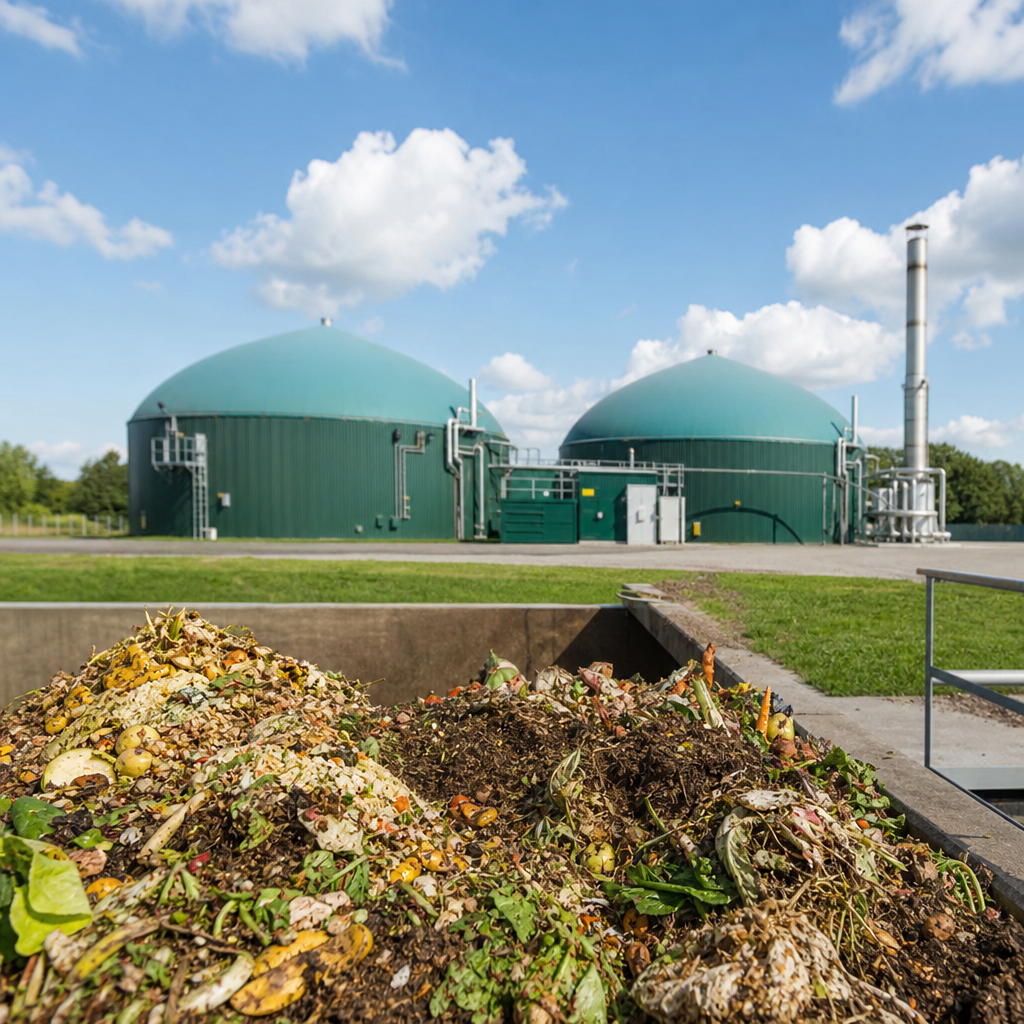
Source-separating systems, including urine-diverting dry toilets, can sharply cut nutrient releases because they separate high-nutrient urine from fecal matter and process each stream appropriately. Composting toilets reduce water demand and produce stabilized compost where conditions and management allow safe operation. Anaerobic digesters can treat sludge while producing biogas, reducing methane emissions from uncontrolled decomposition. Advanced wastewater treatment, including biological nutrient removal, membrane bioreactors, and disinfection, is especially important in sensitive coastal catchments where shellfish waters, reefs, or bathing beaches require stricter effluent quality.
| Approach | Best Fit | Primary Pollution Reduction Benefit | Key Limitation |
|---|---|---|---|
| Decentralized treatment | Campuses, resorts, peri-urban districts | Reduces untreated local discharge and enables reuse | Needs skilled operation and monitoring |
| Fecal sludge management | Non-sewered cities and settlements | Stops dumping from pits and septic tanks into drains | Requires reliable collection logistics |
| Urine diversion | Water-scarce or nutrient-recovery programs | Captures nitrogen and phosphorus before waterways receive them | User acceptance and separate handling are critical |
| Constructed wetlands | Small communities and polishing stages | Improves effluent quality with low energy demand | Needs land and careful hydraulic design |
| Advanced nutrient removal | Sensitive coastal catchments | Prevents eutrophication and protects bathing waters | Higher capital and operating cost |
EcoSan’s Role in Environmental Protection Across the Service Chain
EcoSan’s role in environmental protection is strongest when it is defined across the full sanitation service chain rather than at the toilet alone. At the front end, EcoSan solutions can reduce water consumption, support source separation, and improve containment in flood-prone or high-water-table areas where conventional pits leak easily. In the middle of the chain, EcoSan planning supports safe collection, operator training, treatment partnerships, and data tracking for volumes, quality, and maintenance. At the back end, the model emphasizes reuse pathways such as compost, soil conditioner, treated water, or nutrient recovery products that displace wasteful disposal.
This integrated approach creates environmental gains that are practical, not abstract. Better containment lowers fecal contamination in stormwater channels. Source separation reduces nutrient loading to treatment facilities and receiving waters. Water-efficient systems decrease wastewater volumes, which matters in communities with undersized treatment infrastructure. Reuse programs create an economic reason to keep material in managed systems rather than dumping it. When municipalities, developers, or institutions compare sanitation options, that chain-wide view often reveals that the cheapest installation is not the lowest environmental cost over ten or twenty years.
EcoSan also plays an important role in site-specific risk management. In coastal aquifers, poorly designed septic systems can contaminate groundwater and nearshore ecosystems. In informal settlements, access constraints can make emptying difficult, increasing illegal discharge risk. In schools and health facilities, hygiene and maintenance failures can undermine any technical design. Effective ecological sanitation responds to these realities with tailored hardware, service contracts, user training, and monitoring indicators. That is how environmental protection moves from intention to operational performance.
Measuring Environmental Impact and Choosing the Right Investments
Organizations need clear metrics to evaluate whether sustainable sanitation is reducing ocean pollution. The most useful indicators are effluent quality, pathogen reduction, nutrient capture, service coverage across the full chain, sludge safely treated, reuse volumes, overflow frequency, groundwater protection performance, and lifecycle energy or emissions where relevant. For wastewater systems, common parameters include biochemical oxygen demand, chemical oxygen demand, total suspended solids, total nitrogen, total phosphorus, and fecal indicator bacteria. For non-sewered systems, safe emptying rates and treatment destination tracking are just as important as toilet access.
Established frameworks help guide decisions. Sanitation safety planning, promoted by the World Health Organization, identifies hazards from containment to end use and sets control measures for each step. Lifecycle costing compares capital, operations, maintenance, replacement, and decommissioning costs rather than focusing on installation alone. Watershed-based planning looks beyond property lines and asks where pollution actually goes during dry weather and storm events. In my experience, the best environmental outcomes come when utilities, public health teams, planners, and operators review those data together rather than working in separate silos.
Choosing the right investment depends on context. A flood-prone coastal settlement may need raised, sealed containment and scheduled sludge collection. A hotel cluster near coral reefs may justify advanced treatment and nutrient removal because the receiving environment is highly sensitive and tourism depends on water quality. A water-scarce agricultural district may gain more from urine diversion and treated wastewater reuse. The principle is consistent: match the sanitation system to the hydrology, density, user behavior, regulatory standard, and environmental risk. That is the practical foundation of reducing ocean pollution through sustainable sanitation.
Building a Hub Strategy for Environmental Impact
As a hub topic under environmental impact, this subject should connect readers to deeper guidance on wastewater reuse, fecal sludge management, nutrient recovery, climate resilience, water efficiency, sanitation in coastal zones, and monitoring standards. Those subtopics matter because decision-makers rarely solve ocean pollution with one technology alone. They need a portfolio: policy, operations, infrastructure, financing, behavior change, and verification. A strong hub page makes those relationships explicit and shows how each subtopic supports the same environmental goal.
The central message is simple. Ocean pollution is not only a marine management problem; it is a sanitation systems problem that begins on land. EcoSan’s role in environmental protection is to keep waste contained, treated, and productively reused so pathogens, nutrients, and solids do not travel downstream. When that happens, communities protect beaches, fisheries, groundwater, biodiversity, and public health at the same time. If you are planning sanitation investments, start with the full service chain, identify the pathways that connect your site to nearby waterways, and choose solutions designed to stop pollution before it reaches the ocean.
Frequently Asked Questions
How does sanitation on land affect ocean pollution?
Sanitation and ocean health are directly connected because pollution typically reaches the sea step by step, moving from homes, streets, toilets, drains, septic tanks, and farms into streams, rivers, estuaries, and finally coastal waters. When human waste and wastewater are not safely contained, treated, or reused, they can carry pathogens, excess nitrogen and phosphorus, pharmaceuticals, household chemicals, and organic matter into waterways. Once these pollutants reach marine environments, they can contribute to algal blooms, oxygen depletion, coral reef stress, beach contamination, and shellfish bed closures. In many places, the problem is not only sewage outfalls; it is also leaking septic systems, open defecation, poorly maintained pit latrines near flood zones, and stormwater systems that overflow during heavy rain. Sustainable sanitation interrupts this chain upstream by keeping waste out of the environment in the first place, improving treatment performance, and reducing the volume and toxicity of what is discharged. In practical terms, cleaner oceans often begin with better local sanitation planning far inland.
What is sustainable sanitation, and why is it important for protecting marine ecosystems?
Sustainable sanitation is an approach to managing human excreta, greywater, and wastewater in ways that protect public health, preserve natural resources, and minimize pollution across the full sanitation service chain. That includes capture, storage, transport, treatment, safe disposal, and, where appropriate, reuse of water, energy, and nutrients. Rather than treating sanitation as simply a matter of moving waste away, sustainable sanitation focuses on preventing contamination, conserving water, reducing greenhouse gas emissions, and recovering value from what would otherwise become pollution. This matters for marine ecosystems because untreated or poorly treated waste does not disappear after it leaves a household or community. Nutrients can fuel eutrophication in downstream waters, pathogens can make coastal recreation and fisheries unsafe, and solids and organic pollution can damage habitats such as mangroves, seagrass beds, and coral reefs. Sustainable sanitation reduces these risks by promoting systems that are resilient, affordable, appropriate for local conditions, and designed to keep contaminants from entering the broader watershed. It also recognizes that sanitation choices influence not just human settlements, but the health of entire river basins and coastlines.
Which sanitation failures contribute most to ocean pollution?
Several sanitation failures repeatedly drive pollution from land to sea, and the most significant ones often occur before wastewater ever reaches a treatment plant. One major issue is the lack of access to safely managed toilets and containment systems, which can result in open defecation or direct discharge into drains and waterways. Another is failing septic systems that leak nutrients, bacteria, and viruses into groundwater and surface water, especially in densely populated coastal areas or places with high water tables. Combined sewer overflows are also a serious problem, because during storms they can release untreated sewage mixed with runoff directly into rivers and coastal zones. In informal settlements and underserved communities, fecal sludge may be collected but then dumped untreated due to weak service chains or inadequate regulation. Agricultural runoff linked to manure management and nutrient overapplication can add to the burden, especially where sanitation and watershed management are not coordinated. Even centralized treatment plants can contribute to ocean pollution if they are overloaded, poorly maintained, energy-inefficient, or designed without nutrient removal. The common thread is that any break in containment, collection, treatment, or safe reuse creates a pathway for contaminants to travel downstream and ultimately affect the ocean.
What sustainable sanitation solutions can help reduce pollution before it reaches the ocean?
Effective solutions depend on local geography, infrastructure, climate, and income levels, but the strongest strategies all focus on preventing leaks and discharges throughout the sanitation chain. In urban areas, upgrading sewer networks, reducing infiltration, separating stormwater from sewage where feasible, and improving wastewater treatment with nutrient removal can significantly cut the pollutant load entering rivers and seas. In areas without sewers, safely managed on-site sanitation systems such as well-designed septic tanks, improved pit latrines, container-based sanitation, and urine-diverting dry toilets can work very well when paired with regular emptying and safe fecal sludge treatment. Nature-based solutions, including constructed wetlands and decentralized treatment systems, can also help polish wastewater and reduce nutrient and pathogen releases. Water-saving fixtures and greywater management reduce overall wastewater volumes, while resource recovery systems can turn treated biosolids, nutrients, or biogas into useful products rather than waste. Just as important are governance measures such as routine inspections, operator training, financing for maintenance, land-use planning, and services for low-income or informal communities. The best sustainable sanitation programs do not rely on one technology alone; they build complete, reliable systems that keep pollution contained from the point of generation to final treatment or reuse.
What can communities, businesses, and households do to support sustainable sanitation and cleaner oceans?
Reducing ocean pollution through sanitation is not only the job of utilities and governments. Households can make a meaningful difference by maintaining septic systems on schedule, using water efficiently, avoiding flushing wipes, grease, medicines, or harsh chemicals, and supporting local investments in wastewater infrastructure. Communities can advocate for inclusive sanitation services, especially in underserved neighborhoods where untreated waste often enters nearby drains and rivers. They can also support watershed protection, green infrastructure, and monitoring programs that identify pollution hotspots before they become larger coastal problems. Businesses, especially in tourism, food processing, housing, and agriculture, can invest in proper wastewater treatment, nutrient management, and transparent environmental reporting, while ensuring that their operations do not overload public systems. At the policy level, stronger regulations, realistic tariffs, targeted subsidies, and long-term maintenance funding are essential to keep sanitation systems functioning well over time. Education is equally important, because people are more likely to support sustainable sanitation when they understand that healthy oceans depend on everyday decisions made far from the shoreline. Cleaner beaches, safer fisheries, and more resilient marine ecosystems often begin with practical actions in homes, schools, neighborhoods, and workplaces upstream.