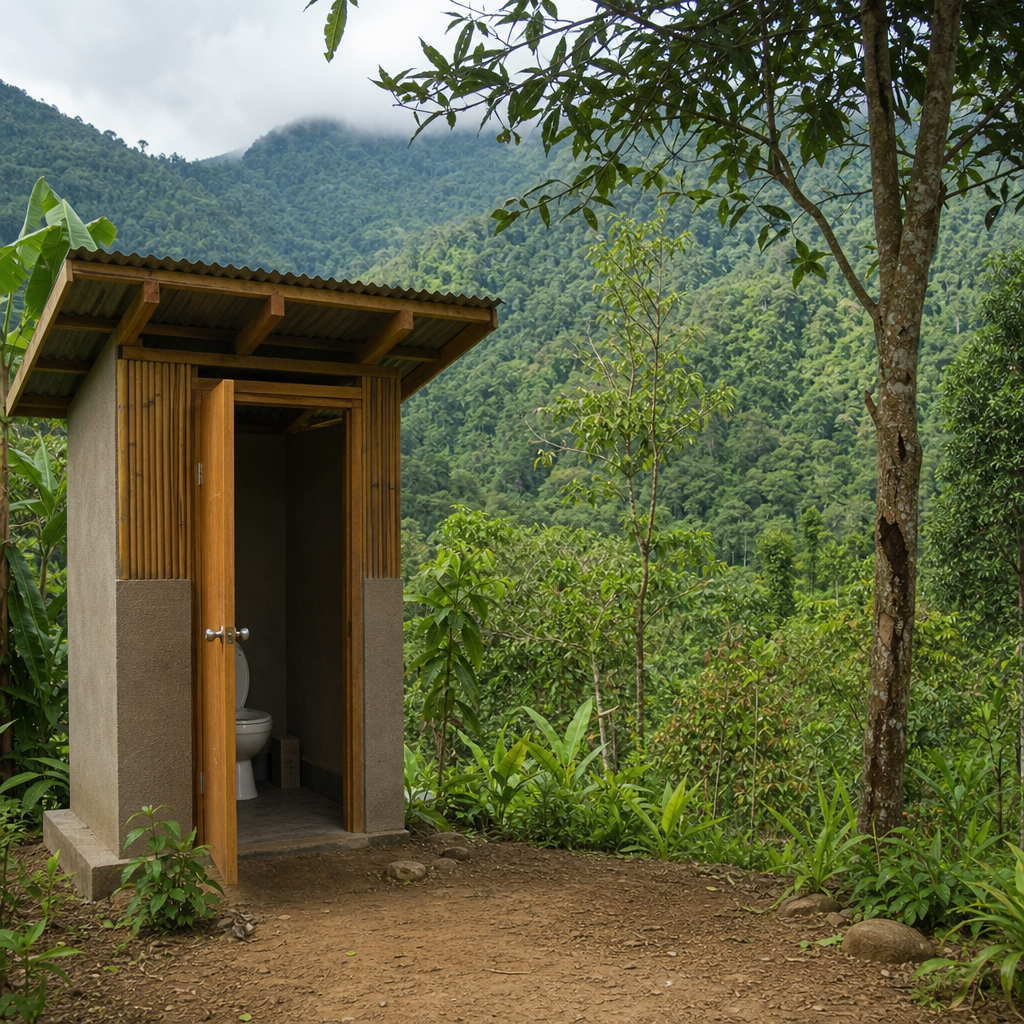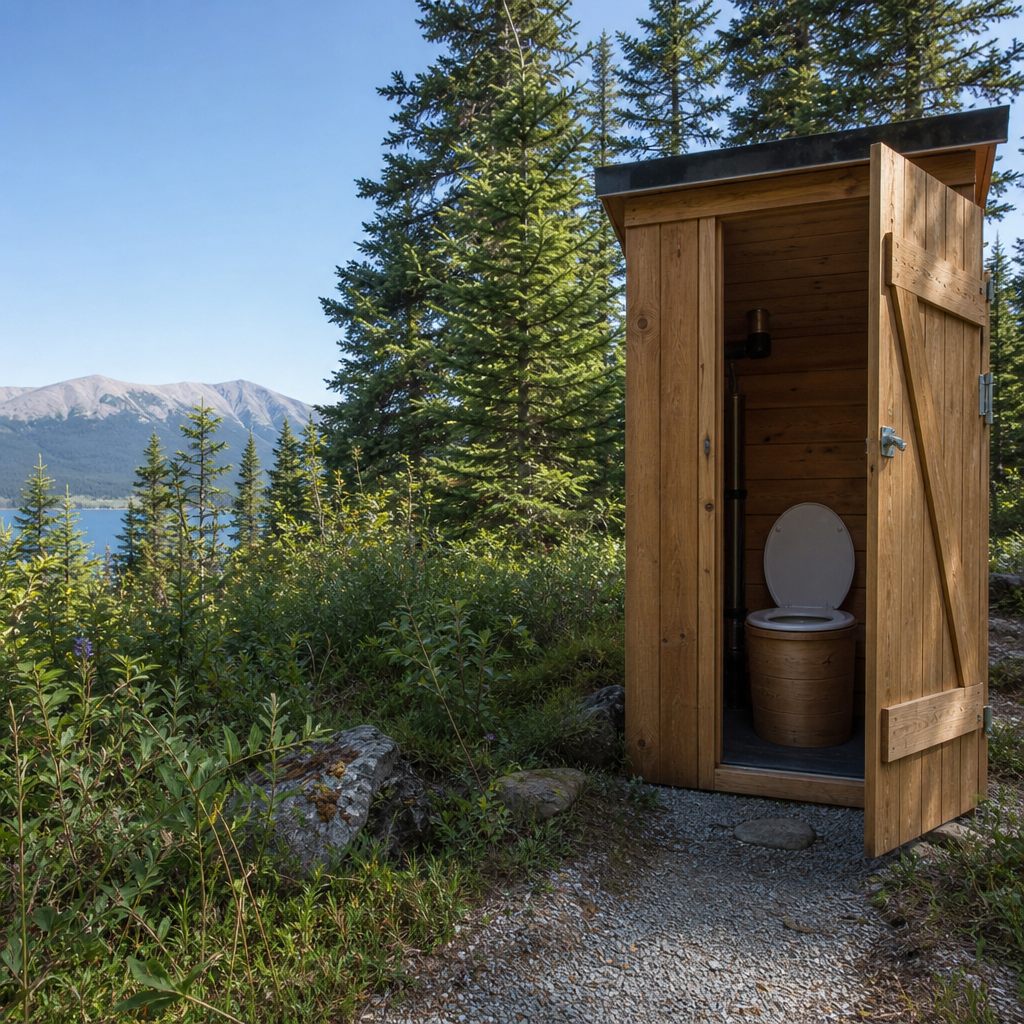
Dry toilets offer a practical way to cut water use, prevent pollution, recover nutrients, and build more resilient sanitation systems. In the broad field of environmental impact, they sit at the center of a simple but powerful idea: human waste does not have to be flushed away with drinking water and treated as a disposable problem. When handled safely, it can be managed as a resource. That is the core promise behind advancing environmental sustainability with EcoSan, short for ecological sanitation, and it is why this topic deserves hub-level attention.
A dry toilet is any toilet system that functions without routine water-based flushing. Common types include urine-diverting dry toilets, composting toilets, container-based sanitation units, and dehydrating toilets. EcoSan goes further than the fixture itself. It is a sanitation approach designed to protect public health while closing nutrient loops, conserving water, reducing energy demand, and minimizing contamination of soil and waterways. In practice, that means separating waste streams when useful, treating excreta to reduce pathogens, and returning nutrients or organic matter to productive use under controlled conditions.
I have worked with sanitation comparisons in buildings, camps, and rural projects, and the environmental case becomes clear once the full system is examined. A flush toilet may seem clean and modern at the user end, yet it depends on pipes, pumping, water supply, wastewater treatment, and discharge infrastructure. Every one of those stages carries environmental costs. Dry toilets shift the equation by reducing inputs and allowing localized treatment. For communities facing water stress, weak sewer networks, flood risk, or high treatment costs, that shift can be decisive.
This hub article explains the main environmental benefits of dry toilets and shows how EcoSan supports broader sustainability goals. It covers water conservation, nutrient recovery, climate and energy impacts, pollution prevention, soil improvement, biodiversity protection, and system resilience. It also addresses limitations, because sound environmental decisions depend on understanding design, maintenance, cultural acceptance, and regulation. Used well, dry toilets are not a niche curiosity. They are a credible sanitation strategy with measurable environmental value.
Water conservation and reduced pressure on freshwater systems
The most immediate environmental benefit of dry toilets is water conservation. Conventional toilets are among the largest indoor uses of potable water. Older flush models can use 13 liters or more per flush, while modern efficient units commonly use around 4.8 to 6 liters. In a household with frequent daily use, toilet flushing alone can account for a substantial share of domestic water demand. A dry toilet removes that demand almost entirely, which matters in regions where groundwater tables are falling, reservoirs are stressed, or treatment and pumping capacity is expensive.
The significance goes beyond household bills. Every liter sent to flushing is a liter abstracted from rivers, lakes, or aquifers, then transported and often treated to drinking-water quality before being used to move waste a short distance. That is an inefficient use of a high-value resource. Dry sanitation is especially relevant in drought-prone areas, informal settlements with unreliable supply, remote tourism sites, and buildings that aim to reduce total water intensity. In these settings, dry toilets often pair well with rainwater harvesting and greywater reuse, creating a much more balanced water budget.
From an environmental planning perspective, reduced flushing demand also lowers peak loads on municipal systems. Water utilities can delay infrastructure expansion when demand falls, and sewer systems experience lower hydraulic volumes. In combined sewer areas, less water entering the network can help reduce overflow events during storms. This is one reason dry toilets are increasingly discussed alongside water-sensitive urban design, decentralized sanitation, and climate adaptation planning.
Nutrient recovery and the logic of ecological sanitation
EcoSan treats nutrients in human excreta as valuable rather than waste. Urine contains most of the nitrogen and a large share of the phosphorus and potassium excreted by humans. Feces contain organic matter and additional nutrients. In conventional sewer systems, these nutrients are diluted, mixed with industrial and household wastewater, and then partially removed through energy-intensive treatment processes. Some are discharged into receiving waters, where they contribute to eutrophication. Dry toilets make source separation and targeted treatment possible, which is the foundation of nutrient recovery.
Urine-diverting systems are particularly important because they separate a relatively low-pathogen, nutrient-rich stream at the point of use. After appropriate storage and according to local regulations, the recovered liquid can be applied as fertilizer in agriculture, forestry, or landscaping. Fecal matter, when composted, dehydrated, or otherwise treated to achieve pathogen reduction, can contribute stable organic material to soils. The result is a circular model in which nutrients return to the land instead of being lost through discharge.
This matters because global phosphorus resources are finite and geographically concentrated, while synthetic nitrogen fertilizer production is energy intensive. EcoSan cannot replace all conventional fertilizer inputs, but it can offset part of them locally and reduce dependence on mined or industrially produced nutrients. In field discussions, I often frame it simply: dry toilets allow communities to stop paying to pollute water with nutrients they may later pay again to buy back as fertilizer.
Lower energy use and climate implications across the sanitation chain
Dry toilets can reduce energy demand and greenhouse gas emissions across the full sanitation chain, though outcomes depend on system design. Flush sanitation requires energy for raw water abstraction, potable water treatment, pumping through distribution networks, sewage conveyance, and wastewater treatment. Large treatment plants also consume electricity for aeration, solids handling, and nutrient removal. By reducing or eliminating water-based transport, dry toilets avoid much of that energy burden.
There are also construction impacts to consider. Sewer expansion, lift stations, and centralized treatment works require significant materials, excavation, and embodied carbon. In lower-density or remote areas, decentralized dry systems can achieve sanitation objectives with less infrastructure. That does not mean every dry toilet has a lower footprint in every context. Fan-assisted composting units, collection logistics in container-based systems, or poorly managed decomposition can add impacts. The environmental advantage comes from well-designed systems with appropriate maintenance and treatment.
A key climate point is methane and nitrous oxide control. Untreated sewage, overloaded lagoons, and poorly managed sludge can generate potent greenhouse gases. Dry systems that maintain aerobic composting conditions or controlled dehydration can reduce methane formation compared with anaerobic breakdown in waterlogged conditions. The design details matter: moisture balance, carbon cover material, ventilation, and emptying schedules all influence outcomes.
| Environmental factor | Conventional flush toilet systems | Dry toilet and EcoSan systems |
|---|---|---|
| Water use | Requires potable or treated water for every flush | Little to no flushing water required |
| Nutrient handling | Nutrients diluted in wastewater and often removed as waste | Nutrients can be separated, treated, and reused |
| Energy demand | High system energy for pumping and treatment | Lower system energy when locally managed well |
| Pollution risk | Sewer leaks, overflows, and nutrient discharge can affect waterways | Reduced waterborne pollution when treatment is correct |
| Infrastructure needs | Pipe networks and centralized facilities required | Can function in decentralized, off-grid settings |
Pollution prevention in rivers, lakes, groundwater, and coastal waters
One of the strongest environmental arguments for dry toilets is pollution prevention. Water-based sanitation systems can fail in multiple ways: leaking sewers, overloaded treatment plants, storm-driven overflows, failing septic tanks, and direct discharge where treatment is absent or weak. These failures release pathogens, nutrients, pharmaceuticals, and oxygen-demanding substances into the environment. The downstream consequences include algal blooms, fish kills, beach closures, degraded drinking water sources, and expensive remediation.
Dry toilets reduce the hydraulic pathway that carries pollution into water bodies. Because waste is captured without large volumes of transport water, there is less chance of untreated sewage being washed through a network or released during flood events. This is particularly relevant in areas with shallow groundwater, karst geology, seasonal inundation, or settlements located near sensitive water bodies. When dry systems are sealed, ventilated, and maintained properly, they offer stronger containment than poorly built pits or overloaded sewers.
Groundwater protection depends on the specific technology. A urine-diverting dry toilet with above-ground containment can substantially reduce infiltration risk compared with an unlined pit latrine. Composting or dehydration chambers that are watertight and regularly emptied also offer better control. The environmental gain comes from engineered containment and safe end-use practices, not simply from removing the flush.
Building healthier soils and supporting regenerative land management
Environmental sustainability with EcoSan is not only about avoiding harm. It is also about restoring ecological function. Treated outputs from dry toilets can help improve soil structure, water-holding capacity, and nutrient availability when used according to health safeguards and agricultural guidance. Soils depleted by erosion or low organic matter benefit from amendments that increase biological activity and aggregation. In practical terms, healthier soils retain more moisture, resist runoff, and support more stable plant growth.
Composted fecal matter is not a direct substitute for all fertilizers, and it must meet pathogen reduction requirements before land application. However, where standards are met, it can contribute organic carbon and improve soil physical properties. Urine-derived fertilizers can provide readily available nitrogen and potassium to crops. This is especially useful in farming systems where synthetic fertilizer is costly or difficult to access. The environmental benefit is cumulative: better soils can reduce irrigation demand, lower erosion losses, and improve resilience to drought.
These links make dry toilets relevant to regenerative agriculture, landscape restoration, and peri-urban food systems. The sanitation system becomes part of a broader material cycle rather than a linear disposal chain. That systems view is central to EcoSan and helps explain why dry toilets appear in sustainability strategies far beyond the sanitation sector alone.
Resilience, biodiversity, and the role of dry toilets in sustainable communities
Dry toilets also strengthen resilience. In disasters, droughts, flood-prone regions, high-altitude sites, and off-grid communities, flush systems can fail because they depend on continuous water supply, electricity, and intact underground networks. Dry systems can continue operating during service interruptions and can be deployed in schools, parks, camps, construction areas, and emergency settings with less supporting infrastructure. Resilience is an environmental benefit because service continuity reduces the likelihood of open defecation, improvised dumping, or untreated wastewater discharge during disruptions.
Biodiversity benefits follow from cleaner water and lower extraction pressure on ecosystems. When less freshwater is diverted for flushing, more remains in rivers and wetlands that support habitat. When nutrient and pathogen releases decline, aquatic ecosystems experience less stress. In coastal areas, reducing sewage pollution helps protect seagrass, shellfish waters, and coral-adjacent environments. These are not abstract gains. They affect fisheries, recreation, and ecosystem services that communities depend on.
For planners and property owners, the best results come from matching the technology to the context. A well-designed composting toilet in a nature reserve, a urine-diverting system in a water-scarce rural home, or a container-based service in a dense informal settlement can each deliver environmental value for different reasons. The common principle is controlled sanitation with low water demand and resource recovery potential.
Limits, safeguards, and how to evaluate dry toilet performance
Dry toilets are environmentally beneficial only when they are designed, managed, and accepted properly. Poor ventilation can create odor. Inadequate moisture control can interrupt composting. Unsafe handling can expose users or workers to pathogens. Nutrient reuse must follow storage, treatment, and application guidance, and local rules may restrict certain uses. These are not reasons to dismiss dry sanitation. They are reasons to treat it as infrastructure that requires standards, training, monitoring, and service models.
Evaluation should focus on whole-life performance. Useful indicators include liters of water saved, nutrient recovery rates, greenhouse gas emissions, pathogen reduction levels, transport distances for collection, user satisfaction, and cost per household served. Established organizations such as the World Health Organization, the International Organization for Standardization, and the Sustainable Sanitation Alliance provide frameworks and guidance relevant to health protection, treatment performance, and non-sewered sanitation systems. Serious EcoSan projects use these references rather than improvising.
For anyone building an environmental impact content hub, this is the central takeaway: dry toilets matter because they connect water conservation, pollution prevention, circular resource use, and climate resilience in one sanitation strategy. They are not universally superior, but in the right setting they are one of the clearest examples of environmental sustainability translated into daily practice. Explore the related articles in this EcoSan hub to compare technologies, treatment methods, installation contexts, maintenance requirements, and policy considerations before choosing a system.
Frequently Asked Questions
What are the main environmental benefits of dry toilets?
Dry toilets provide several important environmental benefits because they work without the constant use of water and avoid mixing human waste with large volumes of wastewater. One of the biggest advantages is water conservation. Conventional flush toilets can use many liters of clean drinking water every day just to transport waste, while dry toilets eliminate that need almost entirely. This makes them especially valuable in regions facing drought, groundwater stress, or rising demand on limited water supplies.
Another major benefit is pollution prevention. When waste is flushed into overloaded sewer systems, leaking septic tanks, or poorly managed treatment systems, it can contribute to nutrient pollution, pathogen spread, and contamination of rivers, lakes, and groundwater. Dry toilets reduce that risk by keeping waste contained at the source and allowing it to be managed more deliberately. This source-separation approach can reduce the burden on centralized wastewater infrastructure and help prevent untreated or partially treated sewage from entering the environment.
Dry toilets also support nutrient recovery. Human waste contains valuable nutrients such as nitrogen, phosphorus, and potassium, which are essential for plant growth. In ecological sanitation systems, these nutrients can be safely recovered and returned to the soil under proper treatment and management practices. Instead of treating human waste only as something to dispose of, dry toilets make it possible to recognize it as part of a circular resource system. This shift helps reduce dependence on synthetic fertilizers and supports a more regenerative, resilient approach to sanitation.
How do dry toilets help save water compared with traditional flush toilets?
Dry toilets save water by removing the flush function entirely. A conventional toilet depends on potable water to carry waste through pipes to a septic tank or sewage treatment plant. Even high-efficiency models still use water with every flush, and across households, schools, public facilities, and communities, that adds up quickly. Dry toilets break this pattern by managing waste without using clean water for transport, which can significantly reduce daily household water demand.
This matters because freshwater is increasingly under pressure from climate change, population growth, urban expansion, and agricultural demand. Using drinking-quality water to move waste is often seen as an inefficient use of a vital resource, especially in areas where people already face water scarcity or unreliable infrastructure. By switching to dry toilets, communities can redirect water to more essential needs such as drinking, cooking, hygiene, and food production.
The water-saving benefit is not only important in off-grid or rural settings. It can also be meaningful in eco-buildings, remote worksites, parks, and climate-resilient developments where reducing water consumption is part of a broader sustainability strategy. In this way, dry toilets do more than lower utility use. They challenge the assumption that sanitation must rely on wasteful water use, opening the door to systems that are both practical and environmentally responsible.
Can dry toilets reduce pollution and protect groundwater?
Yes, when they are properly designed, maintained, and managed, dry toilets can play a major role in reducing pollution and protecting groundwater. Traditional sanitation systems can become a source of contamination when pipes leak, septic systems fail, or treatment plants are overwhelmed by storms, rapid growth, or lack of investment. In these situations, sewage can carry pathogens, nitrogen, phosphorus, and other pollutants into surrounding soil and water sources. Dry toilets reduce this risk by containing waste without relying on water-based transport systems that can spread contamination over wider areas.
Because dry toilets keep solids and liquids from immediately entering the wastewater stream, they allow for more controlled treatment and handling. This is particularly important in places with high water tables, flood-prone conditions, rocky soils, or limited sewer infrastructure, where conventional systems can be difficult to manage safely. By reducing seepage and overflow risks, dry toilets can help safeguard wells, aquifers, streams, and nearby ecosystems from sanitation-related pollution.
That said, the environmental performance of a dry toilet depends on good practices. Safe storage, ventilation, regular maintenance, and appropriate treatment of collected material are essential. Ecological sanitation is not simply about avoiding a flush; it is about creating a responsible system for handling waste from start to finish. When that system is in place, dry toilets can be an effective tool for reducing nutrient runoff, protecting groundwater quality, and improving the overall environmental footprint of sanitation.
How do dry toilets support nutrient recovery and ecological sanitation?
Dry toilets are closely connected to the principles of ecological sanitation, often called EcoSan, because they make it possible to manage human waste as a resource rather than as disposable waste. Human excreta naturally contains nutrients that plants need, especially nitrogen, phosphorus, and potassium. In conventional sewer systems, these nutrients are diluted in wastewater and often become part of a costly treatment problem. In dry toilet systems, by contrast, waste can be kept separate, treated appropriately, and potentially reused in ways that return nutrients to the soil.
This matters because phosphorus and other agricultural inputs are not limitless, and modern farming often relies heavily on industrial fertilizers that require substantial energy and resource extraction to produce. Recovering nutrients through safe ecological sanitation practices can support circular economy goals, reduce waste, and help build healthier soil systems. In well-managed systems, treated outputs may be used in soil restoration, forestry, or agriculture according to local regulations, treatment standards, and public health guidance.
The broader environmental value is that dry toilets encourage a different sanitation model. Instead of using water to move nutrients away and then spending energy to remove them again, EcoSan systems aim to keep those nutrients in a manageable loop. This approach can reduce the environmental costs of both wastewater treatment and fertilizer production. It also strengthens resilience by making sanitation more locally adaptable, especially in places where centralized infrastructure is expensive, vulnerable, or unavailable.
Are dry toilets a sustainable long-term solution for climate resilience and sanitation access?
In many contexts, yes. Dry toilets can be a highly sustainable long-term solution because they are adaptable, low-water, and less dependent on large centralized infrastructure systems. As climate change increases pressure on water resources and intensifies floods, droughts, and infrastructure disruptions, sanitation systems that require constant water supply and extensive underground networks may become more vulnerable. Dry toilets offer a different model that can continue functioning in areas where water is scarce, sewer expansion is impractical, or extreme weather events regularly interrupt services.
They can also improve sanitation access in remote, informal, or underserved areas where the cost of building and maintaining conventional sewer systems is too high. In these settings, dry toilets may provide a practical path to safer sanitation while lowering environmental harm. Their flexibility makes them useful in rural communities, humanitarian settings, eco-developments, public recreation areas, and resilience planning efforts where conventional systems are not the best fit.
Long-term sustainability, however, depends on more than the toilet itself. Successful dry toilet systems require community acceptance, clear maintenance responsibilities, user education, safe treatment processes, and supportive policy or regulatory frameworks. When these elements are in place, dry toilets can contribute to environmental sustainability, public health protection, and more resilient sanitation systems overall. They represent a shift toward a smarter use of water, a more circular view of resources, and a sanitation approach that is better aligned with ecological limits.