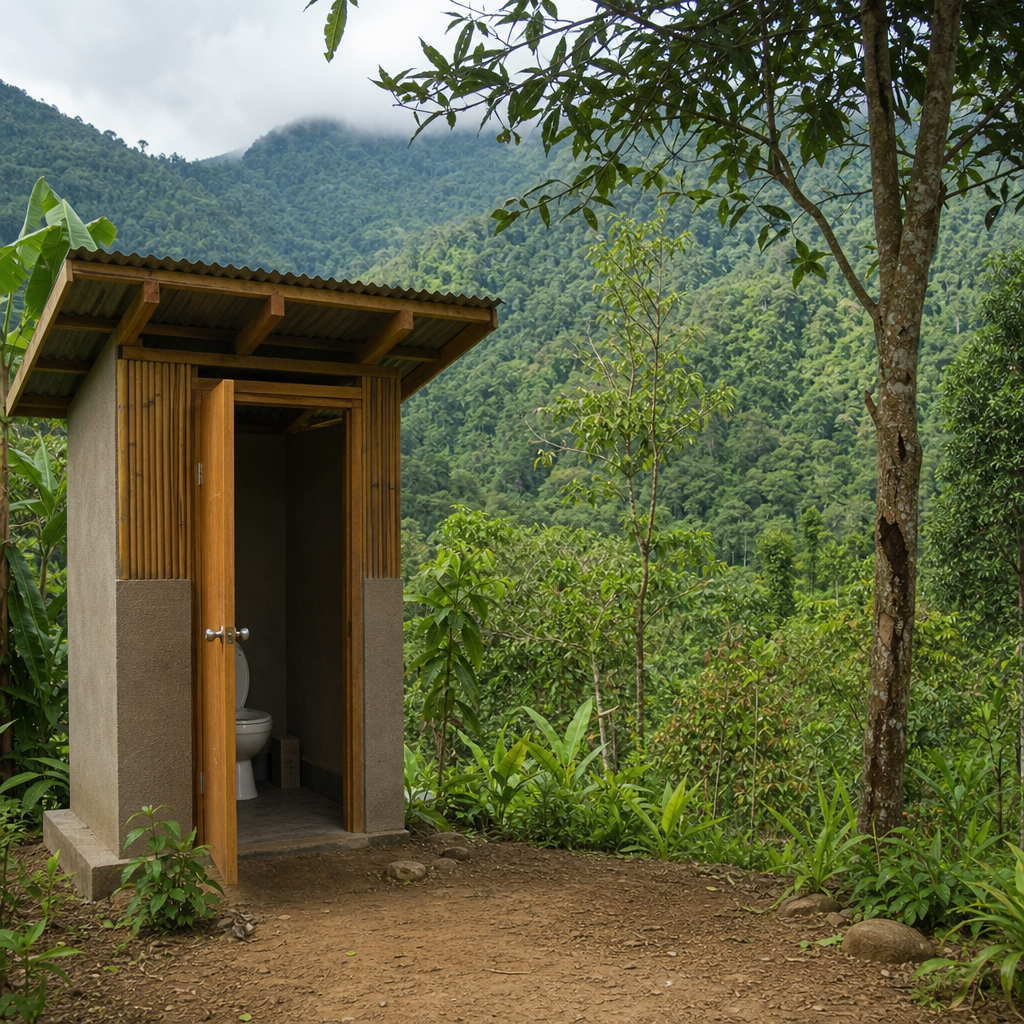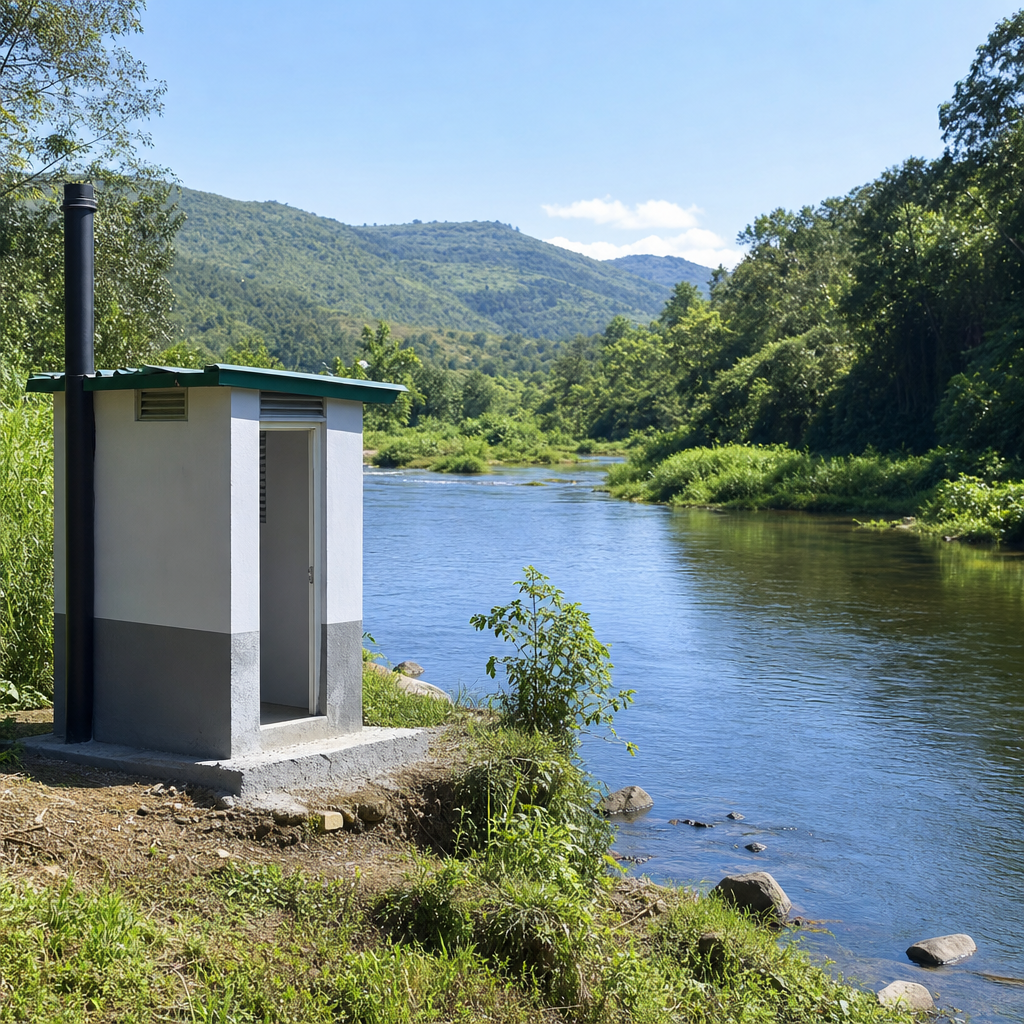
EcoSan and the conservation of aquatic ecosystems are inseparable because the way communities manage human waste directly shapes the quality of rivers, lakes, wetlands, estuaries, and groundwater. EcoSan, short for ecological sanitation, is an approach that treats human excreta and household wastewater as resources to be safely managed, recovered, and reused rather than discarded as pollution. In practice, that means separating waste streams, reducing water use, recovering nutrients, limiting pathogen release, and designing sanitation systems that fit local environmental conditions. I have worked with sanitation planning teams where the ecological consequences of poor waste management were impossible to ignore: algae-choked ponds downstream of settlements, nitrate contamination in shallow wells, and fisheries damaged by sewage-fed oxygen depletion. In each case, sanitation choices affected ecosystem health as much as they affected public health.
This matters because aquatic ecosystems are highly sensitive to nutrient overload, microbial contamination, toxic chemicals, and sediment disturbance. Conventional sanitation can protect waterways when sewer networks and treatment plants are well funded, competently operated, and matched to urban density. However, in many fast-growing towns, peri-urban settlements, flood-prone villages, and water-scarce regions, those conditions do not hold. Leaking septic tanks, open drains, uncontrolled sludge dumping, and direct discharge of untreated wastewater create chronic contamination pathways. EcoSan offers a different operating logic: contain contaminants at the source, sanitize them reliably, and return water, carbon, nitrogen, and phosphorus to productive use where appropriate. That is why this topic sits at the center of advancing environmental sustainability with EcoSan. It connects sanitation, watershed protection, climate resilience, circular resource management, food systems, and biodiversity conservation in one practical framework.
As a hub article, this page maps the full environmental case for EcoSan and explains the core questions readers usually ask. How does ecological sanitation reduce water pollution? What technologies are included under the EcoSan umbrella? Where does it outperform sewer-based systems, and where does it face limits? How can municipalities, utilities, NGOs, housing developers, and community organizations evaluate whether an EcoSan strategy will genuinely protect aquatic ecosystems? The answers depend on system design, user behavior, maintenance, treatment verification, and local hydrology. EcoSan is not a single toilet model and it is not automatically sustainable just because it uses less water. Done well, it is a disciplined sanitation approach that prevents nutrient and pathogen leakage, reduces abstraction pressure on freshwater resources, and supports safer material cycles. Done poorly, it can simply shift contamination from one place to another. Understanding that distinction is essential for anyone evaluating environmental impact.
How EcoSan Protects Water Quality at the Source
The most important environmental advantage of EcoSan is source control. Aquatic ecosystems are damaged when pollution enters water faster than natural processes can dilute, transform, or assimilate it. Human excreta contains nitrogen, phosphorus, organic matter, pathogens, pharmaceutical residues, and salts. If that mixture is flushed into overloaded sewers, discharged into open drains, or allowed to infiltrate from poorly built pits, receiving waters experience eutrophication, oxygen depletion, and disease risk. EcoSan interrupts this pathway by minimizing dilution with water and by separating waste streams so they can be treated according to their characteristics. Urine-diverting dry toilets are a common example. Urine contains most of the nitrogen and a large share of the phosphorus excreted by households, while feces carry the dominant pathogen load. Keeping them separate makes targeted treatment and reuse more feasible.
From a watershed perspective, this separation matters because it reduces the volume of contaminated liquid moving through the environment. In conventional flush systems, a small mass of pollutants is mixed with large volumes of freshwater, creating a transport problem that requires expensive collection and centralized treatment. In many low-income or rapidly urbanizing areas, infrastructure expansion cannot keep pace. The result is partial treatment at best. With EcoSan, sanitation planners can localize containment and treatment, which often lowers the chance of direct discharge to streams or seepage into aquifers. I have seen neighborhoods where shallow groundwater improved measurably after replacing overflowing pits near wells with lined, managed containment and scheduled treatment. The principle is simple: if nutrients and pathogens do not escape the sanitation chain, they do not reach the river.
Pollution Pathways EcoSan Is Designed to Break
To understand EcoSan’s role in conserving aquatic ecosystems, it helps to identify the main pollution pathways sanitation systems create. The first is nutrient runoff and infiltration. Excess nitrogen and phosphorus stimulate algal blooms, including cyanobacteria that can produce toxins harmful to fish, livestock, pets, and people. The second pathway is pathogen transport. Fecal bacteria, viruses, protozoa, and helminths can contaminate bathing waters, shellfish habitats, irrigation canals, and drinking water sources. The third is hydrological stress. Flush sanitation demands water; in water-scarce basins, high demand contributes to reduced environmental flows, degrading wetlands and stream habitat. The fourth is sludge mismanagement. Even when toilets capture waste, untreated fecal sludge is often emptied into drains, fields, or watercourses.
EcoSan addresses all four pathways when systems are properly managed. Dry or low-water designs reduce demand on local freshwater sources. Separation and on-site containment reduce uncontrolled leakage. Planned composting, dehydration, alkaline treatment, anaerobic digestion, or co-composting can inactivate pathogens and stabilize organic matter before reuse or disposal. A complete EcoSan chain also includes safe transport, storage, application standards, and monitoring. This is why sanitation professionals increasingly assess systems across the full service chain rather than just the toilet interface. A toilet that saves water but lacks a verifiable treatment endpoint does not protect an aquatic ecosystem. A well-designed EcoSan program, by contrast, closes the loop from containment to reuse with environmental performance as the core metric.
Core EcoSan Technologies and Their Environmental Performance
EcoSan includes several technology families, each with different strengths for aquatic conservation. Urine-diverting dry toilets reduce flushing demand and enable nutrient recovery. Double-vault composting toilets allow alternating use so one chamber can rest and transform while the other is active. Container-based sanitation can work in dense settlements where pits are unsuitable because of flooding, rocky ground, or high water tables; sealed containers reduce leakage and support scheduled collection. Biogas digesters can process excreta and organic wastes together, producing methane for cooking while lowering volatile solids. Constructed wetlands and decentralized wastewater treatment systems can complement EcoSan by polishing greywater before release or reuse. The right technology depends on density, climate, cultural acceptance, land availability, groundwater depth, and service capacity.
No single option is universally superior. In floodplains, raised container-based systems may outperform pit latrines because floodwater commonly spreads fecal contamination across large areas. In arid regions, urine diversion is valuable because it preserves water and retains plant nutrients. In farming communities with strong extension support, sanitized urine and composted biosolids can substitute for part of the mineral fertilizer bill, reducing nutrient discharge while improving soil organic matter. In dense apartment districts, fully decentralized systems may be harder to operate without a formal service provider, so clustered treatment with professional oversight can offer better environmental reliability. What defines success is not novelty but fit: the technology must match the hydrogeology, user practices, and maintenance regime. Aquatic ecosystems benefit when leakage, overflow, and uncontrolled disposal are engineered out of the system.
| EcoSan option | Main aquatic benefit | Best-fit context | Key limitation to manage |
|---|---|---|---|
| Urine-diverting dry toilet | Reduces water use and enables nutrient separation | Water-scarce or peri-urban areas | User training and separate storage |
| Double-vault composting toilet | Lowers pathogen release when resting periods are respected | Rural households with space | Moisture control and vault management |
| Container-based sanitation | Prevents leakage in flood-prone or high water table zones | Dense informal settlements | Reliable collection logistics required |
| Biogas digester | Stabilizes waste and reduces organic pollution loads | Institutions and farms with feedstock | Temperature sensitivity and skilled operation |
| Constructed wetland for greywater | Polishes effluent before discharge to waterways | Schools, compounds, clustered housing | Land area and vegetation maintenance |
Nutrient Recovery, Circularity, and the Link to Sustainability
A major reason EcoSan is central to advancing environmental sustainability is nutrient recovery. Phosphorus is a finite mined resource, and nitrogen fertilizer production is energy intensive, commonly relying on the Haber-Bosch process powered by fossil fuels. Yet households excrete both nutrients daily. When sanitation systems discharge them into waterways, they become pollutants; when systems recover them safely, they become inputs for agriculture or landscaping. Urine, after adequate storage based on temperature and intended crop use, can provide a nitrogen-rich fertilizer. Stabilized fecal matter or co-composted biosolids can contribute organic carbon and phosphorus. This is not a theoretical benefit. Programs in Sweden, South Africa, Uganda, and elsewhere have shown that nutrient recovery can reduce fertilizer costs and improve soil structure when managed under clear health safeguards.
The aquatic benefit is twofold. First, recovery reduces nutrient loading to lakes and coastal waters, lowering the risk of eutrophication. Second, healthier soils hold water and nutrients better, which can reduce agricultural runoff downstream. In watershed management, upstream soil quality often influences downstream water quality more than people expect. Where soils are depleted, rain mobilizes nutrients and sediments quickly. Rebuilding soil organic matter through safe compost application can improve infiltration and reduce surface transport. The environmental case for EcoSan therefore extends beyond the toilet. It supports circular metabolism at the settlement scale: nutrients return to land, water demand declines, sludge dumping falls, and receiving waters face a smaller pollutant burden. For communities balancing sanitation goals with food security and climate adaptation, that systems logic is especially valuable.
Groundwater Protection, Wetland Health, and Climate Resilience
Aquatic ecosystems are not limited to visible rivers and lakes. Groundwater-fed springs, riparian zones, marshes, peatlands, mangroves, and seasonally flooded wetlands all respond to sanitation failures. In areas with shallow aquifers, unlined pits and leaking septic tanks can introduce nitrate and microbes directly into groundwater. Nitrate contamination is especially concerning because it travels readily in oxidized conditions and threatens drinking water safety. EcoSan systems with lined containment, reduced infiltration, and managed collection are often better choices where households depend on shallow wells. Wetlands also benefit when sanitation planning accounts for flood recurrence. During extreme rain, conventional pits may overflow, spreading fecal matter into low-lying habitat. Elevated, sealed, or movable EcoSan systems can preserve containment during flood events.
Climate resilience strengthens the case further. More intense storms increase overflow risks, while longer droughts make flush-dependent sanitation less reliable and less environmentally defensible. EcoSan systems that require little or no water are inherently less vulnerable to drought stress. Decentralized treatment can also recover faster after disasters because it does not rely on a single trunk sewer or central plant. That said, resilience is not automatic. Composting and dehydration depend on moisture balance, temperature, and disciplined operation. In humid climates, additional design features such as ventilation, cover material, or sheltered storage may be necessary. Effective climate-resilient EcoSan planning uses hazard maps, groundwater data, seasonal calendars, and maintenance contracts. Protecting aquatic ecosystems under climate pressure requires exactly this level of practical detail.
Implementation Challenges and What Good Programs Do Differently
EcoSan succeeds environmentally only when implementation quality is high. The common failure points are predictable: poor user acceptance, inadequate emptying services, weak pathogen treatment, and unrealistic assumptions about maintenance. I have seen projects launch with impressive hardware and fail because no one clarified who would collect containers, verify composting temperatures, inspect urine storage tanks, or enforce safe agricultural use. That is why mature EcoSan programs focus on service models, not just products. They budget for training, monitoring, spare parts, operator certification, and behavior support. They also establish treatment standards using recognized guidance from the World Health Organization, ISO sanitation-related frameworks, or national biosolids and reuse regulations where available.
Good programs also communicate tradeoffs honestly. Dry systems can reduce water pollution, but some users prefer flush toilets and may resist unfamiliar routines. Nutrient reuse can create value, but only if logistics and quality assurance are dependable. Decentralized systems can cut network costs, yet they still require institutional capacity. The environmental lesson is straightforward: technology alone does not conserve aquatic ecosystems; accountable management does. For planners building this subtopic into broader environmental impact strategy, the practical next step is to map local pollution pathways, compare sanitation service chains, and prioritize EcoSan designs that deliver verifiable containment, treatment, and reuse. When those conditions are met, EcoSan becomes more than a sanitation alternative. It becomes a watershed protection tool, a circular economy platform, and a credible route to advancing environmental sustainability with lasting benefits for aquatic ecosystems and the communities that depend on them.
Frequently Asked Questions
What is EcoSan, and why is it important for conserving aquatic ecosystems?
EcoSan, or ecological sanitation, is a sanitation approach built around the idea that human waste and household wastewater should be managed as valuable resources rather than disposed of as pollution. Instead of flushing nutrients, organic matter, and pathogens into waterways or overloading centralized treatment systems, EcoSan promotes source separation, safe treatment, water conservation, and the recovery of reusable materials such as composted biosolids, nutrients, and in some cases treated greywater. This matters for aquatic ecosystem conservation because rivers, lakes, wetlands, estuaries, and groundwater are highly sensitive to contamination from untreated or poorly managed sewage.
When sanitation systems fail or are designed only to remove waste from sight, the result is often nutrient loading, pathogen contamination, oxygen depletion, algal blooms, and long-term damage to aquatic biodiversity. EcoSan helps break that pattern by reducing direct discharge, minimizing leakage into groundwater, and limiting the flow of nitrogen and phosphorus into natural waters. It also lowers water demand by avoiding unnecessary flushing and encouraging reuse where it can be done safely. In practical terms, EcoSan supports cleaner water, healthier habitats, more resilient fisheries, and improved public health, all while reinforcing the idea that sanitation and ecosystem stewardship should work together rather than in conflict.
How does poor sanitation harm rivers, lakes, wetlands, and groundwater?
Poor sanitation affects aquatic ecosystems in several connected ways, and the damage can be both immediate and long lasting. One of the biggest problems is the release of pathogens from untreated sewage. Bacteria, viruses, and parasites can enter rivers, shallow groundwater, and coastal waters, making them unsafe for drinking, fishing, recreation, and irrigation. Communities that depend directly on these water sources often face repeated cycles of disease, while aquatic species are stressed by declining water quality and habitat degradation.
Nutrient pollution is another major concern. Human waste contains nitrogen and phosphorus, which are useful in agriculture when handled properly but harmful in excess when released into water bodies. These nutrients can trigger eutrophication, a process in which dense algal growth blocks sunlight, reduces oxygen levels, and leads to fish kills and the collapse of sensitive aquatic food webs. Wetlands and estuaries may lose their ecological balance, and lakes can become chronically degraded over time. In addition, sanitation systems that leak or overflow can contaminate groundwater with nitrates and microbial pollutants, creating serious risks for drinking water supplies. The cumulative effect is a decline in ecosystem function, biodiversity, and the ability of aquatic environments to provide clean water and other essential services.
What specific EcoSan practices help protect aquatic environments?
Several EcoSan practices directly reduce pressure on aquatic ecosystems by preventing pollution at the source. One of the most important is source separation, where urine, feces, and greywater are managed differently based on their characteristics. This allows nutrients to be recovered more efficiently and makes treatment safer and more targeted. Urine-diverting dry toilets, composting toilets, and container-based sanitation systems are common examples. These technologies reduce the need for large volumes of flush water and help keep raw sewage out of drains, streams, and groundwater.
Safe treatment and reuse are equally important. Fecal matter can be composted or otherwise sanitized under controlled conditions, while urine can be stored and applied as a nutrient source where regulations and safety protocols allow. Greywater from washing and household use can be filtered and reused for landscape irrigation or other non-potable purposes, reducing both freshwater demand and wastewater discharge. EcoSan also emphasizes proper operation, maintenance, user training, and public health safeguards, because even well-designed systems only protect ecosystems when they are managed consistently. Together, these practices reduce nutrient runoff, limit pathogen exposure, conserve water, and create a more circular relationship between sanitation and environmental management.
Can EcoSan really support both community health and ecosystem restoration?
Yes, and that dual benefit is one of EcoSan’s strongest advantages. Healthy aquatic ecosystems and healthy communities are closely linked, especially in places where people rely on local rivers, wetlands, lakes, or groundwater for drinking water, food production, and livelihoods. By reducing the release of untreated waste, EcoSan lowers exposure to disease-causing organisms and improves the safety of local water resources. That directly supports public health outcomes, especially for children and vulnerable populations who are often most affected by poor sanitation and contaminated water.
At the same time, EcoSan can contribute to ecosystem restoration by cutting the flow of pollutants that degrade habitat quality. When nutrient and pathogen loads decline, aquatic systems have a better chance to recover their natural balance. Oxygen levels improve, algal blooms become less frequent, biodiversity can rebound, and wetlands are better able to perform their natural filtering functions. In agricultural communities, the reuse of safely treated nutrients can also reduce dependence on synthetic fertilizers, which may further lessen runoff into nearby waters. While EcoSan alone is not a complete restoration strategy, it is a powerful foundational tool that aligns sanitation, watershed protection, and resource recovery in a way that benefits both people and nature.
What challenges can communities face when adopting EcoSan, and how can they overcome them?
Adopting EcoSan can bring significant environmental benefits, but it also requires thoughtful planning and community engagement. One common challenge is public acceptance. In many places, people are unfamiliar with the idea of separating waste streams or reusing treated sanitation products, and cultural perceptions can slow adoption. Another challenge is technical capacity. EcoSan systems must be designed for local conditions such as climate, soil, water availability, settlement density, and maintenance capacity. If systems are poorly matched to the setting or not maintained properly, they may fail to deliver the intended health and environmental benefits.
Communities can overcome these barriers through education, demonstration projects, and strong institutional support. Clear communication about how EcoSan protects water resources, reduces disease risks, and creates useful outputs can build trust and long-term participation. Training for households, operators, and local authorities is essential so that systems are used correctly and maintained safely. Policies and financing mechanisms also matter, because successful EcoSan programs often depend on supportive regulations, monitoring, and investment in collection, treatment, and reuse infrastructure. When implementation is participatory and adapted to local realities, EcoSan becomes far more than a sanitation technology. It becomes a practical framework for conserving aquatic ecosystems while improving resilience, public health, and resource efficiency.