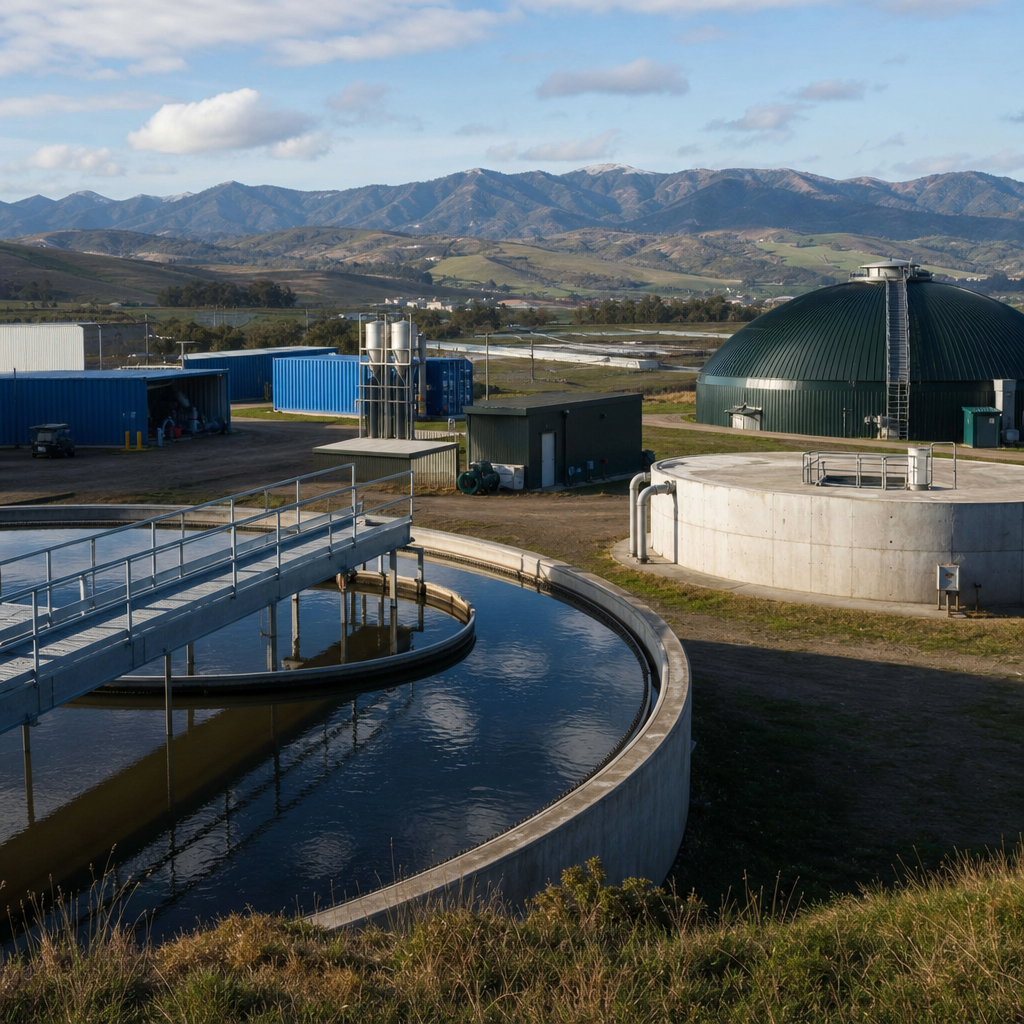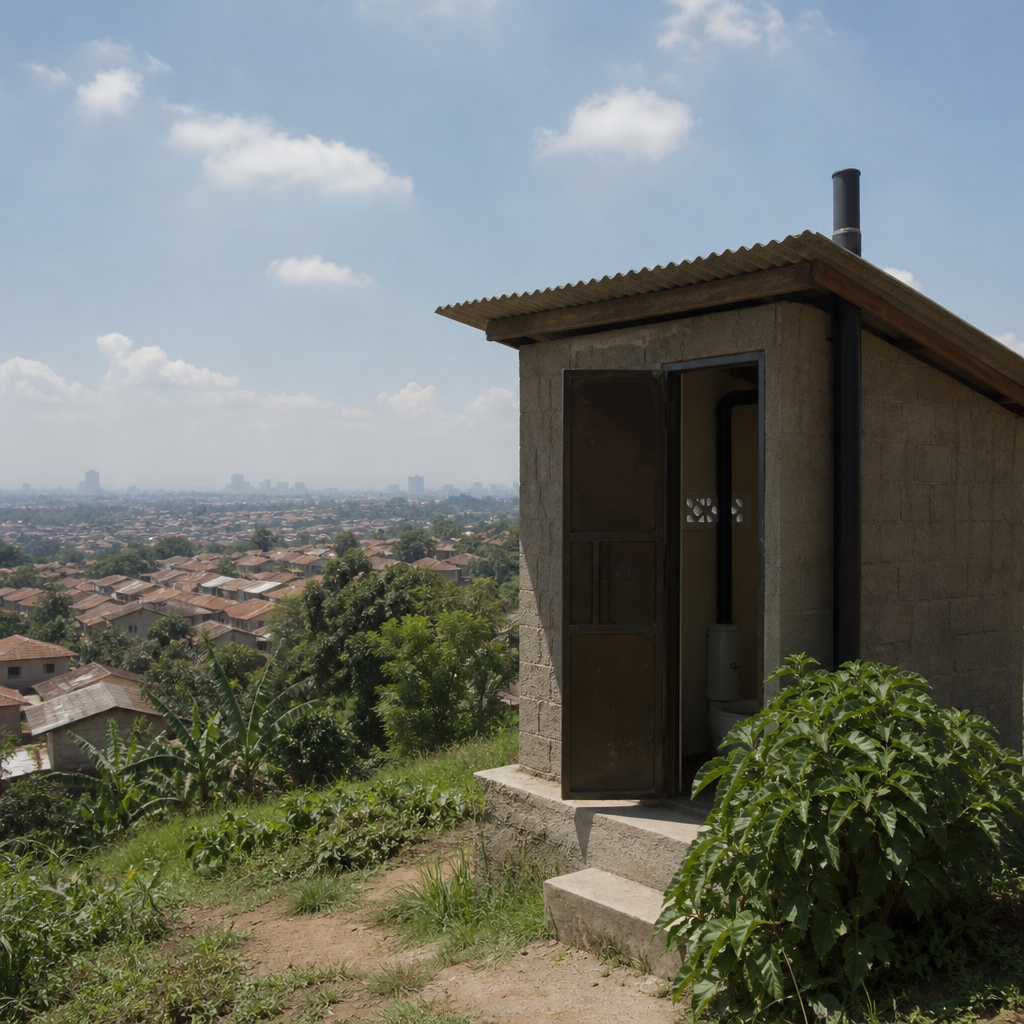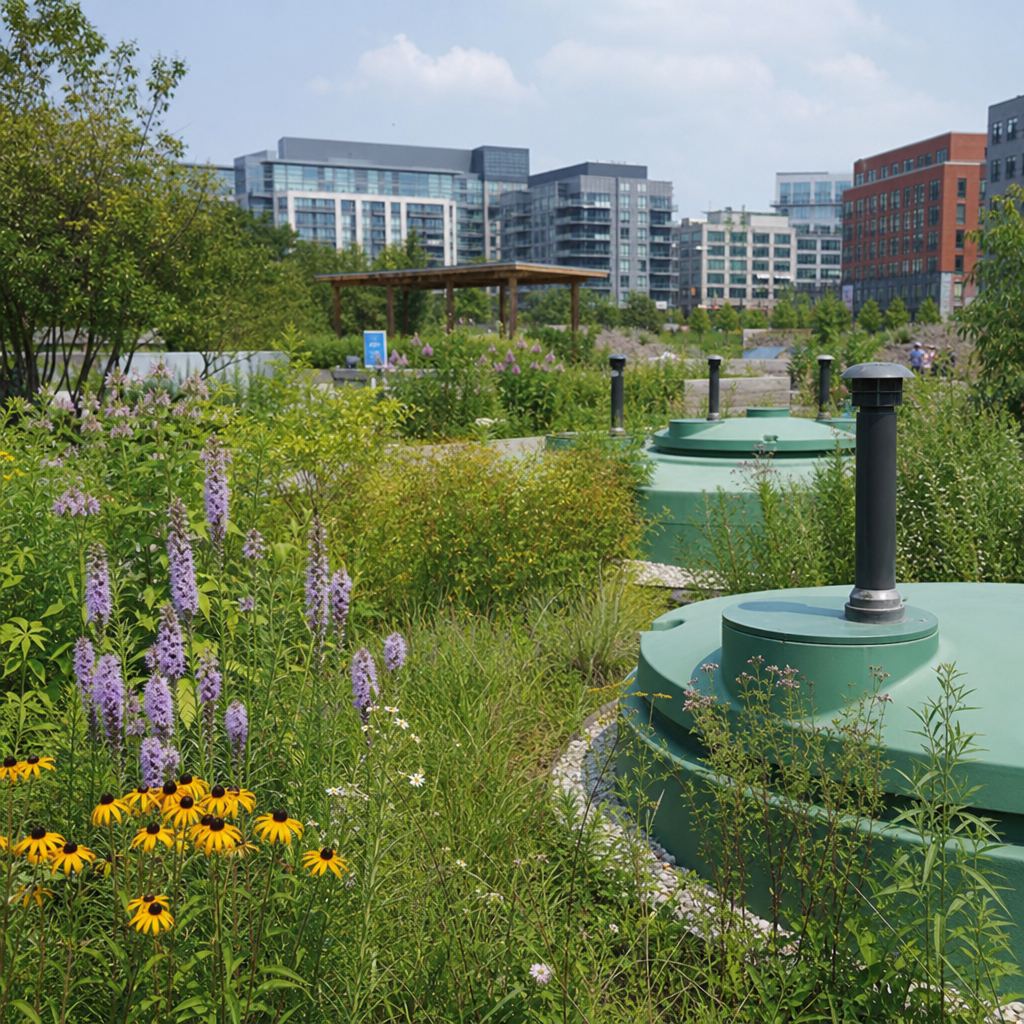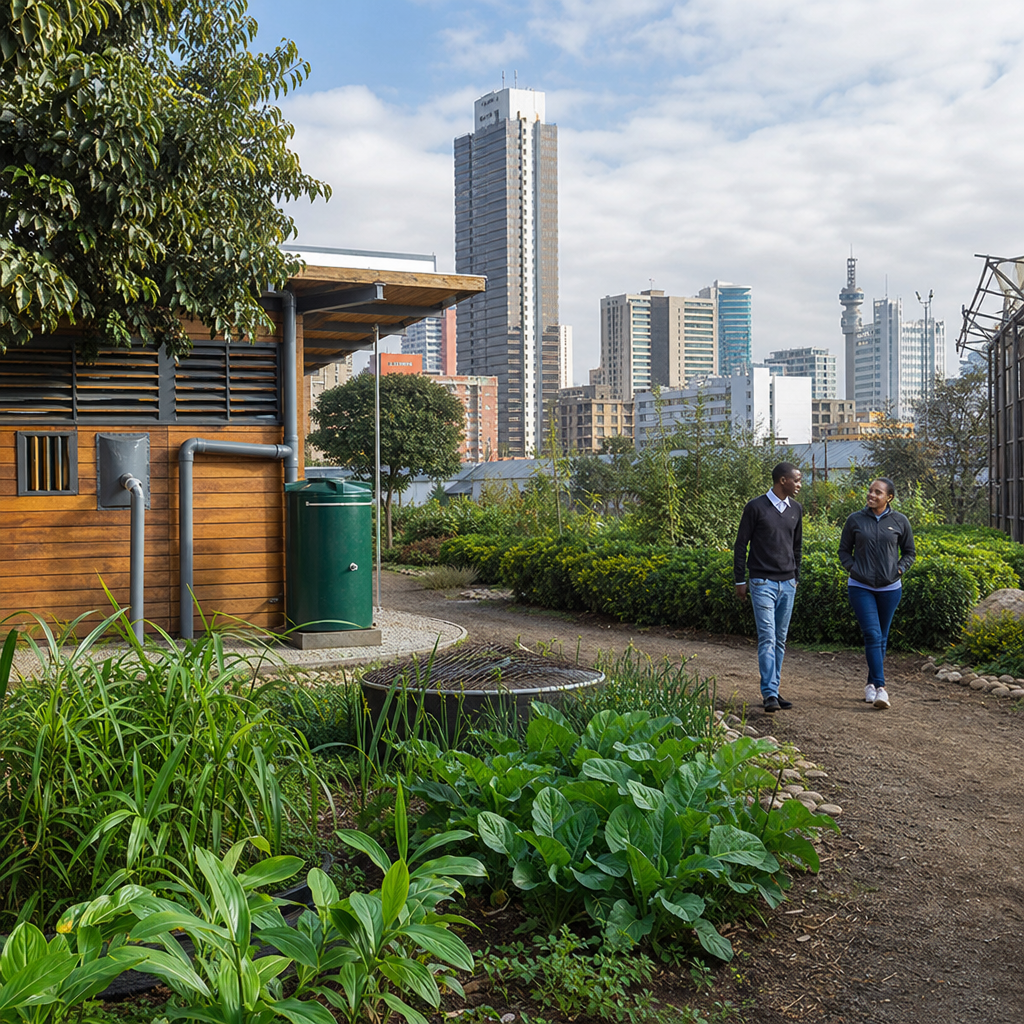
EcoSan’s contribution to sustainable urban development is most visible where cities face the same three pressures at once: rapid population growth, aging sanitation systems, and rising environmental risk. EcoSan, short for ecological sanitation, is an approach that treats human waste and wastewater not as material to hide and discard, but as resources to manage safely, recover, and reuse. In practice, that means designing sanitation systems that protect public health, conserve water, reduce pollution, recover nutrients, and fit local urban conditions. I have worked on urban environmental planning projects where the sanitation decision shaped everything from stormwater quality to neighborhood operating costs, and the lesson was consistent: cities do not become sustainable by transport and energy policy alone. They become sustainable when basic services, especially sanitation, stop damaging the ecosystems they depend on.
For a hub article on EcoSan and the environment, the core idea is straightforward. Conventional urban sanitation often follows a linear model: flush, collect, transport, treat partly or inadequately, and discharge. That system can work where infrastructure is robust, energy is affordable, and treatment plants are well maintained. Yet in many cities, especially fast-growing districts, the model leaks value and creates harm. Nutrients that could support agriculture become water pollutants. Potable water is used to move waste. Combined sewers overflow during storms. Informal settlements are left with unsafe containment or expensive emptying. EcoSan changes the logic by separating waste streams where useful, supporting decentralized or hybrid treatment, and designing for nutrient cycling, water efficiency, and resilience. Its importance to sustainable urban development lies in that systems view: sanitation affects land use, climate adaptation, energy demand, water security, and social equity all at once.
Understanding EcoSan also requires clear definitions. Sustainable urban development means meeting present urban needs without undermining environmental quality, resource availability, or public health for future residents. Environmental impact in this context includes water contamination, greenhouse gas emissions, eutrophication, soil degradation, resource depletion, and biodiversity stress linked to urban waste management. EcoSan technologies can include urine-diverting dry toilets, composting toilets, source-separation systems, blackwater treatment with anaerobic digestion, graywater reuse, constructed wetlands, container-based sanitation, and fecal sludge treatment designed for safe resource recovery. Not every city needs every option. The strength of EcoSan is not a single device; it is a planning framework that matches technology, governance, and user behavior to environmental goals. That is why this article serves as a hub: to explain how EcoSan supports cleaner water, circular resource use, lower emissions, stronger resilience, and more inclusive urban growth.
How EcoSan reduces urban pollution at the source
EcoSan reduces pollution by interrupting the pathways that carry pathogens, nitrogen, phosphorus, organic matter, and chemicals from households into rivers, lakes, groundwater, and coastal waters. In conventional underperforming systems, leakage from sewers, septic tanks, and drains is common. During field assessments, I have seen neighborhoods where wastewater from toilets, kitchens, and wash areas mixed in open drains before entering a canal used downstream for irrigation. That pattern is environmentally destructive because it spreads disease risk and accelerates eutrophication. When excess nitrogen and phosphorus enter water bodies, algal blooms increase, dissolved oxygen falls, and aquatic ecosystems degrade. EcoSan addresses this by improving containment, separating streams when practical, and treating waste closer to where it is generated or in facilities designed for recovery.
Source separation is one of the most effective examples. Urine contains most of the nitrogen and a large share of the phosphorus and potassium excreted by humans, while feces carry the largest pathogen load. Separating these streams simplifies treatment and allows targeted reuse. Graywater from bathing and laundry has a different treatment profile again. By not mixing everything into one diluted waste stream, cities can reduce treatment complexity, lower water consumption, and recover materials more efficiently. Constructed wetlands, anaerobic baffled reactors, and decentralized treatment units can then be sized to actual loads rather than to a fully combined system. The environmental payoff is immediate: lower pollutant discharge, less strain on receiving waters, and better compliance with water quality goals set by municipal regulators.
Water conservation and smarter urban water cycles
One of the clearest environmental advantages of EcoSan is water conservation. Flush toilets in conventional systems can use significant volumes of high-quality drinking water simply to transport excreta. In water-stressed cities, that is a poor allocation of a scarce resource. Ecological sanitation systems reduce or eliminate flushing demand, use low-flush or vacuum systems, or separate graywater for local treatment and reuse. This matters because urban water sustainability depends not only on finding new supply but also on reducing nonessential demand. Every cubic meter of potable water saved in sanitation can support households, industry, green space, or drought reserves.
Graywater reuse is especially valuable in dense developments. Water from showers, sinks, and laundry can be treated for landscape irrigation, toilet flushing, or other nonpotable uses. Cities such as Singapore and Windhoek have demonstrated the strategic importance of closing water loops through advanced reuse, while building-scale and district-scale systems in Europe and Australia show how decentralized reuse can reduce demand on centralized networks. EcoSan aligns with that direction by designing sanitation as part of the broader urban water cycle. Instead of treating wastewater as a disposal problem, it becomes a managed flow with multiple uses. The result is lower freshwater abstraction, reduced wastewater discharge, and stronger resilience during drought, which is increasingly important as climate variability reshapes urban water planning.
Resource recovery turns waste into urban value
EcoSan contributes to sustainable urban development because it supports a circular economy. Human excreta contain nutrients essential for plant growth, especially nitrogen, phosphorus, and potassium. Phosphorus is particularly important because it is mined from finite phosphate rock reserves, and global agriculture depends on it. Recovering nutrients from sanitation systems reduces the need for virgin inputs and creates a more local nutrient cycle. In practical terms, treated urine can be used as fertilizer under controlled conditions, composted fecal matter can become a soil amendment where regulations allow, and sludge can feed anaerobic digesters that produce biogas.
Resource recovery is not a theoretical benefit. Stockholm’s long-running work on urine diversion, the widespread use of ecological toilets in parts of Sweden, and fecal sludge-to-compost initiatives in East and West Africa all show that urban sanitation can create usable outputs when treatment standards, logistics, and user acceptance are addressed. I have seen municipal teams shift their view of sludge management once they understood disposal was not the only endpoint. When transport, drying, co-composting, pelletizing, and quality testing are organized properly, the economics improve. The city gains cleaner surroundings, lower disposal pressure, and products that support landscaping, peri-urban farming, or energy generation. The environmental gain is the substitution effect: every unit of nutrient or fuel recovered can reduce demand for synthetic fertilizer or fossil energy, provided safety controls are rigorous.
Climate benefits, energy efficiency, and resilience
Sanitation systems have a climate profile that cities often underestimate. Wastewater treatment can consume large amounts of energy, while unmanaged waste releases methane and nitrous oxide, both potent greenhouse gases. EcoSan can reduce emissions through lower water pumping needs, decentralized treatment with smaller energy footprints, and controlled anaerobic digestion that captures biogas instead of allowing methane to escape. It can also improve resilience by reducing dependence on a single centralized network vulnerable to flooding, power outages, or mechanical failure.
In flood-prone districts, conventional pit systems and damaged sewers can spread contaminants widely during storms. Ecological sanitation planning responds by elevating units, improving containment, separating stormwater from sanitation flows, and using modular treatment systems that can continue operating when one component fails. Hybrid systems are often the most realistic urban answer: centralized treatment where density and pipe networks justify it, combined with decentralized reuse or fecal sludge management where formal sewer coverage lags. That flexibility is environmentally important because climate adaptation is not only about larger drains and sea walls. It is also about ensuring sanitation does not collapse under extreme weather. A city with resilient sanitation avoids contamination events, protects waterways after storms, and reduces the public health shocks that typically follow service failure.
Environmental and urban development outcomes by EcoSan approach
| EcoSan approach | Main environmental benefit | Urban development value | Typical use case |
|---|---|---|---|
| Urine-diverting toilets | Nutrient recovery, reduced water use | Lower treatment load, fertilizer potential | Water-scarce districts, schools, pilot housing |
| Composting toilets | Reduced discharge, soil amendment production | Off-grid sanitation, lower sewer expansion costs | Peri-urban edges, parks, informal growth zones |
| Graywater reuse systems | Freshwater savings, lower effluent volume | Reduced utility demand, drought resilience | Apartments, campuses, mixed-use developments |
| Anaerobic digestion | Biogas capture, stabilized sludge | Energy recovery, lower disposal burden | Treatment plants, markets, institutions |
| Constructed wetlands | Natural treatment, habitat support | Low-energy treatment, urban landscape value | Satellite communities, eco-districts |
| Container-based sanitation | Safe containment in dense areas | Service access without immediate sewer buildout | Informal settlements, high water table zones |
Public health, equity, and livable neighborhoods
Environmental performance cannot be separated from human outcomes. Cities are sustainable only when sanitation protects health across all neighborhoods, not just formal central districts. EcoSan helps by expanding safe service options where conventional sewers are delayed, unaffordable, or technically difficult. Container-based sanitation, decentralized treatment, and scheduled fecal sludge collection can dramatically reduce open dumping, drain discharge, and unmanaged pits in dense low-income areas. That improves local air and water quality, reduces vector breeding, and lowers exposure to enteric disease.
There is also an equity dimension that planners sometimes miss. Large sewer projects can absorb capital for years while underserved settlements wait. EcoSan provides modular pathways that improve conditions sooner. In schools and public facilities, well-designed ecological sanitation can increase dignity, privacy, and reliability, especially where water supply is intermittent. For women, children, older adults, and people with disabilities, those design details matter as much as the treatment process. A cleaner canal, fewer flooded latrines, and safer sludge handling are environmental gains, but they are also quality-of-life gains that make neighborhoods more stable and investable. Sustainable urban development depends on both.
What cities need to make EcoSan work at scale
EcoSan succeeds when cities treat it as infrastructure plus service management, not as a stand-alone toilet program. The essential conditions are policy support, technical standards, operations funding, user education, and monitoring. World Health Organization sanitation safety planning provides a practical framework for identifying hazards from containment through transport, treatment, and reuse. ISO 30500 has also helped define performance expectations for non-sewered sanitation systems. Without standards and enforcement, the environmental promise of EcoSan can be undermined by poor maintenance or unsafe reuse.
Scaling also requires honest attention to tradeoffs. Source separation demands user acceptance and collection logistics. Composting and reuse require pathogen reduction, quality assurance, and market development. Decentralized systems need trained operators, not just installation budgets. In some dense urban cores, conventional sewers with high-performing treatment may remain the best option. EcoSan is not anti-sewer; it is pro-outcome. The most effective urban strategies combine centralized and decentralized approaches based on density, topography, groundwater conditions, affordability, and environmental targets. Cities that map sanitation service chains, quantify nutrient flows, and compare life-cycle costs are consistently better at making the right choice. That is where EcoSan has its greatest value as a hub topic within environmental impact: it connects wastewater, water reuse, public health, circular economy, and climate resilience into one urban development strategy.
EcoSan’s contribution to sustainable urban development is therefore practical, measurable, and broad. It cuts pollution at the source, conserves water, recovers nutrients and energy, strengthens climate resilience, and extends safe sanitation to underserved communities. More importantly, it helps cities move from a linear waste model to a circular urban metabolism, where resources are protected and environmental damage is reduced rather than displaced downstream. The strongest EcoSan programs do not rely on one technology or one ideology. They match local conditions with safe containment, appropriate treatment, reliable operations, and realistic reuse pathways.
As the central page for EcoSan and the environment, this topic should guide readers toward the connected questions that matter most: water efficiency, nutrient recovery, fecal sludge management, decentralized treatment, public health protection, and climate adaptation. Each of those deserves deeper treatment, but the core conclusion is already clear. Cities that integrate ecological sanitation into planning make better environmental decisions because they see sanitation as part of the whole urban system. If you are shaping policy, designing infrastructure, or evaluating environmental impact, start by mapping your sanitation flows and identifying where EcoSan principles can deliver the fastest, safest gains.
Frequently Asked Questions
1. What is EcoSan, and why is it important for sustainable urban development?
EcoSan, or ecological sanitation, is a sanitation approach built around a simple but transformative idea: human waste and wastewater should be managed as valuable resources rather than treated only as waste to be removed and discarded. In urban development, that matters because cities are under growing pressure from population growth, overstretched infrastructure, water scarcity, pollution, and climate-related environmental risk. Traditional sanitation systems often depend on large volumes of water, expensive sewer networks, and centralized treatment plants that can be difficult to expand quickly in rapidly growing urban areas. EcoSan offers a more flexible and resource-efficient model.
Its importance in sustainable urban development comes from its ability to support several urban goals at once. First, it protects public health by improving the safe containment, treatment, and handling of human waste. Second, it helps conserve water by reducing reliance on flush-based systems where appropriate. Third, it can recover nutrients and organic matter for productive reuse, which supports circular economy principles. Fourth, it lowers pollution risks by preventing untreated waste from entering rivers, groundwater, and neighborhoods. When cities are trying to become more resilient, efficient, and inclusive, EcoSan gives them a practical framework for building sanitation systems that are not only safer, but also better aligned with environmental and resource realities.
2. How does EcoSan help cities manage rapid population growth and aging sanitation infrastructure?
One of EcoSan’s strongest contributions is that it helps cities respond to growth without depending entirely on massive, slow-moving sewer expansion projects. In many urban areas, population increases have outpaced infrastructure investment for years. As a result, existing sewer systems may be overloaded, treatment facilities may be underperforming, and informal or low-income settlements may have little or no reliable sanitation service at all. EcoSan can help bridge that gap because it supports decentralized, modular, and locally adaptable solutions that can be implemented in stages.
Instead of assuming every household must be connected to one centralized network, EcoSan allows planners to match sanitation design to local conditions. In dense neighborhoods, peri-urban settlements, water-scarce districts, or flood-prone areas, this flexibility is especially valuable. Systems can be designed to safely separate, collect, treat, and reuse waste streams in ways that reduce pressure on old sewer lines and treatment plants. This not only extends the useful life of aging infrastructure, but can also lower capital costs and improve service coverage in places where conventional systems are financially or technically difficult to install.
Just as importantly, EcoSan supports more resilient urban planning. Cities do not all grow in a uniform way, and sanitation systems need to adapt to that reality. By encouraging solutions that can be scaled, maintained locally, and integrated with neighborhood-level infrastructure, EcoSan helps municipalities improve service delivery while planning for long-term urban expansion. It is not a one-size-fits-all replacement for every conventional system, but it is a powerful strategy for making urban sanitation more responsive to real-world growth patterns.
3. In what ways does EcoSan reduce environmental risk in urban areas?
EcoSan reduces environmental risk by addressing one of the biggest sources of urban contamination: poorly managed human waste and wastewater. When sanitation systems fail or are incomplete, untreated waste can seep into groundwater, flow into rivers and drainage channels, pollute soils, and increase disease exposure in surrounding communities. These problems often get worse during storms, floods, and heat events, all of which are becoming more serious in many cities. EcoSan helps limit these risks by promoting safe containment, treatment, and controlled reuse rather than uncontrolled discharge.
A major environmental benefit of EcoSan is water conservation. Conventional flush systems can require large amounts of clean water just to move waste through pipes, which is increasingly difficult to justify in water-stressed urban regions. EcoSan approaches can reduce that demand significantly, helping cities preserve freshwater resources for households, ecosystems, and economic activity. At the same time, by recovering nutrients from human waste, EcoSan reduces dependence on synthetic fertilizers and supports more sustainable urban and peri-urban agriculture where reuse is appropriate and safely managed.
EcoSan can also help reduce pollution loads entering urban ecosystems. When waste is treated closer to the source and managed more intentionally, fewer harmful substances end up in waterways and less strain is placed on centralized treatment systems that may already be overburdened. This contributes to cleaner rivers, healthier soils, and improved urban environmental quality overall. In a broader sense, EcoSan supports climate resilience because systems designed for decentralized treatment and reuse can be less vulnerable to infrastructure failure during extreme weather. For cities facing rising environmental uncertainty, that resilience is a major advantage.
4. How does EcoSan support public health and quality of life in cities?
At its core, EcoSan is a public health strategy as much as an environmental one. Safe sanitation is essential to preventing the spread of disease, reducing exposure to pathogens, and protecting communities from the harmful effects of contaminated water and unsanitary living conditions. In cities where sanitation access is unequal, the health burden usually falls hardest on low-income communities, informal settlements, children, older adults, and people living in environmentally vulnerable areas. EcoSan helps address this by focusing on safe waste management across the full sanitation chain, from containment and collection to treatment and reuse.
When EcoSan systems are properly designed and managed, they reduce direct human contact with untreated waste and lower the risk of contamination in homes, streets, and local water sources. That leads to tangible quality-of-life improvements: cleaner neighborhoods, fewer sanitation-related illnesses, less odor, reduced standing wastewater, and a stronger sense of safety and dignity for residents. Sanitation is not only about pipes and treatment units; it is also about whether people can live in healthy, functional urban environments. EcoSan contributes to that outcome by promoting systems that are practical, context-sensitive, and designed around both environmental and human needs.
There is also a social dimension to quality of life. Better sanitation improves school attendance, workplace productivity, and overall community well-being. In areas where women and girls face disproportionate sanitation challenges, improved local systems can support privacy, safety, and dignity. For city governments, this means EcoSan can contribute not just to environmental targets, but also to broader development priorities such as equity, livability, and social inclusion. That is why its role in sustainable urban development is so significant.
5. What challenges do cities face when adopting EcoSan, and how can they overcome them?
Although EcoSan offers clear benefits, adoption is not automatic. Cities often face institutional, technical, financial, and social barriers when trying to move from conventional sanitation models to more ecological and circular approaches. One common challenge is policy alignment. Urban sanitation regulations, building codes, utility structures, and funding systems are often designed around centralized sewer-based infrastructure, which can make it difficult to approve or scale decentralized alternatives. In some cases, there may also be limited technical capacity for planning, operating, and monitoring EcoSan systems at the municipal or neighborhood level.
Public perception can be another obstacle. Because EcoSan involves the safe recovery and reuse of materials traditionally viewed only as waste, cities may need to invest in public education, stakeholder engagement, and transparent health safeguards to build trust. Acceptance tends to improve when residents understand that modern EcoSan systems are based on controlled treatment, strong hygiene standards, and proven risk-reduction practices. Demonstration projects, community partnerships, and clear maintenance responsibilities can make a major difference in showing that these systems are both safe and practical.
To overcome these challenges, cities need an integrated approach. That usually includes supportive regulation, cross-sector planning, realistic financing models, operator training, and long-term monitoring. EcoSan works best when it is not treated as an isolated pilot, but as part of a broader urban sustainability strategy that connects sanitation with water management, housing, land use, public health, and resource recovery. With the right governance and implementation framework, cities can move beyond seeing sanitation as a disposal problem and begin using it as a platform for resilience, environmental protection, and sustainable urban growth.