Emerging technologies are reshaping global sanitation at a moment when safe toilets, wastewater treatment, and hygiene services remain out of reach for billions of people. In public health practice, sanitation means the systems that safely contain, transport, treat, and reuse or dispose of human waste, greywater, and related contaminants. It includes toilets, sewers, fecal sludge management, drainage, treatment plants, handwashing infrastructure, and the policies that make those systems work. When these pieces fail, communities face outbreaks of diarrheal disease, malnutrition, stunting, parasitic infections, polluted waterways, lost school attendance, and lower workforce productivity. When they work, sanitation becomes a foundation for healthier cities, stronger rural economies, cleaner ecosystems, and more resilient public services.
The scale of the challenge is large but measurable. United Nations monitoring has shown that billions of people still lack safely managed sanitation, and hundreds of millions practice open defecation or rely on unsafe, incomplete services. Those figures matter because sanitation is not only a health issue. It sits at the intersection of climate adaptation, urban growth, water scarcity, gender equity, and economic development. In rapidly expanding informal settlements, I have seen the same pattern repeatedly: pit latrines fill faster than expected, collection is irregular, drains clog with solid waste, and a single heavy rainfall event spreads contamination through homes and streets. In that environment, even a modest improvement in containment, transport, or treatment can produce immediate gains.
This article serves as a hub for global opportunities in sanitation by examining where innovation is strongest, which technologies are proving useful, and how governments, utilities, investors, and local entrepreneurs can act. Emerging technologies do not replace the basics of governance, finance, and behavior change; they make those basics more effective. Sensor networks can detect leaks, digital billing can improve utility revenue, modular treatment can serve dense neighborhoods faster than conventional sewer expansion, and resource recovery can turn waste into fertilizer, fuel, water, or industrial inputs. The future of global sanitation will be defined by systems that are safer, lower cost over time, easier to monitor, and better aligned with local conditions.
Why sanitation remains one of the world’s biggest development opportunities
Sanitation is often discussed as a cost center, yet in practice it is one of the highest-return infrastructure investments available. The reason is simple: poor sanitation creates losses across many sectors at once. Health systems absorb preventable disease burdens. Families lose income when adults miss work and children miss school. Tourism suffers when beaches, rivers, or city streets are visibly polluted. Agriculture loses value when wastewater contaminates irrigation sources or when organic nutrients are discarded instead of reused. Municipalities then spend more on emergency cleanups, drainage maintenance, and public health response than they would have spent on planned sanitation upgrades.
There is also a geographic opportunity. Many low- and middle-income countries are still building the next generation of urban infrastructure, which means they are not locked into one model. Instead of assuming every city must pursue expensive, decades-long sewer expansion, decision-makers can combine centralized plants with decentralized treatment units, container-based sanitation, scheduled desludging, transfer stations, and digital monitoring. That flexibility matters because settlement patterns vary widely. A dense informal settlement with narrow lanes may need urine-diverting or container-based systems and small-bore collection. A secondary city with available land may benefit from modular wastewater treatment and fecal sludge composting. A water-scarce region may prioritize waterless toilets and reuse-ready treatment.
Global opportunities in sanitation are strongest where unmet need overlaps with enabling conditions: rising mobile connectivity, falling sensor costs, better mapping tools, stronger climate finance mechanisms, and greater recognition that sanitation underpins public health security. Countries that modernize sanitation can create jobs in construction, maintenance, software, logistics, treatment operations, and resource recovery. This makes sanitation not just a humanitarian necessity but an industrial and service-sector opportunity with lasting social returns.
Core emerging technologies changing sanitation systems
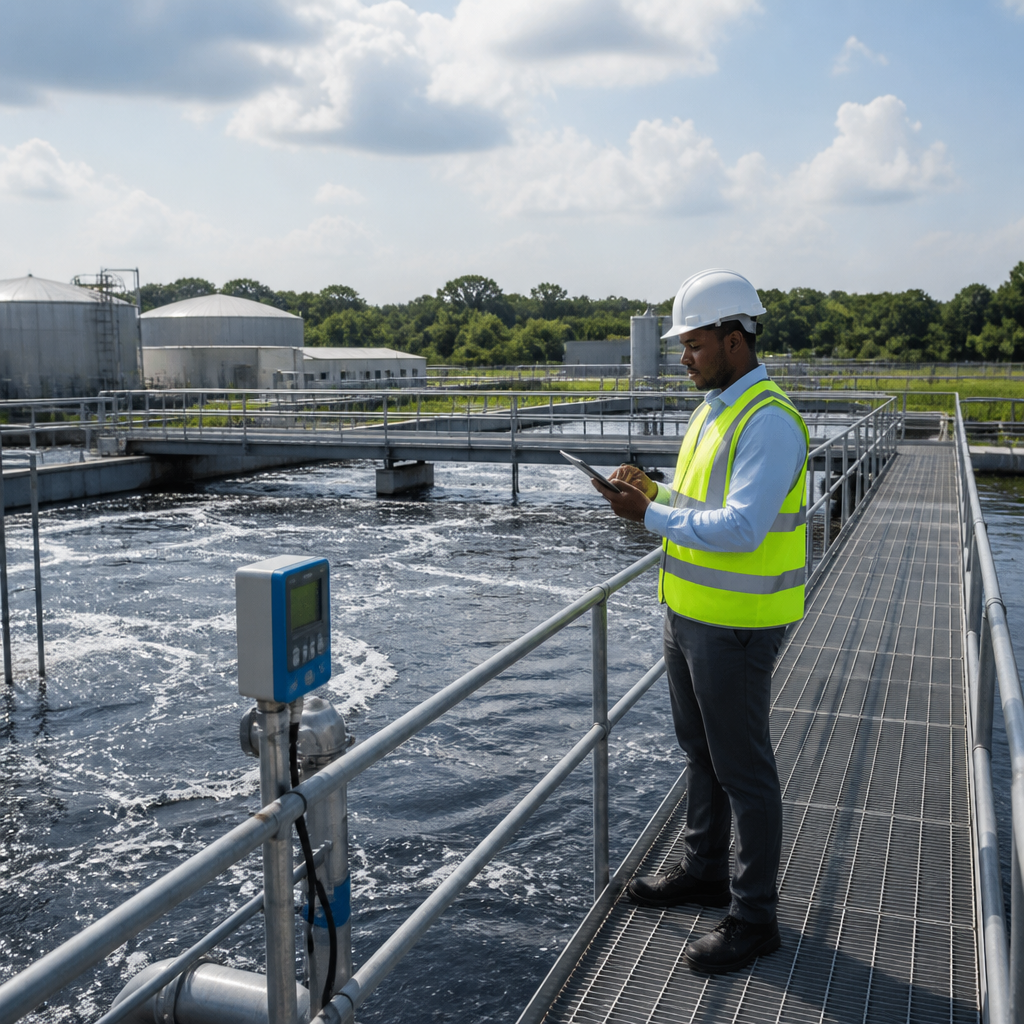
Several technologies are moving sanitation beyond the binary choice between pit latrines and conventional sewers. The first is smart monitoring. Utilities and service providers now use Internet of Things sensors to track pump performance, sewer levels, tank fill rates, and effluent quality in near real time. In fecal sludge management, fill-level sensors reduce unnecessary collection trips and help operators schedule desludging before overflow occurs. Geographic information systems, satellite imagery, and mobile data collection tools such as KoboToolbox and mWater allow planners to map toilets, drains, desludging routes, flood risk, and treatment gaps with far more precision than paper surveys ever allowed.
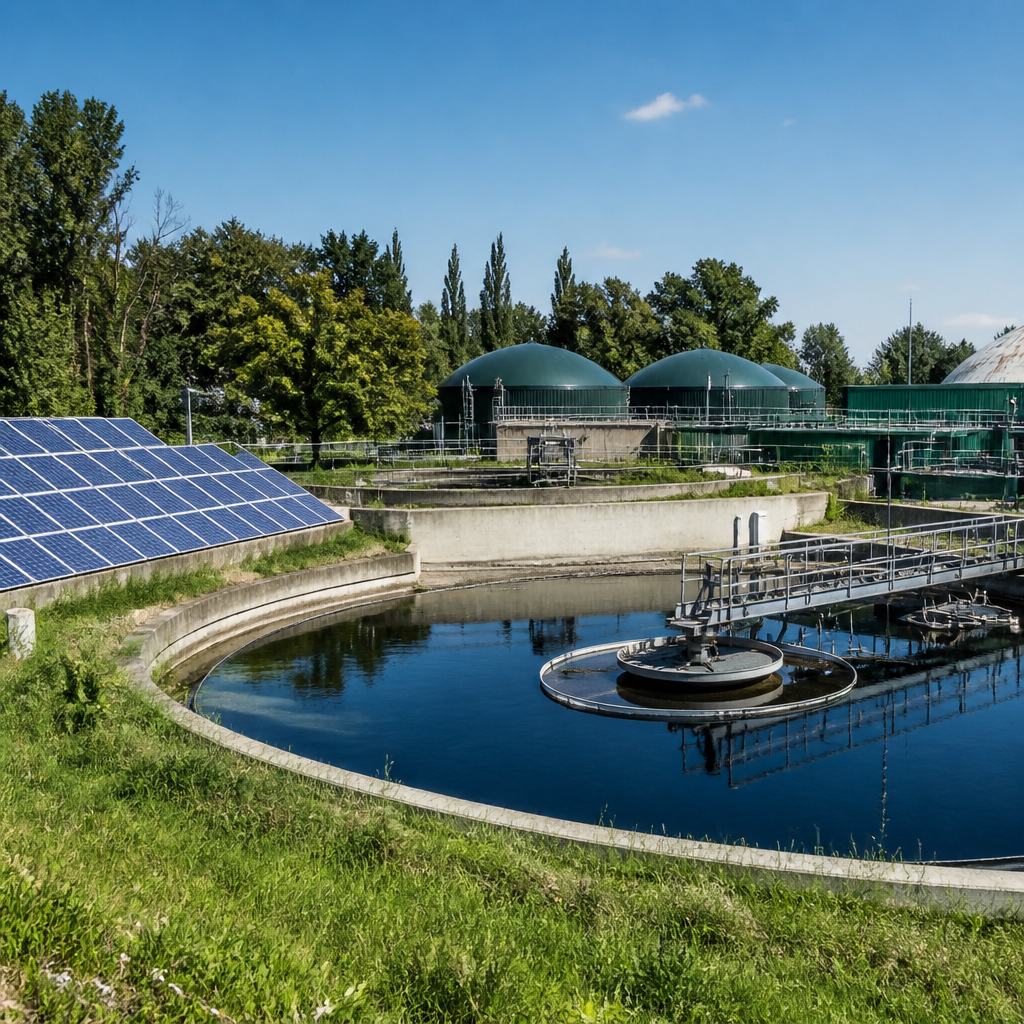
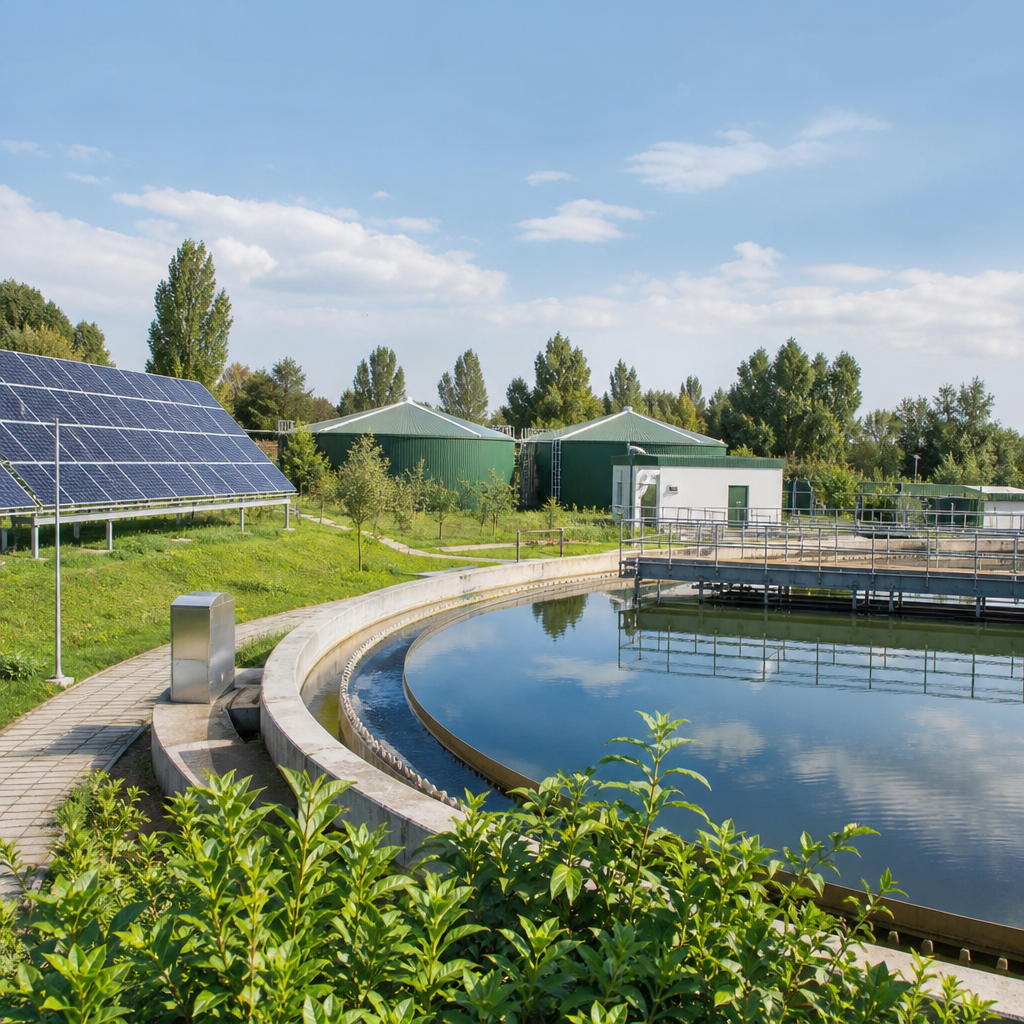
A second breakthrough is modular and decentralized treatment. Packaged plants using membrane bioreactors, moving bed biofilm reactors, anaerobic baffled reactors, and constructed wetlands can be installed faster than major sewer networks and scaled in phases. In peri-urban areas, I have seen modular systems used to stabilize service quickly while larger networks were still in design. They are not a universal substitute for central infrastructure, but they can close service gaps, reduce discharge into waterways, and create time for better long-term planning. For schools, health centers, markets, and apartment clusters, decentralized systems often make operational sense because wastewater generation is concentrated and manageable.
The third area is resource recovery. Sanitation systems increasingly treat waste as a feedstock. Anaerobic digestion can generate biogas for cooking, heat, or electricity. Dried sludge can be processed into fuel briquettes where industrial standards and emissions controls are in place. Nutrient recovery systems can capture nitrogen and phosphorus for fertilizer products, reducing dependence on imported inputs. Advanced treatment can also produce reclaimed water for landscaping, industrial cooling, toilet flushing, or agriculture, especially in water-stressed regions. These options strengthen the business case for sanitation because they create revenue streams alongside public benefits.
Matching technologies to local sanitation contexts
The best sanitation technology is the one that fits the settlement pattern, water availability, institutional capacity, and user behavior of a specific place. There is no single global template. The table below shows how leading options align with common operating conditions.
| Context | Promising technology | Why it fits | Key limitation |
|---|---|---|---|
| Dense informal settlement | Container-based sanitation plus transfer stations | Works where lanes are too narrow for trucks and sewers are unrealistic in the near term | Requires disciplined collection logistics and sustained user payments or subsidy |
| Secondary city with on-site systems | Scheduled desludging with digital route management | Prevents overflow and improves treatment plant feedstock predictability | Needs enforcement so households do not wait for emergencies |
| Institutional campus or hospital | Decentralized wastewater treatment with reuse | Concentrated flows make operation easier and reuse more practical | Operator skills and spare parts are essential |
| Water-scarce rural area | Urine-diverting dry toilets | Reduces water demand and can support nutrient recovery | User acceptance and maintenance determine success |
| Flood-prone urban fringe | Raised containment and sealed tanks with remote monitoring | Reduces inundation-related leakage and protects groundwater | Capital cost can be higher than basic pits |
This matching process is where many sanitation programs succeed or fail. Technologies must be selected with lifecycle costs in mind, not just installation cost. A cheap toilet that cannot be emptied safely, a treatment unit without spare parts, or a digital platform no operator uses will not deliver health outcomes. Good planning starts with service chain analysis: containment, emptying, transport, treatment, discharge, reuse, and oversight. Each link needs a workable solution.
Digital sanitation, data platforms, and operational intelligence
Digital tools are becoming essential to sanitation management because they convert fragmented services into visible, measurable systems. In cities dependent on septic tanks and pit latrines, one of the biggest historical problems has been lack of reliable data. Utilities often do not know how many households use on-site systems, where tanks are located, which neighborhoods overflow during rains, or whether sludge reaches treatment sites. Today, mobile surveys, QR-coded service records, GPS-tracked desludging trucks, and cloud dashboards can answer those questions. Once that visibility exists, authorities can regulate providers, target subsidies, and improve response times.
Operational intelligence also supports public accountability. Utilities that digitize customer records and billing tend to improve cost recovery, which matters because underfunded sanitation agencies cannot maintain equipment or retain trained staff. Leak detection systems reduce water losses that indirectly affect sewer performance. Laboratory information systems can track effluent quality and trigger corrective action. Artificial intelligence is beginning to assist with predictive maintenance by identifying pumps or blowers likely to fail based on vibration, temperature, or power-use patterns. These tools are most effective when paired with clear standard operating procedures and staff training, not treated as standalone fixes.
For readers exploring related topics under this sanitation hub, digital monitoring connects directly to wastewater surveillance, utility reform, climate resilience planning, and urban service delivery. The same data architecture that improves desludging logistics can support flood response, disease monitoring, and investment planning. In other words, sanitation data is not niche infrastructure data; it is a strategic planning asset for entire cities.
Financing models, business innovation, and market creation
Sanitation improves when funding structures reflect the full service chain. Too many projects finance toilet construction but ignore emptying, transport, treatment, and operator capacity. Better models combine public funding for health benefits, user tariffs where affordable, and private participation in collection, treatment, or reuse services. Blended finance can help bridge early-stage risk, especially for modular plants, sludge-to-energy facilities, or digital service platforms. Development banks, climate funds, and philanthropic capital often support pilot phases, while municipal budgets and tariff reform are needed for scale.
Entrepreneurial models are also expanding. Container-based sanitation companies have shown that subscription services can work in dense low-income areas when collection is reliable and toilets are user-friendly. Desludging operators equipped with scheduling apps and GPS routing can lower fuel costs and increase daily trip volumes. Composting businesses can serve agriculture markets if product quality meets standards and contamination is controlled. Where industrial fuel prices are high, treated biosolids or briquettes may have viable demand. The commercial lesson is consistent: sanitation markets emerge when regulation, logistics, and payment systems are designed together.
Still, not every sanitation service should be expected to pay for itself. Public health externalities justify public subsidy, just as they do for vaccination, drainage, and drinking water safety. The practical goal is not full privatization; it is financially durable service delivery. That means transparent tariffs, targeted subsidies for low-income households, enforceable discharge rules, and procurement that rewards long-term performance rather than lowest upfront bid.
Climate resilience, public health, and the next sanitation frontier
The future of global sanitation will be shaped heavily by climate stress. More intense rainfall floods latrines, overwhelms sewers, and spreads fecal contamination. Drought reduces dilution in waterways and increases interest in wastewater reuse. Rising temperatures can accelerate odor problems and alter biological treatment performance. Sanitation planning therefore has to incorporate resilience from the start: elevated infrastructure in flood zones, backup power for treatment plants, watertight containment, decentralized redundancy, and drainage designs that account for extreme weather rather than historical averages.
Public health innovation is also expanding the role of sanitation systems. Wastewater surveillance, widely recognized during the COVID-19 period, can detect disease trends at community scale, including enteric pathogens and antimicrobial resistance markers. That creates opportunities for faster outbreak response and better epidemiological targeting. In schools and health facilities, improved toilets and handwashing stations support attendance, dignity, infection prevention, and maternal health. For women and girls especially, safe sanitation affects privacy, menstrual hygiene management, and safety after dark. Those are not secondary benefits; they are core service outcomes.
Looking ahead, the strongest global opportunities in sanitation will come from integrated approaches. Cities that combine data systems, context-appropriate technology, resilient infrastructure, operator training, and realistic finance will outperform those chasing one-off hardware solutions. Start with a service-chain assessment, map high-risk communities, evaluate modular and digital options, and build partnerships between utilities, health agencies, and local enterprises. Sanitation progress is achievable when technology serves a clear operating model. The next step is straightforward: treat sanitation as essential infrastructure and invest in solutions built for the realities of each community.
Frequently Asked Questions
1. What counts as an emerging sanitation technology, and why does it matter globally?
Emerging sanitation technologies include new tools, systems, and service models designed to improve how human waste, wastewater, and related contaminants are contained, transported, treated, monitored, and safely reused or disposed of. In practice, this can mean smart toilets, container-based sanitation, decentralized wastewater treatment systems, fecal sludge treatment innovations, digital monitoring platforms, sensor-enabled sewer networks, resource recovery systems, advanced handwashing stations, and low-energy water treatment methods. What makes these technologies especially important is that they are being developed for settings where conventional sewer infrastructure may be too expensive, too slow to build, or poorly suited to local geography, climate, and population density.
Globally, the need is urgent. Billions of people still lack access to safely managed sanitation, which increases the spread of diarrheal disease, cholera, intestinal parasites, and other public health threats. Poor sanitation also affects nutrition, child development, school attendance, gender safety, environmental quality, and economic productivity. Emerging technologies matter because they can help close service gaps faster and more flexibly than traditional systems alone. They create opportunities to serve informal settlements, rural communities, flood-prone regions, humanitarian settings, and rapidly growing cities where centralized wastewater infrastructure may take decades to expand.
Just as important, these technologies are shifting sanitation from a narrow focus on waste disposal to a broader systems approach. Modern sanitation innovation increasingly connects public health, climate resilience, water security, and circular economy goals. Instead of treating waste only as a liability, many new systems recover energy, nutrients, and water. That means sanitation can become not only safer, but also more sustainable and financially viable over time. In short, emerging sanitation technologies matter globally because they offer practical pathways to protect health, reduce pollution, strengthen resilience, and expand dignified sanitation access where it is needed most.
2. How are smart and digital technologies changing sanitation systems?
Smart and digital technologies are transforming sanitation by making systems more visible, measurable, and responsive. Traditionally, many sanitation services have operated with limited real-time information. Toilets may fill without notice, septic tanks may overflow, treatment units may malfunction, and utilities may not know where losses or contamination risks are occurring until a crisis happens. Digital tools help solve this problem by using sensors, mobile data collection, remote monitoring, geographic information systems, artificial intelligence, and cloud-based dashboards to track performance across the sanitation chain.
For example, sensors can monitor fill levels in pit latrines, septic tanks, and storage containers so that emptying services are scheduled before overflow occurs. Treatment facilities can use automated controls to adjust aeration, dosing, or filtration based on incoming wastewater quality. Utilities can map sewer blockages and identify leak-prone areas faster. Mobile payment systems can make desludging and toilet services easier for households to afford and for providers to manage. In public health programs, digital platforms can also improve accountability by documenting service coverage, maintenance frequency, and hygiene infrastructure functionality in schools, clinics, and communities.
These advances are especially valuable in low-resource settings because better information can reduce operating costs and improve service reliability. A sanitation provider with accurate data can optimize truck routes, prevent downtime, target repairs, and prioritize underserved neighborhoods. Governments and development agencies can also use digital evidence to allocate funding more effectively and monitor progress toward sanitation goals. Still, technology alone is not enough. Digital sanitation systems need trained operators, reliable connectivity or offline functionality, data governance rules, and long-term maintenance planning. When implemented thoughtfully, smart technologies can turn sanitation from a reactive service into a proactive public health system.
3. Can emerging technologies help communities that do not have sewer networks?
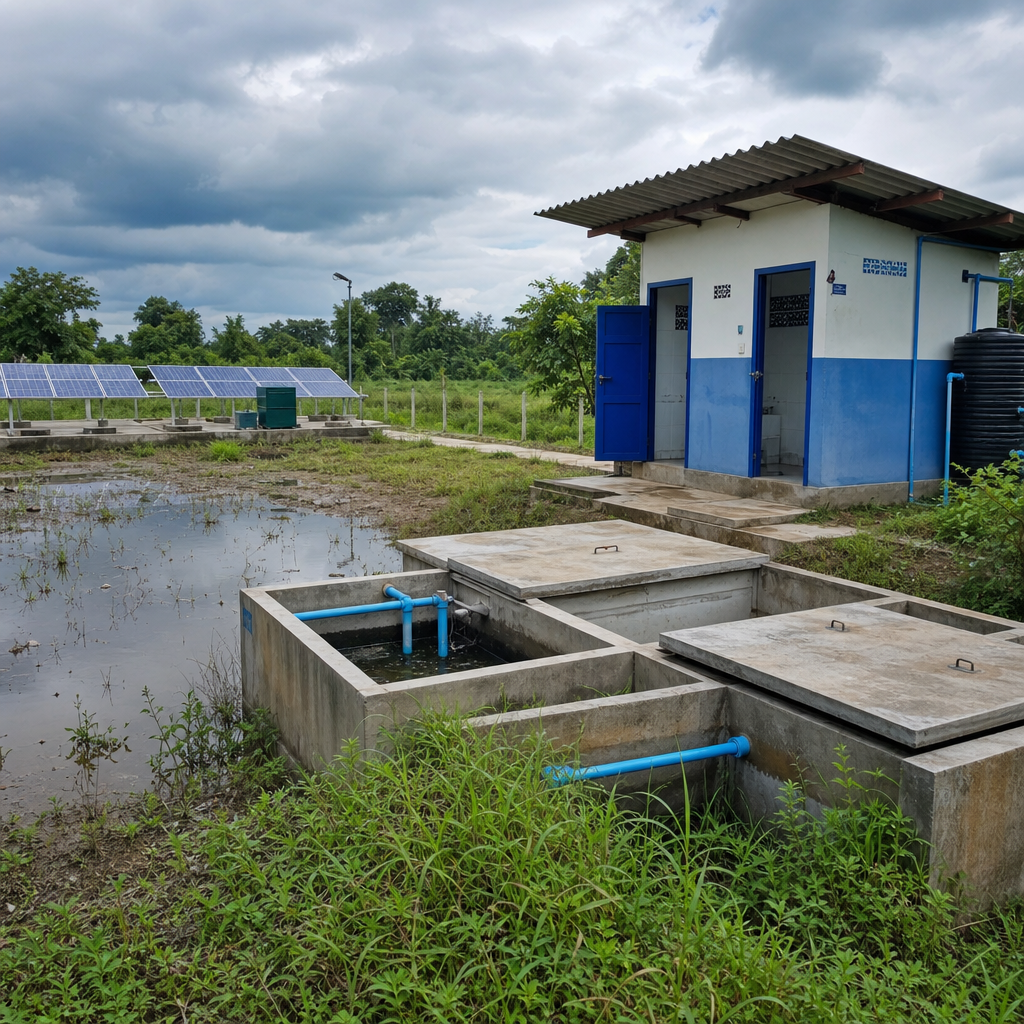
Yes, and this is one of the most important areas of sanitation innovation. Many communities around the world will not be connected to conventional sewer systems anytime soon due to cost, terrain, water scarcity, weak infrastructure, or rapid urban growth. Emerging technologies are expanding the range of non-sewered and decentralized solutions that can still deliver safe, high-quality sanitation. These include container-based sanitation, urine-diverting dry toilets, advanced septic and onsite treatment systems, modular neighborhood-scale treatment units, solar-powered treatment processes, and fecal sludge treatment technologies designed for dense urban and peri-urban areas.
What makes these options promising is that they can be tailored to local conditions. In water-scarce regions, low-flush or dry systems can reduce pressure on limited supplies. In flood-prone communities, raised or sealed containment systems can lower the risk of waste leaking into homes and water sources. In informal settlements where roads are narrow and plot sizes are small, compact collection and transfer systems may work better than large underground sewers. Decentralized treatment can also reduce the need for expensive pipe networks by treating waste closer to where it is generated.
However, success depends on whether the full service chain is addressed. A toilet alone is not enough. Safe sanitation requires containment, collection, transport, treatment, and final reuse or disposal that protects people and the environment at every step. This is why many experts emphasize service-based models rather than one-time hardware distribution. The most effective emerging approaches combine user-friendly toilets with regular collection, professionalized operators, treatment capacity, financing mechanisms, and supportive regulation. When designed as complete systems, non-sewered technologies can provide safe, dignified sanitation that is scalable, resilient, and far more practical than waiting for universal sewer expansion.
4. What role do wastewater treatment and resource recovery play in the future of sanitation?
Wastewater treatment and resource recovery are becoming central to the future of sanitation because they allow communities to protect public health while also generating environmental and economic value. Historically, many sanitation systems were designed mainly to move waste away from households. Today, the priority is increasingly on treating waste effectively and recovering useful outputs from it. This includes biogas for energy, biosolids for soil improvement when safely processed, nutrients such as nitrogen and phosphorus for fertilizer, and reclaimed water for agriculture, industry, or groundwater recharge where appropriate.
This shift matters because untreated or poorly treated wastewater pollutes rivers, lakes, coastal areas, and groundwater, creating major health and ecological risks. It can spread pathogens, contribute to antimicrobial resistance, damage aquatic ecosystems, and undermine drinking water sources. Emerging treatment technologies are helping address these problems with systems that are more compact, energy-efficient, modular, and suitable for decentralized use. Examples include anaerobic digesters, membrane-based systems, nature-based treatment approaches, blackwater separation systems, advanced sludge drying technologies, and nutrient recovery processes.
Resource recovery also improves the long-term sustainability of sanitation services. In many places, sanitation struggles with underfunding because waste management is viewed only as a cost center. Recovering energy, water, or nutrients can strengthen financial models and support circular economy strategies, especially when paired with local demand and sound quality standards. That said, resource recovery must be handled carefully. Public health protection remains the first priority, and recovered products must meet safety requirements to prevent disease transmission or chemical contamination. The future of sanitation is not just about getting waste out of sight; it is about transforming sanitation systems into health-protective, climate-aware, and resource-efficient infrastructure.
5. What challenges could slow the adoption of new sanitation technologies?
Although the innovation pipeline is strong, several barriers can slow adoption. One of the biggest is financing. Even when new technologies reduce long-term costs, the upfront investment for equipment, installation, training, and service development can be difficult for municipalities, utilities, and low-income households to manage. Many sanitation markets also struggle with fragmented responsibility across agencies, weak cost recovery, and limited incentives for preventive maintenance. Without durable funding models, promising pilots may never reach scale.
Another major challenge is governance and regulation. Sanitation depends on standards, land use planning, service oversight, environmental controls, and public health enforcement. New technologies often move faster than policy frameworks, which can create uncertainty around approvals, monitoring, tariffs, or safe reuse rules. Institutional capacity is equally important. Operators need training, supply chains must be dependable, and spare parts and repair services must be locally available. A technology that performs well in a controlled demonstration may fail in real-world conditions if maintenance systems are weak or user needs were not fully considered.
Social acceptance is also critical. People need sanitation services that are affordable, dignified, convenient, and culturally acceptable. If a system is difficult to use, perceived as unsafe, or poorly explained, uptake may remain low regardless of technical quality. In addition, climate pressures such as flooding, drought, and heat stress are forcing sanitation planners to think beyond short-term functionality and design for resilience. The most successful adoption strategies therefore combine technological innovation with community engagement, policy support, workforce development, public health safeguards, and long-term operations planning. In the end, the future of global sanitation will be shaped not just by invention, but by whether systems can be delivered reliably, equitably, and at scale.