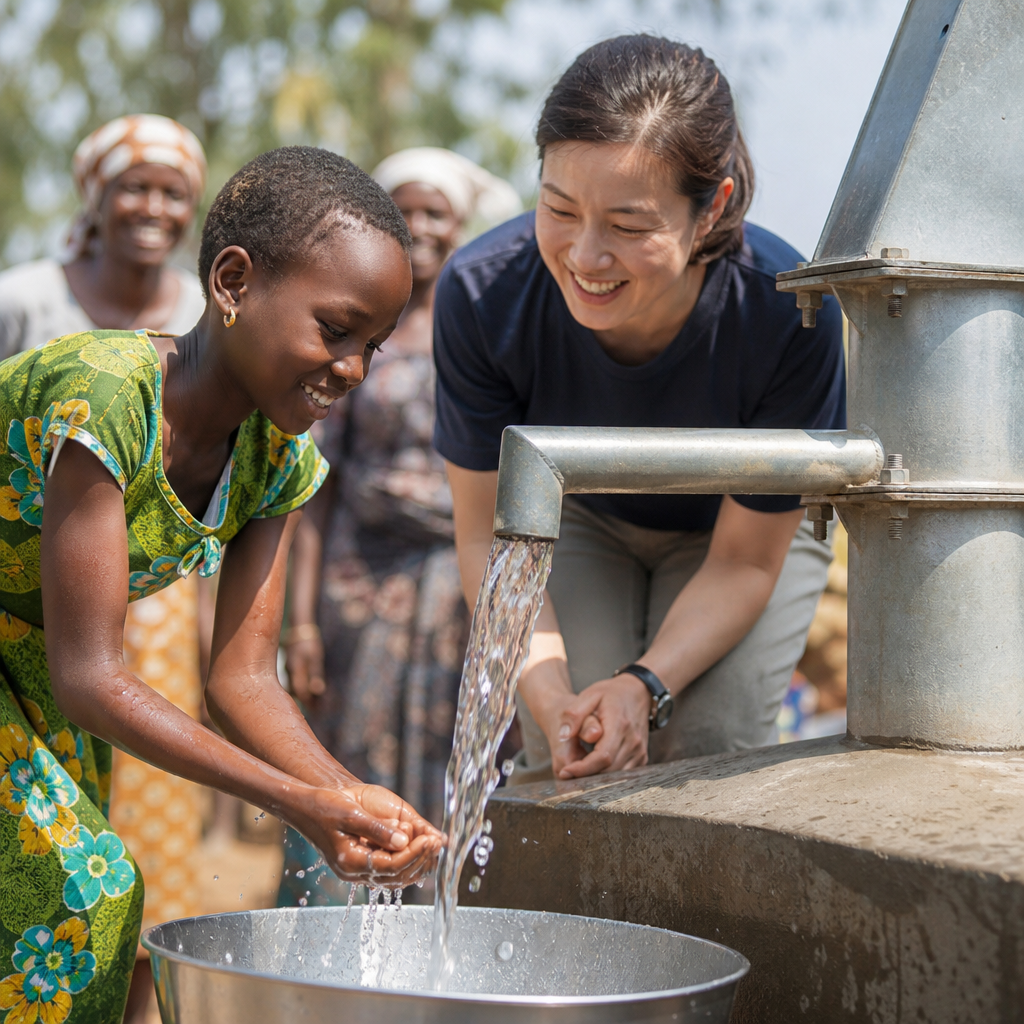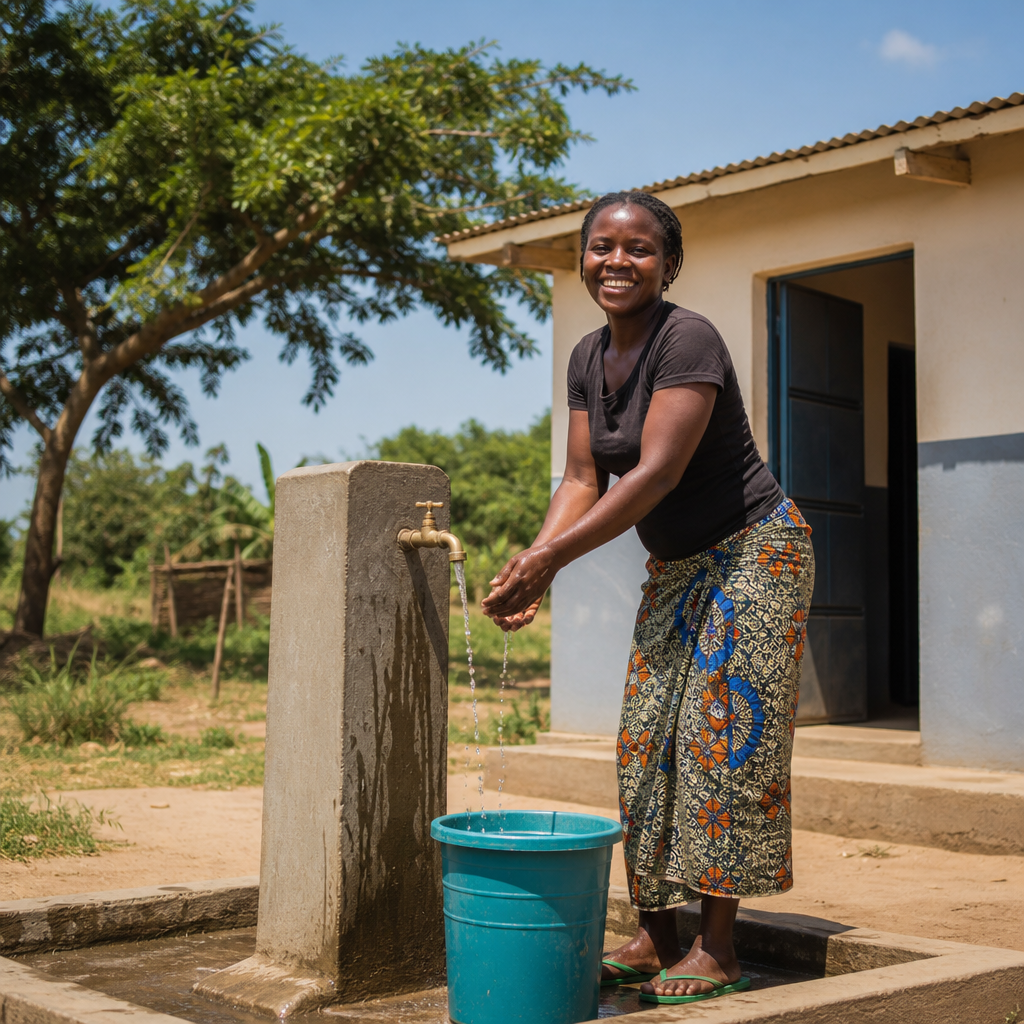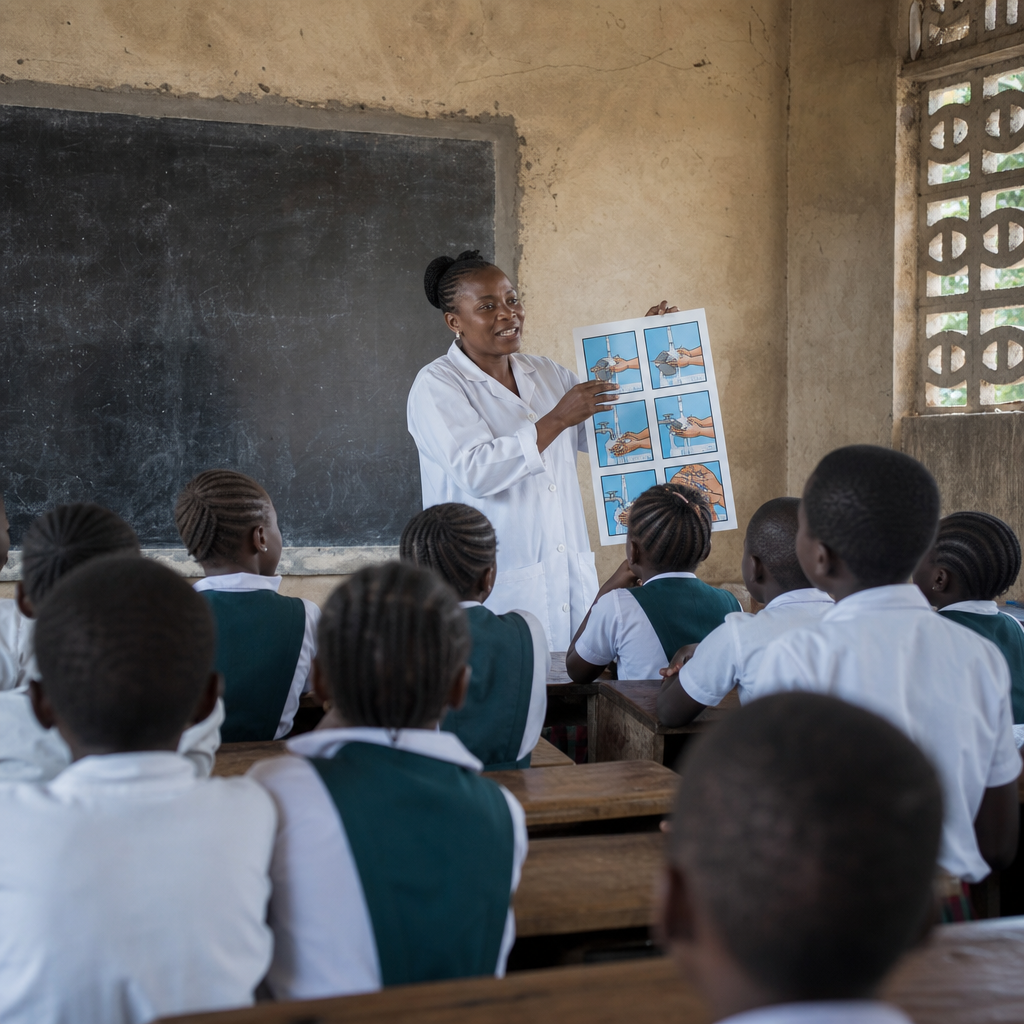
Education and awareness are the essential tools in global sanitation because infrastructure alone does not change behavior, reduce disease, or sustain safe hygiene practices over time. Global sanitation refers to the systems, services, behaviors, and policies that ensure human waste is safely contained, transported, treated, and disposed of without harming people or ecosystems. It also includes handwashing, menstrual hygiene management, drainage, fecal sludge management, and the public understanding needed to use sanitation facilities correctly. In practical fieldwork, I have seen new toilet blocks sit unused when communities were not involved, while modest, low-cost solutions succeeded when teachers, health workers, and local leaders explained why sanitation matters and how to maintain it.
The scale of the challenge is enormous. According to estimates from the WHO and UNICEF Joint Monitoring Programme, billions of people still lack safely managed sanitation services, and hundreds of millions continue practicing open defecation. Poor sanitation contributes to diarrheal disease, parasitic infections, child stunting, school absenteeism, unsafe water contamination, and lost productivity. Women and girls face added risks linked to privacy, safety, and menstruation. Urban slums confront overflowing pits and failing drainage, while rural regions may lack financing, supply chains, or technical support. Climate change adds pressure by flooding latrines, spreading contamination, and overwhelming weak sanitation systems. This is why addressing global sanitation challenges requires more than construction targets.
As a hub for addressing global sanitation challenges, this article explains why education and awareness sit at the center of progress. They shape demand for toilets, normalize handwashing, reduce stigma around fecal waste and menstruation, and help communities hold service providers and governments accountable. They also connect this subtopic to related issues such as water security, public health, urban planning, school attendance, gender equity, and climate resilience. If sanitation is treated only as an engineering problem, adoption remains fragile. If it is treated as a social, health, governance, and learning issue, solutions become durable. The sections below cover the main barriers, the role of behavior change, the importance of schools and media, and the actions that make sanitation programs work at scale.
Why global sanitation challenges persist
Global sanitation challenges persist because the problem combines physical infrastructure gaps with behavior, financing, governance, and cultural barriers. A toilet is only one link in the service chain. Safe sanitation requires user acceptance, reliable water where needed, pit emptying or sewer connections, treatment capacity, maintenance funding, and regulation. In many low-income settings, one of these links breaks quickly. I have repeatedly seen projects judged successful at handover and failing a year later because sludge disposal was never planned, user fees were unrealistic, or no one trained caretakers.
Rapid urbanization is a major driver. Informal settlements often grow faster than municipal services, leaving households dependent on shared latrines, unsafe pits, or open drains. In dense neighborhoods, emptying fecal sludge can be technically difficult and expensive, especially where roads are narrow or tenure is insecure. Rural areas face different constraints: lower incomes, dispersed populations, seasonal water scarcity, and limited local markets for sanitation products. In both contexts, sanitation competes with urgent household spending on food, rent, transport, and school fees, so demand cannot be assumed.
Public health impacts are direct and measurable. Unsafe sanitation spreads pathogens such as rotavirus, cholera, Shigella, and intestinal worms through water, soil, food, and hands. The classic F-diagram used in environmental health training maps how feces reach fluids, fields, flies, fingers, and food. Education matters because it helps households understand this transmission clearly and connect everyday actions to disease prevention. Without that understanding, families may value a toilet for privacy yet still ignore child feces disposal or handwashing with soap, leaving major exposure routes open.
How education changes sanitation behavior
Education changes sanitation behavior by translating health risk into practical daily action. Effective sanitation education is not a one-time poster campaign. It uses repeated, local communication that answers basic questions directly: Why use a toilet every time? Why wash hands after defecation and before eating? Why is child feces dangerous? What happens when pits overflow? Which cleaning routine keeps shared toilets usable? The most effective programs combine demonstrations, local language messaging, school reinforcement, and community follow-up.
Behavior change in sanitation works best when messages are specific, social, and tied to visible benefits. General advice such as “improve hygiene” rarely changes routines. Specific prompts such as “wash hands with soap after using the toilet and before preparing food” perform better because they are concrete and easy to practice. Social proof also matters. When trusted leaders, teachers, or health volunteers model toilet use and handwashing, adoption rises. In community-led sanitation work, facilitators often use mapping, transect walks, and contamination calculations to help residents see the collective consequences of open defecation. That moment of recognition can trigger action faster than a technical lecture.
Education also protects long-term investment. Toilets fail when users pour solid waste into pits, misuse pour-flush systems, block sewer connections, or neglect cleaning schedules. In schools and public facilities, maintenance training is as important as construction quality. I have found that janitors and committee members respond well to simple checklists covering water availability, soap refill frequency, disinfection routines, pit levels, and reporting lines for repairs. Awareness turns infrastructure into a functioning service rather than a deteriorating asset.
Community engagement, trust, and local leadership
Community engagement is the bridge between sanitation policy and household practice. Programs imposed from outside often underestimate local beliefs about purity, privacy, land use, caste, disability, and gender roles. Good sanitation work starts with listening. Who controls spending in the household? Who cleans the facility? Who empties pits, and under what conditions? Are there taboos around handling fecal sludge? Are facilities accessible for older adults and people with disabilities? Answers to these questions determine whether a technically sound design will actually be used.
Local leadership creates legitimacy. Religious leaders can frame sanitation as dignity and stewardship. Teachers can reinforce habits daily. Community health workers can visit homes, answer objections, and identify barriers such as soap cost or fear of pit emptying. Women’s groups often surface design issues men overlook, including lighting, locks, disposal bins, water access, and menstrual hygiene needs. In several successful programs, village sanitation committees tracked open defecation reduction, organized cleaning rosters, and negotiated with local masons or emptying services. This kind of ownership is what makes gains stick after donors leave.
Trust is especially important where past projects failed. Residents may have seen broken communal toilets, inaccessible subsidies, or promises of sewer extension that never materialized. Awareness campaigns must therefore be matched with honest communication about what will happen, who pays, who maintains the system, and what limitations remain. Overpromising is one of the fastest ways to damage participation. Clear timelines, visible responsibilities, and complaint mechanisms build confidence and improve uptake.
Schools, health systems, and media as sanitation multipliers
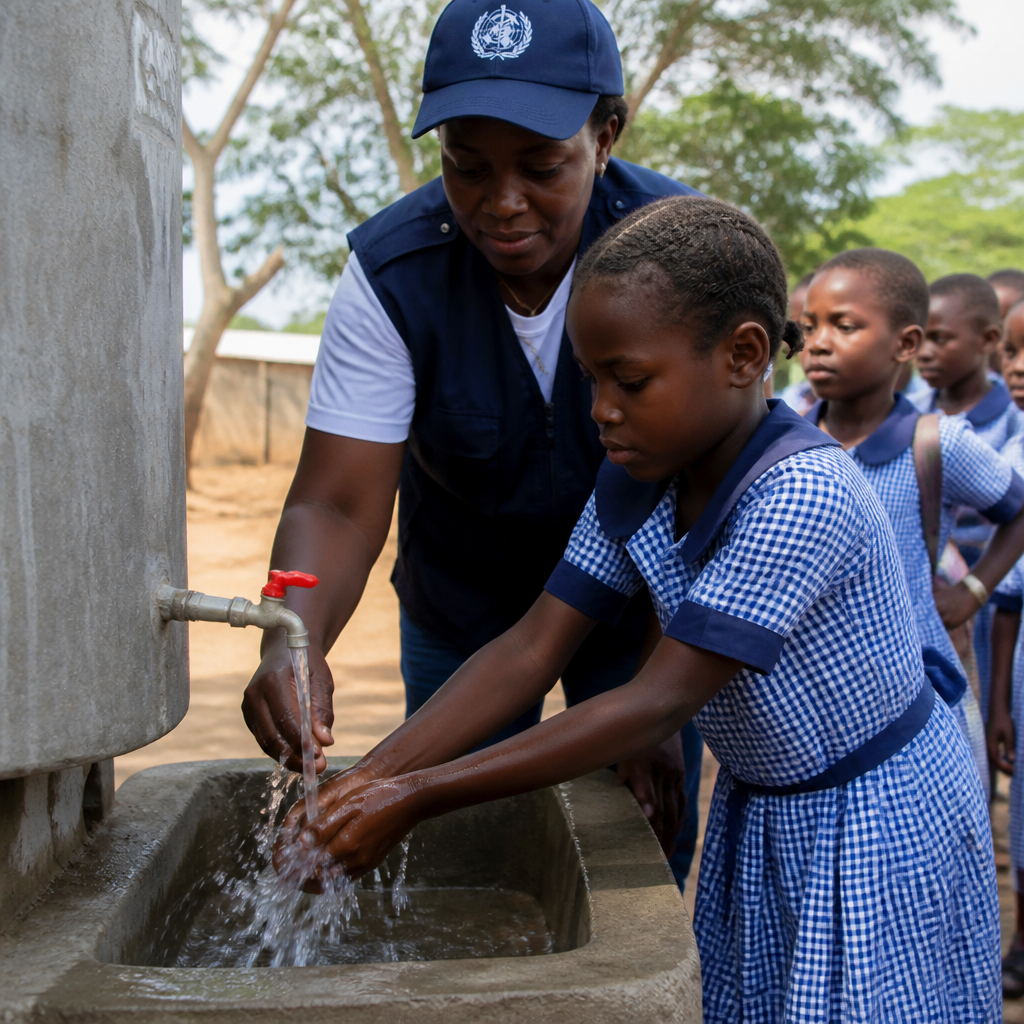
Schools are one of the strongest sanitation multipliers because children carry habits home. School WASH programs that combine separate toilets for girls and boys, handwashing stations, soap, menstrual hygiene support, and structured lessons can reduce absenteeism and improve concentration. The effect is strongest when facilities are usable, not merely present. Broken locks, missing water, or filthy cubicles quickly undermine both attendance and trust. Teachers need practical materials, not abstract slogans: handwashing schedules, peer monitors, and reporting systems for repairs.
Health systems amplify sanitation awareness through antenatal care, immunization visits, nutrition programs, and community outreach. Clinics can counsel caregivers on safe disposal of child feces, the link between diarrhea and malnutrition, and the importance of hygiene during outbreaks. During cholera responses, for example, sanitation messaging is most effective when paired with chlorine distribution, oral rehydration advice, and rapid risk communication. Frontline health workers are often the most credible messengers because households already trust them with urgent health concerns.
Mass media and digital channels broaden reach when used carefully. Radio remains powerful in rural areas because it is inexpensive, local, and repeatable. Urban campaigns may use SMS reminders, WhatsApp groups, short videos, or social media influencers, but messaging must stay practical and culturally grounded. Fear-based campaigns can raise attention briefly, yet they often backfire if they shame the poorest households or ignore structural barriers. The better approach is to combine urgency with doable steps, visible role models, and information on services, subsidies, or community support.
What effective sanitation programs include
Effective sanitation programs combine infrastructure, financing, behavior change, regulation, and monitoring. No single model fits every setting, but the strongest programs share common features that decision-makers can use as a planning checklist.
| Program element | What it does | Example in practice |
|---|---|---|
| Behavior change communication | Builds demand and reinforces habits | Door-to-door visits, school lessons, handwashing demonstrations |
| Inclusive facility design | Improves safety, access, and usability | Lighting, locks, ramps, menstrual hygiene bins, child-friendly seats |
| Financing mechanisms | Makes adoption affordable | Targeted subsidies, microloans, output-based aid, payment plans |
| Service chain management | Prevents contamination after collection | Scheduled desludging, licensed emptiers, treatment sites |
| Monitoring and accountability | Tracks whether systems function over time | JMP-aligned indicators, mobile reporting, public scorecards |
Financing deserves special attention. Households may understand the benefits of sanitation and still be unable to pay upfront costs. Smart subsidies can help the poorest families without distorting markets, while microfinance can support upgrades where incomes are predictable. In urban areas, utilities and municipalities may need capital for sewers, treatment plants, transfer stations, and sludge treatment facilities. The lesson from years of implementation is simple: awareness creates demand, but financing converts demand into adoption.
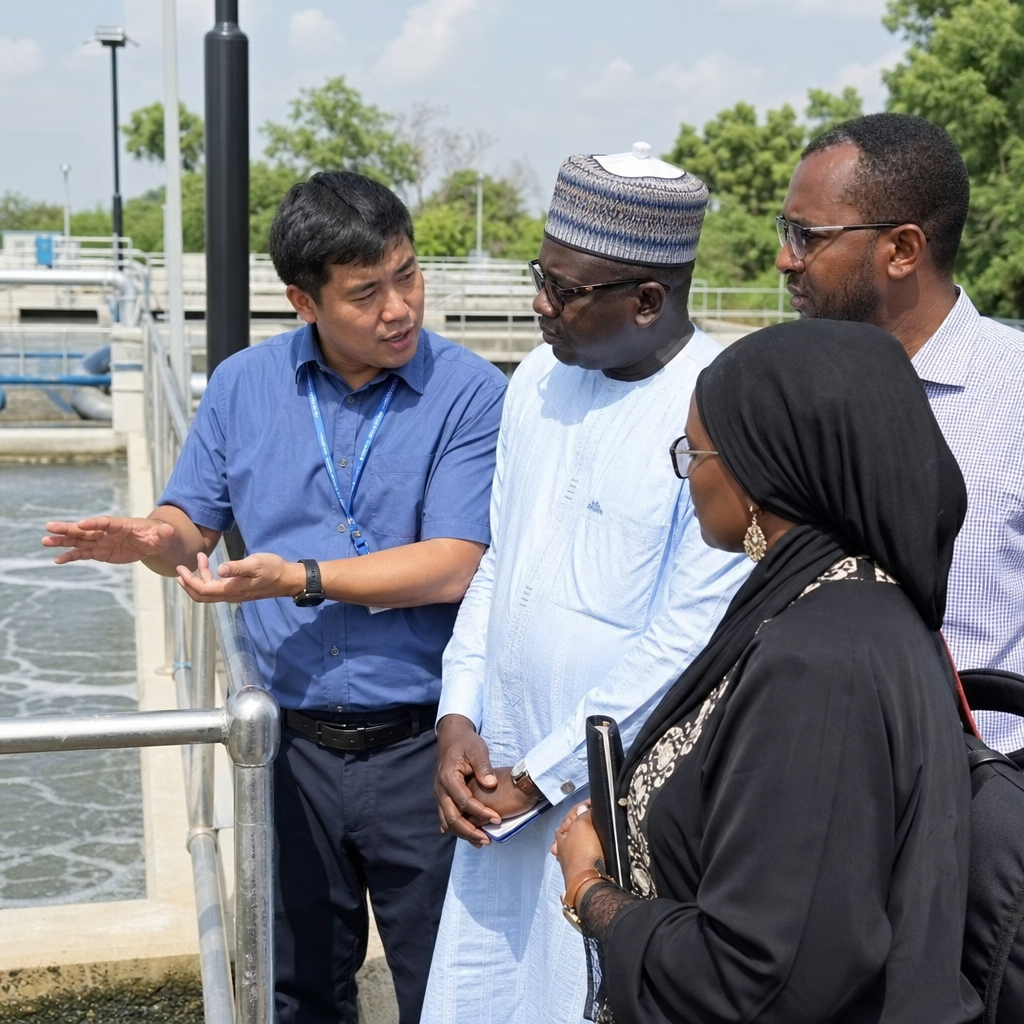
Monitoring is where many sanitation initiatives weaken. Counting toilets built is not enough. Programs should measure usage, functionality, safe containment, emptying frequency, treatment outcomes, and user satisfaction. Tools such as Sanitation Safety Planning from the World Health Organization help teams identify risks across the service chain and manage them systematically. When monitoring data is shared publicly, it improves accountability and helps communities advocate for repairs and better services.
Equity, climate resilience, and the path forward
Sanitation is fundamentally an equity issue. The people least served are often those facing overlapping disadvantages: low income, disability, displacement, insecure housing, remote geography, or social discrimination. Education and awareness must therefore be inclusive by design. Messages should use local languages, plain wording, and formats accessible to people with low literacy. Facilities must account for mobility limitations, safety at night, menstrual hygiene, and the needs of caregivers assisting children or older relatives. If sanitation campaigns ignore these realities, they widen the gap between nominal coverage and actual access.
Climate resilience is now central to sanitation planning. Floods can inundate pits, contaminate water points, and disable treatment systems. Drought can reduce water available for flushing and cleaning. Rising sea levels threaten low-lying settlements with saline intrusion and overflow. Education helps communities prepare by identifying seasonal risks, protecting toilets before storms, storing hygiene supplies, and knowing where emergency sanitation services are available. Technical adaptation matters too: raised latrines in flood-prone areas, sealed containment, decentralized treatment, and drainage improvements can reduce failure during extreme weather.
The path forward for addressing global sanitation challenges is clear. Governments need stronger policy coordination across health, education, water, housing, and local government. Donors and NGOs should fund long-term behavior change and maintenance, not just visible construction. Utilities and municipalities need better data, trained operators, and realistic tariffs or public finance support. Communities need transparent information, practical education, and meaningful participation. When education and awareness are treated as core infrastructure rather than optional outreach, sanitation investments produce healthier children, safer schools, cleaner neighborhoods, and more resilient cities and villages.
For readers using this page as a hub, the main takeaway is straightforward: global sanitation improves when people understand the risks, trust the solutions, can afford the service, and have systems that work beyond installation day. Education and awareness make each of those conditions more likely. They convert sanitation from a project into a habit, from a facility into a service, and from a policy goal into a public health reality. Use these principles to evaluate any sanitation program, strengthen related planning across water and hygiene, and explore the connected articles in this global challenges and opportunities series.
Frequently Asked Questions
Why are education and awareness so important in global sanitation?
Education and awareness are essential in global sanitation because safe sanitation depends on daily human behavior, not just physical infrastructure. A community can have toilets, drainage systems, handwashing stations, and waste treatment services in place, but if people do not understand why these systems matter or how to use them properly, the health benefits are often limited. Sanitation is closely connected to habits such as handwashing with soap, safe disposal of children’s waste, menstrual hygiene management, proper toilet maintenance, and the prevention of open defecation. These practices are learned, reinforced, and sustained through education.
Awareness also helps people recognize the links between sanitation, disease prevention, dignity, school attendance, environmental protection, and economic productivity. When individuals understand how poor sanitation contributes to diarrheal disease, parasitic infections, malnutrition, water contamination, and missed work or school days, they are more likely to support and maintain healthy practices. Public education builds community ownership, reduces stigma around topics like menstruation and toilet use, and encourages households to demand better services and accountability from local institutions. In short, infrastructure creates opportunity, but education and awareness turn that opportunity into long-term public health outcomes.
What does global sanitation include beyond toilets?
Global sanitation is much broader than toilet construction alone. It includes the full chain of safely managing human waste: containment, collection, transport, treatment, and final disposal or reuse in ways that do not harm people or ecosystems. If any part of that chain fails, sanitation risks remain. For example, a toilet may reduce direct exposure to waste, but if fecal sludge is later dumped untreated into waterways or open land, communities still face serious health and environmental consequences.
In addition to toilets and waste systems, global sanitation includes handwashing with soap, menstrual hygiene management, drainage, wastewater management, hygiene education, and public understanding of sanitation-related risks. It also involves schools, healthcare facilities, workplaces, and public spaces having safe, accessible, and inclusive sanitation services. Policy, financing, maintenance, and local governance are also central parts of sanitation because systems must be affordable, functional, and sustainable over time. This broader view is important because sanitation is not a single product or structure; it is an integrated public health system shaped by services, behavior, and social awareness.
How does sanitation education help reduce disease and protect public health?
Sanitation education reduces disease by helping people interrupt the pathways through which harmful pathogens spread. Many illnesses linked to poor sanitation, including diarrhea, cholera, typhoid, intestinal worm infections, and other waterborne or fecal-oral diseases, spread when human waste contaminates hands, food, water, soil, or surfaces. Education teaches practical prevention methods such as consistent toilet use, proper handwashing at critical times, safe water handling, hygienic cleaning practices, and the importance of keeping waste away from living environments.
Public health protection improves when sanitation messages are clear, culturally relevant, and repeated through schools, clinics, community health workers, media campaigns, and local leadership. Education is especially effective when it moves beyond general advice and shows people exactly how disease transmission happens in their own homes and neighborhoods. It can also increase early reporting of sanitation problems such as overflowing pits, broken handwashing stations, blocked drains, or unsafe sludge disposal. Over time, informed communities are better equipped to prevent outbreaks, protect children and older adults, and support healthier living conditions overall. This makes sanitation education one of the most cost-effective and scalable tools in disease prevention.
Why is behavior change necessary if sanitation infrastructure already exists?
Behavior change is necessary because infrastructure alone does not guarantee safe or consistent use. A toilet that is poorly maintained, seen as inconvenient, considered unsafe for women or children, or misunderstood in terms of function may go unused. Handwashing stations may be installed, but if soap is not prioritized or handwashing is not practiced at key moments, disease transmission can continue. Sanitation outcomes depend on whether people adopt and sustain behaviors that support health, cleanliness, and proper system use.
Long-term behavior change also matters because sanitation is influenced by beliefs, norms, habits, privacy concerns, gender roles, and local customs. In some settings, people may continue open defecation even when toilets are available, or they may avoid discussing menstruation and hygiene due to stigma. Education and awareness campaigns help address these barriers by making sanitation socially accepted, understood, and valued. Successful programs often involve community participation, trusted local voices, practical demonstrations, and ongoing reinforcement rather than one-time messaging. When people understand both the personal and community benefits of sanitation, they are more likely to maintain facilities, use them correctly, and support healthier norms across generations.
How can communities, schools, and governments improve sanitation awareness effectively?
Improving sanitation awareness requires a coordinated approach that reaches people where they live, learn, work, and receive services. Communities can lead local discussions, organize cleanliness campaigns, identify sanitation risks, and involve respected leaders in promoting healthy practices. Peer education, household visits, parent groups, youth engagement, and women’s participation are all valuable because sanitation is deeply connected to everyday routines and social norms. Programs are usually most effective when they are practical, locally adapted, and designed with community input rather than imposed from outside.
Schools play a major role by teaching hygiene habits early and normalizing open, respectful conversations about topics such as handwashing, toilet use, and menstrual hygiene management. When schools have clean, functional, and inclusive sanitation facilities, they reinforce what students learn and help transfer those habits back to households. Governments strengthen sanitation awareness by investing in public health campaigns, integrating hygiene education into national curricula, training health workers, supporting media outreach, and enforcing standards for sanitation services in communities and institutions. They also improve results when awareness efforts are linked to reliable infrastructure, maintenance systems, and equitable access. The strongest sanitation progress happens when education, public engagement, and service delivery work together as part of a long-term strategy.