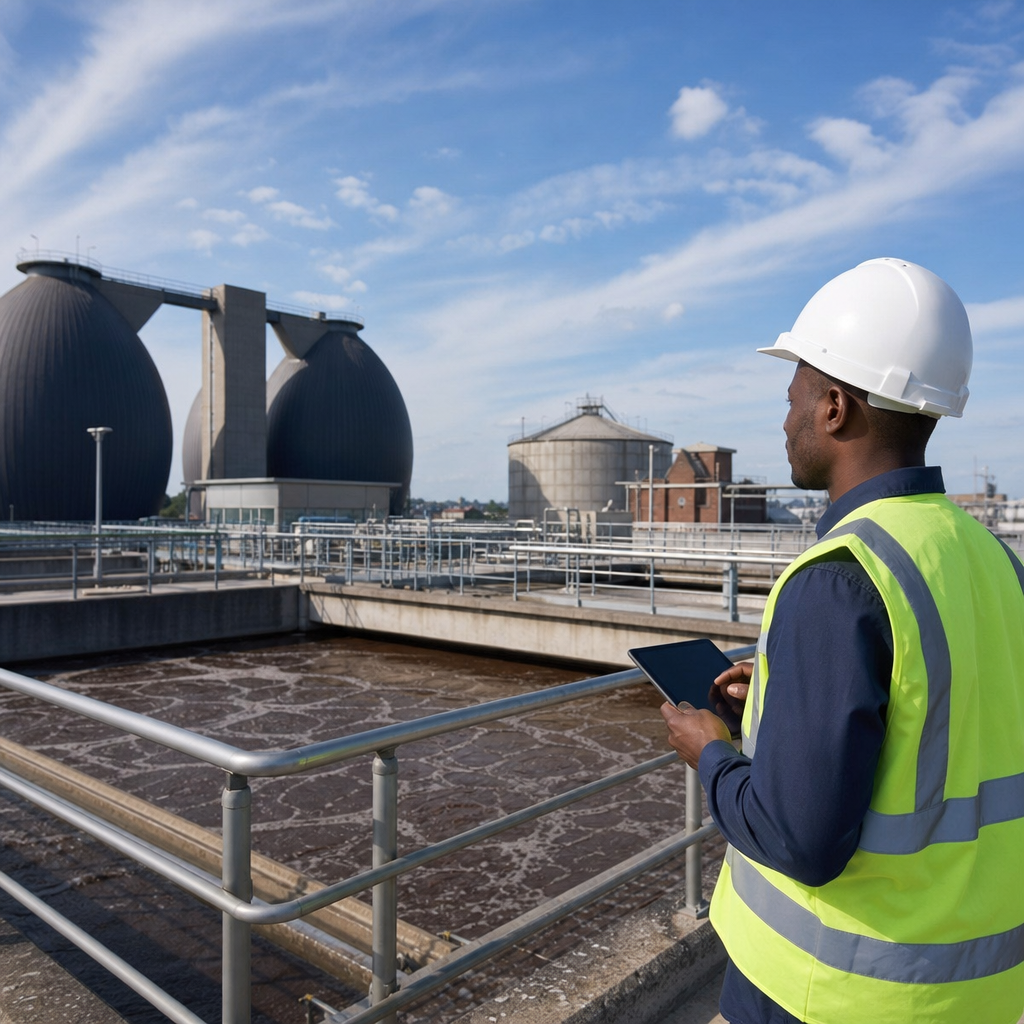
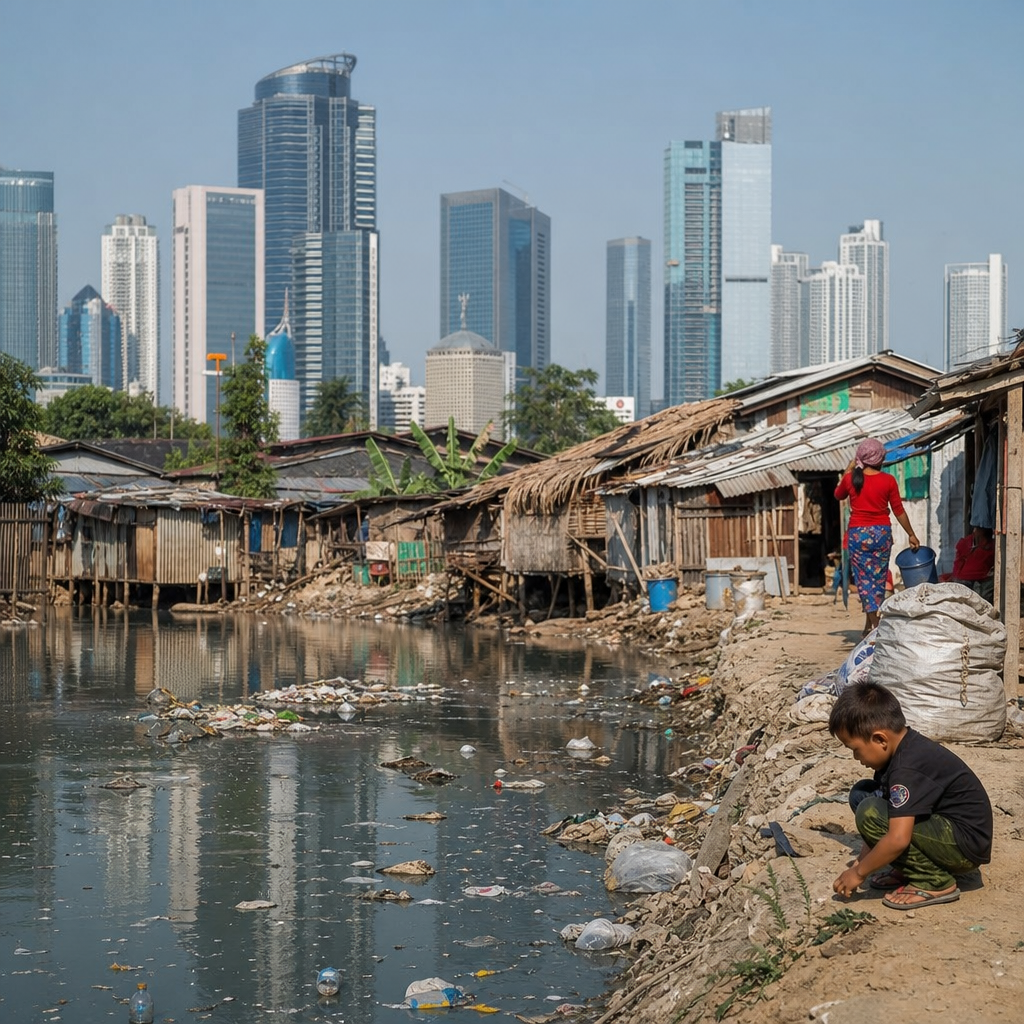
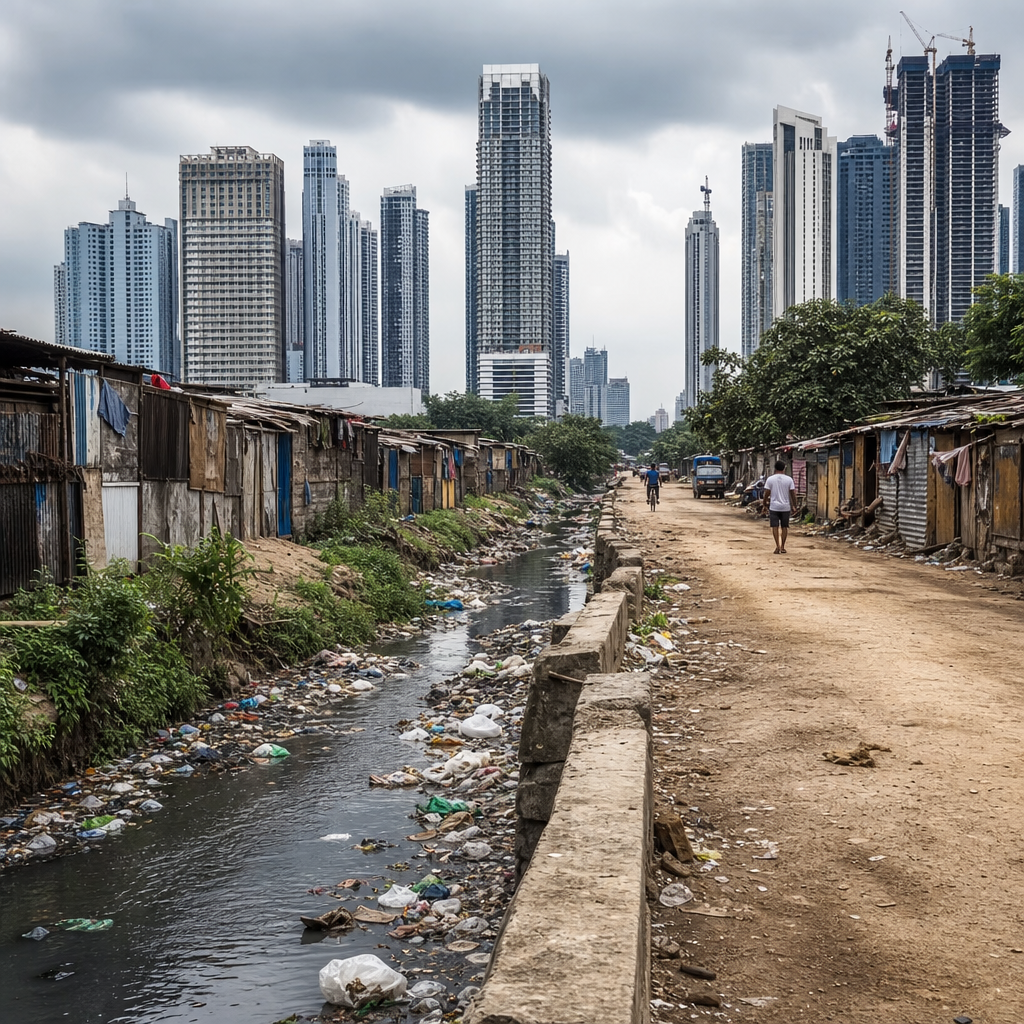
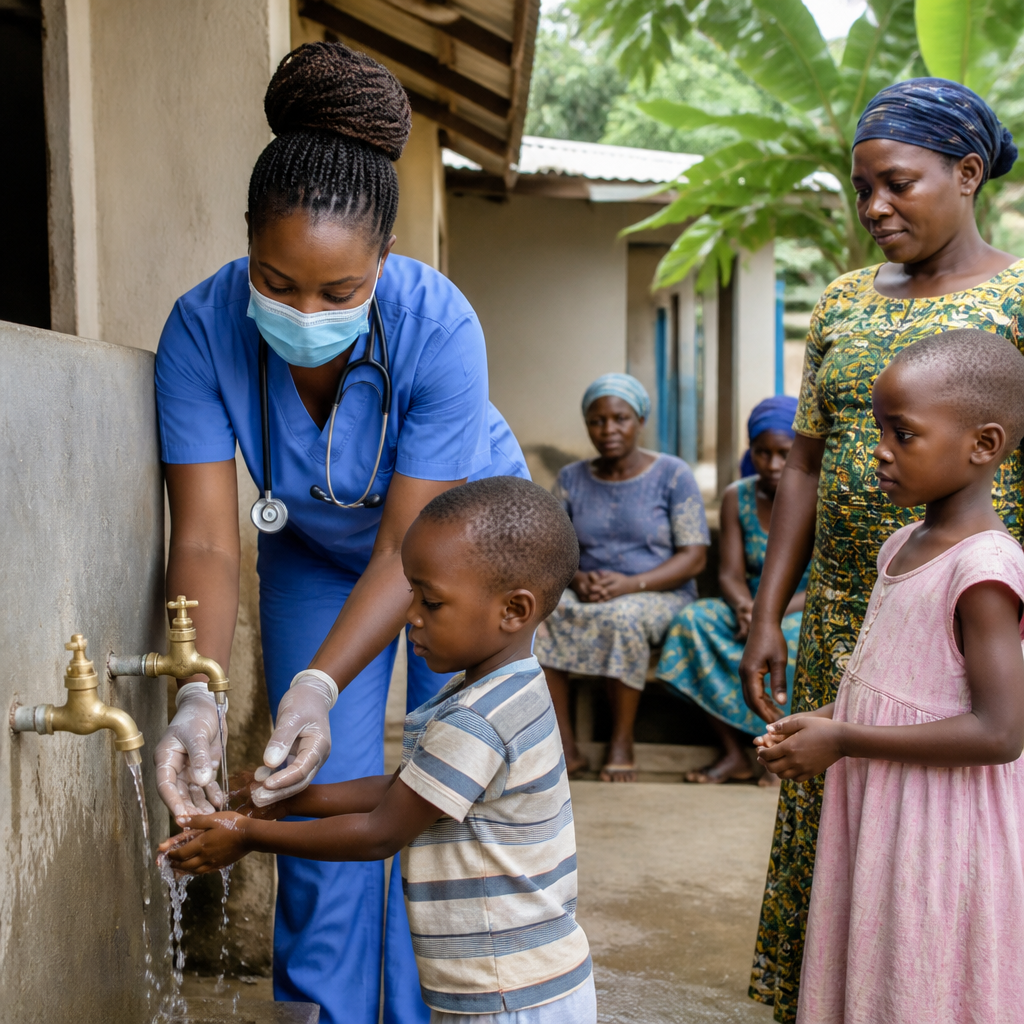
Sanitation as a human right is the principle that every person is entitled to safe, accessible, acceptable, and affordable sanitation services that protect health, dignity, and the environment. In practical terms, sanitation includes toilets, fecal sludge management, sewerage, wastewater treatment, handwashing facilities, menstrual hygiene support, and the systems that prevent human waste from contaminating water, food, homes, and public spaces. I have worked on public-interest content around water and infrastructure policy, and one lesson is constant: sanitation is often invisible when it works and devastating when it fails. It sits at the intersection of public health, urban planning, gender equality, education, climate resilience, and economic development.
The issue matters because sanitation shortfalls are still widespread despite decades of investment and advocacy. The World Health Organization and UNICEF Joint Monitoring Programme has repeatedly shown that billions of people lack safely managed sanitation, meaning excreta are not safely contained, emptied, transported, treated, and disposed of or reused. Open defecation has declined globally, but it has not disappeared, and basic access still does not guarantee safety. A latrine that floods in the rainy season, a sewer system that discharges untreated waste, or a school toilet without privacy for girls are all sanitation failures with different causes but similar consequences. Diarrheal disease, parasitic infection, stunting, lost school days, reduced labor productivity, and heightened risk of violence all follow from weak sanitation systems.
Framing sanitation as a right changes the conversation from charity to duty. It clarifies that governments have obligations to progressively realize access without discrimination, regulate service quality, and prioritize people who are usually excluded: residents of informal settlements, rural communities, people with disabilities, refugees, prisoners, and those living in fragile states. It also helps explain why this topic deserves a hub article. Addressing global sanitation challenges requires understanding not just toilets, but financing models, behavior change, wastewater treatment standards, governance capacity, fecal sludge logistics, climate threats, and accountability mechanisms. The progress is real, but the obstacles remain structural, technical, and political.
What sanitation as a human right means in practice
The right to sanitation is not satisfied by building any toilet anywhere. In policy and service design, the standard is usually unpacked into several operational criteria. Facilities must be available in sufficient numbers, physically accessible, affordable for households and public institutions, safe to use, and acceptable in cultural and social terms. They must also protect privacy and dignity. In my experience reviewing urban sanitation plans, the most common implementation mistake is equating infrastructure counts with service outcomes. A settlement can report high toilet coverage yet still expose residents to disease if pits overflow, trucks cannot reach narrow lanes, or treatment plants do not function.
Quality matters along the full sanitation chain. That chain begins with user access, then moves through containment, emptying, transport, treatment, and final disposal or reuse. This systems view is now standard among utilities, city authorities, and development agencies because weak links can negate strong ones. For example, septic tanks are widely used across South Asia, Sub-Saharan Africa, and Latin America, but many are poorly designed or never desludged. In such cases, waste leaks into drains or groundwater, undermining both sanitation and drinking water safety. Rights-based sanitation therefore requires service delivery standards, inspection, operator licensing, worker protections, and customer grievance channels, not simply construction targets.
Global progress: where gains have been made
There has been meaningful progress over the past two decades. Rates of open defecation have fallen in many countries through a mix of household investment, community-led approaches, public campaigns, and targeted subsidies. India’s large-scale national drive sharply increased toilet construction, and while independent verification raised questions about sustained use and waste management in some areas, the campaign demonstrated that political salience can shift quickly when sanitation becomes a national priority. Similar lessons appear elsewhere: Ethiopia expanded rural sanitation messaging through health extension systems, and Bangladesh combined local entrepreneurship with social mobilization to accelerate uptake of improved latrines.
Urban sanitation has also advanced through more diverse models than traditional sewer expansion alone. Cities with limited budgets have increasingly adopted non-sewered and hybrid approaches, including container-based sanitation, decentralized wastewater treatment, scheduled desludging, and fecal sludge treatment plants. Senegal’s work on fecal sludge management is often cited because it linked regulation, treatment capacity, and private-sector participation more effectively than many peers. In parts of Latin America, condominial sewer designs lowered costs by adapting network layouts to dense low-income neighborhoods. These examples matter because they prove progress does not depend on one technology. It depends on matching technical options to settlement form, hydrology, affordability, and institutional capacity.
Schools and health facilities have received more attention as well. WASH in institutions is now understood as essential service infrastructure, not a secondary amenity. When girls have toilets with doors, water, disposal options for menstrual materials, and predictable maintenance, attendance and retention improve. In health facilities, sanitation failures increase infection risk for patients, newborns, and staff. The COVID-19 period reinforced this lesson: hygiene and sanitation are foundational to disease prevention, and underinvestment in basic services weakens emergency preparedness.
Why sanitation remains unequal
Sanitation deprivation is not distributed evenly. Rural households often face distance, poverty, difficult terrain, and weak service markets. Urban residents in informal settlements face a different set of barriers: insecure tenure, overcrowding, landlords unwilling to invest, and exclusion from municipal networks. Refugee camps and conflict settings introduce further complications, including rapid population growth, damaged infrastructure, and security constraints that affect women and girls most acutely. People with disabilities encounter inaccessible designs, from narrow doors to raised slabs without rails. These are not marginal design flaws; they are rights violations embedded in planning choices.
Inequality also persists because affordability is more complex than the price of a toilet. Households weigh land availability, construction materials, water access, pit emptying fees, transport costs, and time. Even when capital subsidies exist, recurrent costs can push families back toward unsafe practices. Public toilets can fill gaps in dense settlements, but they fail when fees are high, opening hours are limited, maintenance is poor, or facilities are unsafe at night. Women, sanitation workers, and tenants usually bear the hidden costs first. Effective policy therefore combines pro-poor finance, inclusive design standards, and local service regulation instead of assuming demand alone will solve access gaps.
The main obstacles blocking universal sanitation
Global sanitation challenges persist because the obstacles are interconnected rather than isolated. Financing is the first barrier. Sewer systems and treatment plants require large capital outlays, while on-site sanitation still needs funding for containment upgrades, desludging services, transfer stations, and treatment facilities. Many municipalities lack creditworthiness, revenue systems, or tariff structures that can sustain operations and maintenance. Donor-funded assets frequently deteriorate when no long-term budget exists for spare parts, energy, staffing, and sludge disposal.
Governance is the second barrier. Responsibilities are often fragmented across ministries of health, water, environment, urban development, and education, with no single institution accountable for outcomes. Regulation may cover sewers but ignore pit emptiers, private toilet operators, or wastewater reuse. Data quality is another chronic weakness. National surveys can measure access at household level, yet they often miss safe management, service reliability, and the conditions in schools, clinics, workplaces, and transit hubs.
A third barrier is social and political neglect. Sanitation has historically been less visible and less politically rewarding than roads, electricity, or water supply. People celebrate a new water connection immediately; they rarely rally around sludge treatment capacity. That creates a planning bias toward front-end infrastructure rather than the full service chain. In many cities I have studied, treatment plants were built before realistic plans existed for sewer connections, truck routes, septage discharge points, or operator training. The result was predictable underuse. Technical solutions are available, but institutional discipline is often missing.
| Obstacle | How it appears | Practical consequence |
|---|---|---|
| Underfinancing | Low capital budgets and weak maintenance funding | Broken toilets, overflowing pits, stalled treatment projects |
| Fragmented governance | Multiple agencies with unclear mandates | Slow decisions, weak enforcement, duplicated spending |
| Informal urban growth | Dense settlements without planned infrastructure corridors | Limited space for toilets, hard-to-reach desludging routes |
| Weak data | Access measured without safe management tracking | Coverage looks better than actual health protection |
| Social exclusion | Services not designed for women, disabled people, or tenants | Persistent unequal access and unsafe use |
| Climate stress | Flooding, drought, sea-level rise, heat | System failures, contamination, higher operating costs |
Public health, environment, and the economy
Unsafe sanitation spreads pathogens through well-known fecal-oral pathways, contaminating hands, surfaces, water sources, crops, and living environments. The burden is heaviest for young children, who face increased risk of diarrhea, cholera, typhoid, intestinal worms, and undernutrition. Repeated enteric infection contributes to poor growth and cognitive impacts, which then affect educational outcomes and lifetime earnings. This is why sanitation investment is not just a health measure. It is human capital policy.
Environmental damage is equally significant. Untreated wastewater and poorly managed sludge degrade rivers, lakes, wetlands, and coastal waters, reducing biodiversity and undermining fisheries and tourism. Excess nutrients contribute to eutrophication, while pathogens make water unsafe for recreation and irrigation. Poorly managed sanitation can also release methane and nitrous oxide, linking the sector to climate mitigation concerns. At the same time, well-run systems can recover value through compost, biogas, reclaimed water, and nutrients, although reuse only works when treatment and quality control are robust. The economic case is straightforward: every sanitation failure creates downstream costs in health care, lost productivity, environmental remediation, and disaster response.
What effective solutions look like
Effective sanitation policy starts with citywide and nationwide planning based on service levels, not just technologies. Governments need to map who is unserved, how waste currently moves, where contamination occurs, and which mix of sewered, decentralized, and on-site options fits each area. The Sanitation Safety Planning approach promoted by the World Health Organization is useful because it identifies hazards across the service chain and ties risk reduction to specific operational actions. In dense low-income settlements, that may mean shared toilets with strict maintenance contracts, transfer stations for sludge, scheduled desludging, and treatment plants sized for actual waste flows rather than idealized design assumptions.
Financing must be blended. Households can fund part of their own facilities when products are affordable and credit is available, but public finance remains essential for treatment, regulation, institutional sanitation, and targeted subsidies. Output-based aid, cross-subsidies, municipal transfers, and performance-linked grants can all help if accountability is strong. Regulation should include service quality standards, safe emptying requirements, discharge controls, and occupational health protections for sanitation workers, who are often among the most exposed and least protected laborers in the urban economy.
Behavior change still matters, but it works best when paired with reliable services. Telling households to use toilets without addressing water availability, privacy, odor, cost, and maintenance rarely produces durable results. The strongest programs combine social norms, product design, supply chains, and follow-up verification. For this hub topic, the core lesson is simple: addressing global sanitation challenges requires integrated systems, not isolated projects.
The future of sanitation rights
The next phase of progress will depend on treating sanitation as basic infrastructure for human development and climate resilience. Governments need better data on safely managed services, stronger municipal institutions, and explicit inclusion of informal settlements, schools, health facilities, and vulnerable groups in national plans. Utilities and regulators must accept that sewers alone will not close the gap in many fast-growing cities. Non-sewered sanitation, fecal sludge management, and decentralized treatment are not second-best stopgaps; in many contexts they are the most realistic pathway to safe service now.
The larger point is that sanitation rights are measurable, actionable, and enforceable when policy is serious. Progress happens where leaders fund maintenance, regulate the whole service chain, support frontline workers, and listen to communities about safety, privacy, and affordability. Obstacles remain substantial, but they are not mysterious. They can be named, budgeted, and solved. If you are building out a deeper understanding of global challenges and opportunities, start here: study sanitation systems as public health infrastructure, and use that perspective to evaluate every related article, policy, and investment decision.
Frequently Asked Questions
What does it mean to say sanitation is a human right?
Calling sanitation a human right means that access to safe sanitation is not a luxury, optional public service, or benefit reserved for wealthier communities. It means every person is entitled to sanitation services that are available, physically accessible, affordable, safe, socially acceptable, and delivered in a way that protects privacy, dignity, health, and the environment. In practice, this includes much more than the presence of a toilet. It covers the full sanitation chain: toilets or latrines, handwashing facilities, menstrual hygiene support, safe collection and transport of waste, fecal sludge management, sewerage where appropriate, wastewater treatment, and systems that prevent contamination of water sources, food, homes, schools, healthcare settings, and public spaces.
This rights-based understanding is especially important because poor sanitation has consequences that reach far beyond inconvenience. It contributes to diarrheal disease, parasitic infections, malnutrition, unsafe living conditions, school absenteeism, gender-based vulnerability, and environmental degradation. When sanitation fails, people’s rights to health, education, housing, water, work, and personal security are often affected as well. Framing sanitation as a human right helps governments and institutions move from charity-based or purely technical responses toward legal, policy, and budget commitments designed to reach everyone, especially people who have historically been excluded.
How much progress has been made globally on the right to sanitation?
There has been real progress in expanding sanitation access over recent decades, but the pace and quality of that progress remain uneven. Many countries have increased the number of households using improved toilets, expanded sewer networks in urban areas, invested in wastewater treatment, and launched campaigns against open defecation. Public health planning has also become more sophisticated, with greater recognition that sanitation outcomes depend not just on infrastructure construction but on long-term service delivery, maintenance, affordability, and safe waste management. These shifts matter because they move sanitation from a one-time building project to an ongoing public service.
At the same time, major gaps remain. Millions of people still lack even basic sanitation, and many more rely on facilities that are unsafe, shared under poor conditions, inaccessible to persons with disabilities, unaffordable, or disconnected from safe treatment and disposal systems. Urban informal settlements, rural communities, displaced populations, and low-income households often experience the greatest deficits. Schools, clinics, and workplaces may also lack adequate sanitation, which undermines education, infection prevention, and worker well-being. So while global statistics may show improvement, they can mask serious inequalities in who is being served, how reliable those services are, and whether waste is actually managed safely after it leaves the toilet.
What are the biggest obstacles to making the right to sanitation a reality for everyone?
The largest obstacles are rarely technical alone. Financing is a central challenge: sanitation systems require capital investment, land, regulation, operation, maintenance, trained workers, and long-term oversight. In many places, sanitation has been underfunded compared with water supply, even though the two are deeply connected. Political priorities can also be inconsistent. Toilets and wastewater systems are less visible than roads or hospitals, so governments may delay investment despite the enormous public health benefits. Weak institutions, fragmented responsibilities across agencies, and limited enforcement of standards can make even well-designed policies difficult to implement.
Social inequality is another major barrier. Poor households may not be able to afford user fees, emptying services, repairs, menstrual hygiene products, or the space needed to build a safe facility. Women and girls often face added burdens related to privacy, safety, menstruation, and caregiving responsibilities. Persons with disabilities may be excluded when facilities are not designed for independent use. People living in informal settlements may be left out altogether because they lack secure land tenure or legal recognition. Climate stress, flooding, drought, conflict, and rapid urbanization further complicate sanitation planning by damaging infrastructure and increasing demand faster than systems can expand. In short, the obstacle is not just building more toilets; it is creating fair, durable, inclusive systems that work for everyone over time.
Why is sanitation closely connected to dignity, equality, and public health?
Sanitation is fundamental to dignity because it affects one of the most basic and universal human needs: the ability to relieve oneself in safety and privacy. A person without access to adequate sanitation may have to wait until dark, travel long distances, use unsafe public spaces, or depend on facilities that are overcrowded, unsanitary, or humiliating to use. These conditions can create fear, stress, shame, and daily hardship, especially for women, girls, older adults, and people with disabilities. In schools and workplaces, inadequate sanitation can reduce participation and reinforce exclusion. Menstrual hygiene needs are a particularly important part of this conversation, since the lack of private, clean facilities and disposal options can directly affect mobility, attendance, and dignity.
The public health dimension is equally important. When human waste is not safely contained, transported, treated, and disposed of or reused, it can contaminate drinking water, food systems, and living environments. This increases the spread of disease and places children, immunocompromised individuals, and underserved communities at especially high risk. Sanitation therefore protects not only individual households but entire communities. That is why rights-based sanitation policy focuses on universal access and safely managed services, not just isolated household solutions. Equality matters because the health and social costs of inadequate sanitation fall most heavily on those with the fewest resources and the least political influence.
What needs to happen next to overcome remaining sanitation challenges?
Closing the sanitation gap requires a shift from short-term projects to sustained service delivery grounded in human rights principles. Governments need clear laws, realistic national plans, stronger local institutions, and budgets that support the full sanitation chain from containment to treatment. Data collection must improve so policymakers can see not only how many toilets exist, but whether facilities are usable, affordable, inclusive, safely managed, and available in homes, schools, healthcare facilities, and public spaces. Regulation and accountability are also essential. Without monitoring, service standards, and enforcement, systems can deteriorate quickly or exclude the people who need them most.
Just as important is designing sanitation policy around inclusion and lived experience. That means consulting communities, addressing the needs of women and girls, ensuring accessibility for persons with disabilities, supporting sanitation workers, and developing solutions for dense urban settlements, remote rural areas, and climate-vulnerable regions. It also means recognizing sanitation as a cross-sector issue linked to water, housing, public health, education, urban planning, and environmental protection. Progress is most durable when sanitation is treated as core public infrastructure and a legal and moral obligation, not as an afterthought. The path forward is not simply more construction; it is smarter governance, fairer financing, stronger maintenance, and a genuine commitment to universal human dignity.