Water recycling and reuse are moving from niche engineering practices to central pillars of global sanitation strategy, especially as cities, industries, and farmers confront water scarcity, climate volatility, aging infrastructure, and rising public health expectations. In practical terms, water recycling means treating wastewater so it can be used again for a beneficial purpose, while water reuse refers to the actual application of that treated water in agriculture, industry, urban landscapes, groundwater recharge, or even drinking supplies. After years of working with sanitation planning teams and reviewing reuse projects across municipal and industrial settings, I have seen one consistent pattern: places that treat wastewater as a resource gain resilience, reduce pollution, and unlock economic value that conventional disposal systems leave behind. That is why global trends in water recycling and reuse matter far beyond utilities. They shape food security, industrial competitiveness, urban growth, environmental restoration, and the wider agenda of global opportunities in sanitation.
This hub article examines the major patterns driving adoption worldwide and explains how sanitation systems are evolving from end-of-pipe waste management into circular service platforms. The sanitation opportunity is broader than sewer expansion alone. It includes fecal sludge management, decentralized treatment, nutrient recovery, industrial water loops, nature-based treatment, digital monitoring, and policies that make safe reuse bankable and publicly acceptable. The underlying logic is straightforward: every liter of wastewater contains water, energy, nutrients, and data. Recovering those assets reduces extraction from rivers and aquifers, lowers nutrient discharge, and creates new revenue streams. The World Bank, UN-Water, the International Water Association, and national regulators increasingly frame reuse as a mainstream tool for closing service gaps and meeting sustainability targets. For decision makers, the question is no longer whether reuse has a role. The real question is where each reuse pathway delivers the highest public value, lowest risk, and strongest long-term return.
Why Water Reuse Is Becoming a Core Sanitation Opportunity
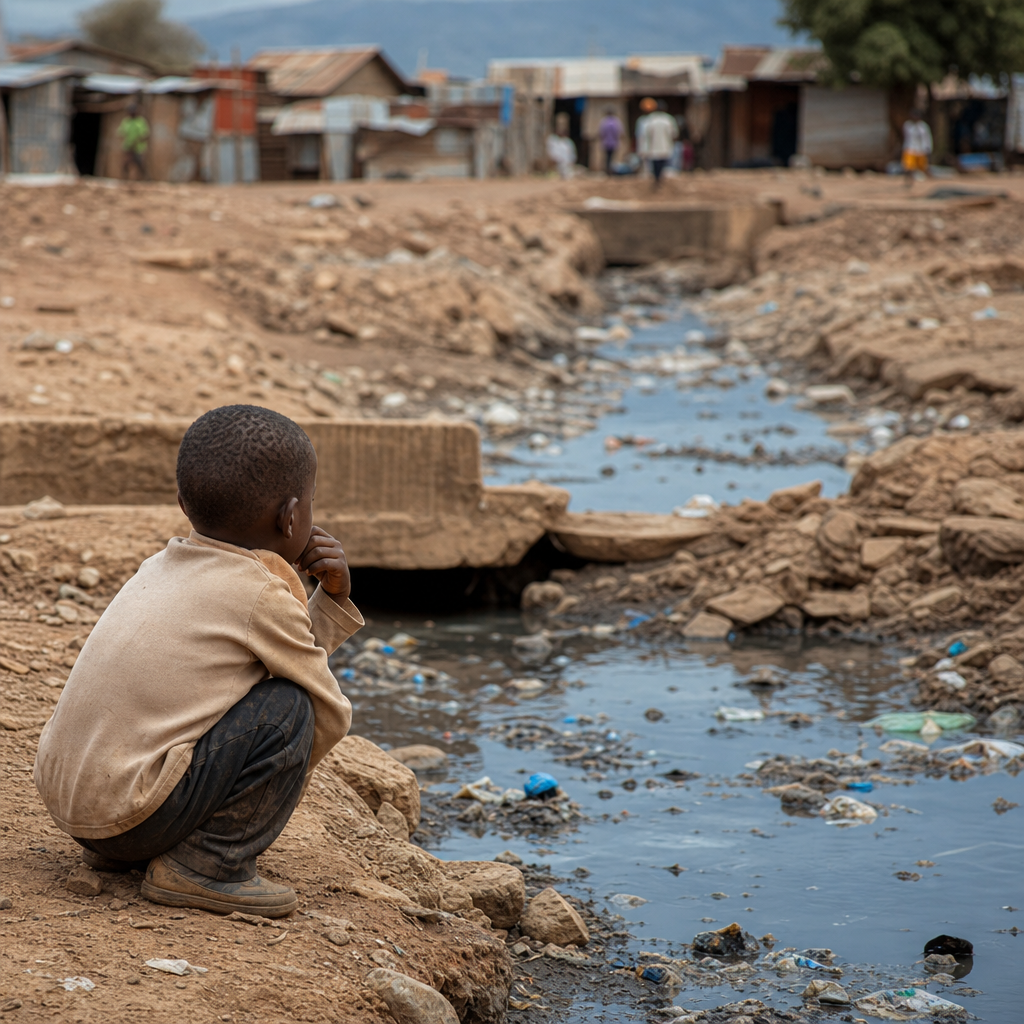
Three forces are accelerating investment. First, water stress is intensifying. According to widely cited UN assessments, billions of people experience severe water scarcity for at least part of the year, and many fast-growing cities already depend on overdrawn aquifers or distant transfers. Second, wastewater volumes are increasing with urbanization, but treatment coverage still lags. In many low- and middle-income countries, untreated or partially treated discharges contaminate rivers that downstream users depend on. Third, climate change is making rainfall less predictable, pushing planners toward diversified, drought-resilient supplies. Recycled water is uniquely attractive because it is produced close to demand centers and remains comparatively stable even during dry periods.
From a sanitation perspective, reuse changes project economics. A treatment plant designed only to meet discharge limits is a cost center. A plant designed for fit-for-purpose reuse can offset freshwater purchases, fertilizer demand, energy use, or environmental compliance costs. In Jordan and Israel, treated wastewater has become an important agricultural resource. In Singapore, advanced reclaimed water supports industry and augments reservoirs. In Namibia, potable reuse has decades of operational history. In California and Australia, severe droughts pushed utilities to integrate indirect and direct potable reuse into long-range planning. These examples differ in technology and governance, but they show the same transition: sanitation infrastructure works better when it is integrated with water supply, land use, public health, and economic development.
Regional Patterns Shaping Global Adoption
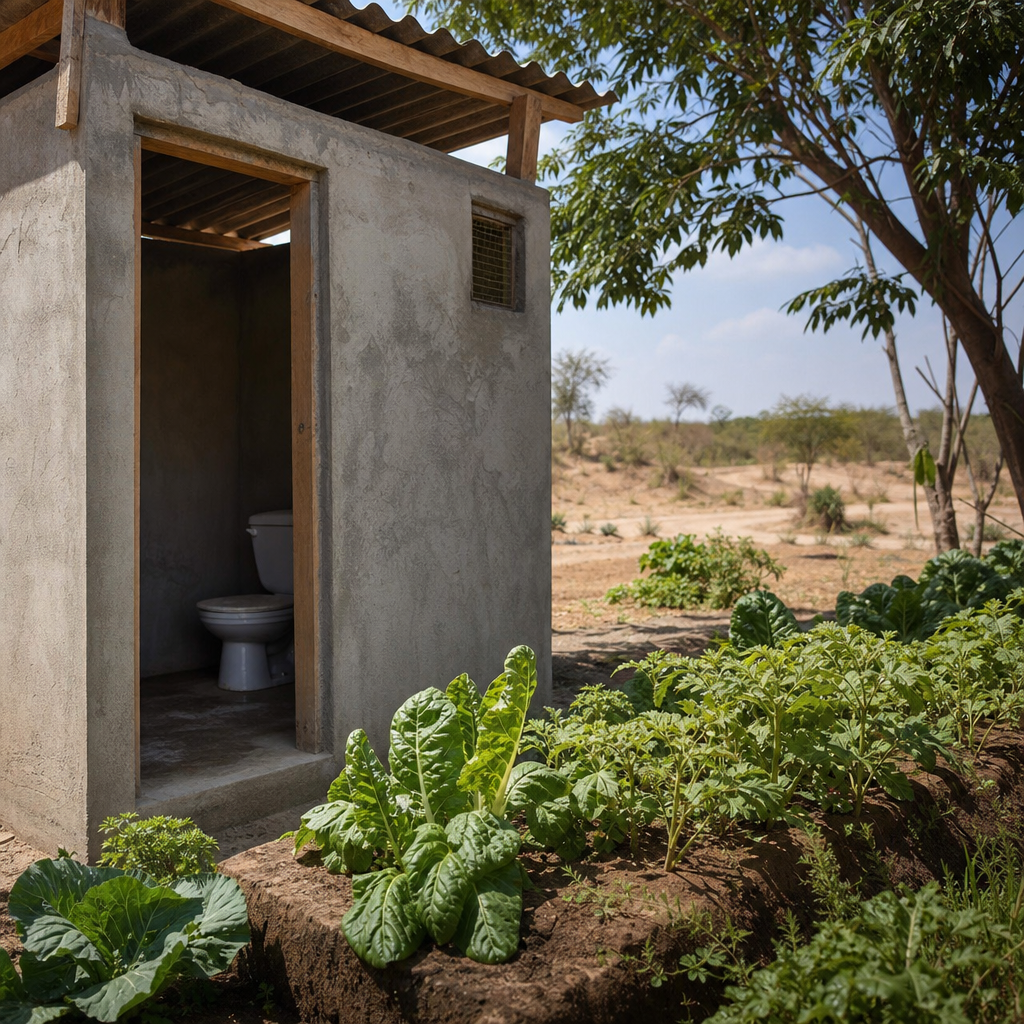
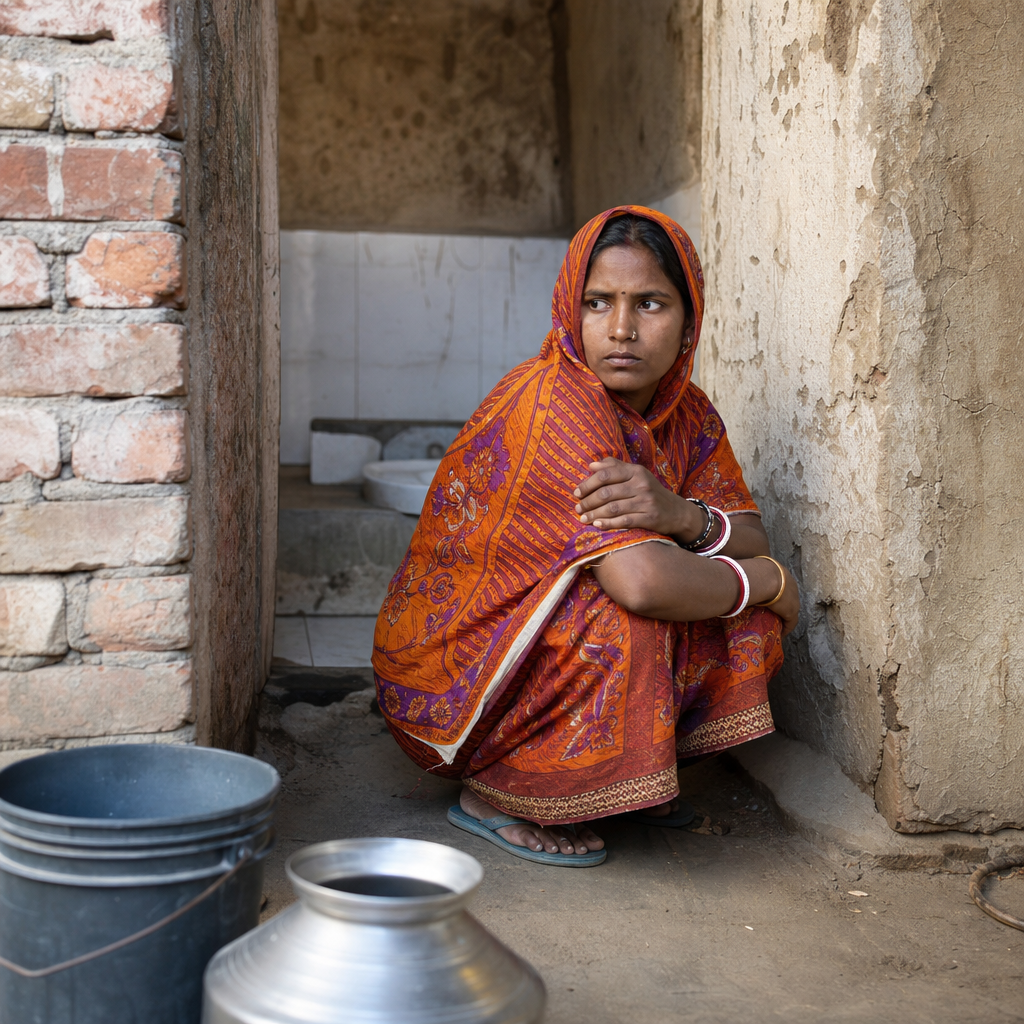
Different regions are following distinct pathways. In the Middle East and North Africa, chronic scarcity makes agricultural and landscape reuse a strategic necessity. Gulf states invest heavily in tertiary treatment and distribution networks for irrigation, although balancing high treatment costs with seasonal demand remains a challenge. In Sub-Saharan Africa, the strongest opportunities often lie in decentralized treatment, fecal sludge management, and safe reuse in peri-urban agriculture, where untreated wastewater is already used informally. Formalizing these practices through risk reduction, farmer training, and targeted treatment can deliver large health benefits at realistic cost.
Asia presents the widest variety of models. Singapore built a globally recognized advanced reuse system with microfiltration, reverse osmosis, and ultraviolet disinfection, combining industrial supply with public communication strong enough to build confidence in high-grade recycled water. India is scaling reuse through industrial mandates and city-level agreements in states such as Gujarat, Maharashtra, and Tamil Nadu, where thermal power plants and manufacturing clusters buy treated municipal effluent. China’s “sponge city” policies and stricter pollution control standards are also encouraging urban reuse, especially for river restoration, cooling water, and municipal nonpotable applications.
Europe generally advances through regulation, water efficiency targets, and basin-scale environmental management. Southern Europe has expanded irrigation reuse because of drought pressure, while the European Union’s water reuse regulation has increased clarity for agricultural applications. In North America, reuse is moving beyond golf courses and parks toward large-scale groundwater recharge, industrial supply, and potable projects. Latin America still has major gaps in wastewater treatment coverage, yet that gap also represents a sanitation opportunity: new infrastructure can be designed from the start for resource recovery rather than retrofitted later at higher cost.
Reuse Pathways and Their Best-Fit Applications
Not every treated effluent stream should be pushed to drinking-water quality. The most effective programs match treatment level to end use, a principle known as fit-for-purpose reuse. This avoids overspending on advanced treatment where simpler systems can safely meet the need. Urban nonpotable reuse includes irrigation for parks, street cleaning, toilet flushing, and construction. Industrial reuse often includes cooling towers, boiler feed after polishing, process water, and washdown. Agricultural reuse remains the largest global category because irrigation demands high volumes and can benefit from residual nutrients when salinity and pathogen risks are controlled.
Groundwater recharge is especially important in coastal and drought-prone regions because it combats aquifer depletion and saltwater intrusion. Potable reuse, either indirect through aquifers or reservoirs or direct through advanced treatment and engineered buffers, offers the highest reliability but also requires the strongest monitoring, operator competence, and public communication. In my experience, successful reuse planning starts with demand mapping before technology selection. Utilities that begin with treatment equipment often build expensive capacity with weak offtake. Utilities that first identify anchored buyers, seasonal demand patterns, storage needs, and distribution constraints create projects that operate consistently and recover more of their costs.
| Reuse pathway | Typical treatment level | Common applications | Key constraints |
|---|---|---|---|
| Urban nonpotable | Secondary plus disinfection or tertiary | Parks, toilet flushing, street cleaning | Dual piping cost, seasonal demand |
| Agricultural | Secondary, tertiary, or risk-based treatment | Food and nonfood crops, orchards, fodder | Pathogens, salinity, farmer acceptance |
| Industrial | Tertiary to advanced | Cooling, process water, boilers | Quality consistency, pretreatment needs |
| Groundwater recharge | Advanced treatment with strict monitoring | Aquifer replenishment, salt barrier control | Hydrogeology, permitting, trace contaminants |
| Potable reuse | Advanced multi-barrier treatment | Drinking water supply augmentation | Public trust, regulatory rigor, energy use |
Technology Trends: From Conventional Treatment to Resource Recovery
The technology landscape is becoming more modular, more digital, and more oriented toward recovery. Conventional activated sludge remains common, but membrane bioreactors, moving bed biofilm reactors, ultrafiltration, reverse osmosis, advanced oxidation, and ultraviolet disinfection are increasingly used where higher-quality reuse is required. For decentralized sanitation, packaged plants, anaerobic baffled reactors, constructed wetlands, sequencing batch reactors, and containerized membrane systems are expanding options for smaller communities, campuses, hotels, and industrial parks. Selection depends on influent variability, energy reliability, operator skill, land availability, and the reuse target.
One major shift is the move from “wastewater treatment” to “water resource recovery facilities.” That wording reflects real design changes. Plants now integrate biogas capture from anaerobic digestion, phosphorus recovery as struvite, biosolids beneficial use, and digital instrumentation for continuous control. Online sensors for turbidity, conductivity, ammonia, total organic carbon, chlorine residual, and microbial surrogates allow faster response and stronger compliance assurance. Asset management platforms and supervisory control and data acquisition systems reduce downtime and help utilities prove performance to regulators and industrial customers. Where power costs are high, energy efficiency measures such as fine-bubble aeration, variable frequency drives, and process optimization can materially improve project viability.
Emerging concern over trace contaminants, including PFAS, pharmaceuticals, and microplastics, is also shaping the market. Advanced treatment can reduce many of these contaminants, but the cost and residual management burden are significant. The lesson is not that reuse should slow down. It is that source control, industrial pretreatment, and risk-based monitoring must be designed into sanitation systems from the start rather than patched on later.
Policy, Finance, and Public Trust
Regulation is one of the strongest predictors of successful scale-up. Clear water quality standards, monitoring protocols, operator certification requirements, and liability rules lower uncertainty for investors and users. The World Health Organization’s risk-based sanitation guidance has been particularly influential because it focuses on health protection across the full system, from treatment to handling to final use. That is crucial in contexts where centralized infrastructure is incomplete and informal reuse already exists. A purely prohibition-based approach often fails; a managed risk-reduction approach can deliver practical health gains much faster.
Financing models are evolving as well. Capital grants still matter, especially for trunk infrastructure, but many reuse schemes now blend public funding with offtake agreements, industrial purchase contracts, development finance, or performance-based public-private partnerships. Bankable projects usually have four traits: reliable influent quantity, defensible treatment design, committed end users, and tariffs or contracts that cover operation and maintenance. Too many sanitation projects fail because they secure construction funding but not long-term operating revenue.
Public acceptance deserves equal attention. People support reuse when they understand the treatment barriers, the monitoring regime, and the purpose of the water. They resist when institutions appear evasive or inconsistent. Singapore’s visitor centers, Orange County’s groundwater replenishment outreach, and Windhoek’s long-running potable reuse program all show that trust is built through transparency, repeated evidence, and competent operations, not slogans.
What This Means for Global Opportunities in Sanitation
For the broader sanitation sector, water recycling and reuse create opportunities in infrastructure, service delivery, agriculture, energy, climate adaptation, and digital operations. Cities can reduce river pollution while creating dependable nonpotable supplies. Utilities can monetize treated effluent instead of paying only for disposal. Farmers can gain more reliable irrigation where freshwater is constrained. Industries can reduce withdrawal risk and improve compliance through circular water systems. Entrepreneurs can build businesses around decentralized treatment, fecal sludge logistics, sensor services, membrane maintenance, nutrient recovery, and reuse network management.
However, the biggest opportunity is institutional. Reuse forces agencies that often work in silos to cooperate: sanitation, water supply, agriculture, health, environment, land planning, and industry. When that coordination happens, the benefits compound. I have seen projects stall because the treatment plant was ready but irrigation permissions were not, or because industrial buyers wanted consistent pressure and quality that the distribution network could not deliver. I have also seen projects succeed when planners treated reuse as a full value chain, not a treatment add-on. That systems view should anchor every sanitation hub strategy under global challenges and opportunities.
The central takeaway is clear: global trends in water recycling and reuse are redefining sanitation from a disposal obligation into a platform for resilience and resource productivity. The best programs match treatment to use, manage risk transparently, finance operations as carefully as construction, and build public confidence through evidence. Regions will continue to adopt different models, but the direction is unmistakable. Safe reuse is becoming standard practice wherever water stress, pollution control, and economic efficiency intersect. For policymakers, utilities, investors, and development organizations, this is one of the strongest opportunities in sanitation today. Use this hub as the starting point for deeper exploration of decentralized systems, agricultural reuse, industrial water recovery, fecal sludge management, and the policies that make circular sanitation work at scale.
Frequently Asked Questions
What is the difference between water recycling and water reuse?
Water recycling and water reuse are closely related, but they are not exactly the same thing. Water recycling refers to the treatment process that takes wastewater from homes, businesses, industries, or stormwater systems and cleans it to a level that makes it safe for another beneficial purpose. Water reuse, by contrast, refers to the actual use of that treated water once it has been processed. In other words, recycling is the preparation stage, while reuse is the practical application stage.
This distinction matters because different reuse goals require different treatment standards. For example, recycled water used for irrigating golf courses, public parks, or agricultural fields may need one level of treatment, while water intended for industrial cooling, boiler feed, groundwater recharge, or indirect potable reuse may require much more advanced purification. Around the world, policymakers, utilities, and engineers increasingly use both terms together because modern water systems are being designed not only to clean wastewater, but to recover it as a reliable resource. That shift reflects a larger global trend: moving away from the old linear model of “use once and discharge” toward a circular water economy that treats water as something to be managed, renewed, and strategically reused.
Why is water recycling and reuse becoming more important around the world?
Water recycling and reuse are gaining global importance because freshwater supplies are under growing pressure from multiple directions at the same time. Rapid urbanization is concentrating demand in cities that already struggle with limited water sources. Climate change is making rainfall less predictable, intensifying droughts in some regions while increasing flooding and contamination risks in others. Agriculture remains a major water user, industry needs dependable process water, and many utilities are dealing with aging infrastructure that leaks, wastes, or cannot flexibly respond to supply shocks. In that context, recycled water offers a dependable local source that can reduce strain on rivers, lakes, aquifers, and imported supplies.
Another major reason is public health and sanitation. In many regions, untreated or poorly treated wastewater has historically been discharged into the environment, creating risks for ecosystems and communities downstream. Recycling wastewater does not just conserve water; it also improves sanitation outcomes by encouraging stronger treatment, safer discharge practices, and more controlled reuse pathways. Governments and development agencies increasingly see water reuse as a dual solution: it helps address scarcity while also supporting cleaner urban and industrial water management.
Economic resilience is also part of the trend. Recycled water can stabilize supplies for sectors that cannot afford interruptions, including manufacturing, power generation, food processing, and commercial real estate. Cities that diversify their water portfolio with reuse are often better positioned to withstand drought restrictions and long-term population growth. As a result, water recycling is no longer viewed simply as an optional environmental project. It is becoming a strategic infrastructure priority tied to climate adaptation, resource security, and sustainable development.
How is recycled water commonly used in cities, agriculture, and industry?
Recycled water is used in a wide range of applications, and the exact mix depends on local regulations, treatment capabilities, economics, and public acceptance. In cities, one of the most common uses is landscape irrigation for parks, medians, sports fields, school grounds, and golf courses. Municipalities also use recycled water for street cleaning, dust control, construction activities, toilet flushing in certain buildings, and in some cases for environmental restoration or wetland support. These non-potable uses help preserve higher-quality drinking water for household consumption and essential public needs.
In agriculture, treated wastewater is increasingly used to irrigate crops, orchards, vineyards, and fodder fields, especially in water-stressed regions. For farmers, recycled water can provide a more consistent supply than rainfall or overdrawn groundwater sources. In some systems, it may also contain nutrients such as nitrogen or phosphorus that can partially offset fertilizer needs, although careful management is essential to avoid soil salinity, crop sensitivity issues, or long-term buildup of unwanted constituents. Agricultural reuse is one of the largest and most globally significant forms of water reuse because farming consumes such a large share of total water withdrawals in many countries.
Industrial reuse is another fast-growing category. Factories and processing plants use recycled water for cooling towers, boiler systems, washing, rinsing, process water, and equipment cleaning, depending on the quality required. Industrial parks in some regions are now designed with shared water recycling systems to reduce freshwater intake and lower wastewater discharge volumes. This is especially attractive in sectors where water reliability directly affects production schedules and costs. In advanced systems, reclaimed water can also be used for groundwater recharge or indirect potable reuse, where treated water is returned to aquifers or reservoirs before being reintroduced into drinking water systems. These uses show how flexible water reuse can be when supported by strong treatment and monitoring systems.
Is recycled water safe, and how do governments ensure water quality?
Yes, recycled water can be very safe when it is treated to the appropriate standard for its intended use and managed under a strong regulatory framework. Safety depends on matching treatment levels, monitoring systems, and operational controls to the specific reuse application. For non-potable uses such as irrigation or industrial cooling, treatment may focus on reducing pathogens, solids, and certain chemical contaminants to levels suitable for human and environmental protection. For higher-value or more sensitive uses such as groundwater recharge or potable reuse, treatment typically involves multiple advanced barriers, including filtration, membrane processes, reverse osmosis, ultraviolet disinfection, and advanced oxidation.
Governments usually regulate recycled water through water quality standards, permitting systems, testing requirements, operator certification, and ongoing inspection. Utilities are often required to monitor microbial indicators, nutrients, salinity, suspended solids, residual disinfectants, and in many cases trace chemicals or emerging contaminants. Good reuse programs also rely on risk management planning, cross-connection control, clear labeling of non-potable systems, and emergency response protocols if water quality falls outside acceptable ranges. The best-performing systems do not depend on a single treatment step; they use layered protection and continuous verification.
Public confidence is equally important. Many successful reuse programs invest heavily in transparency, education, and real-time reporting so that communities understand how the water is treated and where it is being used. Over time, countries and cities with mature reuse systems have shown that recycled water can be managed safely and reliably. The key is not whether the water was previously used, but whether it has been treated, tested, and governed to the right standard for the job it is meant to do.
What are the biggest challenges and future trends in global water recycling and reuse?
The biggest challenges include infrastructure costs, regulatory complexity, public acceptance, and the technical difficulty of integrating reuse into existing water systems. Building treatment plants, dual-pipe distribution networks, storage facilities, pumping systems, and monitoring platforms can require major capital investment. In many places, the economics are strongest where water scarcity is severe or where industries are willing to pay for reliability, but financing remains a barrier in lower-income regions and municipalities with competing infrastructure needs. Regulation can also slow progress if standards are unclear, fragmented across agencies, or not updated to reflect modern treatment capabilities.
Public perception is another major factor. Even when treatment is highly advanced, some communities are hesitant about reuse, especially if potable applications are involved. That makes communication, education, and trust-building essential. Utilities that explain the science clearly, demonstrate strong performance data, and connect reuse to drought resilience and sanitation benefits are often more successful in gaining support. At the same time, operators must manage real technical concerns such as energy use, concentrate disposal from membrane systems, nutrient management, salinity control, and the detection of emerging contaminants like pharmaceuticals and PFAS where regulations require it.
Looking ahead, several trends are shaping the future of water reuse globally. One is the move toward decentralized and fit-for-purpose systems, where water is treated close to where it is generated and reused according to the exact quality needed. Another is the rise of digital monitoring, automation, and predictive analytics to improve treatment reliability and reduce operating costs. Water reuse is also increasingly being linked to broader resource recovery strategies, including energy generation from biosolids, nutrient recovery, and circular economy planning. Perhaps most importantly, reuse is becoming embedded in national water security strategies rather than treated as a niche option. As climate variability intensifies and demand grows, countries that invest early in safe, scalable water recycling systems are likely to be better prepared for a more water-constrained future.