Climate resilience in global sanitation strategies is no longer a niche planning concept; it is a public health, infrastructure, and development imperative. Sanitation refers to the systems, services, and behaviors that safely manage human waste, wastewater, stormwater, and related hygiene conditions. Climate resilience means the capacity of those systems to anticipate, withstand, adapt to, and recover from shocks such as floods, droughts, heatwaves, sea level rise, cyclones, and disease outbreaks. When these two fields intersect, the result is a practical agenda for protecting health, preserving water resources, and keeping cities and rural communities functioning under growing environmental pressure.
I have worked on sanitation planning discussions where one heavy storm erased years of incremental gains in service access. Latrines collapsed, wastewater lagoons overtopped, roads became impassable for desludging trucks, and handwashing stations ran dry during drought periods. Those failures were not isolated engineering problems. They disrupted school attendance, increased fecal contamination in water sources, raised treatment costs for utilities, and hit low income communities first. That is why climate resilience must be embedded in global sanitation strategies rather than treated as an optional upgrade.
The scale of the challenge is immense. According to the WHO and UNICEF Joint Monitoring Programme, billions of people still lack safely managed sanitation, and hundreds of millions practice open defecation or depend on inadequate shared facilities. Meanwhile, the climate hazard profile is intensifying. Heavier rainfall increases sewer overflows and pit flooding. Drought reduces water available for flushing, handwashing, and treatment processes. Extreme heat accelerates odor problems, stresses workers, and changes biological treatment performance. Coastal flooding introduces saltwater intrusion that can corrode assets and contaminate groundwater. Every region faces a different mix, but no region is insulated.
This hub article explains how to tackle sanitation challenges on a global scale through climate resilient thinking. It covers the main system types, the risks they face, the planning frameworks used by governments and utilities, financing and governance barriers, the role of inclusive design, and the practical interventions that produce measurable results. It also serves as a guide to the broader sanitation subtopic by outlining the core questions decision makers, development agencies, engineers, and advocates need to answer: what infrastructure to build, where to prioritize investment, how to protect vulnerable users, and how to sustain service under changing conditions.
Why climate resilience must anchor global sanitation strategies
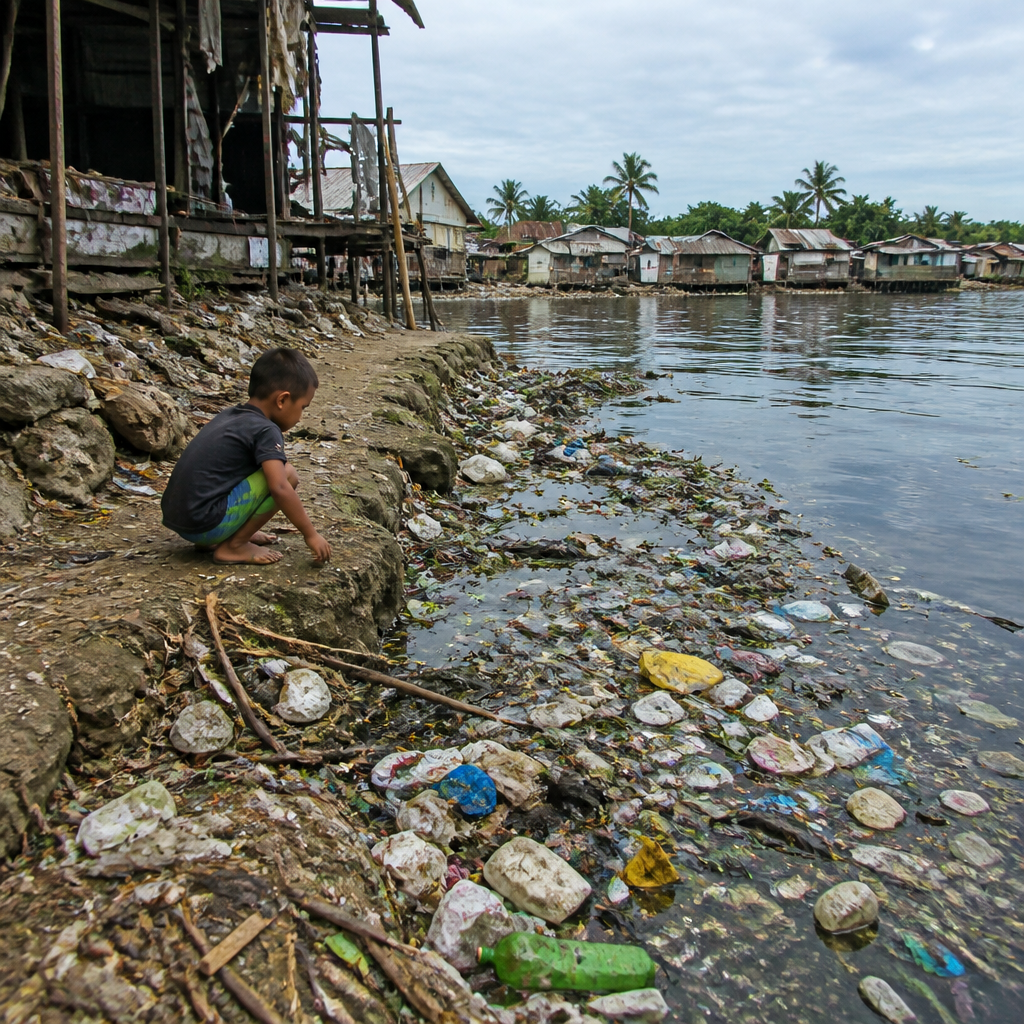
Sanitation is foundational because it interrupts disease transmission pathways. When containment, transport, treatment, or reuse fail, pathogens move into homes, streets, crops, and water bodies. Climate shocks increase the probability of failure at each point in the sanitation service chain. Floodwater enters pits and septic tanks, carrying fecal sludge into neighborhoods. Combined sewer systems discharge untreated wastewater during intense storms. Dry conditions lower flow in sewers, causing blockages and concentrated waste buildup. In informal settlements, where drainage is limited and tenure is uncertain, these risks become chronic.
Global sanitation strategies therefore have to move beyond counting toilets. The relevant unit is the full service chain: user interface, containment, emptying, transport, treatment, disposal, and where feasible, resource recovery. A flood resistant toilet without accessible desludging is not resilient. A wastewater treatment plant with no backup power is not resilient. A citywide plan that ignores peri urban growth will fail even if central districts are well served. Climate resilience anchors strategy by forcing planners to test whether each link can function under stress, not just under average conditions.
The benefits are wide ranging. Stronger sanitation resilience lowers diarrheal disease risk, protects groundwater, reduces environmental pollution, supports school and workplace attendance, and preserves dignity. It also protects other sectors. Health systems face fewer preventable outbreaks. Water utilities spend less on contamination response. Agriculture gains safer reuse opportunities when sludge and wastewater are treated properly. In economic terms, resilient sanitation avoids service disruption costs, asset replacement costs, and productivity losses that are routinely underestimated in national planning.
Understanding the main sanitation systems and their climate vulnerabilities
Global sanitation includes sewered systems, on site systems, decentralized wastewater treatment, container based sanitation, and hybrid citywide models. Each has distinct climate vulnerabilities. Conventional sewers work best where there is capital, stable power, maintenance capacity, and hydraulic control. Their weaknesses are infiltration during storms, overflow events, pumping station failure, and expensive retrofits in older cities. On site sanitation, including pit latrines and septic tanks, is widely used across low and middle income countries. Its main risks are flooding, collapse in unstable soils, groundwater contamination, and unsafe manual emptying when formal fecal sludge management is absent.
Decentralized systems can improve resilience by reducing dependence on large trunk networks, but only if they are maintained. Constructed wetlands, anaerobic baffled reactors, and small package plants can perform well, yet they still require land, influent control, sludge handling, and monitoring. Container based sanitation has proven useful in dense settlements with high water tables or inaccessible roads because waste can be removed without deep excavation. However, service quality depends on regular collection and treatment partnerships. In practice, most resilient city strategies combine multiple models rather than choosing one universal technology.
Climate exposure changes which technologies are suitable. In flood prone zones, raised toilets, sealed containment, backflow prevention, and elevated electrical components matter. In drought prone regions, dry or low water sanitation options gain value, especially where water trucking is common and operating costs are high. In cyclone exposed coastal areas, wind loading, corrosion resistance, and rapid service restoration become major design criteria. The right question is not whether one system is superior in theory. It is which service model can safely perform in a specific geography over time.
Core planning principles for tackling sanitation challenges on a global scale
The most effective sanitation strategies start with risk based planning. Teams map hazards, exposure, asset condition, population growth, and service inequities, then prioritize interventions where public health consequences are highest. I have seen utilities make better decisions once they layered flood maps with desludging routes, pumping station locations, groundwater dependence, and informal settlement density. That kind of analysis reveals that climate resilience is often a logistics and governance challenge as much as an engineering one.
Three planning principles consistently matter. First, design for the full sanitation service chain, not isolated assets. Second, apply adaptive management, which means using phased investments, performance monitoring, and course correction as data improves. Third, prioritize inclusivity. Women, children, older adults, people with disabilities, displaced populations, and sanitation workers face different risks and need different design responses. A resilient toilet that is inaccessible, unsafe at night, or impossible to empty during monsoon season is a planning failure.
| Challenge | Climate pressure | Practical resilience response |
|---|---|---|
| Flooded pit latrines | Heavy rainfall and rising water tables | Raised platforms, sealed pits, lined containment, scheduled emptying before wet seasons |
| Sewer overflows | Extreme storm intensity | Separate stormwater where feasible, add storage, upgrade pumping redundancy, use real time monitoring |
| Water scarce flushing systems | Drought and heat | Low flush fixtures, water reuse, non sewered options, demand management |
| Treatment plant shutdowns | Power outages and heat stress | Backup energy, modular treatment trains, operator protocols, heat adapted process control |
| Unsafe sludge transport | Road disruption and urban growth | Transfer stations, route planning, local treatment nodes, licensed operators |
These principles are now reflected in recognized approaches such as citywide inclusive sanitation, sanitation safety planning from the World Health Organization, and climate risk screening used by multilateral development banks. The common thread is simple: plan sanitation as a service ecosystem exposed to physical, social, and financial stress.
Infrastructure, operations, and technology choices that improve resilience
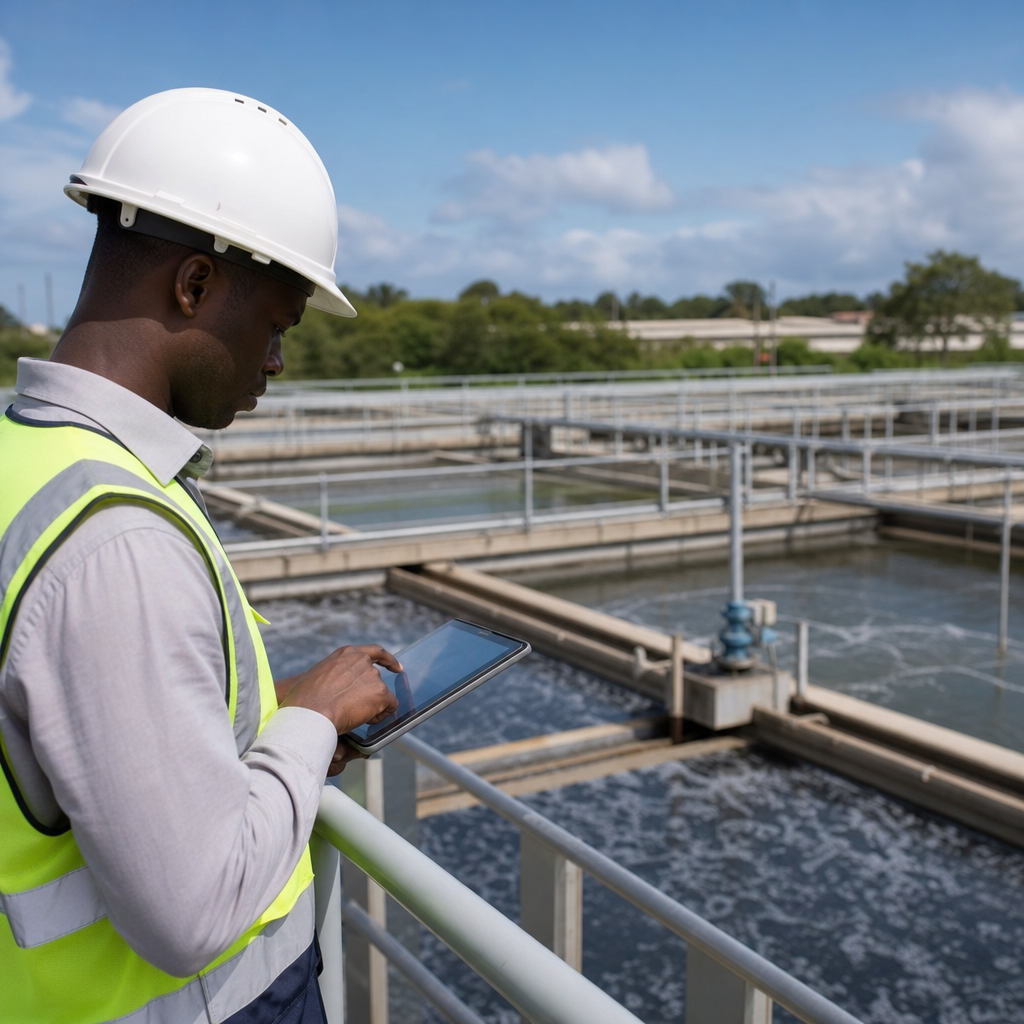
Resilient sanitation depends on both capital works and daily operations. Asset upgrades include watertight containment, flood barriers, elevated control rooms, corrosion resistant materials, backup generators, solar supported pumping, and improved drainage around facilities. Operational measures include preventive maintenance, spare parts inventories, pre storm emptying campaigns, remote sensor alerts, and operator training for emergency response. In many settings, operational discipline delivers faster gains than major construction because it reduces downtime and extends asset life.
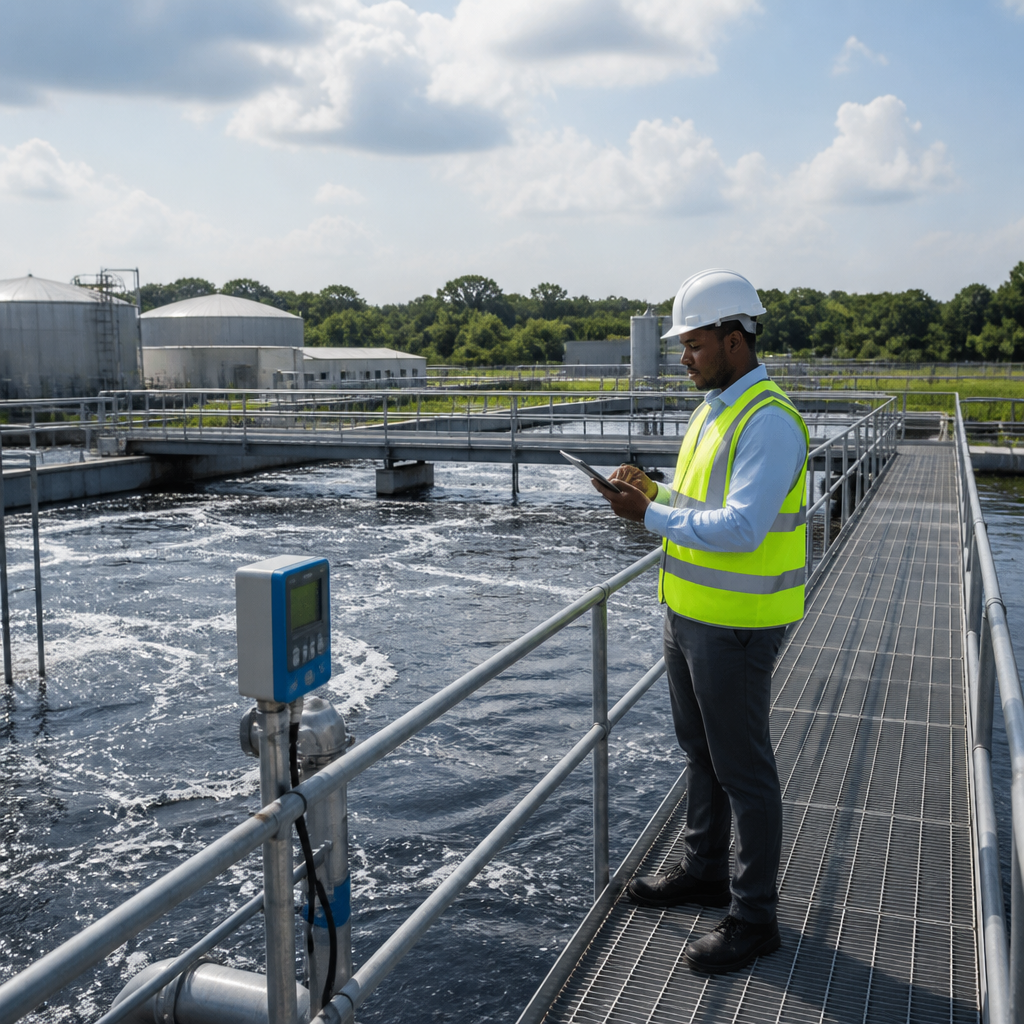
Digital tools are becoming increasingly useful. Geographic information systems help utilities map vulnerable assets and underserved neighborhoods. SCADA systems can monitor flows and trigger alarms at pumping stations. Mobile payment and dispatch platforms improve fecal sludge collection efficiency. Satellite rainfall data can support early warning. None of these tools replace maintenance crews or governance reform, but they make response faster and more targeted. The strongest programs pair technology with clear accountability and budget lines.
Resource recovery can also strengthen resilience if done carefully. Treated wastewater can support irrigation where freshwater is scarce. Biogas from sludge can offset energy costs. Nutrient recovery can create local agricultural inputs. Yet reuse only works when treatment standards, occupational safety, market demand, and public communication are managed properly. Poorly regulated reuse spreads risk rather than reducing it. The lesson from successful programs in places such as Dakar, eThekwini, and parts of India is that resilient sanitation is not just about disposal. It is about safely closing loops where conditions allow.
Governance, finance, and equity barriers that determine success
Many sanitation failures stem from institutional fragmentation. One agency manages sewers, another drainage, another solid waste, and another public health. Climate resilience cuts across all of them, so weak coordination creates predictable blind spots. For example, blocked drains from unmanaged solid waste can trigger toilet flooding even when sanitation assets are structurally sound. Similarly, land use decisions that permit settlement in floodplains raise service risk far beyond what utilities can solve alone. Effective governance requires shared data, joint emergency protocols, and regulation that covers on site sanitation as seriously as sewered networks.
Finance is equally decisive. Sanitation is underfunded globally because benefits are dispersed and political payoffs are less visible than roads or power projects. Climate adaptation finance has not fully closed the gap, partly because sanitation projects are often prepared poorly or framed too narrowly. Bankable pipelines need clear service level targets, lifecycle costing, climate risk evidence, and realistic tariffs or subsidy structures. Blended finance can help, but most countries will still need public investment, concessional loans, and targeted support for low income users. Full cost recovery from the poorest households is neither realistic nor equitable.
Equity must be treated as a design parameter, not an afterthought. Informal settlements, refugee camps, small island states, and rural communities often face the highest climate exposure with the least institutional support. Gender responsive sanitation planning improves safety, privacy, menstrual hygiene management, and caregiver needs. Disability inclusive standards improve usability for everyone. Protecting sanitation workers through mechanization, personal protective equipment, vaccination, and labor regulation is nonnegotiable. Systems are not resilient if they rely on hazardous informal labor to function.
What governments, utilities, and development partners should do next
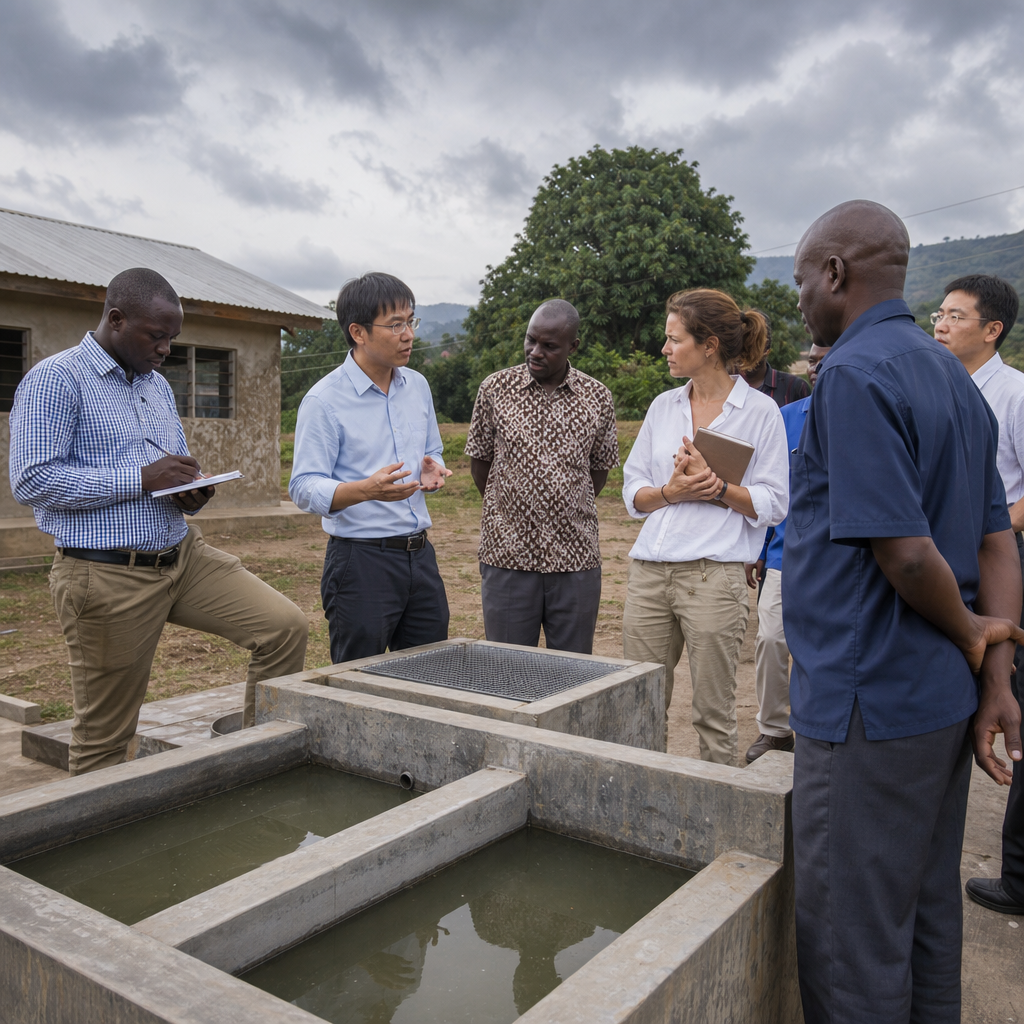
The most useful next step is to treat sanitation resilience as a core public service reform agenda. Governments should update national sanitation policies to include climate risk criteria, service chain regulation, and performance monitoring that goes beyond access counts. Utilities and municipalities should develop asset level vulnerability assessments, emergency operating procedures, and phased investment plans tied to realistic budgets. Development partners should fund preparation work, not only construction, because weak diagnostics and procurement often undermine otherwise sound projects.
There are several actions that consistently produce results. Map underserved areas and hazard zones together. Upgrade the highest risk facilities first, especially schools, health centers, dense settlements, and critical pumping or treatment nodes. Formalize fecal sludge management with licensed operators, transfer stations, disposal controls, and treatment capacity. Build maintenance systems that include staffing, parts, and data, not just infrastructure handover. Use standards from organizations such as WHO, UNICEF, the World Bank, and ISO where relevant, but adapt them to local hydrology, settlement patterns, and fiscal capacity.
Climate resilience in global sanitation strategies ultimately means protecting people from preventable harm while building services that can endure uncertainty. The strongest programs are practical, evidence based, and locally grounded. They recognize that sanitation is a network of assets, workers, institutions, and users exposed to changing hazards. If this hub article shapes one decision, let it be this: stop planning sanitation for normal conditions that no longer exist. Plan for volatility, fund for maintenance, design for inclusion, and build systems that keep working when they are needed most.
Frequently Asked Questions
What does climate resilience mean in the context of global sanitation strategies?
In global sanitation, climate resilience means designing, operating, and improving sanitation systems so they can continue to protect public health under changing and more extreme environmental conditions. That includes the ability to anticipate risks, withstand shocks, adapt to long-term climate pressures, and recover quickly after disruption. Sanitation is not limited to toilets alone; it includes the safe management of human waste, wastewater, drainage, sludge, hygiene conditions, and the infrastructure and services that connect homes, institutions, and treatment systems.
A climate-resilient sanitation strategy must account for hazards such as flooding, drought, heatwaves, cyclones, sea level rise, saltwater intrusion, and disease outbreaks. For example, pit latrines may overflow during floods, sewer networks can fail during storm surges, wastewater treatment plants may be damaged by extreme rainfall, and drought can reduce water availability for flush-based systems. Rising temperatures can also accelerate pathogen growth, affect treatment performance, and increase odor and maintenance problems.
Resilience therefore requires a shift from static planning to risk-informed planning. Governments, utilities, NGOs, and communities need to assess where systems are vulnerable, identify which populations are most exposed, and choose solutions that fit local climate realities. In practice, that can mean elevating sanitation facilities in flood-prone areas, diversifying technologies, improving drainage around toilets and treatment sites, strengthening monitoring systems, and preparing emergency response plans. The goal is not simply to rebuild after climate shocks, but to create sanitation services that remain safe, inclusive, and functional as climate risks intensify.
Why is climate resilience now considered essential rather than optional in sanitation planning?
Climate resilience is essential because sanitation failure quickly becomes a public health emergency. When sanitation systems break down, fecal contamination can spread through water, soil, food, and living environments, increasing the risk of diarrheal disease, cholera, typhoid, hepatitis, and other infections. Climate change makes these breakdowns more frequent and more severe by intensifying rainfall, flooding, drought, coastal erosion, and heat stress. As a result, sanitation planning that ignores climate risk is increasingly likely to produce infrastructure that underperforms, fails early, or exposes communities to avoidable harm.
There is also a strong economic and development case. Sanitation assets are expensive to build and maintain, and climate-related damage can erase years of investment. Reconstructing flood-damaged toilets, repairing sewer collapses, restoring treatment plants, and responding to disease outbreaks all carry major financial costs. Climate-resilient planning helps reduce those losses by improving durability, lowering service interruptions, and protecting long-term returns on infrastructure spending. It also supports broader goals in health, education, gender equality, urban development, and environmental protection.
Most importantly, climate impacts do not fall evenly. Low-income communities, informal settlements, rural populations, coastal areas, and people living in fragile or conflict-affected settings often face the highest sanitation risks while having the fewest resources to cope. Women, children, older adults, and people with disabilities may experience especially severe consequences when sanitation access becomes unsafe or inaccessible. Treating resilience as optional would leave the most vulnerable groups exposed. That is why climate resilience has become a core requirement for responsible sanitation policy, not an added feature for later consideration.
How do climate hazards like floods, droughts, and heatwaves affect sanitation systems differently?
Different climate hazards create different sanitation risks, which is why one-size-fits-all solutions rarely work. Flooding is one of the most immediate and visible threats. It can inundate toilets, overflow septic tanks and pit latrines, damage pumping stations, and wash untreated waste into streets, rivers, and water supplies. In dense urban areas, stormwater can overwhelm combined systems and spread contamination rapidly. Floods can also physically displace communities, making existing sanitation infrastructure unusable just when safe services are most urgently needed.
Drought creates a different set of pressures. Water-scarce conditions can make conventional flush toilets difficult or impossible to operate reliably, especially in places where households already face intermittent water access. Reduced flows in sewer systems can lead to blockages, odor, corrosion, and decreased treatment efficiency. At the same time, dry conditions can concentrate pollutants in limited water sources and increase reliance on unsafe sanitation practices if water-dependent systems fail. Drought also places stress on hygiene behaviors such as handwashing, which are closely linked to sanitation outcomes.
Heatwaves and rising average temperatures can affect both infrastructure and treatment performance. High heat can accelerate decomposition, intensify odors, increase vector activity, and create unsafe working conditions for sanitation workers. Some treatment processes become less effective or harder to control when temperatures rise beyond design expectations. In coastal areas, sea level rise and saltwater intrusion can corrode assets, impair drainage, contaminate groundwater, and compromise systems that depend on shallow pits or underground containment. Effective sanitation planning starts with understanding these hazard-specific impacts and then matching technologies, operations, and emergency measures to the local climate threat profile.
What are the most effective strategies for building climate-resilient sanitation systems?
The most effective strategies begin with risk assessment and context-specific design. Planners need to map climate hazards, identify vulnerable populations, evaluate existing service weaknesses, and consider how infrastructure will perform over time under different climate scenarios. This means looking not just at engineering design, but also at land use, groundwater conditions, maintenance capacity, financing, governance, and social inclusion. Resilience is strongest when sanitation decisions are based on local evidence rather than assumptions or imported models.
On the infrastructure side, resilient strategies may include elevating facilities in flood zones, sealing containment systems to reduce leakage, improving drainage around toilets and treatment sites, separating stormwater from wastewater where possible, protecting power supplies for pumping stations, and choosing technologies that can function with low water availability. In some settings, decentralized or modular systems can be more resilient than large centralized networks because they reduce dependence on a single point of failure. In others, upgrading treatment capacity and improving utility management may deliver the greatest benefit. There is no universal solution, but there is a consistent principle: sanitation systems should be designed for real climate stresses, not historical averages alone.
Operational resilience is equally important. Regular maintenance, emergency preparedness, spare parts availability, worker safety protocols, data monitoring, and clear institutional responsibilities all help systems recover faster after extreme events. Inclusive community engagement also matters. People are more likely to use, maintain, and protect sanitation systems when solutions reflect local preferences and realities. Finally, financing must support resilience from the start. It is far more effective to invest in climate-smart planning, robust construction, and adaptive management up front than to repeatedly pay for repairs, public health response, and service disruption later.
How can policymakers and development organizations integrate climate resilience into sanitation policy and investment decisions?
Policymakers and development organizations can start by making climate risk assessment a standard requirement in sanitation planning, budgeting, and project approval. Instead of treating climate considerations as a separate environmental box to check, they should embed resilience criteria into sector policies, technical guidelines, procurement standards, and infrastructure design norms. This includes requiring that new sanitation investments account for present and projected hazards, service continuity, environmental safety, and the needs of vulnerable groups.
Investment decisions should also prioritize adaptive capacity, not only asset construction. That means funding data systems, climate-informed asset management, local technical training, operation and maintenance capacity, emergency response planning, and public health surveillance. Stronger coordination across sanitation, water, drainage, health, housing, disaster risk management, and urban planning institutions is essential because climate impacts cut across sectors. A wastewater facility cannot be considered resilient if surrounding drainage fails, if roads become impassable for desludging services, or if health systems are unprepared for outbreak response after contamination events.
Development organizations have a particularly important role in supporting pilot projects, generating evidence, and helping countries scale practical solutions. They can finance climate-resilient infrastructure, support policy reform, strengthen local institutions, and ensure that lessons from one region inform others facing similar risks. Policymakers should also use equity-focused targeting so that investments reach underserved settlements, rural communities, coastal zones, and climate-vulnerable populations that are often overlooked. Ultimately, integrating resilience into sanitation policy is about protecting health, preserving infrastructure value, and ensuring that sanitation services remain safe and reliable in a changing climate.