Understanding Blackwater and Its Environmental Impact
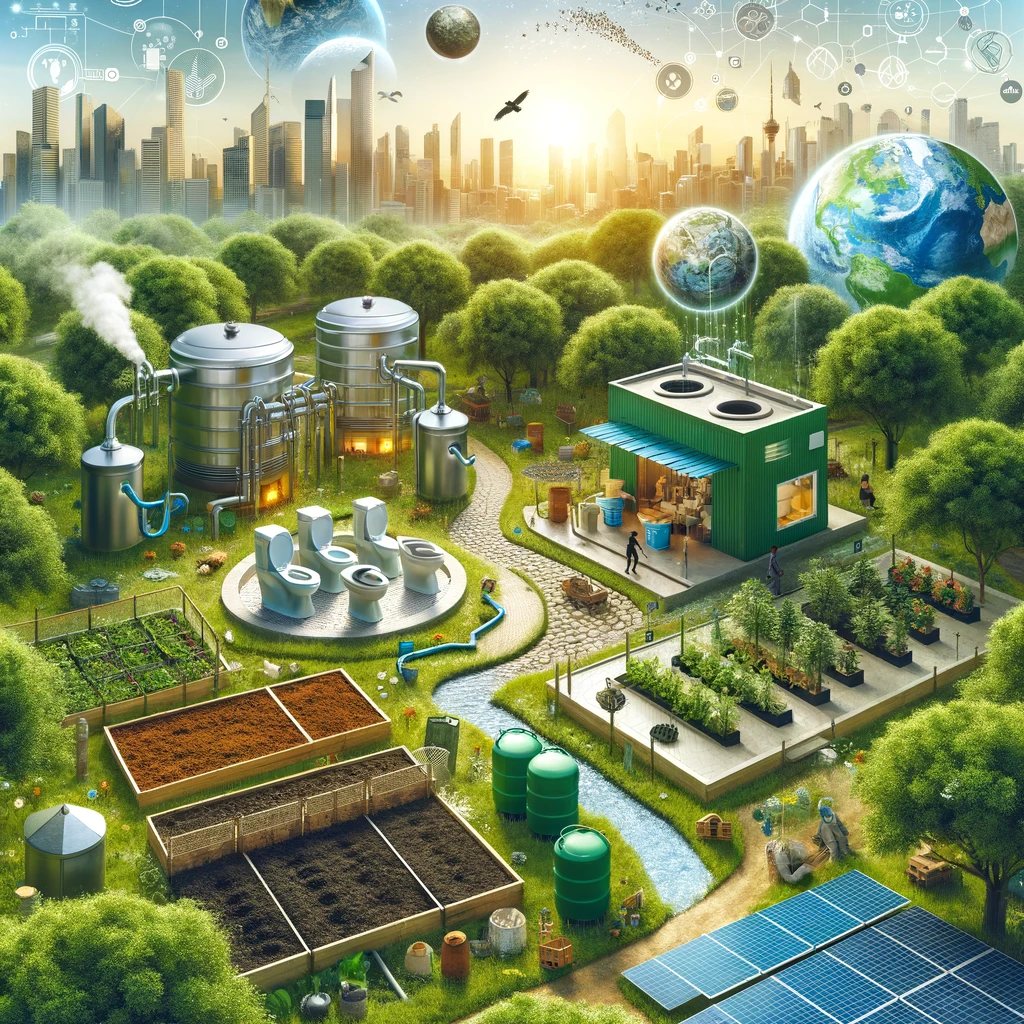
Blackwater, primarily from toilets, kitchens, and dishwashers, contains organic matter, pathogens, and nutrients that can be harmful to the environment if not treated properly. Traditionally, this wastewater has been channeled through sewage systems and processed in large-scale treatment facilities. However, these methods often require substantial energy inputs and can result in polluted water bodies and depleted ecosystems. In the context of increasing environmental awareness and the push towards sustainability, ecological sanitation (EcoSan) approaches to blackwater treatment have gained attention. These methods not only aim to minimize environmental impact but also seek to recycle nutrients and organic matter back into the ecosystem.
EcoSan Technologies: Pioneering Sustainable Blackwater Management
EcoSan technologies revolve around the principles of reducing, reusing, and recycling waste within the sanitation sector. By treating blackwater as a resource rather than waste, these systems play a crucial role in sustainable water management and nutrient cycling.
Constructed Wetlands: Nature’s Filtration System
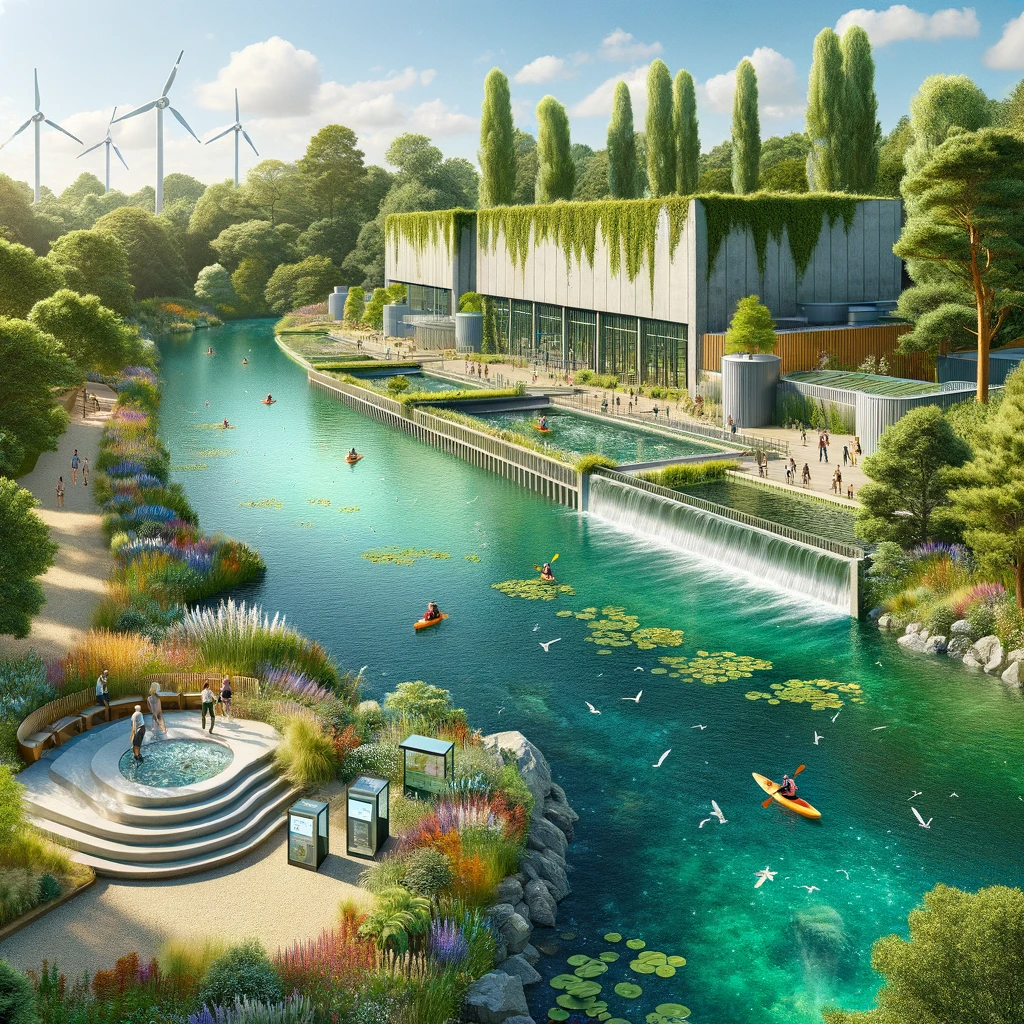
One widespread EcoSan approach is the use of constructed wetlands. These systems simulate natural wetland processes to purify blackwater in a controlled environment. Plants and microorganisms in the wetland break down pollutants organically, turning potentially harmful effluent into clean water that can safely be discharged into water bodies or reused for irrigation. Constructed wetlands are celebrated for their low energy requirements and minimal mechanical parts. Their effectiveness in both rural and urban settings, coupled with their ability to blend into the landscape, makes them a practical and aesthetically pleasing option for communities embracing eco-friendly waste treatment.
Composting Toilets: Minimal Water, Maximum Reuse
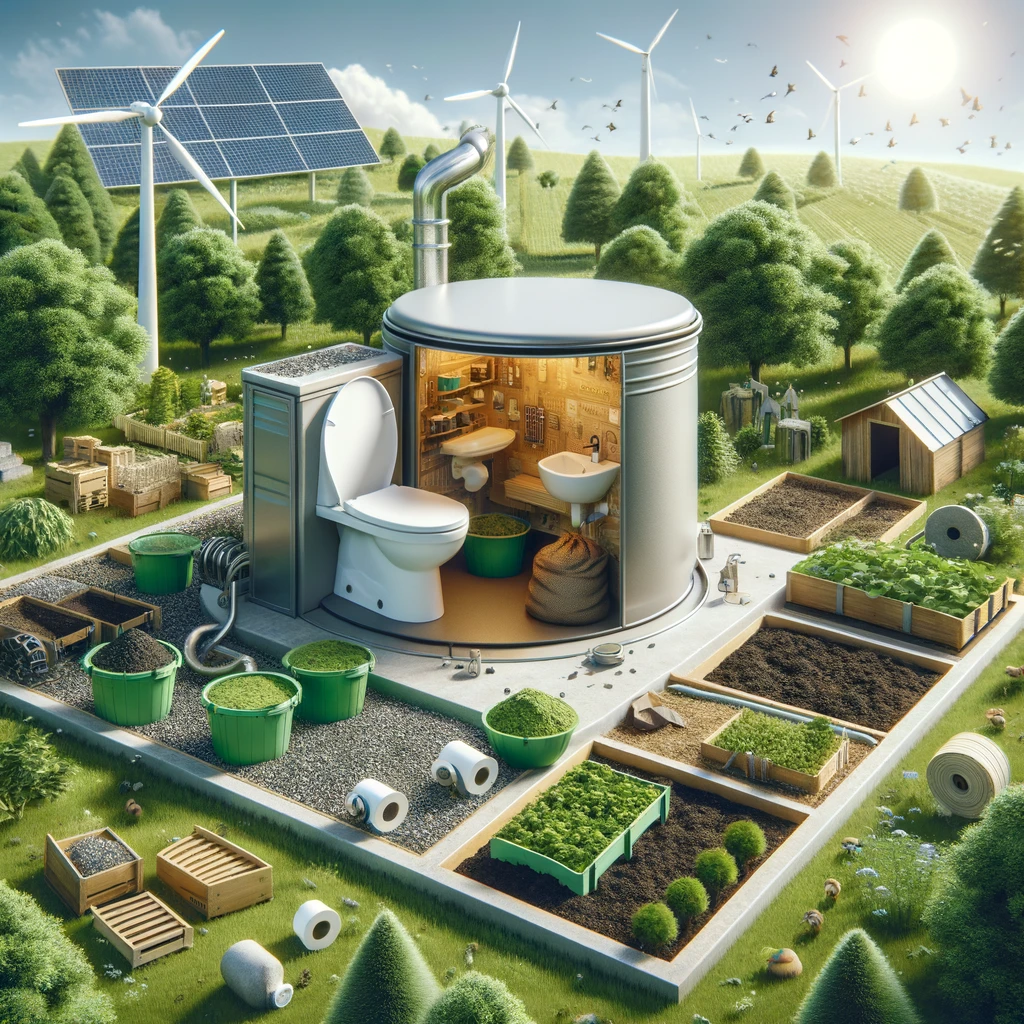
Another significant method in ecological sanitation is the composting toilet. This dry sanitation system does not use water for flushing, which drastically reduces the volume of blackwater generated. Instead, human waste is collected and allowed to decompose in the presence of bulking agents like sawdust, which facilitates aerobic decomposition. The end product is compost that can be used to improve soil fertility, closing the loop on waste disposal by turning it back into a resource. Composting toilets are particularly advantageous in areas with limited water resources and provide an excellent solution for reducing water usage and treating waste on-site.
Biogas Digesters: Converting Waste to Energy
Biogas digesters add another layer to the sustainable treatment of blackwater by providing a source of renewable energy. In these systems, blackwater is mixed with other organic waste in an anaerobic digester. Microorganisms break down the waste in the absence of oxygen, producing methane-rich biogas and a nutrient-rich effluent. The biogas can be used for cooking, heating, or generating electricity, while the effluent can be further treated and used as a fertilizer. This method not only helps reduce the volume of waste but also contributes to energy production, offering a compelling example of how EcoSan technologies can create multiple beneficial outputs from what is traditionally seen as waste.
Adapting EcoSan Practices for Diverse Environments
Implementing EcoSan technologies often requires a shift in both infrastructure and mindset. However, the adaptability of these systems allows for significant customization to meet local needs and conditions. Whether integrating a wetland system into a community park or installing composting toilets in remote areas, the flexibility of EcoSan technologies makes them applicable across various settings. As communities grow increasingly conscious of the impacts of traditional sanitation on the environment, EcoSan presents a viable path toward sustainable and resilient waste management practices.
The ongoing development and refinement of these technologies will likely play a critical role in shaping the future of sanitation, water management, and ecological preservation. Continued exploration and adaptation of these methods is essential as we strive for a sustainable balance between human activity and environmental health.
Tailoring EcoSan Systems to Community Needs
Implementing EcoSan systems is more than just adopting new technologies; it involves a comprehensive understanding of local environmental conditions, community needs, and cultural practices. Successful integration of these systems requires careful planning and community involvement to ensure that the solutions are both sustainable and socially acceptable.
Engaging Communities in EcoSan Projects
Community engagement is critical in the rollout of EcoSan solutions. Workshops, educational programs, and participatory design sessions can play vital roles in gaining local support and understanding. By involving community members in the decision-making process, it not only empowers them but also tailors the system to their specific environmental and social landscape. For instance, in urban areas, where space might be limited, a small-scale vertical wetland system can be implemented. This system not only treats blackwater efficiently but also adds greenery to the urban environment. In contrast, rural areas might benefit from larger, horizontal wetlands that can handle higher volumes of wastewater from agricultural activities.
Overcoming Challenges with Adaptive Designs
While the benefits of EcoSan systems are clear, their implementation can face several challenges ranging from technical issues to public perception. Adaptive design is crucial in overcoming these obstacles. For example, in colder climates, protecting the biological components of a wetland from freezing can be achieved by insulating the wetland or adjusting the depth at which it operates. Similarly, to address the skepticism regarding composting toilets, effective communication on the health and safety standards maintained during the composting process, along with demonstrations of successful implementations, can help in changing public attitudes.
Monitoring and Maintenance: Ensuring Long-Term Success
The longevity and effectiveness of EcoSan systems rely heavily on regular monitoring and maintenance. Developing simple, yet effective, maintenance routines can be incorporated into community training programs. Regular feedback loops between users and service providers also enhance system performance and user satisfaction. For example, a community-based approach where local residents are trained to perform basic wetland upkeep not only keeps the system running smoothly but also provides employment opportunities. Similarly, for biogas digesters, training locals to monitor gas production and system integrity can maximize both the energy output and the system’s lifespan.
Leveraging Technology for Enhanced Efficiency
Advancements in technology also play a role in optimizing EcoSan systems. Remote monitoring tools can help track the performance of a wetland or the composting progress in toilets. Data collected through such tools can lead to better design adjustments and operational practices suited to specific conditions. Furthermore, integrating smart technologies to control conditions within a biogas digester, such as temperature and pH, can significantly enhance biogas yield and system stability.
This not only improves the efficiency of the system but also the reliability, encouraging wider adoption. As technology and community engagement continue to develop in tandem, EcoSan systems can be refined and adapted to meet the evolving needs of communities worldwide, ensuring that these sustainable practices become a cornerstone of environmental conservation strategies.
Embracing the Future with EcoSan Innovations
As we edge closer to a future where sustainability is not just a necessity but a priority, the role of technology in EcoSan systems exemplifies a significant leap towards environmental conservation. The integration of sophisticated monitoring and smart control technologies has not only streamlined the efficiency of these systems but has also fortified the reliability that communities put in them. The potential of technology to transform EcoSan systems into more adaptive, robust, and user-friendly solutions presents a bright horizon. This is particularly crucial as the fight against water scarcity and sanitation issues becomes more intense due to growing global populations and climate change.
By harnessing the power of technological advancements, we can ensure that EcoSan systems are not only more effective but also more accessible to communities that need them the most. In conclusion, as we continue to develop and integrate new technologies into EcoSan systems, we are setting the stage for a sustainable revolution in wastewater management. The journey towards fully sustainable sanitation practices is complex and challenging, yet achievable with the continued commitment to innovation and community-centric approaches. Let us press on with the confidence that our efforts today will pave the way for a healthier, more sustainable tomorrow.
References
- Anderson, J. M., & Mitchell, P. D. (2019). Sustainable Management of Blackwater Systems. Environmental Research Press.
- Carter, L. E., & Thompson, S. T. (2021). “Innovations in Agricultural Wastewater Treatment: The Role of Constructed Wetlands.” Journal of Environmental Science and Health, 56(4), 623-637.
- Greene, A. C., & Ford, D. E. (2020). “Eco-Friendly Approaches to Rural Sanitation: Challenges and Solutions.” Ecology and Society, 25(3), Article 10.
- Kumar, P., & Singh, A. (2018). Modern Techniques in Water and Wastewater Treatment. LORES Publishing.
- Langdon, R. J., and Jacobs, P. M. (2022). “Using Reed Bed Systems for Blackwater Treatment: A Five-Year Study.” Water Resource Management, 36(2), 455-470.
- Nielsen, D. R. (2017). “Bioremediation of Blackwater: Exploring Biofilm Applications.” Biotechnology Advances, 35(6), 889-904.
- O’Connor, M. J. (2018). “Recycling Blackwater into Irrigation Water: Opportunities and Constraints.” Journal of Sustainable Agriculture, 42(5), 516-529.
- Petrovski, S., and Zimmerman, J. B. (2021). “The Impact of Microbial Fuel Cells in Blackwater Treatment.” Renewable and Sustainable Energy Reviews, 138, Article 110645.
- Sullivan, A. P., and Franklin, L. M. (2019). “Environmental Considerations for Blackwater Treatment in Urban Areas.” Urban Water Journal, 16(9), 675-682.
- Walker, T. L., & Meyers, R. A. (2022). Eco-friendly Wastewater Treatment Technologies. Springer Nature.