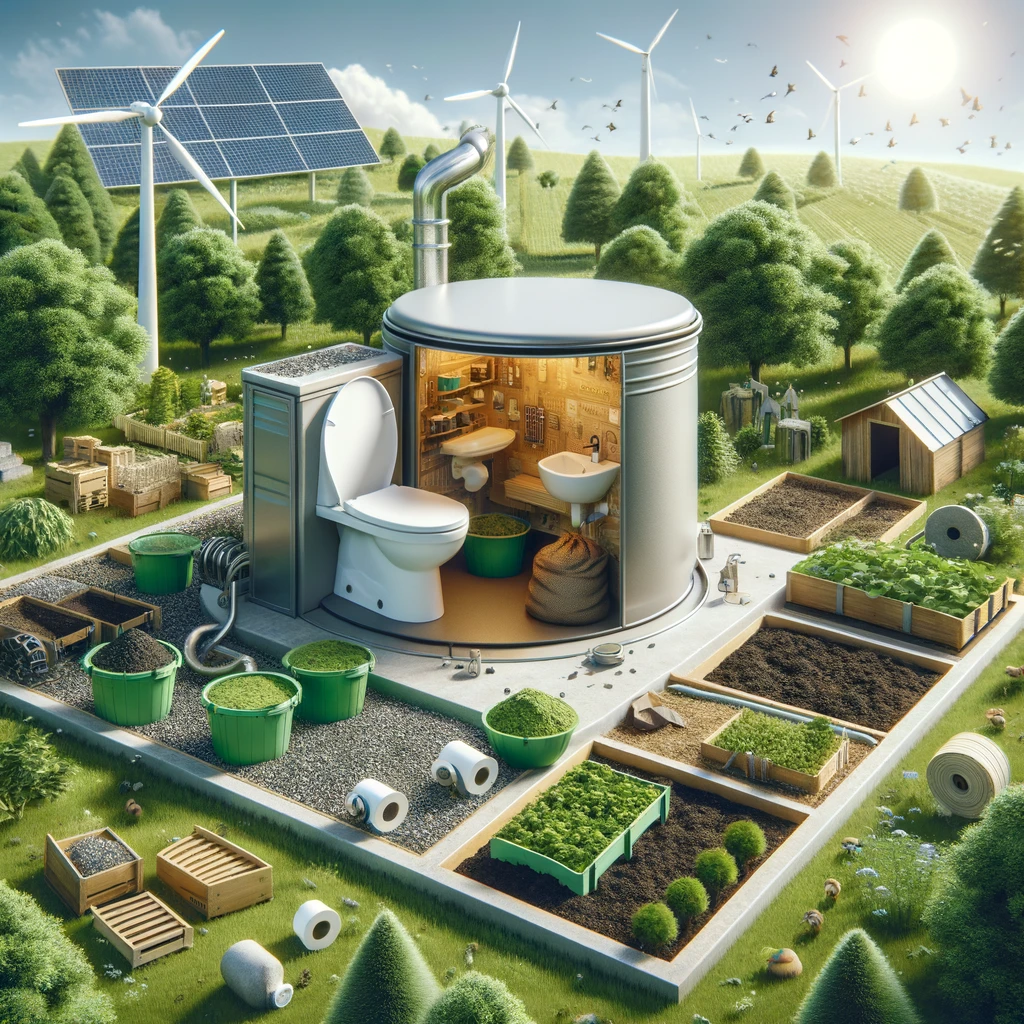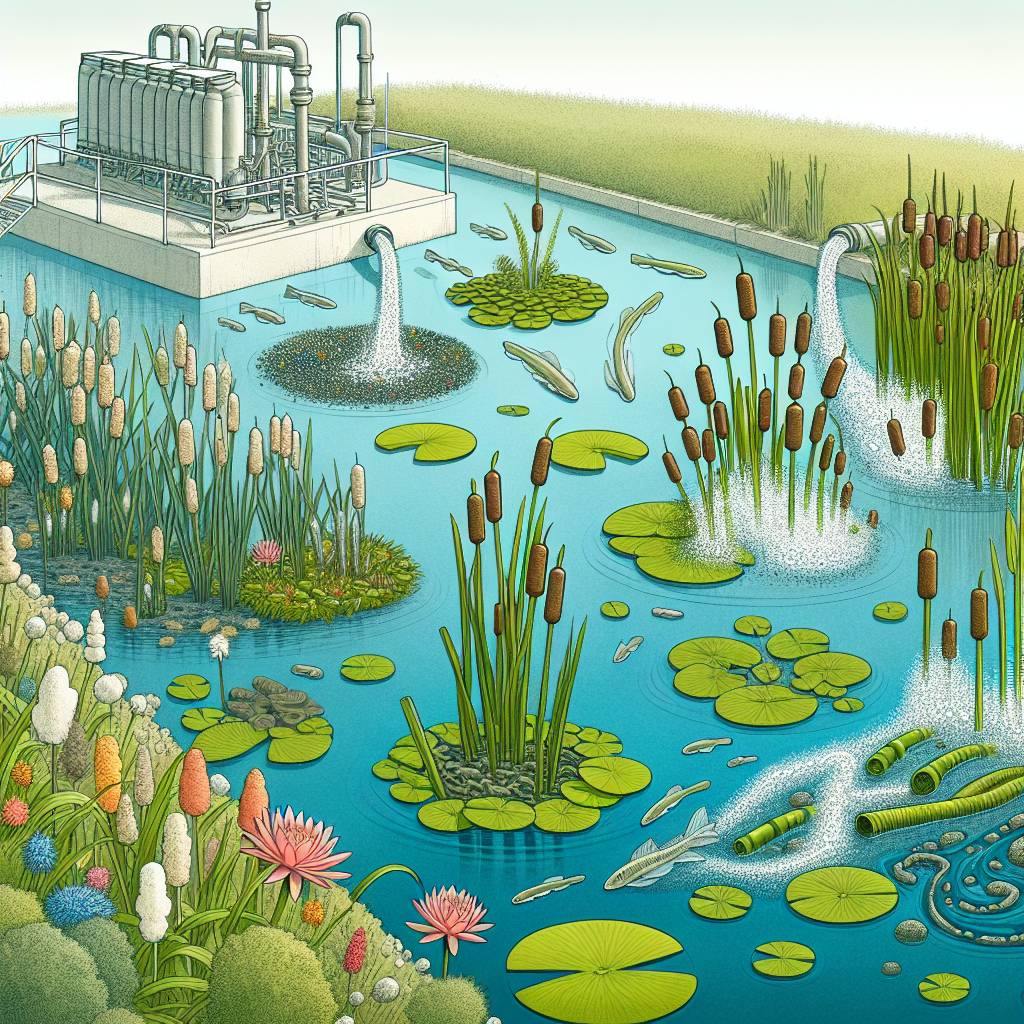
In the quest for sustainable water management solutions, one fascinating approach that has gained traction in recent years is the utilization of aquatic plants in wastewater treatment ponds. In ecological sanitation (EcoSan) systems, these plants play a critical role by contributing to the natural purification process. This not only offers an eco-friendly alternative to conventional wastewater treatments but also aids in mitigating the effects of water pollution, conserving natural resources, and supporting biodiversity. Aquatic plants, including water hyacinth, duckweed, and various species of cattails and bulrushes, possess unique biological traits that enable them to thrive in nutrient-rich environments like wastewater ponds. Their natural ability to absorb and break down pollutants through a combination of physical, chemical, and biological processes makes them invaluable in treating and purifying wastewater. The principles behind using aquatic plants in wastewater treatment align with the broader goals of ecological sanitation (EcoSan)—a system that seeks to close nutrient and water loops while minimizing environmental footprints. By anchoring these systems within a natural framework, aquatic plants help transform waste into valuable resources. Additionally, they contribute to the maintenance of healthy ecosystems and the reduction of greenhouse gas emissions. This article delves into the multifaceted role of aquatic plants in wastewater treatment ponds. We will explore the different types of plants used, the processes involved in purification, the benefits derived from such systems, various case studies illustrating successful implementations, and the challenges encountered along the way. By the end of this article, you will gain a comprehensive understanding of how these green powerhouses are reshaping the landscape of sustainable water management.
Types of Aquatic Plants Used in Wastewater Treatment Ponds
There is a wide variety of aquatic plants that can be effectively utilized in wastewater treatment ponds. Each type of plant has its unique properties and benefits that contribute to the purification process. Here are some of the key players: Water Hyacinth: Often considered a problematic invasive species, water hyacinth is nevertheless highly efficient in bio-remediation. It has a remarkable capacity to uptake nutrients, particularly nitrogen and phosphorus, from the water. As an added benefit, water hyacinth is also capable of absorbing heavy metals and other toxic substances, making it an excellent choice for treating industrial wastewaters. Duckweed: Known for its rapid growth and high nutrient absorption rate, duckweed is another strong candidate for wastewater treatment. It thrives in nutrient-rich waters and can double in biomass every few days. Duckweed-based systems not only help purify water but also produce valuable biomass that can be harvested and used as animal feed or biofuel. Cattails (Typha species): Cattails are perennial plants commonly found in wetlands. Their extensive root systems provide a large surface area for microbial activity, which plays a significant role in breaking down organic matter. Cattails are particularly effective in removing suspended solids, reducing biochemical oxygen demand (BOD), and absorbing heavy metals. Bulrushes (Schoenoplectus species): Bulrushes are similar to cattails, with robust root systems that aid in the filtration and absorption of pollutants. They are particularly adept at removing nitrogen compounds from wastewater and improve the overall quality of the treated water. The selection of plants depends on various factors, including the specific pollutants present in the wastewater, climatic conditions, and the desired outcomes. Combining different types of plants can often yield the best results, as they complement each other’s strengths and weaknesses.
The Processes Involved in Wastewater Purification by Aquatic Plants
The process of wastewater purification by aquatic plants is intricate and involves multiple stages, each contributing to the overall effectiveness of the treatment system. Here’s a step-by-step breakdown of how these plants work their magic: Phytoremediation: This is the core process wherein plants absorb, accumulate, and break down pollutants. Aquatic plants uptake nutrients and contaminants through their roots, leaves, and stems. The pollutants are either metabolized within the plant tissues, stored in the biomass, or transformed into less harmful compounds. Phytostabilization: Through their root systems, aquatic plants stabilize sediments and reduce the re-suspension of contaminants. This is particularly important in preventing the spread of pollutants in the water column. Biological Filtration: The roots of aquatic plants provide a habitat for diverse microbial communities. These microbes play a crucial role in decomposing organic matter, breaking down pollutants, and converting harmful substances into less toxic forms. This symbiotic relationship enhances the overall efficiency of the treatment process. Oxygenation: Some aquatic plants, such as reeds and certain grasses, have the ability to transport oxygen from their aerial parts to their root zones. This oxygenation process creates aerobic conditions within the root zone, facilitating the activity of aerobic bacteria, which are essential for the breakdown of organic pollutants. Sedimentation: As water flows through the plant root zones, particles and suspended solids settle out due to reduced water velocity. This sedimentation process helps clarify the water and remove particulate matter. Transpiration and Evapotranspiration: Aquatic plants help in removing excess water through the processes of transpiration and evapotranspiration. This not only reduces the volume of wastewater but also concentrates the pollutants, making them easier to remove in subsequent steps. These processes, when combined in a well-designed wastewater treatment pond, result in high levels of pollutant removal and water purification. The effectiveness of these processes depends on factors such as plant species, water retention time, and environmental conditions.
Benefits of Using Aquatic Plants in Wastewater Treatment
The incorporation of aquatic plants in wastewater treatment systems offers numerous benefits, ranging from environmental to economic. Here are some of the key advantages: Eco-Friendly Solution: Aquatic plants provide a natural and sustainable method for treating wastewater. Unlike chemical treatments, which can have harmful byproducts, plant-based systems rely on natural processes that do not introduce additional pollutants into the environment. Cost-Effective: The operational costs of plant-based treatment systems are generally lower than those of conventional treatment methods. Once established, these systems require minimal maintenance and energy inputs, resulting in long-term cost savings. Biodiversity Support: Wastewater treatment ponds with aquatic plants create habitats for various organisms, including microbes, invertebrates, and birds. This enhances local biodiversity and contributes to the overall health of the ecosystem. Resource Recovery: The biomass produced by aquatic plants can be harvested and used for various purposes. For example, duckweed can be processed into animal feed, water hyacinth can be converted to biofuels, and cattail biomass can be used for composting or as a bioenergy source. Efficient Nutrient Removal: Aquatic plants excel at removing nutrients such as nitrogen and phosphorus, which are primary contributors to water pollution. By capturing these nutrients, plants prevent eutrophication in receiving water bodies, thereby protecting aquatic ecosystems. Heavy Metal and Toxin Reduction: Certain aquatic plants have the ability to absorb and accumulate heavy metals and other toxic substances, thereby reducing their concentration in the water and mitigating potential health risks. Enhanced Aesthetic and Recreational Value: Plant-based treatment ponds can be integrated into urban landscapes, serving as green spaces for recreation and aesthetic enjoyment. They contribute to the beautification of the area while performing vital environmental functions. Overall, the use of aquatic plants in wastewater treatment aligns with the principles of sustainable development, offering a harmonious blend of environmental, economic, and social benefits.
Case Studies of Successful Implementations
Several successful implementations worldwide showcase the potential of aquatic plants in wastewater treatment. Here are a few notable examples: India’s Constructed Wetlands: In India, constructed wetlands leveraging aquatic plants like cattails and bulrushes are gaining popularity, especially in rural areas. These systems effectively treat domestic wastewater and provide a reliable source of water for irrigation. Nigerian Duckweed Systems: In Nigeria, the use of duckweed-based treatment systems has shown remarkable results in treating wastewater from small communities. The harvested duckweed is used as animal feed, contributing to local economies. China’s Urban Wetlands: Cities like Beijing have integrated large-scale constructed wetlands into urban planning. These wetlands, populated with diverse aquatic plants, manage municipal wastewater while creating urban green spaces that enhance biodiversity and provide recreational areas for residents. Brazil’s Water Hyacinth Systems: Several Brazilian municipalities have implemented water hyacinth-based treatment systems to tackle industrial wastewater. These systems have proven effective in removing heavy metals and organic pollutants. United States’ Floating Treatment Wetlands: In the United States, floating treatment wetlands using plants like bulrush and cattails are being used to treat stormwater runoff in urban settings. These systems mitigate pollution and improve water quality in lakes and ponds. These case studies highlight the versatility and effectiveness of plant-based wastewater treatment systems across different contexts and scales. They underscore the importance of adapting these systems to local conditions and needs to achieve optimal results.
Challenges and Considerations
While the use of aquatic plants in wastewater treatment offers numerous benefits, it is not without its challenges. Here are some key considerations: Plant Selection: Choosing the right species of aquatic plants is crucial for the success of the treatment system. Factors such as local climate, water quality, and specific pollutants must be taken into account. Maintenance and Management: Although plant-based systems require less maintenance than conventional methods, they still need regular monitoring and management. This includes controlling plant growth, preventing invasive species, and ensuring the proper functioning of the system. Climate Variability: Extreme weather conditions, such as droughts or heavy rainfall, can impact the performance of plant-based systems. Adaptive strategies and contingency plans are necessary to handle such variability. Community Acceptance: Social acceptance and community involvement are critical for the success of plant-based wastewater treatment projects. Public awareness campaigns and stakeholder engagement can help garner support and participation. Scalability: While these systems are effective for small to medium-sized communities, scaling them up for larger urban areas poses challenges. Integrating plant-based systems with existing infrastructure and ensuring consistent performance at larger scales requires careful planning and investment. Technical Expertise: Designing and implementing successful plant-based treatment systems requires specialized knowledge and expertise. Collaboration with environmental engineers, botanists, and other experts is essential to ensure optimal outcomes. Working through these challenges involves a coordinated effort among stakeholders, continuous research and innovation, and a commitment to environmental sustainability. Overcoming these hurdles can pave the way for wider adoption and more substantial impact.
Conclusion:
As we navigate the complexities of modern waste management and environmental sustainability, the role of aquatic plants in wastewater treatment ponds emerges as a beacon of ecological innovation. These green powerhouses, with their remarkable abilities to purify water naturally, represent a harmonious blend of science and nature that aligns perfectly with the principles of ecological sanitation (EcoSan). The diverse range of aquatic plants—ranging from water hyacinth and duckweed to cattails and bulrushes—offers a versatile toolkit for addressing various pollutants in wastewater. Their natural processes, including phytoremediation, phytostabilization, biological filtration, and oxygenation, provide a comprehensive approach to water purification that is both effective and sustainable. The benefits of integrating aquatic plants into wastewater treatment systems are manifold. From being cost-effective and eco-friendly to supporting biodiversity and resource recovery, these systems offer a holistic solution that addresses multiple environmental challenges simultaneously. Successful case studies from around the world demonstrate the practical viability and adaptability of these systems across different contexts and scales, showcasing their potential for widespread implementation. However, it is important to acknowledge and address the challenges associated with these systems. Proper plant selection, regular maintenance, climate considerations, community acceptance, scalability, and the need for technical expertise are all critical factors that influence the success of plant-based wastewater treatment projects. By understanding and mitigating these challenges, we can maximize the potential of these systems and ensure their long-term viability. In conclusion, the integration of aquatic plants in wastewater treatment ponds is more than just a technical solution; it is a paradigm shift towards embracing nature-based approaches for sustainable water management. As we continue to explore and refine these systems, it is imperative to foster collaboration among scientists, engineers, policymakers, and communities. Together, we can harness the full potential of aquatic plants to create cleaner, healthier, and more sustainable environments for all. Whether you are a policymaker, an environmental enthusiast, or a curious reader, the journey towards understanding and implementing these green solutions is a collective one. By advocating for and investing in such innovative approaches, we can pave the way for a future where wastewater is not just a problem to be managed but a resource to be harnessed. Embrace the power of aquatic plants and join the movement towards a greener, cleaner, and more sustainable world.