Sustainable sanitation is no longer a niche environmental concern; it is a practical economic strategy with direct implications for public health, agriculture, infrastructure finance, and job creation. In the context of EcoSan, or ecological sanitation, the goal is to treat human waste as a resource stream rather than a disposal problem. That shift changes the economics completely. Instead of paying endlessly for collection, treatment, and environmental damage, communities can recover nutrients, conserve water, reduce disease burdens, and build local enterprises around reuse. I have worked on sanitation planning discussions where the budget conversation changed the moment decision makers saw the cost of inaction beside the value of resource recovery. That is why sustainable sanitation deserves to be treated as an investment category, not a welfare expense.
Economic strategies in EcoSan focus on how sanitation systems are financed, operated, priced, and linked to broader markets. They include capital planning, tariff design, circular economy business models, nutrient recovery, agricultural reuse, carbon and climate finance, and public-private delivery structures. They also include less visible but equally important issues such as land tenure, maintenance incentives, supply chain reliability, and user acceptance. A pit latrine, urine-diverting dry toilet, decentralized wastewater treatment unit, fecal sludge processing plant, and compost distribution network all sit at different points on the same economic spectrum. The core question is simple: how can sanitation systems deliver safe service while generating enough measurable value to be affordable and scalable?
This matters because poor sanitation imposes heavy economic losses. The World Bank and World Health Organization have repeatedly shown that inadequate sanitation drives medical costs, lost productivity, school absenteeism, groundwater contamination, and tourism decline. At the same time, agriculture depends on nutrients that are increasingly expensive to mine, manufacture, and import. Phosphorus is finite, nitrogen fertilizer is energy intensive, and freshwater is under pressure in many regions. EcoSan addresses these constraints by recovering nutrients and water near the point of generation. For an economic sub-pillar hub, the opportunity is clear: sustainable sanitation can lower public costs, create private revenue, and strengthen local resilience when systems are designed around value capture rather than waste disposal alone.
Why EcoSan changes the economics of sanitation
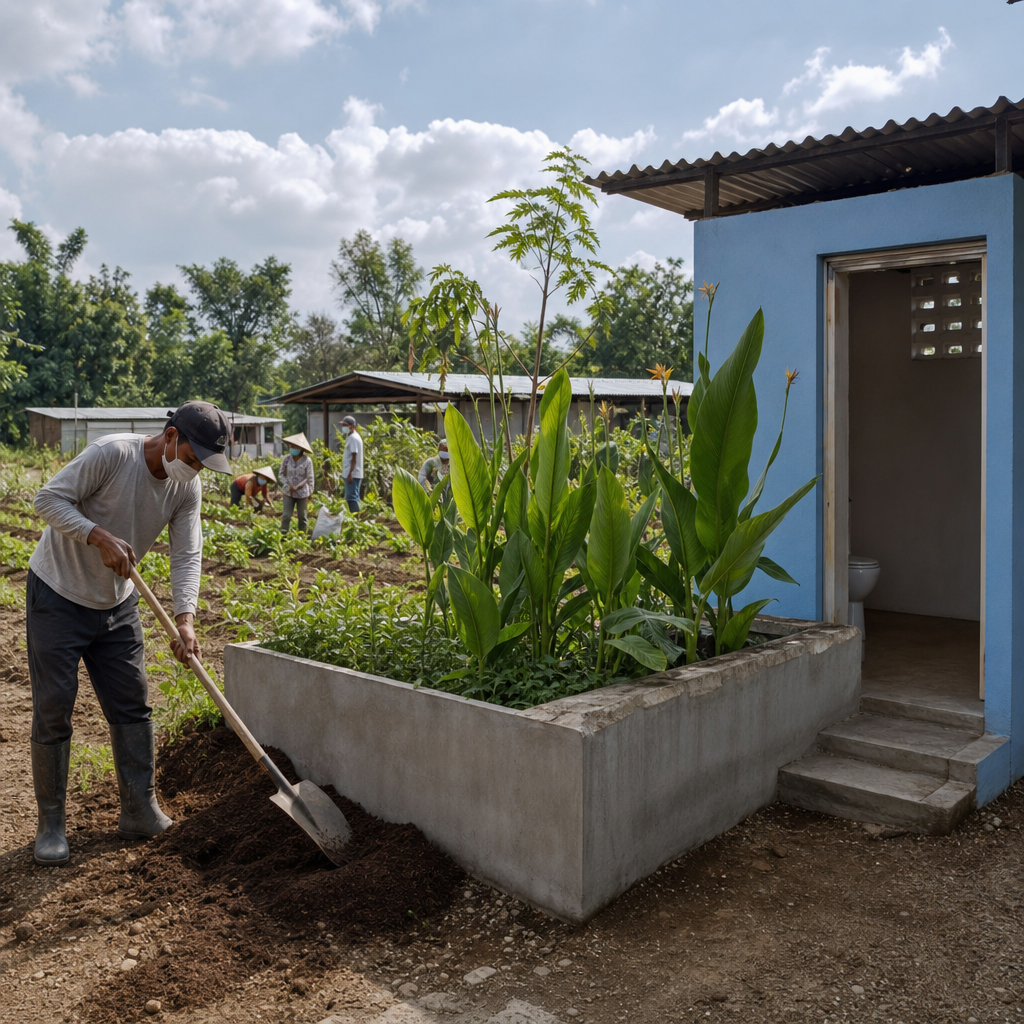
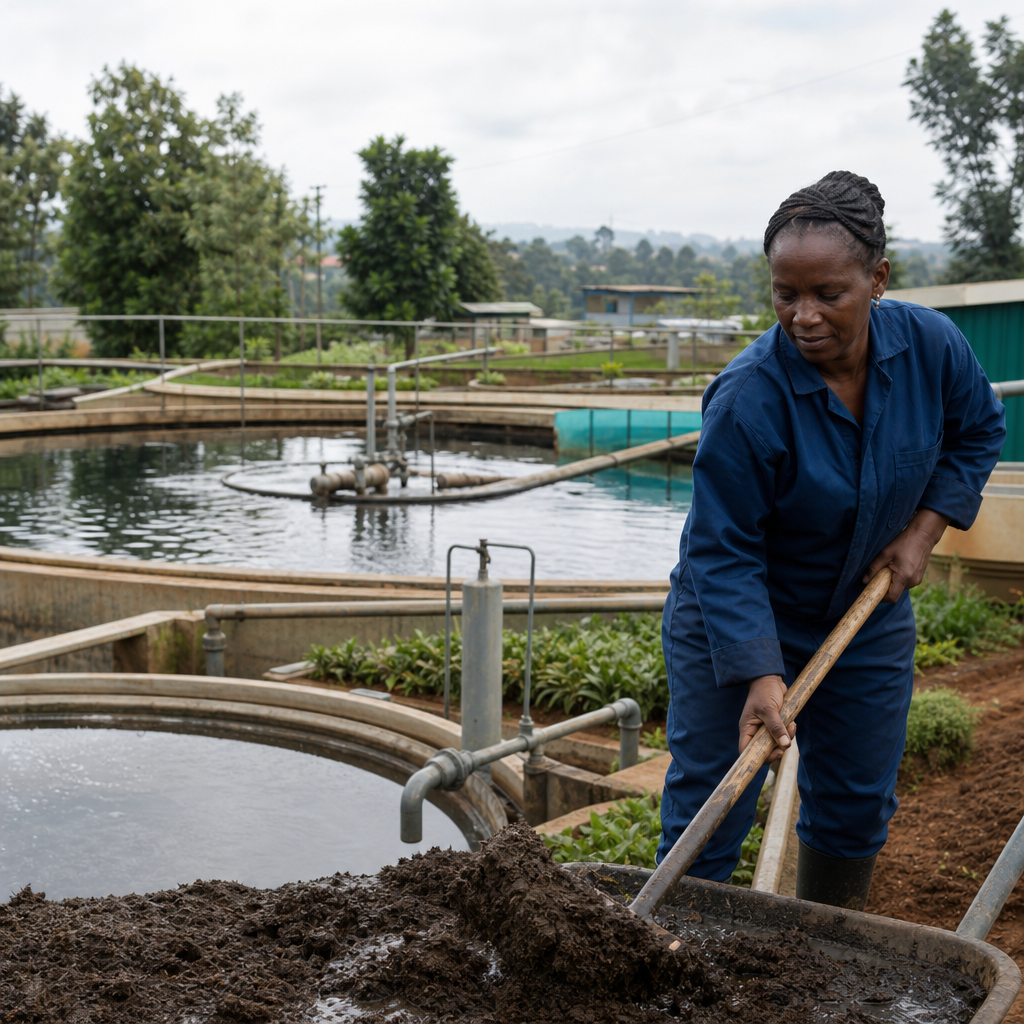
Traditional sanitation economics are dominated by a linear model: build infrastructure, move waste away, treat it, and discharge the remainder. That model often works in dense, well-funded cities with stable utilities, but it can be expensive, energy intensive, and difficult to extend to peri-urban settlements or water-scarce regions. EcoSan introduces a circular model. Urine can be separated and used as fertilizer after appropriate storage and handling. Fecal matter can be composted or treated through dehydration, thermophilic processing, black soldier fly bioconversion, or anaerobic digestion, depending on local conditions and safety requirements. Greywater can be treated for irrigation or landscaping. Each of those pathways can reduce disposal costs while creating products with market value.
In practice, the economic advantage comes from matching technology to context. A sewer expansion may deliver strong public health gains in one district, while container-based sanitation or urine-diverting systems may be cheaper and more reliable in another. I have seen municipalities assume that networked sewerage is always the end goal, only to find that topography, informal land layouts, and electricity constraints make decentralized systems more financially rational. EcoSan does not mean one technology. It means designing sanitation around lifecycle cost, resource recovery potential, and local capacity. That broader lens often reveals options that conventional appraisals miss.
Another important economic difference is timing. Conventional systems concentrate costs upfront in pipes, pumping, and central treatment. EcoSan can spread investment across modular components and local enterprises. This lowers the entry barrier for communities and small operators. It also creates room for incremental upgrades rather than waiting for a single large capital project. For policymakers, that flexibility matters because sanitation budgets are often fragmented across water agencies, health ministries, municipalities, and donor programs. A modular strategy can align spending with realistic institutional capacity while still producing measurable service improvements.
Core economic strategies in EcoSan
The strongest EcoSan programs combine several economic strategies rather than relying on one revenue stream. First is lifecycle costing. Instead of focusing only on construction cost, planners assess capital expenditure, operations and maintenance, replacement cycles, transport, treatment, compliance, and end-use market development. A low-cost toilet that fails after two years or produces unusable sludge is not economically efficient. Second is value stacking. A sanitation system may deliver health savings, fertilizer output, water savings, avoided pollution penalties, and climate benefits at the same time. Good project appraisal captures these combined benefits. Third is market linkage. Resource recovery only creates revenue if products meet standards, reach buyers, and compete with alternatives on price and reliability.
Financing strategy is equally central. Public grants are often needed for initial infrastructure because sanitation has strong public-good characteristics. However, operations can be supported through blended models that combine user fees, municipal service payments, agricultural off-take agreements, and enterprise revenue from compost, briquettes, larvae protein, or biogas. Results-based financing has also shown promise, especially where service quality can be verified. Under that approach, operators receive payments after delivering measurable outputs such as safe emptying volumes, treatment compliance, or verified household coverage. This reduces the risk of paying for infrastructure that is never properly used.
Pricing must be realistic. Many sanitation services fail because tariffs are politically suppressed while maintenance costs rise. The better approach is transparent pricing with targeted subsidies for low-income users. Cross-subsidies, connection support, and output-based aid can protect affordability without undermining operational viability. Named tools such as cost-benefit analysis, life-cycle assessment, social return on investment, and utility benchmarking are useful here, but they must be applied with local data. In my experience, the most credible sanitation business plans are built from route distances, labor time, sludge volumes, crop demand, and actual willingness to pay, not from generic assumptions copied from another city.
Business models and market creation
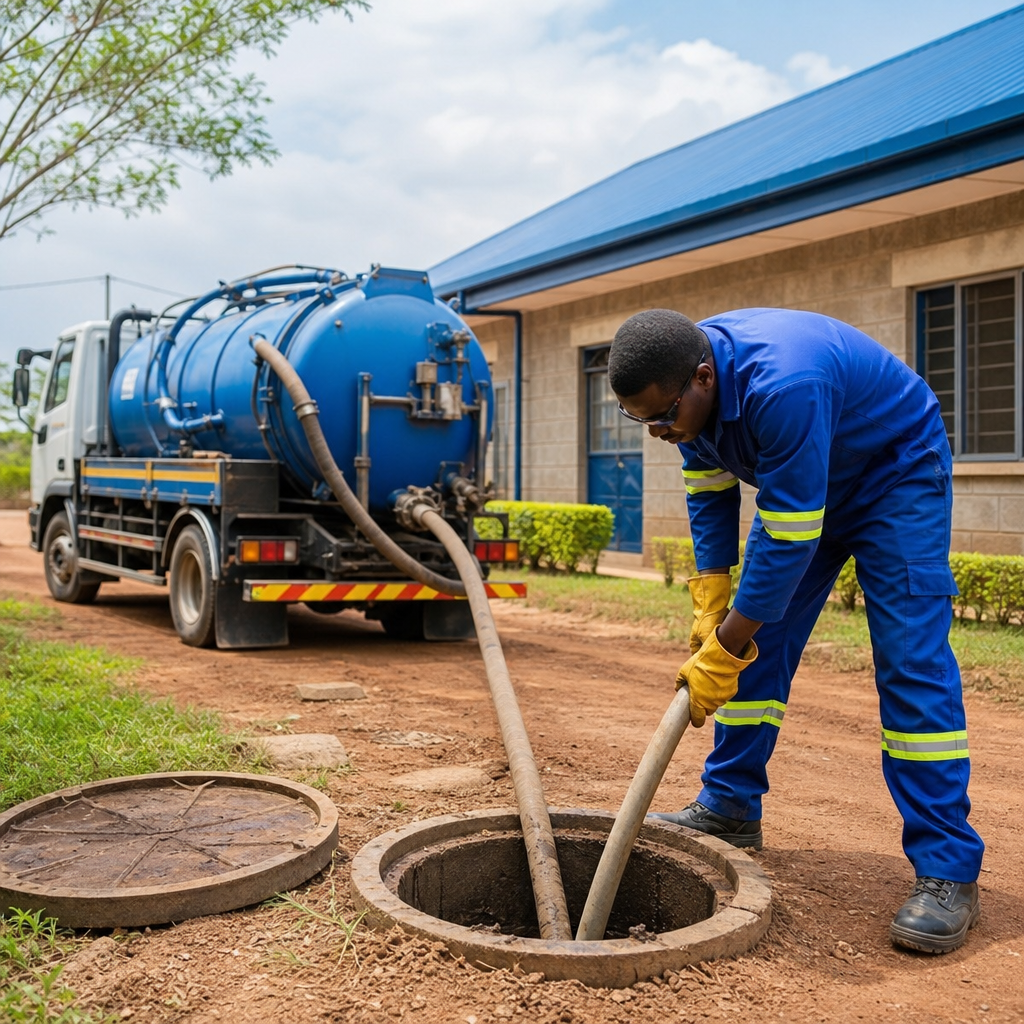
EcoSan becomes economically durable when it supports businesses across the service chain. These businesses can include toilet manufacturers, masons, container collection operators, vacuum truck services, transfer station managers, treatment plant operators, compost blenders, pellet producers, and agricultural distributors. The sector grows fastest when each actor has a clear role and margin. Sanergy in Kenya, SOIL in Haiti, and several container-based sanitation providers have demonstrated that service chains can be organized around regular collection, treatment, and product sales, even in difficult urban environments. Their lessons are consistent: convenience for users, disciplined logistics, and reliable end-product quality matter more than technological novelty.
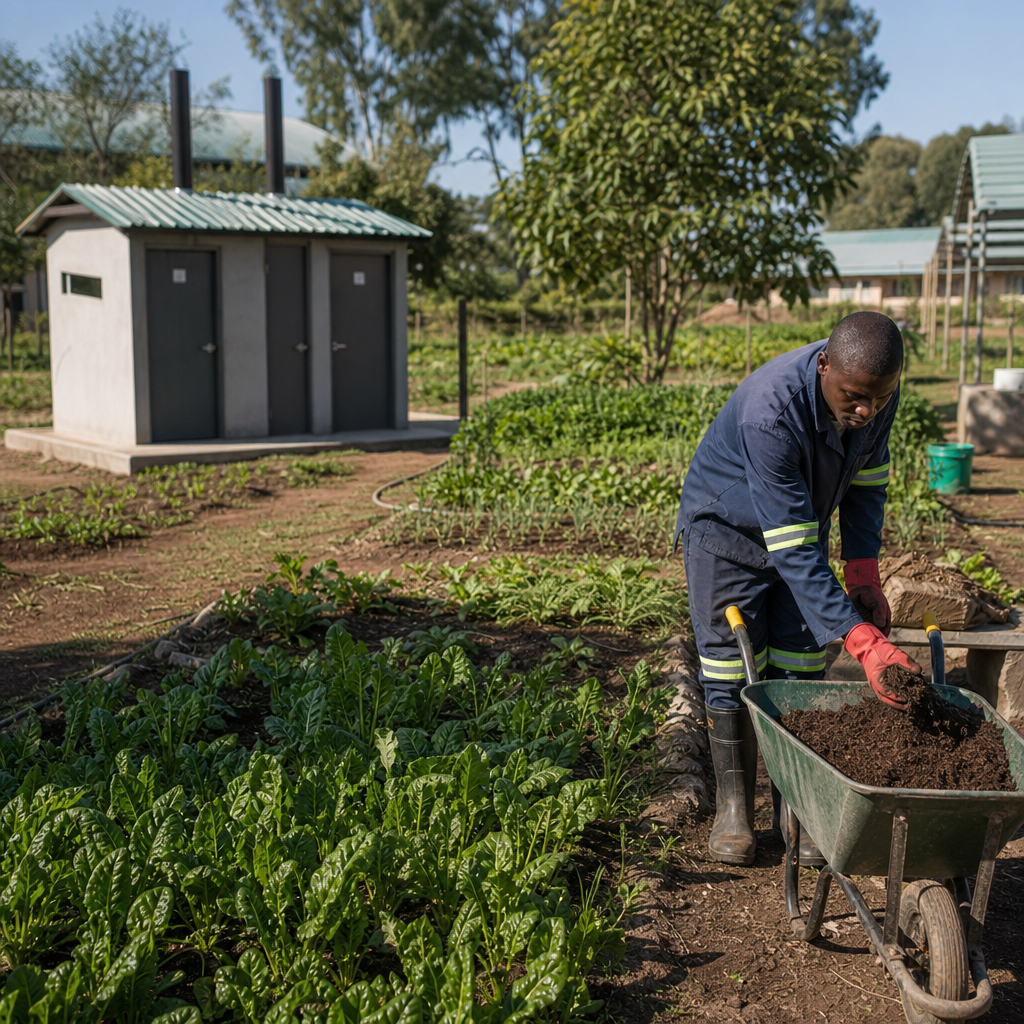
Market creation is not automatic. Recovered products must compete with conventional fertilizer, fuel, or soil amendments. Farmers will only buy compost or sanitized urine if nutrient content is consistent, transport is practical, and extension services explain application rates. Certification and standards help. Guidelines from the World Health Organization and national agriculture agencies reduce uncertainty by clarifying treatment requirements, pathogen risk controls, and acceptable reuse practices. Branding also matters. Products marketed as soil conditioner, organic amendment, or recovered nutrient blend tend to gain more traction than products framed primarily around waste origin.
The table below summarizes common EcoSan business pathways and their economic logic.
| EcoSan pathway | Primary revenue source | Main cost drivers | Best-fit context |
|---|---|---|---|
| Urine diversion and reuse | Sale or use of liquid fertilizer | Collection, storage, farmer training | Water-scarce areas with nearby agriculture |
| Composting of fecal matter | Compost and soil amendment sales | Treatment time, land, quality control | Peri-urban farming zones |
| Anaerobic digestion | Biogas and digestate value | Feedstock consistency, reactor maintenance | Institutions, farms, clustered settlements |
| Container-based sanitation | User fees plus service contracts | Collection logistics, container replacement | Dense informal settlements |
| Black soldier fly processing | Larvae protein and frass | Biosecurity, processing equipment | Integrated organic waste systems |
What this means for a hub article is straightforward: every downstream article on compost markets, service-chain entrepreneurship, sanitation tariffs, or reuse regulation sits under the same strategic principle. EcoSan succeeds economically when demand, logistics, treatment performance, and product trust are developed together rather than in isolation.
Public finance, policy, and investment design
No sanitation economy scales without public policy. Governments set building codes, discharge standards, land-use rules, subsidy structures, and procurement methods that shape every investment decision. If regulations classify all recovered sanitation products as waste regardless of treatment quality, market development stalls. If licensing for decentralized treatment is unclear, private operators face delays and financing costs. If municipalities contract only construction and ignore long-term maintenance, assets deteriorate quickly. Sound policy therefore acts as market infrastructure. It reduces uncertainty, protects health, and allows capital to move into the sector with confidence.
Investment design should reflect sanitation’s mixed value profile. Some benefits, such as reduced diarrhea cases or cleaner rivers, accrue broadly to society and justify public spending. Other benefits, such as fertilizer sales or user convenience, can support private participation. The most effective financing structures blend these streams. For example, a city may subsidize toilet access and treatment compliance while contracting private firms for collection and product marketing. Development banks often support this model because it aligns public health goals with operational discipline. Climate funds are also increasingly relevant where systems reduce methane emissions, lower synthetic fertilizer demand, or save water.
Procurement matters more than many planners expect. Performance-based contracts, service-level agreements, and digital monitoring can reduce leakage and improve accountability. In several fecal sludge management programs, GPS tracking, tipping verification, and mobile payments have cut illegal dumping and improved billing accuracy. These are not marginal improvements; they directly affect the economics of the whole system. When treatment plants receive expected volumes and operators are paid for verified service, cost recovery becomes far more realistic. The hub value here is clear: economic strategy in EcoSan is not just about products sold at the end of the chain, but about governance choices made at the beginning.
Measuring returns, risks, and long-term growth
Decision makers often ask a practical question: does sustainable sanitation really pay? The answer is yes, but not always through a single income statement. Returns appear across multiple categories. Households save time and medical expense. Cities avoid cleanup costs and environmental damage. Farmers gain access to nutrients and organic matter that improve soil structure and water retention. Utilities defer expensive sewer expansion. Employers benefit from healthier workers. Schools see better attendance, especially for girls where sanitation access improves dignity and menstrual hygiene management. A full appraisal should capture these effects using cost-benefit analysis over the asset life, not just annual operating revenue.
Risks are real and should be stated plainly. Poorly treated reuse products can create health hazards and destroy market trust. Seasonal crop demand can make revenue uneven. Transport costs can erase margins if treatment sites are too far from users. Social acceptance may lag, especially where sanitation products are linked to stigma. Exchange-rate volatility can raise equipment costs for imported components. These are manageable risks, but only with deliberate design. Hazard analysis, standard operating procedures, product testing, off-take agreements, and phased pilots are standard risk controls that should be embedded from the start.
Long-term growth depends on learning systems. Good EcoSan programs track fill rates, collection intervals, treatment throughput, nutrient content, pathogen reduction, complaint rates, and sales performance. They adapt quickly when assumptions fail. From experience, the strongest programs do one thing exceptionally well before diversifying. A city that cannot sustain regular fecal sludge collection should not rush into advanced bioproduct lines. Build the service chain, verify safety, create one dependable market, and expand from there. Sustainable sanitation is an opportunity for economic growth because it converts a recurring public cost into a platform for local enterprise, resource security, and healthier communities. For anyone building out the Economic Aspects topic, this is the central lesson: treat sanitation as productive infrastructure, map the value chain carefully, and invest where public benefit and commercial discipline reinforce each other.
The next step is practical. Review your local sanitation system as a value chain, identify where money is currently lost, and examine which EcoSan strategy can recover the greatest social and financial return first.
Frequently Asked Questions
What does sustainable sanitation mean, and why is it considered an economic opportunity?
Sustainable sanitation refers to sanitation systems that protect public health, conserve water, prevent pollution, and recover value from waste streams wherever possible. Rather than treating human waste as something that must simply be removed and hidden at high cost, sustainable sanitation approaches are designed to manage it safely and productively. This is where the economic opportunity becomes clear. Conventional sanitation often requires constant public spending on sewer expansion, pumping, treatment, maintenance, and environmental cleanup. When systems fail, communities also absorb indirect costs through disease outbreaks, lost productivity, reduced school attendance, contaminated waterways, and lower agricultural performance.
By contrast, sustainable sanitation can turn those costs into economic assets. Ecological sanitation, or EcoSan, supports the recovery of nutrients such as nitrogen and phosphorus, the production of soil amendments, and in some cases the generation of energy through biogas systems. That creates a more circular model in which sanitation contributes to agriculture, local enterprise, and resource efficiency. Communities can reduce the long-term burden on centralized infrastructure, lower fertilizer dependence, improve resilience in water-stressed areas, and create jobs in construction, maintenance, transport, treatment, reuse, and product distribution. In practical terms, sustainable sanitation is not just about toilets or treatment technologies. It is about building systems that reduce public expenditure over time while unlocking measurable value across health, farming, and local economic development.
How does EcoSan turn human waste into a usable resource?
EcoSan is based on a simple but powerful idea: human waste contains nutrients and organic matter that can be safely recovered and reused when handled properly. Instead of mixing everything together and transporting it as a disposal problem, EcoSan systems often separate waste streams and manage them in ways that preserve their value. Depending on the system design, urine may be diverted and used as a nutrient source, while fecal matter can be composted, dehydrated, or otherwise treated to reduce pathogens and create a safer material for agricultural use. In some sanitation models, organic waste can also be processed through anaerobic digestion to generate biogas for cooking, heating, or electricity.
This resource recovery model changes the economics significantly. Farmers gain access to nutrients that would otherwise be purchased through synthetic fertilizers, which are often expensive and vulnerable to supply shocks. Municipalities and utilities can reduce disposal and treatment costs by diverting organic matter into productive channels. Entrepreneurs can build businesses around collection services, container-based sanitation, composting, nutrient processing, equipment supply, and reuse products. The key point is that EcoSan only works as an economic strategy when safety, treatment standards, and end-use markets are taken seriously. When waste is transformed through well-managed systems into products with agricultural or energy value, sanitation stops being a pure cost center and becomes part of a broader circular economy.
What are the biggest public health and environmental benefits of sustainable sanitation?
The public health benefits are immediate and substantial. Inadequate sanitation contributes to the spread of diarrheal diseases, parasitic infections, and other illnesses that affect household income, child development, workforce productivity, and healthcare spending. Sustainable sanitation systems help break these transmission pathways by containing waste, improving treatment, and reducing contact between pathogens and people. That means fewer disease burdens, lower medical costs, better nutrition outcomes, improved school attendance, and stronger labor participation. These gains are often underestimated in economic discussions, but they are central to why sanitation investments can deliver such high social returns.
The environmental benefits are equally important. Poorly managed sanitation pollutes groundwater, rivers, lakes, and coastal ecosystems. It can degrade soils, contribute to eutrophication, and strain freshwater supplies when water-intensive systems are used in places where water is scarce. Sustainable sanitation addresses these pressures by supporting water-efficient designs, safer treatment methods, nutrient recovery, and reduced contamination of natural ecosystems. In many settings, it also helps cities and rural communities adapt to climate pressures by reducing dependence on expensive centralized systems and improving local resource management. Cleaner water bodies, healthier soils, and reduced waste discharge all have economic value because they protect fisheries, tourism, agriculture, and drinking water sources. In that sense, environmental protection is not separate from growth; it is one of the foundations of durable economic performance.
How can sustainable sanitation create jobs and support local business growth?
Sustainable sanitation creates employment across the entire service chain. Jobs can be generated in toilet manufacturing, site preparation, plumbing, masonry, system installation, pit emptying, container collection, waste transport, treatment operations, compost production, quality control, agricultural distribution, and maintenance services. Unlike some large centralized infrastructure projects that rely heavily on a narrow set of specialized contractors, many sustainable sanitation models support decentralized, ongoing local employment. That makes them especially relevant in fast-growing cities, peri-urban areas, and underserved rural communities where labor-intensive service models can strengthen local economies.
There is also strong potential for small and medium-sized enterprise development. Businesses can emerge to provide sanitation-as-a-service, lease or install household systems, process treated outputs into marketable products, or connect sanitation recovery with farming and landscaping sectors. Digital tools can support billing, route planning, customer management, and treatment monitoring, creating additional opportunities for innovation. Over time, as reuse markets mature, value can be created not only from service fees but also from compost, fertilizer substitutes, and energy products. The strongest sanitation economies are usually built when governments create enabling policies, investors support viable business models, and quality standards give customers confidence in recovered products. With the right ecosystem in place, sanitation can move from an underfunded public burden to a sector that supports entrepreneurship, workforce development, and long-term local resilience.
What does it take for sustainable sanitation projects to succeed at scale?
Scaling sustainable sanitation requires more than good technology. Success depends on institutions, financing, regulation, user acceptance, and clear pathways for resource recovery. First, systems must match local conditions. Population density, water availability, land use, soil type, existing infrastructure, cultural preferences, and agricultural demand all shape which sanitation model is most appropriate. A system that works well in one region may fail in another if these fundamentals are ignored. Second, governments and service providers need sustainable financing structures. That may include blended finance, public-private partnerships, output-based subsidies, microfinance for households, or tariff models that reflect both public health benefits and resource recovery potential.
Strong regulation is also essential. Safe treatment standards, licensing rules, monitoring systems, and product quality requirements protect public confidence and prevent poorly managed reuse. At the same time, success at scale depends on behavior change and community engagement. People need sanitation options that are affordable, reliable, dignified, and easy to use. Farmers and buyers need evidence that recovered products are safe and effective. Finally, long-term performance matters more than pilot success. Many sanitation initiatives perform well in demonstration phases but struggle when maintenance, supply chains, or revenue streams are weak. Projects scale successfully when they are designed as complete service systems, not just hardware deployments. That means planning for operation, collection, treatment, market demand, maintenance, training, and governance from the beginning. When those pieces are aligned, sustainable sanitation can deliver lasting health gains while becoming a powerful engine for economic growth.