Ecological sanitation (EcoSan) is rapidly gaining traction as one of the most sustainable ways to manage human waste and wastewater. One branch of EcoSan that is proving particularly promising involves the use of greywater treatment systems to cultivate edible plants. This innovative approach not only provides a productive use for wastewater but also offers an eco-friendly solution to water scarcity and pollution. In this comprehensive article, we’ll delve into the intricacies of using greywater systems for cultivating edible plants, examining the technologies involved, the types of plants best suited for these systems, and the numerous benefits of this approach.
What is Greywater and Why is it Important?
Greywater refers to the relatively clean wastewater generated from household activities such as laundry, dishwashing, and bathing. Unlike blackwater, which contains significant amounts of contaminants from toilets, greywater is less contaminated and more suitable for reuse. In many regions around the world, water scarcity is a pressing issue, and the use of greywater represents a practical strategy to conserve freshwater resources.
By recycling greywater for irrigation and other non-potable uses, we can sustain agricultural activities and maintain green landscapes without depleting our limited freshwater supplies. This is particularly crucial in arid regions, where every drop of water counts. Greywater treatment systems are designed to clean and filter this wastewater, making it safe for use in cultivating plants, including edible ones.
The Process of Greywater Treatment
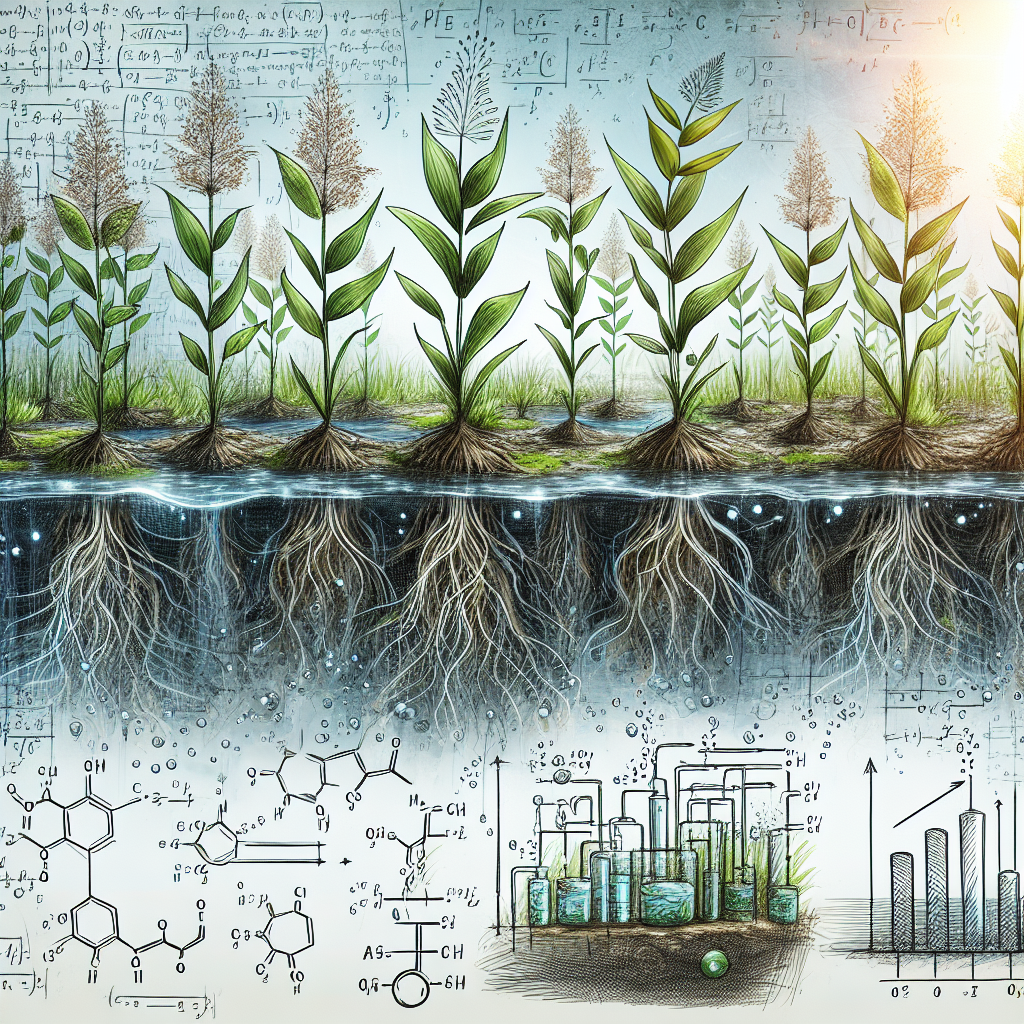
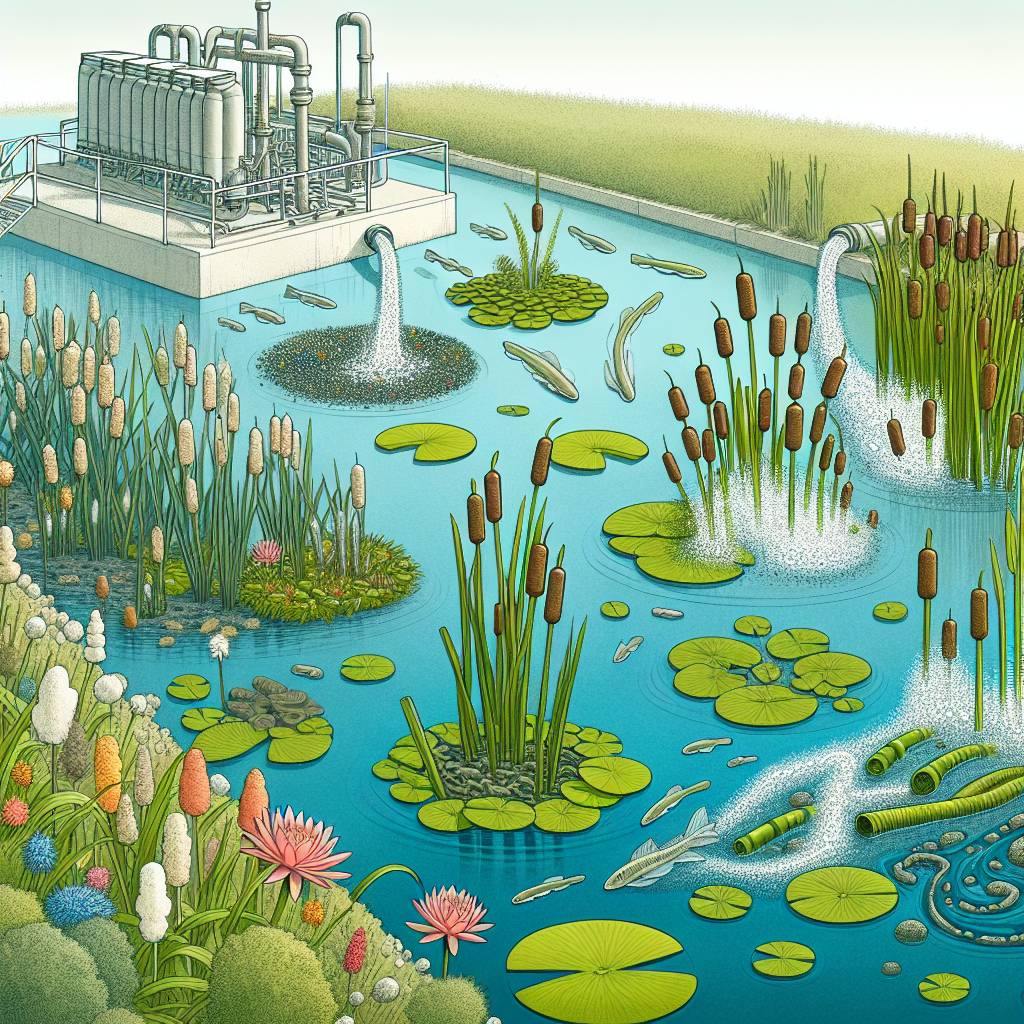
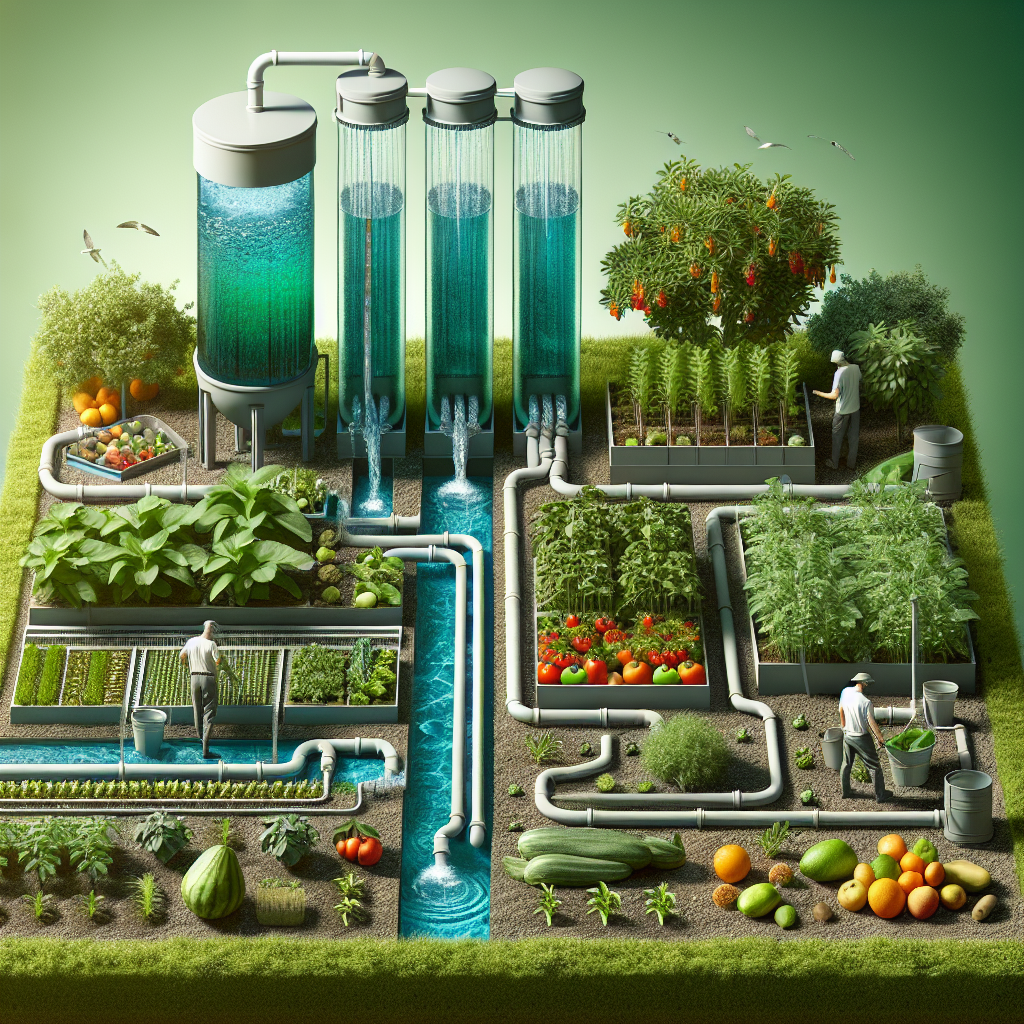
Greywater treatment systems generally consist of several stages designed to remove contaminants and nutrients from the wastewater, rendering it safe for use in agriculture. The first stage typically involves the removal of large particles and debris through a settling tank or filter. This is followed by biological treatment processes, such as constructed wetlands or biofilters, which break down organic matter and neutralize harmful bacteria.
Advanced greywater systems might also incorporate a series of sand and gravel filters, as well as disinfection units using UV light or chlorine to ensure that the treated water is free from pathogens. The end result is water that is rich in nutrients, making it an ideal resource for irrigating plants. Different systems may vary in complexity, but the core principles of filtration, biological treatment, and disinfection remain the same.
Choosing the Right Edible Plants
Not all plants are equally well-suited for cultivation in greywater systems. When selecting edible plants, it’s essential to choose species that are not only tolerant of the nutrient concentrations in greywater but also safe for consumption. Leafy greens such as kale, lettuce, and spinach are excellent choices, as they tend to absorb nutrients effectively and grow well in greywater-irrigated environments.
Other suitable plants include herbs like basil, mint, and parsley, which thrive in nutrient-rich conditions and are relatively easy to grow. Root vegetables such as carrots and radishes can also be grown in greywater systems, provided the soil is properly managed to ensure adequate drainage and aeration. It’s important to note that certain crops, particularly those grown close to the soil, may require additional precautions to ensure they are safe to eat.
Benefits of Cultivating Plants with Greywater
Utilizing greywater for irrigation offers numerous environmental and economic benefits. First and foremost, it reduces the demand for freshwater resources, thereby contributing to water conservation efforts. This is particularly important in areas experiencing drought or chronic water shortages.
Furthermore, greywater contains valuable nutrients such as nitrogen and phosphorus, which can enhance soil fertility and promote plant growth. By recycling these nutrients, we can reduce the need for chemical fertilizers, which are often associated with environmental pollution and soil degradation.
From an economic perspective, using greywater can lower water bills and reduce the operating costs of agricultural and landscaping activities. It also offers a sustainable solution for managing household wastewater, transforming it from a waste product into a valuable resource.
Challenges and Considerations
While the benefits of using greywater for cultivating edible plants are substantial, there are also challenges and considerations to keep in mind. One of the primary concerns is the potential presence of contaminants such as household cleaning agents, which can harm both plants and soil microorganisms if not properly managed. It’s crucial to use environmentally friendly, biodegradable cleaning products to minimize this risk.
Another consideration is the need for regular maintenance of greywater treatment systems to ensure they function effectively and consistently produce safe water for irrigation. This includes cleaning filters, monitoring water quality, and ensuring that the biological treatment processes are operating efficiently.
Lastly, there may be regulatory and health concerns regarding the use of greywater for food crops. It’s important to adhere to local guidelines and best practices to ensure that the produce is safe for consumption and that the greywater system is legally compliant.
Best Practices for Implementing Greywater Systems
To maximize the benefits and minimize the risks associated with using greywater systems for cultivating edible plants, it’s essential to follow best practices. Start by conducting a thorough assessment of your water needs and greywater production to design a system that is appropriately scaled and tailored to your specific circumstances.
Incorporate a diverse range of filtration and treatment processes to ensure the greywater is adequately purified before it is applied to plants. This may include a combination of physical, chemical, and biological treatments to remove contaminants and pathogens.
Additionally, select drought-tolerant and nutrient-efficient plant species that are well-suited to greywater irrigation. Implement a regular maintenance schedule to keep the system in optimal condition and monitor water quality consistently to ensure it remains safe for plant use.
By adhering to these guidelines, you can create a sustainable and productive greywater system that supports the cultivation of edible plants while conserving precious water resources.
Conclusion
The integration of greywater treatment systems into agricultural practices offers a promising solution to several critical challenges, including water scarcity and nutrient management. By cultivating edible plants with treated greywater, we can create a sustainable cycle that benefits both the environment and human health.
As we strive to develop more eco-friendly and efficient ways to manage our natural resources, greywater irrigation systems represent a forward-thinking approach that aligns with the principles of ecological sanitation. By understanding the processes involved, selecting appropriate plants, and adhering to best practices, we can harness the potential of greywater to create greener, more resilient communities.
The journey towards sustainable agriculture and water management is ongoing, and innovations in greywater systems will continue to play a vital role in this progress. By embracing these technologies and practices, we can make significant strides toward a more sustainable and prosperous future.