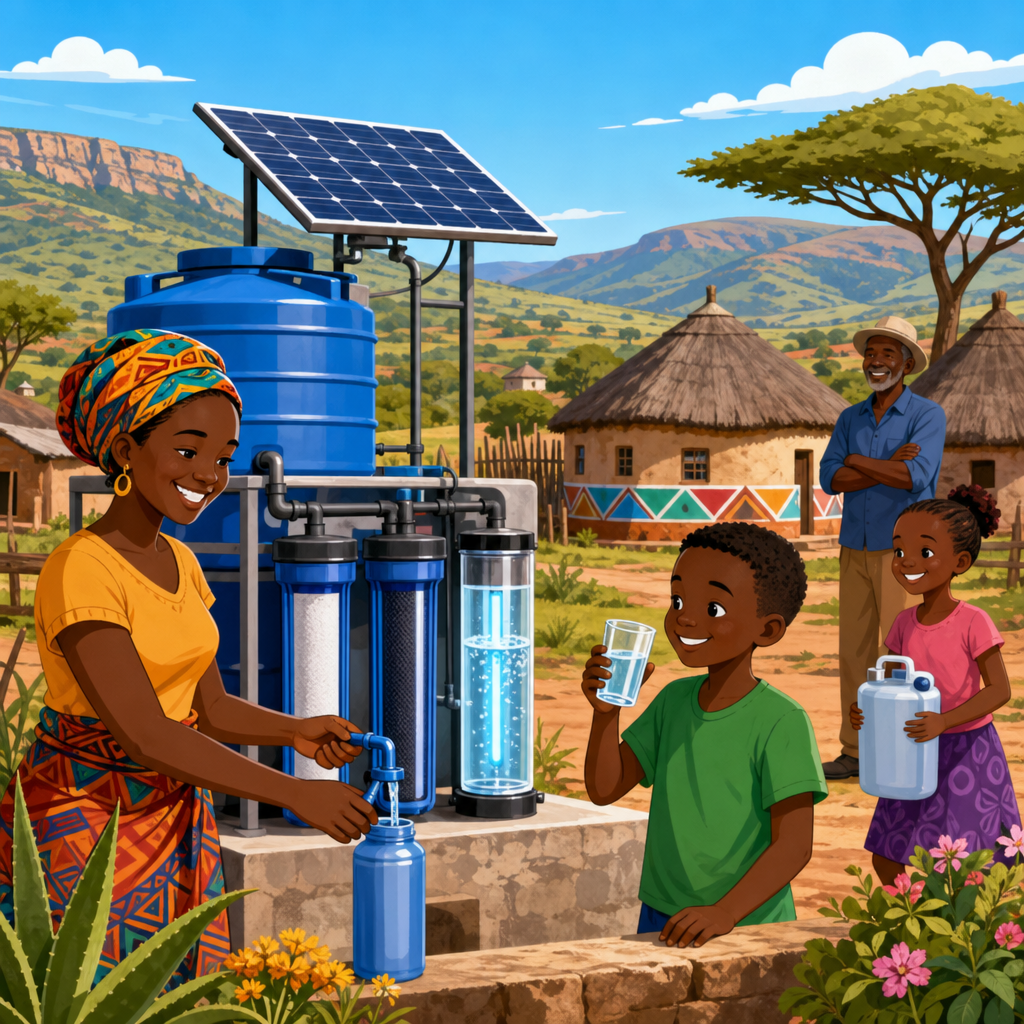
Greywater reuse in agriculture has moved from a niche sustainability experiment to a practical water management strategy, and the most useful lessons now come from real EcoSan case studies that show what works, what fails, and why. Greywater is household wastewater from showers, bathroom sinks, laundry, and sometimes kitchen sources, excluding toilet waste; in agricultural settings, it is treated and redirected to irrigate crops, trees, fodder, or landscaping. EcoSan, short for ecological sanitation, broadens that idea by treating water and nutrients as recoverable resources rather than waste streams. As a hub topic within case studies and success stories, diverse EcoSan examples matter because they reveal how communities, farms, institutions, and dryland regions adapt the same principle to different climates, soils, regulations, and budgets.
I have seen projects succeed when designers matched treatment quality to crop type, soil infiltration, and user behavior, and I have also seen promising systems fail because no one planned for maintenance, detergent choice, or seasonal demand. That gap between theory and operation is exactly why greywater reuse deserves careful, experience-based analysis. Water scarcity, rising fertilizer costs, urban expansion, and pressure on freshwater ecosystems are pushing agriculture to use every safe resource more efficiently. According to FAO and UN water assessments, agriculture accounts for roughly 70 percent of global freshwater withdrawals, so even modest substitution with treated greywater can reduce pressure on aquifers and municipal supply. The central question is not whether reuse is possible. It is how to do it safely, affordably, and durably under local conditions.
This article serves as a hub for diverse EcoSan success stories by explaining the core practices, comparing implementation models, and drawing lessons that apply across scales. It covers household gardens, peri-urban farms, decentralized community systems, school and institutional projects, and integrated nutrient recovery initiatives. It also addresses common search questions directly: Is greywater safe for irrigation? Which crops are best? What treatment level is needed? What are the main risks? What do successful case studies have in common? The consistent answer is that greywater reuse can be highly effective when water quality targets, crop restrictions, treatment design, monitoring, and farmer training are aligned from the start.
What successful greywater reuse systems in agriculture have in common
The most successful systems share five features: source control, fit-for-purpose treatment, appropriate irrigation method, clear operation responsibility, and crop-specific risk management. Source control means limiting harmful inputs before treatment begins. In practice, this includes promoting low-sodium detergents, excluding solvents and disinfectant-heavy waste streams, and separating blackwater completely. Fit-for-purpose treatment means designing around intended use. If the goal is orchard irrigation through subsurface drip, the treatment train can differ from a system irrigating vegetables with stricter exposure controls. Appropriate irrigation method matters because pathogen exposure and salinity buildup often depend more on application technique than on treatment hardware alone.
Across case studies, I repeatedly find that operation responsibility determines whether a project remains a showcase or becomes abandoned infrastructure. Reed beds, septic settling tanks, sand filters, membrane units, and dosing pumps all need routine attention. Systems perform best when one person, cooperative, school grounds team, or water user committee is explicitly accountable. Risk management also has to be crop specific. Fruit trees, timber species, fodder, and non-food crops are generally lower risk than leafy vegetables eaten raw. The strongest projects did not rely on optimism. They relied on written rules, simple monitoring, and maintenance budgets.
Lessons from household and village EcoSan case studies
Household and village systems are often the clearest examples of EcoSan in practice because the link between water reuse and food production is visible to users every day. In Jordan, Palestine, and other water-stressed Middle Eastern settings, home greywater diversion to olive trees, figs, and courtyard gardens has shown that small volumes can create meaningful livelihood value when freshwater is expensive or intermittent. Typical systems use grease traps, settling chambers, and planted gravel filters before irrigation. The lesson from these projects is not only technical. Families adopt reuse faster when they can see yield improvements in trees and fodder rather than being asked to trust an abstract environmental benefit.
In India and Nepal, decentralized greywater channels and kitchen garden systems have supported vegetable production and tree planting in villages where wastewater previously formed stagnant pools. The strongest outcomes came where local masons were trained to build baffled tanks and filters with locally available materials such as bricks, gravel, and sand. That local build capacity reduced downtime and kept costs manageable. However, projects struggled when kitchen wastewater with high grease content entered systems not designed for fats and food solids. The practical lesson is simple: village greywater systems must be robust, easy to clean, and realistic about what households actually discharge.
Southern African EcoSan programs also provide useful lessons. In several dryland communities, reuse was paired with urine-diverting sanitation and mulch basins around fruit trees. Even where greywater volumes were limited, combining moisture retention, organic matter, and nutrient recovery improved plant establishment. The broader insight is that reuse works best as part of a whole resource management package, not as a standalone pipe sending water somewhere else.
Peri-urban farming, institutions, and larger decentralized systems
Peri-urban agriculture has become one of the most important settings for greywater reuse because it sits between water demand, wastewater generation, and food markets. In outskirts of cities from Mexico to Tunisia to India, treated household and neighborhood greywater has been used for nursery stock, fodder plots, fuelwood species, and orchards. These projects often face stricter scrutiny because they sit closer to consumers and regulators. The best-performing sites use decentralized wastewater treatment systems, constructed wetlands, sequencing batch reactors, or membrane bioreactors depending on budget and effluent targets.
Institutional systems at schools, eco-lodges, and training centers offer another valuable group of success stories. I have found these sites especially useful as demonstration hubs because they combine predictable wastewater flows with visible educational outcomes. A school that treats handwashing and shower water through a planted wetland, then irrigates a food forest or shade trees, creates both a water-saving asset and a teaching tool. In South Africa, India, and parts of East Africa, school gardens linked to reuse systems have improved campus greenery and reduced tanker water purchases. Yet they only remain successful when staff turnover is anticipated. If knowledge leaves with one caretaker, filters clog, pumps fail, and confidence disappears.
Larger decentralized systems add complexity but also show what scale can achieve. In Spain, Australia, and California, high-standard reclaimed water projects have supported vineyards, olive groves, and landscape-agriculture interfaces under strict salinity and microbial controls. These examples demonstrate that greywater-adjacent reuse can be integrated into professional irrigation management, but only with regular testing of electrical conductivity, sodium adsorption ratio, and emitter performance.
Treatment options, crop choices, and practical design tradeoffs
Choosing the right treatment process depends on influent quality, target crops, land area, and management capacity. Simple diversion systems may work for tree crops in low-density settings, but most agricultural reuse projects need at least screening, sedimentation, and biological treatment. Constructed wetlands remain one of the most proven options because they lower suspended solids and organic load with relatively low energy demand. Sand and gravel filters are effective polishing steps. Package units such as membrane bioreactors produce high-quality effluent for drip irrigation, but they require skilled oversight, power reliability, and replacement parts.
Crop selection is equally important. The safest and most common choices in successful case studies are orchards, timber, fodder, fiber crops, and ornamentals. Raw-eaten vegetables are the most sensitive category because they increase direct exposure risk. Where vegetables are included, projects usually rely on higher treatment standards, strict withholding periods, and irrigation methods that prevent contact with edible portions. Drip and subsurface irrigation consistently outperform sprinklers for greywater reuse because they reduce aerosol formation, evaporation, and leaf contact. Mulching also helps by moderating salts near the soil surface and improving moisture efficiency.
| System type | Best fit | Main strengths | Main limitations |
|---|---|---|---|
| Settling tank plus mulch basin | Household trees and non-food plants | Low cost, easy to build, minimal energy use | Limited treatment, clogging risk, not suitable for sensitive crops |
| Constructed wetland plus drip irrigation | Village systems, schools, orchards, fodder | Reliable biological treatment, visible demonstration value, moderate cost | Needs land area and regular desludging |
| Sand filter plus storage and dosing | Small farms and institutional gardens | Improves clarity, supports controlled irrigation timing | Media maintenance required, variable pathogen reduction |
| Membrane bioreactor | Peri-urban commercial farms and high-value crops | High effluent quality, compatible with drip systems | High capital cost, energy demand, skilled operation needed |
Tradeoffs are unavoidable. Lower-cost systems can be resilient and locally repairable, but they usually require stricter crop limitations. Higher-tech systems expand reuse options, yet they fail quickly without budgets for operation and laboratory verification. Good design means matching ambition to management reality.
Health, soil, and regulatory lessons from real projects
The main risks in agricultural greywater reuse are pathogens, salinity, sodicity, boron toxicity, surfactant buildup, and public acceptance. WHO guidelines and many national standards emphasize a multiple-barrier approach rather than depending on treatment alone. In practical terms, that means combining treatment with safer irrigation methods, crop restrictions, worker hygiene, withholding periods, and public communication. The best case studies are transparent about these barriers. They do not claim the water is universally safe for everything. They specify where, when, and how it can be used.
Soil problems develop slowly, which is why weak projects often look fine at first. Laundry-heavy greywater can elevate sodium levels, dispersing soil structure and reducing infiltration over time. I have seen orchards irrigated with poorly managed reuse water where the first symptom was not crop death but surface sealing and declining irrigation uniformity. Successful programs prevent this with periodic soil tests, gypsum where appropriate, blending with freshwater, and detergent education. Monitoring electrical conductivity and sodium adsorption ratio is not optional in long-term projects; it is basic asset protection.
Regulation varies widely. Some countries permit only subsurface irrigation with treated greywater; others require permits, setback distances, and microbial thresholds tied to crop type. Strong projects engage regulators early and document performance. That documentation becomes invaluable when communities want to replicate a model or secure funding. Case studies that include design drawings, water quality data, crop yields, and maintenance logs are far more persuasive than glossy before-and-after photos.
Why these diverse EcoSan success stories matter as a hub topic
As a hub within case studies and success stories, diverse EcoSan examples matter because no single project can answer every reuse question. A household orchard in Jordan teaches source separation and user acceptance. A school wetland in India teaches operational stewardship and educational co-benefits. A peri-urban decentralized treatment plant serving fodder plots and nurseries teaches quality control and governance. Together, these stories form a practical decision framework for planners, NGOs, municipalities, farmers, and researchers.
The biggest lesson across all examples is that greywater reuse in agriculture succeeds when it is designed as a managed resource system, not improvised as a waste disposal shortcut. Start with the water source, define the crops, choose the simplest treatment that meets the risk profile, assign maintenance responsibility, and monitor both water and soil over time. If you are building out this subtopic, use these success stories as entry points to deeper pages on treatment technologies, regulations, crop suitability, and monitoring protocols. The benefit is clear: well-managed greywater reuse can conserve freshwater, support production, recover value from wastewater, and strengthen resilience in water-stressed communities. The next step is to evaluate your local conditions and identify which EcoSan model matches them best.
Frequently Asked Questions
What is greywater reuse in agriculture, and how is it different from using raw wastewater?
Greywater reuse in agriculture means collecting wastewater from household activities such as showers, bathroom sinks, laundry, and in some cases kitchen washing, then treating it to a level suitable for irrigation or other non-potable agricultural uses. It is fundamentally different from raw wastewater because it excludes toilet waste, which contains much higher concentrations of pathogens, nutrients, and solids. That distinction matters. Greywater is generally easier and less expensive to treat, making it far more practical for farms, homesteads, peri-urban growers, and community-scale water reuse projects.
In agricultural systems, treated greywater is commonly used to irrigate fruit trees, fodder crops, timber species, ornamentals, and in some cases food crops where local standards allow it and treatment quality is consistent. The core idea is not simply to “reuse water,” but to close resource loops in a controlled way. This is where EcoSan thinking becomes especially useful. Ecological sanitation approaches view wastewater streams as resources that can be managed to recover water, reduce pollution, and support productive land use without creating new health risks.
Real-world case studies show that the biggest difference between successful greywater reuse and problematic wastewater use is system design and management. Untreated or poorly managed water can clog irrigation lines, damage soils, contaminate crops, and create odor or mosquito problems. Properly treated greywater, by contrast, can reduce freshwater demand, stabilize irrigation in water-scarce seasons, and provide a dependable supplementary water source. The lesson is straightforward: greywater reuse works best when it is treated as an engineered and monitored agricultural input, not as waste that is simply diverted to the field.
What are the main benefits of using treated greywater for irrigation in agriculture?
The most obvious benefit is water savings. In many farming regions, especially arid, semi-arid, and drought-prone areas, freshwater is increasingly limited and expensive. Reusing treated greywater allows households, institutions, and small agricultural operations to stretch existing water supplies by redirecting water that would otherwise be discharged. This can be especially valuable for kitchen gardens, orchards, fodder plots, agroforestry systems, and landscape irrigation around farms and rural settlements.
Another important benefit is resilience. Greywater is generated daily and tends to be more predictable than rainfall and, in some cases, even more reliable than seasonal surface water sources. That consistency can help maintain crops through dry periods, reduce dependence on groundwater pumping, and support year-round production. For communities that have already invested in sanitation and on-site treatment infrastructure, greywater reuse can also improve the overall return on that investment by turning a disposal challenge into a productive asset.
There can also be agronomic advantages, depending on the source water and treatment process. Some greywater contains small amounts of nutrients or organic matter that can support plant growth, although this should never be assumed or used as a substitute for proper nutrient management. More importantly, when applied through suitable methods such as subsurface irrigation, mulched basins, or carefully managed drip systems, treated greywater can improve water-use efficiency and reduce evaporation losses.
EcoSan case studies repeatedly highlight one broader lesson: the true benefit is not only water reuse, but better system integration. The strongest projects link household water use, sanitation, treatment, irrigation, crop selection, soil management, and user training into one coherent design. When those pieces align, greywater reuse can lower water stress, reduce wastewater discharge, improve local environmental outcomes, and support more circular agricultural practices.
What are the biggest risks or challenges with greywater reuse, and what do successful EcoSan projects do differently?
The main risks fall into four categories: health, soil, system performance, and management. Health risks arise when greywater is insufficiently treated or when irrigation methods bring water into direct contact with edible plant parts, workers, or nearby households. Soil risks include salt buildup, sodicity, surfactant accumulation, and long-term changes in soil structure, especially when laundry water with high sodium detergents is used repeatedly. System performance problems often involve clogging, inconsistent treatment, poor drainage, odors, and uneven water distribution. Management risks usually come from one simple issue: the system is installed, but nobody is clearly responsible for operating and maintaining it.
Successful EcoSan projects address these challenges early rather than reacting to them later. They begin with source control, which means paying attention to what enters the greywater stream in the first place. Low-sodium, biodegradable cleaning products and careful exclusion of hazardous chemicals make treatment easier and reduce downstream soil impacts. They also match treatment levels to intended reuse. For example, water used on fruit trees through subsurface irrigation may require a different treatment and monitoring approach than water intended for broader farm landscape use.
Another consistent lesson from case studies is that simplicity often outperforms complexity. Systems that rely on clear flow paths, manageable filters, sediment removal, grease control where needed, and robust biological treatment tend to be more durable than highly technical setups that local users cannot maintain. Equally important is crop and irrigation selection. Reuse projects are usually most successful when they prioritize lower-risk applications first, such as orchards, fodder, non-leafy crops, or shelterbelts, before expanding into more sensitive uses.
Finally, successful projects monitor outcomes. They watch for signs of soil degradation, emitter clogging, odors, ponding, and changes in crop health. They establish basic maintenance routines and train users to recognize problems early. The practical lesson from EcoSan experience is that greywater reuse rarely fails because the concept is flawed; it fails when treatment, irrigation design, and long-term management are treated as afterthoughts.
Which crops and irrigation methods are best suited for greywater reuse in agricultural settings?
The best crops for greywater reuse are usually those that minimize direct human contact with the irrigation water and are relatively tolerant of variable water quality. Fruit trees, nut trees, fodder crops, fiber crops, timber species, energy crops, and ornamental plantings are often strong candidates. Perennial systems are especially common because they can benefit from steady localized irrigation and are generally easier to manage safely than crops eaten raw close to the ground. Vineyards, olive groves, agroforestry belts, and non-food landscape plantings also appear frequently in successful reuse models.
Crop selection should always be based on local regulations, treatment quality, and the chemical profile of the reused water. If the greywater contains elevated salts or sodium, sensitive crops may decline over time, even if short-term growth looks acceptable. Likewise, if treatment quality is inconsistent, growers should avoid crops where edible portions are likely to come into contact with irrigation water. That is why many practical systems begin with lower-risk uses and only expand when operators have a clear record of stable treatment performance.
As for irrigation methods, subsurface or below-surface application is generally preferred because it reduces human exposure, limits leaf wetting, decreases odor, and lowers the chance of pathogen transfer. Drip irrigation can work very well, but only when filtration is reliable and maintenance is regular, because emitters are vulnerable to clogging. Basin irrigation around trees is another common option in smallholder and household-scale systems, especially where simplicity and low cost matter. Sprinkler irrigation is typically less desirable for greywater reuse because it increases aerosol formation and contact risk.
EcoSan lessons strongly support designing the irrigation method around both the water quality and the user’s maintenance capacity. A technically ideal system is not truly ideal if farmers cannot clean filters, inspect lines, or replace parts. The most sustainable approach is usually the one that balances agronomic performance, public health protection, affordability, and ease of operation over many seasons, not just during the first year after installation.
What practical lessons do real EcoSan case studies offer for designing a successful greywater reuse system?
The first major lesson is to start with the end use, not the technology. In other words, define exactly how the water will be used, on which crops, by whom, and under what local conditions before choosing tanks, filters, wetlands, or irrigation hardware. Case studies consistently show that systems perform better when reuse goals are specific. A system intended to irrigate orchard trees twice a week requires a different design than one serving a mixed vegetable plot, a school garden, or a peri-urban fodder operation.
The second lesson is that source separation and pretreatment matter more than many people expect. Keeping toilet waste out of the stream is essential, but so is managing solids, grease where kitchen water is included, lint from laundry, and chemical loads from cleaning products. Many field failures trace back to neglected pretreatment rather than failure of the main treatment unit. Simple screening, settling, grease interception, and flow equalization can dramatically improve downstream reliability.
Third, case studies repeatedly show that operation and maintenance are not minor details; they are central to success. Filters need cleaning, plants in constructed wetlands may need periodic management, pumps and pipes require inspection, and irrigation schedules need adjustment by season. Projects that assign clear maintenance responsibility, provide user training, and build in easy access for cleaning tend to last. Projects that assume the system will “run itself” often deteriorate quickly.
Fourth, good projects pay attention to soils and not just water. Even treated greywater can create long-term issues if sodium levels are high or if irrigation exceeds infiltration capacity.