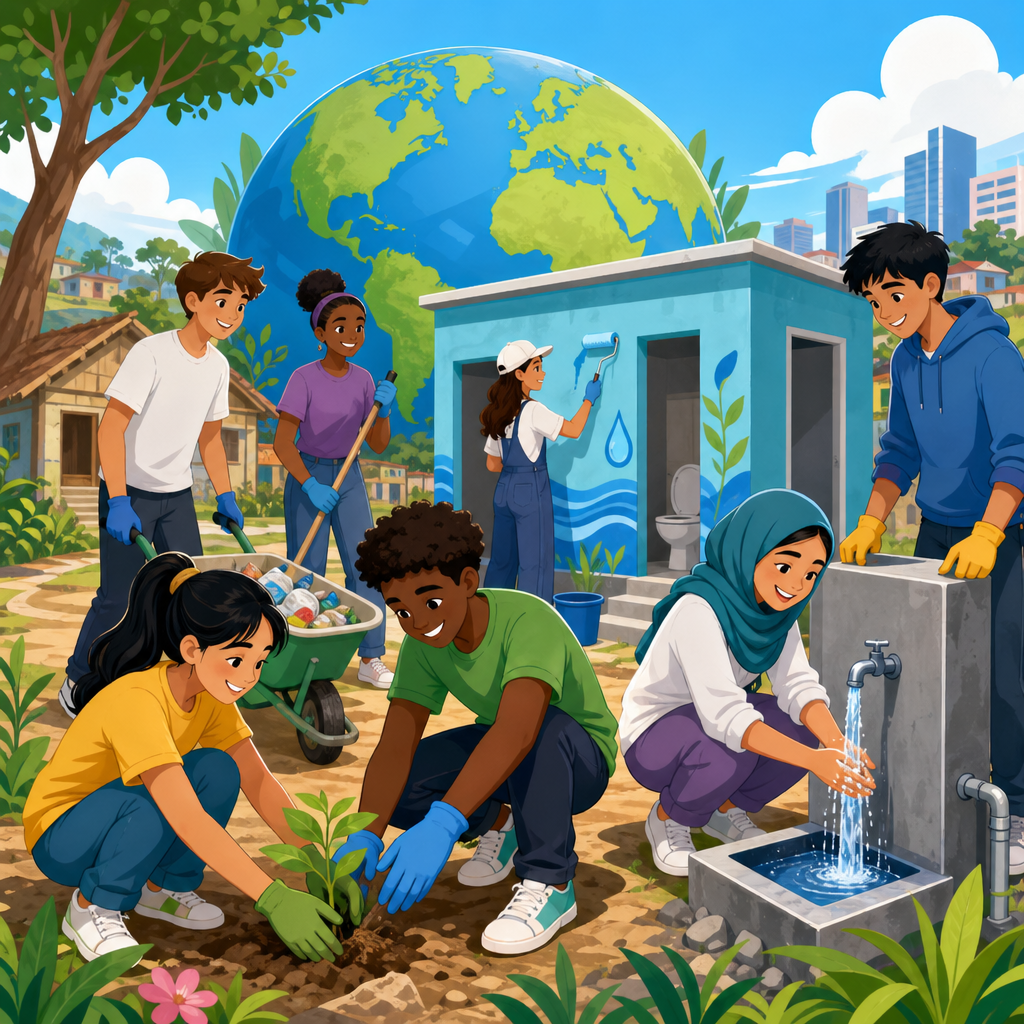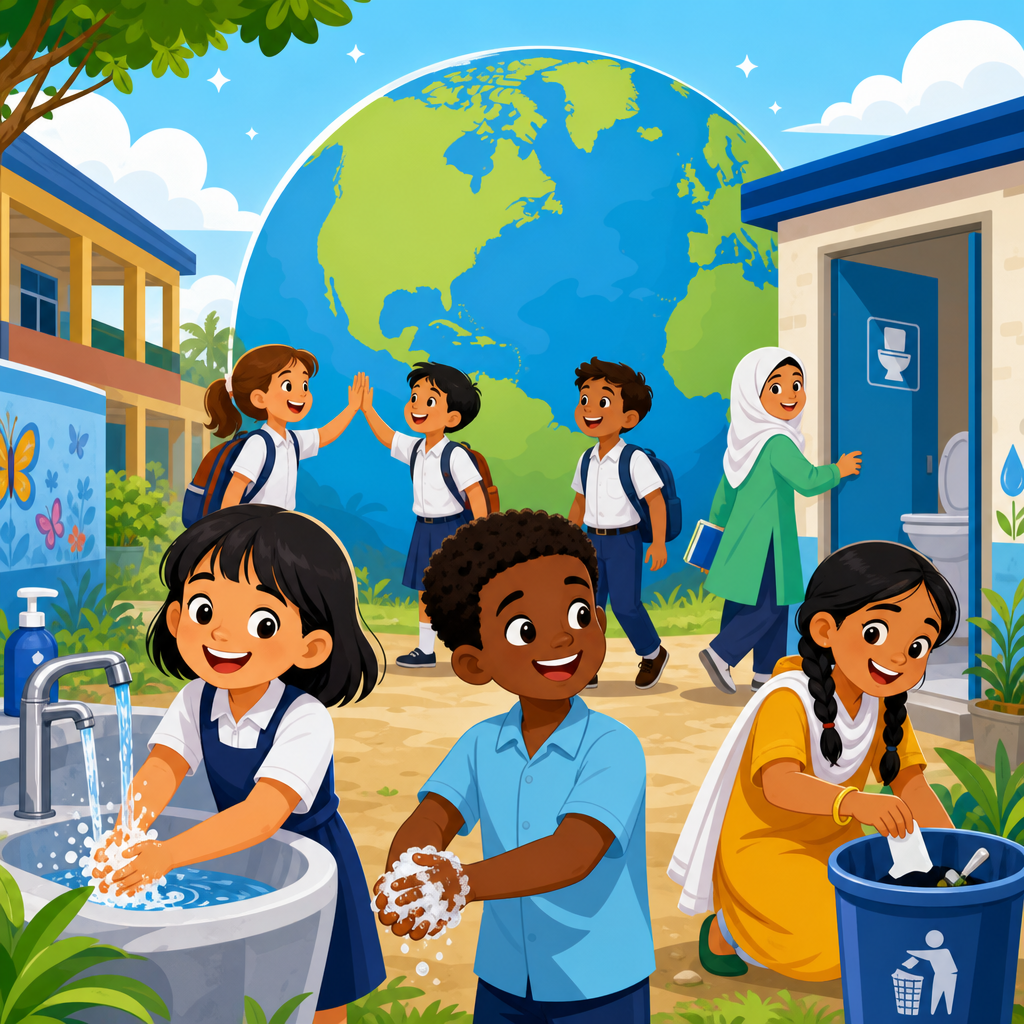
Sanitation in schools is not a side issue in education policy; it is a foundation for health, attendance, dignity, and learning. When school sanitation works, students are more likely to stay in class, wash their hands, manage menstruation safely, avoid diarrheal disease, and carry healthy habits back to their families. When it fails, the effects are immediate and measurable: illness spreads faster, girls miss school during menstruation, children with disabilities are excluded, teachers struggle to maintain order, and public investments in education deliver weaker results. Across the last two decades, I have seen one pattern repeatedly in school infrastructure projects: toilets alone do not solve the problem. The real success stories come from systems that combine safe facilities, behavior change, maintenance routines, water access, and accountability.
This worldwide overview focuses on school sanitation successes with a special emphasis on ecological sanitation, often shortened to EcoSan. EcoSan refers to sanitation approaches designed to protect health while recovering value from waste, usually through nutrient reuse, source separation, composting, dehydration, or other methods that reduce water demand and environmental pollution. In schools, EcoSan can include urine-diverting dry toilets, composting systems, greywater reuse for gardens, handwashing stations linked to water-saving designs, and hygiene education tied to campus agriculture. Not every successful school sanitation program uses EcoSan technology, but the strongest global case studies increasingly share the same principles: resource efficiency, local maintenance capacity, student participation, and long-term operation rather than one-time construction.
The topic matters because schools are one of the few public settings where sanitation can create intergenerational impact at scale. UNICEF and WHO have consistently shown through Joint Monitoring Programme reporting that access to basic water, sanitation, and hygiene services in schools remains uneven, especially in low-income and rural settings. Yet the most effective programs prove that progress is achievable under difficult conditions. This hub article maps the main lessons from global EcoSan successes, explains why some school sanitation models endure while others fail, and highlights the practical patterns that connect promising examples from Africa, Asia, Latin America, and beyond.
What school sanitation success actually looks like
A successful school sanitation program does more than increase the number of toilets on a campus. In practice, I evaluate success using five indicators: safe containment of waste, reliable handwashing access, consistent use by students, inclusion for girls and children with disabilities, and a maintenance plan with funding and assigned responsibility. EcoSan adds another dimension by asking whether the system conserves water, prevents nutrient loss, and creates productive reuse opportunities without compromising safety. If any of those elements are missing, apparent success is often short-lived.
For schools, this means the most effective sanitation designs are context specific. In water-scarce areas, urine-diverting dry toilets and composting systems can outperform flush systems because they avoid dependence on irregular water supply and expensive sewer connections. In flood-prone zones, raised facilities and sealed containment become critical. In dense urban schools, compact toilet blocks with clear cleaning schedules may be more realistic than agricultural reuse systems. The lesson from global case studies is simple: success depends less on the novelty of the technology than on the fit between design, climate, culture, budget, and user behavior.
Another defining feature of success is visible student uptake. Children will not consistently use dirty, dark, unsafe, or poorly ventilated toilets. Schools that perform well nearly always address privacy, odor control, lighting, menstrual hygiene facilities, and age-appropriate design. Separate stalls for girls and boys are common, but the better examples also include disposal bins, water inside or near cubicles, accessible entrances, and soap that is actually replenished. These details are not cosmetic. They determine whether infrastructure supports education or becomes a locked, neglected structure in the corner of the campus.
Global EcoSan models and why they work
EcoSan in schools succeeds when it is treated as a service model rather than a hardware donation. The most durable examples use designs that local masons can build, school staff can understand, and communities can afford to maintain. Urine-diverting dry toilets, for example, separate urine and feces at the source. When properly managed, this reduces odor, keeps solids drier, lowers pathogen survival over time, and allows nutrients to be reused under controlled conditions. In several school projects in East Africa and Southern Africa, these systems worked best where agricultural clubs or school gardens created a clear use case for compost or diluted urine, turning waste management into a visible learning loop.
Composting and dehydration systems have also shown value where water scarcity makes flush sanitation unreliable. In parts of rural India and Nepal, schools using dry or low-water ecological systems benefited from lower operational water demand and greater resilience during seasonal shortages. The technical principle is straightforward: if a school cannot guarantee water every day, a flush toilet network becomes vulnerable to blockage, smell, and abandonment. By contrast, a well-designed dry system with regular ash or cover material application can remain functional despite supply interruptions. The tradeoff is that these systems require stronger user education and disciplined caretaking.
Greywater reuse is another common EcoSan success factor. Where handwashing water or lightly used wash water is directed into planted infiltration beds or school gardens, schools can reduce standing wastewater, improve grounds maintenance, and create educational value. The strongest examples integrate sanitation with environmental education, teaching students about nutrient cycles, groundwater protection, and safe hygiene behavior. That educational link matters because it turns infrastructure into a daily learning tool instead of an isolated engineering asset.
| EcoSan approach | Best-fit school context | Main advantage | Key operational challenge |
|---|---|---|---|
| Urine-diverting dry toilets | Water-scarce rural schools | Low water use and nutrient recovery | Needs correct user behavior and periodic emptying |
| Composting toilets | Schools with land and garden use | Potential soil amendment output | Requires moisture and carbon balance management |
| Low-flush plus greywater reuse | Peri-urban schools with limited water | Improves hygiene while conserving water | Needs plumbing upkeep and filtration maintenance |
| Raised sealed systems with reuse education | Flood-prone areas | Protects groundwater and supports resilience | Higher construction cost |
Regional case studies from Africa, Asia, and Latin America
In Uganda, school sanitation projects supported by development agencies and local governments have repeatedly shown that ecological approaches can work when schools receive training, not just toilets. Some schools using urine-diverting dry toilets paired the facilities with demonstration gardens, helping teachers explain why ash addition, cleaning, and correct use matter. Where headteachers assigned sanitation prefects and parent committees monitored repairs, facilities stayed open and cleaner for longer periods. Where those management structures were absent, even technically sound units deteriorated quickly. The lesson from Uganda is that governance is as important as design.
In Kenya, several WASH in Schools initiatives demonstrated that handwashing access combined with sanitation upgrades can sharply improve outcomes, especially during disease outbreaks. While not all of these projects were strictly EcoSan, the strongest ones borrowed ecological principles by reducing water waste, promoting safe waste handling, and linking school hygiene to community practice. I have seen schools achieve better cleanliness simply by introducing student health clubs, tippy taps or supervised handwashing points, and maintenance rosters posted publicly. Those low-cost management measures often determine whether capital investments produce public health gains.
India offers another important set of examples. National school sanitation campaigns greatly expanded infrastructure, but the most instructive successes came from schools that closed the gap between construction and use. In drought-prone states, toilets connected to unreliable water sources often failed, while schools using lower-water or dry alternatives, backed by behavior education and caretaker routines, maintained higher functionality. Menstrual hygiene management also emerged as a decisive factor. Schools that added disposal systems, water access, and private changing space saw stronger attendance among adolescent girls than schools that counted toilets without addressing practical daily needs.
In Latin America, ecological sanitation pilots in countries such as Peru, Bolivia, and Mexico highlighted the importance of local adaptation. Highland schools facing water scarcity benefited from dry systems, but success depended on climate-sensitive construction, ventilation, and community acceptance of reuse practices. Programs that engaged parents early and explained pathogen die-off periods, handling procedures, and agricultural use standards were more likely to sustain trust. This regional experience makes one point clearly: EcoSan is not accepted automatically because it is environmentally sound. It earns acceptance when communities see it functioning safely and consistently.
What separates durable programs from failed installations
The difference between a model school sanitation project and a failed installation usually appears within the first year. Durable programs budget for cleaning supplies, assign a trained caretaker, provide spare parts, monitor usage, and plan for sludge or compost handling from the start. Failed projects tend to focus on ribbon-cutting metrics such as number of stalls built. In my experience, the warning signs are easy to spot: no line item for soap, no cleaning roster, no plan for emptying, no teacher orientation, and no consultation with girls about privacy or menstrual needs.
Institutional ownership is decisive. When the school administration, local government, and parent association each have a defined role, facilities survive staff turnover and donor exit more effectively. Clear responsibility matters more than broad enthusiasm. A headteacher who checks conditions weekly and authorizes minor repairs quickly is more valuable than a one-time external training session. The best programs also collect simple operational data: are toilets open, clean, supplied, accessible, and used? These are practical management indicators, not academic extras.
There are also technical reasons projects fail. Poor ventilation leads to odor and user rejection. Incorrect slope or sealing causes leakage. In urine-diverting systems, misuse of the pedestal or pan contaminates flows and undermines reuse. In composting systems, excess moisture prevents proper decomposition. None of these issues are mysterious; all are preventable through design review, user orientation, and periodic inspection. That is why successful school sanitation should always be treated as an operational service with infrastructure attached, not as a construction project with maintenance left to chance.
How this hub connects broader case studies and future action
As a hub for global EcoSan school sanitation success stories, this overview points to the themes decision-makers should track across every detailed case study: technology fit, hygiene behavior, menstrual health support, child-friendly design, financing for maintenance, and measured educational impact. Readers comparing rural and urban examples should pay close attention to one recurring truth: there is no universal best toilet for schools. The right system is the one that protects health, matches local constraints, and can still be operated five years after installation.
The broader benefit of showcasing worldwide successes is practical replication. Policymakers can borrow procurement standards and maintenance models. School leaders can adapt student club structures, cleaning routines, and handwashing supervision methods. Engineers can refine designs based on climate and user behavior. Donors can shift funding toward lifecycle performance instead of construction counts. Communities can see that ecological sanitation is not an abstract environmental concept but a workable strategy for safer, more resilient schools.
School sanitation succeeds when infrastructure, management, and education reinforce one another. Global EcoSan examples show that water-saving systems, safe reuse practices, and child-centered design can improve health and keep facilities functioning where conventional approaches often stall. If you are building a case studies library, planning a school WASH program, or evaluating sanitation investments, use this hub as your starting point and follow the connected examples to identify the model that fits your schools best.
Frequently Asked Questions
Why is sanitation in schools considered essential to educational success?
School sanitation directly shapes whether students can attend class consistently, stay healthy, and participate with dignity. Clean toilets, reliable handwashing stations, safe water access, and hygienic waste management are not peripheral services; they are basic conditions that support learning. When these systems are in place, schools reduce the spread of diarrheal disease, respiratory infections, and other preventable illnesses that can keep children at home. Better sanitation also improves concentration, because students are not distracted by discomfort, dehydration, or the need to avoid unsafe or unusable toilets throughout the school day.
The educational impact is especially visible in attendance and retention. Students are more likely to remain in school when facilities are clean, private, and accessible. Girls, in particular, benefit when schools provide toilets with doors, water, disposal options, and enough privacy to manage menstruation safely. Without those basics, many miss class regularly or leave school altogether. Inclusive sanitation also matters for children with disabilities, who may be effectively excluded from education if toilets are inaccessible or unsafe. In that sense, sanitation is tied not only to health outcomes, but also to equity, participation, and a school’s ability to serve every learner.
What are some of the most important sanitation successes schools around the world have achieved?
One major global success has been the shift from viewing school sanitation as a one-time construction project to treating it as an ongoing public health and education priority. In many countries, school systems and development partners have moved beyond simply building latrines and have focused instead on complete WASH programs: water, sanitation, and hygiene. These efforts often combine toilets, handwashing stations, soap provision, hygiene education, cleaning schedules, maintenance budgets, and student engagement. That broader approach has produced stronger and more lasting results because it recognizes that infrastructure alone is not enough if facilities quickly fall into disrepair or are not used properly.
Another important success has been the growing recognition of dignity-centered design. Around the world, schools have improved outcomes by creating sex-separate toilets, integrating menstrual hygiene support, providing disability-accessible facilities, and involving communities in planning and upkeep. Some systems have introduced student hygiene clubs, peer education, and regular monitoring to keep sanitation visible as part of school culture. Others have linked sanitation improvements to measurable gains in attendance, reduced absenteeism due to illness, and stronger hygiene habits at home. These successes show that progress is possible across different income levels when sanitation is treated as part of a functioning education system rather than as an isolated infrastructure donation.
How does improved school sanitation affect girls and menstrual health management?
Improved sanitation can dramatically change the school experience for girls, especially once they begin menstruating. A school that supports menstrual health management provides more than a toilet; it offers privacy, water, soap, a clean place to change, and a safe way to dispose of used materials. These practical elements help girls manage menstruation comfortably and confidently during the school day. Without them, many students face anxiety, embarrassment, discomfort, and fear of leakage or stigma. That can lead to missed classes, reduced participation, and in some cases long-term disengagement from school.
The broader value is social as well as educational. When schools normalize menstrual health through proper facilities and age-appropriate education, they help reduce shame and misinformation. Girls are better able to attend regularly, take part in lessons, and focus on learning instead of managing an avoidable barrier. Boys and teachers also benefit from better education around hygiene and respect, which can help create a more supportive school environment overall. In countries where school sanitation reforms have included menstrual health supplies, private washing areas, and teacher training, the result has often been improved attendance, stronger confidence among students, and a more inclusive understanding of what it takes for schools to truly serve all children.
What makes a school sanitation program effective over the long term?
Long-term success depends on consistency, maintenance, and accountability. Many sanitation projects begin with strong intentions but weaken when there is no plan for cleaning, repairs, water supply, soap restocking, or waste disposal. Effective school sanitation programs build these practical needs into the system from the start. That means assigning responsibilities clearly, training staff, allocating budgets for maintenance, and regularly checking whether facilities remain functional and safe. It also means designing facilities that fit local conditions, including climate, water availability, cultural expectations, and the number and age of students using them every day.
Programs are more durable when they combine infrastructure with behavior change and community ownership. Hygiene lessons, student participation, parent involvement, and school leadership all help reinforce proper use and upkeep. Monitoring also matters: schools and policymakers need data on toilet-to-student ratios, accessibility, cleanliness, handwashing access, and absenteeism patterns to understand what is working and where gaps remain. The most effective models treat sanitation as part of school management and child well-being, not as a one-off capital expense. When sanitation is funded, measured, maintained, and embedded in routine school operations, improvements are far more likely to last.
What challenges still prevent many schools from achieving sanitation success worldwide?
Despite clear progress, major barriers remain. In many regions, the biggest problem is not the lack of awareness but the lack of sustained funding and operational capacity. Schools may receive toilets without a reliable water source, without cleaning supplies, or without any maintenance plan once construction is complete. Rural and low-income communities often face additional logistical challenges, including supply shortages, weak infrastructure, seasonal water scarcity, and limited technical support. Even where facilities exist, overcrowding can make them inadequate very quickly, especially in schools with growing enrollment.
There are also important equity and governance challenges. Children with disabilities are still excluded in many schools because toilets and handwashing facilities are not accessible. Girls may be underserved when menstrual hygiene needs are overlooked in planning and budgeting. In some places, sanitation is split across multiple ministries or agencies, making responsibility unclear and progress uneven. Social stigma, weak hygiene education, and poor monitoring can further reduce the impact of investments. Overcoming these obstacles requires more than building hardware; it calls for policy coordination, inclusive design, reliable budgets, strong school leadership, and a commitment to treating sanitation as a core educational requirement. Worldwide successes show that improvement is achievable, but they also make clear that lasting progress depends on systems that protect health, dignity, and equal access every day.