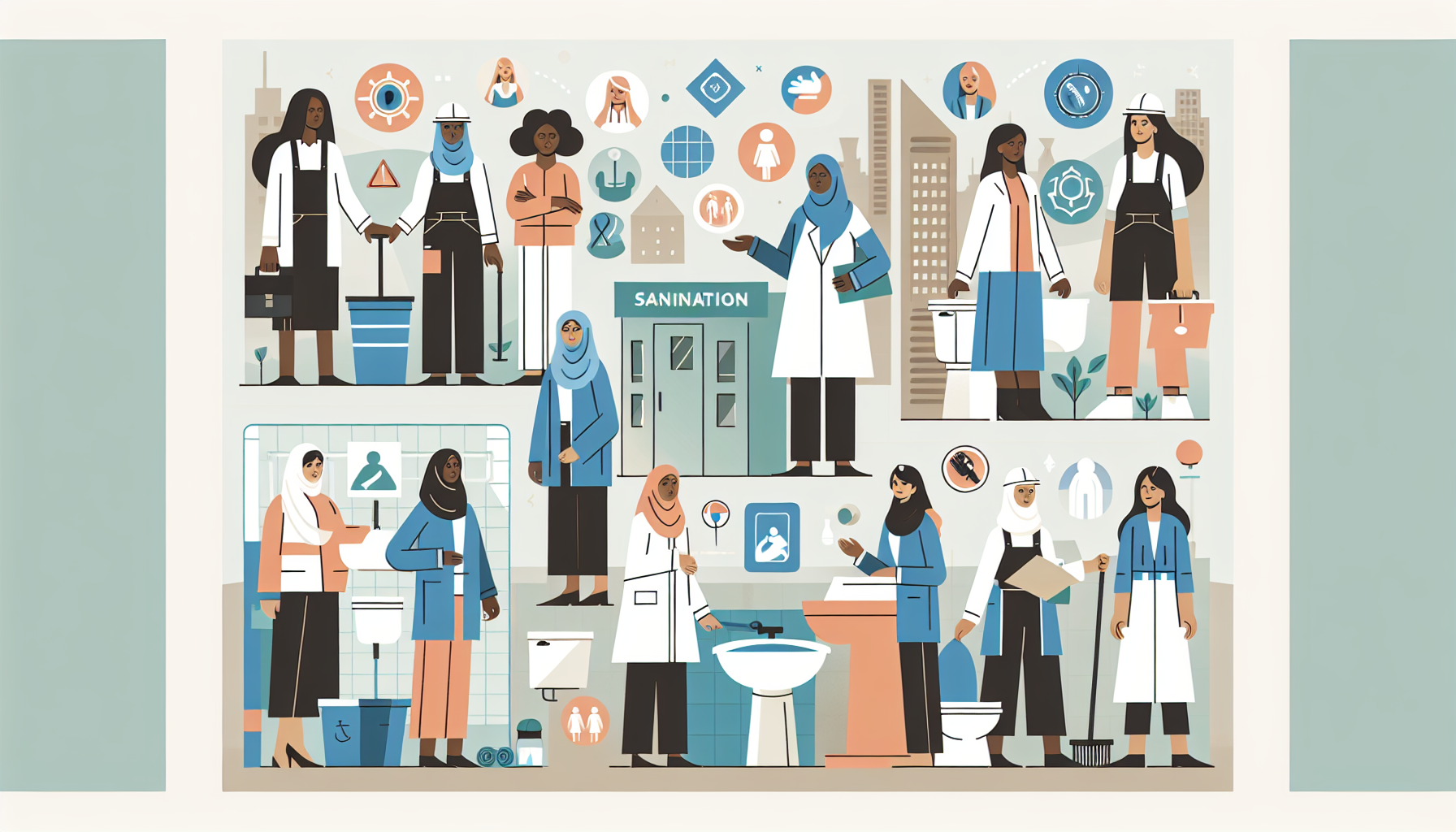
Sanitation shapes health, privacy, safety, and social participation, but for women and girls its impact runs even deeper, affecting dignity in daily routines that many policies still treat as secondary. In work across community sanitation programs, I have seen a simple toilet, a lockable door, and reliable water change whether girls attend school during menstruation, whether women feel safe after dark, and whether households accept new ecological sanitation systems. This matters because sanitation is not only about waste disposal; it is about control over one’s body, freedom from harassment, and the practical conditions that support education, work, and family health. In this hub on diverse EcoSan success stories, EcoSan refers to ecological sanitation systems that safely contain, treat, and often reuse nutrients from human waste, usually through composting, urine diversion, or water-saving designs. A success story in this context is not just a completed installation. It is a documented example showing adoption, usability, maintenance, community trust, and measurable benefits for women. Understanding these case studies helps practitioners, policymakers, NGOs, and local leaders identify what actually works, why certain projects fail, and how sanitation design can enhance women’s dignity and safety at scale.
Why women experience sanitation differently
Women’s sanitation needs differ because biological, social, and economic realities shape how facilities are used. Menstruation, pregnancy, postnatal recovery, caregiving, and higher exposure to gender-based violence all influence design requirements. A toilet that is technically functional may still fail women if it lacks a door latch, lighting, water for washing, disposal for menstrual materials, or enough space for a caregiver and child. The World Health Organization and UNICEF Joint Monitoring Programme consistently links inadequate sanitation with unsafe defecation practices, school absence, and compromised health outcomes, but in field assessments the strongest feedback from women is often about fear and shame. They describe waiting until dawn or dark to avoid being seen, limiting food and water intake to reduce toilet trips, or avoiding school entirely during periods.
EcoSan systems can address these barriers when projects move beyond hardware. Urine-diverting dry toilets, container-based sanitation, and dehydrating toilets can reduce dependence on piped sewerage in dense settlements and water-scarce regions. Yet acceptance rises only when women are involved from the first planning meeting. In one peri-urban project I supported, men initially prioritized low construction cost, while women insisted on internal washing space and an external path light. Usage rates followed the women’s preferences. That pattern appears repeatedly across diverse EcoSan success stories: dignity and safety features are not extras; they are core performance requirements.
What makes an EcoSan project successful for dignity and safety
The strongest case studies share a practical set of design and governance principles. First, privacy must be real, not symbolic. Walls should prevent sightlines, roofs should cover the full unit, doors must close securely from inside, and distances to the facility should be manageable for children, older women, and users at night. Second, menstrual hygiene management has to be integrated. That means water access, shelf space, hooks, soap, disposal or treatment options, and cleaning surfaces that can be disinfected easily. Third, maintenance systems must be financed and assigned clearly. Women lose trust quickly in toilets that smell, overflow, or become too dirty to use.
Fourth, safety extends beyond the toilet cubicle to the route leading there. Good projects improve lighting, pathways, drainage, and community monitoring. Fifth, user training is essential in EcoSan because systems such as urine diversion and composting depend on correct use. Where training is weak, ash is not added, urine channels clog, or vault rotation is misunderstood. Finally, social legitimacy matters. Projects succeed when schools, women’s groups, sanitation committees, and local masons all understand the system and can explain its benefits in plain language. These conditions create the foundation for the success stories that anchor this sub-pillar hub.
Diverse EcoSan success stories across communities, schools, and settlements
EcoSan success stories are diverse because sanitation challenges differ by setting. In rural communities, the priority is often ending open defecation where water is scarce and soils are poor. In schools, the priority may be menstrual privacy and attendance. In informal settlements, the biggest challenge is safe waste management where there is no sewer network and little space for pits. Looking across documented projects, several examples stand out because they connect technical performance with women’s outcomes rather than reporting only construction numbers.
In rural Uganda and Kenya, urine-diverting dry toilets have been adopted where households value the agricultural reuse of sanitized urine and composted feces. The lesson from successful women-centered programs is clear: adoption rises when women farmers can observe crop results directly. Demonstration plots showing maize, banana, or vegetable yields create confidence that the system offers more than convenience. In parts of Ethiopia, school sanitation projects that added separate girls’ blocks, washing water, and disposal options reduced absenteeism during menstruation. In Bangladesh and Haiti, container-based sanitation models have demonstrated that safe collection services can deliver privacy and security in dense low-income areas where shared pit latrines are often dangerous, full, or inaccessible at night. In each example, the decisive factor was not novelty. It was matching the sanitation model to women’s routines, mobility, and safety concerns.
| Setting | EcoSan approach | Women-focused benefit | Key success factor |
|---|---|---|---|
| Rural farming communities | Urine-diverting dry toilets | Closer, private access and nutrient reuse for crops | Hands-on training plus demonstration plots |
| Schools | Separated toilet blocks with wash facilities | Better menstrual privacy and attendance | Girls involved in design and maintenance rules |
| Informal settlements | Container-based sanitation | Safer night access and managed waste removal | Reliable service schedule and secure cubicles |
| Flood-prone areas | Raised EcoSan units | Year-round safe use despite inundation | Climate-adapted engineering and local oversight |
School sanitation and the link to attendance, confidence, and privacy
School case studies are among the most powerful because they show immediate effects on girls’ daily lives. A school toilet can either support learning or quietly push girls out of the classroom. When facilities are shared without privacy, lack water, or do not provide a place to change menstrual materials, attendance suffers. UNESCO, UNICEF, and many national education ministries have documented this pattern, but the best EcoSan examples explain how schools solved it. The most effective interventions combine separate facilities for girls, disposal or treatment options for menstrual waste, teacher training, peer health clubs, and a clear cleaning schedule with budgeted supplies.
In projects I have reviewed, schools that treated toilets as part of the learning environment performed better than schools that treated them as donor infrastructure. Girls were consulted on cubicle layout, door height, and the need for hooks, mirrors, and buckets. Female teachers were assigned accountability for emergency supplies and support during menstruation. Where schools used urine-diverting systems, maintenance staff received direct coaching on ash addition, vault switching, and handwashing management. These details matter because one broken lock can negate the value of an entire sanitation block. Success is visible when girls report confidence staying through the school day, when parents trust the facility, and when the school can maintain the system without waiting for another external grant.
Urban and informal settlement lessons: safety depends on service reliability
In dense settlements, women’s sanitation risks often peak at night. Long walks to communal latrines, poorly lit alleys, and overcrowded shared facilities create conditions for harassment and assault. EcoSan success stories in urban contexts therefore focus as much on operations as on engineering. Container-based sanitation, for example, can work well where pit emptying is unsafe or impossible. Sealed containers are collected on a schedule and transported for treatment, reducing overflow and exposure. For women, the benefit is immediate when the toilet is inside or very near the home and can be locked.
However, urban systems only enhance dignity and safety if the service chain is reliable. Missed collections, unaffordable fees, or poor customer support quickly force households back to unsafe options. The strongest case studies include operator training, subscription management, complaint resolution, and treatment-site compliance. In one settlement sanitation review, women rated reliability above every other factor, including comfort. That response makes sense. A toilet that fails unpredictably creates anxiety, household conflict, and hygiene risks. Urban EcoSan models succeed when they function like a dependable utility, even when the technology is decentralized.
Design details that determine whether women actually use the toilet
Usage is the real metric. Many sanitation projects report units built, but women judge outcomes through routine experience: Can I reach the toilet safely? Can I wash? Can I help a child? Will I be seen or heard? Is it clean enough during menstruation? In practice, small design decisions answer these questions. Adequate internal space allows women to manage clothing and menstrual materials comfortably. Smooth, washable surfaces reduce odor and simplify cleaning. Raised thresholds can improve flood resilience but should not block older users or people with disabilities. Vent pipes, fly screens, and proper urine diversion reduce smell, which is critical for acceptance.
Another recurring lesson from diverse EcoSan success stories is that women want systems they can explain and trust. If a composting or dehydrating toilet seems mysterious, rumors spread quickly. Clear pictorial instructions, local-language signage, and demonstration units improve confidence. So does training female masons, caretakers, and committee members. When women become visible technical leaders, communities are more likely to believe that the system is manageable and safe. This is especially important where reuse of sanitized outputs is planned. Trust depends on transparent treatment timelines, safe handling protocols, and alignment with public health guidance.
Measuring impact: what strong case studies track and report
Good sanitation case studies do more than celebrate installation numbers. They track usage, maintenance quality, safety outcomes, school attendance, user satisfaction, cost recovery, and environmental performance. For women-focused analysis, the best indicators include whether the facility is usable at night, whether locks and lighting work consistently, whether menstrual hygiene needs are met, and whether women participate in governance. Health indicators matter too, but dignity and safety should be measured directly rather than assumed from infrastructure presence.
Robust reporting usually combines surveys, focus groups, spot checks, and service records. A school might compare attendance before and after facility upgrades, then validate the result through student interviews. A community project may track the percentage of women reporting fear during toilet access before and after path lighting and closer siting were introduced. Environmental indicators can include reduced groundwater contamination compared with poorly built pits, lower water consumption through dry systems, or nutrient recovery for agriculture. These metrics make EcoSan success stories useful for replication because they show not just that a toilet exists, but that it improves women’s lives in concrete, verifiable ways.
How this hub connects the wider EcoSan evidence base
As a hub under case studies and success stories, this article points to the themes readers should follow when evaluating or planning sanitation interventions. Look for rural household examples that show how nutrient reuse can strengthen women’s livelihoods. Study school sanitation stories that connect privacy and menstrual support to attendance. Review urban service models that prove decentralized systems can deliver safety where sewers do not exist. Examine climate-resilient examples from flood-prone or drought-prone areas, because resilience failures usually hit women first by increasing time, risk, and care burdens. Finally, compare governance models, since maintenance committees, fee systems, and local enterprise partnerships often determine whether infrastructure lasts.
The central lesson is straightforward. Sanitation enhances women’s dignity and safety when systems are designed around real use, not engineering assumptions alone. Diverse EcoSan success stories show that privacy, menstrual hygiene, affordability, maintenance, and trusted management are all essential. If you are building this subtopic cluster, use these case studies to guide deeper reading, benchmark project design, and ask sharper questions about outcomes for women. Start with the examples most similar to your setting, then adapt the proven features that women themselves say make sanitation safe, dignified, and sustainable.
Frequently Asked Questions
Why is sanitation so closely linked to women’s dignity and safety?
Sanitation is not only about hygiene or infrastructure; it is also about privacy, control, and the ability to meet basic bodily needs without fear, shame, or disruption. For many women and girls, the presence or absence of a safe toilet affects daily life in deeply personal ways. A private, clean, and lockable toilet allows women to manage urination, defecation, bathing, and menstruation with dignity. Without that privacy, many are forced to wait until dark, walk long distances, or use unsafe and exposed areas, all of which can increase stress, discomfort, and the risk of harassment or violence.
The safety dimension is especially important. When sanitation facilities are poorly located, unlit, or lack secure doors, women and girls may feel vulnerable every time they need to use them, particularly at night. This fear can shape routines, limit fluid intake, and even discourage participation in work, school, and community life. In practical terms, sanitation influences whether a girl can attend school confidently, whether a woman can move freely after sunset, and whether she feels respected in her own home and community. That is why sanitation should be treated as a core issue of dignity, safety, and equality, not as a secondary technical service.
How does poor sanitation affect girls’ education and school attendance?
Poor sanitation can be a major barrier to consistent school attendance, especially for adolescent girls. When schools do not have separate, functional, and private toilets for girls, many students feel embarrassed or unsafe using them. This challenge becomes even more serious during menstruation. If there is no reliable water supply, no place to wash, no door that locks, and no safe way to dispose of menstrual materials, girls may miss several days of school each month or stop attending altogether.
The educational impact goes beyond absenteeism. Even when girls remain in school, inadequate sanitation can affect concentration, confidence, and participation. A student who is worried about staining her clothes, finding water, or being mocked for menstruation is not able to focus fully on learning. Over time, these repeated disruptions can influence academic performance, self-esteem, and retention. Schools that invest in gender-responsive sanitation create a more supportive learning environment by giving girls privacy, safety, and the practical resources they need. In that sense, better sanitation is not an add-on to education policy; it is part of what makes education accessible and equitable.
What features make sanitation facilities truly safe and usable for women and girls?
A sanitation facility is only effective for women and girls if it is designed around real daily needs, not just minimum construction standards. Privacy is essential, which means solid walls, full coverage, and a door that closes properly and locks from the inside. Safety also depends on location. Facilities should be close enough to homes, schools, or public spaces to reduce long or isolated trips, and they should be accessible at all hours without forcing users into dark or secluded areas. Lighting, clear pathways, and visibility around the entrance can significantly reduce fear and increase use.
Usability is equally important. Reliable water access is critical for handwashing, personal hygiene, and menstrual management. Facilities should be clean, easy to maintain, and designed to accommodate different age groups and physical abilities. In schools and public institutions, separate toilets for women and girls, along with bins or disposal systems for menstrual waste, make a significant difference. In many communities, acceptance of improved or ecological sanitation systems also depends on whether these systems support privacy, comfort, and ease of use for women. A technically sound toilet that ignores women’s needs may remain underused, while a thoughtfully designed facility can transform health, confidence, and social participation.
Why is menstrual hygiene management an important part of sanitation planning?
Menstrual hygiene management is a fundamental sanitation issue because menstruation requires privacy, water, washing facilities, and safe disposal options. When sanitation planning overlooks these needs, it effectively excludes women and girls from fully using schools, workplaces, and public spaces. Menstruation is a routine biological process, yet many sanitation systems are still designed as though users do not need space to change materials, wash themselves, or manage discomfort discreetly. This gap creates avoidable stress and reinforces stigma.
Integrating menstrual hygiene into sanitation planning improves both dignity and access. In practical terms, that means ensuring toilets have doors that lock, water nearby, handwashing facilities, and appropriate disposal methods. It also means designing systems that are easy to maintain and culturally acceptable. Beyond infrastructure, good planning includes education and community dialogue so that menstruation is treated as a normal health issue rather than a source of silence or shame. When women and girls can manage menstruation safely and privately, they are more likely to attend school, remain active at work, and participate in public life with confidence. This is one of the clearest examples of how sanitation affects far more than hygiene alone.
How can communities and policymakers improve sanitation in ways that genuinely support women?
The most effective improvements begin by involving women and girls directly in planning, design, and decision-making. Too many sanitation policies are created without enough attention to lived experience, which leads to facilities that meet technical targets but fail in practice. Women are best positioned to identify issues such as unsafe locations, lack of privacy, poor maintenance, and the everyday challenges of managing children, menstruation, pregnancy, or disability while using sanitation services. When their perspectives shape the process from the start, the resulting systems are usually more practical, more trusted, and more sustainable.
Policymakers should also move beyond counting toilets and focus on quality, safety, and consistent service. That includes investing in water supply, lighting, maintenance systems, waste management, and school sanitation that is responsive to girls’ needs. Community programs work best when they combine infrastructure with behavior change, local ownership, and clear accountability for upkeep. In my experience across sanitation initiatives, even simple improvements such as a lockable door, dependable water, and a clean interior can change whether women feel protected, whether girls stay in school during menstruation, and whether families embrace new sanitation technologies. Supporting women through sanitation requires not only building facilities, but building systems that respect privacy, reduce risk, and recognize dignity as a central outcome.