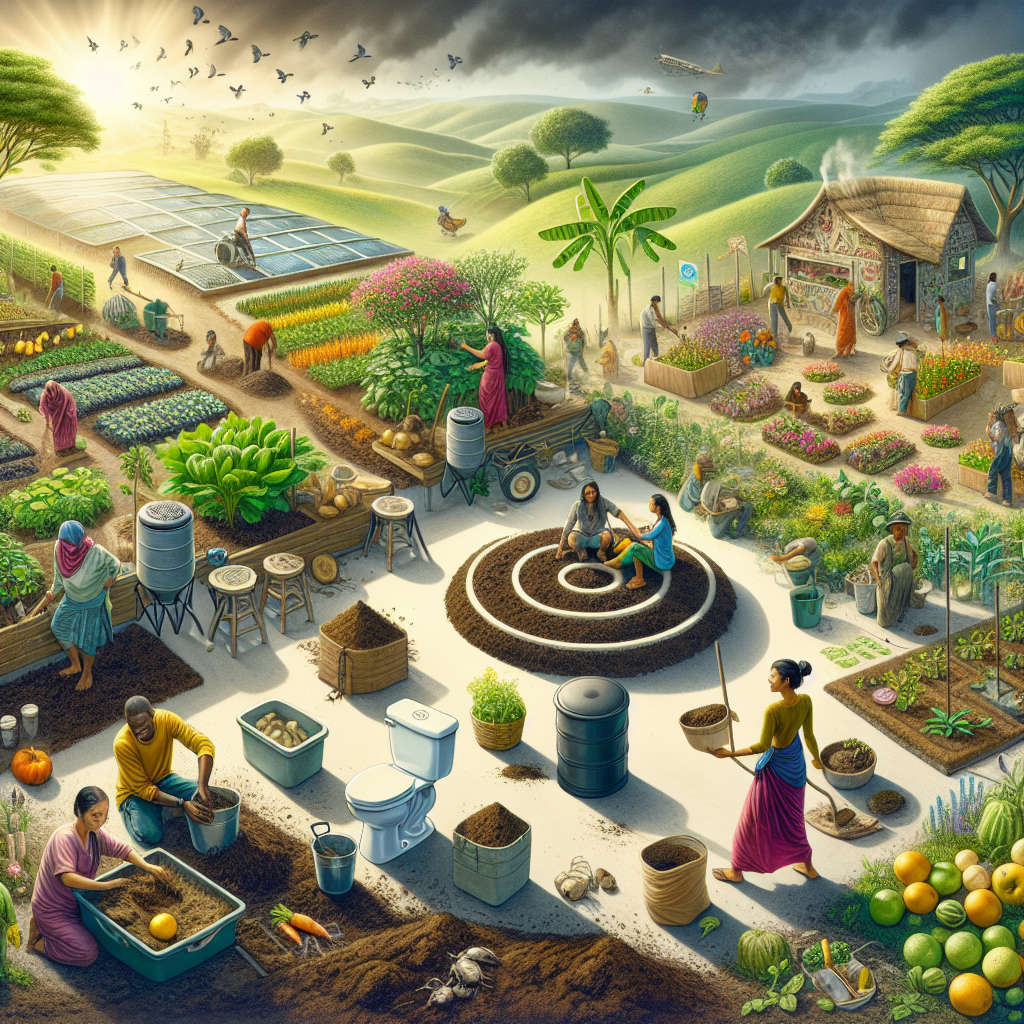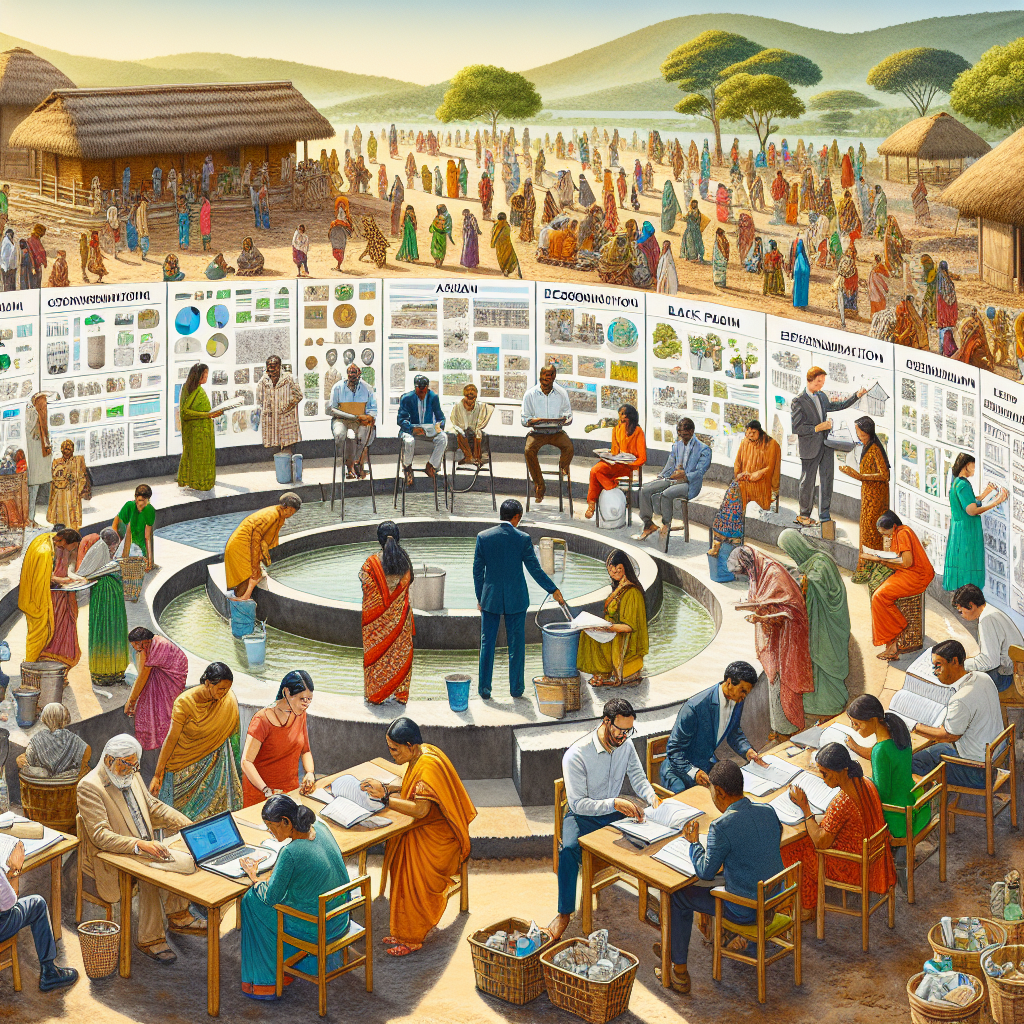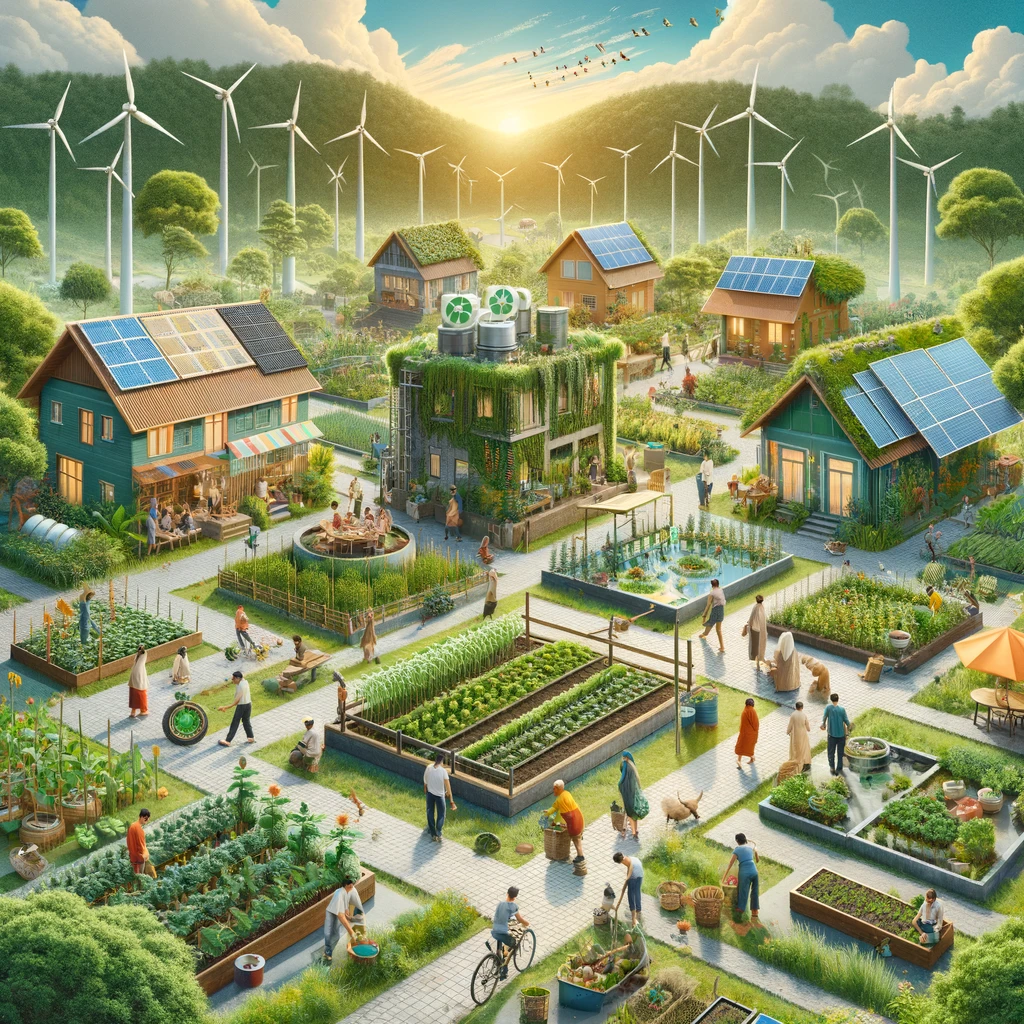
Ecological sanitation (EcoSan) is a sustainable approach that reimagines waste as a resource. At its core, EcoSan involves treating human waste to reuse it, particularly in agriculture, while conserving water. This method is grounded in principles that aim to protect the environment and improve public health.
EcoSan Principles
- Separate Treatment of Greywater and Black Water: Distinguishing between soapy water (greywater) and sewage (black water) is crucial. Treating them separately enables their effective use as resources.
- No Release of Black Water into the Environment: This principle prevents environmental damage, directing black water to treatment facilities for safe processing.
- Restoring Soil Humus and Biodiversity: A key EcoSan goal is to enrich soil fertility, enhancing agriculture without harming the environment.
- Reuse of Greywater for Irrigation: Greywater, when treated, can be an excellent resource for irrigation, conserving fresh water.
- Avoiding Wastewater Discharge into Surface Waters: Prevents contamination of water bodies, safeguarding aquatic ecosystems.
- Adapting Water Quality to Usage: Not all domestic water needs to be potable. This principle suggests using water of appropriate quality for different needs.
Water Conservation in EcoSan
EcoSan and water conservation are inextricably linked. By treating and reusing greywater for irrigation and other non-potable purposes, we significantly reduce the demand for fresh water. This approach is particularly beneficial in water-scarce regions.
Agricultural Benefits
Reusing treated excreta as fertilizer not only conserves water but also reduces dependency on chemical fertilizers. It’s a sustainable way to replenish essential nutrients in the soil, contributing to healthier crops and ecosystems.
Addressing Phosphorus Scarcity
A significant aspect of EcoSan is its potential to address the looming phosphorus shortage. By recovering phosphorus from urine, EcoSan contributes to sustainable agriculture while conserving a vital, non-renewable resource.
Challenges and Criticisms
EcoSan faces challenges, such as public acceptance and cost-effectiveness. There’s also ongoing debate about the safety of using treated human waste in agriculture. Addressing these concerns is crucial for EcoSan’s wider adoption.
The Future of EcoSan
EcoSan has received recognition for its innovative approach, such as the awarding of the Stockholm Water Prize to Peter Morgan, a pioneer in ecological sanitation. Additionally, organizations like the Bill and Melinda Gates Foundation are funding research focused on resource recovery, highlighting the growing interest in EcoSan principles.
The integration of water conservation in EcoSan offers a promising pathway towards sustainable sanitation and resource management. By embracing these principles, we can build a future where waste becomes a resource, contributing to environmental health and agricultural productivity.

EcoSan in Urban Areas
Urban implementation of EcoSan principles can revolutionize wastewater management. By creating separate sewerage for greywater and black water, cities can minimize water pollution and enhance water conservation. Greywater can be purified in natural wetlands, reducing energy usage and environmental impact. This shift not only conserves water but also transforms urban areas into contributors to ecological balance.
Enhancing Public Health
EcoSan is not just about waste management; it’s a holistic approach to improving public health. By preventing the introduction of pathogens from human excreta into water cycles, EcoSan minimizes waterborne diseases. This reduction in water contamination directly translates to healthier communities.
Resource Conservation
EcoSan practices conserve valuable resources. The reuse of greywater reduces the demand for fresh water. Simultaneously, the recovery and reuse of nutrients from waste minimize the need for synthetic fertilizers, thus conserving non-renewable resources like phosphorus.
Energy Efficiency
The treatment and reuse of human excreta in EcoSan systems consume less energy compared to conventional sanitation methods. By reducing the need for manufactured urea and other synthetic fertilizers, EcoSan practices can lower fossil fuel consumption, making them more energy-efficient.
Cultural and Historical Perspective
Historically, many cultures have practiced the reuse of human waste, acknowledging its value in agriculture. From ancient Rome to the Aztecs and Incas, civilizations have utilized human excreta as a resource, demonstrating an early understanding of ecological principles. This historical perspective underlines that EcoSan is not a new concept but rather a return to proven, sustainable practices.
Challenges in Scaling Up
While EcoSan offers many benefits, scaling it up to benefit millions remains a challenge. The systems must be made safe and affordable to be widely adopted. Additionally, changing public attitudes and behaviors towards sanitation and waste reuse is a slow and challenging process.
Integration with Modern Technologies
Modern EcoSan systems can integrate high-tech and low-tech solutions, offering flexibility and adaptability to different contexts. Technologies like biogas plants, constructed wetlands, and composting toilets can be part of EcoSan systems, enhancing their effectiveness and applicability.
The Path Forward
For EcoSan to gain broader acceptance, it must overcome various challenges, including public perception, cost, and safety concerns. As awareness grows and technologies advance, EcoSan has the potential to play a critical role in sustainable water management and agriculture.
Conclusion
EcoSan is a transformative approach to sanitation that conserves water, recycles nutrients, and enhances public health. While challenges remain, the principles of EcoSan provide a roadmap for a sustainable future. By embracing these practices, we can turn waste into a valuable resource, contributing to a healthier environment and society.
This comprehensive view of the role of water conservation in ecological sanitation combines insights from sources such as Wikipedia’s Ecological Sanitation page and EAUTARCIE’s Principles of Ecological Sanitation, emphasizing the interconnectedness of waste management, water conservation, and sustainable living.