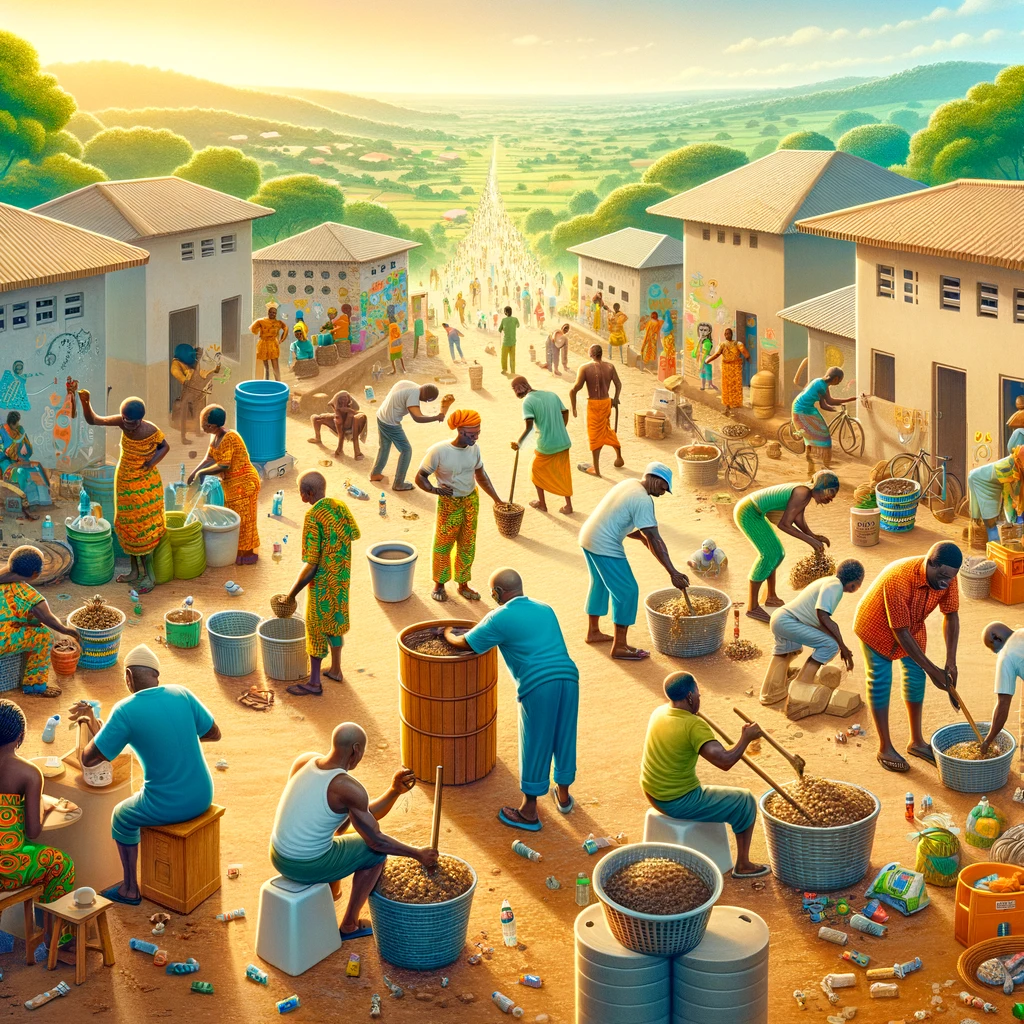
In an era where global ecological challenges loom large, innovative solutions are not just welcome; they are necessary. Burkina Faso, a landlocked country in West Africa, stands as a testament to this truth. Amidst its various environmental and socio-economic challenges, it has embarked on a remarkable journey towards sustainable sanitation through the implementation of Urine Diverting Dry Toilets (UDDTs). This approach is not just about addressing sanitation needs; it’s a holistic strategy contributing to ecological sustainability, public health improvement, and community empowerment.
Understanding UDDTs: A Brief Overview
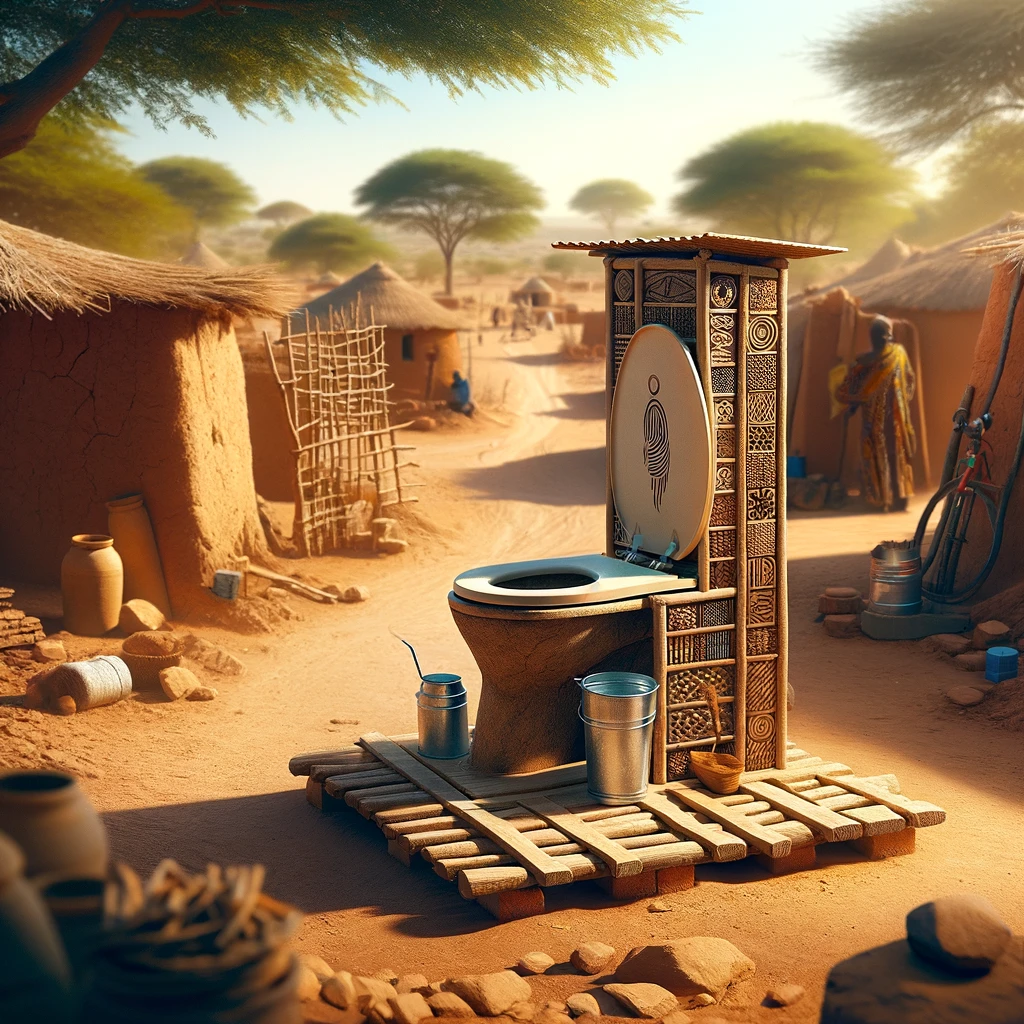
Urine Diverting Dry Toilets are a type of ecological sanitation system that separates urine from feces at the source. This separation is crucial, as it prevents the production of harmful pathogens typically found in traditional pit latrines and reduces the need for water – a precious resource in many parts of Burkina Faso. The urine, rich in nitrogen and phosphorus, can be safely used as a fertilizer, while the feces, once composted, can also contribute to agricultural productivity.
The Ecological Footprint: Beyond Sanitation
The introduction of UDDTs in Burkina Faso has had a ripple effect beyond the immediate objective of improving sanitation. These toilets are a sustainable alternative to water-based systems, which are not only costly but also environmentally demanding. By conserving water and converting waste into a resource, UDDTs contribute significantly to ecological preservation.
Water Conservation
In Burkina Faso, where water scarcity is a growing concern, the water-saving aspect of UDDTs cannot be overstated. Traditional flushing toilets consume vast amounts of water, a luxury this region cannot afford. UDDTs offer a practical solution to this challenge, ensuring that water is preserved for essential uses like drinking and agriculture.
Soil Fertility and Agricultural Benefits
The use of human urine and composted feces as fertilizer is perhaps one of the most remarkable aspects of UDDTs. This practice not only recycles waste but also improves soil fertility, leading to higher agricultural yields. In a country where a significant portion of the population relies on subsistence farming, this is a crucial development.
Environmental Health
By preventing the contamination of groundwater and reducing the spread of waterborne diseases, UDDTs play a significant role in improving environmental health. This is particularly important in rural areas of Burkina Faso, where access to clean water and proper sanitation facilities has historically been limited.
Socio-Economic Implications
The benefits of UDDTs extend into the socio-economic sphere as well. Improved sanitation has direct implications for public health, but the impact of UDDTs in Burkina Faso goes beyond this.
Public Health and Hygiene
Access to safe sanitation facilities is a fundamental human right and a crucial component of public health. UDDTs have contributed to reducing the incidence of waterborne diseases in Burkina Faso. This improvement in health standards is particularly beneficial for children, who are most vulnerable to such diseases.
Community Empowerment and Education
The successful implementation of UDDTs in Burkina Faso required not just the installation of toilets but also a shift in mindset. Educational campaigns were crucial in achieving this, leading to greater community involvement and empowerment. People are not just passive beneficiaries; they are active participants in maintaining and managing their sanitation facilities.
Economic Benefits
The economic benefits of UDDTs should not be overlooked. The reduction in waterborne diseases leads to a decrease in healthcare costs and an increase in productivity. Moreover, the use of human waste as fertilizer can potentially reduce the cost of agricultural inputs, providing an economic boost to farming communities.
Challenges and Opportunities
While the implementation of UDDTs in Burkina Faso has been successful, it has not been without its challenges. These obstacles, however, also present opportunities for further development and innovation.
Cultural Acceptance
One of the significant challenges faced was the cultural acceptance of using human waste as fertilizer. Overcoming this required extensive community engagement and education, highlighting the safe and beneficial use of treated waste.
Maintenance and Sustainability
Ensuring the long-term maintenance and sustainability of UDDTs is crucial. This involves regular community training and the establishment of local committees for oversight and management.
Scaling and Adaptation
The success in Burkina Faso presents an opportunity to scale this model to other regions facing similar challenges. However, it’s important to adapt the approach to different cultural and environmental contexts.
Replicating Success: Learning from Burkina Faso
The success story of UDDTs in Burkina Faso offers valuable lessons for other countries facing water scarcity and sanitation issues. The key to replicating this success lies in understanding the local context – the environmental conditions, cultural norms, and economic realities. Each community requires a tailored approach, ensuring that the solution is not only effective but also sustainable in the long term.
The Role of Government and NGOs
The government of Burkina Faso, along with various NGOs, played a pivotal role in the rollout of UDDTs. Their support in funding, education, and infrastructure development was crucial. This collaborative model can serve as a template for other nations, highlighting the importance of a multi-stakeholder approach in addressing ecological challenges.
Innovation and Future Prospects
As we look towards the future, there is tremendous scope for innovation in the field of ecological sanitation. Advancements in technology can further enhance the efficiency and ease of use of UDDTs. Moreover, integrating these systems with other sustainable practices, such as renewable energy and water harvesting, can amplify their impact.
Global Impact and Climate Change
The adoption of sustainable sanitation practices like UDDTs is not just a local or national concern; it has a global impact. In the face of climate change, every step towards ecological preservation counts. Burkina Faso’s initiative contributes to a broader effort in combating environmental degradation and promoting sustainable living.
Engaging Communities for a Sustainable Future
The success of UDDTs in Burkina Faso is largely attributed to the active participation and engagement of local communities. This bottom-up approach ensures that the solutions are not only accepted but also cherished and maintained by those who use them. Empowering communities to take charge of their ecological and sanitation needs is a cornerstone of sustainable development.
Case Studies: Real-Life Impacts in Burkina Faso
Delving into specific case studies within Burkina Faso illuminates the tangible impacts of UDDTs on communities. For instance, in the village of Yatenga, the introduction of UDDTs has not only improved sanitation but also transformed agricultural practices. The use of human-derived fertilizers has led to a noticeable increase in crop yields, providing food security and economic benefits. Such stories are not isolated incidents; they represent a growing trend across various communities in Burkina Faso, demonstrating the practical benefits of this innovative sanitation solution.
The Role of International Collaboration
International collaboration has been a critical factor in the success of UDDTs in Burkina Faso. Partnerships with global NGOs, funding from international aid agencies, and knowledge exchange with experts have all played a part. These collaborations have provided the necessary resources, expertise, and global perspective needed to implement and scale the UDDT project effectively. Moving forward, continued international support and sharing of best practices will be key in adapting this model to other regions.
Technical Aspects and Challenges
While the concept of UDDTs is straightforward, its implementation comes with technical challenges. Designing toilets that are both culturally acceptable and functionally effective requires a nuanced understanding of local needs. Additionally, managing the collection, storage, and use of human waste demands careful planning and oversight. Regular training and education are essential to ensure the safe and efficient operation of these systems. Addressing these technical challenges is crucial for the long-term success and scalability of UDDTs.
Environmental Sustainability and Resilience
The environmental sustainability of UDDTs is particularly relevant in the context of climate change and ecological degradation. These systems offer a resilient approach to sanitation that minimizes water use and turns waste into a resource, thereby reducing environmental impact. In Burkina Faso, where climatic conditions can be harsh, this resilience is vital. It provides a model for other countries facing similar environmental challenges, showcasing how ecological sanitation can be a key component of climate adaptation strategies.
Empowering Women and Children
An often-overlooked aspect of improved sanitation is its impact on women and children. In many communities in Burkina Faso, the responsibility for managing household sanitation disproportionately falls on women. UDDTs have simplified this task, freeing up time and reducing health risks. Furthermore, improved sanitation has significant implications for children’s health and education, particularly for girls. Access to safe and private toilets in schools has been shown to increase attendance and participation among female students.
Looking to the Future: Innovations and Adaptations
As we look to the future, the potential for innovation in the field of ecological sanitation is vast. Technological advancements could further enhance the efficiency and convenience of UDDTs. Adapting these systems to different cultural and environmental contexts will be key to their widespread adoption. Furthermore, integrating UDDTs with other sustainable practices, such as rainwater harvesting and renewable energy, could create comprehensive ecological solutions that address multiple aspects of sustainability.
A Global Model for Sustainable Sanitation
The experience of Burkina Faso with UDDTs provides a blueprint for other countries facing similar challenges. It demonstrates how a focus on sustainable, culturally appropriate, and economically viable sanitation can yield far-reaching benefits. By sharing this model and adapting it to local contexts, there is a significant opportunity to address global sanitation challenges in an ecologically sound manner.
Conclusion
The success of Urine Diverting Dry Toilets in Burkina Faso is more than just a local achievement; it is a global inspiration. It demonstrates the power of innovative thinking and community involvement in tackling some of the most pressing ecological and public health challenges of our time. The journey of Burkina Faso is a compelling example of how sustainability, resilience, and inclusivity can be woven together to create solutions that are not only effective but also transformative. As we face an uncertain ecological future, the lessons from Burkina Faso’s UDDTs provide a beacon of hope, showing us that with ingenuity, collaboration, and a commitment to sustainability, we can create a better world for generations to come.