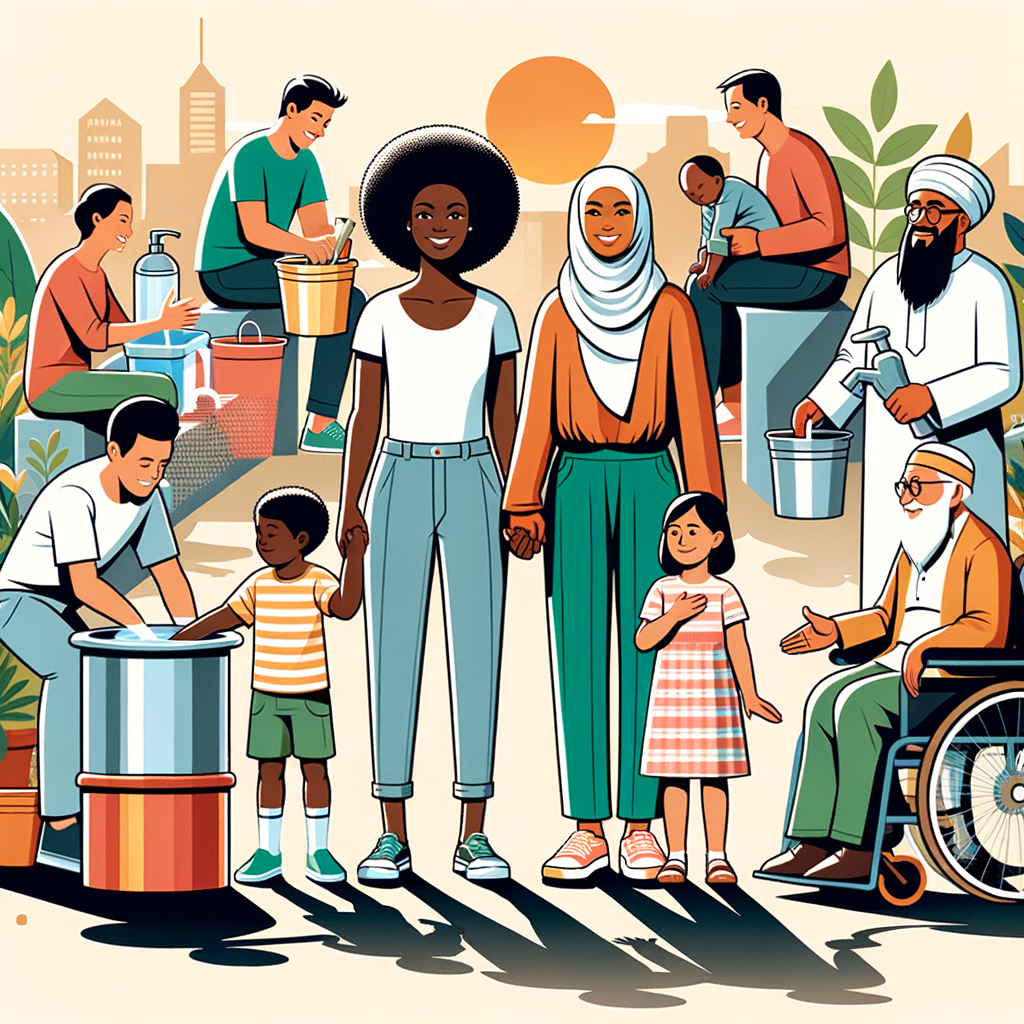
In recent years, ecological sanitation (EcoSan) has emerged as a sustainable solution to manage human waste, preserving the environment and public health. However, the implementation of EcoSan requires more than just technology and good intentions. It necessitates robust support from government policies. This article delves into the vital role governments play in promoting EcoSan, focusing on practical strategies for effective implementation.
Understanding EcoSan
Before we dive into policy, let’s briefly understand what EcoSan is. EcoSan approaches waste as a resource, aiming to safely recycle nutrients and water from human waste. This concept not only helps in waste management but also in conserving resources and protecting the environment.
The Need for Government Intervention
Why is government intervention pivotal in EcoSan implementation? The simple answer is scale and regulation. Individual efforts, while commendable, can only go so far. Government policies can create frameworks that encourage widespread adoption and ensure that these systems adhere to safety and health standards.
Policy Development
The first step for governments is developing comprehensive policies that specifically address EcoSan. These policies should outline clear goals, timelines, and responsibilities for different stakeholders. They should be developed in consultation with environmental experts, sanitation engineers, and community representatives to ensure practicality and relevance.
Funding and Incentives
Implementing EcoSan systems often requires significant initial investment. Governments can ease this burden through funding and incentives. Grants, subsidies, or tax breaks for EcoSan projects can make them more financially viable for communities and private entities. Moreover, funding research and development in EcoSan technologies can lead to more efficient and cost-effective solutions.
Regulatory Framework
A robust regulatory framework is crucial for the safe and effective implementation of EcoSan. This includes setting standards for the design, construction, and maintenance of EcoSan systems. Regulations should ensure that these systems do not pose a public health risk and that they effectively recycle waste materials.
Public-Private Partnerships
Governments can collaborate with private companies to implement EcoSan solutions. These partnerships can combine public oversight with the innovation and efficiency of the private sector. Such collaborations can accelerate the deployment of EcoSan systems and make them more accessible to a wider population.
Education and Awareness
For EcoSan to be successful, people need to understand and support it. Governments should invest in educational campaigns to inform the public about the benefits of EcoSan and how it works. This can increase acceptance and encourage voluntary adoption of EcoSan practices.
Case Studies: Success Stories
Several countries have successfully integrated EcoSan through government support. For instance, in Sweden, government policies have led to the widespread use of urine-diverting dry toilets, especially in rural areas. These toilets separate urine from feces, reducing water usage and facilitating nutrient recycling.
In China, the government’s focus on EcoSan has led to the development of large-scale biogas plants that treat human waste to produce energy. This not only addresses sanitation issues but also contributes to the country’s renewable energy goals.
Challenges and Solutions
Despite these successes, there are challenges in policy implementation. One significant challenge is the need for inter-departmental coordination. Sanitation often involves multiple government departments – health, environment, water, and urban planning. Coordinating these departments can be complex, but is essential for a cohesive approach to EcoSan.
To address this, governments can establish a dedicated task force or committee responsible for overseeing all aspects of EcoSan implementation. This ensures consistency in policy and action across departments.
Another challenge is adapting policies to local contexts. What works in one region may not work in another due to differences in climate, culture, or economic conditions. Therefore, policies need to be flexible and adaptable. This can be achieved by incorporating feedback mechanisms that allow for continual refinement of policies based on on-ground experiences.

Engaging Communities in EcoSan Implementation
Community Involvement
The success of EcoSan largely depends on community acceptance and participation. Governments should therefore prioritize community engagement in their policies. This involves educating communities about the benefits of EcoSan and involving them in the planning and implementation process. When people are part of the decision-making, they are more likely to embrace and maintain the EcoSan systems.
Tailored Solutions
Different communities have varying needs and constraints. Governments should encourage the development of EcoSan solutions that are tailored to specific local conditions. This could mean different types of EcoSan systems in urban and rural areas, or adaptations to suit local cultural practices.
Monitoring and Evaluation
Effective government policy is not just about implementation but also monitoring and evaluation. Continuous assessment of EcoSan projects is vital to understand their impact, identify areas for improvement, and ensure that the objectives are being met.
Setting Benchmarks
Governments should set clear benchmarks for EcoSan projects. These could include targets for waste recycling, reductions in water usage, or public health improvements. Regular monitoring against these benchmarks can help in tracking progress and making necessary adjustments.
Feedback Loops
Incorporating feedback mechanisms in the policy framework allows for continuous learning and improvement. Governments should encourage stakeholders, including the end-users, to provide feedback on EcoSan systems. This feedback should be used to refine and improve future policies and projects.
Collaborating Internationally
Sanitation is a global challenge, and there is much to be learned from international experiences. Governments should seek to collaborate with other countries and international organizations to share knowledge, technologies, and best practices in EcoSan.
Learning from Others
By looking at case studies from around the world, governments can learn about different approaches to EcoSan and adopt practices that have been successful elsewhere. This not only saves resources but also helps in implementing proven strategies more effectively.
International Partnerships
Partnerships with international bodies can also provide technical and financial support for EcoSan projects. These partnerships can be particularly valuable for developing countries that may lack the resources to implement EcoSan independently.
Building Resilient Infrastructure
In the face of climate change, building resilient sanitation infrastructure is more important than ever. Governments should ensure that EcoSan systems are designed to withstand environmental challenges like extreme weather events.
Sustainable Materials
Using sustainable, locally-sourced materials for EcoSan systems can reduce environmental impact and make them more sustainable. Additionally, these systems should be designed to be easily maintainable by local communities.
Climate Adaptation
EcoSan systems should be part of broader climate adaptation strategies. This includes considering the impacts of rising temperatures, changing precipitation patterns, and extreme weather events on sanitation infrastructure.
Conclusion
The role of government policy in supporting EcoSan is multifaceted and vital. It involves not just the creation of policies but also their thoughtful implementation, taking into account local contexts, community needs, and environmental sustainability. By effectively engaging communities, monitoring and evaluating projects, collaborating internationally, and building resilient infrastructure, governments can play a pivotal role in advancing EcoSan.
Through these efforts, EcoSan can move from a niche concept to a mainstream solution, contributing significantly to environmental sustainability, public health, and the overall well-being of communities. The journey towards sustainable sanitation is not a solo endeavor but a collaborative effort, where government policy provides the foundation for collective action and innovation.