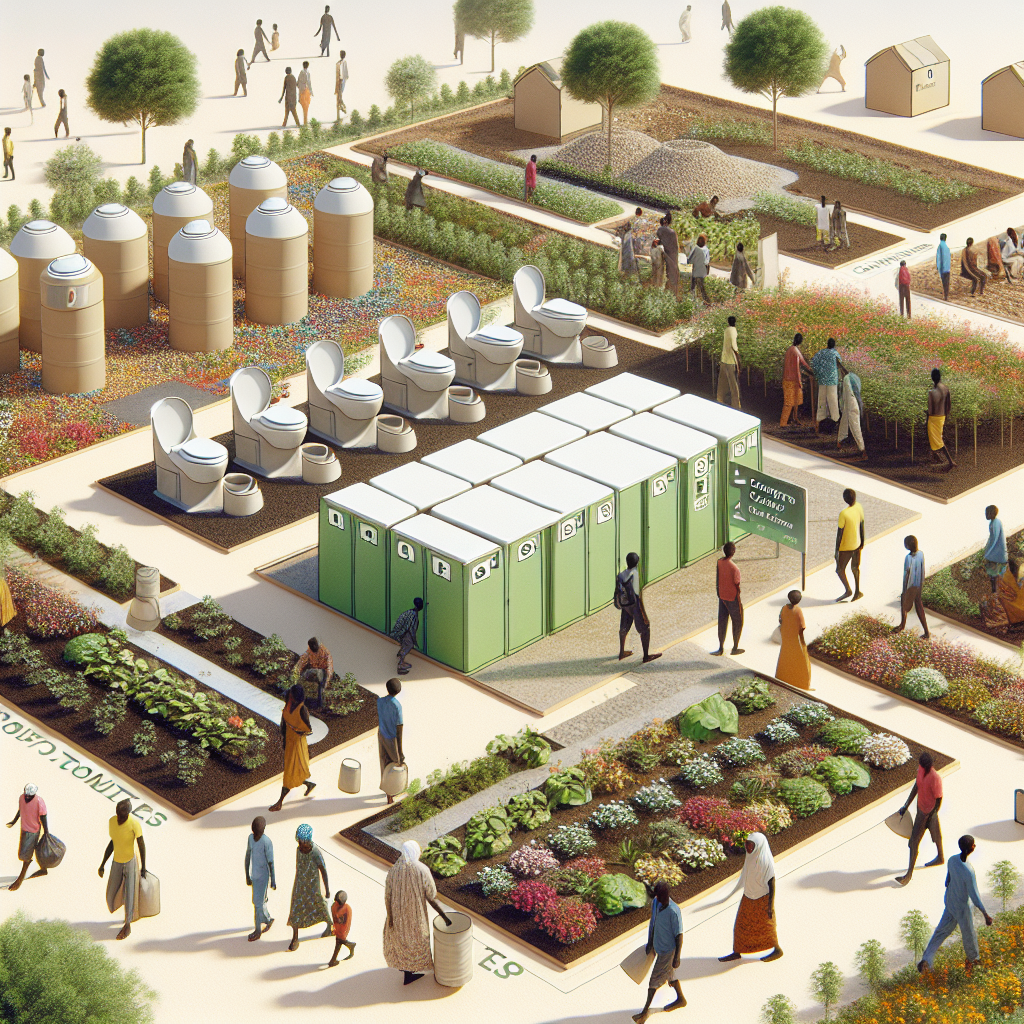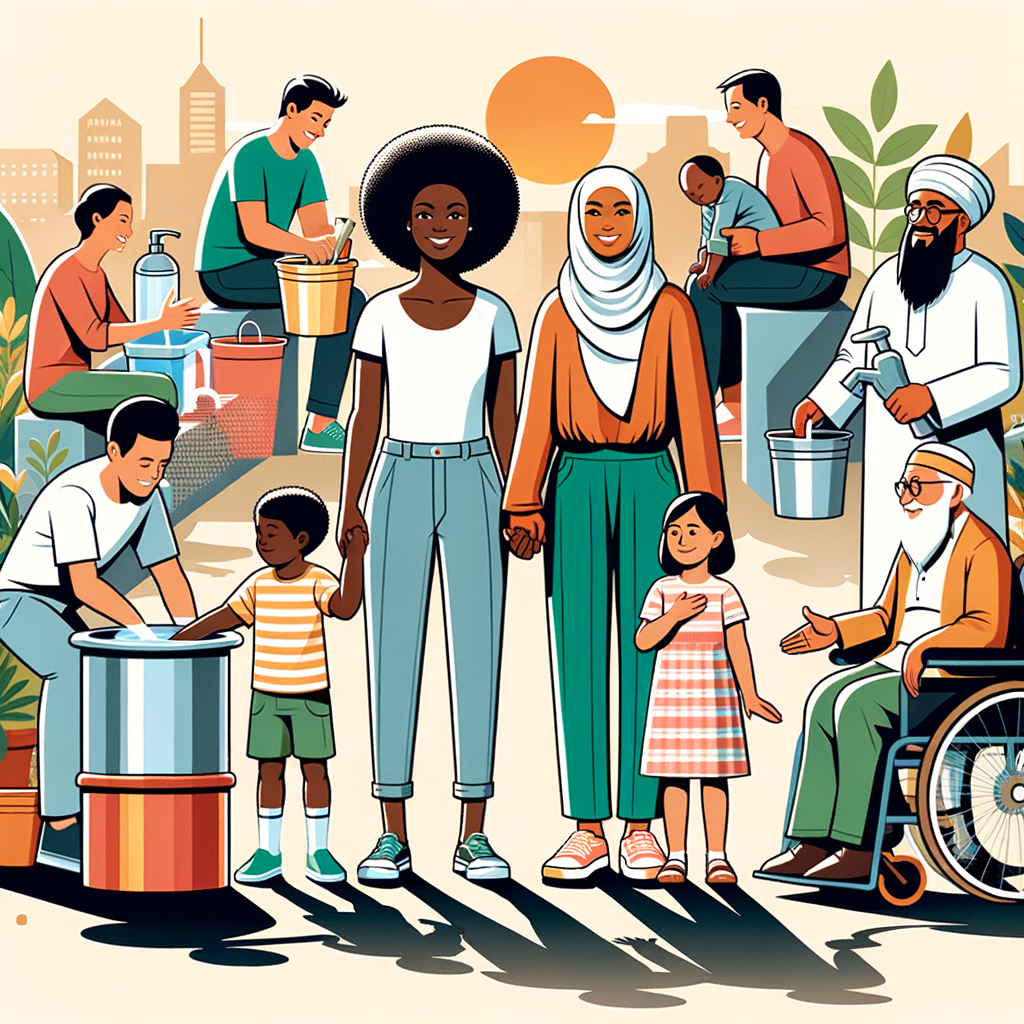
Inclusive design has become an essential consideration in various sectors, promoting access and equity in today’s socially conscious world. It refers to the development of products, services, environments, and systems that cater to the needs of people with diverse abilities. Ecological sanitation, abbreviated as EcoSan, is an innovative approach to sanitation that emphasizes the reuse of human waste for agricultural purposes, conserving water, reducing environmental pollution, and improving food security. As with other systems, EcoSan must embrace inclusive design principles to ensure accessibility for everyone, including individuals with disabilities, elderly populations, and marginalized communities. This article explores the significance of inclusive design in EcoSan systems, the challenges faced in integrating inclusivity, and strategies for successful implementation.
Understanding Inclusive Design in EcoSan
EcoSan systems stand out for their sustainable approach to managing human waste. They convert waste into a valuable resource, supporting agriculture while ensuring environmental preservation. Inclusive design in this context involves creating or modifying EcoSan systems so they are accessible, usable, and advantageous to everyone, regardless of their physical or cognitive abilities.
Globally, approximately 15% of the population lives with some form of disability, and over 1 billion people are aged 60 or older, emphasizing the clear necessity for sanitation systems that are inclusively designed. Yet, designing EcoSan facilities that meet diverse needs can be challenging. This stems from a wide variety of disabilities, different cultural perceptions of disabilities, and technological resources that may be limited, especially in developing countries where EcoSan systems are most needed.
The Challenges of Making EcoSan Inclusive
One significant challenge in making EcoSan systems inclusive is the physical access to sanitation facilities. Many traditional toilet designs are inaccessible to people with mobility impairments, the elderly, or those needing assistance. Often, EcoSan units are constructed in rural or geographically challenging locations that can be difficult to navigate for individuals with limited mobility.
Another issue is designing EcoSan systems that accommodate various cognitive and sensory impairments. For example, persons with visual impairments may face difficulty locating and navigating facilities unaided. This underscores the necessity for tactile ground indicators, auditory guidance, and Braille instructions. Similarly, individuals with cognitive impairments might find it challenging to understand complex instructions required for using and maintaining EcoSan facilities.
Cultural stigmatization of disabilities also presents a barrier. In some communities, disabilities are poorly understood or the subject of stigma and discrimination. These cultural nuances impact willingness to redesign existing structures, or the prioritization of inclusive architecture in new facilities.
Furthermore, financial constraints pose significant impediments to enhancing the design of EcoSan systems. In low-income or developing regions, where EcoSan could provide the greatest benefit, budget limitations often lead to underfunding of inclusive projects and innovations. Governments and organizations might lack the financial incentives to invest in inclusivity when non-inclusive options seem more economical.
Strategies for Implementing Inclusive Design in EcoSan
Addressing these challenges requires a multipronged strategy that incorporates community involvement, innovative design principles, policy development, and education.
Firstly, empowering communities plays a vital role in promoting inclusive design. Involving the community in EcoSan planning and implementation can ensure designs are culturally appropriate, locally accepted, and tailored to the specific needs of users, including marginalized groups. Awareness and advocacy programs can combat stigma and promote the benefits of inclusivity in sanitation, emphasizing collective ownership and responsibility.
Furthermore, applying universal design principles can help meet the diverse needs of all potential users. This involves creating facilities that are intuitive and accessible without necessitating adaptations or specialized solutions. Implementing features such as ramps, wider doors, clear signage, contrast colors, non-slip surfaces, and support rails can dramatically increase the usability for individuals with mobility challenges.
The use of technology also opens new avenues for inclusivity. Sensor-based systems can aid individuals with visual impairments, and voice-controlled devices or apps can assist users with cognitive impairments in facility navigation and usage. Investment in innovative solutions, such as eco-compacting toilets, which require minimal water and are mobile, further promote accessibility.
Governments and international bodies play a crucial role in promoting inclusive design through policy and regulation. Implementing guidelines and standards for the development of EcoSan facilities aids in maintaining consistency and ensuring inclusivity is integrated into public sanitation infrastructure projects. Additionally, incentives for private enterprises designing inclusive EcoSan systems can spur innovation and broaden implementation.
An educational focus aids long-term success in inclusive design by equipping builders, designers, engineers, and policymakers with the understanding and skills required to incorporate inclusivity into their work effectively. Training sessions, workshops, and courses that emphasize inclusive design principles in sanitation can be pivotal in transforming approaches within this sector.
Case Studies in Inclusive EcoSan Design
Several case studies highlight successful implementation of inclusive design principles in EcoSan systems worldwide. In India, the organization Ecosan Services Foundation implemented eco-friendly modular toilets designed with accessibility in mind, featuring handrails and ramps, for rural schools in Maharashtra. These inclusive modifications significantly improved attendance and educational outcomes for children with disabilities.
Similarly, in Uganda, the National Union of Disabled Persons has championed inclusive EcoSan designs, particularly in rural areas. They collaborate with local craftsmen to build pit latrines with wider doors, tactile guiding pathways, and lowered seats, ensuring they are accessible to wheelchair users and others with limited mobility.
Another case from Kenya involves the sustainable sanitation alliance Welthungerhilfe, which developed community-inclusive EcoSan toilets. They focused on empowering women and persons with disabilities by incorporating their input in the design process, thereby building trust and ensuring the systems met a broad range of user requirements and cultural sensitivities.
Conclusion
Inclusive design ensures that EcoSan systems can cater to all individuals, regardless of their abilities, enhancing quality of life and accessing basic human rights. As social dynamics and environmental challenges escalate, prioritizing inclusivity becomes increasingly imperative. Leveraging innovative design principles, community involvement, policy adaptation, and education are keys to making inclusive EcoSan systems a global reality. In adopting these strategies, nations can promote better hygiene, environmental conservation, and equity, fulfilling the promise of sanitation for all. Looking ahead, continued investment in inclusive EcoSan offers dual benefits: advancing the global environmental agenda and safeguarding dignity and empowerment for everyone.
Frequently Asked Questions
1. What is Inclusive Design, and why is it important for EcoSan?
Inclusive design is a comprehensive approach that ensures products, services, environments, and systems are accessible to and usable by the broadest range of people, irrespective of their different abilities. Its importance in the EcoSan sector, which stands for ecological sanitation, cannot be overstated. EcoSan systems focus on sustainable sanitation practices, such as the reuse of human waste for agriculture, conserving water, and reducing environmental pollution. Inclusive design ensures that these systems cater to everyone, including people with disabilities, those from various socio-economic backgrounds, and individuals living in rural areas. By incorporating inclusive design principles, EcoSan infrastructures become more user-friendly and effective for the widest audience, fundamentally ensuring that no person is left without adequate sanitation facilities. This inclusivity not only enhances users’ dignity and quality of life but also contributes to broader public health, sustainable development, and environmental conservation efforts.
2. How can EcoSan facilities be made accessible to individuals with disabilities?
Making EcoSan facilities accessible to individuals with disabilities involves several proactive strategies and design considerations. Firstly, physical accessibility must be prioritized; this includes constructing pathways that accommodate wheelchairs, walkers, and other mobility aids. Regular ground-level or ramp entry points without stairs can significantly help in this regard. The interior of EcoSan units must have sufficient space for maneuverability, with handrails and supports that offer additional assistance for stability and comfort. Furthermore, the height of toilets and basins should be adjustable or universally designed to cater to various users. Clear signage, tactile marking, and auditory signals can aid with navigation for individuals with visual and auditory impairments, respectively. Technology can also play a role when outfitting facilities with sensors or aids that alert users or caregivers in case of emergencies. Adaptation of these elements relies heavily on engaging directly with users with disabilities to understand their specific needs and challenges, ensuring that solutions are practical, effective, and genuinely inclusive.
3. Are there any particular challenges faced when implementing inclusive EcoSan solutions in rural or underdeveloped areas?
Several challenges emerge when implementing inclusive EcoSan solutions in rural or underdeveloped areas. Firstly, there is the issue of infrastructure, as some areas may lack the basic facilities such as reliable roads or stable electricity needed to support EcoSan systems effectively. Limited funding and resources can restrict community outreach and the establishment of necessary facilities. Moreover, there’s often a lack of awareness or cultural resistance to adopting EcoSan practices, as traditional methods of waste disposal might be deeply ingrained in local practices. Another significant challenge is the potential lack of skilled personnel to design, build, and maintain inclusive systems in these regions. Despite these challenges, there are opportunities for innovation and collaboration. Engaging local communities in the design and implementation process can increase acceptance and adaptability of EcoSan technologies. Additionally, partnerships with governmental and non-governmental organizations can help secure funding, resources, and expertise crucial for overcoming these challenges and ensuring that rural populations benefit fully from inclusive EcoSan services.
4. What are the environmental benefits of adopting inclusive EcoSan systems?
Inclusive EcoSan systems offer numerous environmental benefits that extend far beyond mere waste management. Foremost, these systems contribute significantly to water conservation. By separating and processing human waste, EcoSan technologies often do not require water for flushing, markedly reducing water usage compared to conventional sanitation systems. This efficiency is particularly beneficial in water-scarce regions. Additionally, the transformation of human waste into compost and biogas not only recycles nutrients back into the soil, improving agricultural productivity, but also reduces reliance on chemical fertilizers that can contaminate water supplies. Furthermore, EcoSan systems help minimize pollution by safely containing and treating waste, preventing it from entering waterways, and protecting aquatic environments. The reduction in greenhouse gases through controlled waste treatment processes also aids in combating climate change. By incorporating inclusive design, these environmental benefits are extended to more individuals and communities, reinforcing the role of EcoSan systems in promoting sustainable ecological futures for all.
5. How can communities be engaged in the design and implementation of inclusive EcoSan systems?
Community engagement is pivotal in the design and implementation of inclusive EcoSan systems. This process begins with education and raising awareness about the benefits and purposes of EcoSan practices. Workshops or informational sessions can demystify the technology, dispel any existing myths, and highlight eco-sanitation advantages such as improved health outcomes and environmental sustainability. It is also crucial to involve community members in participatory design processes. This means gathering input from diverse demographic groups about their specific needs, preferences, and challenges regarding sanitation facilities. Such engagement not only ensures the solutions are culturally acceptable and cater to the real-world requirements but also fosters a sense of ownership among the users. Moreover, training programs can empower community members with skills to maintain and repair EcoSan facilities, ensuring their sustainability and functionality. Partnerships with local leaders, schools, and health establishments can further bolster these efforts, creating synergies that lead to a successful, inclusive adoption of EcoSan systems that are truly transformative for the communities they serve.