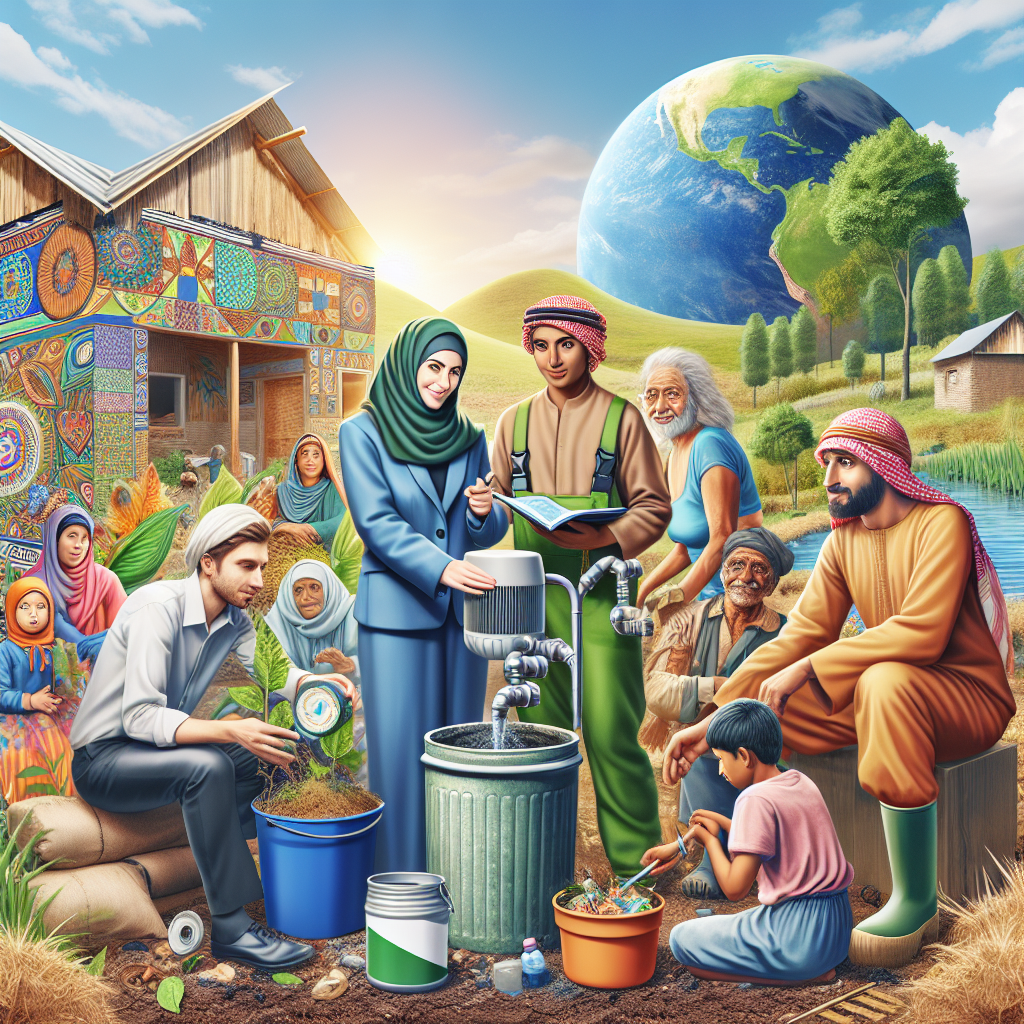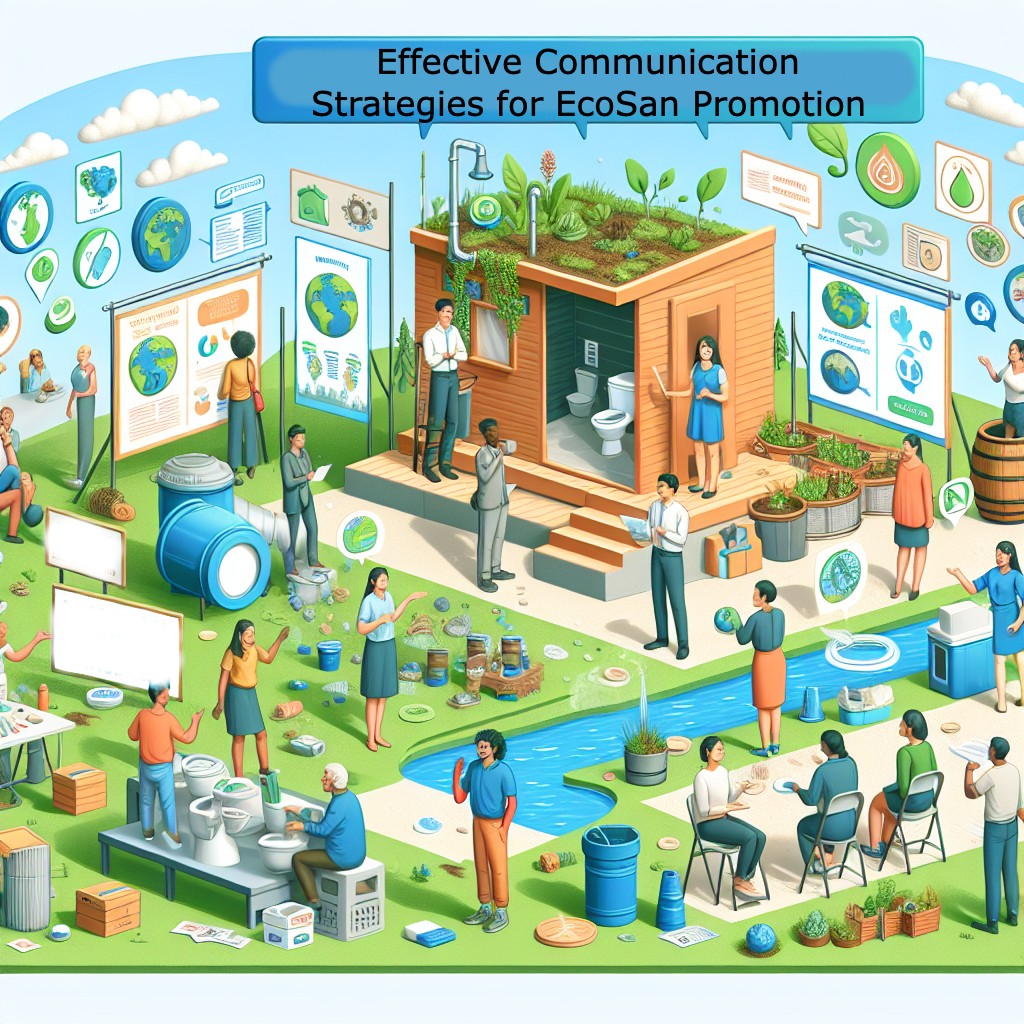
Ecological sanitation (EcoSan) represents a sustainable approach to managing human excreta by safely processing it for reuse as fertilizer in agriculture, thus promoting environmental health and resource conservation. Despite its benefits, the adoption of EcoSan systems can face significant hurdles, stemming from community perceptions, lack of awareness, and technological resistance. These obstacles highlight the critical need for effective communication strategies to promote EcoSan. A well-crafted communication plan can bridge the gap between technology and application, ensuring that stakeholders understand its benefits and feel encouraged to embrace the change.
Historically, sanitation has been a sensitive topic, often shrouded in stigma and cultural taboos. Overcoming these barriers requires a nuanced, respectful approach that addresses concerns while highlighting the advantages of EcoSan solutions. Whether targeting local communities, policy-makers, or environmental advocates, customized messaging can foster acceptance and drive adoption. Additionally, communication strategies must be inclusive, factoring in diverse educational levels, languages, and local customs to ensure that the message resonates deeply with the intended audience.
This article delves into the various facets of effective communication for EcoSan promotion. We will explore the importance of stakeholder analysis, the role of education and community engagement, the power of visual aids and storytelling, and finally, the utilization of digital platforms for wider reach. By leveraging these strategies, advocates can pave the way for EcoSan systems to become an integral part of sustainable development practices, ultimately benefiting public health and the environment.
Stakeholder Analysis and Mapping
Effective communication begins with understanding your audience, which involves a thorough stakeholder analysis and mapping. This process identifies who the key stakeholders are, their interests, attitudes, and influence regarding EcoSan initiatives. Stakeholders typically include community leaders, local government officials, potential users, and non-governmental organizations (NGOs). By mapping these stakeholders, you can tailor your communication strategies to address their specific concerns and motivations.
A stakeholder mapping exercise can be conducted through surveys, interviews, and focus group discussions. These methods help gather insights into the stakeholders’ perceptions about ecological sanitation and their level of awareness. For instance, local government officials might be interested in the long-term cost savings and public health benefits of EcoSan, while community members may prioritize ease of use, aesthetics, and cultural acceptability.
Once stakeholders are mapped, it’s essential to categorize them based on their influence and interest levels. High-influence, high-interest stakeholders such as local leaders and environmental organizations are key allies in promoting EcoSan. Engaging these stakeholders through regular updates, forums, and partnership opportunities can significantly boost your initiative’s credibility and reach. Conversely, strategies to engage low-interest or skeptical stakeholders might involve evidence-based demonstrations of EcoSan’s benefits or addressing specific misconceptions that act as barriers to acceptance.
Education and Capacity Building
One of the most impactful ways to promote EcoSan is through education and capacity building. Informing stakeholders about the ecological, health, and economic benefits of EcoSan systems helps build a strong foundation of understanding and support. Educational programs can range from formal training sessions to informal workshops and public demonstrations.
Educational initiatives should aim to explain the principles of ecological sanitation, how the systems work, and the benefits they provide. Tailoring the content to the audience’s level of understanding and interest is crucial. For community members, simple, relatable explanations and hands-on demonstrations can be more effective than technical jargon. Visual aids such as diagrams, charts, and videos can also enhance learning and retention.
Capacity building involves equipping individuals and communities with the skills and knowledge required to implement and maintain EcoSan systems. Training local champions who can advocate for EcoSan and provide peer-to-peer education is a valuable strategy. Additionally, integrating EcoSan education into school curriculums can foster a culture of sustainability from a young age, encouraging future generations to value and implement ecological solutions.
Community Engagement and Participation
Active community engagement is vital for the successful implementation of EcoSan systems. Involving the community in the decision-making process fosters a sense of ownership and responsibility, increasing the likelihood of long-term success. Participation can be encouraged through community meetings, workshops, and collaborative projects that invite feedback and input from all stakeholders.
One effective approach is to establish community-led committees or working groups tasked with overseeing EcoSan initiatives. These groups can serve as a liaison between the community and project leaders, ensuring that the community’s needs and concerns are addressed. They can also facilitate the dissemination of information and mobilize resources for the project.
It’s important to create spaces for open dialogue where community members can express their views, ask questions, and share their experiences. Addressing concerns transparently and respectfully goes a long way in building trust and acceptance. Success stories and testimonials from early adopters within the community can also be powerful tools in persuading others to embrace EcoSan solutions.
The Power of Visual Aids and Storytelling
Visual aids and storytelling are powerful tools in communication, capable of simplifying complex concepts and making them more relatable and memorable. For EcoSan promotion, leveraging these tools can significantly enhance understanding and acceptance among diverse audiences.
Visual aids such as infographics, diagrams, and videos can effectively convey the benefits and processes of EcoSan systems. These aids can illustrate how waste is transformed into valuable resources, the environmental benefits, and the potential health improvements. Visual storytelling can help demystify the technology and make it more accessible to those who may be intimidated by unfamiliar concepts.
Storytelling, on the other hand, can humanize the EcoSan experience. Sharing stories of individuals or communities that have successfully implemented EcoSan can inspire others to follow suit. These stories can highlight the challenges faced and overcome, the benefits reaped, and the positive changes observed. Personal narratives create emotional connections, making the message more compelling and motivating action.
Utilizing Digital Platforms
In today’s digital age, leveraging online platforms is essential for reaching a broader audience and promoting EcoSan. Social media, websites, and online forums provide valuable channels for information dissemination, engagement, and advocacy.
Social media platforms such as Facebook, Twitter, and Instagram offer opportunities to share content related to EcoSan, engage with stakeholders, and build an online community of supporters. Regular updates, informative posts, and interactive content (e.g., polls, Q&A sessions) can keep the audience engaged and informed. Hashtags related to EcoSan can help amplify the reach and visibility of your posts.
Creating a dedicated website or blog for your EcoSan initiative can serve as a central hub for information and resources. The site can host articles, success stories, instructional videos, and downloadable materials. Online forums or discussion boards can facilitate peer-to-peer learning and exchange of ideas among stakeholders.
Collaborating with influencers and bloggers who have a strong online presence and align with your mission can also help spread the word about EcoSan. These digital ambassadors can reach new audiences and lend credibility to your campaign.
Conclusion
Promoting ecological sanitation requires a multifaceted communication strategy that prioritizes understanding, education, engagement, and digital outreach. By conducting thorough stakeholder analysis and mapping, you can tailor your communication efforts to address the specific needs and interests of different groups. Education and capacity building efforts are essential to building a solid foundation of knowledge and skills, while active community engagement fosters ownership and participation.
Visual aids and storytelling can simplify complex information, making it more relatable and memorable. Leveraging digital platforms allows you to reach a wider audience and sustain engagement over time. Combining these strategies can help overcome barriers to EcoSan adoption and pave the way for more sustainable, resilient communities.
Ultimately, effective communication is about connecting with people, understanding their perspectives, and providing them with the information and support they need to make informed decisions. By promoting EcoSan through thoughtful, inclusive, and engaging communication efforts, we can contribute to a healthier environment and improve public health outcomes for all.