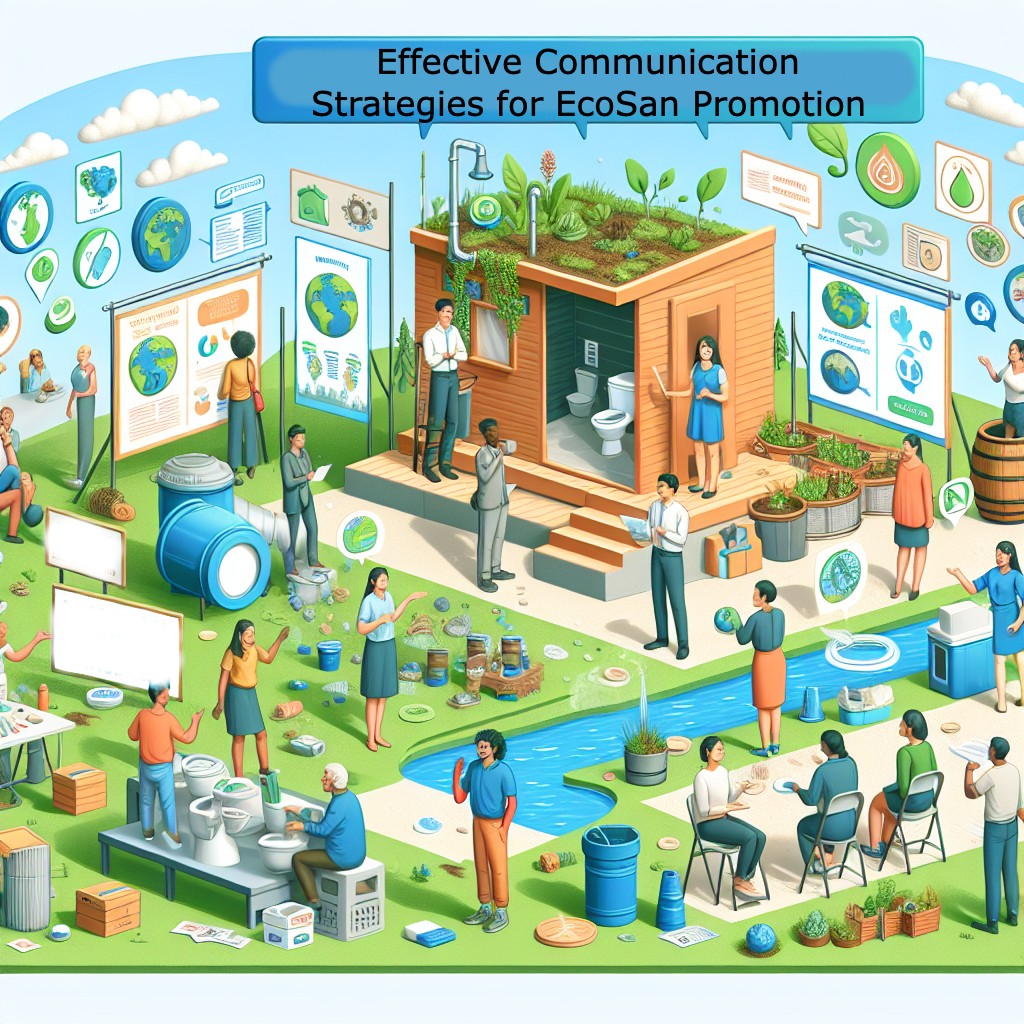
Welcome to our comprehensive guide on building capacity for the maintenance and operation of Ecological Sanitation (EcoSan) systems. EcoSan represents a significant step forward in sustainable sanitation by closing nutrient loops and preserving water quality. However, for its long-term success, effective implementation strategies are crucial, especially in terms of maintenance and operation. This article will delve into various strategies to advance the implementation of EcoSan systems effectively.
Introduction
EcoSan is an innovative approach to sanitation that recognizes human excreta as a valuable resource rather than waste. By safely processing and recycling urine and fecal matter, EcoSan systems can contribute to agriculture, improve soil fertility, and conserve water resources.
However, the implementation of EcoSan systems is not without its challenges. Unlike conventional sanitation systems, EcoSan requires a participatory approach involving education, community engagement, and specialized maintenance practices. The sustainability of these systems hinges on the capacity of the community and stakeholders to manage and operate them effectively.
This article aims to shed light on critical strategies for building the capacity necessary for maintaining and operating EcoSan systems. We will cover essential aspects such as training programs, community involvement, educational campaigns, stakeholder partnerships, and monitoring and evaluation processes. These strategies are fundamental in ensuring the long-term functionality and acceptance of EcoSan systems.
Training Programs: Empowering Stakeholders
For EcoSan systems to be successful, it is imperative to equip community members, local authorities, and other stakeholders with the necessary knowledge and skills. Comprehensive training programs play a pivotal role in this endeavor.
Training programs should cover basic principles of EcoSan, system operation, routine maintenance, troubleshooting, and safety procedures. Tailoring these programs to various audiences—users, technicians, and decision-makers—ensures that each group understands their specific roles and responsibilities.
Hands-on workshops are an effective way to educate users about the proper use and maintenance of EcoSan toilets. Simultaneously, technical training for local artisans and technicians can ensure they are proficient in constructing and repairing these systems. Equipped with the right skills, local communities become more self-reliant, reducing dependency on external aid for EcoSan maintenance.
Moreover, incorporating local languages and culturally relevant teaching methods in training programs can enhance understanding and retention of knowledge. The goal is to create a pool of well-trained individuals who can champion the cause of EcoSan and advocate for its wider adoption.
Community Involvement: Fostering Ownership
Community involvement is a cornerstone of successful EcoSan implementation. Engaging the community from the outset fosters a sense of ownership and responsibility, which is crucial for the long-term maintenance and operation of EcoSan systems.
Participatory approaches such as community workshops, focus group discussions, and local action committees can facilitate open dialogue, ensuring that community members’ views and concerns are addressed. This collaborative process helps in designing EcoSan systems that are tailored to the specific needs and conditions of the community, enhancing their acceptance and use.
Moreover, community involvement in the decision-making process can lead to innovative solutions and cost-sharing mechanisms, making EcoSan more affordable and sustainable. By involving local leaders and influencers, the community can harness local knowledge and networks to promote EcoSan practices more effectively.
Forming community sanitation committees can further empower local residents. These committees can take charge of routine inspections, organizing cleaning schedules, and addressing any operational issues that arise. Engaging schools and youth groups in sanitation activities can also instill a sense of responsibility toward sanitation from a young age.

Educational Campaigns: Raising Awareness
Public awareness and understanding of EcoSan principles are critical for its successful adoption and maintenance. Educational campaigns can play a pivotal role in transforming mindsets and behaviors regarding sanitation.
Effective educational campaigns should highlight the benefits of EcoSan, such as improved public health, environmental protection, and nutrient recycling for agriculture. Utilizing various media platforms—radio, television, social media, and community theater—can ensure that the message reaches a broad audience.
Involving local schools in educational initiatives can have a ripple effect, as children often relay the information back to their families, amplifying the reach and impact of the campaigns. School curricula can include topics on EcoSan, water conservation, and hygiene, helping to build a sanitation-conscious generation.
Developing culturally sensitive communication materials is essential. Visual aids, posters, and simple guidebooks in local languages can effectively convey complex EcoSan concepts in an understandable manner. Additionally, success stories and testimonials from early adopters of EcoSan can inspire others to follow suit.
Partnerships with Stakeholders: Collaboration for Success
The successful implementation of EcoSan systems requires collaboration among various stakeholders, including governmental agencies, non-governmental organizations (NGOs), local communities, and private sector players.
Partnerships with government bodies can facilitate access to funding, technical expertise, and policy support. Advocacy efforts aimed at integrating EcoSan into national sanitation policies and plans can further institutionalize its adoption.
NGOs and community-based organizations (CBOs) often possess invaluable grassroots knowledge and experience. They can play a crucial role in community mobilization, capacity building, and ongoing support for EcoSan projects. Leveraging their expertise can enhance the effectiveness and reach of EcoSan initiatives.
Engaging the private sector can introduce innovative solutions and financial investment. Businesses involved in waste management, agriculture, and water services can find synergies in promoting EcoSan practices. For instance, companies engaged in composting can benefit from the nutrient-rich products generated by EcoSan systems.
Effective stakeholder collaboration requires clear communication, shared goals, and defined roles and responsibilities. Establishing multi-stakeholder platforms and regular coordination meetings can foster a cohesive approach toward advancing EcoSan implementation.
Monitoring and Evaluation: Ensuring Sustainability
Monitoring and Evaluation (M&E) are essential components of any successful EcoSan project. Systematic tracking of EcoSan performance and impact helps in identifying strengths, addressing weaknesses, and ensuring the sustainability of these systems.
Developing robust M&E frameworks involves setting clear indicators for system functionality, user satisfaction, health outcomes, and environmental benefits. Regular field visits, user surveys, and technical assessments can provide valuable data on these parameters.
User feedback mechanisms are crucial for obtaining insights into the practical challenges faced in operating and maintaining EcoSan systems. Understanding user experiences can inform necessary adjustments in training programs, design modifications, and support services.
Data collected through M&E processes should be effectively documented and analyzed. Sharing findings with stakeholders can foster transparency and accountability. Success stories and best practices identified through M&E can serve as learning tools for scaling up EcoSan projects in other regions.
Advanced technologies, such as remote sensing and digital data collection tools, can enhance the efficiency and accuracy of M&E efforts. However, it is important to balance technological solutions with community-level engagement to ensure that M&E processes are inclusive and participatory.
Conclusion: Advancing EcoSan Implementation
The journey toward effective EcoSan implementation is complex but achievable through comprehensive strategies that build capacity for maintenance and operation. By investing in training programs, fostering community involvement, raising awareness through educational campaigns, forging partnerships with stakeholders, and establishing robust M&E systems, we can ensure the sustainability and scalability of EcoSan systems.
EcoSan represents a paradigm shift in sanitation. It promotes environmental stewardship, resource conservation, and public health. However, the success of EcoSan relies heavily on the collective efforts of all stakeholders to embrace and advocate for this innovative approach.
As we move forward, it is imperative to remain adaptable and open to learning from experiences on the ground. Each community presents unique challenges and opportunities, and effective EcoSan implementation strategies must be tailored accordingly.
Together, we can build a future where sanitation practices honor and safeguard our environment, turning waste into valuable resources and ensuring a healthier, more sustainable world for all.