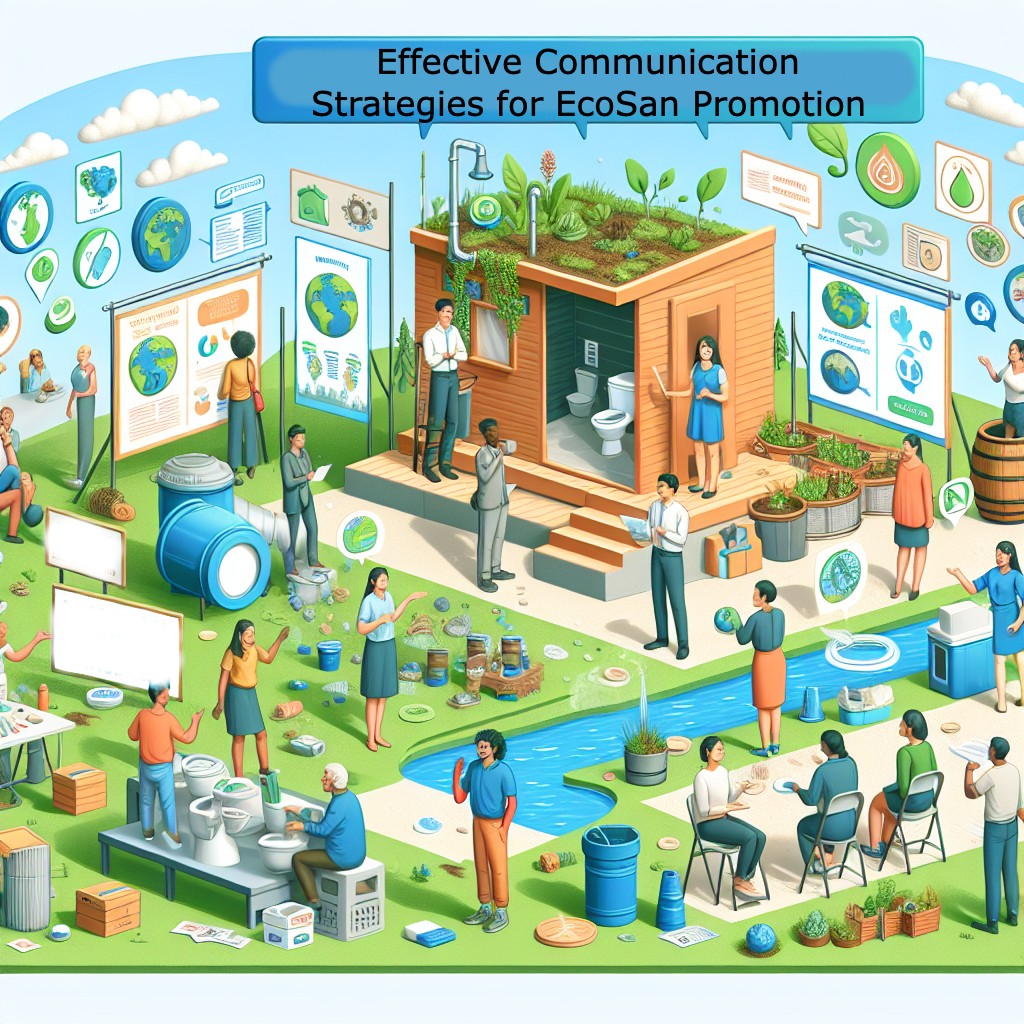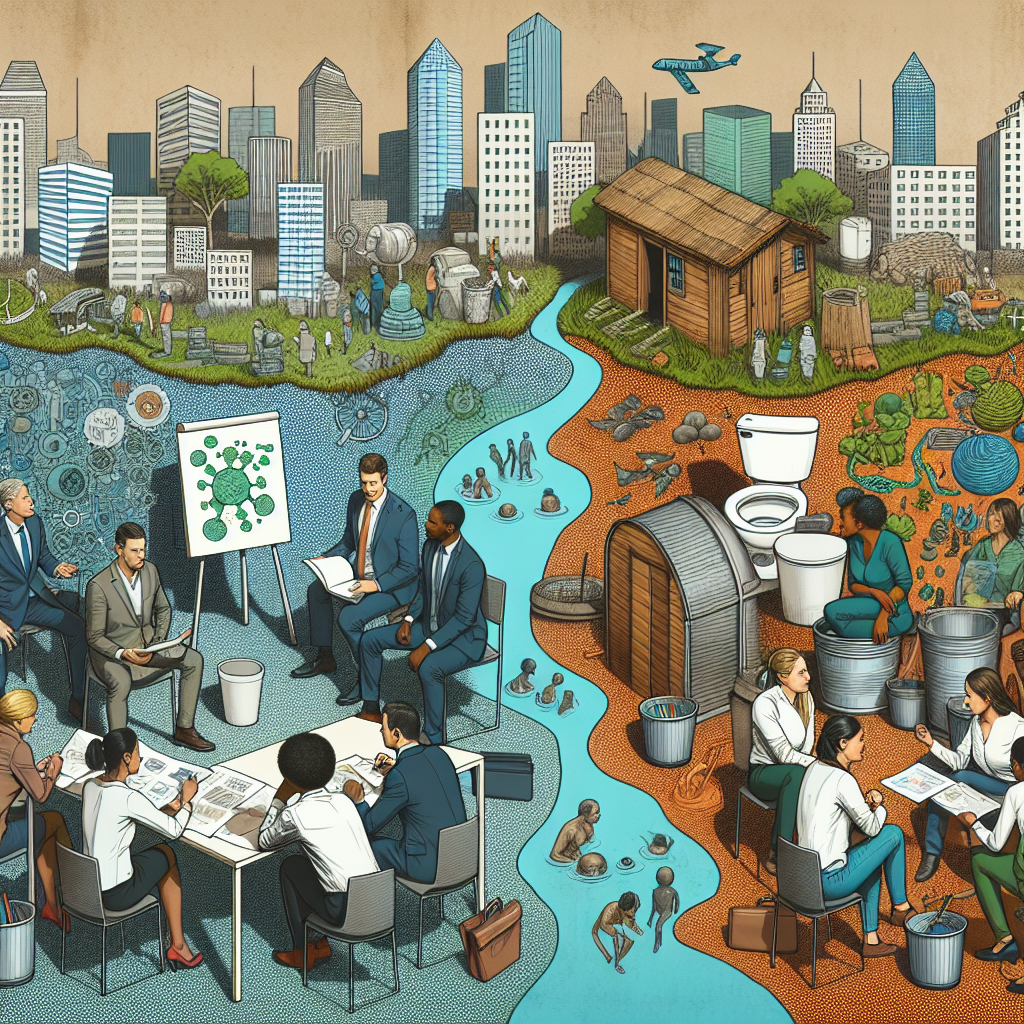
Ecological sanitation (EcoSan) represents a transformative leap forward in managing human excreta, ensuring the closure of nutrient loops, and safeguarding both human health and environmental integrity. As a paradigm that emphasizes sustainable practices, EcoSan integrates nutrient recovery, water conservation, and environmental protection into traditional sanitation methods. The shift toward EcoSan is not merely a technical one but also involves significant social, economic, and cultural dimensions. This is where social entrepreneurship comes into play—leveraging entrepreneurial principles to foster social, ecological, and economic impacts. Social entrepreneurs in EcoSan navigate the intricate web of opportunities and challenges that come with implementing sustainable sanitation solutions in diverse communities around the world.
In today’s world, traditional sanitation solutions often fall short in addressing the multifaceted issues of water scarcity, pollution, and health risks associated with poor waste management. Social entrepreneurs, with their innovative mindset and goal-driven approach, have the potential to revolutionize how societies perceive and manage sanitation. By pioneering EcoSan projects, they not only aim to solve critical health issues but also enhance community resilience, create economic opportunities, and protect natural ecosystems.
However, the path to successful EcoSan implementation is riddled with challenges, from cultural acceptance to financial constraints. The following sections delve into the opportunities that social entrepreneurship brings to EcoSan, the challenges faced, and the strategies to overcome these barriers. By understanding these dynamics, stakeholders can better support the development and scaling of EcoSan systems that are both effective and sustainable.
Opportunities in Social Entrepreneurship for EcoSan
Social entrepreneurship offers a unique lens through which the possibilities within EcoSan can be expanded. One of the key opportunities lies in the creation of sustainable business models that not only address sanitation issues but also generate revenue and employment. Social entrepreneurs can leverage their business acumen to develop products and services derived from EcoSan systems, such as compost, biogas, and nutrient-rich fertilizers. These products not only provide environmental benefits but can also be sold, creating a revenue stream that sustains the project.
Moreover, social entrepreneurs often employ a community-centered approach, ensuring that the solutions are tailored to the local context and culture. This includes engaging with community members, understanding their needs and preferences, and involving them in the design, implementation, and maintenance of EcoSan systems. Such inclusive strategies enhance the acceptance and success of the projects, fostering a sense of ownership and responsibility among community members.
Furthermore, social entrepreneurs can tap into various funding sources, such as grants, impact investments, and social venture funds, to support their EcoSan initiatives. By demonstrating the social, environmental, and economic impacts of their projects, they can attract investors who are looking to support sustainable and impactful ventures. Additionally, partnerships with governments, non-profits, and private sector entities can amplify the reach and effectiveness of EcoSan solutions.
Challenges in Implementing Social Entrepreneurial EcoSan Projects
Despite the myriad opportunities, implementing EcoSan projects through social entrepreneurship is fraught with challenges. One of the primary hurdles is the cultural and behavioral resistance to new sanitation practices. Many communities have deeply ingrained sanitation habits, and introducing EcoSan systems requires significant behavioral change. Overcoming this resistance demands effective community engagement, education, and awareness campaigns.
Financial constraints also pose a significant challenge. Initial investments for setting up EcoSan systems can be high, and securing continuous funding can be difficult, especially in low-income areas. Social entrepreneurs must balance the cost of implementation with the affordability for the community, ensuring that the systems are financially viable in the long term.
Technical challenges, such as the design, operation, and maintenance of EcoSan systems, can also impede progress. Ensuring that the systems are simple, user-friendly, and reliable is crucial for adoption and sustained use. Additionally, the varying environmental conditions and infrastructural limitations in different regions call for adaptable and context-specific solutions.
Regulatory barriers can further complicate implementation. In some regions, the legal and policy frameworks may not support or even permit the use of EcoSan systems. Social entrepreneurs often need to navigate bureaucratic processes, advocate for policy changes, and collaborate with local authorities to create a conducive environment for EcoSan implementation.

Strategies for Overcoming Challenges in EcoSan Implementation
Addressing the challenges in EcoSan implementation requires targeted strategies that leverage the strengths of social entrepreneurship. One effective approach is community-based participatory methods, which involve active engagement and collaboration with community members from the outset. This participative approach ensures that the solutions are culturally sensitive and widely accepted.
Education and awareness programs are crucial in changing perceptions and behaviors towards EcoSan. Social entrepreneurs can work with local schools, community leaders, and health workers to disseminate information about the benefits and safe practices associated with EcoSan. Visual aids, demonstrations, and success stories from other communities can also help in building trust and acceptance.
To alleviate financial constraints, social entrepreneurs can explore innovative financing mechanisms such as microfinance, community savings groups, and pay-for-performance models. They can also advocate for subsidies and incentives from governments and international organizations to lower the cost burden on communities. Creating a robust business plan that highlights the long-term economic benefits of EcoSan products can attract investors and ensure financial sustainability.
On the technical front, it is important to design EcoSan systems that are adaptable to local conditions and easy to maintain. Collaboration with engineers, environmental scientists, and local craftsmen can help in developing context-specific solutions that meet the technical and operational challenges. Training local community members in the operation and maintenance of the systems ensures longevity and reliability.
The Role of Technology and Innovation in EcoSan
Technology and innovation play pivotal roles in advancing EcoSan implementation. Cutting-edge technologies can enhance the efficiency, effectiveness, and scalability of EcoSan systems. Innovations such as decentralized sanitation infrastructure, smart monitoring systems, and resource recovery technologies can significantly improve the performance of EcoSan projects.
Decentralized sanitation solutions, such as small-scale waste treatment units, offer flexibility and can be tailored to specific community needs. These solutions reduce the dependency on centralized infrastructure, which is often inadequate in many regions. Innovators can integrate IoT (Internet of Things) technologies to monitor system performance, track maintenance needs, and ensure timely interventions.
Resource recovery technologies, such as urine diversion toilets and anaerobic digesters, enable the extraction of valuable nutrients and energy from waste. These technologies can convert waste into biogas, compost, and liquid fertilizers, which can be used locally or sold to generate income. By closing the loop on sanitation waste, these innovations contribute to environmental sustainability and economic development.
Collaboration with tech startups, research institutions, and innovation hubs can foster the development and deployment of new technologies in EcoSan. Social entrepreneurs can act as intermediaries, bridging the gap between technology developers and communities to ensure that innovations are user-friendly and meet local needs. Additionally, open-source platforms and knowledge-sharing networks can facilitate the dissemination of best practices and scalable solutions.
Case Studies: Successful Social Entrepreneurial EcoSan Projects
Several successful EcoSan projects led by social entrepreneurs demonstrate the potential and impact of this approach. One notable example is Sanergy, a Kenya-based social enterprise that has revolutionized sanitation in urban slums. Sanergy installs low-cost, high-quality EcoSan toilets, which are then franchised to local entrepreneurs. The waste collected is processed into valuable products like fertilizer and biogas, creating a circular economy around sanitation.
Another inspiring case is SOIL (Sustainable Organic Integrated Livelihoods) in Haiti, which operates a similar model by providing container-based EcoSan services in urban and rural areas. SOIL’s innovative approach includes community engagement, extensive education programs, and partnerships with local organizations. Their waste treatment process converts human waste into compost, which is used to restore degraded soils and support sustainable agriculture.
In India, the social enterprise Ecosan Services Foundation (ESF) has implemented numerous EcoSan projects across different states. ESF focuses on capacity building, technical support, and policy advocacy to promote the adoption of EcoSan systems. Their projects have improved sanitation access, enhanced soil fertility through nutrient recycling, and empowered communities through knowledge-sharing.
These case studies highlight the diverse strategies and models employed by social entrepreneurs in different contexts. By sharing these success stories, we can inspire more social entrepreneurs to venture into EcoSan and adapt these best practices to their specific regions.
Conclusion
Social entrepreneurship holds immense potential in advancing EcoSan implementation by combining innovation, community engagement, and sustainable business models. Despite the challenges, the opportunities to create lasting social, environmental, and economic impact are significant. Through community-centered approaches, innovative financing, technological advancements, and collaborative efforts, social entrepreneurs can overcome the barriers and drive the adoption of EcoSan solutions.
The journey towards widespread EcoSan adoption requires a concerted effort from various stakeholders, including governments, non-profits, private sector entities, and the communities themselves. By fostering an enabling environment and supporting social entrepreneurs, we can pave the way for a future where sustainable sanitation is accessible to all, enhancing public health, environmental sustainability, and economic resilience.
As we move forward, it is essential to continue documenting and disseminating successful EcoSan initiatives, sharing knowledge, and building networks that support innovation and scale. Social entrepreneurship in EcoSan represents a beacon of hope in tackling one of the most pressing global challenges, and with the right strategies and collaborations, we can make significant strides in achieving sustainable sanitation for all.