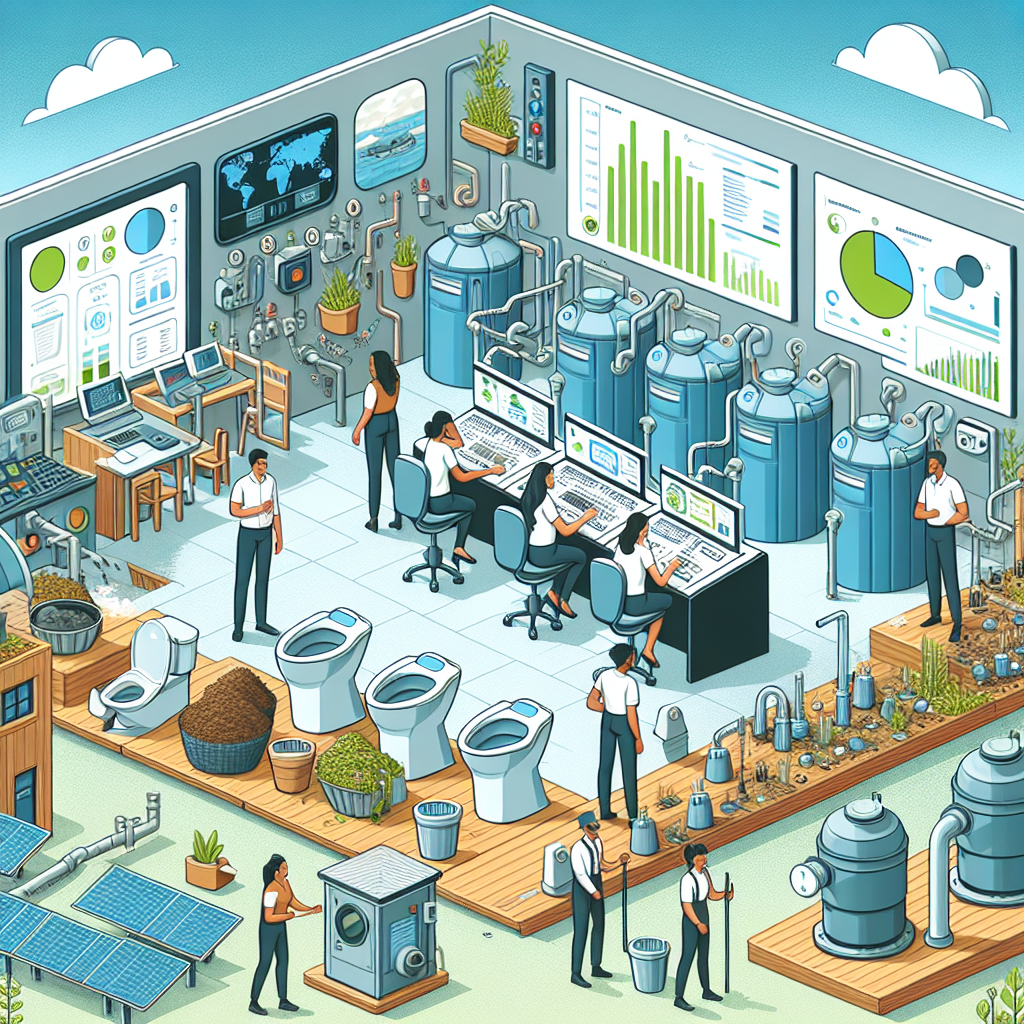
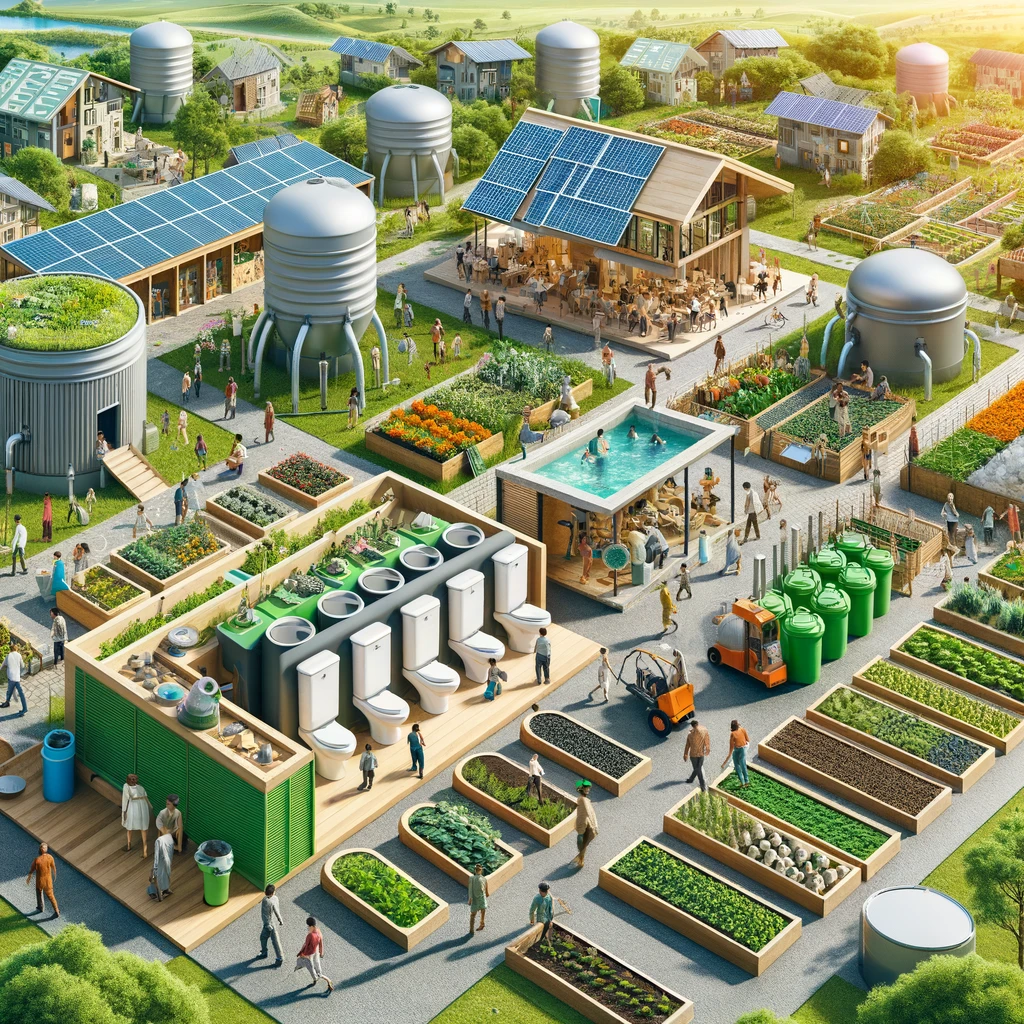
Climate change is one of the most challenging issues of our century, and it’s exacerbated by rising population numbers and the ongoing strain on natural resources. In the context of water and sanitation, the drive for sustainability becomes even more urgent. Enter Ecological Sanitation (EcoSan), a revolutionary approach that harnesses natural processes to treat human waste in a manner that’s environmentally friendly and resource-efficient. Rather than viewing waste as merely something to be disposed of, EcoSan strategies transform it into a valuable resource for agriculture, energy production, and even water conservation.
The crux of Ecological Sanitation lies in its capability to close the nutrient loop—returning nutrients from human excreta to the soil, thus promoting fertility and reducing the dependence on chemical fertilizers. Implementation of EcoSan systems can significantly contribute to mitigating climate change by reducing greenhouse gas emissions from traditional wastewater treatment methods and curbing the pollution of freshwater bodies. This article explores several tried-and-true EcoSan implementation strategies, elucidating how they not only advance sustainable sanitation but also concretely address climate change.
Understanding the Fundamentals of EcoSan
Ecological Sanitation operates on a few central principles that set it apart from conventional sanitation systems. These include source separation, nutrient recovery, and minimal energy and water usage. At its core, EcoSan requires separating urine and feces right at the point of generation, enabling more efficient treatment and safer reuse. Source separation also helps prevent the contamination of water bodies, a common issue with conventional systems.
Another fundamental aspect of EcoSan is nutrient recovery. Human waste, comprising primarily nitrogen, phosphorus, and potassium, can be processed into valuable fertilizers. The innovative technology behind EcoSan systems—such as composting toilets, urine-diverting dry toilets (UDDTs), and biogas digesters—facilitates the transformation of waste into a safe, manageable, and beneficial output.
Minimizing resource use is another critical element of this approach. Traditional sanitation infrastructure can be water-intensive and energy-consuming. EcoSan, on the other hand, leverages naturally occurring processes to treat and break down waste, substantially reducing the energy footprint. This makes EcoSan an attractive option not only for sustainability advocates but also for resource-strapped communities where water and energy are at a premium.
Successful EcoSan Models and Case Studies
Several countries have implemented EcoSan models with success, providing valuable lessons in sustainable sanitation. For instance, Sweden’s Ecosanres Program has developed and promoted systems like UDDTs, which have been adopted both domestically and globally. UDDTs separate urine and feces at the source, treat them separately, and facilitate their safe reuse as fertilizer and soil conditioner.
In India, initiatives by organizations such as the Society for Sanitation and Waste Recycling (SSWR) have demonstrated the feasibility of integrating biosanitizer and vermifilter systems into urban sanitation. These systems utilize bioflora (microbes) and earthworms to break down waste, resulting in less sludge and lower methane emissions compared to conventional methods.
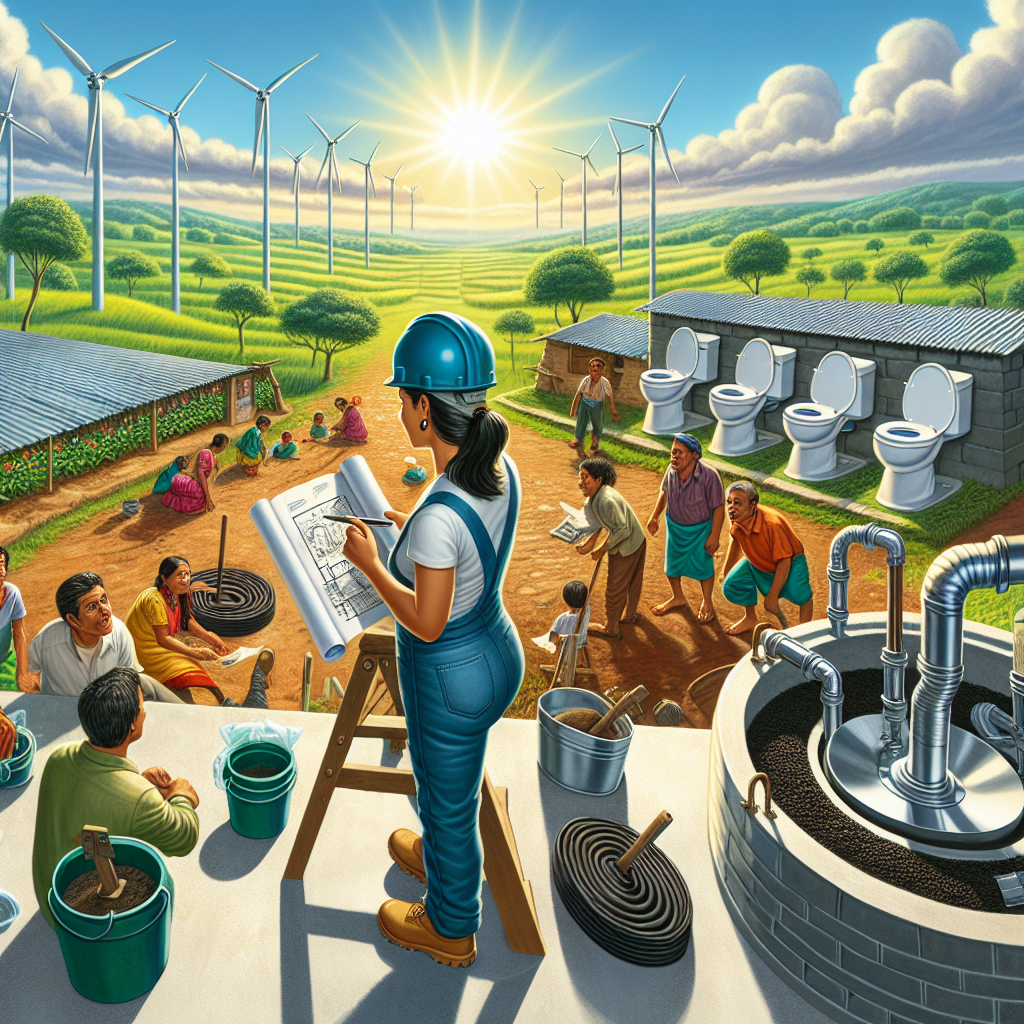
Mountain regions like the Andes in South America have also seen the implementation of dry composting toilets, which convert human waste into compost that can be safely used for agriculture. This is a critical advancement for communities in regions where soil fertility is declining and commercial fertilizers are not financially accessible.
Integrating EcoSan into Urban Planning
The successful large-scale implementation of EcoSan requires thoughtful integration into urban planning and design. Policy frameworks must be established to support the installation and maintenance of EcoSan systems. Governments and municipal authorities need to create guidelines that encourage developers to integrate EcoSan solutions in new residential, commercial, and public constructions.
Moreover, public awareness and acceptance are crucial to the success of EcoSan. Information campaigns that educate citizens on the benefits of sustainable sanitation and the safety of reusing treated waste are fundamental. When communities understand the advantages—both environmental and economic—they are more likely to adopt and support EcoSan initiatives.
Urban planners can also incorporate green infrastructure that complements EcoSan systems, such as rain gardens and permeable pavements, to enhance overall sustainability. Integration efforts might include financial incentives for building owners who install EcoSan systems, driving broader adoption across the urban landscape.
Technological Innovations in EcoSan
As with any evolving field, continuous technological innovation is critical in EcoSan. Advancements are focusing on making EcoSan systems more efficient, user-friendly, and affordable. For instance, the introduction of smart sensors and IoT (Internet of Things) technology can optimize the maintenance of EcoSan facilities by monitoring usage and system health in real-time.
Biodegradable sanitation products are also gaining traction, reflecting a push towards reducing the environmental impact even further. Such products can break down more rapidly and integrally within EcoSan systems, facilitating the composting process and reducing potential contamination risks.
Cutting-edge research is also being directed at enhancing nutrient recovery processes. For example, phosphorous recovery using struvite precipitation can potentially unlock more efficient ways to reclaim this critical nutrient from urine. Similarly, microbial fuel cells represent a burgeoning area of interest where waste treatment processes can simultaneously generate electricity.
Challenges and Barriers to EcoSan Adoption
Despite its evident benefits, EcoSan faces several challenges that can hinder widespread adoption. These include cultural acceptance, financial barriers, and technical limitations. In many areas, the concept of reusing human waste remains stigmatized, making community buy-in challenging.
Financial constraints can also be a significant barrier, as the initial setup of EcoSan systems might be costlier than traditional sanitation options. However, the long-term savings and economic benefits—through nutrient reuse and reduced health costs—often justify the investment.
Technical barriers might pertain to the scalability of EcoSan solutions. For instance, in densely populated urban areas, space constraints can make the deployment of certain EcoSan systems challenging. Continuous innovation and localized adaptation of technology are crucial to overcoming these hurdles.
Addressing these challenges requires a collaborative, multi-stakeholder approach involving communities, governments, non-profits, and private-sector innovators. Emphasis must be placed on education, capacity building, and providing financial incentives to promote EcoSan systems’ uptake.
Conclusion
The implementation of Ecological Sanitation is a pivotal stride towards sustainable development and environmental conservation. As climate change continues to pose daunting challenges, EcoSan provides a viable avenue to reduce greenhouse gas emissions, conserve water, and recover essential nutrients that enhance soil fertility. Through successful global case studies, integrated urban planning, continuous technological innovation, and overcoming barriers, EcoSan can play a critical role in reshaping our approach to sanitation.
By promoting EcoSan, we are not only addressing immediate sanitation needs but also creating a circular economy that benefits the environment and society. As we advance these implementation strategies, it is essential to foster community education and participation, ensuring everyone understands and values the transition towards sustainable sanitation systems. The potential of EcoSan to mitigate climate change, particularly through reduced emissions and resource recovery, positions it as a significant tool in the global effort toward creating a resilient and sustainable future.