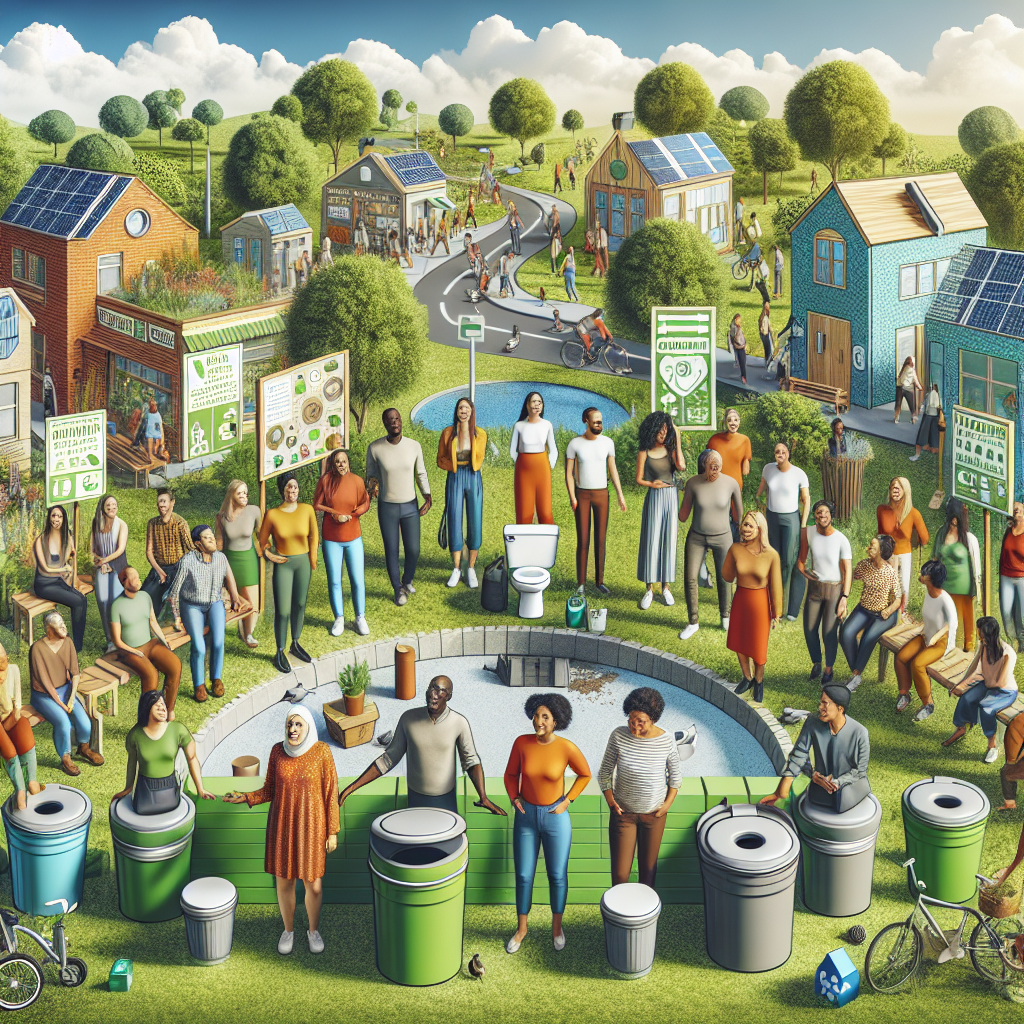
Ecological Sanitation (EcoSan) is revolutionizing how we think about waste management and environmental stewardship. At its core, EcoSan is more than just a technology; it’s a philosophy of sustaining a harmonious relationship with nature by treating and reusing waste in an environmentally friendly way. But how do you choose the right EcoSan technology for your needs? In this article, we will walk through the key considerations to help you make an informed decision.
Understanding EcoSan
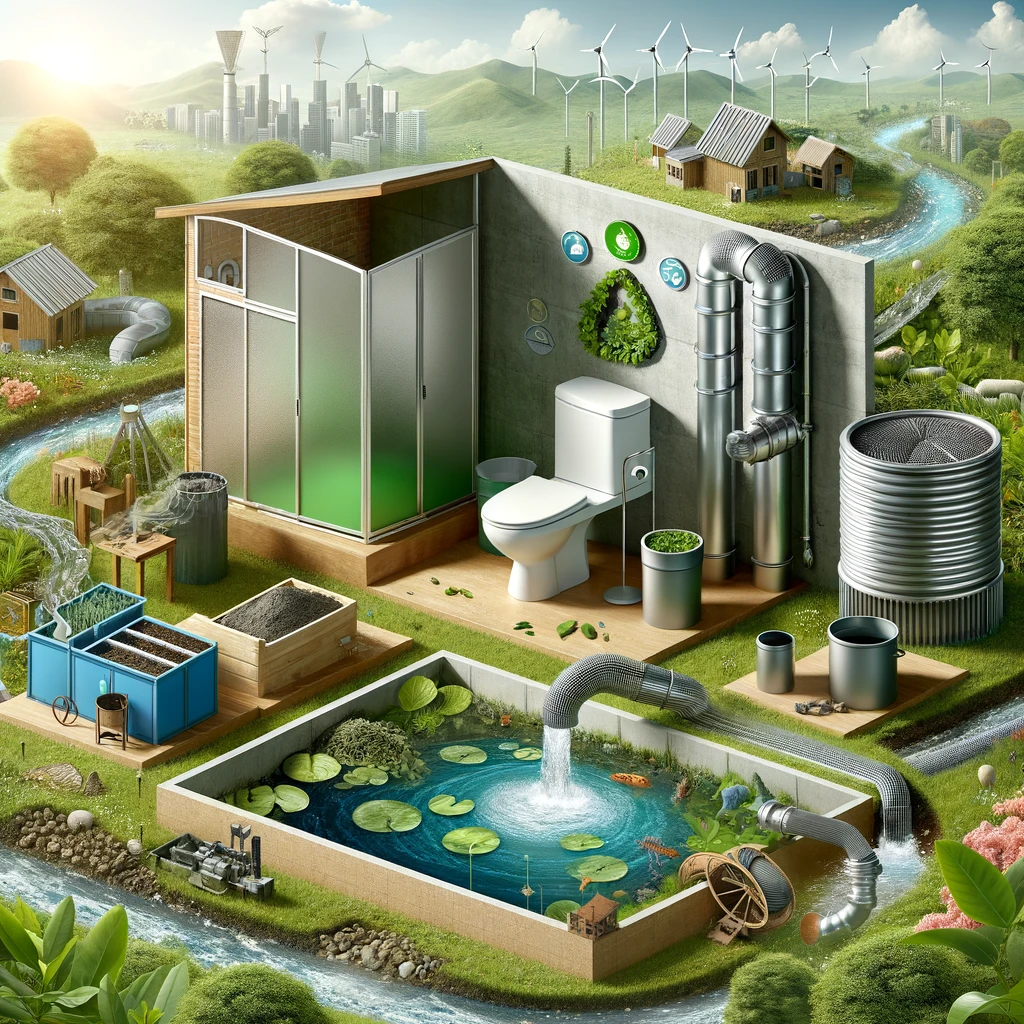
Before diving into the selection process, it’s important to understand what EcoSan is. In simple terms, EcoSan is a sustainable system for handling human waste using principles of resource recovery and reuse. It aims to protect human health and the environment while conserving water and nutrients. EcoSan systems can vary from simple composting toilets to more complex setups integrating waste treatment and reuse.
1. Assess Your Local Context
The first step in choosing the right EcoSan technology is understanding your local environment and needs. Factors like climate, soil type, water availability, and cultural practices play a significant role in determining the most suitable EcoSan system. For example, dry composting toilets might be ideal in water-scarce areas, while wet systems could be better suited for regions with abundant water.
Consider Local Regulations
Don’t forget to check local regulations and guidelines regarding waste treatment and disposal. Compliance is crucial not just for legal reasons but also for community acceptance and support.
2. Identify Your Objectives
What are your main goals with EcoSan? Are you looking to reduce water usage, recycle nutrients, or provide a sanitation solution in a remote area? Your objectives will guide the type of system you choose. For instance, if nutrient recovery is a priority, systems that separate and compost solid waste might be your best bet.
3. Size and Scalability
The size of the population using the EcoSan system is critical. You need a system that can handle the current load but is also scalable for future growth. Modular systems are great for gradual scaling, while larger, more complex systems may be necessary for urban or high-density settings.
4. Technology Complexity and Maintenance
Consider the complexity of different EcoSan systems and the level of maintenance they require. Some systems are more user-friendly and require minimal maintenance, making them suitable for areas where specialized technical skills are scarce. Others, although more efficient in resource recovery, might need regular expert maintenance.
Training and Education
Implementing an EcoSan system often involves educating the users on its operation and maintenance. Plan for training programs to ensure the system is used effectively and maintained properly.
5. Budget and Resources
Your budget will significantly influence your choice. EcoSan systems range from low-cost, simple designs to more expensive, technologically advanced ones. Besides the initial installation cost, consider the long-term maintenance and operation costs. Also, explore funding opportunities or partnerships that might help in implementing more costly systems.
6. Environmental Impact
Evaluating the environmental impact is vital. The best EcoSan systems are those that minimize negative impacts on the environment. This includes factors like greenhouse gas emissions, nutrient runoff, and water usage. Eco-friendly designs that use renewable energy sources or materials are often preferable.
7. Community Involvement and Acceptance
The success of an EcoSan project heavily relies on community acceptance and involvement. Engage with local communities early in the process to understand their needs and concerns. User acceptance is more likely if they are involved in the decision-making process.
Cultural Sensitivities
Be mindful of cultural norms and sensitivities around sanitation. What is acceptable in one culture may not be in another. Tailoring the EcoSan system to fit these sensitivities is crucial for its success.
8. Resource Recovery and Reuse
One of the main advantages of EcoSan is the recovery and reuse of resources like nutrients and water. Systems that effectively turn waste into valuable resources like compost or irrigation water should be prioritized, especially in resource-constrained settings.
9. Health and Safety Considerations
Any sanitation solution must prioritize health and safety. Ensure that the system you choose effectively contains and treats waste to prevent contamination and disease spread. It’s also important to plan for safe and hygienic maintenance practices.
10. Monitoring and Evaluation
Finally, plan for monitoring and evaluation. This helps in assessing the system’s performance and impact. Regular monitoring ensures that any issues are identified and addressed promptly, and evaluation helps in understanding the overall success and areas for improvement.
The Path Forward
Adopting EcoSan is a step towards a more sustainable and resilient future. As we face growing environmental challenges, such as water scarcity and soil degradation, EcoSan provides a way to mitigate these issues while improving sanitation.
Embracing Innovation and Flexibility
The field of ecological sanitation is continuously evolving, with new technologies and approaches emerging. Stay open to innovation and be flexible to adapt to new developments. This adaptability ensures that your EcoSan solution remains effective and efficient in the long run.
Building Partnerships
Strong partnerships are key to the successful implementation of EcoSan projects. Collaborate with local governments, NGOs, community leaders, and other stakeholders. These partnerships can provide valuable resources, expertise, and support.
Focus on Education and Awareness
Effective communication and education are critical for the success of EcoSan projects. By raising awareness and educating communities about the benefits of ecological sanitation, you can foster a positive attitude and ensure proper use and maintenance of the systems.
Continuous Improvement
Finally, view the implementation of EcoSan as a dynamic process. Be prepared to learn from experiences, both successes and challenges, and continuously seek ways to improve and refine your approach. This mindset of continuous improvement will lead to more effective and sustainable ecological sanitation solutions over time.
Wrapping It Up
In conclusion, selecting the right EcoSan technology is a multifaceted process that involves careful consideration of various factors. By understanding your local context, defining clear objectives, considering technical and financial aspects, involving the community, and focusing on sustainability and continuous improvement, you can make a choice that not only solves immediate sanitation challenges but also contributes to a healthier and more sustainable environment.
Ecological sanitation is more than just a technological solution; it’s a step towards a future where human development and environmental stewardship go hand in hand. As you embark on this journey, remember that every small step counts, and your efforts in choosing and implementing the right EcoSan technology can make a significant difference in the world.