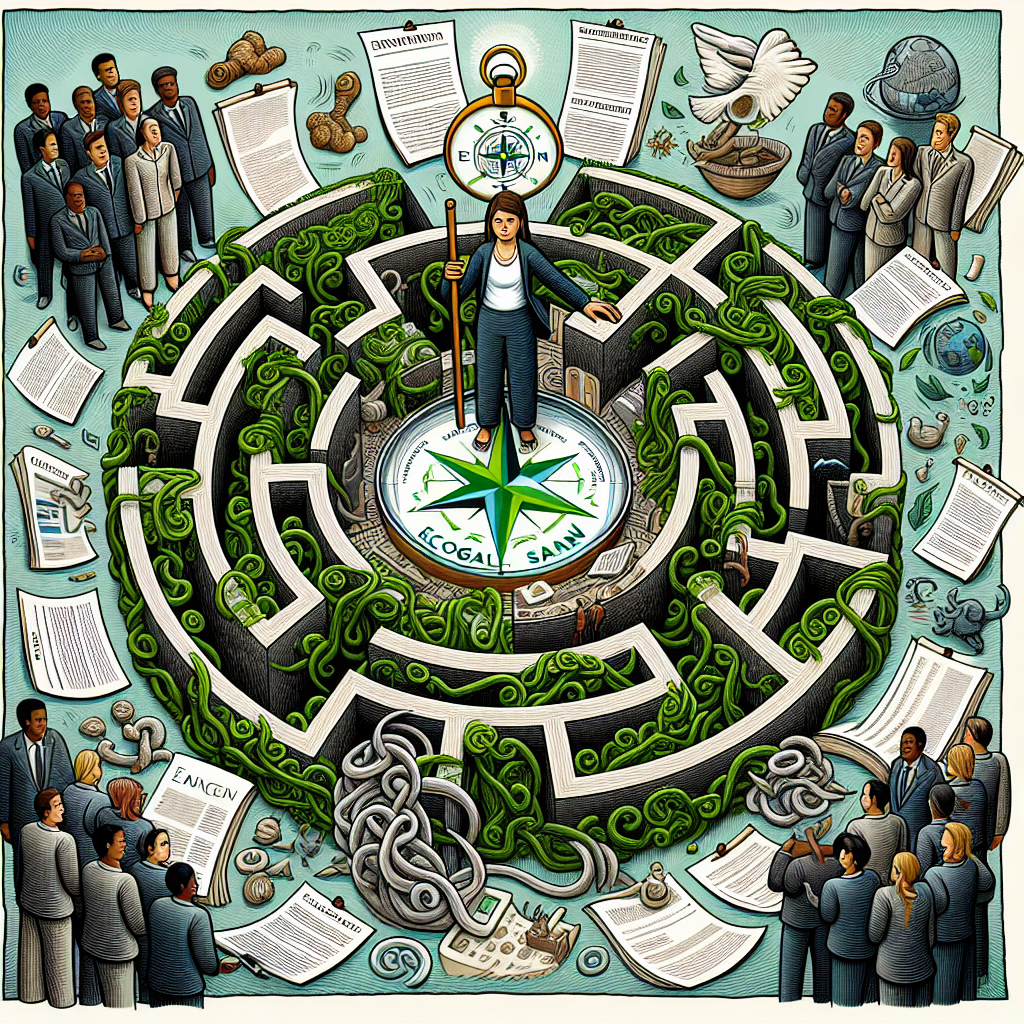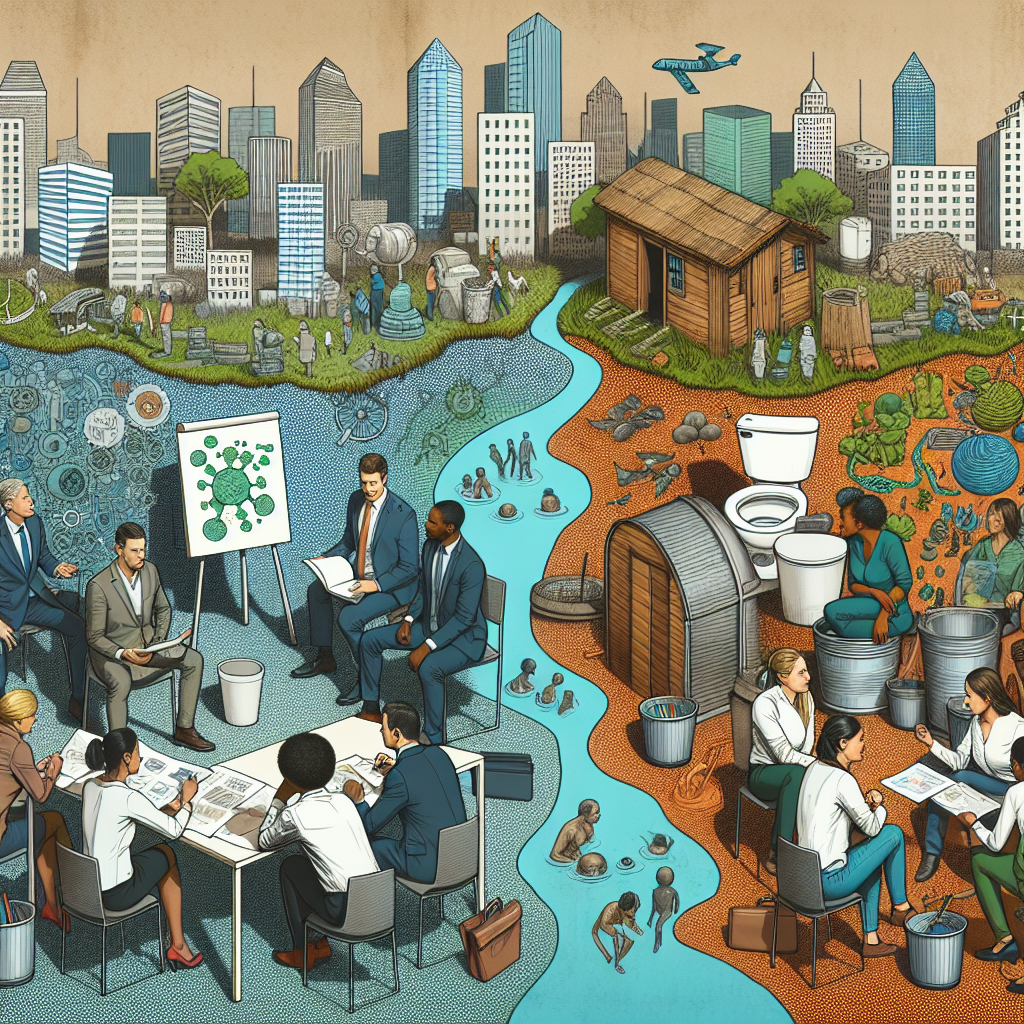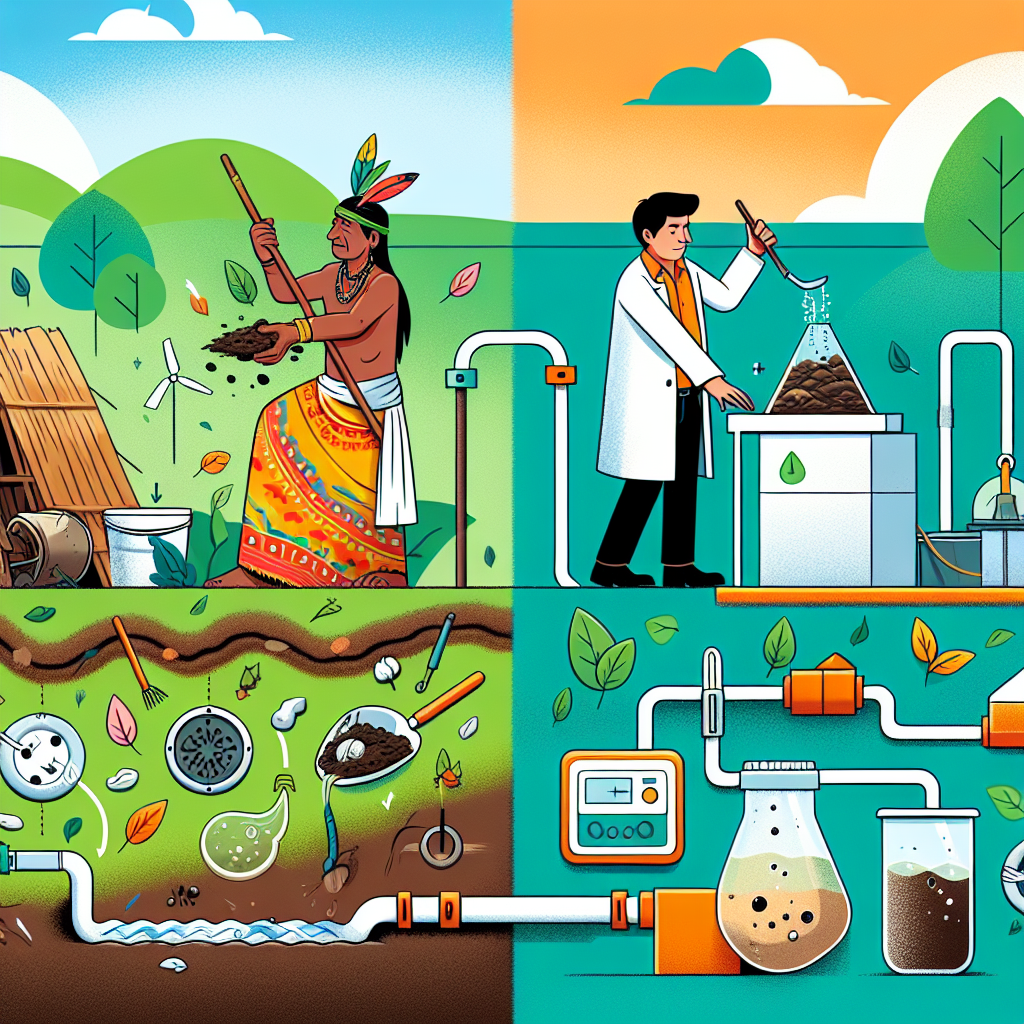
The challenges of sanitation in today’s world are multifaceted, especially with the growing emphasis on sustainability. Modern ecological sanitation (EcoSan) solutions aim to address these challenges by focusing on resource conservation, nutrient recovery, and environmental protection. However, an often overlooked but valuable aspect of EcoSan is the integration of traditional practices. By combining age-old wisdom with contemporary technology, we can create solutions that are not only effective but also culturally resonant and sustainable in the long term.
The Role of Traditional Practices in Sanitation
Traditional practices have always played a crucial role in how communities manage waste and sanitation. These practices are typically based on deep understanding of the local environment, available resources, and the cultural values of the community. For instance, in many rural areas around the world, composting toilets have been used for generations. These systems, which do not rely on water, align perfectly with the principles of EcoSan, which seeks to minimize water usage and maximize the recovery of nutrients.
Incorporating traditional practices into modern EcoSan solutions can help bridge the gap between innovation and community acceptance. People are more likely to adopt new technologies if they see a reflection of their own traditions and values in them.
Case Studies: Traditional Practices Informing Modern EcoSan
1. The Dry Toilet Tradition in Finland
In Finland, dry toilets, known locally as “kompostikäymälä,” have been used for centuries, particularly in rural and summer cottages. These toilets are designed to compost human waste, turning it into a valuable resource for gardening and agriculture. The Finnish approach to dry toilets emphasizes simplicity, hygiene, and the environment, making it a prime example of how traditional practices can inform modern EcoSan solutions.
By adapting the design of these dry toilets to suit different climates and cultural contexts, we can develop EcoSan systems that are both efficient and acceptable to communities around the world. This approach not only conserves water but also recycles nutrients back into the soil, closing the ecological loop.
2. The African Urine Diversion Dehydration Toilets (UDDT)
In several African countries, urine diversion dehydration toilets (UDDT) have been used traditionally to separate urine and feces at the source. This separation makes it easier to process waste safely and to recover nutrients like nitrogen and phosphorus for agricultural use. The UDDT system is particularly well-suited for arid regions where water is scarce, as it requires no water for flushing and facilitates the reuse of waste as a resource.
The modern adaptation of UDDT systems leverages the same principles while incorporating advancements in materials and construction techniques to enhance durability and user comfort. These improvements ensure that the systems are not only sustainable but also user-friendly, encouraging wider adoption.
Benefits of Integrating Traditional Practices in EcoSan
1. Cultural Acceptance and Community Buy-In
One of the biggest challenges in implementing new sanitation systems is gaining community acceptance. When new solutions are too different from what people are used to, they may resist adopting them. By integrating traditional practices, EcoSan solutions can be designed in a way that feels familiar and respectful to local customs, making them more likely to be embraced by the community.
2. Enhanced Sustainability
Traditional practices often evolved out of necessity, using locally available materials and resources. These methods are inherently sustainable because they have been refined over generations to work within the environmental constraints of the region. By leveraging these practices, modern EcoSan solutions can reduce their reliance on external resources and minimize their environmental footprint.
3. Knowledge Transfer and Capacity Building
Incorporating traditional practices into modern EcoSan solutions also provides an opportunity for knowledge transfer. Communities can contribute their expertise and insights, fostering a sense of ownership and empowerment. This collaborative approach not only strengthens the solution itself but also builds local capacity for maintaining and adapting the systems in the future.
Challenges and Considerations
1. Balancing Tradition and Innovation
While traditional practices offer valuable insights, it is essential to balance them with modern innovations to create solutions that are both effective and scalable. Some traditional methods may need to be adapted or modified to meet current health and safety standards or to integrate with existing infrastructure.
2. Adapting to Urban Settings
Traditional sanitation practices are often developed in rural or isolated settings where space is ample, and the population density is low. Adapting these practices to urban environments, where space is limited and sanitation needs are more complex, can be challenging. It requires careful planning and design to ensure that the solutions are practical and efficient in a modern urban context.
3. Overcoming Economic and Social Barriers
In some cases, the implementation of EcoSan solutions may face economic or social barriers. Traditional practices may be perceived as outdated or inferior to modern technologies, leading to resistance from certain segments of the population. Additionally, the cost of adapting and scaling up these practices to meet the needs of a larger population can be significant.
Strategies for Successful Implementation
1. Community Engagement and Participation
Successful implementation of EcoSan solutions that leverage traditional practices starts with community engagement. Involving community members in the planning and decision-making process ensures that their needs and preferences are considered. This approach also helps to build trust and fosters a sense of ownership, which is crucial for the long-term success of the project.
2. Pilot Projects and Demonstration Sites
Pilot projects and demonstration sites can be effective tools for showcasing how traditional practices can be integrated into modern EcoSan solutions. These sites serve as tangible examples that community members can visit, providing an opportunity to see the system in action and ask questions. Feedback from these pilot projects can also be invaluable in refining the design and implementation of the system.
3. Collaboration with Traditional Knowledge Holders
Collaborating with traditional knowledge holders, such as local elders or cultural leaders, can provide valuable insights into the practices and beliefs that should be considered when designing EcoSan solutions. These collaborations can help to ensure that the solutions are culturally appropriate and respectful of local traditions, increasing the likelihood of community acceptance.
4. Capacity Building and Training
Building local capacity through training and education is essential for the sustainable implementation of EcoSan solutions. Training programs should focus not only on the technical aspects of the systems but also on the cultural and environmental significance of traditional practices. Empowering community members with the skills and knowledge needed to operate and maintain the systems ensures their long-term viability.
The Future of EcoSan: Blending the Old with the New
As the world continues to grapple with the challenges of sanitation, the importance of sustainable and culturally appropriate solutions cannot be overstated. By blending traditional practices with modern EcoSan technologies, we can create systems that are not only effective in managing waste but also resonate with the communities they serve.
The future of EcoSan lies in this harmonious blend of old and new. Traditional practices offer a wealth of knowledge and experience that can enhance the sustainability and acceptability of modern systems. As we move forward, it is essential to continue exploring and integrating these practices into our sanitation solutions, ensuring that they are not only technically sound but also culturally and environmentally sustainable.
Conclusion
Leveraging traditional practices in modern EcoSan solutions presents a unique opportunity to create sanitation systems that are sustainable, culturally appropriate, and widely accepted by communities. By respecting and incorporating the wisdom of the past, we can build a future where sanitation systems are not only functional but also enhance the quality of life for people around the world. The key to success lies in collaboration, community engagement, and a commitment to balancing tradition with innovation.
By fostering a deeper understanding and appreciation of traditional practices, we can unlock new possibilities in EcoSan, paving the way for a more sustainable and inclusive future in sanitation.