In an age where environmental sustainability and public health are at the forefront of global concerns, Ecological Sanitation (EcoSan) offers a beacon of hope for vulnerable communities struggling with inadequate sanitation facilities. Essentially, EcoSan is a sanitation system designed to offer a sustainable human waste management model by treating waste as a valuable resource rather than something to be disposed of. Recognizing the vital role of effective implementation strategies in its successful adoption, this article delves deep into practical steps necessary to lay the groundwork for EcoSan initiatives in underserved regions.
Sanitation challenges are particularly pressing in many low-income communities, where traditional systems often fail due to various constraints such as water scarcity, poor infrastructure, and limited financial resources. EcoSan systems aim to mitigate these problems by emphasizing resource recovery, enabling the reuse of treated waste as fertilizer for agriculture. This dual function not only enhances public health by reducing contamination but also fosters local economic development.
Community Engagement and Education
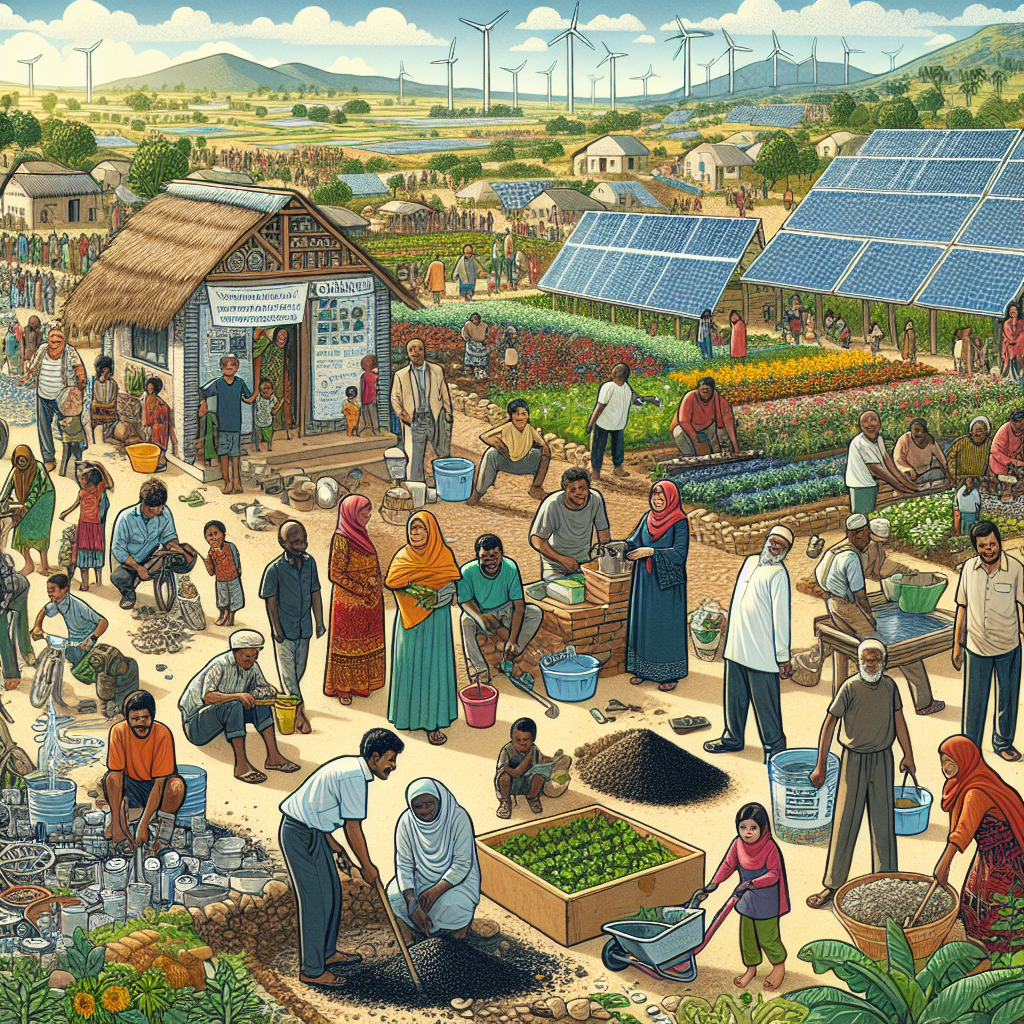
One of the cardinal principles for successful EcoSan implementation is community engagement and education. Before rolling out any infrastructure, it’s critical to first engage with the community to understand their needs, fears, and expectations. Conducting workshops, focus group discussions, and educational campaigns can be effective ways to introduce the concept and benefits of EcoSan.
When properly educated, community members are more likely to accept and maintain the system. Educational campaigns should include explanations of how EcoSan systems work, including the use and handling of human waste as a resource. This can be achieved through various media, such as pamphlets, community meetings, and even social media platforms. Collaborating with local leaders and influencers can also help to break down stigmas associated with handling human waste.
Infrastructure Development and Technological Choices
The success of eco-sanitation hinges on the availability of suitable, context-specific technologies. There is no one-size-fits-all solution, so it’s important to tailor the technology to the community’s particular needs and existing infrastructure. Options may include dry toilets, composting toilets, urine-diverting dry toilets (UDDTs), and anaerobic digesters, among others.
When choosing the appropriate technology, factors such as climate, water availability, and local construction materials should be taken into account. Partnerships with technological experts and local suppliers can facilitate the selection and procurement of the most suitable systems. Additionally, infrastructure development should also consider the ease of maintenance, ensuring that community members can easily learn how to manage and repair the systems themselves.
Capacity Building and Training
To secure long-term success, it is crucial to build local capacity through hands-on training sessions. These trainings should cover not only the operation and maintenance of EcoSan systems but also the principles of ecological sanitation and resource recovery. Empowering local technicians and community leaders with this knowledge ensures the systems’ sustainability and promotes local ownership.
Training programs can range from short workshops to extended certification courses, depending on the community’s size and needs. Involvement in these programs encourages local stakeholders to become active participants in their sanitation management, fostering a sense of responsibility and commitment.
Policy Support and Funding Mechanisms
Policy support and funding are pivotal for the widespread adoption of EcoSan systems. Advocating for supportive policies at local, regional, and national levels can help in establishing an enabling environment. These policies should encompass guidelines for the safe use of treated human waste in agriculture, incentives for adopting sustainable practices, and frameworks for collaboration with local governments and non-governmental organizations (NGOs).
Securing funding can be challenging but achievable through a mix of sources, including government grants, NGO funding, community-based financing models, and private investments. It’s also beneficial to explore collaborations with international bodies interested in promoting global sanitation and sustainability.
Monitoring, Evaluation, and Feedback
Finally, continuous monitoring and evaluation (M&E) are essential for the long-term success of EcoSan projects. This involves setting up mechanisms to regularly check the system’s functionality, effectiveness, and community satisfaction levels. M&E should be participatory, incorporating feedback from the community to identify issues and areas for improvement.
Transparent reporting and open channels for community feedback can help to foster a sense of trust and cooperation. Regular reporting also aids in tracking progress, understanding impacts, and tailoring the system based on real-world conditions and needs.
Conclusion
EcoSan represents a transformative approach to sanitation that holds great promise for addressing the unique challenges faced by vulnerable communities. By adhering to comprehensive implementation strategies—ranging from community engagement and education to infrastructure development, capacity building, policy support, and rigorous M&E—we can foster resilient communities equipped with sustainable sanitation solutions.
While challenges remain, the benefits of successfully implemented EcoSan systems are far-reaching. Improved public health, enhanced agricultural productivity, economic development, and environmental sustainability make it an endeavor worth pursuing. Thus, all stakeholders, from local communities and NGOs to government bodies and international agencies, must collectively work toward realizing the vision of sustainable, resilient sanitation for all.