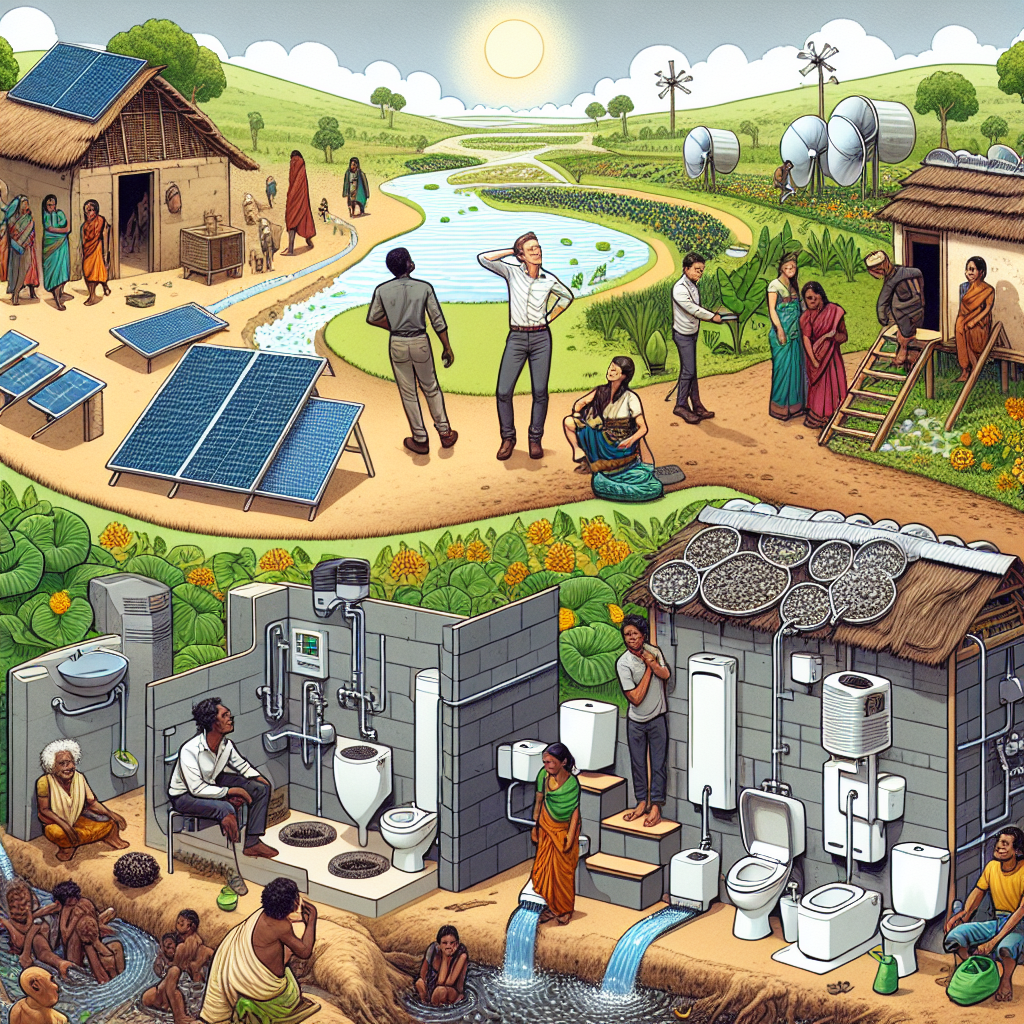
In the wake of growing environmental concerns, the need to address sanitation issues sustainably has led many to adopt Ecological Sanitation (EcoSan) practices. EcoSan is an innovative approach that not only manages human excreta safely but also recycles valuable nutrients back into the environment. A key player in promoting and implementing EcoSan systems around the globe has been Non-Governmental Organizations (NGOs). The pivotal role these organizations play cannot be overstated as they lay the groundwork for sustainable sanitation solutions.
Introduction
Sanitation is a fundamental human right, yet millions, especially in developing countries, lack access to basic facilities. Traditional sanitation practices often lead to environmental degradation and public health challenges. EcoSan offers a viable alternative by promoting a closed-loop system that minimizes waste and recycles nutrients into agriculture. However, the success of EcoSan largely depends on effective implementation strategies, which is where NGOs become indispensable.
NGOs have a unique position in the global ecosystem. They often operate at the grassroots level, have access to both international and local resources, and can influence policy and behavior. Their contribution ranges from raising awareness, providing education, advocating for policy changes, and facilitating community-based projects. By leveraging their extensive networks and resources, NGOs drive the adoption of EcoSan practices in regions where they are needed most.
This article examines the critical roles that NGOs play in promoting and implementing EcoSan solutions. We will explore their involvement in community education, capacity building, policy advocacy, funding, and monitoring and evaluation strategies. By understanding these facets, we can better appreciate the significant impact NGOs have on sustainable sanitation efforts.
Community Education and Awareness
One of the primary roles NGOs play in promoting EcoSan is educating communities about the importance and benefits of sustainable sanitation. Traditional sanitation methods are deeply ingrained in many cultures, making the adoption of EcoSan practices challenging. NGOs work to demystify EcoSan through comprehensive education and awareness campaigns.
These organizations employ varied strategies such as workshops, seminars, demonstration projects, and public campaigns. They tailor their messages to the local context, ensuring that the information is accessible and resonates with the community’s values and needs. By fostering a better understanding of EcoSan, NGOs help communities recognize its health, environmental, and economic benefits.
In addition to education, NGOs often involve local leaders and influencers in their campaigns. These individuals can significantly sway public opinion and encourage the broader community to adopt new practices. By creating a ripple effect, NGOs ensure that EcoSan concepts permeate throughout the community, leading to more widespread acceptance and implementation.
Capacity Building and Training
Effective implementation of EcoSan systems requires technical expertise and skills, which are often lacking in many communities. NGOs play a critical role in bridging this gap through capacity-building initiatives. They provide training programs that equip local stakeholders with the knowledge and skills needed to design, construct, and maintain EcoSan facilities.
These training programs cover various aspects of EcoSan, from basic sanitation principles to advanced technical skills. NGOs often collaborate with experts and institutions to deliver high-quality training sessions that are both theoretical and practical. By building local capacity, NGOs ensure the sustainability of EcoSan projects, as trained individuals can address any arising challenges and carry on the work independently.
Moreover, NGOs often establish local support networks and cooperatives. These groups serve as platforms for sharing knowledge, resources, and best practices, further strengthening the community’s ability to manage EcoSan systems. Through continuous education and support, NGOs empower communities to take ownership of their sanitation solutions, leading to long-term success.
Policy Advocacy
For EcoSan to gain traction, supportive policies and regulatory frameworks are essential. NGOs play a pivotal role in advocating for policy changes that facilitate the adoption and scaling of EcoSan practices. Their advocacy efforts focus on integrating EcoSan into national and regional sanitation strategies, securing funding, and ensuring compliance with environmental standards.
NGOs engage with policymakers, government agencies, and other stakeholders to highlight the benefits of EcoSan. By presenting evidence-based data and case studies, they make a compelling case for EcoSan as a sustainable sanitation solution. These organizations also participate in policy forums, consultations, and workshops to influence decision-making processes positively.
Furthermore, NGOs work to ensure that marginalized and vulnerable populations are considered in policy formulations. They advocate for inclusive policies that address the specific needs of these groups, ensuring that everyone benefits from improved sanitation practices. By championing equitable and sustainable policies, NGOs pave the way for more effective EcoSan implementation.
Funding and Resource Mobilization
Implementing EcoSan projects often requires significant financial and material resources, which can be a major barrier for many communities. NGOs play a crucial role in mobilizing these resources through various channels. They secure funding from international donors, grants, private sector partnerships, and community contributions to support EcoSan initiatives.
NGOs possess the expertise to develop compelling project proposals that attract funding. Their strong networks and reputation enable them to access resources that might be otherwise unavailable to local communities. By leveraging these funds, NGOs can launch and sustain EcoSan projects, ensuring that they have the necessary infrastructure, materials, and support.
In addition to financial resources, NGOs often provide technical support, materials, and equipment required for EcoSan implementation. By pooling resources and expertise, they ensure that projects are well-equipped to succeed. This collaborative approach maximizes efficiency and increases the likelihood of achieving sustainable sanitation outcomes.
Monitoring and Evaluation
To ensure the success and sustainability of EcoSan projects, robust monitoring and evaluation (M&E) systems are essential. NGOs play a vital role in establishing and maintaining these systems, providing valuable insights into the effectiveness of implemented strategies. Through continuous monitoring and periodic evaluations, NGOs can identify challenges, measure impacts, and make necessary adjustments.
NGOs design M&E frameworks that include both quantitative and qualitative indicators. They collect data on various parameters, such as usage rates, health impacts, environmental benefits, and community satisfaction. By analyzing this data, they can assess the overall performance of EcoSan projects and identify areas for improvement.
Feedback from the community is also a crucial component of the M&E process. NGOs facilitate participatory evaluation methods, involving community members in assessing the outcomes of EcoSan initiatives. This approach ensures that the projects are responsive to the needs and preferences of the beneficiaries, leading to greater ownership and sustainability.
The information gathered through M&E is shared with stakeholders, including donors, policymakers, and the local community. This transparency fosters accountability and builds trust, ensuring continued support for EcoSan projects. By continuously learning and adapting, NGOs contribute to the ongoing success of EcoSan implementation efforts.
Building Partnerships and Collaborations
Effective EcoSan implementation requires collaboration among various stakeholders, including governments, communities, private sector entities, and academic institutions. NGOs play a central role in building and nurturing these partnerships, creating a cohesive network that supports sustainable sanitation efforts.
NGOs facilitate dialogue and cooperation between different actors, ensuring that everyone is aligned toward common goals. They organize forums, conferences, and workshops that bring together diverse perspectives and expertise. By fostering a collaborative environment, NGOs ensure that EcoSan projects benefit from a wide range of knowledge and resources.
Moreover, NGOs often act as intermediaries between international organizations and local communities. They bridge gaps in communication and cultural understanding, ensuring that global best practices are adapted to suit the local context. This role is especially important in translating complex scientific and technical information into practical, actionable strategies for communities.
Collaborations with academic institutions and research organizations further strengthen EcoSan initiatives. NGOs can access cutting-edge research, innovative solutions, and technical expertise through these partnerships. By integrating scientific knowledge into their projects, NGOs enhance the effectiveness and sustainability of EcoSan implementations.
Conclusion
Non-Governmental Organizations (NGOs) have proven to be indispensable in promoting and implementing Ecological Sanitation (EcoSan) practices worldwide. Their multifaceted roles, from community education and capacity building to policy advocacy, funding, and monitoring, are critical to the success of sustainable sanitation initiatives.
Through comprehensive education and awareness campaigns, NGOs break down barriers and foster a deep understanding of EcoSan’s benefits within communities. Their capacity-building efforts equip local stakeholders with the skills needed to design, construct, and maintain EcoSan systems. Advocacy for supportive policies ensures that the broader framework is conducive to the adoption and scaling of EcoSan practices.
NGOs’ ability to mobilize resources, both financial and technical, addresses significant implementation challenges. Their robust monitoring and evaluation systems provide valuable insights for continuous improvement, ensuring the sustainability of EcoSan projects. By building partnerships and collaborations, NGOs create a cohesive network that strengthens EcoSan initiatives with diverse expertise and resources.
In conclusion, NGOs’ contributions to EcoSan are vital in addressing the global sanitation crisis sustainably. Their unique position enables them to drive transformative change, empowering communities to adopt EcoSan practices that improve health, protect the environment, and promote economic growth. As we move forward, the continued support and collaboration of NGOs will be essential in achieving universal and sustainable sanitation solutions.