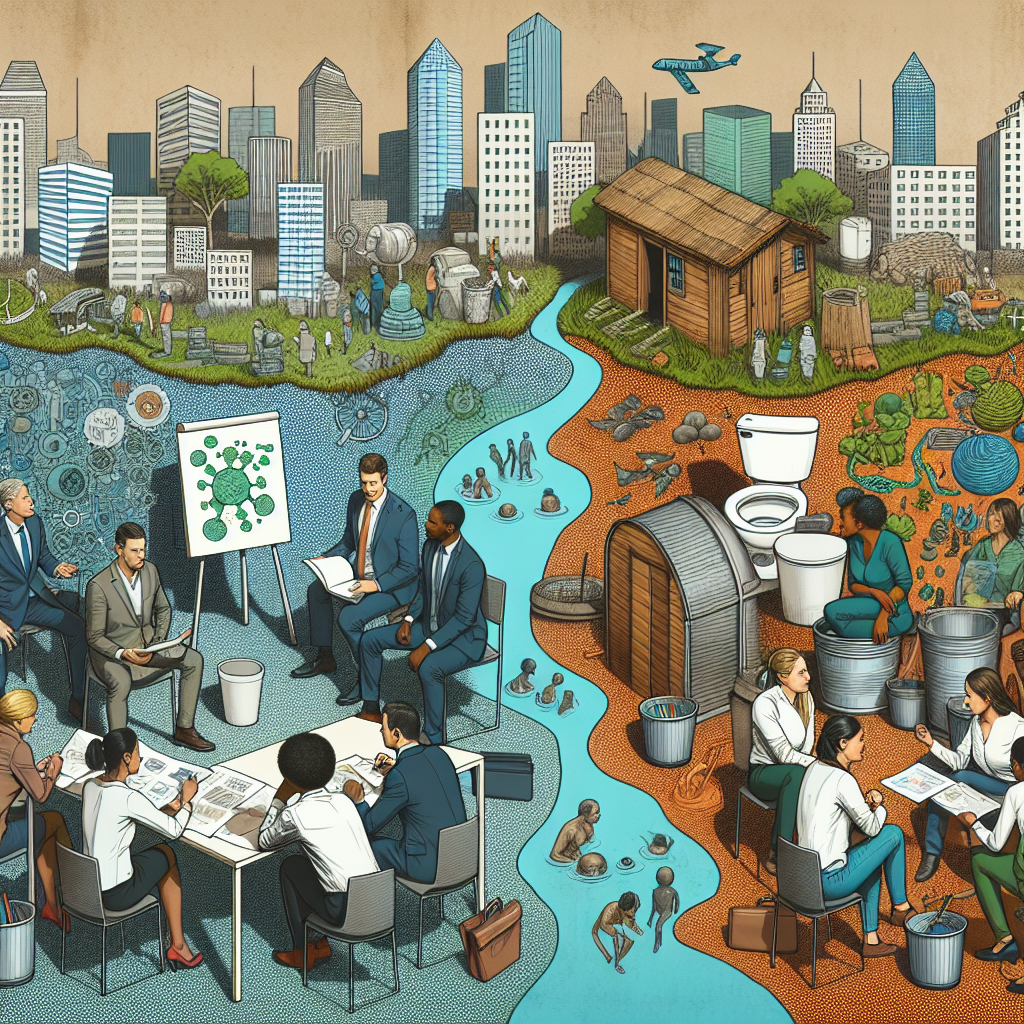
Ecological Sanitation (EcoSan) is a progressive approach to addressing sanitation issues by closing the loop between sanitation and agriculture. The core principle of EcoSan involves the safe recycling of human excreta back into the environment to enrich the soil and promote sustainable agriculture. The practice is designed to manage human waste in a way that minimizes pollution, conserves water, and returns valuable nutrients back to the earth.
In rural areas, conventional sanitation systems often fail due to financial, technical, and geographical barriers. Consequently, EcoSan presents a viable alternative that addresses these challenges while fostering environmental sustainability. However, implementing EcoSan in rural settings brings its unique set of obstacles. This article delves into the barriers to rural EcoSan implementation and provides strategic solutions to overcome them. The aim is to establish a practical roadmap to facilitate the successful adoption of EcoSan in rural communities.
Community Engagement and Education
One of the primary challenges in EcoSan implementation in rural areas is the lack of community understanding and acceptance. Many rural communities are unaware of the benefits of EcoSan and may hold misconceptions about the health impacts of using treated human excreta as fertilizer. Therefore, community engagement and education are crucial.
The first step is to conduct awareness campaigns that highlight the environmental and agricultural benefits of EcoSan. Workshops and demonstration projects can play an instrumental role in showing the practical aspects of EcoSan systems, thus dispelling myths and fears. Collaboration with local leaders and influencers can further bolster community buy-in.
Education should also focus on the correct use and maintenance of EcoSan systems. Offering training sessions that involve hands-on experience can ensure that community members are well-versed in operating these systems efficiently. Repeated and consistent educational efforts can turn skeptics into advocates, fundamentally shifting attitudes toward EcoSan.
Infrastructure Development and Technological Adaptation
Developing the infrastructure necessary for EcoSan in resource-limited rural areas is another significant barrier. Many rural communities lack the basic infrastructure to support EcoSan systems, such as access to water, proper waste collection, and processing facilities.
To bridge this gap, it is essential to adapt EcoSan technologies to fit the local context. For example, dry composting toilets can be a suitable option for areas with water scarcity. These toilets require minimal water and can effectively decompose human waste into safe, usable compost.
Partnering with NGOs, government programs, and private sectors can secure the funding and technical assistance needed for infrastructure development. Implementing modular or pilot EcoSan projects can serve as a testing ground to refine technologies before scaling up. Investing in durable and user-friendly EcoSan infrastructure can ensure long-term success and sustainability.
Financial Viability and Sustainability
Financial constraints are a major hurdle in the implementation of EcoSan projects in rural areas. The initial cost of setting up EcoSan systems can be prohibitive for low-income communities, and ongoing operational and maintenance expenses add to the financial burden.
To address this, it is imperative to explore various funding avenues such as governmental grants, international aid, and community-driven financing models. Microfinancing can offer affordable loans tailored for rural EcoSan projects, enabling communities to manage their expenses over time.
Furthermore, integrating EcoSan with agricultural programs can create economic incentives for communities. The sale of compost and biogas from EcoSan systems can generate revenue, thus offsetting some costs. Encouraging local entrepreneurship in building and maintaining EcoSan systems can also boost the local economy while ensuring system sustainability.

Policy and Governance
The success of EcoSan implementation heavily relies on supportive policies and governance. In many regions, existing sanitation policies may not accommodate or promote EcoSan approaches, posing a regulatory challenge.
Advocating for policy reforms that recognize and support EcoSan is essential. Stakeholders should engage with policymakers to integrate EcoSan into national and regional sanitation frameworks. This can include establishing standards, providing subsidies, and creating regulatory bodies to oversee implementation and compliance.
Local governance structures should also be strengthened to support EcoSan projects. Training local officials and forming community committees can enhance governance capacity. Transparent and accountable governance ensures that resources are effectively allocated and that projects are implemented efficiently.
Cultural Sensitivity and Adaptation
Cultural beliefs and practices significantly influence the acceptance and use of EcoSan systems in rural areas. Some communities may have traditional views on sanitation that conflict with the principles of EcoSan.
To facilitate cultural adaptation, it is important to engage with communities respectfully and contextually. Understanding local customs and incorporating them into EcoSan design and implementation can improve acceptance. For example, involving traditional artisans in the construction of EcoSan systems can add cultural value and pride.
Moreover, conducting participatory design sessions with community members can ensure that EcoSan solutions are tailored to local preferences and practices. This inclusive approach fosters ownership and reduces resistance to change.
Monitoring and Evaluation
Rigorous monitoring and evaluation (M&E) are vital components of any EcoSan initiative. M&E ensures that systems are functioning correctly, achieving their intended outcomes, and identifying areas for improvement.
Developing a comprehensive M&E framework involves setting clear indicators for success, such as system usage rates, health outcomes, and environmental impact. Regular data collection and analysis enable stakeholders to track progress and make informed decisions.
Involving community members in M&E processes can enhance transparency and accountability. Training local volunteers as EcoSan monitors can provide valuable insights and foster a sense of responsibility within the community.
Feedback loops should be established to incorporate lessons learned into future planning and implementation. Sharing success stories and challenges openly encourages continuous improvement and innovation in EcoSan practices.
Conclusion: A Path Forward
Implementing EcoSan in rural areas presents multifaceted challenges that require a holistic and collaborative approach. By focusing on community engagement, infrastructure development, financial sustainability, supportive policies, cultural adaptation, and rigorous monitoring, stakeholders can overcome these hurdles and lay a strong foundation for EcoSan adoption.
The success of EcoSan implementation hinges on the active participation and ownership of rural communities. Empowering them with knowledge, resources, and technical support ensures that EcoSan systems are not only installed but are also utilized effectively and sustainably.
The benefits of EcoSan extend beyond sanitation; they contribute to environmental conservation, agricultural productivity, and economic opportunities. As we navigate the complexities of rural sanitation, embracing EcoSan offers a transformative pathway to achieve health, dignity, and sustainable development for rural communities.
With sustained efforts and a commitment to innovation, we can envision a future where EcoSan becomes an integral part of rural landscapes, driving positive change for generations to come.