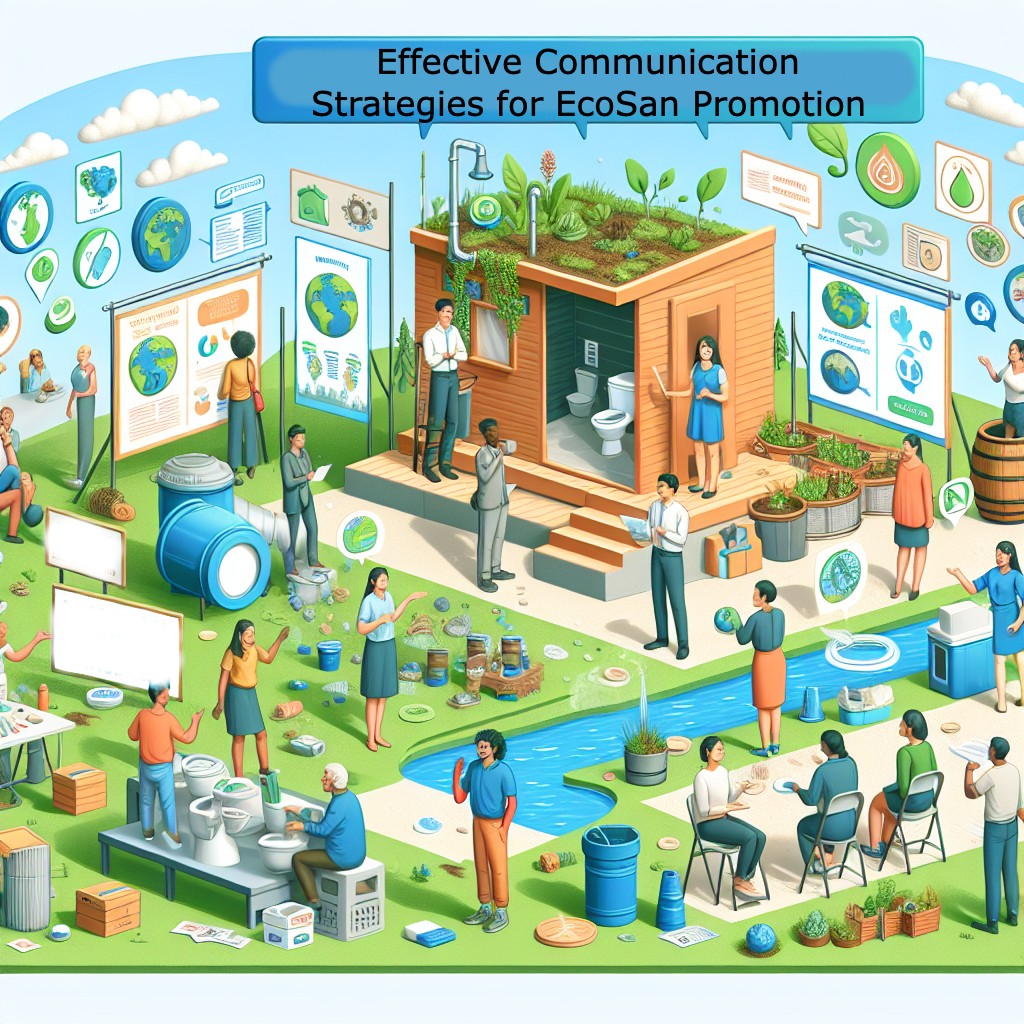
Eco-tourism is a form of sustainable travel that supports the preservation of natural areas and the well-being of local communities. It focuses on responsible travel to pristine environments, aiming to minimize the impact on the ecosystem while providing economic benefits to those who inhabit these areas. Simultaneously, EcoSan (Ecological Sanitation) is a sanitation approach that safely transforms human waste into a resource that can be used once again. While Eco-tourism and EcoSan might seem like separate entities, in reality, they are deeply intertwined. They each advocate for sustainable interactions between people and the environment. By integrating EcoSan systems into eco-tourism initiatives, the tourism industry not only mitigates its environmental footprint but also enriches the economic and social fabric of the localities it impacts. This article delves into the synergetic relationship between eco-tourism and EcoSan and how their integration presents a cohesive strategy for sustainable development and environmental conservation. We explore their respective benefits, how their combination can generate a comprehensive approach to sustainability, and what practices and policies can enhance their synergy to create a more conscious travel culture.
Understanding Eco-Tourism
Eco-tourism seeks to fulfill the dual objectives of environmental conservation and economic development. It’s about rethinking human experiences in nature and transforming these into sustainable travel. Eco-tourism encourages travelers to visit remote parts of the world to explore nature without disrupting the environment or altering native cultures. Those who participate in eco-tourism activities often engage in endeavors such as wildlife viewing, hiking, and cultural immersion with indigenous communities. These practices ultimately lead to the employment of local guides, learning opportunities about the environmental and cultural importance of these sites, and ensuring that a portion of tourism revenue is reinvested into conservation efforts and community development projects.
The philosophy driving eco-tourism often centers on low-impact and small-scale operations, blossoming in settings where traditional tourism threatens the delicate balance of nature. Through eco-tourism, the economic benefits manifest similarly in job creation, business opportunities for local artisans, and improvements in infrastructure. Tourists are encouraged to act as environmental stewards who take actions to reduce carbon footprints—like using eco-friendly accommodations, participating in carbon-offset programs, and choosing sustainable transport options.
The transformative effect of eco-tourism lies in its potential to empower local communities. When nearby residents see that preserving nature is more profitable and sustainable than destructive exploitation, such as logging or mining, they become frontline advocates for conservation. Villages or regions known for eco-tourism can experience enhanced local facilities for health, education, and overall quality of life due to increased funding derived from eco-tourism revenue.
The Concept of EcoSan
The EcoSan model aims to revolutionize waste management, transforming it into an environmentally sustainable practice. Traditional sanitation systems often transfer waste to treatment plants or dump sites, posing risks of pollution and water contamination. In contrast, EcoSan employs methods to recycle and reuse waste in agricultural applications, integrating matter back into the nutrient cycle. EcoSan approaches include compost toilets, urine-diverting dry toilets, and vermiculture systems. These not only address sanitation issues but also enhance soil fertility, leading to improved crop yields.
Particularly in rural or resource-limited settings, EcoSan provides a vital solution that is self-contained and needs minimal resources to operate. The reuse of sanitized waste in agriculture is aligned with circular economic principles, where materials are used efficiently, leading to reduced wastage and environmental care. By reducing reliance on chemical fertilizers, EcoSan practices promote a form of agriculture that is aligned with organic farming techniques. This can play a critical role in enhancing food security by improving productivity and decreasing the dependency on costly inputs related to conventional agriculture.
Furthermore, EcoSan fosters public health by reducing disease transmission associated with poor sanitation. This ensures communities, especially in developing regions, face fewer healthcare challenges. It encourages sanitation behaviors that are socially beneficial and environmentally benign. As people recognize the value of waste as a resource, acceptance and implementation of EcoSan systems have the potential to create shifts in how ecosystems are managed.
Integrating Eco-Tourism and EcoSan
The seamless integration of EcoSan with eco-tourism can lead to a sustainable and holistic approach towards tourism and sanitation. For areas where eco-tourism thrives, applying EcoSan principles can solve problems associated with increased tourism activities, such as the lack of adequate sanitation facilities. These settings often confront challenges of managing waste responsibly and sustainably within remote, ecologically sensitive environments.
EcoSan facilities can be developed in campgrounds, natural reserves, and eco-friendly lodges that form part of the eco-tourist infrastructure. These not only provide necessary sanitation for tourists but also complement the environmental ethos that eco-tourism stands for. For example, camps that employ compost toilets or urine-diverting toilets align with eco-tourist values of conservation and low-impact, sustainable living.
Incorporating EcoSan in eco-tourism helps in closing the loop of sustainability, where waste becomes a part of the conservation story. Furthermore, with tourism being a vehicle for cultural exchange, the presence of EcoSan systems offers educational opportunities. Guides can engage tourists with information about how these systems contribute to ecological balance, further emphasizing the importance of sustainable practices.
The revenue generated from eco-tourism can be used to finance the development and maintenance of EcoSan systems. Collaborative projects can emerge, where tourists and locals work together towards building and deploying sanitation facilities that respect the natural environment. By doing so, tourists don’t only passively participate in conservation but also actively contribute to the maintenance and advancement of local ecosystems.
Case Studies and Best Practices
Several successful case studies underscore the effectiveness of integrating EcoSan into eco-tourism practices worldwide. In many parts of Africa, where safari tours are popular, efforts to include solar-powered EcoSan toilets have greatly reduced ecological footprints. These installations are often positioned in proximity to camps and hiking trails, showing an example of how developed eco-tourism facilities are complemented by sustainable sanitation solutions. Additionally, these facilities are often built using local materials and labor, ensuring economic benefits trickle down to the local economy.
In South America, regions of the Amazon populated by eco-lodges have witnessed similar integrations. Lodges commonly employ EcoSan methods, resulting in reduced reliance on external resources. With effective sanitization methods in place, nearby communities have experienced increased awareness about waste management, leading to a cultural shift in attitudes towards environmental conservation. Similarly, in parts of Asia, the widespread use of rainwater harvesting paired with solar-activated sanitation systems in eco-friendly tourist accommodations has demonstrated the feasibility of integrating energy and resource-efficient practices into eco-tourism.
These approaches also reflect on the policies needed to successfully integrate EcoSan with eco-tourism. Raising awareness and providing training for both local communities and tourists is crucial. Educational initiatives on the benefits and operation of these systems encourage both acceptance and proper use. Moreover, policy frameworks need to include support for eco-tourism stakeholders to invest in EcoSan technologies, realizing the economic and environmental payback of these investments.
Challenges and Considerations
Despite the successes, several challenges arise in aligning EcoSan with eco-tourism practices. One of the primary challenges is the initial cost and technical expertise required to establish these systems. While the long-term benefits are clear, the upfront investment can be sizable, especially in regions with limited financial resources. Securing international aid or partner financing can often mitigate this concern, but the ongoing challenge resides in ensuring that systems are maintained and operated correctly.
Moreover, cultural perceptions regarding sanitation often act as a barrier. EcoSan systems might conflict with the traditional views held by communities about waste and human excreta. Education and community involvement in planning and implementing these systems are crucial to overcome resistance and ensure wide acceptance.
Logistical considerations, such as the transportation of EcoSan components to remote areas or getting permissions from authorities, also pose challenges. These require comprehensive planning and coordinated effort between stakeholders, developers, and policymakers.
Conclusion
Eco-tourism and EcoSan represent complementary facets of sustainable development. While eco-tourism invites individuals to consider their impact on the environment while traveling, EcoSan offers solutions that enable waste to become a resource rather than an environmental burden. Together, they offer a potent formula for achieving holistic environmental stewardship and sustainable economic growth. Successfully marrying these two concepts involves challenges but offers significant rewards, including enhanced community development, enriched tourist experiences, and robust environmental conservation strategies.
The ultimate vision should see eco-tourism operations that don’t just occur within pristine natural environments but enhance and protect them, utilizing EcoSan principles as a fundamental component of their operation and narrative. By embracing this integrated approach, we contribute more effectively to the global struggle against environmental degradation and work towards a future that values sustainability not solely as an option but as a necessity. Through policy support, engagement with local communities, collaborative efforts with eco-tourists, and leveraging best practices from global examples, the synergy between eco-tourism and EcoSan can lead to transformative impacts that ripple beyond individual tours or installations and inspire a more sustainable world.
Frequently Asked Questions
What is eco-tourism and why is it important?
Eco-tourism is a responsible travel approach focused on visiting and preserving natural areas. It emphasizes minimizing environmental impact while supporting the well-being of local communities. With the growth of global tourism and its potential negative effects on ecosystems, eco-tourism offers a sustainable alternative that promotes conservation efforts and provides economic benefits to those living in these pristine areas. By choosing eco-tourism, travelers contribute to the preservation of the environment and the improvement of local livelihoods.
How does EcoSan complement eco-tourism?
EcoSan, or Ecological Sanitation, complements eco-tourism by providing sustainable waste management solutions in natural areas often visited by tourists. It safely converts human waste into reusable resources like compost and fertilizer, promoting agricultural sustainability and reducing pollution in these delicate environments. By integrating EcoSan practices, eco-tourist destinations can significantly reduce their ecological footprint, maintain cleaner natural surroundings, and offer travelers a cleaner, more sustainable experience.
What are the benefits of implementing EcoSan in eco-tourism destinations?
Implementing EcoSan in eco-tourism destinations offers numerous benefits. First, it reduces environmental pollution by treating waste on-site and repurposing it into valuable resources, like nutrient-rich compost for agriculture. This process lessens reliance on chemical fertilizers, promoting organic farming practices. Additionally, EcoSan systems conserve water by reducing the need for traditional water-intensive sanitation systems. By fostering a closed-loop cycle in waste management, EcoSan supports eco-tourism’s goal of minimizing environmental impact while further empowering local economies through improved agricultural output.
Can tourists participate in EcoSan and eco-tourism initiatives?
Yes, tourists can actively participate in EcoSan and eco-tourism initiatives. By choosing to stay in accommodations or partake in tours that prioritize sustainable practices, they support eco-friendly businesses and encourage further environmental stewardship. Tourists can also engage in activities such as guided tours that educate them about local ecosystems and the importance of conservation, participate in workshops about EcoSan systems and how they benefit the environment, and by practicing responsible behavior like reducing waste and following Leave No Trace principles. Through these actions, tourists become advocates for sustainable travel and contribute to the long-term success of eco-tourism projects.
What challenges might eco-tourism and EcoSan face, and how can they be addressed?
Both eco-tourism and EcoSan face distinct challenges, but these can be addressed with careful planning and community engagement. In the case of eco-tourism, challenges include balancing tourism growth with environmental preservation, managing visitor impact, and ensuring local communities derive sufficient economic benefits. These can be addressed by implementing strict regulation on visitor numbers, providing education on sustainable travel practices, and involving local communities in tourism planning and revenue-sharing. As for EcoSan, challenges include cultural acceptance of sanitation innovations, initial investment costs, and maintaining infrastructure in remote areas. These can be overcome by engaging with communities during the planning and implementation phases, ensuring systems are designed to be culturally sensitive and cost-effective, and providing ongoing training to maintain systems effectively.