Ecological sanitation (EcoSan) is a sustainable approach to managing human waste by transforming it into valuable resources. Achieving ecological sanitation can mitigate environmental impacts, conserve water, and allow nutrients to be recycled, creating a closed-loop system. The implementation of EcoSan involves a strategic approach to ensure it integrates seamlessly into existing waste management systems. This article delves into the foundational steps necessary to lay the groundwork for integrating EcoSan solutions, thereby enhancing the sustainability and efficiency of current waste management practices.
The concept of EcoSan revolves around the design and operation of sanitation systems that close nutrient and water loops. By treating human excreta as a resource rather than waste, EcoSan converts urine and feces into safe, usable products such as fertilizers. As cities and rural areas alike face mounting pressures from overburdened and outdated waste management systems, EcoSan offers a path forward that aligns with environmental conservation principles.
Successful implementation of EcoSan requires careful planning, inclusive stakeholder engagement, infrastructure design, and a supportive policy environment. This article will guide you through each essential aspect, ensuring that EcoSan can be effectively integrated with minimal disruption. As the world shifts towards more sustainable living practices, embracing EcoSan presents an opportunity to harness a natural process for the benefit of communities and the environment.
Stakeholder Engagement
The first step in implementing EcoSan is engaging with stakeholders. From community members to local government officials, involvement is key to ensuring buy-in and long-term success. Stakeholder engagement facilitates understanding, mitigates resistance, and helps harness local knowledge and expertise.
Begin by conducting informational sessions to educate stakeholders about EcoSan and its benefits. Highlight its environmental and economic advantages, such as the potential for water savings and fertilizer production. Use clear, relatable examples to illustrate how EcoSan can positively impact the community.
Forming a dedicated working group consisting of representatives from different sectors can foster collaborative planning and decision-making. This group should include environmental specialists, public health officials, waste management professionals, and community leaders. Their diverse perspectives will be invaluable in navigating the unique challenges and opportunities associated with EcoSan initiatives.
Regular communication and feedback mechanisms should be established to ensure ongoing engagement. Workshops, community meetings, and surveys can help gauge public sentiment and address concerns. Transparency and inclusiveness in the planning process will build trust and encourage active participation, setting the stage for successful EcoSan integration.
Infrastructure Design
Designing appropriate infrastructure is a critical aspect of EcoSan implementation. The infrastructure must be tailored to local conditions, including geographic, climatic, and social factors. This ensures the system is not only effective but also widely accepted and used.
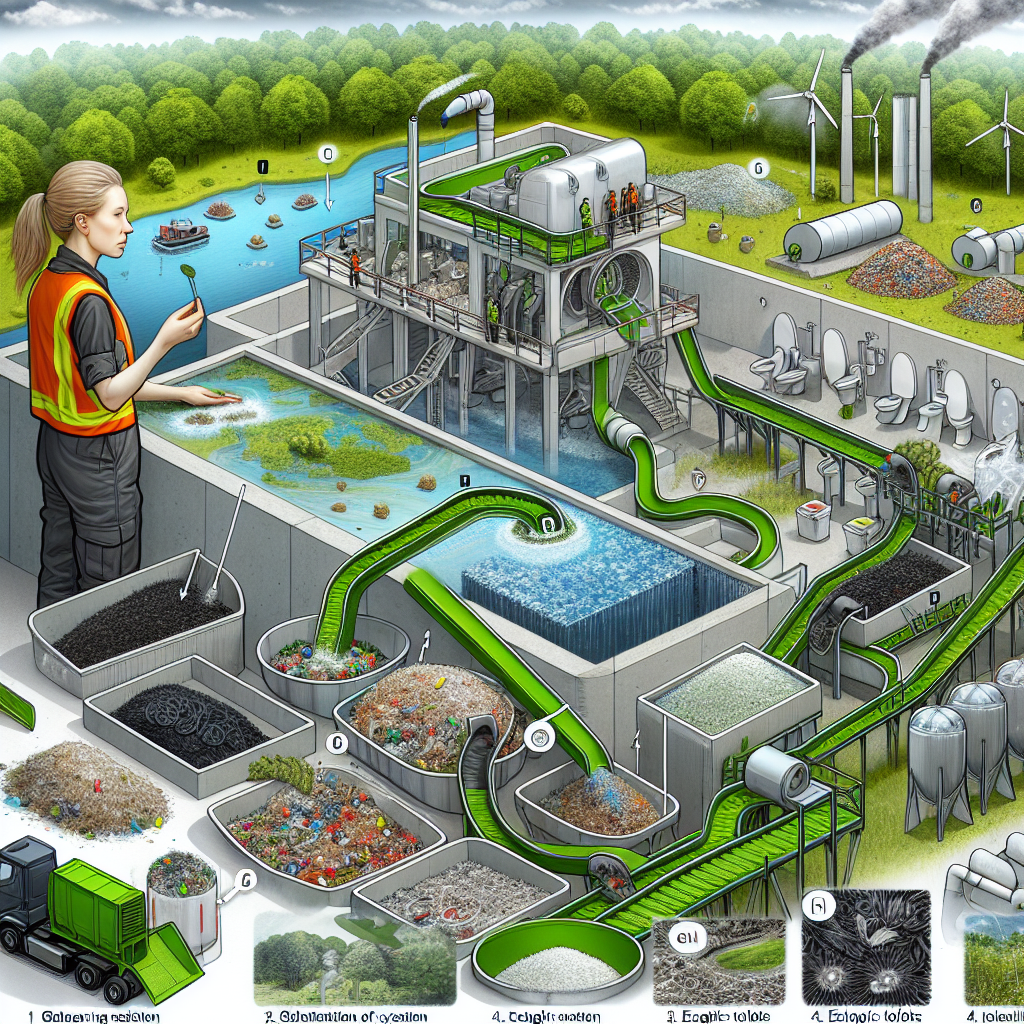
Begin by assessing the existing waste management infrastructure. Identify areas where EcoSan can be integrated without significant alterations and areas that require new construction. Collaborate with engineers and designers to develop EcoSan systems suited to the local context, whether they be urine-diverting dry toilets, composting toilets, or biogas systems.
Ensure that the infrastructure design includes appropriate reuse mechanisms. For example, provisions should be made for the safe collection, storage, and treatment of human excreta. This might involve constructing compost bins or biogas digesters, which facilitate the transformation of waste into valuable resources.
It’s also vital to consider the end-user experience. EcoSan facilities should be user-friendly and maintain high standards of hygiene and safety. Designing systems that are easy to maintain will encourage consistent use and proper management, crucial for the system’s long-term success.
Policy and Regulatory Support
Policy and regulatory frameworks are essential to support the adoption of EcoSan. Governments and relevant authorities play a pivotal role in creating an enabling environment for EcoSan practices to flourish.
Firstly, conduct a thorough review of existing policies and regulations related to sanitation and waste management. Identify areas that may conflict with EcoSan principles and advocate for reforms where necessary. Engage policymakers by presenting evidence-based arguments that highlight the environmental, economic, and public health benefits of EcoSan.
Develop specific policies and guidelines that support EcoSan technology and practices. These might include standards for construction, hygiene, and safety, as well as protocols for the safe reuse of treated waste products. Enacting such policies can help formalize EcoSan practices and ensure they are implemented uniformly and safely.
Funding and incentive mechanisms can also play a crucial role in encouraging EcoSan adoption. Governments could offer subsidies, grants, or tax breaks to communities or individuals who adopt EcoSan technologies. Such incentives can lower financial barriers and hasten the transition to sustainable sanitation practices.
Training and Capacity Building
One of the pillars of successful EcoSan implementation is the provision of training and capacity-building initiatives. To ensure the system’s effectiveness, all stakeholders, from end-users to waste management personnel, must be adequately trained and equipped with the necessary skills.
Develop comprehensive training programs tailored to different audiences. For community members, focus on the practical aspects of using and maintaining EcoSan facilities. This includes instructions on hygiene practices, waste segregation, and the safe handling of treated excreta.
For waste management professionals and technical staff, training should cover the design, construction, and operation of EcoSan systems. Include advanced topics such as troubleshooting and optimizing system performance. Practical demonstrations and hands-on workshops can enhance learning and retention.
Incorporate education and outreach programs to raise awareness about EcoSan’s benefits. Schools, community centers, and public forums can serve as venues for spreading knowledge and fostering a culture of sustainability. Empowering the community with information ensures long-term commitment to EcoSan practices.
Monitoring and Evaluation
The final but equally important step in EcoSan implementation is establishing robust monitoring and evaluation mechanisms. Continuous assessment helps track the system’s performance, identify areas for improvement, and ensure sustainability.
Develop a comprehensive monitoring plan that includes regular inspections and assessments. Key performance indicators (KPIs) should encompass both technical aspects, such as system functionality and hygiene standards, and user-related aspects, such as acceptance and satisfaction.
Collect and analyze data to gain insights into the system’s effectiveness. Feedback from users can highlight practical challenges and areas that need adjustments. Use this information to make informed decisions and implement corrective actions promptly.
Engage third-party auditors or experts to conduct independent evaluations. Their unbiased perspectives can provide valuable feedback and drive improvements. Sharing the findings with stakeholders promotes transparency and accountability, reinforcing trust in the EcoSan initiative.
Conclusion
Integrating EcoSan into existing waste management systems is a multidimensional challenge, but one with substantial rewards. Addressing ecological, economic, and public health concerns holistically, EcoSan offers a potent solution to the pressing issues of sanitation and waste management.
The path to successful EcoSan implementation begins with inclusive stakeholder engagement, ensuring that diverse perspectives and knowledge are harnessed. Designing appropriate infrastructure tailored to local contexts and supported by robust policy frameworks lays the groundwork for sustainable practices. Furthermore, training and capacity-building initiatives empower communities and professionals alike, fostering a culture of sustainability. Continuous monitoring and evaluation ensure that the systems remain effective and adaptive to changing needs.
As the global community grapples with environmental challenges and resource constraints, embracing EcoSan is not just an option but a necessity. By transforming waste into resources, EcoSan aligns with the principles of a circular economy, promoting resource efficiency and environmental conservation.
Ultimately, the success of EcoSan hinges on our collective commitment to sustainable practices and innovative solutions. By integrating EcoSan into existing waste management systems, we pave the way for a cleaner, healthier, and more resilient future. The insights and strategies outlined in this article provide a roadmap for communities and policymakers to embark on this transformative journey.