EcoSan, short for ecological sanitation, has emerged as a vital solution in tackling sanitation challenges worldwide, emphasizing the sustainable management of human waste. While its ecological benefits are clear, implementing EcoSan systems in coastal and island communities presents unique challenges. These communities often face distinct environmental, social, and economic pressures that make traditional sanitation solutions inadequate or impractical. By addressing these issues strategically, EcoSan holds promise not only for ecological preservation but for enhancing the health and well-being of local populations. This article delves into the challenges coastal and island communities face regarding sanitation and explores how EcoSan can be adapted to provide sustainable solutions for these unique environments.
Traditionally, sanitation systems have relied heavily on water, primarily through flush toilets connected to sewage systems or septic tanks. However, in island and coastal regions where freshwater scarcity and vulnerability to flooding or rising sea levels are concerning, these solutions pose significant hurdles. Individuals in these regions already grapple with limited water supplies, often importing freshwater or relying on rainwater harvesting. The need for alternative sanitation solutions that use minimal or no water becomes paramount. EcoSan systems, which separate human excreta at the source and recover nutrients for agricultural use, are increasingly seen as a viable alternative when carefully implemented and adapted to local needs.
As we explore EcoSan’s potential, it is vital to understand the socio-cultural aspects of the communities involved. Many islands and coastal areas have deep-rooted cultural practices and perceptions surrounding sanitation and waste management. Overcoming potential resistance or reluctance to adopt new technologies is key to successful implementation. Additionally, ecological considerations are critical, as improper waste management can directly impact delicate marine ecosystems and biodiversity. EcoSan systems, when designed with these unique challenges in mind, offer a sustainable path forward for sanitation in coastal and island communities.
The Need for EcoSan in Coastal and Island Communities
Coastal and island communities are at the forefront of climate change impacts, exemplifying the need for resilient and adaptive sanitation systems. Rising sea levels, storm surges, and saline intrusion pose grave risks to freshwater resources, which are often sparse. Traditional water-intensive sanitation systems exacerbate these water scarcity issues. EcoSan provides a strategic advantage by minimizing water use and reducing the reliance on scarce freshwater reserves. The nutrient recovery aspect of EcoSan also aligns well with the agricultural needs of these communities, turning waste into a valuable resource while reducing environmental pollution.
Another pressing consideration is the geographical isolation often faced by island communities. Many are located far from mainland waste management infrastructures, leading to significant logistical challenges in developing effective sanitation systems. EcoSan systems can be implemented on a local scale without the need for extensive infrastructure, making them an attractive option for self-reliant waste management solutions. This decentralization allows communities to manage waste autonomously, reducing dependency on external resources and infrastructure.
The ecological integrity of coastal and island environments adds a layer of intricacy to the sanitation issue. These regions often boast fragile ecosystems and rich biodiversity that require careful protection. Traditional wastewater management methods can lead to marine pollution, with untreated sewage effluents causing significant harm to coral reefs, mangroves, and other coastal marine habitats. By capturing and treating waste at the source, EcoSan systems mitigate these ecological risks, aligning with the overarching goal of environmental conservation.
Challenges of Implementing EcoSan in These Communities
Despite the apparent benefits, implementing EcoSan systems in coastal and island communities involves navigating several challenges. One significant barrier is the lack of awareness and understanding of EcoSan principles among local populations. Educational initiatives and community engagement are crucial in introducing these concepts and garnering community buy-in. Stakeholder involvement, including local governments, NGOs, and community leaders, plays a vital role in facilitating understanding and acceptance of EcoSan solutions.
Cultural attitudes towards sanitation are another hurdle. Some communities have entrenched norms and beliefs regarding hygiene and waste, which may conflict with the principles of EcoSan. For instance, the idea of using treated human waste in agriculture may be frowned upon due to cultural taboos or perceptions of impurity. Overcoming these cultural barriers necessitates a respectful and inclusive approach, incorporating traditional knowledge and practices into the design and implementation of EcoSan systems.
Furthermore, environmental factors such as soil type, climate, and available space can influence the design and effectiveness of EcoSan systems. In areas prone to flooding or high groundwater tables, designing a robust system that prevents contamination of water sources is paramount. The systems must also be adapted to the local climatic conditions, ensuring they function efficiently across varying weather patterns.
Successful EcoSan Solutions and Innovations
Several case studies illustrate successful EcoSan implementations in coastal and island communities, showcasing innovative approaches to overcoming the challenges mentioned. One notable example is the deployment of urine-diverting dry toilets (UDDTs) in the Maldives, where water scarcity is a critical issue. These toilets separate urine and feces, allowing for efficient composting and nutrient recovery while requiring minimal water use. The Maldives project highlights the importance of community involvement, with local workshops and training sessions ensuring the population understood and accepted the EcoSan principles.
In the Pacific island of Fiji, composting toilets have been effectively integrated into rural villages, supported by community-led initiatives focusing on education and maintenance. This project has embraced strict health and safety protocols, addressing concerns regarding odor, contamination, and disease transmission. The community ownership model encourages long-term sustainability, empowering locals to manage and maintain their systems independently.
Another innovative approach is the implementation of constructed wetlands for wastewater treatment in coastal areas like Zanzibar. Constructed wetlands are engineered ecosystems that mimic natural processes to treat wastewater, suitable for arid environments with high evaporation rates. These systems offer a cost-effective and environmentally friendly solution, providing secondary benefits such as habitat creation and biodiversity conservation.
Strategies for Enhancing EcoSan’s Success
Maximizing the success of EcoSan systems in coastal and island communities requires a multifaceted approach. Tailoring EcoSan solutions to the specific characteristics of each community, considering factors such as geography, culture, and economic status, is essential. This customization can include choosing appropriate technologies, determining optimal locations for installations, and considering the socioeconomic context to ensure affordability.
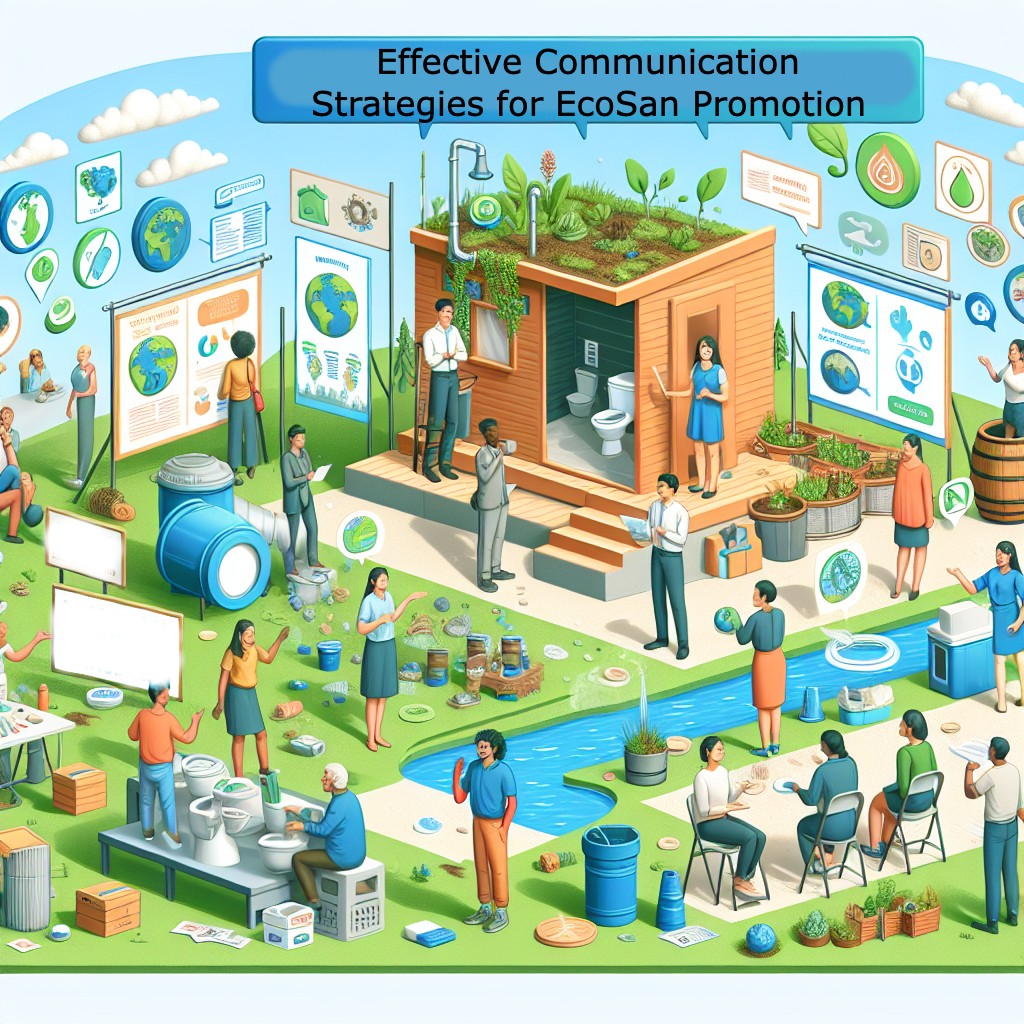
Investing in robust community engagement and education programs will foster a deeper understanding and appreciation for EcoSan systems. These programs should emphasize the environmental and health benefits of EcoSan, using relatable communication strategies that resonate with the local culture. Partnering with traditional leaders and influencers can also expedite acceptance by bridging the gap between new practices and customary norms.
Ensuring the financial sustainability of EcoSan projects is another critical strategy. Collaborations with government agencies, NGOs, and international organizations can provide the necessary funding and technical support. Implementing microfinancing options or subsidizing initial costs can help lower financial barriers for households adopting EcoSan systems.
Monitoring, Evaluation, and Continuous Adaptation
Monitoring and evaluation (M&E) systems are pivotal for identifying the strengths and weaknesses of EcoSan implementations, allowing for adaptive management and continuous improvement. Regular M&E activities, such as surveys and community feedback, can gauge user satisfaction and uncover potential issues or areas for enhancement. These activities provide crucial data to refine EcoSan designs, ensuring their relevance across diverse community settings.
Continuous adaptation involves staying informed about advancements in EcoSan technology and integrating new innovations into existing systems. Leveraging the collective knowledge from global EcoSan projects can inspire novel solutions tailored to coastal and island communities. Encouraging a culture of experimentation and openness to change also fosters resilience, allowing communities to tackle future challenges more effectively.
Conclusion
In conclusion, EcoSan offers promising solutions for meeting the sanitation needs of coastal and island communities, playing a pivotal role in advancing sustainability and ecological preservation. By addressing unique challenges such as water scarcity, geographical isolation, cultural perceptions, and environmental vulnerabilities, EcoSan systems can be customized to serve these diverse regions effectively. Successful implementation requires a holistic approach, emphasizing strong community engagement, education, adaptive design, and financial sustainability. As communities become more adept at managing EcoSan systems, they benefit from improved public health, enhanced agricultural productivity, and ecological conservation, contributing to the community’s resilience and long-term well-being.
The ongoing success of EcoSan in these areas hinges on continual learning, adaptation, and robust partnerships that bring together global expertise and local wisdom. It is crucial to recognize that while challenges exist, the potential returns – healthier populations, cleaner environments, and more resilient communities – justify the effort. By embracing EcoSan within coastal and island contexts, we pave the way for innovative, sustainable sanitation solutions that address the pressing issues these communities face. Thus, EcoSan stands as a testament to the power of ecological innovation, promising a cleaner, more sustainable future that honors both human needs and environmental integrity.
Frequently Asked Questions
1. What makes implementing EcoSan systems in coastal and island communities particularly challenging?
EcoSan systems, while inherently beneficial for sustainable waste management, encounter unique hurdles in coastal and island settings. These regions often battle unpredictable weather patterns, including storms and cyclones, which can severely disrupt infrastructure and lead to water contamination. The geographic isolation of islands also compounds the difficulty in sourcing materials and qualified labor needed for installing and maintaining EcoSan systems.
Additionally, these communities usually rely heavily on marine ecosystems for their livelihoods and must be extra cautious to prevent any waste spillage that could harm fragile aquatic environments. This necessitates customization of EcoSan technologies to recreate designs that can withstand these natural challenges and environmental sensitivities. Ecosystems like mangroves and reefs, vital for coastal protection and biodiversity, are particularly vulnerable if mainstream sanitation systems fail and leak nutrients or pathogens into surrounding waters.
Socially, there’s often limited awareness or acceptance of EcoSan concepts among residents, making public education and engagement strategies critically important. Economically, many coastal areas face tight budgets making the upfront cost of implementing EcoSan systems a significant barrier. Diverse solutions require tailored approaches, and community involvement is vital to ensure successful adaptation and longevity.
2. How does EcoSan benefit coastal and island communities specifically?
In coastal and island communities, EcoSan provides an array of significant benefits tailored to their unique environmental and socio-economic circumstances. Primarily, EcoSan minimizes nutrient loading in marine environments. Traditional sanitation can result in nutrient run-off, damaging sensitive marine ecosystems through phenomena like algal blooms. EcoSan, conversely, safely recycles nutrients as fertilizers, reducing environmental harm and enhancing agricultural productivity on islands where soil fertility is often low.
Economically, EcoSan systems can reduce long-term costs associated with wastewater treatment and environmental rehabilitation, essential for communities dependent on tourism and fishing. By converting waste into resources, they offer a sustainable economic model that aligns with the slow-paced island economies often marked by limited access to external markets.
Furthermore, EcoSan bolsters climate resilience by providing sanitation solutions that withstand extreme weather common to coastal regions. The ability to manage waste independently from fragile centralized systems offers a reliable safety net both in normal times and during climate emergencies.
3. What are some innovative EcoSan technologies being adapted for these communities?
EcoSan technologies have evolved to accommodate the challenges faced by coastal communities, with several innovations leading the way. One such is the urine-diverting dry toilet (UDDT), which efficiently separates liquid and solid waste. By doing so, it reduces the risk of contaminating water sources, crucial in areas prone to flooding and high groundwater levels.
Composting toilets are also gaining popularity, designed specifically to handle environmental stressors like high humidity and variable temperatures. They convert waste into compost, reducing the need for chemical fertilizers, and have found success in communities where agriculture is a primary livelihood.
For wider community use, decentralized wastewater treatment systems (DEWATS) have been developed. These systems treat waste close to its source, mitigating the need for extensive sewage infrastructure susceptible to damage in storm-prone areas. By adopting nature-based systems such as constructed wetlands, EcoSan methods naturally filter pollutants while creating new ecological habitats.
4. How can EcoSan systems support community involvement and local governance?
The successful implementation of EcoSan in coastal and island communities greatly depends on community involvement. Local governance becomes an integral part of this process, driving acceptance and ensuring the system meets community needs. This begins with comprehensive stakeholder engagement during the planning phase. Engaging community members, local leaders, and relevant stakeholders ensures the design and operation of EcoSan systems are culturally appropriate and meets local needs.
Educational programs also play a crucial role. They raise awareness about the benefits and functioning of EcoSan systems, building community support. Trainings and workshops empower locals with skills to maintain and manage these systems, fostering ownership and creating local employment opportunities, crucial for the economic resilience of island communities.
Moreover, EcoSan infrastructures can be strategically positioned to integrate with existing local governance structures, allowing communities to take part in decision-making processes and benefit from developing regulations and policies that support sustainable sanitation. In this way, EcoSan strengthens the social fabric of communities, reinforcing trust and cooperation.
5. What potential economic impacts do EcoSan systems have on coastal and island communities?
EcoSan systems offer notable economic advantages to coastal and island communities, making them appealing over conventional sanitation solutions. Firstly, EcoSan effectively reduces the environmental remediation costs often incurred from traditional systems, such as treating polluted waterways or restoring damaged biodiversity. As these communities commonly rely on an economy based around ecotourism and fishing, maintaining pristine natural environments is not just desirable but necessary for economic survival.
The reuse component of EcoSan, where human waste is transformed into fertilizers, presents a dual benefit of cutting costs associated with buying commercial fertilizers while boosting local agriculture—a growing economic opportunity. It also mitigates the economic impact of waste management by producing revenue through the sale of surplus compost or treated wastewater for irrigation, promoting circular economies within isolated communities.
Furthermore, by building and improving EcoSan infrastructures, these regions stimulate job creation and skill development within the community, strengthening local economies and providing employment opportunities that could be scarce otherwise. Ultimately, the sustainable approach of EcoSan harmonizes economic requirements with environmental stewardship, allowing for sustained growth and prosperity.