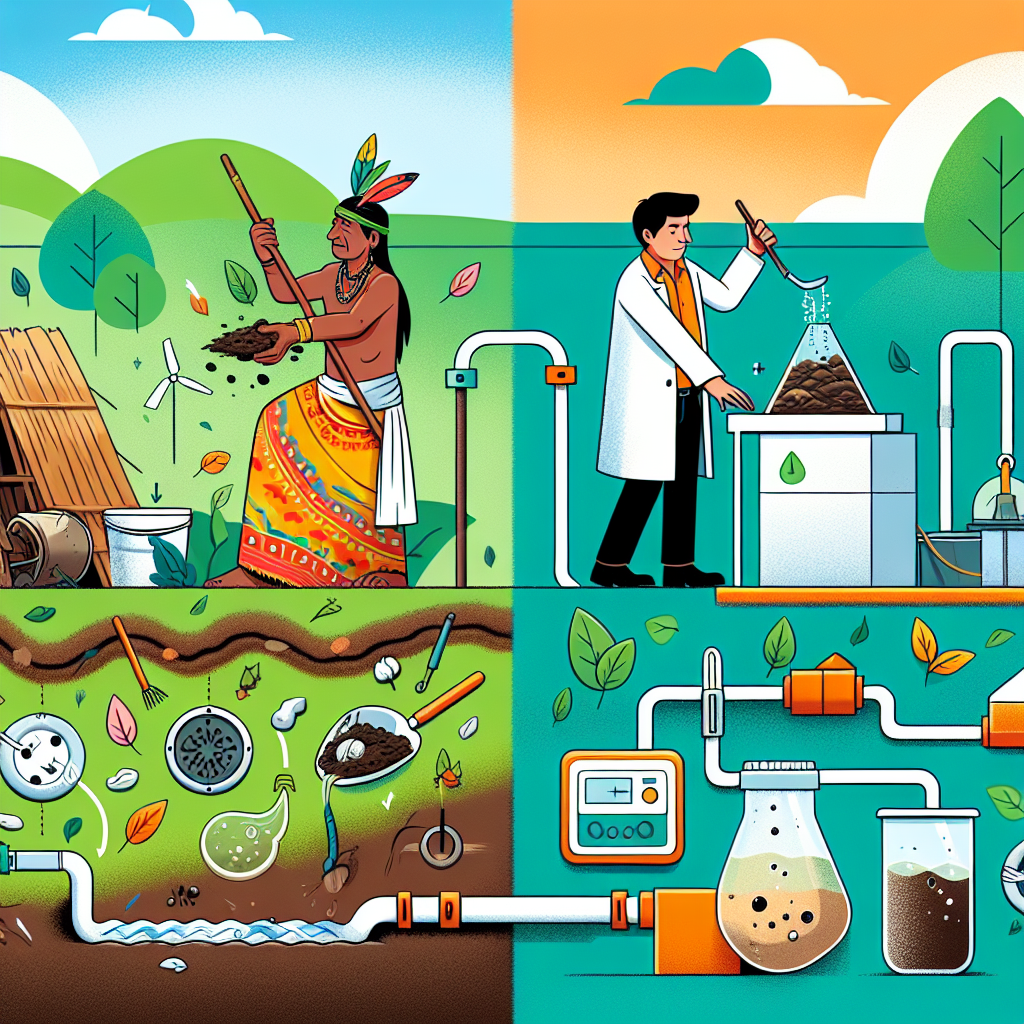
Ecological Sanitation (EcoSan) is a sustainable approach towards sanitation that not only focuses on hygienic human waste disposal but also emphasizes recycling nutrients back into the environment. The significance of this practice can hardly be overstated, particularly in promoting agricultural productivity and environmental health. Yet, like any project, the success of EcoSan initiatives hinges significantly on meticulous monitoring and evaluation. These processes ensure that the implemented strategies are effective and sustainable over the long term. This article will delve into the intricacies of monitoring and evaluation techniques specifically tailored for EcoSan projects, shedding light on the metrics that need to be tracked and the methods employed to gather meaningful data.
Setting Clear Objectives
One of the fundamental prerequisites for efficient monitoring and evaluation is the establishment of clear, achievable objectives. These objectives should be laid out during the planning phase and should encapsulate both quantitative and qualitative goals. Objectives might range from reducing water usage in sanitation to increasing the volume of compost generated. The clarity in objectives aids in formulating specific indicators that can be monitored over time. In EcoSan projects, objectives can also focus on community acceptance and behavioral changes, ensuring that the technologies are not just implemented but are also embraced by the local population.
Identifying Key Performance Indicators (KPIs)
Once objectives are clearly set, the next step involves identifying Key Performance Indicators (KPIs) that are aligned with these goals. KPIs serve as measurable values that indicate how effectively a project is achieving its objectives. For EcoSan projects, KPIs could involve metrics such as the reduction in water consumption, increase in soil fertility attributable to the use of compost, frequency of latrine usage, and rate of nutrient recovery. It’s essential to choose indicators that are not only relevant but also practical to measure. Mixing quantitative data such as usage rates and qualitative data like user satisfaction surveys provides a comprehensive evaluation framework.
Data Collection Methods
Monitoring and evaluating EcoSan projects demand robust data collection methods. Depending on the KPIs selected, various approaches can be employed. For instance, direct observation and structured interviews with the community can yield qualitative insights regarding the acceptance and usability of EcoSan facilities. On the quantitative side, automated sensors and manual readings can help track water usage and the quantity of compost generated. Conducting regular community feedback sessions combined with structured questionnaires can also offer a balanced view of both the operational efficiency and user satisfaction. The key lies in deploying a mixed-method approach that encapsulates all aspects of project performance.
Utilizing Technology for Efficient Monitoring
In the era of digitalization, leveraging technology for monitoring EcoSan projects can bring about remarkable improvements in data accuracy and efficiency. Tools such as mobile apps for data entry, remote sensing for agricultural impact assessment, and Geographic Information Systems (GIS) for spatial analysis can be highly beneficial. These technologies enable real-time data collection and analysis, ensuring that project administrators can promptly address any emerging issues. Additionally, technology can facilitate better engagement with the community by providing platforms for feedback and suggestions, thereby creating a more inclusive approach to project monitoring.
Analyzing and Interpreting Data
After data is collected, the next crucial step is its analysis and interpretation. This phase involves scrutinizing the data against the established KPIs to assess the project’s performance. Statistical tools and software can be employed to analyze quantitative data, while thematic analysis can help in understanding qualitative feedback. Identifying trends, patterns, and anomalies within the data allows project managers to make informed decisions regarding project adjustments and improvements. It is equally important to communicate these findings transparently with all stakeholders, ensuring that they are informed and engaged in the decision-making process.
Feedback Loop and Continuous Improvement
Finally, monitoring and evaluation should be viewed as iterative processes that feed into continuous improvement. The insights gained from one cycle of evaluation should inform the next phase of project implementation. This feedback loop ensures that EcoSan projects are not static but evolve based on empirical evidence and community needs. Regular training sessions and workshops for stakeholders can also foster a culture of learning and adaptability. By emphasizing continuous improvement, EcoSan initiatives can achieve greater sustainability and long-term success.
Conclusion
Effective monitoring and evaluation are critical components of successful EcoSan projects. By meticulously setting clear objectives, identifying appropriate KPIs, employing robust data collection methods, utilizing cutting-edge technology, analyzing data comprehensively, and fostering a feedback loop for continuous improvement, EcoSan projects can achieve their envisioned outcomes and contribute positively to both community welfare and environmental sustainability. As we continue to innovate and refine our approaches to ecological sanitation, diligent monitoring and evaluation will remain pivotal in guiding these endeavors toward long-term success and sustainability.