The concept of Ecological Sanitation (EcoSan) is gaining momentum as an innovative and sustainable approach to managing sanitation. Traditional sanitation methods often overlook the environmental impact and resource recovery potential, leaving much to be desired in terms of sustainability. In contrast, EcoSan views human waste as a resource rather than a problem and focuses on techniques that safely return nutrients to the soil, closing the nutrient loop. Schools, as microcosms of society, present an excellent opportunity for implementing EcoSan systems. By integrating these systems, schools can promote environmental consciousness, transform waste management, and educate the next generation on sustainable practices.
Globally, the need for sustainable sanitary solutions is urgent, especially in regions where water scarcity is a significant challenge. Conventional flush toilets, which require copious amounts of water, are not viable in these settings. EcoSan systems, however, can thrive in such environments, offering a practical solution. Moreover, EcoSan can help reduce the outbreak of diseases associated with poor sanitation, improve agricultural productivity through organic fertilizers, and promote water conservation by minimizing usage.
Laying the Groundwork for EcoSan Implementation
Before initiating an EcoSan project, schools must undertake comprehensive planning and assessment. This stage is crucial to ensure the success of the project and involves several steps:
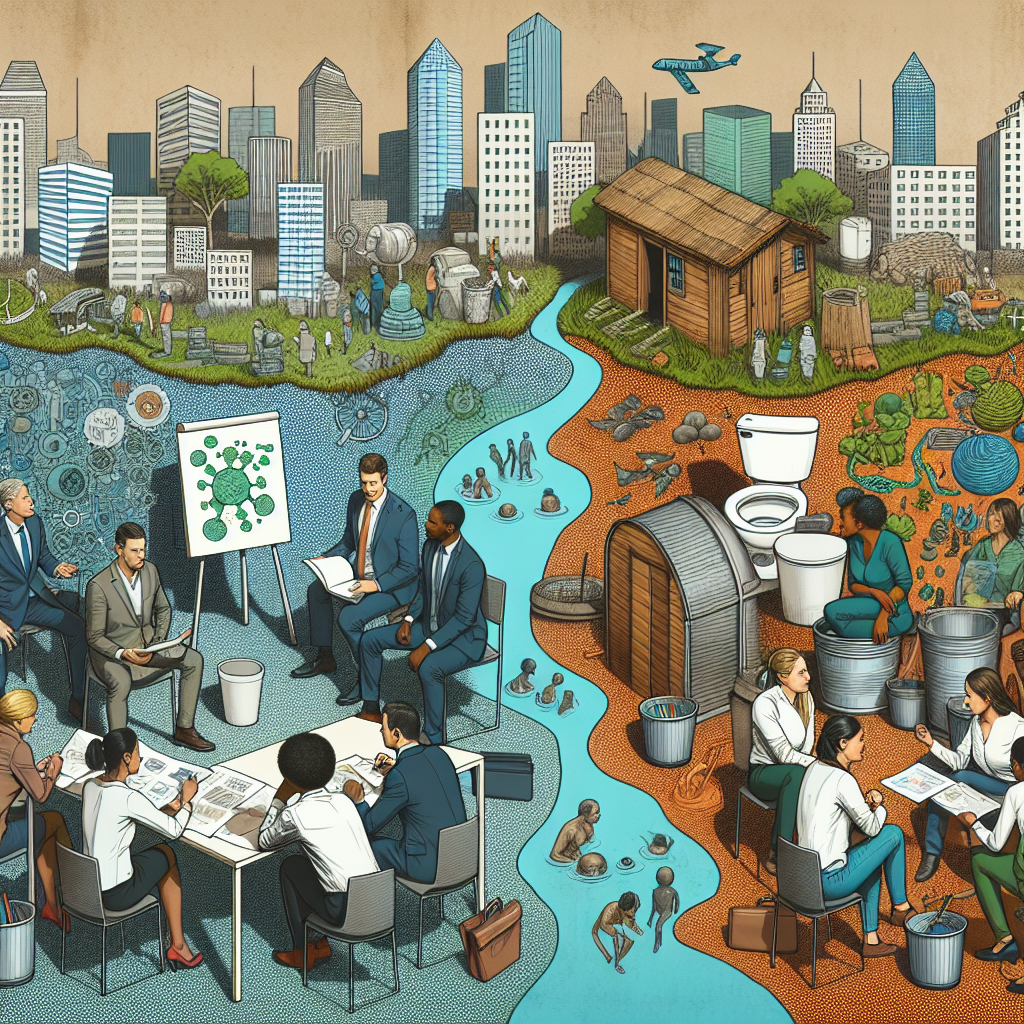
- Needs Assessment: Conduct a thorough analysis to understand the current sanitation challenges within the school. Engage with all stakeholders, including students, staff, parents, and local authorities to gather insights and build a holistic understanding of the issues at hand.
- Feasibility Study: Evaluate the feasibility of introducing EcoSan systems by considering factors such as geographical location, climate, soil type, existing infrastructure, and available resources. This study should also assess financial requirements and potential funding sources.
- Stakeholder Engagement: Effective stakeholder engagement is essential for the project’s success. Conduct workshops, presentations, and discussions to educate stakeholders about the benefits of EcoSan systems and address any concerns they may have.
Once the groundwork is laid, the school can proceed with designing a system tailored to its unique needs. This design phase should include input from environmental engineers, sanitation experts, and the local community to ensure that the system is both effective and culturally appropriate.
Designing an Effective EcoSan System
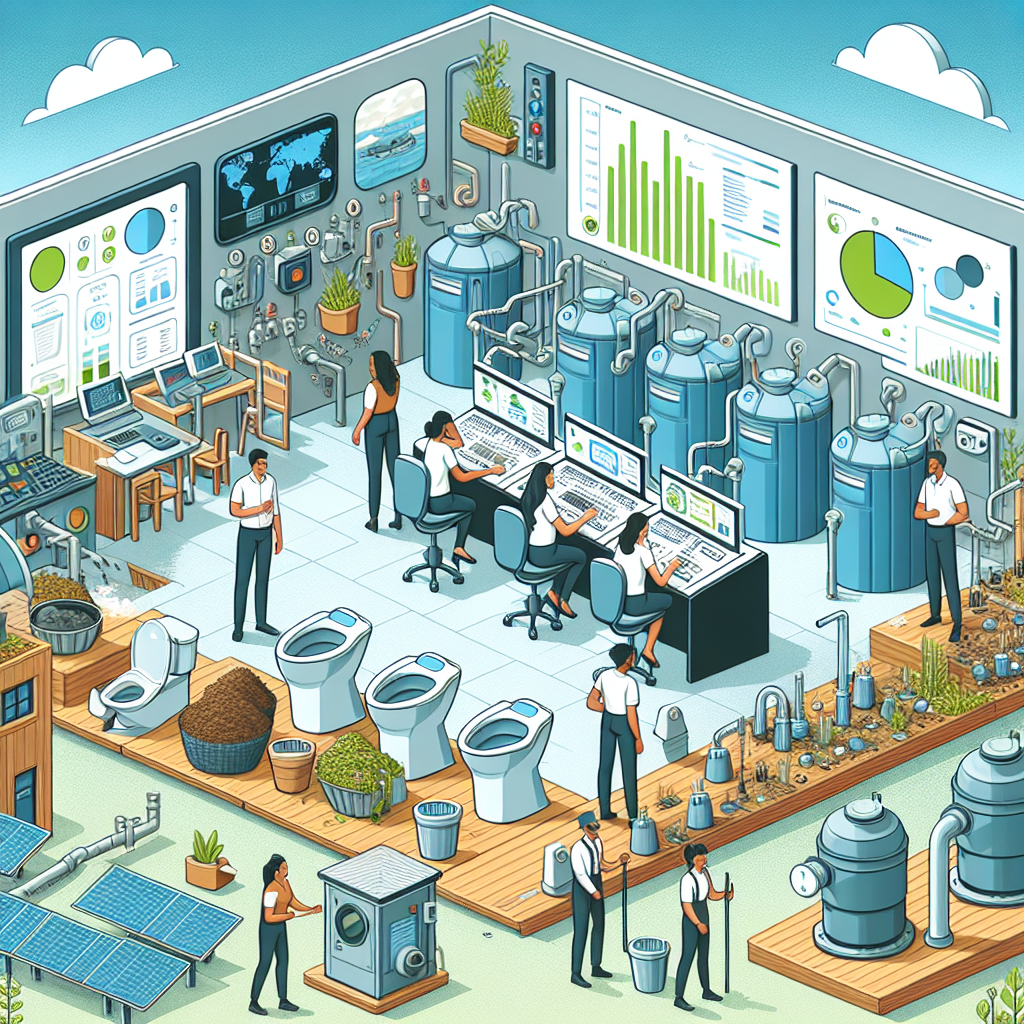
Designing an EcoSan system involves selecting the right type of technology and ensuring it fits the school’s specific requirements. Various EcoSan technologies are available, including composting toilets, urine-diverting dry toilets (UDDTs), and biogas systems. Each of these technologies has its advantages and limitations.
- Composting Toilets: These toilets decompose human waste into compost, which can be used as a soil amendment. They are suitable for areas with limited water supply and offer the added benefit of producing valuable organic matter.
- Urine-Diverting Dry Toilets (UDDTs): UDDTs separate urine from feces, allowing each waste stream to be treated differently. Urine, rich in nutrients, can be diluted and used as fertilizer, while feces can be composted. UDDTs are ideal for water-scarce regions.
- Biogas Systems: These systems convert organic waste into biogas, a renewable energy source, through anaerobic digestion. Biogas systems require more maintenance but offer the added benefit of energy production.
Selecting the appropriate technology requires an understanding of the local context and needs. Schools should involve environmental consultants and sanitation experts in the decision-making process to ensure the chosen technology is viable and sustainable.
Implementation and Operation
The implementation phase involves constructing the EcoSan system and educating the school community on its use and benefits. Key steps include:
- Construction: Collaborate with experienced contractors to ensure the system is built to specification. This phase should include regular monitoring to address any construction issues promptly.
- Community Training: Comprehensive training sessions are essential to ensure the school community understands how to use and maintain the EcoSan system. This training should cover the principles of EcoSan, daily operation, and troubleshooting common issues.
- Maintenance Plan: Develop a clear maintenance plan outlining the responsibilities of different stakeholders, routine checks, and procedures for dealing with any issues that may arise.
Successfully operating an EcoSan system depends on the willingness and ability of the community to participate. Continuous engagement and education can help maintain a high level of adherence to best practices.
Benefits of EcoSan for Schools
Implementing EcoSan in schools offers numerous benefits, ranging from environmental conservation to educational opportunities:
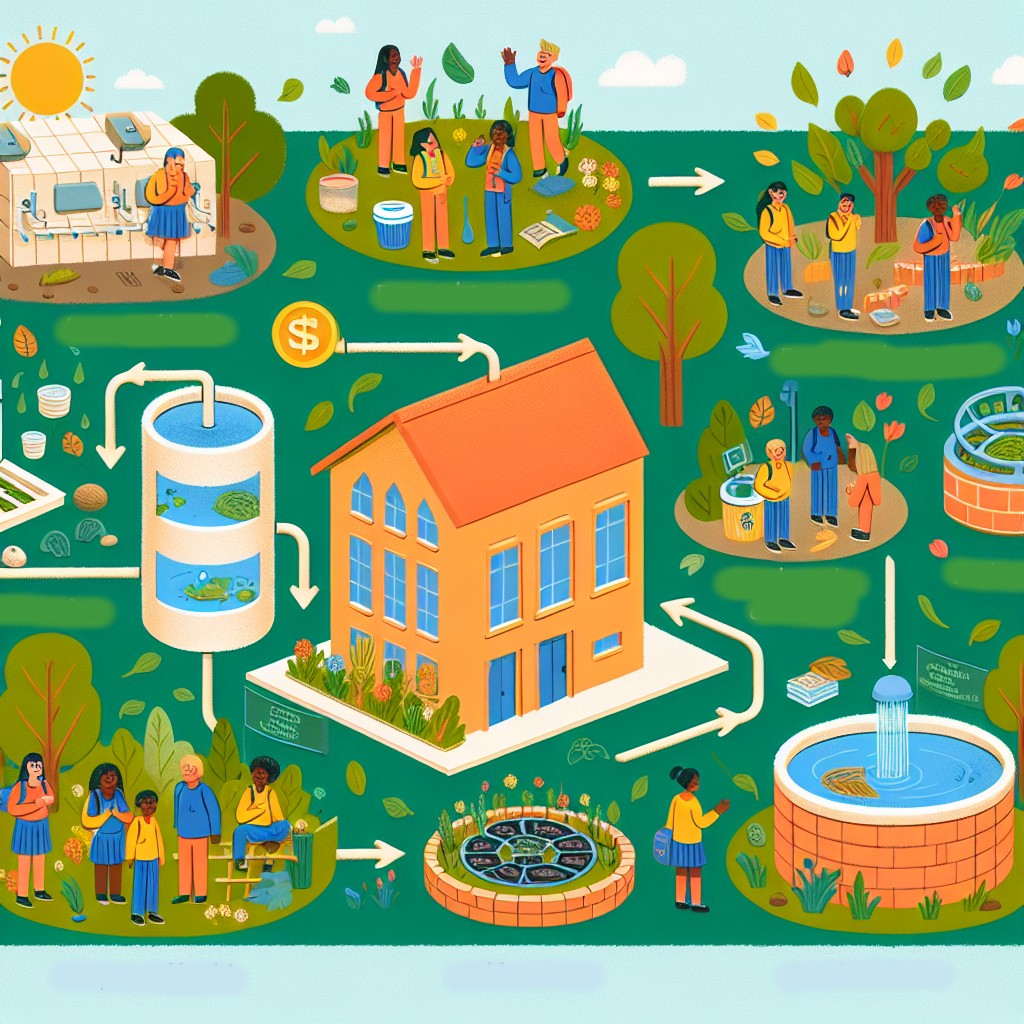
- Environmental Benefits: EcoSan systems conserve water, reduce soil and water pollution, and promote nutrient recycling. By reducing reliance on traditional flush toilets, schools can significantly lower their water consumption and environmental footprint.
- Agricultural Benefits: The compost and treated urine produced by EcoSan systems serve as excellent fertilizers, improving soil health and agricultural productivity. Schools can use these resources in their gardens, promoting local food production and sustainability.
- Health Benefits: Improved sanitation reduces the risk of waterborne diseases, leading to better health outcomes for students and staff. A healthier school environment fosters better attendance and academic performance.
Moreover, EcoSan systems offer unique educational opportunities. They serve as practical examples of sustainability, allowing students to learn firsthand about environmental conservation, resource management, and the importance of sustainable practices. Integrating EcoSan into the curriculum can also inspire students to become advocates for environmental sustainability in their communities.
Challenges and Mitigation Strategies
While the benefits of EcoSan are clear, schools may face several challenges during implementation. Recognizing these challenges and developing strategies to address them is crucial for long-term success:
- Initial Costs: The upfront cost of establishing an EcoSan system can be high. Schools can explore funding options such as grants, community fundraising, or partnerships with NGOs and governmental organizations.
- Cultural Acceptance: Resistance to using EcoSan systems due to cultural or social norms can be a significant hurdle. Ongoing education and awareness campaigns can help shift perceptions and encourage acceptance.
- Maintenance Challenges: Ensuring the system is maintained properly is critical. Establishing a clear maintenance plan and assigning dedicated personnel for regular upkeep can help mitigate maintenance issues.
Another major challenge is the potential odor associated with EcoSan systems. Proper design and regular maintenance can minimize this issue. Schools should also invest in odor control technologies and ensure the system is adequately ventilated.
Case Studies and Success Stories
Several schools around the world have successfully implemented EcoSan systems, providing valuable lessons and insights. For instance:
- School A in Kenya: This school implemented UDDTs to address water scarcity and sanitation issues. The project resulted in significant water savings, improved student health, and the production of valuable fertilizers used in the school garden.
- School B in India: By integrating composting toilets, this school not only improved sanitation but also engaged students in composting activities. The compost produced boosted the school’s agricultural program, leading to better crop yields.
- School C in Sweden: As part of a green initiative, this school installed biogas systems. The biogas produced from organic waste powers the school’s kitchen, reducing energy costs and promoting sustainability.
These case studies demonstrate the versatility and effectiveness of EcoSan systems in varying contexts. They highlight the importance of community involvement, proper planning, and continuous education in ensuring the success of EcoSan projects.
Conclusion
Ecological Sanitation presents a promising solution to the pressing sanitation challenges faced by schools worldwide. By turning waste into a valuable resource, EcoSan systems promote sustainability, enhance health outcomes, and provide rich educational experiences for students. Implementing EcoSan in schools requires meticulous planning, stakeholder engagement, and a commitment to continuous education and maintenance. While challenges such as initial costs and cultural acceptance may arise, the long-term benefits far outweigh these hurdles. Schools that invest in EcoSan systems not only improve their sanitation infrastructure but also set a powerful example of environmental stewardship for future generations. As more schools embrace this innovative approach, EcoSan can play a pivotal role in fostering a more sustainable and healthy world.