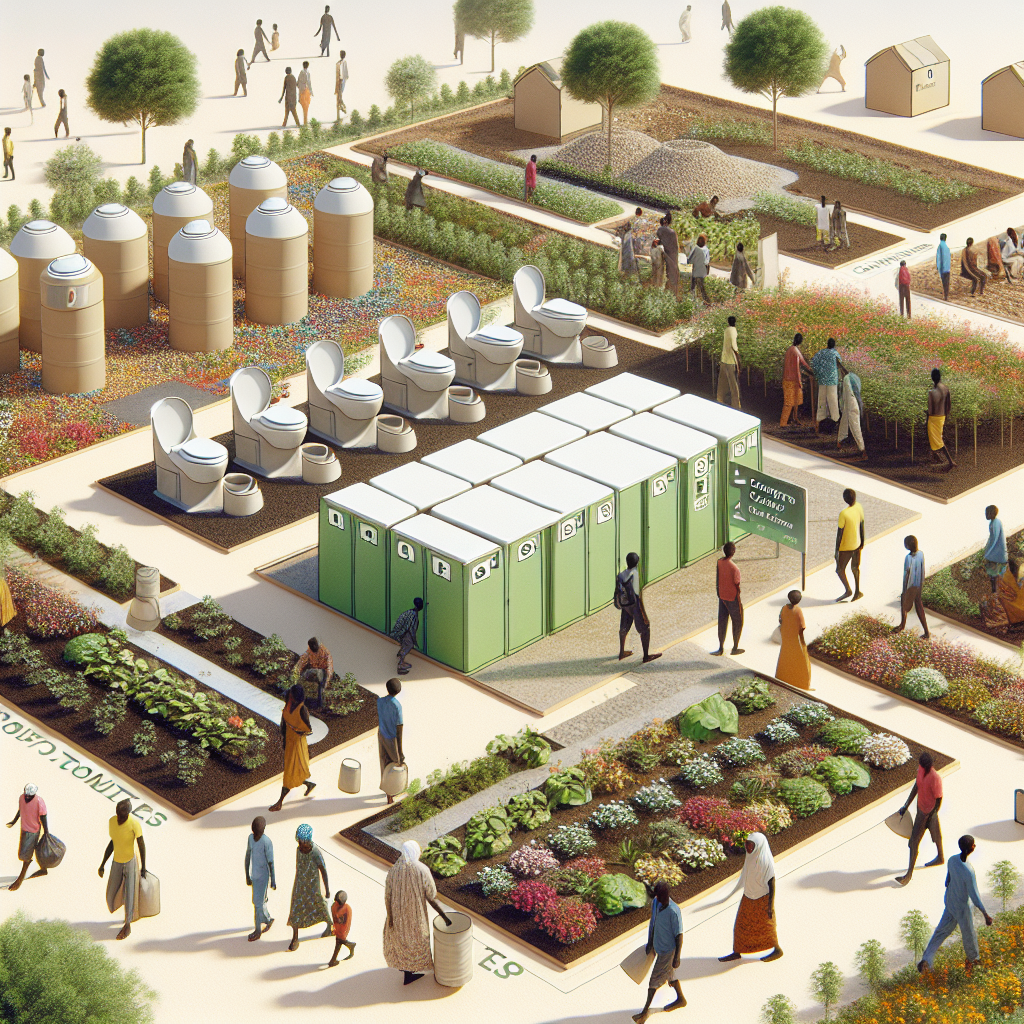
Welcome to our in-depth guide on advancing EcoSan (Ecological Sanitation) in urban environments. Whether you’re a city planner, business owner, or environmental advocate, this article is designed to equip you with the necessary knowledge and strategies for successful EcoSan implementation. Ecological Sanitation is an innovative approach to managing human waste sustainably and efficiently. By integrating these solutions into our crowded cities, we can achieve significant environmental, economic, and social benefits.
Introduction
Urban areas around the world are grappling with growing populations, which in turn places enormous stress on existing sanitation systems. Traditional wastewater treatment plants often struggle to keep pace, resulting in environmental pollution and public health risks. Here is where EcoSan steps in as a viable, sustainable alternative.
Ecological Sanitation, or EcoSan, is not just an environmentally-friendly technology. Instead, it serves as a comprehensive system designed to treat human waste in ways that conserve resources and protect ecosystems. With increasingly stringent regulations and a growing public demand for environmentally responsible practices, the time is ripe for cities to consider EcoSan solutions.
This article delves into the multifaceted benefits of EcoSan, offers detailed implementation strategies, and outlines how decision-makers can build a strong business case for such an initiative. Our goal is to transform understanding into action, helping you drive sustainable urban development.
The Multifaceted Benefits of EcoSan
Before delving into strategies, it is essential to understand why EcoSan is beneficial. These benefits cover environmental sustainability, economic viability, and social well-being.
Environmental Benefits
EcoSan systems can substantially reduce water pollution by minimizing human waste discharge into natural water bodies. They help recycle nutrients found in human waste, converting them into fertilizers instead of contaminants. This recycling reduces the need for chemical fertilizers, thus lowering the risk of soil degradation and aquatic toxicity.
Economic Benefits
Although the initial setup for EcoSan systems may require investment, long-term savings and economic gains often outweigh these costs. Reduced dependency on traditional wastewater management systems can lead to lower operational costs and savings on freshwater usage. Additionally, EcoSan-generated fertilizers can serve as revenue streams, turning waste into a valuable resource.
Social Benefits
EcoSan contributes to improved public health by minimizing human exposure to untreated waste. It creates opportunities for community engagement and education on sustainable practices. Moreover, cleaner neighborhoods and reduced water pollution contribute to higher quality of life for urban populations.
Key Implementation Strategies
To ensure the successful deployment of EcoSan systems in urban settings, a well-rounded approach is essential. This section outlines crucial strategies for effective implementation.
Stakeholder Engagement
Engaging multiple stakeholders is vital for the success of EcoSan initiatives. Politicians, city planners, local businesses, and residents should all be involved from the outset. This broad engagement can foster a sense of ownership and commitment, ensuring smoother implementation and higher adoption rates.
Regulatory Compliance
Any EcoSan project must conform to local, regional, and national regulations. It’s essential to work closely with regulatory bodies to ensure that the systems meet health, safety, and environmental standards. Proactively addressing regulatory compliance can help avoid legal issues and build community trust.
Technological Adaptation
Due to the unique challenges presented by urban environments, it is crucial to adapt EcoSan technologies to suit specific contexts. Customizing solutions based on geographic, demographic, and infrastructural characteristics can enhance the efficacy and acceptance of EcoSan systems. Pilot projects can be a valuable tool for testing and refining these technologies.
Financial Models and Investment Opportunities
Understanding potential funding sources and financial models is key to building a strong business case for EcoSan.
Public-Private Partnerships (PPP)
Public-Private Partnerships can be a robust mechanism for financing EcoSan projects. Governments can collaborate with private enterprises to share the risks and rewards. PPPs can help achieve scale, ensure efficient resource use, and promote innovation.
International Funding Agencies
Numerous international organizations and NGOs offer grants and funding for sustainable sanitation projects. Engaging with these groups can provide valuable financial support. Organizations like the World Bank, United Nations, and various development banks have specific programs dedicated to promoting ecological and sustainable urban development.
Revenue Streams
It’s also crucial to identify and develop revenue streams that can help offset costs. These might include the sale of EcoSan-generated fertilizers, leasing EcoSan units, or offering maintenance services. Environmental impact bonds and carbon credits are other potential revenue streams worth exploring.
Public Awareness and Education
Raising public awareness and providing education about EcoSan is essential for successful implementation and community acceptance.
Education Campaigns
Comprehensive education campaigns highlighting the benefits of EcoSan can help demystify the technology. These campaigns can leverage multiple media channels, including social media, online forums, public workshops, and school programs, to reach a broad audience.
Community Involvement
Active community involvement initiatives can foster a sense of ownership and responsibility among residents. Involving community leaders and influencers can help build trust and encourage wider acceptance of EcoSan systems.
Training Programs
Training programs aimed at local technicians and operators can ensure that systems are maintained properly and sustainably. These programs should cover the technical aspects of EcoSan systems, their maintenance schedules, and troubleshooting common issues.
Case Studies and Real-World Examples
Examining successful implementations of EcoSan can offer valuable insights and lessons.
Case Study: Stockholm, Sweden
Stockholm is a pioneer in EcoSan technology, implementing urine-diverting toilets in several communities. These systems have significantly reduced nutrient runoff into local watercourses, improving water quality and reducing the need for chemical fertilizers.
Case Study: Durban, South Africa
Durban’s large-scale implementation of EcoSan has been instrumental in providing safe sanitation options in informal settlements. Through public-private partnerships and substantial community involvement, Durban has successfully demonstrated the economic viability and public health benefits of EcoSan.
Lessons Learned
Successful case studies highlight the importance of community involvement, customized technological solutions, and strong public-private partnerships. Learning from these examples can aid in tailoring EcoSan strategies to suit specific urban contexts.
Overcoming Challenges and Barriers
While EcoSan offers myriad benefits, its implementation is not without challenges. Addressing these head-on can pave the way for smoother adoption.
Technical Barriers
Urban infrastructures are often not designed to accommodate EcoSan systems. Retrofitting existing facilities and integrating new technologies can present technical challenges. However, designing adaptable and modular systems can help overcome these technical barriers.
Financial Constraints
Initial setup costs can be a significant deterrent. Leveraging innovative financial models such as PPPs, environmental impact bonds, and grants from international funding agencies can help mitigate these financial challenges.
Social Acceptance
Changing public perception and overcoming resistance to new sanitation systems can be difficult. Comprehensive education campaigns, effective stakeholder engagement, and successful pilot projects can help build trust and gain public acceptance.
Conclusion
Ecological Sanitation offers a futuristic, sustainable alternative to traditional wastewater management systems, presenting immense benefits for urban living environments. From reducing environmental pollution and generating economic benefits to improving public health, EcoSan systems offer a multipronged solution to many of the challenges faced by urban areas today.
Building a business case for EcoSan involves understanding these multifaceted benefits, engaging stakeholders, complying with regulations, adapting technologies, securing financial support, and fostering public acceptance. By leveraging successful case studies and addressing potential barriers head-on, cities can make significant strides towards a more sustainable future.
Beyond the business case, the moral imperative to provide clean, safe, and sustainable sanitation cannot be overstated. EcoSan systems represent a critical step towards achieving not only environmental sustainability but also social equity and public health. As urban areas continue to grow, the integration of innovative EcoSan solutions will be vital in ensuring a sustainable, resilient future for all.