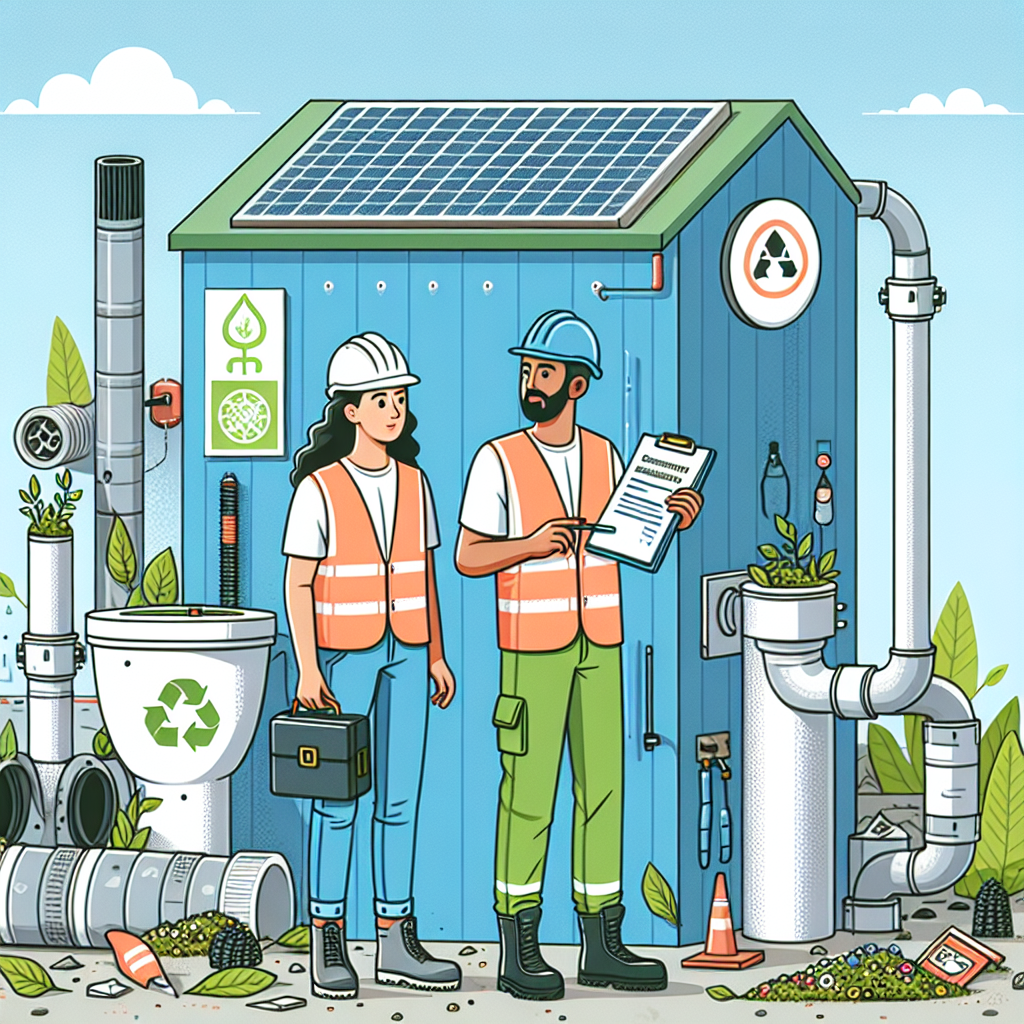
In recent years, EcoSan (Ecological Sanitation) projects have gained significant attention as a sustainable alternative to conventional sanitation systems. These projects aim to reduce environmental impact, promote health benefits, and improve socio-economic conditions by recycling nutrients and wastewater. However, EcoSan projects have not been without their challenges and failures. By analyzing these failures, we can garner valuable insights to refine future efforts. Understanding what went wrong is critical to enhancing the design, implementation, and management of EcoSan projects, making them more effective and sustainable. This article delves into the common pitfalls encountered in past EcoSan projects and offers lessons that can be implemented to improve future endeavors. This includes examining technical failures, socio-cultural barriers, financial pitfalls, and issues related to project management. Through this comprehensive analysis, we seek to contribute positively to the field and ensure EcoSan projects meet their full potential.
Technical Challenges in EcoSan Projects
One of the fundamental pillars of EcoSan projects is technical innovation. However, technological issues frequently surface as a barrier to success. A common technical challenge is the inappropriate design of sanitation systems that do not suit local environmental conditions. For instance, systems designed with an inadequate understanding of groundwater levels can lead to contamination, negating the health benefits EcoSan aims to offer. A lesson learned here is the necessity for thorough environmental assessments and customized system designs that are adaptable to local conditions.
Moreover, the maintenance complexity and technical failures of EcoSan systems can impair the sustainability of these projects. In many instances, local communities lack the technical skills needed to repair and maintain these systems, leading to abandoned infrastructures. To counteract this, there needs to be an emphasis on training local technicians and ensuring that maintenance is a key component of project planning. This approach empowers communities to sustain sanitation systems independently.
Socio-Cultural Impediments
Beyond technical aspects, socio-cultural factors significantly influence the success of EcoSan projects. Resistance to change is a common challenge when introducing new sanitation technologies. Traditional practices and cultural perceptions of waste handling can hinder acceptance and utilization of EcoSan methods. Failure to account for these socio-cultural dimensions often results in non-adoption or rejection of EcoSan systems.
To overcome socio-cultural barriers, extensive community engagement is necessary from the onset. Ensuring community involvement in the design and decision-making processes fosters ownership and acceptance. Tailoring communication strategies to align with local beliefs and practices can also help in bridging cultural gaps. Sensitization and education campaigns that demystify EcoSan systems can pave the way for smoother transitions and broader acceptance. This lesson highlights the importance of a participatory approach in project implementation.
Financial Constraints and Economic Considerations
Financial viability remains a significant concern for many EcoSan projects. Over-ambitious project budgets without realistic financial projections can lead to failures. Inadequate funding often causes halted construction, incomplete systems, or a lack of essential resources for maintenance. Securing sustainable funding mechanisms is critical to the success and longevity of these projects.
Examining past failures reveals the necessity of multi-faceted funding strategies, which may include partnerships with governmental bodies, non-governmental organizations, and private investors. Establishing a clear economic model that illustrates cost-benefit analyses and long-term savings to communities often helps in acquiring financial backing. Additionally, exploring opportunities for revenue generation through byproducts, such as fertilizers and biogas, can provide financial relief and incentivize stakeholders.
Project Management and Operational Issues
Poor project management is another contributing factor to the failure of EcoSan projects. This includes inadequate planning, lack of stakeholder coordination, and insufficient monitoring and evaluation systems. Projects often overpromise and underdeliver when these management aspects are neglected, resulting in unmet objectives and incomplete installations.
A key lesson is the need for robust project management frameworks that incorporate risk assessments, clear timelines, and defined roles and responsibilities. Strong communication channels among stakeholders ensure alignment and address potential conflicts before they escalate. Furthermore, establishing metrics for success and regular monitoring can identify issues early, allowing teams to adapt swiftly and effectively. Applying agile management and real-time data tracking enhances project resilience and responsiveness.
Improving Future EcoSan Projects
Reflecting on these lessons, several recommendations can be outlined for future EcoSan projects. Firstly, customizing solutions to local contexts and environments is non-negotiable. In-depth feasibility studies and thorough stakeholder consultations provide the groundwork for tailored solutions that meet specific community needs and circumstances, reducing the risk of project failure.
Secondly, capacity building within communities is essential. Empowering individuals with the skills and knowledge required for operation, maintenance, and troubleshooting creates resilience and independence. Training programs should be integral to project strategies, focusing on sustainable practices.
Thirdly, establishing collaborative frameworks between diverse stakeholders can enhance project outcomes. Governmental and non-governmental actors, along with local leaders and community members, should form a symbiotic network. Such collaborations improve resource sharing, political support, and project financing.
Fourthly, incorporating adaptive management practices ensures projects remain relevant amidst changing conditions. This requires flexibility in project planning and the ability to implement iterative changes based on ongoing findings. Feedback loops with community input can guide necessary adjustments and foster an environment of continuous learning.
Conclusion
EcoSan projects, while ambitious and potentially transformative, face several hurdles that have led to failures in the past. By analyzing these failures, valuable lessons emerge. Technical adaptation, socio-cultural alignment, sound financial planning, and robust project management are central to advancing the success rate of future EcoSan initiatives. The integration of community involvement, proper training, and adaptive management are indispensable components in ensuring sustainable outcomes. As the global community pushes for sustainable solutions to sanitation, learning from past mistakes is crucial. By addressing these issues upfront and incorporating the lessons learned, future EcoSan projects can achieve broader acceptance, operational success, and sustainable impacts in the communities they aim to serve.
Frequently Asked Questions
1. What are the primary reasons EcoSan projects face challenges and failures?
EcoSan projects, though pioneering in their approach to sustainable sanitation, often encounter challenges due to several factors. One of the main reasons is the lack of community engagement and socio-cultural acceptance. Implementing a new sanitation system requires a shift in cultural perception and behavior, which can be met with resistance if communities are not fully involved from the outset. Additionally, technical failures can arise due to improper design and construction, scaling issues, or inadequate training of local users on how to maintain the systems. Financial constraints can also pose significant barriers, particularly in lower-income regions where funding for ongoing maintenance is limited. Furthermore, the local political and regulatory environment can either support or hinder such projects. Finally, environmental factors such as local soil conditions, rainfall patterns, and other geographic considerations may impact the applicability and success of EcoSan initiatives, potentially leading to failures if not adequately addressed during the planning phase.
2. How can a lack of community involvement lead to the failure of EcoSan projects?
The success of EcoSan projects heavily relies on the participation and buy-in from the local community. If the community is not fully engaged or informed about the benefits and operation of these systems, resistance can manifest, reducing the likelihood of adoption and proper usage. For instance, a project may fail if it doesn’t account for local customs, values, or perceptions related to sanitation. Additionally, without community involvement, there might be inadequate communication and trust between the implementers and the users, leading to misconceptions about the system’s operation and benefits. This can result in poor maintenance, misuse, or even abandonment of the facilities. Engaging community members from the initial stages enhances ownership and ensures that installations meet the users’ needs and preferences, thereby increasing the chances of long-term sustainability.
3. What technical issues commonly cause EcoSan projects to fail, and how can they be addressed?
Technical failures in EcoSan projects often stem from inadequate planning and design flaws. For instance, improper sizing of systems, which fails to accommodate the needs of the population, can lead to overflow issues or underutilization. Additionally, the use of poor-quality materials or construction can result in structural failures. Addressing these problems requires a comprehensive design approach that includes realistic assessments based on local population dynamics and environmental conditions. Implementers should invest in quality construction materials and techniques, designed specifically for longevity and resilience under local conditions. Regular training and capacity-building programs for local maintenance staff can also help prevent operational issues, ensuring that users know how to manage and rectify minor technical problems before they escalate into project-threatening challenges.
4. In what ways do financial constraints impact the sustainability of EcoSan projects?
Financial constraints significantly affect EcoSan projects, as they directly influence the quality of implementation, maintenance, and scalability. Limited funds can constrain the initial investment needed for high-quality materials and construction, leading to systems that may not withstand long-term usage or environmental pressures. This also extends to ongoing operational costs such as routine maintenance, repairs, and education programs necessary for sustaining project benefits. Often, the lack of financial resources results in projects that cannot expand to meet the needs of growing communities or innovations that improve efficiency. To mitigate these issues, projects should explore diverse funding sources such as government programs, non-profit grants, and public-private partnerships. Creating a financial model that includes revenue from by-products of EcoSan systems, like fertilizers from treated waste, can also provide sustainable funding streams. Building strong cases for local government support through demonstrable benefits to public health and local economies can also ensure sustainability by securing public investment.
5. Can past failures in EcoSan projects influence future policy decisions and project designs? How?
Absolutely, learning from past failures is crucial for shaping future policy and project designs in EcoSan initiatives. Each failure serves as a lesson, highlighting critical areas for improvement. For instance, policy-makers can use documented failures to develop more comprehensive regulatory frameworks that ensure projects are contextually relevant and account for socio-cultural and environmental factors. Analyzing past failures informs more robust and flexible policy-making that can adapt to emerging challenges. On the project design front, understanding why previous systems faced specific issues can lead to improved guidelines and standards, ultimately yielding more resilient and effective solutions. Furthermore, failures can lead to innovations in technology and approach, as implementers find new ways to overcome previous barriers. By systematically documenting and analyzing failures and successes, EcoSan projects can evolve over time, creating a knowledge base that benefits future efforts in similar contexts, ideally leading to best practices that ensure both effective implementation and adaptability to the unique needs of different communities.